Our Issues
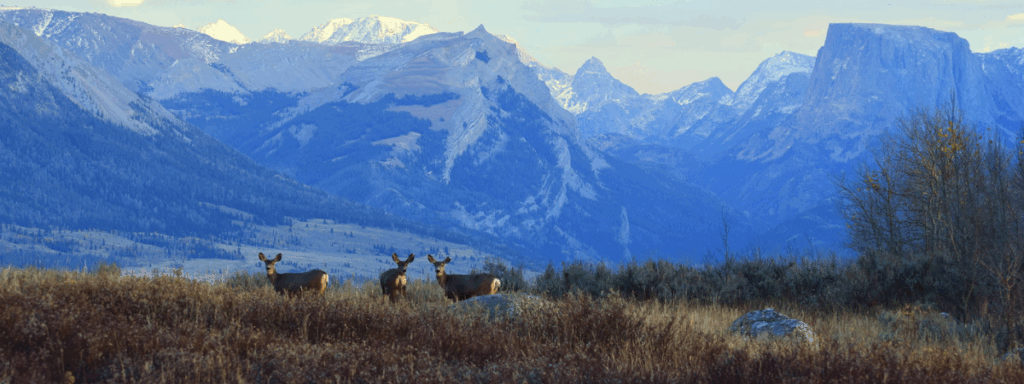
Public Lands
Why It Matters

Hunting & Fishing Access

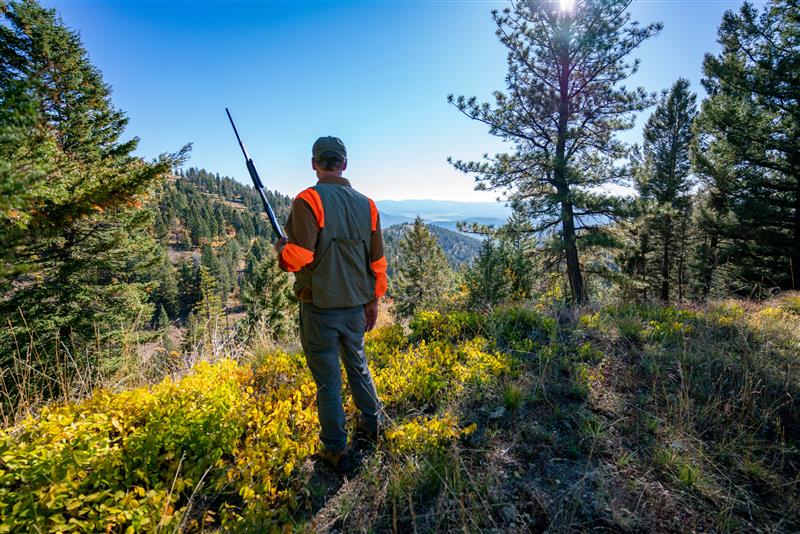
America’s 640 million acres of national public lands provide irreplaceable hunting and fishing opportunities to millions of Americans.

Learn More About Access
What TRCP is Doing

We’re working to safeguard America’s public lands so hunters and anglers always have quality places to pursue their passions.
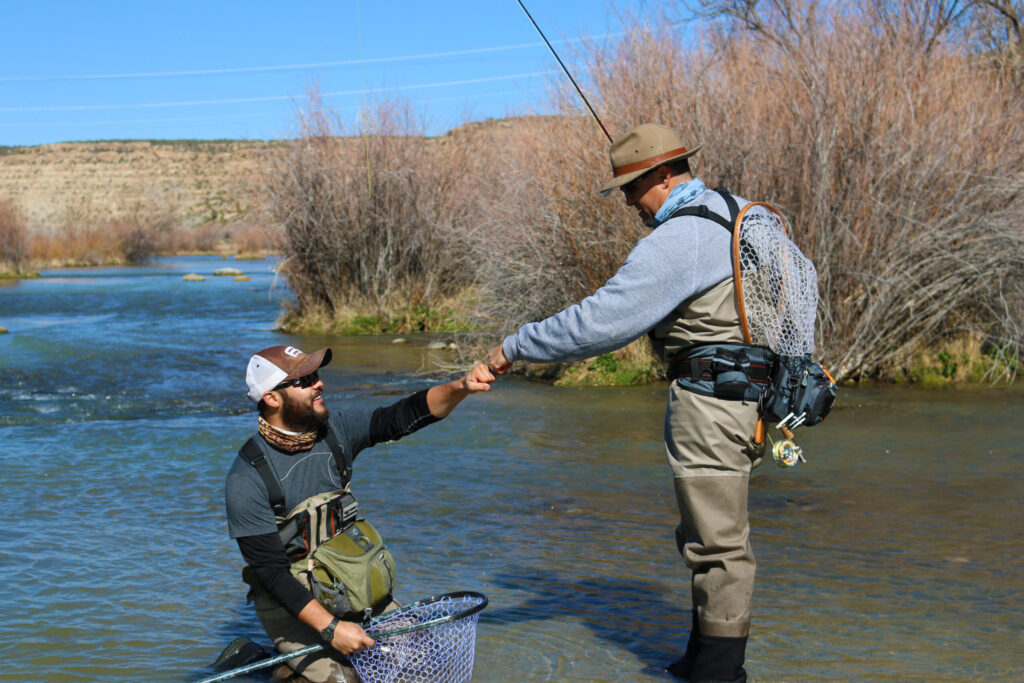
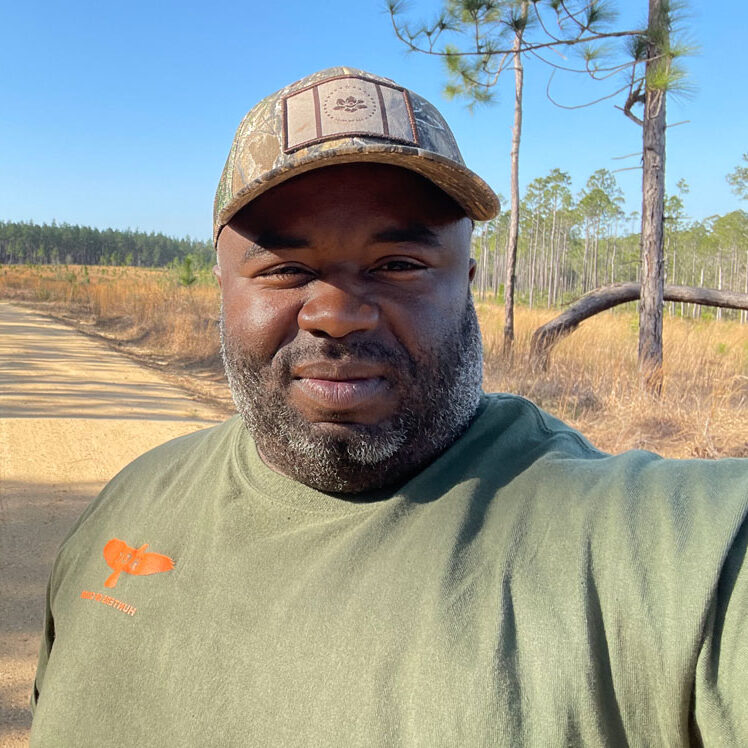
 Brian Flynn, Two Wolf Foundation
How Sportsmen Are Doing It Right

Brian Flynn, Two Wolf Foundation's Story

Following a distinguished career in the U.S. Army, lifelong outdoorsman Brian Flynn returned home from a deployment in Afghanistan and…

Hunting
Why It Matters

Key Issues for America’s Hunters

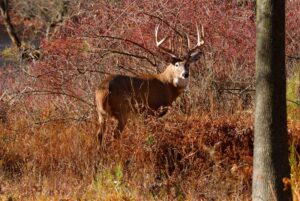
Your source for the latest policy updates, conservation challenges, and opportunities shaping America’s hunting traditions.

What TRCP is Doing

We’re fighting for meaningful policy changes that benefit wildlife, our waters, and the American landscapes that make our outdoor traditions possible.

 Ryan Sparks
How Sportsmen Are Doing It Right

Ryan Sparks's Story

TRCP’s “In the Arena” series highlights the individual voices of hunters and anglers who, as Theodore Roosevelt so famously said,…
Fishing
Why It Matters

Key Issues for America’s Anglers

Your source for the latest policy updates, conservation challenges, and opportunities shaping America’s fishing traditions.

What TRCP is Doing

We’re fighting for meaningful policy changes that benefit wildlife, our waters, and the American landscapes that make our outdoor traditions possible.

 David Mangum
How Sportsmen Are Doing It Right

David Mangum's Story

Capt. David Mangum is a YETI ambassador and outdoor photographer who utilizes his talents to produce media that inspire a…

Private Land
Why It Matters

Stewardship on America’s private lands

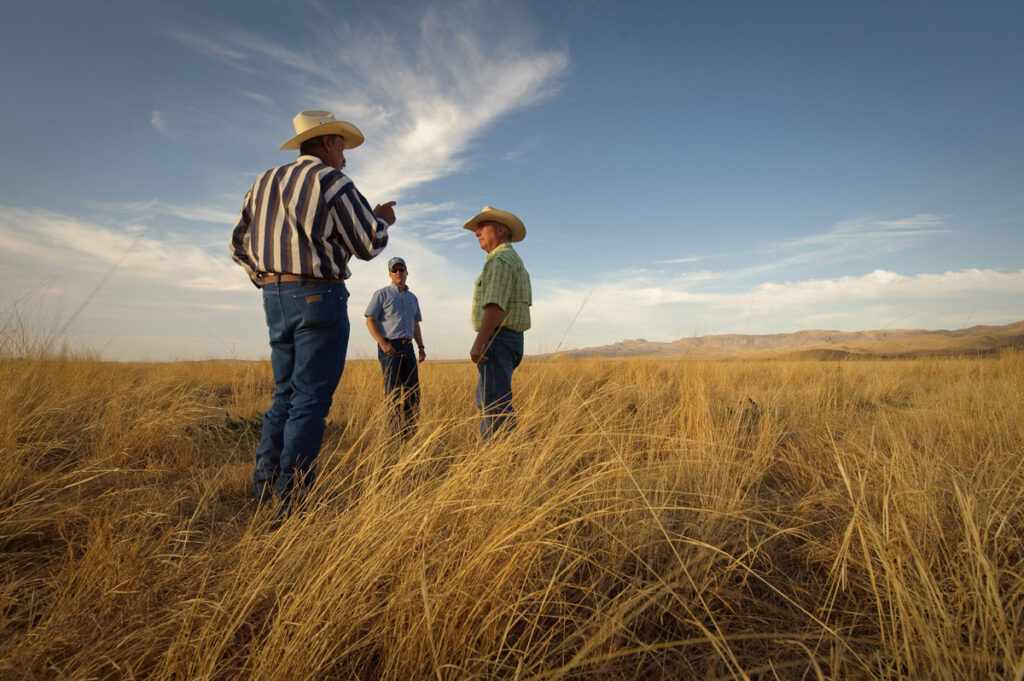
With 70 percent of U.S. lands in private hands and many of our best hunt and fish opportunities occurring there, investing in voluntary conservation on working lands safeguards access, strengthens habitat and water quality, and ensures resilient landscapes.

Learn More
What TRCP is Doing

We champion policies and programs that restore wildlife habitat, improve soil and water health, and keep working lands productive.

 Ward Burton
How Sportsmen are Doing It Right

Ward Burton's Story

Ward Burton’s NASCAR driving career stretched across most of two decades. As an avid sportsman and conservationist, he founded the…

Special Places
Why It Matters

Special Places Worth Protecting

America’s most iconic landscapes provide unmatched habitat and unforgettable days afield. These places sustain wildlife, anchor local economies, and define the hunting and fishing traditions we pass down.

What TRCP is Doing

We’re working to conserve special places that provide world-class habitat and unforgettable opportunities for hunters and anglers.

 Franklin Adams
How Sportsmen Are Doing It Right

Franklin Adams's Story

As a true Gladesman, conservationist, and historian, Capt. Franklin Adams has spent more than six decades championing Everglades restoration efforts…

Habitat & Clean Water
Why It Matters

Healthy Habitat Powers Every Pursuit

All hunting and fishing opportunities depend on quality habitat, from clean water and healthy wetlands to winter and summer habitats and the migration corridors that connect them.

All About Habitat & Clean Water
What TRCP is Doing

We are working to safeguard the habitats that power every hunting and fishing opportunity.

 Alex Harvey
How Sportsmen Are Doing It Right

Alex Harvey's Story

Alex Harvey, founder of Legacy Land Management, is a registered professional forester in Mississippi and Alabama with a Master's degree…

Science
Why It Matters

Science That Guides TRCP

From conserving migration corridors and wetlands to ensuring clean water and resilient landscapes, science provides evidence that turns conservation goals into effective action.

Science for Conservation
What TRCP is Doing

For hunters and anglers, science safeguards the experiences we treasure including resilient big game populations, abundant fish, and wild places that endure changing social landscapes.

Jamelle Ellis
Your Science Expert

Jamelle Ellis's Story

Jamelle Ellis joined the Theodore Roosevelt Conservation Partnership in 2022. Jamelle spent the last three years as an environmental sustainability…

Where We Work
Across the Nation

Conservation Across America

TRCP works across the country to ensure hunters and anglers can enjoy healthy fish and wildlife and quality days afield, no matter where they live.

See All Issues
TRCP in Your Region

TRCP works across the country to ensure hunters and anglers can enjoy healthy fish and wildlife and quality days afield, no matter where they live.

Who We Are
Our Mission

To guarantee all Americans quality places to hunt & fish

We unite and amplify our partners’ voices to advance America’s legacy of conservation, habitat, and access.

Our Mission & Values
Our People & Partners
  • Meet the TRCP Team

    Our staff and board members unite and amplify our partners’ voices to advance America’s legacy of conservation, habitat, and access.

    Meet the Team
  • Our Partners

    ‘Partnership’ is in our name. We work with 64 diverse partner groups that represent today’s leading hunting, fishing, and conservation organizations in order to strengthen the sportsman’s voice in Washington, D.C.

    Our Partners
  • Corporate Council

    TRCP’s Corporate Council is made up of diverse corporations that share a common passion for conservation.

    Corporate Council
Our Organization

Looking for more information?

Explore our latest news, policy updates, and conservation resources to get the information you need.

Giving
How You Can Help

To guarantee all Americans quality places to hunt & fish

Your tax-deductible donation will support TRCP's mission, now and into the future.

DONATE
Special Ways to support trcp
  • Capital Conservation Awards Dinner

    The CCAD is one of Washington's best-attended conservation celebrations, featuring dinner, cocktails, and a silent auction.

    Learn More
  • Step Into the Arena

    Help us ensure that our treasured wild habitats and game remain intact for the next generation to enjoy – lend your support to the TRCP’s efforts today!

    Donate
  • Roosevelt Roast

    TRCP has partnered with Afuera Coffee Co. to further our commitment to conservation.

    Learn More
More donation options

Find the best way for you to lend your support. Join one of TRCP’s donor circles for special invitations, premium offerings from outdoor retailers, and more exclusive benefits. Take control of your legacy with planned giving or contribute to special conservation funds.

Other Ways To Give
News
In the Spotlight

TRCP Appreciates Make America Beautiful Again 250 Strategy and Migration Announcements

Efforts will continue progress on habitat, access, and big game migration corridor conservation

Read More

Stay Informed

Receive our newsletter, the Roosevelt Report, right in your inbox. Never miss the latest news in conservation issues.

by:

posted in: Farm Bill

January 25, 2024

Building Better Duck Hunting Through Working Lands Conservation 

Funding the Migratory Bird Resurgence Initiative will enhance critical habitat for migratory birds.  

Waterfowl hunters have worked for decades to ensure that ducks and geese have quality places to nest, raise their broods, and winter. Through nearly a century of wetland protection and restoration, we’ve made great strides toward ensuring the long-term viability of waterfowl populations. Much of this habitat is on private agricultural lands. For example, the Prairie Pothole Region (PPR), an expansive area in the northern Great Plains, is where 50-70% of North America’s ducks are hatched each year. It is also about 90% privately owned, with over half of the region in crop production. 

Cropland wetlands, like those in the PPR, are protected from drainage through the wetland conservation compliance provisions of the Farm Bill, commonly known as Swampbuster, but they are typically not managed for waterfowl. Instead, they are usually farmed during dry years and left alone when flooded. This strategy can be successful for farmers when conditions are good, but it adds operational uncertainty and often leads to lost profit from flooding or soil salinity. 

Recognizing an opportunity, our partners at Delta Waterfowl and Ducks Unlimited worked directly with farmers, commodity groups, and state agencies to find ways to increase and enhance duck nesting habitat in the PPR. The solution they devised would be voluntary and incentive based, turning wetlands previously seen as an inconvenience into an asset. First piloted in North Dakota in 2015, this project became known as the Migratory Bird Resurgence Initiative (MBRI). The MBRI uses the Environmental Quality Incentives Program (EQIP), a Farm Bill Conservation program, to conserve the most important and most at risk small shallow wetlands. This practice provides a clear market signal to farmers that these small wetlands have value-not just to breeding ducks, but all people in the prairies and beyond. EQIP is well liked by farmers due to its numerous practice options and a great degree of flexibility. Thus, packaging a suite of EQIP practices into the MBRI makes it easier for farmers to enroll and for Natural Resources Conservation Service (NRCS) staff to administer.  

It’s important to foster more and better habitat in the breeding grounds, but without adequate winter habitat we won’t increase duck populations. Again, working in partnership with farm groups, Delta Waterfowl, and Ducks Unlimited, biologists identified post-harvest flooding of rice fields as a cost-effective way to increase habitat in a way that works with, not against, farmers’ operations. Here’s how:  

Rice fields are engineered to be flooded during the growing season, which reduces weed pressure and increases yield. This design makes fields easy to flood in the winter too, during which time the flooding creates massive areas of winter habitat for ducks, geese, shorebirds, and more. These shallow water habitats also create public hunting opportunities, such as through the Arkansas Waterfowl Rice Program. 

What’s Next 

In 2024, the Theodore Roosevelt Conservation Partnership (TRCP) and our partners are asking that NRCS allocate additional funds for the PPR (MT, ND, SD, IA, and MN) and for the wintering grounds (MS, AR, CA, TX, LA). Our partners at Delta Waterfowl estimate that investment in the MBRI would: 

  • Conserve more than half the region’s remaining small cropland wetlands. 
  • Create 500,000 acres of flooded rice winter habitat. 
  • Support more than a half million breeding pairs of ducks, countless shorebirds and other species. 
  • Store nearly 9.5 million tons of carbon annually  
  • Digest over 16 million pounds of nitrogen and 1.6 million pounds of phosphorus annually, improving water and air quality. 
  • Store more than 275,000 acre-feet of water, mitigating both drought and flooding. 

By using the voluntary, incentive-based framework of Farm Bill conservation, we can create these outcomes in places we could never reach with other strategies. So, what needs to be done to make this a reality?  

First, the NRCS needs to commit funds to the MBRI that reflect its innovative design and wide-ranging benefits. Restoring wetlands and creating wetland wildlife habitat fits squarely within the NRCS’ mission and few if any initiatives better meet NRCS’ stated objectives (even fewer were designed with as much intentional collaboration among hunters and farm groups). One way to financially support the MBRI would be by recognizing Wetland Wildlife Habitat Management as a climate-smart practice, which would make it eligible for funding through the Inflation Reduction Act. Wetlands are carbon storage powerhouses and restoring them only increases their capabilities. 

Second, Congress needs to pass a Farm Bill that ensures that conservation programs like EQIP continue to support both agricultural production and wildlife habitat.

Click here to learn more about the Farm Bill and get involved.


Do you have any thoughts on this post?

XHTML: You can use these tags: <a href="" title=""> <abbr title=""> <acronym title=""> <b> <blockquote cite=""> <cite> <code> <del datetime=""> <em> <i> <q cite=""> <s> <strike> <strong>

Comments must be under 1000 characters.

by:

posted in: Farm Bill

November 16, 2023

What is the Voluntary Public Access and Habitat Incentive Program?

If you’ve used a state walk-in access program to hunt or fish on private land, you’ve experienced what the Voluntary Public Access program can do. But what is VPA-HIP and how does it benefit hunters and anglers?

We know it can be challenging to break through the acronyms to understand why the reauthorization and improvement of Farm Bill conservation programs is a top priority.

In this short video, we demystify a crucial Farm Bill conservation program, the Voluntary Public Access and Habitat Incentive Program (VPA-HIP) and shed light on its benefits to hunters and anglers.

Championed by the Theodore Roosevelt Conservation Partnership’s founder, Jim Range, VPA-HIP is the only federal tool aimed at increasing hunting and fishing access on private lands, yet it is probably the least well-known of Farm Bill conservation programs. Watch the short video below to learn more about VPA-HIP and how this crucial program benefits hunters and anglers.

The next few months will be critical for the Farm Bill and the conservation programs we cherish as hunters and anglers. In the face of gridlock, conservation is, and should be, a shared priority regardless of party affiliation or ideology. Click here to learn what’s next for the Farm Bill.

by:

posted in: Farm Bill

November 3, 2023

What is the Farm Bill?

With the expiration of the 2018 Farm Bill in the news, you may be asking, what is the Farm Bill? Why does it matter to hunters and anglers?

We know it can be challenging to break through the alphabet soup of program acronyms to understand why the reauthorization and improvement of Farm Bill conservation programs is a top priority. In this short video, we demystify the Farm Bill and the crucial conservations programs that sportsmen and women should care about.

The next few months will be critical for the Farm Bill and the conservation programs we cherish as hunters and anglers. In the face of gridlock, conservation is, and should be, a shared priority regardless of party affiliation or ideology. Click here to learn what’s next for the Farm Bill.

by:

posted in: Farm Bill

October 26, 2023

The Farm Bill Expired. Now What?

Congress did not pass this critical omnibus bill by the September 30th deadline. Here’s what hunters and anglers need to know. 

We don’t make bigger investments in conservation than those in the Farm Bill. Totaling about $6 billion per year it is the single largest investment in conservation that the federal government makes on an annual basis.  

Every five years, Congress drafts a new Farm Bill. It’s a massive piece of legislation that supports agricultural producers and ensures hungry families have food on their table. Tucked inside this legislation are crucial conservation programs that incentivize habitat creation, sustainable agriculture, and even access to private land for hunting and fishing. The reauthorization and improvement of these programs is a top priority, not just within the TRCP, but among nearly all our partners and most of the agricultural community.  

To our collective disappointment, the 2018 Farm Bill expired on September 30, 2023, without a replacement. Given the importance of Farm Bill conservation programs to hunters and anglers, you might be surprised at the lack of commotion around this expiration. Shouldn’t we all be panicking by now? Here’s what you need to know. 

This is not new.

Although the challenges this Farm Bill is facing feel daunting, there is plenty of precedence for a delay. More often than not, Congress is late in passage of Farm Bills.  The longest recent process was for the Farm Bill that was signed in 2014 – discussions began in 2011 and it should have been reauthorized in 2012. Both the 2008 and 2018 Farm Bills were several months late as well.  

This history of challenges may indicate that passing Farm Bills is getting more difficult, but it also demonstrates that while coalition efforts toward highly bipartisan bills might be slow, they are effective. The first step toward this bipartisanship is the release of House and Senate Agriculture, Nutrition and Forestry Committee versions of the bill. All indications are that bills are close to ready, but their release has been delayed by disagreements over funding priorities, as well as general gridlock in the House of Representatives. 

Several conservation priorities are safe until 2031.

The budget reconciliation bill, commonly known as the Inflation Reduction Act or IRA, included nearly $20 billion for climate-smart uses of Farm Bill conservation programs. While this funding is not part of the Farm Bill, the IRA reauthorized several conservation programs through 2031, in addition to providing supplemental funding.

Even if a new Farm Bill or an extension isn’t passed, many practices that benefit hunters and anglers will continue through the Environmental Quality Incentives Program (EQIP), Conservation Stewardship Program (CSP), Regional Conservation Partnership Program (RCPP), and Agricultural Conservation Easement Program (ACEP). Through these programs, wetlands will still be restored and protected, upland habitat will still be managed, and field buffers will still be planted to improve water quality.  

The stakes are high for some conservation programs.

Not all of the programs we care about have been spared. The Conservation Reserve Program (CRP) has expired. It is one of our country’s most successful conservation programs and provides tremendous benefits for wildlife and habitat. Existing contracts will continue, but new acres can’t be enrolled. This means that the CRP will slowly, but steadily, shrink until either a new Farm Bill is passed, or the current bill is extended. This can lead to a loss of habitat for countless species across the country. Luckily, relatively few contracts are set to expire in the upcoming months, so the overall picture is a little less bleak.    

Another key program for hunters and anglers, the Voluntary Public Access and Habitat Incentive Program (VPA-HIP), also suffers from a delayed bill. Funding for VPA-HIP, a crucial Farm Bill program that has opened hundreds of thousands of private acres for walk-in access to hunting and fishing, has historically been distributed once per Farm Bill cycle. The last funds were distributed to states and Tribes in 2020, and without a new Farm Bill private land access programs across the nation will suffer from a lack of much-needed resources.  

We’re on it.

The next few months will be critical for the Farm Bill and the conservation programs we cherish as hunters and anglers.  It is unlikely we’ll see action before mid-November, as Congress works to pass appropriations bills and avert a government shutdown. The broader consequences, especially for programs that support agricultural commodities, would kick in at the end of the calendar year meaning that Congress will feel increasing pressure to act by that time. The TRCP, and our partners, are working with decision makers in Congress, especially the House and Senate Ag Committees, and USDA to keep hunter and angler priorities top of mind, both in the writing of the next Farm Bill and in the interim.    

You can help.

In the face of gridlock, conservation is, and should be, a shared priority regardless of party affiliation or ideology. Congress needs to hear that this is important to you. Take action here and stay up to date at trcp.org/farm-bill.  

by:

posted in: Farm Bill

August 21, 2023

Video: A Farm Bill Conservation Story

A Wisconsin family farm harnesses the power of Farm Bill programs and leads the way in conservation.

Join Ashly Steinke as he takes you on a turkey hunt and shares the inspiring story of his family’s journey raising sustainable grass-fed beef while harnessing the power of Farm Bill conservation programs. Witness firsthand how they have successfully restored grasslands, wetlands, and forests while building a profitable ag business.

In the video, Ashly shares how Farm Bill programs have enabled his family to improve habitat and boost wildlife populations on their farm and how the Conservation Stewardship Program (CSP), Environmental Quality Incentives Program (EQIP), and the Conservation Reserve Enhancement Program (CREP) has helped them to make a positive impact.

Thanks to Farm Bill support and a commitment to conservation, the Steinke family’s Wisconsin farm has undergone a remarkable transformation. Join them in spreading the word about the remarkable impact these programs can have and discover how you can get involved too. 

HOW YOU CAN HELP

TRCP has partnered with Afuera Coffee Co. to further our commitment to conservation. $4 from each bag is donated to the TRCP, to help continue our efforts of safeguarding critical habitats, productive hunting grounds, and favorite fishing holes for future generations.

Learn More
Subscribe


You have Successfully Subscribed!

You have Successfully Subscribed!

You have Successfully Subscribed!

You have Successfully Subscribed!

You have Successfully Subscribed!