Our Issues
Public Lands
Why It Matters

Hunting & Fishing Access

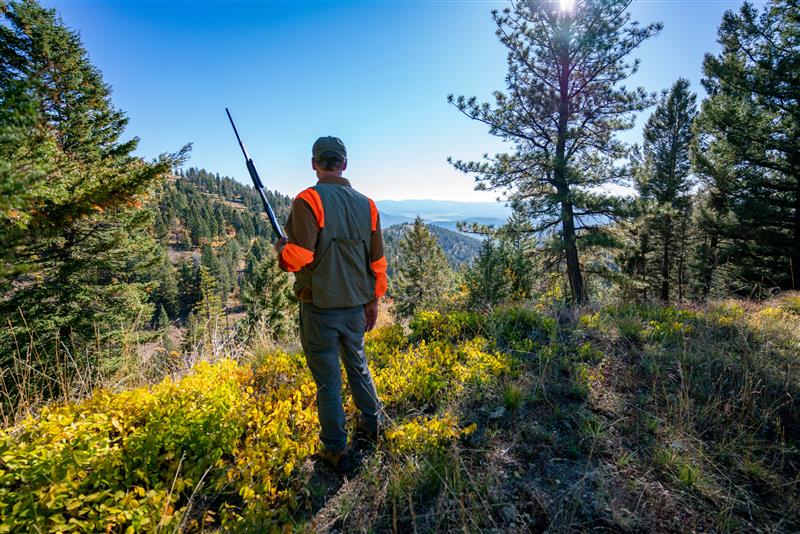
America’s 640 million acres of national public lands provide irreplaceable hunting and fishing opportunities to millions of Americans.

Learn More About Access
What TRCP is Doing

We’re working to safeguard America’s public lands so hunters and anglers always have quality places to pursue their passions.
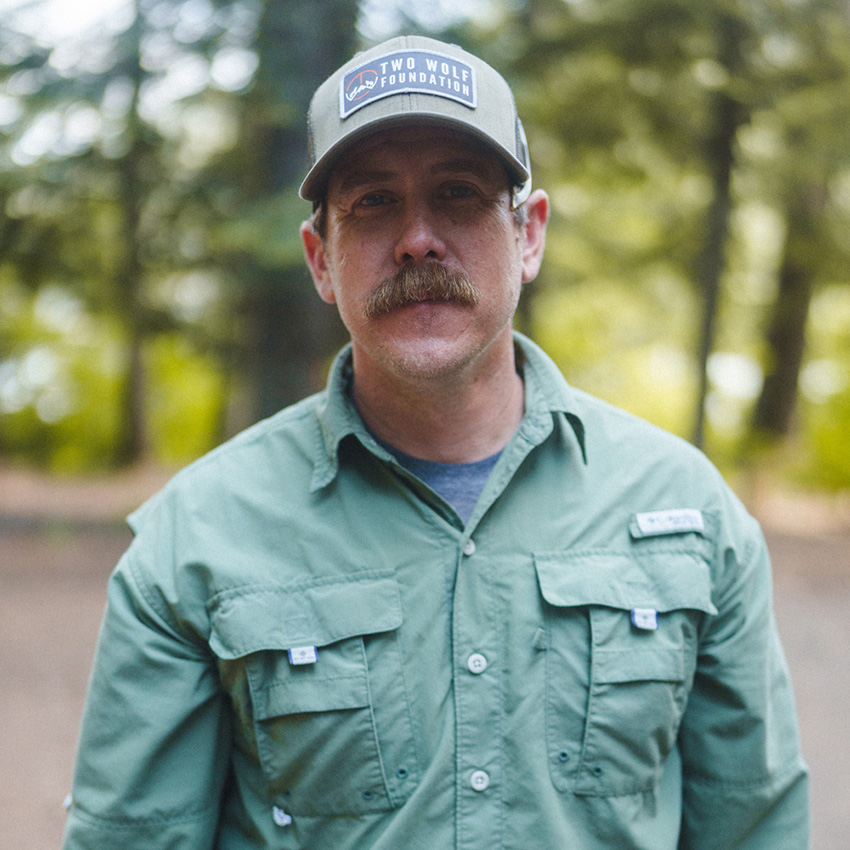
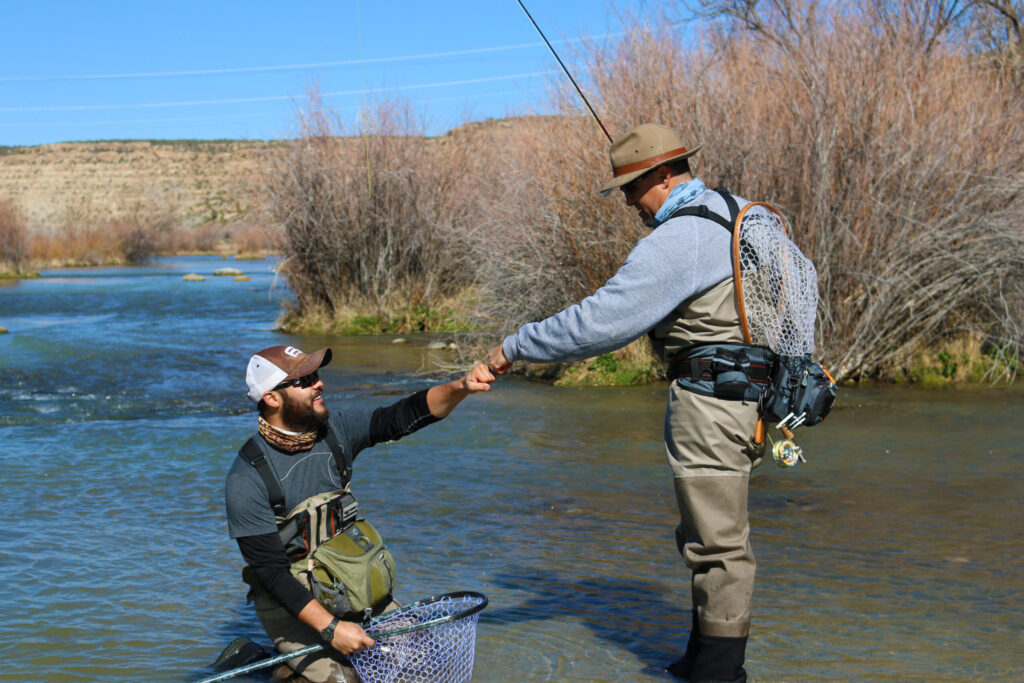
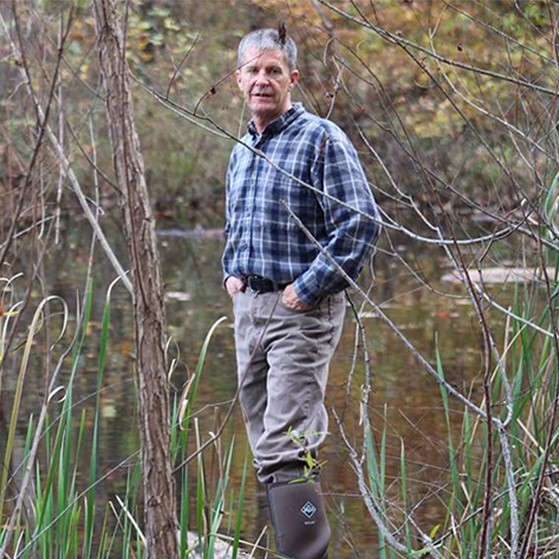
 Brian Flynn, Two Wolf Foundation
How Sportsmen Are Doing It Right

Brian Flynn, Two Wolf Foundation's Story

Following a distinguished career in the U.S. Army, lifelong outdoorsman Brian Flynn returned home from a deployment in Afghanistan and…

Hunting
Why It Matters

Key Issues for America’s Hunters

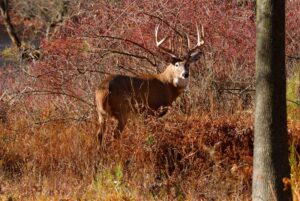
Your source for the latest policy updates, conservation challenges, and opportunities shaping America’s hunting traditions.

What TRCP is Doing

We’re fighting for meaningful policy changes that benefit wildlife, our waters, and the American landscapes that make our outdoor traditions possible.

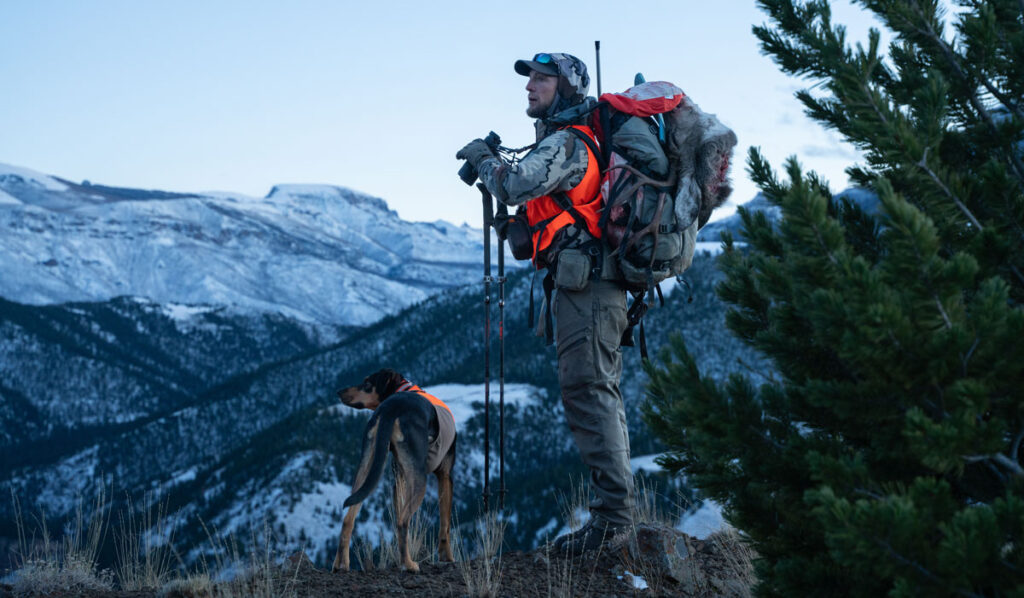
 Ryan Sparks
How Sportsmen Are Doing It Right

Ryan Sparks's Story

TRCP’s “In the Arena” series highlights the individual voices of hunters and anglers who, as Theodore Roosevelt so famously said,…

Fishing
Why It Matters

Key Issues for America’s Anglers

Your source for the latest policy updates, conservation challenges, and opportunities shaping America’s fishing traditions.

What TRCP is Doing

We’re fighting for meaningful policy changes that benefit wildlife, our waters, and the American landscapes that make our outdoor traditions possible.

 David Mangum
How Sportsmen Are Doing It Right

David Mangum's Story

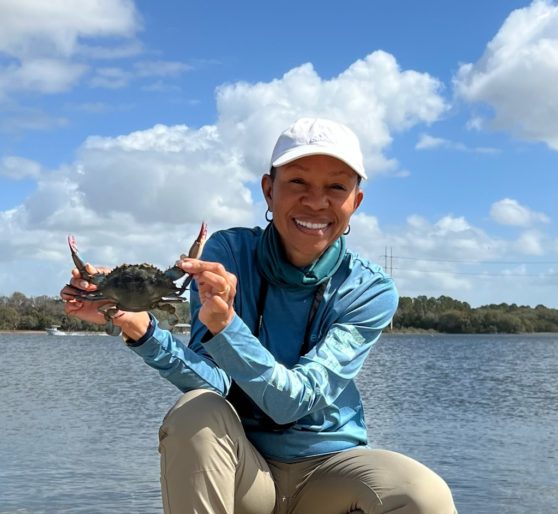
Capt. David Mangum is a YETI ambassador and outdoor photographer who utilizes his talents to produce media that inspire a…

Private Land
Why It Matters

Stewardship on America’s private lands

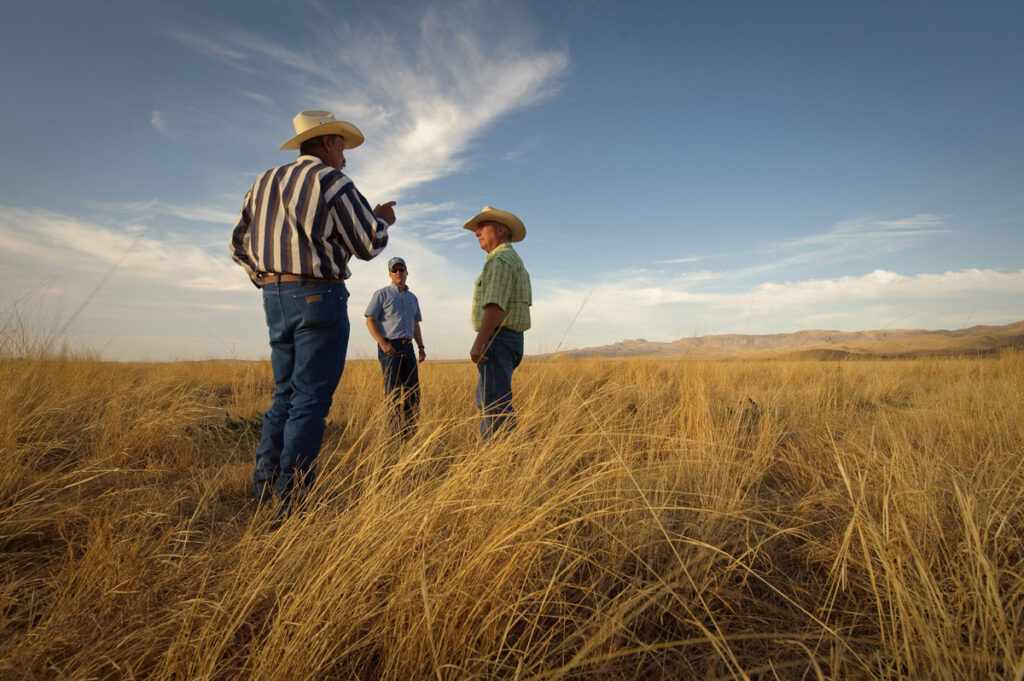
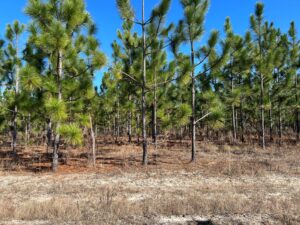
With 70 percent of U.S. lands in private hands and many of our best hunt and fish opportunities occurring there, investing in voluntary conservation on working lands safeguards access, strengthens habitat and water quality, and ensures resilient landscapes.

Learn More
What TRCP is Doing

We champion policies and programs that restore wildlife habitat, improve soil and water health, and keep working lands productive.

 Ward Burton
How Sportsmen are Doing It Right

Ward Burton's Story

Ward Burton’s NASCAR driving career stretched across most of two decades. As an avid sportsman and conservationist, he founded the…

Special Places
Why It Matters

Special Places Worth Protecting

America’s most iconic landscapes provide unmatched habitat and unforgettable days afield. These places sustain wildlife, anchor local economies, and define the hunting and fishing traditions we pass down.

What TRCP is Doing

We’re working to conserve special places that provide world-class habitat and unforgettable opportunities for hunters and anglers.

 Franklin Adams
How Sportsmen Are Doing It Right

Franklin Adams's Story

As a true Gladesman, conservationist, and historian, Capt. Franklin Adams has spent more than six decades championing Everglades restoration efforts…

Habitat & Clean Water
Why It Matters

Healthy Habitat Powers Every Pursuit

All hunting and fishing opportunities depend on quality habitat, from clean water and healthy wetlands to winter and summer habitats and the migration corridors that connect them.

All About Habitat & Clean Water
What TRCP is Doing

We are working to safeguard the habitats that power every hunting and fishing opportunity.

 Alex Harvey
How Sportsmen Are Doing It Right

Alex Harvey's Story

Alex Harvey, founder of Legacy Land Management, is a registered professional forester in Mississippi and Alabama with a Master's degree…

Science
Why It Matters

Science That Guides TRCP

From conserving migration corridors and wetlands to ensuring clean water and resilient landscapes, science provides evidence that turns conservation goals into effective action.

Science for Conservation
What TRCP is Doing

For hunters and anglers, science safeguards the experiences we treasure including resilient big game populations, abundant fish, and wild places that endure changing social landscapes.

Jamelle Ellis
Your Science Expert

Jamelle Ellis's Story

Jamelle Ellis joined the Theodore Roosevelt Conservation Partnership in 2022. Jamelle spent the last three years as an environmental sustainability…

Where We Work
Across the Nation

Conservation Across America

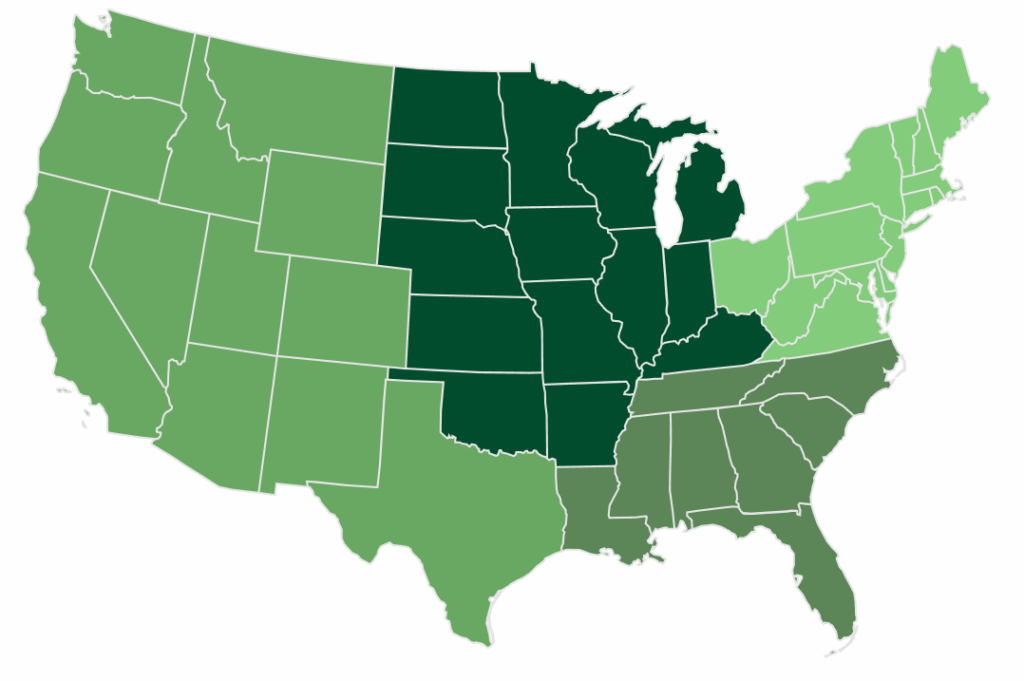
TRCP works across the country to ensure hunters and anglers can enjoy healthy fish and wildlife and quality days afield, no matter where they live.

See All Issues
TRCP in Your Region

TRCP works across the country to ensure hunters and anglers can enjoy healthy fish and wildlife and quality days afield, no matter where they live.

Who We Are
Our Mission

To guarantee all Americans quality places to hunt & fish

We unite and amplify our partners’ voices to advance America’s legacy of conservation, habitat, and access.

Our Mission & Values
Our People & Partners
  • Meet the TRCP Team

    Our staff and board members unite and amplify our partners’ voices to advance America’s legacy of conservation, habitat, and access.

    Meet the Team
  • Our Partners

    ‘Partnership’ is in our name. We work with 64 diverse partner groups that represent today’s leading hunting, fishing, and conservation organizations in order to strengthen the sportsman’s voice in Washington, D.C.

    Our Partners
  • Corporate Council

    TRCP’s Corporate Council is made up of diverse corporations that share a common passion for conservation.

    Corporate Council
Our Organization

Looking for more information?

Explore our latest news, policy updates, and conservation resources to get the information you need.

Giving
How You Can Help

To guarantee all Americans quality places to hunt & fish

Your tax-deductible donation will support TRCP's mission, now and into the future.

DONATE
Special Ways to support trcp
  • Capital Conservation Awards Dinner

    The CCAD is one of Washington's best-attended conservation celebrations, featuring dinner, cocktails, and a silent auction.

    Learn More
  • Step Into the Arena

    Help us ensure that our treasured wild habitats and game remain intact for the next generation to enjoy – lend your support to the TRCP’s efforts today!

    Donate
  • Roosevelt Roast

    TRCP has partnered with Afuera Coffee Co. to further our commitment to conservation.

    Learn More
More donation options

Find the best way for you to lend your support. Join one of TRCP’s donor circles for special invitations, premium offerings from outdoor retailers, and more exclusive benefits. Take control of your legacy with planned giving or contribute to special conservation funds.

Other Ways To Give
News
In the Spotlight

In the Arena: Josh Warren

For many hunters and anglers, the connection to conservation begins close to home — in the woods behind the house, along a familiar stretch of river, or through time spent learning from mentors and family. That sense of place is something Joshua Warren carries with him, both personally and professionally. As Director of Marketing at WorkSharp, Josh represents a company rooted in Ashland, Oregon, a community defined by its access to public lands and wild country.

Read More

Stay Informed

Receive our newsletter, the Roosevelt Report, right in your inbox. Never miss the latest news in conservation issues.

by:

posted in:

November 8, 2023

Brian-Flynn_AFG_2wb-2

Do you have any thoughts on this post?

XHTML: You can use these tags: <a href="" title=""> <abbr title=""> <acronym title=""> <b> <blockquote cite=""> <cite> <code> <del datetime=""> <em> <i> <q cite=""> <s> <strike> <strong>

Comments must be under 1000 characters.

by:

posted in:

Ryan Nitz: The ‘Barefoot Bandit’ of the Everglades

In part one of a two-part blog, the charter captain and swamp stalker talks bowhunting close calls and using his social platform to push Everglades conservation


If you’re Ryan Nitz, South Florida hunting is all about risk taking. Along with a little sacrifice, and even more suffering.

After bushwhacking through the subtropical forest, the Florida native once swiped a massive, fuzzy, orange-striped puss caterpillar from the back of his neck. Almost immediately his vision blurred and profuse drool dripped from his slack mouth as he stumbled back to his truck. That injury was just to his neck. His feet take bigger risks.

That’s because Nitz often opts to hunt barefoot. Not in the cool, open woodlands or grassy meadows of middle America, but in the snake and spider-filled swamps of the Everglades. While wading northern Everglades haunts in search of goonie bucks, his feet find a lot more.

“I’ve literally stepped on a water moccasin,” Nitz says.

He trod on the squirming snake while walk-and-stalk hunting for deer, jumping away before it could strike because by sheer luck he’d stepped on the serpent’s neck. He’s also stumbled into an alligator while heading out of a cypress dome in fading twilight. He was marching toward his swamp buggy pickup spot, bow in hand, not paying attention as he tried to get a cell phone signal. He ran smack into a massive gator, luckily facing away from him.

“When I hit the tail of him, he did a one-eighty and snapped his jaws,” he says. “I’ll never forget the sound it made, like a 12-gauge shotgun going off. I could actually feel the percussion.”

While he says those reptile encounters were scary, they don’t compare to his worst barefoot experience: stepping on a scorpion. “The only way to describe it is if you stepped on a knife. I couldn’t put shoes on for like nine days.”

Risks Are Worth the Rewards

Why does Nitz, nicknamed by peers the “Barefoot Bandit,” risk exposing his feet for hunting? Because where he lives, the best place to find 10-point whitetail bucks is in inundated cypress swamps, where wearing boots means overheating, having soggy socks inside sunken boots, and making lots of noise. He also barefoot hunts, for deer as well as hogs and turkeys, for better maneuverability and stealth. He acknowledges the risk. But he’s onto something. Because this story is not just about his feet, but also his feats.

Feats garnered due to his early sporting success – and not just personally bagging the biggest South Florida bucks. Feats like the rush of getting to guide out-of-state hunters into pristine Florida uplands to call in Osceola turkeys. Or like changing his career from pest control specialist to one of the more highly sought after (and youngest) snook fishing guides in South Florida. And like being able to lend his experience to offer fishing and hunting trips that leave positive lifelong memories with those who hire him.

“I really like showing people what I’ve learned over the last 20 years,” he says. “And my clients are sometimes almost in tears because they had such a memorable day in the field with a family member or friend.”

Social Media Sensation

Nitz has spent his entire 32 years in coastal southeast Florida, in and near the northern reaches of the Everglades ecosystem. From turkey hunts in north Florida to whitetails in the Glades, he’s had hunting success throughout the state. But it was snook fishing in his backyard that really launched his business, Ryan Nitz Charters.

Nitz became an expert snook fisherman near his Jupiter home after spending every afternoon in high school wading along mangroves and under bridges in what he calls “the snook capital of North America.” Until seven years ago, it was only for fun. Back when he was working in pest control to earn a living. But as a wildlife photographer, he started taking pictures and filming experiences using the GoPro on his head. His girlfriend at the time insisted he set up social media accounts and post his unique photos from the field, which he’d resisted because he thought people often use these platforms for all the wrong reasons. But he gave in and started posting the snook shots online.

His Instagram following blew up.

Television shows began to find him through his social media accounts, as did a sudden rush of people willing to be clients. He suddenly realized he could make a living out of doing what he loved. So he went and earned his captain’s license, bought a better boat, and stopped doing pest control. The rest is history.

“Now I’ve made myself known for the biggest snook you can catch.”

Over time Nitz’s Instagram account has literally become his business. It also lets him showcase the deer and gobblers he still stalks for fun, and which ultimately led to him guiding hunters into some to the best Osceola turkey habitat in the state.

He says that much of the land he leases for 20 to 30 turkey hunting clients each year is in the eastern part of the Everglades, in the “most pristine Florida woods you can find.” But recently he’s been running into more and more problems with development. One 300-acre property he leases for hunting, along with the property to the north, will soon be developed.

“There goes another piece of the woods we’ll never get back,” he laments. “And all that new infrastructure will block the flow of water from the Kissimmee [River] to Biscayne Bay.”

A Mouthpiece for Conservation

Like the sacrifices he makes for a successful hunt, Nitz has come to recognize that if we care about the natural world and conservation, we all have to be willing to give something up. Like turning down clients who want to fish an area that’s been hit too hard one season, regardless of regulations, or offering time or effort to support restoration efforts. He also wants to use the platform he’s created for conservation.

“Because I have that voice and following, I want to use it while I’m still young.”

Click here to support critical Everglades restoration projects

Nitz readily admits that the South Florida areas he’s put in the spotlight have gotten more pressure due to his own social media popularity, but he intends to use this to his advantage now. With 50,000 followers, that means a lot of potential hunters and anglers to hopefully follow his lead on caring about conservation.

“Because I have that voice and following, I want to use it while I’m still young,” he says.

Nitz says the allure of Florida has always been the beautiful beaches, the inshore waterways, the vast swamps teeming with wildlife, and the resulting fishing and hunting. Without these, and the fish and wildlife they support, all Florida would have left are theme parks and new condos. He sees rampant development and the politics that enable it as the biggest problem Florida’s terrestrial ecosystems face, due to the flood of people moving to the state and too many decision-makers focused more on money than conservation.

“I wish somebody would have wild Florida at heart,” he says of the powers that be. “Right now is the time to act to have any chance of saving the state. And the Everglades are the heartbeat of Florida, so you have to start there. Once they’re gone, it’s all gone.”

Solutions Lie in Teamwork, Targeted Funding

Nitz believes one of the main pathways to conservation is getting organizations and individual hunters and anglers rowing in the same direction.

“It’s a great thing to have organizations like TRCP, because there’s strength in numbers,” he says, referring to the nonprofit’s large following in the sporting community and its connections to partner groups. Like TRCP’s involvement with the Everglades Coalition, a group of almost 60 conservation and environmental organizations dedicated to restoration of the Greater Everglades Ecosystem. The coalition’s efforts to restore North America’s largest wetland largely revolve around getting the sporting and conservation communities to notice, and to care.

“That’s really our only chance,” Nitz says. “Get enough people involved and pissed off enough about it that they’ll do something.”

###

Read part 2 of our blog on Ryan Nitz, which focuses on his fishing charter business and risks to giant snook.

Click here to support Everglades conservation efforts by insisting that lawmakers continue to provide funding for critical infrastructure work.

Want to Hunt or Fish with Nitz?
He still does everything through his Instagram account, including respond to inquiries. If you don’t use social media, just type ‘Ryan Nitz’ into Google to find him and request to book a charter. He’ll get back to you between barefoot backwater hunts and midnight snook runs. 

Photo credits: All images except of water moccasin courtesy of Ryan Nitz

by:

posted in:

November 3, 2023

What is the Farm Bill?

With the expiration of the 2018 Farm Bill in the news, you may be asking, what is the Farm Bill? Why does it matter to hunters and anglers?

We know it can be challenging to break through the alphabet soup of program acronyms to understand why the reauthorization and improvement of Farm Bill conservation programs is a top priority. In this short video, we demystify the Farm Bill and the crucial conservations programs that sportsmen and women should care about.

The next few months will be critical for the Farm Bill and the conservation programs we cherish as hunters and anglers. In the face of gridlock, conservation is, and should be, a shared priority regardless of party affiliation or ideology. Click here to learn what’s next for the Farm Bill.

by:

posted in:

October 26, 2023

The Farm Bill Expired. Now What?

Congress did not pass this critical omnibus bill by the September 30th deadline. Here’s what hunters and anglers need to know. 

We don’t make bigger investments in conservation than those in the Farm Bill. Totaling about $6 billion per year it is the single largest investment in conservation that the federal government makes on an annual basis.  

Every five years, Congress drafts a new Farm Bill. It’s a massive piece of legislation that supports agricultural producers and ensures hungry families have food on their table. Tucked inside this legislation are crucial conservation programs that incentivize habitat creation, sustainable agriculture, and even access to private land for hunting and fishing. The reauthorization and improvement of these programs is a top priority, not just within the TRCP, but among nearly all our partners and most of the agricultural community.  

To our collective disappointment, the 2018 Farm Bill expired on September 30, 2023, without a replacement. Given the importance of Farm Bill conservation programs to hunters and anglers, you might be surprised at the lack of commotion around this expiration. Shouldn’t we all be panicking by now? Here’s what you need to know. 

This is not new.

Although the challenges this Farm Bill is facing feel daunting, there is plenty of precedence for a delay. More often than not, Congress is late in passage of Farm Bills.  The longest recent process was for the Farm Bill that was signed in 2014 – discussions began in 2011 and it should have been reauthorized in 2012. Both the 2008 and 2018 Farm Bills were several months late as well.  

This history of challenges may indicate that passing Farm Bills is getting more difficult, but it also demonstrates that while coalition efforts toward highly bipartisan bills might be slow, they are effective. The first step toward this bipartisanship is the release of House and Senate Agriculture, Nutrition and Forestry Committee versions of the bill. All indications are that bills are close to ready, but their release has been delayed by disagreements over funding priorities, as well as general gridlock in the House of Representatives. 

Several conservation priorities are safe until 2031.

The budget reconciliation bill, commonly known as the Inflation Reduction Act or IRA, included nearly $20 billion for climate-smart uses of Farm Bill conservation programs. While this funding is not part of the Farm Bill, the IRA reauthorized several conservation programs through 2031, in addition to providing supplemental funding.

Even if a new Farm Bill or an extension isn’t passed, many practices that benefit hunters and anglers will continue through the Environmental Quality Incentives Program (EQIP), Conservation Stewardship Program (CSP), Regional Conservation Partnership Program (RCPP), and Agricultural Conservation Easement Program (ACEP). Through these programs, wetlands will still be restored and protected, upland habitat will still be managed, and field buffers will still be planted to improve water quality.  

The stakes are high for some conservation programs.

Not all of the programs we care about have been spared. The Conservation Reserve Program (CRP) has expired. It is one of our country’s most successful conservation programs and provides tremendous benefits for wildlife and habitat. Existing contracts will continue, but new acres can’t be enrolled. This means that the CRP will slowly, but steadily, shrink until either a new Farm Bill is passed, or the current bill is extended. This can lead to a loss of habitat for countless species across the country. Luckily, relatively few contracts are set to expire in the upcoming months, so the overall picture is a little less bleak.    

Another key program for hunters and anglers, the Voluntary Public Access and Habitat Incentive Program (VPA-HIP), also suffers from a delayed bill. Funding for VPA-HIP, a crucial Farm Bill program that has opened hundreds of thousands of private acres for walk-in access to hunting and fishing, has historically been distributed once per Farm Bill cycle. The last funds were distributed to states and Tribes in 2020, and without a new Farm Bill private land access programs across the nation will suffer from a lack of much-needed resources.  

We’re on it.

The next few months will be critical for the Farm Bill and the conservation programs we cherish as hunters and anglers.  It is unlikely we’ll see action before mid-November, as Congress works to pass appropriations bills and avert a government shutdown. The broader consequences, especially for programs that support agricultural commodities, would kick in at the end of the calendar year meaning that Congress will feel increasing pressure to act by that time. The TRCP, and our partners, are working with decision makers in Congress, especially the House and Senate Ag Committees, and USDA to keep hunter and angler priorities top of mind, both in the writing of the next Farm Bill and in the interim.    

You can help.

In the face of gridlock, conservation is, and should be, a shared priority regardless of party affiliation or ideology. Congress needs to hear that this is important to you. Take action here and stay up to date at trcp.org/farm-bill.  

by:

posted in:

Three Reasons Clean Water Protections Are Vital to Hunting and Fishing 

As lawmakers examine the implications of Sackett v EPA, TRCP and partners highlight how the future of hunting and fishing opportunities depends on protecting and restoring our nations’ wetlands and streams. 

On October 18, 2023, the Senate Committee on Environment and Public Works held a hearing which further emphasized the risk to America’s hunting and fishing heritage resulting from the Supreme Court’s ruling, Sackett v EPA, and the recent conforming rule issued by the EPA and Army Corps of Engineers. The hearing coincided with the 51st year of the Clean Water Act and gathered testimony to examine the full implications of these landmark decisions. 

The Theodore Roosevelt Conservation Partnership, alongside the Wild Salmon Center, Trout Unlimited, Izaak Walton League of America, Fly Fishers International, and the American Fisheries Society submitted a letter for the record to the committee calling on Congress to take action to protect and restore our nations’ waters in the wake of Sackett v EPA. The future of hunting and fishing opportunities for our children, and our children’s children, depends on it. Here are three reasons why: 

Wetlands and Tributary Streams Are Vital to Hunting and Fishing

The health of our nation’s watersheds is the barometer of our wildlife and fish populations. Aquatic habitat and connectivity in the vital network of small, tributary streams and in their downstream rivers not only provide fish habitat, but also provide essential habitat for upland birds, deer, bears, and many other wildlife species. The vast category of “non-adjacent” wetlands—that no longer benefit from federal protections after the Agencies’ conforming rule—provide essential migratory bird and duck habitat, such as the deservedly famous prairie pothole region. Places that serve as vital nesting grounds for migratory birds are at risk too, such as the groundwater dependent wetlands and springs in Colorado’s San Luis Valley and California’s Central Valley.  

Overall, wetlands provide breeding grounds for over half of North American waterfowl. The loss of these protections puts wildlife populations and crucial habitat at risk and, in turn, would mean fewer quality hunting and fishing opportunities for future generations.  

Aquatic Resources Are at Risk.

Aquatic resources, vital to maintaining the “. . . physical, chemical, and biological integrity of the Nation’s waters,” are now at risk. A 404 Permit is no longer required prior to their destruction or harm if non-adjacent wetlands are located where a new development, road, bridge, pipeline, or transmission line is proposed. This means that a 404 Permit’s requirement to avoid, minimize, or mitigate harm no longer applies to non-adjacent wetlands. EPA estimates that between 51-63% of wetlands are at risk of loss under its conforming rule. In addition to the loss of wetlands, the conforming rule’s limitation to “relatively permanent, standing, or continuously flowing” tributary streams as coming under Clean Water Act jurisdiction, means that ephemeral streams are at risk.

A recent analysis calculated that 57% of the nation’s total stream miles are ephemeral. These networks of headwater streams not only function as the vital capillaries of the larger arteries in our watersheds, but they also convey pollutants downstream with their seasonal flows.  The loss of federal protections for these headwater features means the potential for more pollution downstream in addition to the loss of aquatic function and habitats on which many of the species we as hunters and anglers rely.    

Outdoor Recreation is a Sustainable Economic Driver.

Clean water is a lynchpin of an outdoor recreation economy that creates 4.3 million jobs and generates $689 billion in consumer spending annually. What’s more, the entire outdoor recreation industry is built on sustaining and protecting aquatic resources, as opposed to industries that encroach on or pollute these vital, national resources. A national bipartisan poll shows that 92% of hunters and anglers support clean water protections. Healthy habitat and clean water serve as the backbone of the outdoor economy, and this link will help drive future economic opportunities and the chances for future generations of hunters and anglers to enjoy the great outdoors. 

Over the past 50 years, the Clean Water Act has been the driving force to protect water quality and enhance the condition of rivers, lakes, wetlands, and other water bodies of the United States. The next 50 years present even greater challenges, from newly discovered toxins in drinking water to extreme weather events super-charged by climate change. High-functioning watersheds are the best bulwark of protection from these threats.

Click here to learn how TRCP is working to ensure healthy habitat and clean water to support the wildlife and fish we love to pursue. 

Click here to watch the Senate Committee on Environment and Public Works hearing, Examining the Implications of Sackett v. Environmental Protection Agency for Clean Water Act Protections of Wetlands and Streams.

HOW YOU CAN HELP

TRCP has partnered with Afuera Coffee Co. to further our commitment to conservation. $4 from each bag is donated to the TRCP, to help continue our efforts of safeguarding critical habitats, productive hunting grounds, and favorite fishing holes for future generations.

Learn More

You have Successfully Subscribed!

You have Successfully Subscribed!

You have Successfully Subscribed!

You have Successfully Subscribed!