Our Issues
Public Lands
Why It Matters

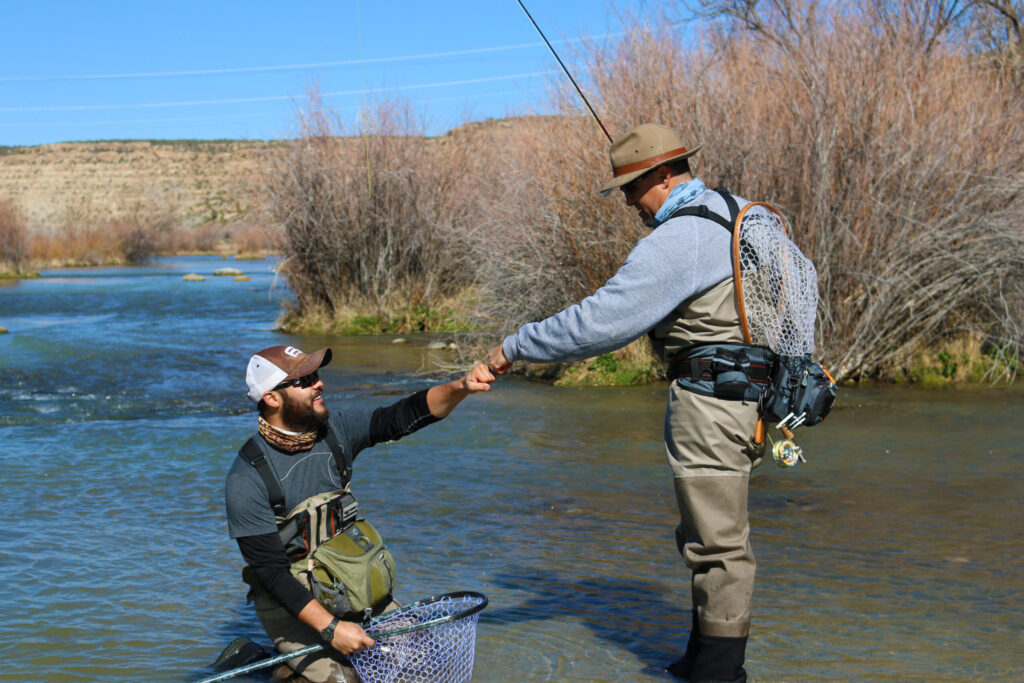
Hunting & Fishing Access

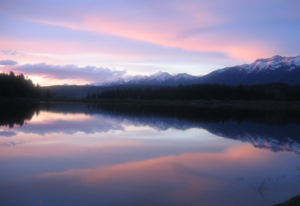
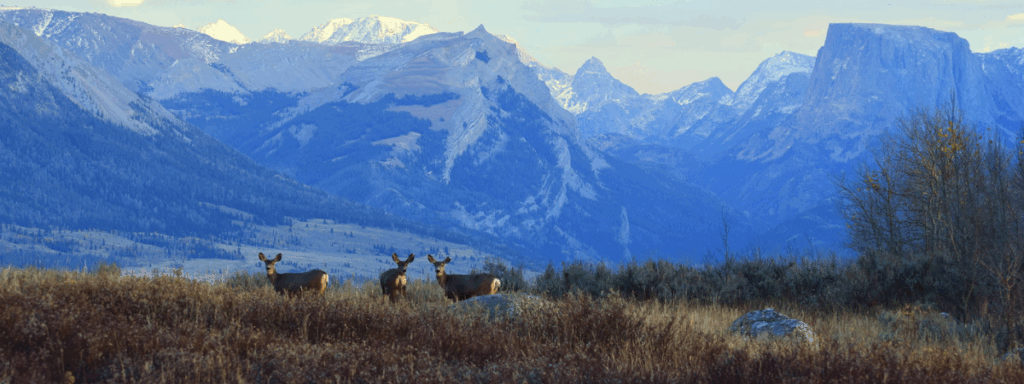
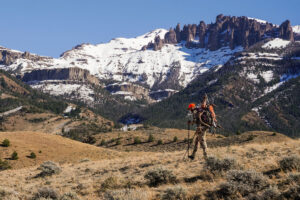
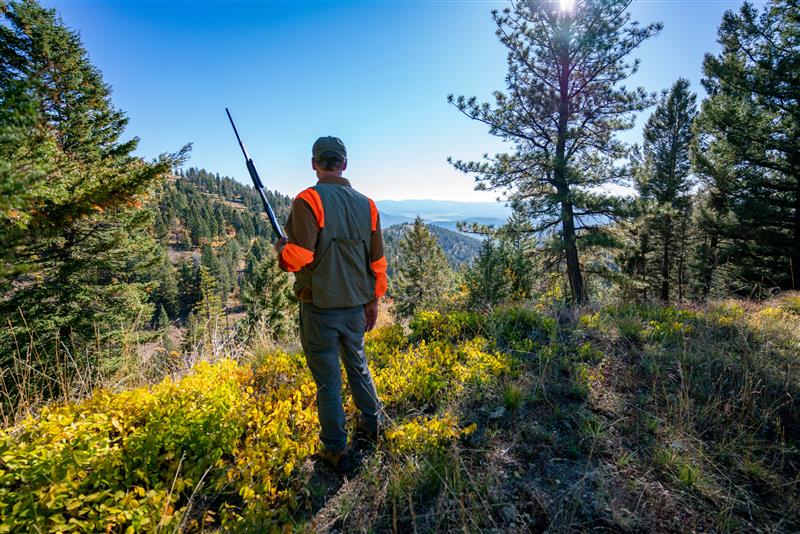
America’s 640 million acres of national public lands provide irreplaceable hunting and fishing opportunities to millions of Americans.

Learn More About Access
What TRCP is Doing

We’re working to safeguard America’s public lands so hunters and anglers always have quality places to pursue their passions.

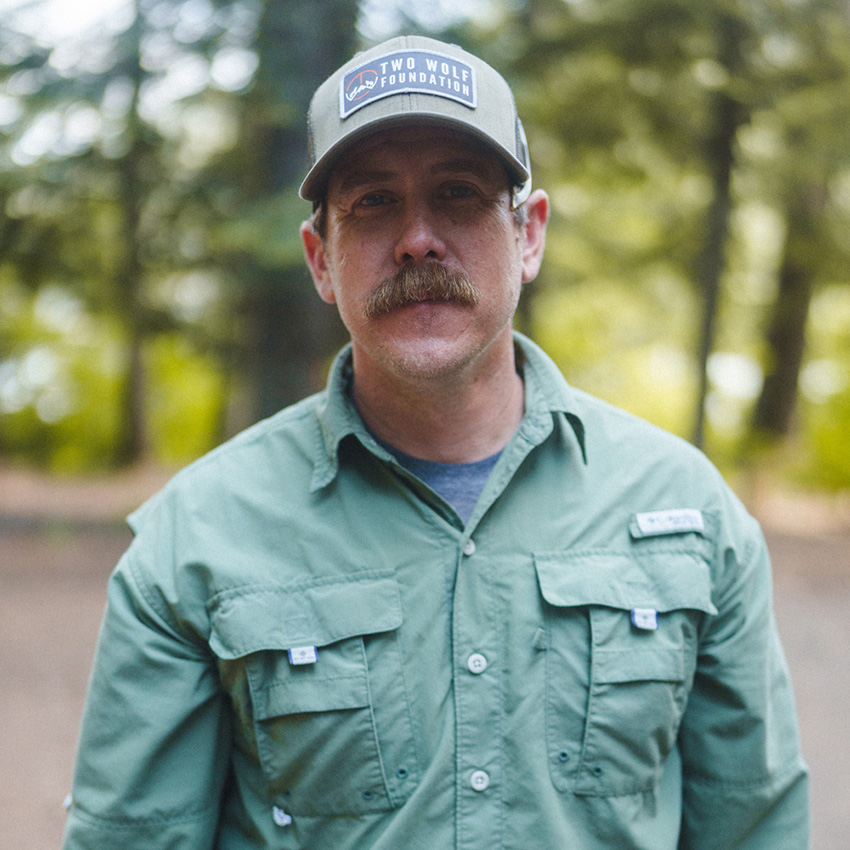
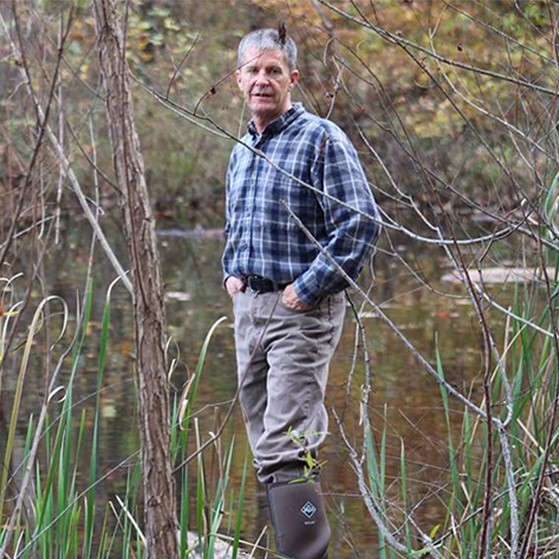
 Brian Flynn, Two Wolf Foundation
How Sportsmen Are Doing It Right

Brian Flynn, Two Wolf Foundation's Story

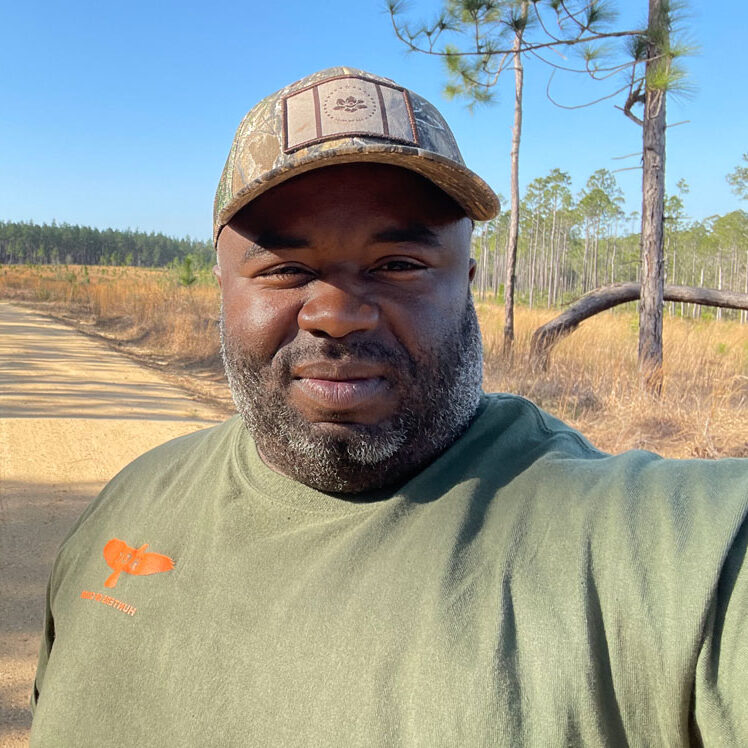
Following a distinguished career in the U.S. Army, lifelong outdoorsman Brian Flynn returned home from a deployment in Afghanistan and…


Hunting
Why It Matters

Key Issues for America’s Hunters

Your source for the latest policy updates, conservation challenges, and opportunities shaping America’s hunting traditions.

What TRCP is Doing

We’re fighting for meaningful policy changes that benefit wildlife, our waters, and the American landscapes that make our outdoor traditions possible.

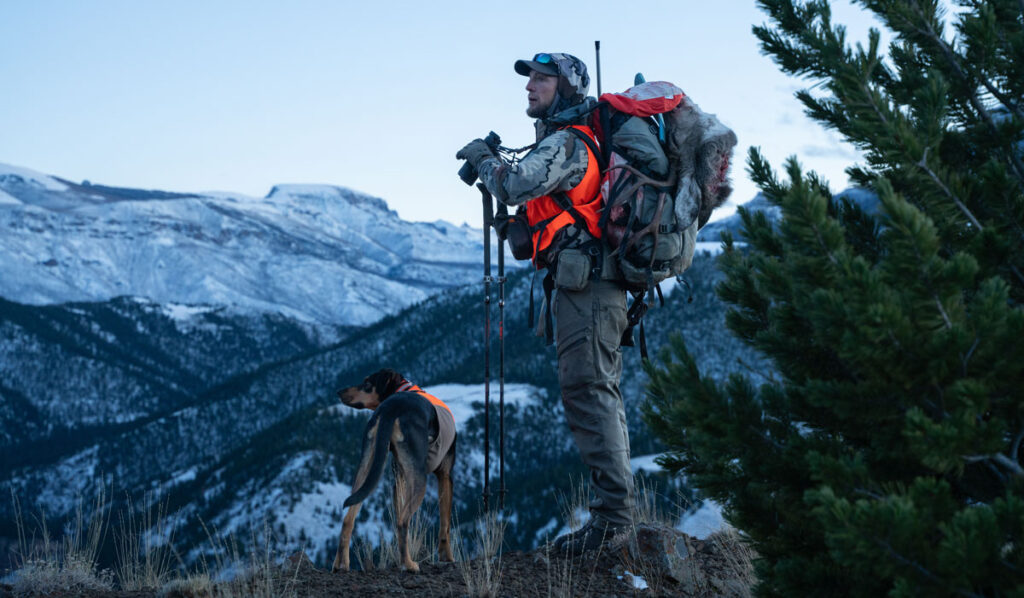
 Ryan Sparks
How Sportsmen Are Doing It Right

Ryan Sparks's Story

TRCP’s “In the Arena” series highlights the individual voices of hunters and anglers who, as Theodore Roosevelt so famously said,…
Fishing
Why It Matters

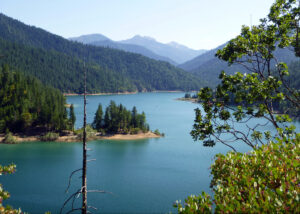
Key Issues for America’s Anglers

Your source for the latest policy updates, conservation challenges, and opportunities shaping America’s fishing traditions.

What TRCP is Doing

We’re fighting for meaningful policy changes that benefit wildlife, our waters, and the American landscapes that make our outdoor traditions possible.

 David Mangum
How Sportsmen Are Doing It Right

David Mangum's Story

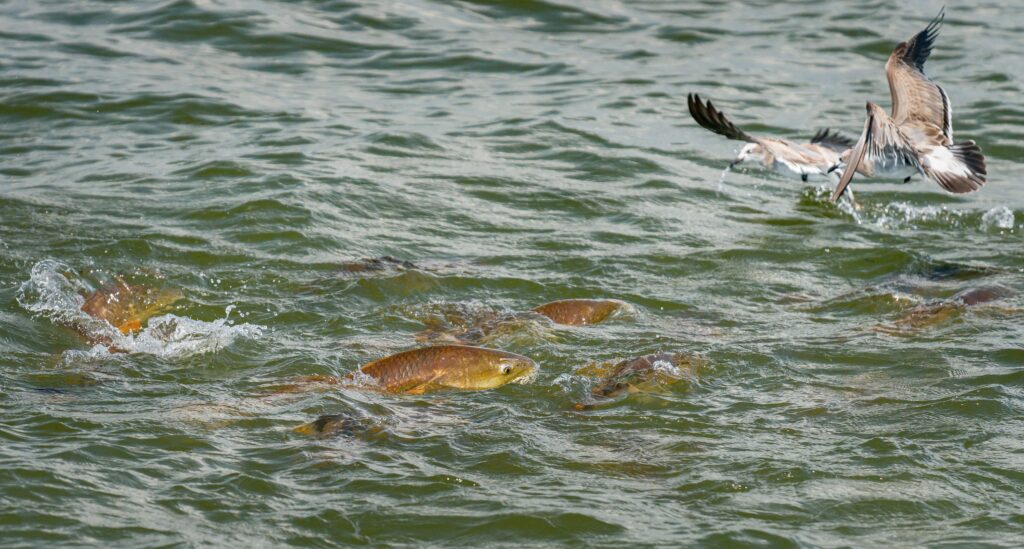
Capt. David Mangum is a YETI ambassador and outdoor photographer who utilizes his talents to produce media that inspire a…

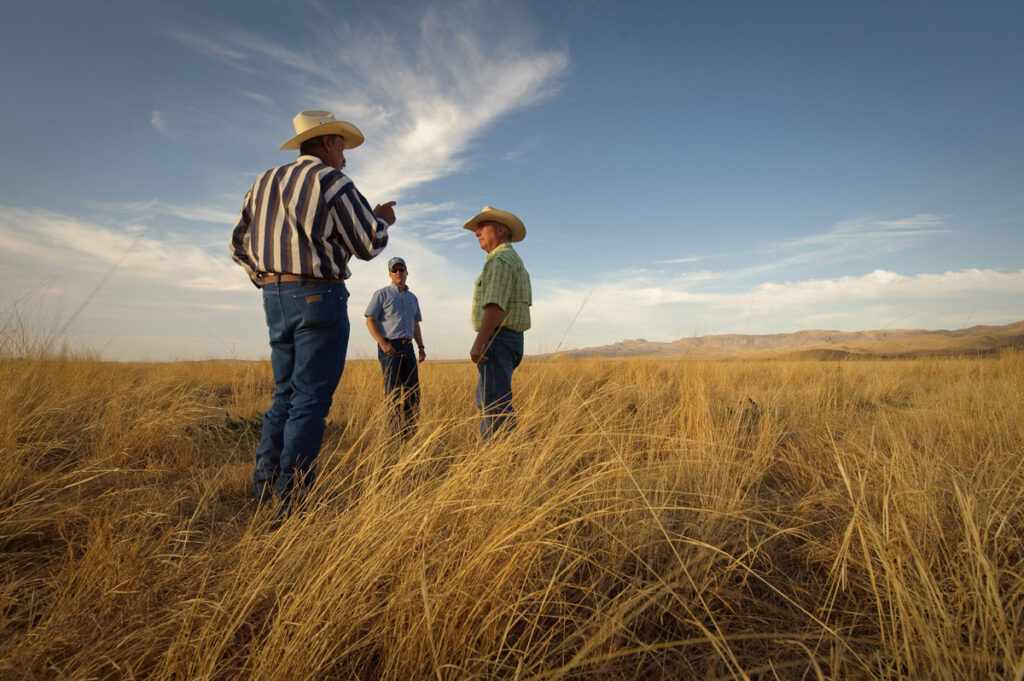
Private Land
Why It Matters

Stewardship on America’s private lands

With 70 percent of U.S. lands in private hands and many of our best hunt and fish opportunities occurring there, investing in voluntary conservation on working lands safeguards access, strengthens habitat and water quality, and ensures resilient landscapes.

Learn More
What TRCP is Doing

We champion policies and programs that restore wildlife habitat, improve soil and water health, and keep working lands productive.

 Ward Burton
How Sportsmen are Doing It Right

Ward Burton's Story

Ward Burton’s NASCAR driving career stretched across most of two decades. As an avid sportsman and conservationist, he founded the…

Special Places
Why It Matters

Special Places Worth Protecting

America’s most iconic landscapes provide unmatched habitat and unforgettable days afield. These places sustain wildlife, anchor local economies, and define the hunting and fishing traditions we pass down.

What TRCP is Doing

We’re working to conserve special places that provide world-class habitat and unforgettable opportunities for hunters and anglers.

 Franklin Adams
How Sportsmen Are Doing It Right

Franklin Adams's Story

As a true Gladesman, conservationist, and historian, Capt. Franklin Adams has spent more than six decades championing Everglades restoration efforts…

Habitat & Clean Water
Why It Matters

Healthy Habitat Powers Every Pursuit

All hunting and fishing opportunities depend on quality habitat, from clean water and healthy wetlands to winter and summer habitats and the migration corridors that connect them.

All About Habitat & Clean Water
What TRCP is Doing

We are working to safeguard the habitats that power every hunting and fishing opportunity.

 Alex Harvey
How Sportsmen Are Doing It Right

Alex Harvey's Story

Alex Harvey, founder of Legacy Land Management, is a registered professional forester in Mississippi and Alabama with a Master's degree…

Science
Why It Matters

Science That Guides TRCP

From conserving migration corridors and wetlands to ensuring clean water and resilient landscapes, science provides evidence that turns conservation goals into effective action.

Science for Conservation
What TRCP is Doing

For hunters and anglers, science safeguards the experiences we treasure including resilient big game populations, abundant fish, and wild places that endure changing social landscapes.

Jamelle Ellis
Your Science Expert

Jamelle Ellis's Story

Jamelle Ellis joined the Theodore Roosevelt Conservation Partnership in 2022. Jamelle spent the last three years as an environmental sustainability…

Where We Work
Across the Nation

Conservation Across America

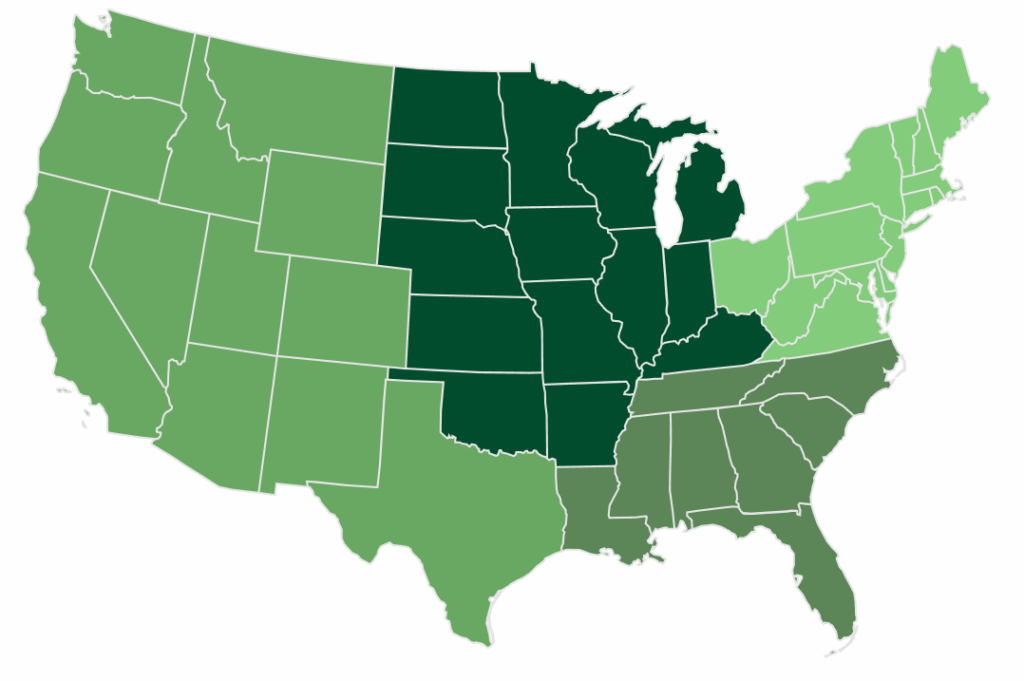
TRCP works across the country to ensure hunters and anglers can enjoy healthy fish and wildlife and quality days afield, no matter where they live.

See All Issues
TRCP in Your Region

TRCP works across the country to ensure hunters and anglers can enjoy healthy fish and wildlife and quality days afield, no matter where they live.

Who We Are
Our Mission

To guarantee all Americans quality places to hunt & fish

We unite and amplify our partners’ voices to advance America’s legacy of conservation, habitat, and access.

Our Mission & Values
Our People & Partners
  • Meet the TRCP Team

    Our staff and board members unite and amplify our partners’ voices to advance America’s legacy of conservation, habitat, and access.

    Meet the Team
  • Our Partners

    ‘Partnership’ is in our name. We work with 64 diverse partner groups that represent today’s leading hunting, fishing, and conservation organizations in order to strengthen the sportsman’s voice in Washington, D.C.

    Our Partners
  • Corporate Council

    TRCP’s Corporate Council is made up of diverse corporations that share a common passion for conservation.

    Corporate Council
Our Organization

Looking for more information?

Explore our latest news, policy updates, and conservation resources to get the information you need.

Giving
How You Can Help

To guarantee all Americans quality places to hunt & fish

Your tax-deductible donation will support TRCP's mission, now and into the future.

DONATE
Special Ways to support trcp
  • Capital Conservation Awards Dinner

    The CCAD is one of Washington's best-attended conservation celebrations, featuring dinner, cocktails, and a silent auction.

    Learn More
  • Step Into the Arena

    Help us ensure that our treasured wild habitats and game remain intact for the next generation to enjoy – lend your support to the TRCP’s efforts today!

    Donate
  • Roosevelt Roast

    TRCP has partnered with Afuera Coffee Co. to further our commitment to conservation.

    Learn More
More donation options

Find the best way for you to lend your support. Join one of TRCP’s donor circles for special invitations, premium offerings from outdoor retailers, and more exclusive benefits. Take control of your legacy with planned giving or contribute to special conservation funds.

Other Ways To Give
News
In the Spotlight

TRCP Appreciates Make America Beautiful Again 250 Strategy and Migration Announcements

Efforts will continue progress on habitat, access, and big game migration corridor conservation

Read More

Stay Informed

Receive our newsletter, the Roosevelt Report, right in your inbox. Never miss the latest news in conservation issues.

by:

posted in:

August 9, 2023

LPF1

Do you have any thoughts on this post?

XHTML: You can use these tags: <a href="" title=""> <abbr title=""> <acronym title=""> <b> <blockquote cite=""> <cite> <code> <del datetime=""> <em> <i> <q cite=""> <s> <strike> <strong>

Comments must be under 1000 characters.

July 27, 2023

Conservation Fund Helps PA Partnership Protect Chesapeake Watershed

The Northcentral Stream Restoration Partnership’s project work in the Bay’s watershed, supported by the state’s Environmental Stewardship Fund, has improved over 25 miles of streams at 184 sites.

Pennsylvania has approximately 86,000 miles of streams and rivers. Unfortunately, current and past land use practices have negatively impacted this vast resource. Many streams in the Chesapeake Bay watershed are considered impaired by the Pennsylvania Department of Environmental Protection. One of the common impairments in the Bay watershed is excessive nutrient enrichment and sedimentation in agricultural settings, due to human-caused erosion.

In 2007, a partnership among the Pennsylvania Fish and Boat Commission, the Northcentral Pennsylvania Conservancy, the Pennsylvania DEP’s Northcentral Regional Office, and the local County Conservation Districts was formed to tackle stream restoration and watershed stabilization in the Chesapeake Bay watershed. Referred to as the Northcentral Stream Restoration Partnership, the group has worked diligently to address watershed health since its inception. In fact, since the first season of project implementation in 2009, the partnership has improved over 25 miles of streams at 184 sites. From its 2007 formation through 2022, the partnership has utilized $4.3 million in funding to complete these projects. Of this total, a full $3.3 million was provided by Pennsylvania’s Growing Greener Plus Program, which is supported by the commonwealth’s Environmental Stewardship Fund. Like the state’s Keystone Recreation, Park and Conservation Fund, the ESF is a funding source for Community Conservation Partnership Program grants. 

Streamside Restoration to Combat Erosion

While some erosion in a stream channel is a natural part of the stream hydrology, excessive erosion can release too much nitrogen and phosphorus-laden sediment into the stream which can cover the stream bottom, destroy aquatic habitats, and reduce the diversity and abundance of aquatic life. This is where the Northcentral Stream Restoration Partnership comes into play.

The partnership strives to restore the watersheds of northcentral Pennsylvania while maintaining a working agricultural landscape. We focus on a collaborative, low-cost approach to stream restoration. This involves working with the local landowners to advance stream corridor restoration projects that will reduce nonpoint source pollution, or excessive nutrient and sediment inputs in agricultural settings. A typical project involves livestock exclusion fencing, creating stable agricultural stream crossings, riparian buffer plantings, and the installation of in-stream habitat improvement devices.

The PFBC Stream Habitat Section works with the partnership to design and construct these in-stream habitat improvement devices, which not only provide fish habitat, but also stabilize eroding stream banks. Common improvement devices include mud sills and log vane deflectors. Mud sills are structures at the water’s edge that form undercut banks and are used on steeper stream banks to remove pressure from the banks, providing a great way to stabilize erosion while also generating an excellent source of overhead cover for fish. By comparison, log vane deflectors are used to divert the flow of water away from the stream bank toward the center of the stream channel, thus reducing stream bank erosion.

The Pennsylvania DEP’s Northcentral Regional Office, Northcentral Pennsylvania Conservancy, and the local county conservation districts administer the implementation funding and design; install livestock exclusion fencing and stable agriculture stream crossings; and plant streamside trees and other native vegetation in a riparian buffer.   

Methods Ideal for Streams in Agricultural Settings

Installing habitat improvement devices, exclusion fencing, agricultural stream crossings, and riparian buffers offers an ideal way to achieve a healthy watershed in a working agricultural setting. Livestock exclusion fencing and stable stream crossings are critical to stream bank stabilization and watershed restoration, while the riparian buffer, planted between the exclusion fencing and the stream, serves many benefits. Roots stabilize stream banks, reduce the amount of sediment that enters the water, and absorb nutrients; mature trees and other plants provide shade to keep the water cooler; and the woody debris and leaf litter that falls into streams helps form the base of the food chain and provides habitat for fish and other aquatic organisms, including important insects.

The partnership’s efforts are continuing strong in 2023. A current focus of the partnership is Turtle Creek watershed in Union County. This area is predominately an agricultural landscape, and the creek is currently impaired due to excessive siltation. The project started with one landowner contacting the Union County Conservation District to request help with bank erosion occurring in his pasture. Once the project had been completed and the results were clearly visible, the initial project prompted other farmers and neighbors to request assistance on their properties.

This partnership has now restored more than four miles of Turtle Creek to date, with more projects planned for this year and beyond. Additionally, results from scientific surveys provide evidence that the creek is on its way to generating a healthier watershed. 

Partnership Necessary for Success

The Northcentral Stream Restoration Partnership’s motto is “Everyone does a little, so no one has to do it all.” Partnerships are effective in part because efforts are spread among all members, and this is just one of many partnerships that the PFBC’s Stream Habitat Section participates in.

For more information on habitat improvement in Pennsylvania, visit the PFBC habitat improvement page.

Tyler Neimond is chief of the Division of Habitat Management for the Pennsylvania Fish & Boat Commission. He enjoys hunting, fishing, and exploring the natural resources of the commonwealth. Click here to learn more about ways the commission is working to improve fish habitat, coordinate dam removals, and provide technical assistance on the design of riparian buffers.

Support Pennsylvania’s state conservation funding programs by letting lawmakers know they matter to you.

TAKE ACTION

 Photo credits: Noah Davis

by:

posted in:

National Monuments, A Net Gain for Hunters and Anglers

Report evaluates existing national monuments and offers principles for future proposals

In a new report, National Monuments: A Hunting and Fishing Perspective, 25 groups and businesses–championed by Trout Unlimited, Backcountry Hunters & Anglers, and the Theodore Roosevelt Conservation Partnership–evaluated hunting and fishing opportunity, as well as the economic impact, of four national monuments. They include Colorado’s Browns Canyon, New Mexico’s Organ Mountains-Desert Peaks and Rio Grande-del Norte, and Montana’s Upper Missouri Breaks.

Sharing stories from sportsmen, sportswomen, and business owners with deep connections to these public lands, the report concludes that national monuments can be a net gain for hunters, anglers, and local communities by providing world-class sporting opportunity and creating jobs.

The report offers eight principles to generate meaningful support from hunters, anglers, and sporting businesses for the creation and management of national monuments on public lands. These principles include creating monuments that safeguard fish and wildlife habitat, maintain reasonable public access for hunting, fishing, and wildlife management, and provide assurance that authority over fish and wildlife populations will be retained by state management agencies.

“The Arkansas River through Browns Canyon National Monument once suffered from acid mine runoff,” said Steve Kandell, national campaign director for Trout Unlimited. “Since designated a monument in 2015, the entire river corridor is now protected. This stretch of the Arkansas River is Gold Medal trout water with wild browns and rainbows. The Antiquities Act of 1906 was the right tool for conserving this canyon while supporting a thriving outdoor industry.”

“National monuments play a critical role in the conservation of intact lands and waters that provide quality fish and wildlife habitat,” said John Gale, VP of policy and government relations for Backcountry Hunters & Anglers. “From wild sheep populations to native trout, the principles in this report provide decision-makers and natural resources managers the guidance needed to ensure that fish and wildlife management needs and our hunting and fishing traditions remain integrated in conservation designations.”

Numerous sporting groups and businesses, including California Waterfowl Association, Orvis, Argali, and First Lite, support the strategy outlined in the report.

“National monuments can further our sporting traditions by providing certainty for habitat conservation,” said Joel Webster, VP of western conservation for the Theodore Roosevelt Conservation Partnership. “We encourage the administration to view this report as a guide to successfully navigate the creation and management of new national monuments for the benefit of American sportsmen and sportswomen.”

“Conserving quality public lands that will be permanently available to sportsmen and -women should be of the utmost importance to any outdoor company,” said Kenton Carruth, co-founder of First Lite, a hunting gear company. “Supporting monument designations that allow hunting and fishing and protect public lands is at the core of First Lite.”

Photo Credit: BLM

by:

posted in:

July 21, 2023

Nine Major Menhaden Developments in 2023 

An update on Atlantic and Gulf of Mexico menhaden recovery successes, challenges, and recent events since January

A lot has already happened this year on the menhaden conservation front, so probably not even the most engaged followers have been able to keep track of it all. The TRCP wanted to provide its members, supporters, and partners with a summary of everything that’s happening along both coasts, and point out what’s to come later this year.

Here are five major developments related to Atlantic menhaden, and another four related to the fishery in the Gulf, that saltwater anglers and conservationists should know about. 

Atlantic/Chesapeake Bay

Plans to Study Menhaden Ecology, Economics

The state legislature in Virginia passed a bill in late March which directs the Virginia Institute of Marine Science to develop plans for studying the ecology, fishery impacts, and economic importance of menhaden populations in Virginia waters. In September, VIMS will present their plan to the General Assembly. The TRCP will be supportive of a comprehensive and unbiased study plan, and looks forward to working with VIMS and the General Assembly in 2024 as they execute the plan.

Voluntary Agreement Between Omega Protein and Virginia

A final memorandum of understanding (MOU) between the Virginia Marine Resources Commission and foreign-owned reduction fishery giant Omega Protein was published in late April. While the MOU is intended to protect Chesapeake Bay shorelines from fish spills and limit user conflicts between the reduction fishery and other stakeholders, through voluntary buffer zone avoidance and other measures, it lacks what the original regulatory proposal from 2022 provided – legal teeth. VMRC rejected a proposal from Governor Youngkin’s administration late last year that would have created mandatory one-mile buffers from Bay shorelines and a half-mile buffer on either side of the Bay Bridge Tunnel, where purse seining would be prohibited, along with summer holiday seining restrictions.

New Appointments Coming to Marine Resources Commission

The TRCP led 17 partners and state groups to sign a letter to Governor Youngkin in May, expressing support for qualified and balanced candidates to the VMRC Board who will support recreational fishing and conservation. Two VMRC Board positions are expected to be appointed by the governor soon. We will be monitoring the two upcoming appointments by the Youngkin administration to ensure that both candidates are fair and balanced towards recreational interests. In the meanwhile, keep letting the governor know it’s time to stop industrial menhaden fishing in the Bay – or at least work toward more effective regulations to conserve this critical forage fish.

If Chesapeake Bay Menhaden Really Are That Abundant…

Earlier this month, seven of Omega Protein’s larger seine boats – the majority of its Chesapeake Bay menhaden fishing fleet – steamed 200 miles north to fish off New York and New Jersey, presumably to find more fish. Typically the fleet focuses on the Bay this time of year, due to plentiful and easily accessible menhaden. Could this incredibly expensive tactic indicate a lack of enough available menhaden close to the company’s home base in the Bay, where the vessels are typically found fishing around this time? Add to that the fact that osprey reproductive success is crashing in areas of the Bay where the raptors rely primarily on menhaden to feed their chicks, and the concerns about the state of the Bay’s menhaden become even more worrisome. Whether or not this fleet movement is a result of lower menhaden numbers in the Bay than Omega Protein proclaims are present, it’s clear there’s a problem and we need to push to protect Chesapeake Bay menhaden and the ecosystems and recreational activities this important fish supports.

Opportunity to Change Menhaden Regulations in Bay this Fall

From October to December each year, the VMRC has the ability to change menhaden regulations in the Commonwealth. The TRCP and its partners will be focused on getting proposals passed that have real legal teeth to protect Chesapeake Bay’s menhaden, rather than relying on handshake agreements.

Gulf of Mexico

Ecological Thresholds for Pogie Populations

In January, a study was published that quantified tradeoffs between menhaden harvest and predator biomass to develop ecological reference points – which assess a species’ overall role in an ecosystem, rather than simply considering that species alone. The study findings included that biomass for many predators was more affected by the commercial harvest of menhaden, also known as pogies, than by fishing pressure on the predator species itself. The research could inform efforts to better monitor bycatch in commercial nets and manage menhaden with their importance to sportfish in mind. However, a bill that used these results to propose menhaden catch limits based on the dietary needs of their predators and intended to establish purse seine buffers off Louisiana beaches to protect redfish spawning areas was stopped by opposition in the state legislature.

Proposed Rule Would Prohibit Net Abandonment

The Louisiana Department of Wildlife and Fisheries approved a Notice of Intent in February to prohibit the abandonment of purse seine gear and implement penalties for the wanton waste of menhaden as a public resource. The rule would also require notification to LDWF within two hours of any net spills. This notice came on the heels of a fish spill in September 2022, when Omega Protein abandoned a purse seine net off Louisiana. Omega not only left the net behind but spilled more than 900,000 dead menhaden into the Gulf, along with many sportfish caught as bycatch (including spawning-size red drum). The TRCP has previously shared information about how Gulf sportfish are affected by purse seining for menhaden, and will continue to apply pressure to establish more common sense menhaden regulations in the Gulf fishery.

Research on Gulf Bycatch

In May, proposals were due to the Gulf States Marine Fisheries Commission for plans to conduct a comprehensive bycatch study on menhaden fishing. Much anecdotal evidence indicates a significant amount of bycatch, including spawning size redfish and other sportfish, in Gulf seining operations, but the necessary scientific data are lacking. An announcement of the chosen research group is expected from the GSMFC soon. We will be monitoring the resulting bycatch study, which will be overseen by the GSMFC, to ensure that the methodology is unbiased toward industry interests. This September, the GSMFC will host the third menhaden reference points stakeholder workshop in Long Beach, Miss. The TRCP and partners, long focused on better management of menhaden, will participate in the workshop and focus on creating and implementing realistic, scientifically based ecological reference points that leave enough menhaden in the water for the predators that rely on them.

First Step to Conserve Louisiana Redfish

A continuing resolution was passed unanimously in June by both chambers of the Louisiana State Legislature, which urged LDWF to end the killing of breeding-size redfish by both recreational and commercial fishermen. The TRCP applauds this resolution, which marks a first step toward regulations that will conserve redfish and could also hinder the menhaden industry’s ability to kill many thousands of redfish via pogie boat bycatch each season.

Learn More About Menhaden

Learn more about how this tiny forage fish drives sportfishing and underpins marine ecosystems.

Osprey images courtesy of Katherine Crozier

by:

posted in:

Why TRCP Supports BLM’s Proposed Updates to Oil and Gas Leasing

Updates will help reduce conflict between energy development and our sporting traditions

The Bureau of Land Management recently released a set of proposed changes to its oil and gas leasing program. The reforms would apply to hundreds of millions of acres of federal lands coveted by hunters and anglers. Fully 90 percent of the 245 million acres of federal land under BLM authority are currently available for oil and gas leasing and development, with more than 26 million acres under lease in 2021. 

In an effort to address potential impacts to wildlife habitat and public access, sportsmen and sportswomen have been working to promote responsible approaches to energy development for decades. While the debate over domestic energy policy can be heated, it is hard to argue the fact that many of BLM’s existing rules governing oil and gas leasing on public lands are at least half a century old, and they have often put oil and gas leasing and development at odds with other resource values. The BLM’s proposed reforms will modernize its onshore oil and gas leasing regulations to help reduce the conflict between oil and gas development and other important multiple-uses, including hunting, fishing, and wildlife habitat.

The proposed rule would help reduce conflict, in-part, by cutting down on the practice of speculative leasing so that those lands can instead be managed for other uses—like habitat conservation to support abundant wildlife populations. Speculative leasing occurs when an oil and gas company leases land with no real potential for economically viable oil and gas production—preventing BLM from being able to effectively manage that land for other important multiple-uses that may not be compatible with oil and gas. The rule addresses this by prioritizing leasing in places with existing oil and gas infrastructure or high production potential. The proposed rule would also implement the Inflation Reduction Act’s mandated reforms of the oil and gas leasing program, ensuring taxpayers get a fair return for the development of public minerals and ensuring responsible development when public land oil and gas resources are leased to private companies.

The Mineral Leasing Act of 1920 requires federal regulators to ensure adequate bond coverage before oil and gas companies can drill on federal land. The proposed rule would additionally reform the bonding rates that oil and gas companies must post in order to ensure public lands are cleaned up when companies abandon wells—a provision that was not included in the Inflation Reduction Act but has long been supported by several organizations in the hunt-fish community.  

Specific provisions of the proposed rule include:

Bonding requirements: The rule proposes to increase the minimum lease bond amount (the upfront fee to ensure eventual well cleanup) to $150,000, and the minimum statewide bond to $500,000. The rule also proposes to eliminate nationwide and unit bonds. The existing lease bond amount of $10,000—established in 1960—no longer provides an adequate incentive for companies to meet their reclamation obligations, nor does it cover the potential costs to reclaim a well should this obligation not be met. The current, outdated bond requirement increases the risk that taxpayers will end up covering the cost of reclaiming wells in the event the operator refuses to do so or declares bankruptcy. The Department of the Interior has made available more than $1 billion in the past two years from Bipartisan Infrastructure Law funding to clean up orphaned oil and gas wells on federal, state, and private lands. This proposed rule aims to prevent that burden from falling on the taxpayer in future years.

Protecting Wildlife and Cultural Resources: The rule would help steer oil and gas development away from important wildlife habitat or cultural sites, and toward lands with existing infrastructure or high production potential.

Royalty rates: Proposed changes to royalty rates reflect provisions in the Inflation Reduction Act. Royalty rates for leases issued for 10 years after the effective date of the Inflation Reduction Act are 16.67 percent. After August 16, 2032, the rate of 16.67 percent will become the minimum royalty rate.

Minimum bids: The proposed rule includes a provision of the Inflation Reduction Act that increased the national minimum bid from $2 per acre to $10 per acre. The minimum acceptable bid is important because it establishes the starting bid at the BLM’s oil and gas lease auctions. A fair rate of $10 will help ensure that only lands with actual development potential are leased at auction.  

Base, or minimum, rental rate: Pursuant to the Inflation Reduction Act, for leases issued in the 10 years after its enactment, the proposal includes a rental of $3 per acre, or a fraction thereof, per year during the first 2-year period beginning upon lease issuance, $5 per acre per year, or a fraction thereof, for the following 6 years, and then $15 per acre, or a fraction thereof, per year thereafter. After August 16, 2032, those rental rates will become minimums and are subject to increase.

Expressions of Interest: The Inflation Reduction Act established a new fee for expressions of interest. The proposed rule includes that fee, which is $5 per acre, or a fraction thereof. Requiring a fee for Expressions of Interest will help reduce speculative leasing.

Final Thoughts and How to Get Involved

We understand that most Americans still drive gasoline-powered vehicles and don’t want to be hit at the pump. These updates will not impact domestic energy production but will ensure taxpayers receive a fair rate of return on that development, while reducing conflict between energy development and our sporting traditions.

The proposed Oil and Gas Rule, in concert with other ongoing BLM efforts including the Public Lands Rule, the Wind and Solar Rule, and updating the Western Solar Plan, is an important part of a comprehensive approach to managing public lands to bring energy development into the 21st century, while maintaining robust wildlife populations, access, and opportunities for future generations of hunters and anglers. You can find these documents on BLM’s website at blm.gov.

We support these efforts and encourage you to get involved. BLM has announced a 60-day public comment period on the proposed Oil and Gas Rule and will be holding a series of public meetings. Look for future communication here at trcp.org and on our social media for updates on the rulemaking.


Photo Credit: Josh Metten

HOW YOU CAN HELP

TRCP has partnered with Afuera Coffee Co. to further our commitment to conservation. $4 from each bag is donated to the TRCP, to help continue our efforts of safeguarding critical habitats, productive hunting grounds, and favorite fishing holes for future generations.

Learn More

You have Successfully Subscribed!

You have Successfully Subscribed!

You have Successfully Subscribed!

You have Successfully Subscribed!