Our Issues
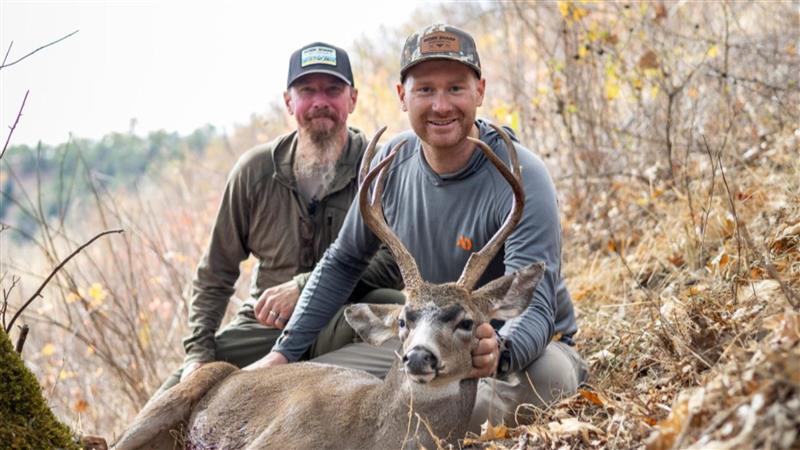
Public Lands
Why It Matters

Hunting & Fishing Access

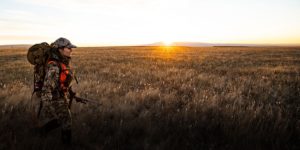
America’s 640 million acres of national public lands provide irreplaceable hunting and fishing opportunities to millions of Americans.

Learn More About Access
What TRCP is Doing

We’re working to safeguard America’s public lands so hunters and anglers always have quality places to pursue their passions.
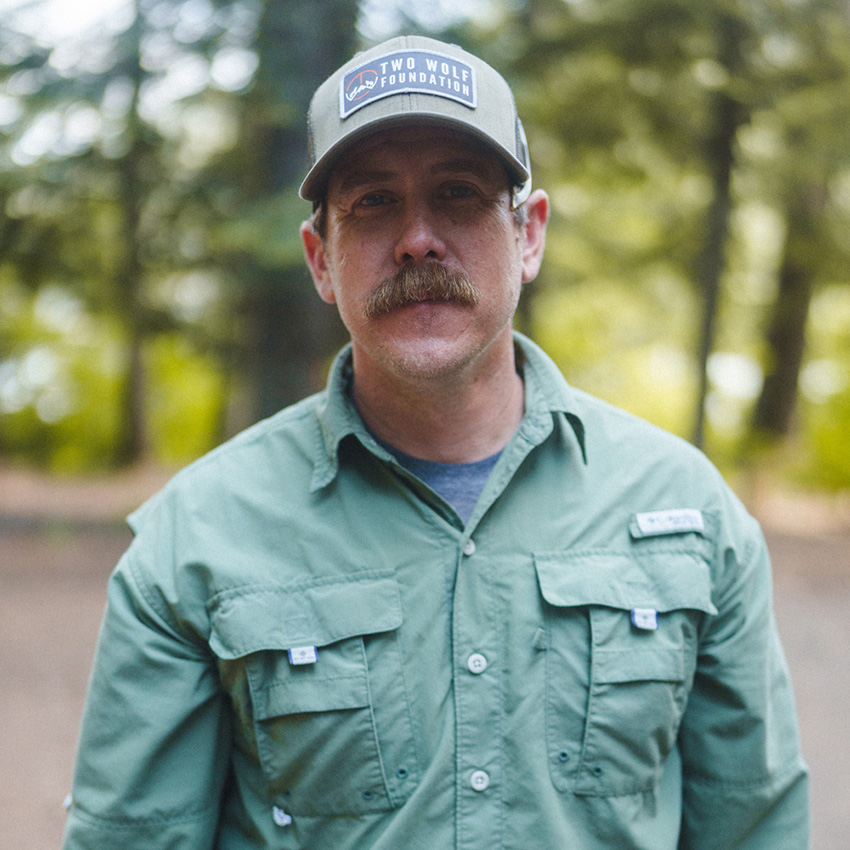
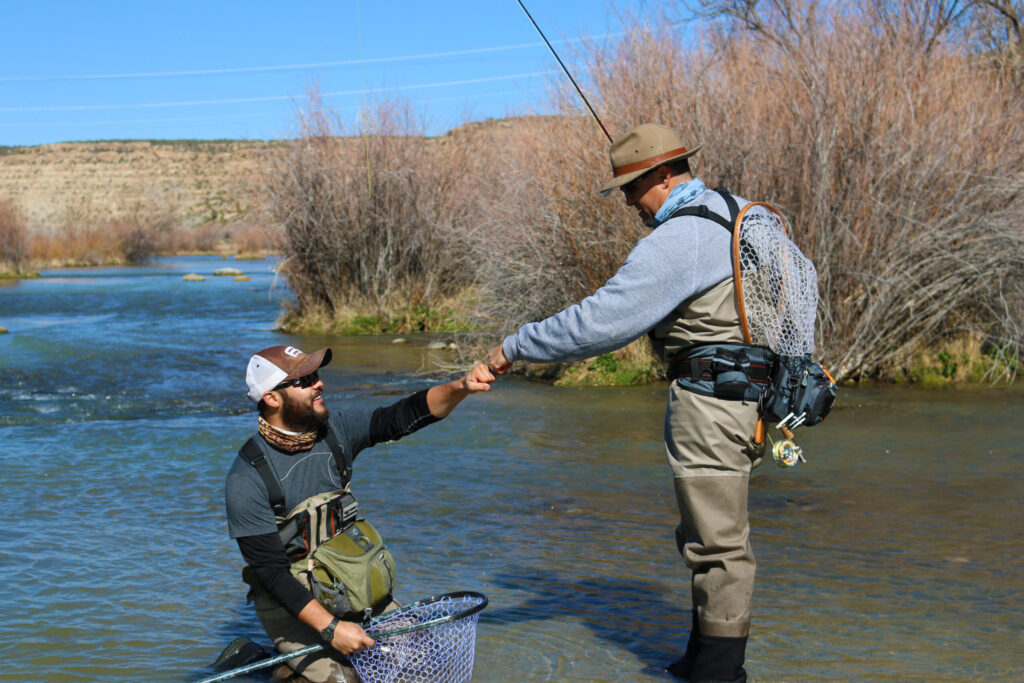
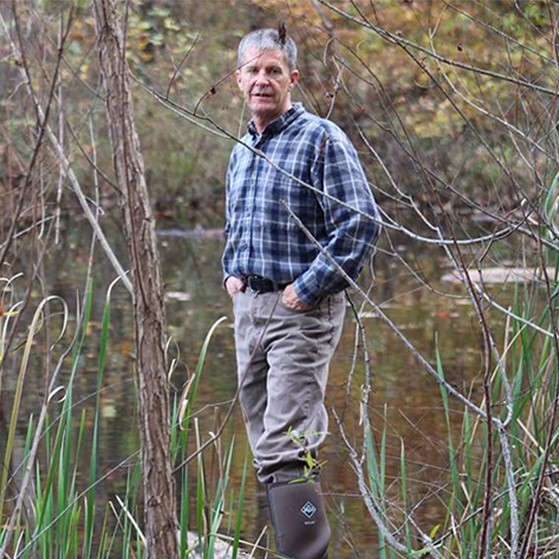
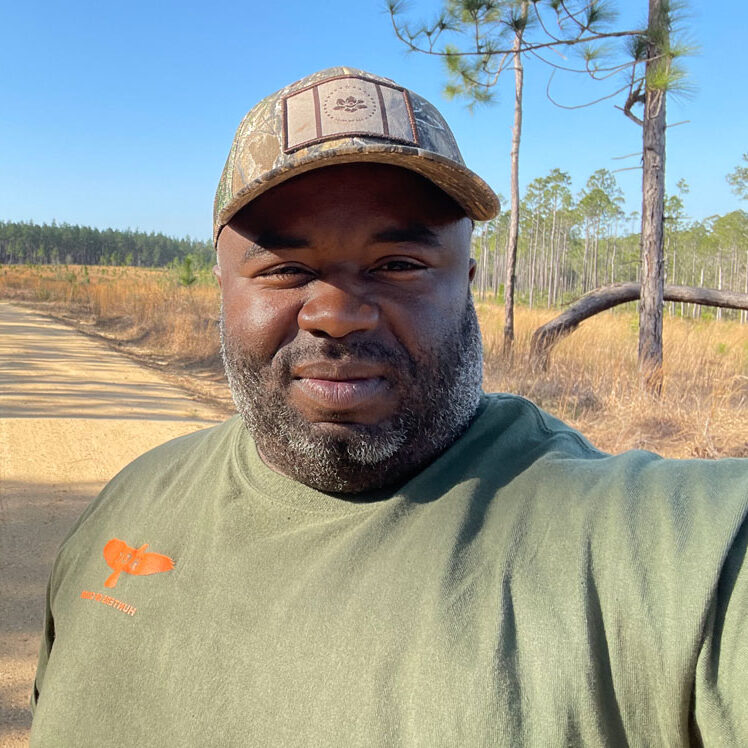
 Brian Flynn, Two Wolf Foundation
How Sportsmen Are Doing It Right

Brian Flynn, Two Wolf Foundation's Story

Following a distinguished career in the U.S. Army, lifelong outdoorsman Brian Flynn returned home from a deployment in Afghanistan and…

Hunting
Why It Matters

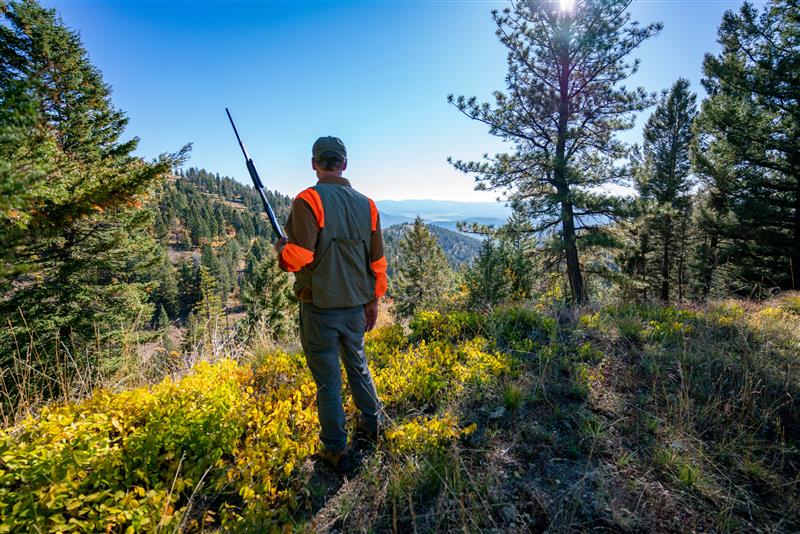
Key Issues for America’s Hunters

Your source for the latest policy updates, conservation challenges, and opportunities shaping America’s hunting traditions.

What TRCP is Doing

We’re fighting for meaningful policy changes that benefit wildlife, our waters, and the American landscapes that make our outdoor traditions possible.

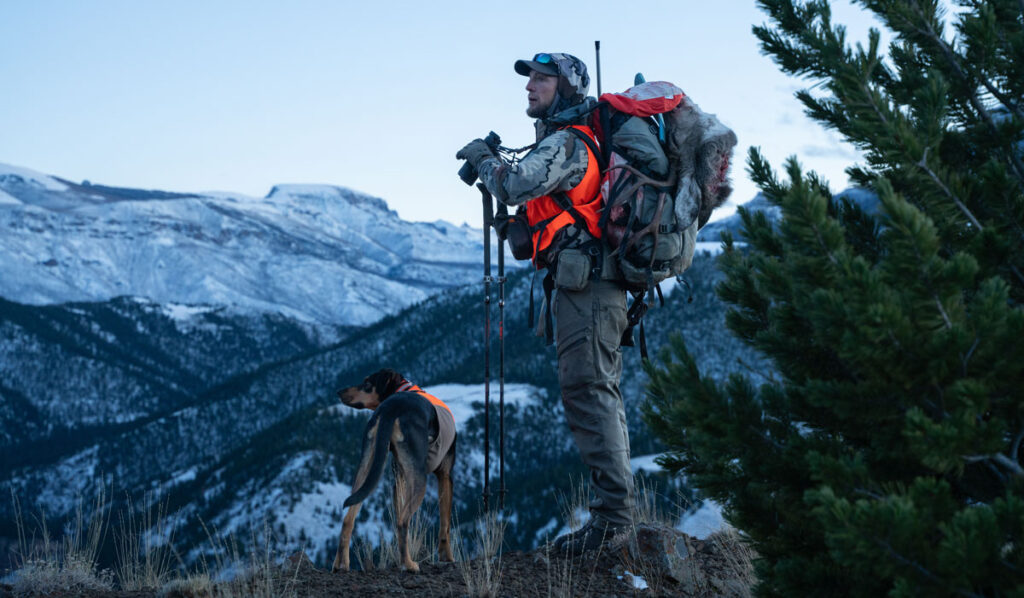
 Ryan Sparks
How Sportsmen Are Doing It Right

Ryan Sparks's Story

TRCP’s “In the Arena” series highlights the individual voices of hunters and anglers who, as Theodore Roosevelt so famously said,…

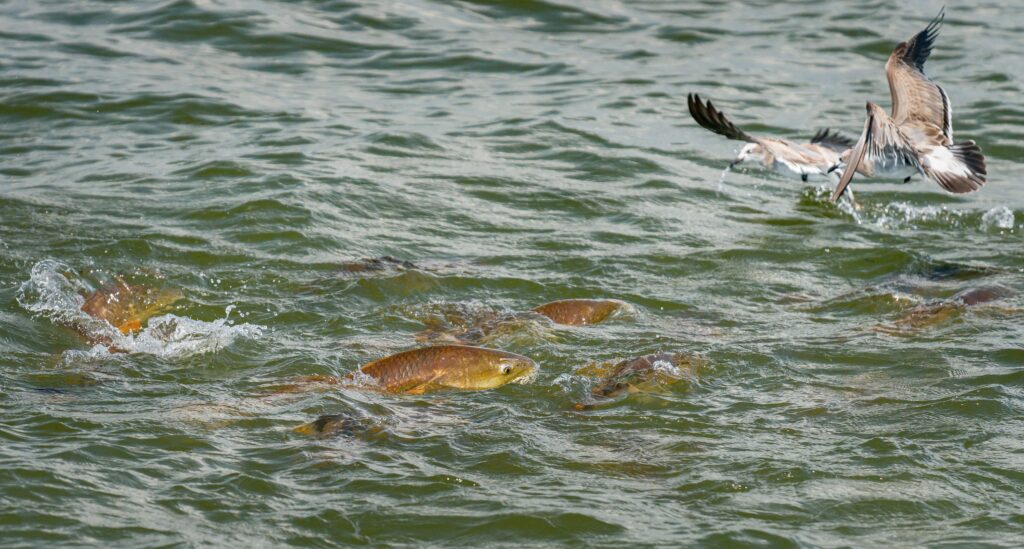
Fishing
Why It Matters

Key Issues for America’s Anglers

Your source for the latest policy updates, conservation challenges, and opportunities shaping America’s fishing traditions.

What TRCP is Doing

We’re fighting for meaningful policy changes that benefit wildlife, our waters, and the American landscapes that make our outdoor traditions possible.

 David Mangum
How Sportsmen Are Doing It Right

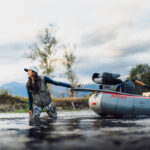
David Mangum's Story

Capt. David Mangum is a YETI ambassador and outdoor photographer who utilizes his talents to produce media that inspire a…

Private Land
Why It Matters

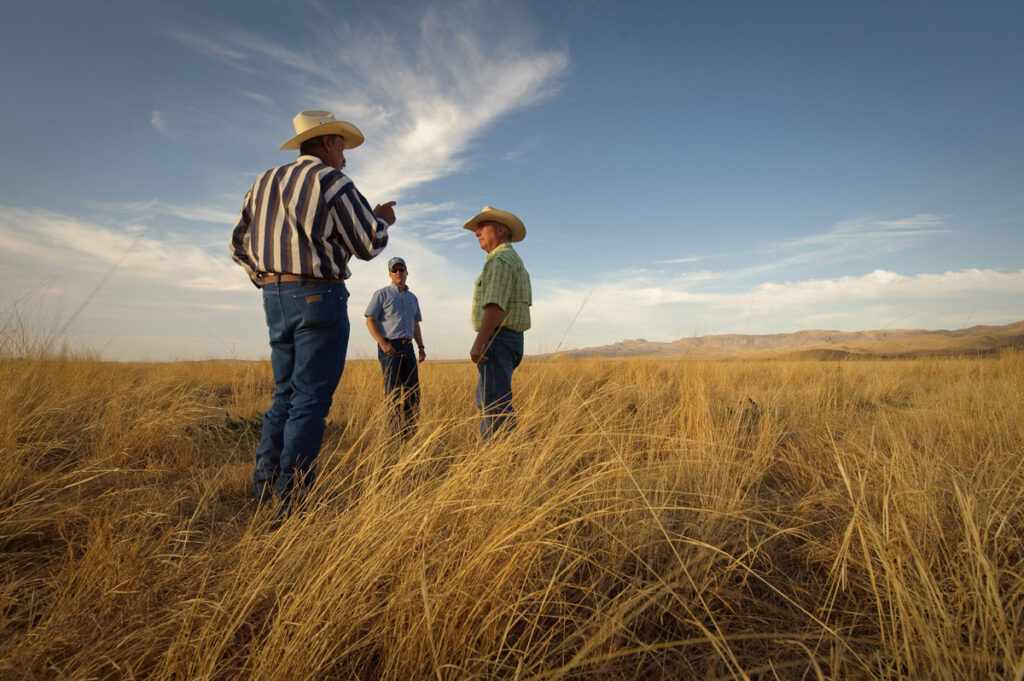
Stewardship on America’s private lands

With 70 percent of U.S. lands in private hands and many of our best hunt and fish opportunities occurring there, investing in voluntary conservation on working lands safeguards access, strengthens habitat and water quality, and ensures resilient landscapes.

Learn More
What TRCP is Doing

We champion policies and programs that restore wildlife habitat, improve soil and water health, and keep working lands productive.

 Ward Burton
How Sportsmen are Doing It Right

Ward Burton's Story

Ward Burton’s NASCAR driving career stretched across most of two decades. As an avid sportsman and conservationist, he founded the…

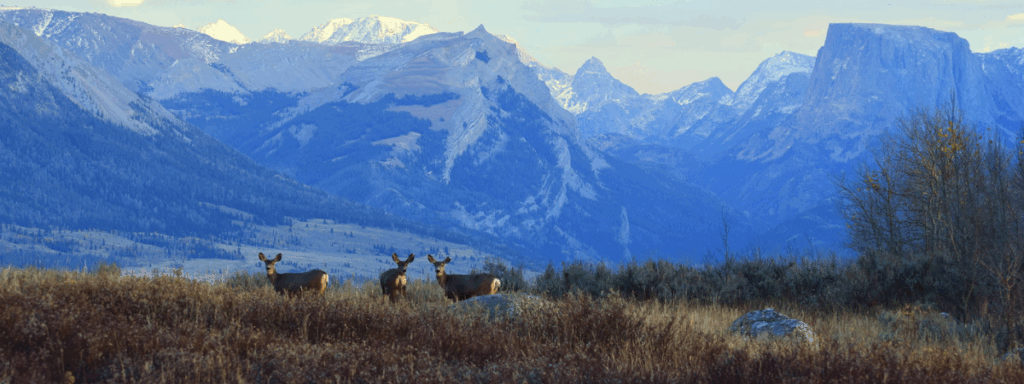
Special Places
Why It Matters

Special Places Worth Protecting

America’s most iconic landscapes provide unmatched habitat and unforgettable days afield. These places sustain wildlife, anchor local economies, and define the hunting and fishing traditions we pass down.

What TRCP is Doing

We’re working to conserve special places that provide world-class habitat and unforgettable opportunities for hunters and anglers.

 Franklin Adams
How Sportsmen Are Doing It Right

Franklin Adams's Story

As a true Gladesman, conservationist, and historian, Capt. Franklin Adams has spent more than six decades championing Everglades restoration efforts…

Habitat & Clean Water
Why It Matters

Healthy Habitat Powers Every Pursuit

All hunting and fishing opportunities depend on quality habitat, from clean water and healthy wetlands to winter and summer habitats and the migration corridors that connect them.

All About Habitat & Clean Water
What TRCP is Doing

We are working to safeguard the habitats that power every hunting and fishing opportunity.

 Alex Harvey
How Sportsmen Are Doing It Right

Alex Harvey's Story

Alex Harvey, founder of Legacy Land Management, is a registered professional forester in Mississippi and Alabama with a Master's degree…

Science
Why It Matters

Science That Guides TRCP

From conserving migration corridors and wetlands to ensuring clean water and resilient landscapes, science provides evidence that turns conservation goals into effective action.

Science for Conservation
What TRCP is Doing

For hunters and anglers, science safeguards the experiences we treasure including resilient big game populations, abundant fish, and wild places that endure changing social landscapes.

Jamelle Ellis
Your Science Expert

Jamelle Ellis's Story

Jamelle Ellis joined the Theodore Roosevelt Conservation Partnership in 2022. Jamelle spent the last three years as an environmental sustainability…

Where We Work
Across the Nation

Conservation Across America

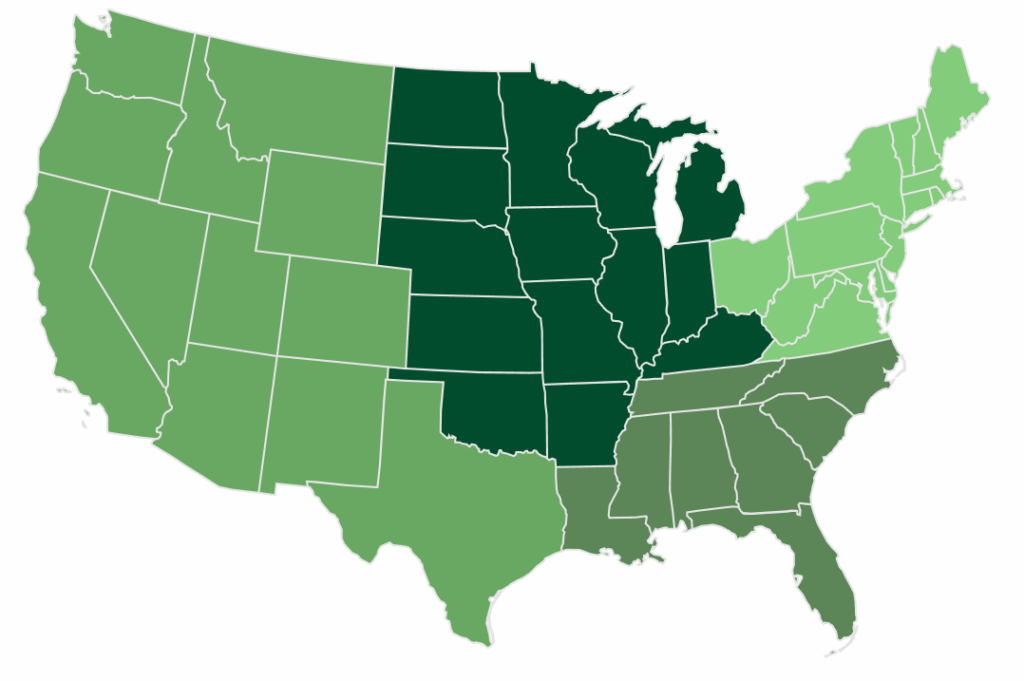
TRCP works across the country to ensure hunters and anglers can enjoy healthy fish and wildlife and quality days afield, no matter where they live.

See All Issues
TRCP in Your Region

TRCP works across the country to ensure hunters and anglers can enjoy healthy fish and wildlife and quality days afield, no matter where they live.

Who We Are
Our Mission

To guarantee all Americans quality places to hunt & fish

We unite and amplify our partners’ voices to advance America’s legacy of conservation, habitat, and access.

Our Mission & Values
Our People & Partners
  • Meet the TRCP Team

    Our staff and board members unite and amplify our partners’ voices to advance America’s legacy of conservation, habitat, and access.

    Meet the Team
  • Our Partners

    ‘Partnership’ is in our name. We work with 64 diverse partner groups that represent today’s leading hunting, fishing, and conservation organizations in order to strengthen the sportsman’s voice in Washington, D.C.

    Our Partners
  • Corporate Council

    TRCP’s Corporate Council is made up of diverse corporations that share a common passion for conservation.

    Corporate Council
Our Organization

Looking for more information?

Explore our latest news, policy updates, and conservation resources to get the information you need.

Giving
How You Can Help

To guarantee all Americans quality places to hunt & fish

Your tax-deductible donation will support TRCP's mission, now and into the future.

DONATE
Special Ways to support trcp
  • Capital Conservation Awards Dinner

    The CCAD is one of Washington's best-attended conservation celebrations, featuring dinner, cocktails, and a silent auction.

    Learn More
  • Step Into the Arena

    Help us ensure that our treasured wild habitats and game remain intact for the next generation to enjoy – lend your support to the TRCP’s efforts today!

    Donate
  • Roosevelt Roast

    TRCP has partnered with Afuera Coffee Co. to further our commitment to conservation.

    Learn More
More donation options

Find the best way for you to lend your support. Join one of TRCP’s donor circles for special invitations, premium offerings from outdoor retailers, and more exclusive benefits. Take control of your legacy with planned giving or contribute to special conservation funds.

Other Ways To Give
News
In the Spotlight

In the Arena: Josh Warren

For many hunters and anglers, the connection to conservation begins close to home — in the woods behind the house, along a familiar stretch of river, or through time spent learning from mentors and family. That sense of place is something Joshua Warren carries with him, both personally and professionally. As Director of Marketing at WorkSharp, Josh represents a company rooted in Ashland, Oregon, a community defined by its access to public lands and wild country.

Read More

Stay Informed

Receive our newsletter, the Roosevelt Report, right in your inbox. Never miss the latest news in conservation issues.

by:

posted in:

January 5, 2022

youngbd

Do you have any thoughts on this post?

XHTML: You can use these tags: <a href="" title=""> <abbr title=""> <acronym title=""> <b> <blockquote cite=""> <cite> <code> <del datetime=""> <em> <i> <q cite=""> <s> <strike> <strong>

Comments must be under 1000 characters.

Commission Votes to Weaken Already Inadequate Proposal to Protect Fragile Coast from Pogie Boats

Vote ignores the recreational fishing community and others, but there is more time to stand up for conservation

Shallow-water purse seining for menhaden contributes to beach erosion and damages nursery habitats for redfish, speckled trout, sharks, jacks, mackerels, blue crabs, and other species. To ensure that Louisiana’s coastal habitat can continue to support billions of dollars in revenue from recreational fishing and wildlife tourism, as well as thousands of vital jobs, the TRCP and its sportfishing partners have been calling for a regulated buffer zone that would restrict industrial menhaden harvest to deeper waters, reducing habitat impacts and conflicts between pogie boats and anglers.

On Thursday, the Louisiana Wildlife and Fisheries Commission amended a proposal to create a restricted zone that would limit industrial menhaden fishing within a quarter mile of the state’s coastline. Unfortunately, the original proposal did not go far enough to prevent erosion and habitat damage, and Thursday’s amendment would further reduce the size of the buffer along sensitive marshes on the western shore of Breton Sound—making an already inadequate measure even weaker.

Public comments submitted over the last two months overwhelmingly favored strengthening the proposal by expanding the restricted area to at least a half mile from beaches and sensitive shallow water areas. The Commission’s vote Thursday showed that those comments have been largely ignored.

Sportfishing advocates were in favor of last year’s legislative action to create a half-mile restricted zone to help conserve and protect surf zone habitat, reduce harmful bycatch, and protect Louisiana’s recreational fishing economy and culture—a legislative solution that the menhaden industry strongly opposed. The bill ultimately failed, but the commission could achieve the same goal by expanding the proposed restricted zone. Unfortunately, the Commission does not seem intent on voting in favor of conservation.

The lone bright spot resulting from the amendment is it gives all concerned about this issue additional time to continue to voice opposition to a feeble, quarter-mile buffer zone.

What difference does a quarter mile make? Let’s dive deeper.

Hitting Rock Bottom

The menhaden reduction fishing industry—namely two companies, Omega Protein and Daybrook Fisheries—has reported that their boats only fish in waters 12 feet or deeper, so the large vessels don’t hit the bottom. In past discussions of this issue with the Commission, menhaden industry representatives and some commissioners have claimed that it is impossible for the boats to operate in shallow-water areas, where the vessels run aground, and that the industry would not risk the damage to the vessels by operating them in water depths of 5 to 10 feet.

Almost the entire proposed, one-quarter-mile restricted zone is in depths of up to just 6 feet. Amending the buffer zone to at least a half mile, which would include depths between 6 and 12 feet, would decrease the negative impacts of purse seining that plague Louisiana’s coast. If the claims from Omega and Daybrook are true—and they cannot risk the damage to their vessels by having them contact the bottom—there should be no issue with a half-mile buffer zone, which would only restrict fishing in areas that are supposedly too shallow for industrial pogie ships.

There’s good reason to keep these vessels out of shallow water as a policy, instead of trusting the companies’ assertions that pogie boats don’t go that close to shore: Numerous eyewitness accounts and videos show them intentionally running aground and displacing large volumes of sediments in waters inside a half mile of beaches. [Watch the video for actual footage of this happening within yards of recreational fishing boats.]

Impacts on Popular Sportfish

The Gulf menhaden fishery is the largest fishery by volume in the contiguous United States, and Louisiana accounts for 80 percent or more of all menhaden catches in the Gulf of Mexico, with over 900 million pounds harvested in 2020. Industrial pogie fishing made up almost half of all catches in the Gulf from 1980 to 2016.

Even if no more than 5 percent of the fish they harvest are species other than menhaden or herring (per Gulf-wide bycatch restrictions) the amount of potential bycatch is still immense. Sadly, the data from Omega and Daybrook regarding bycatch of important pogie predator species—including redfish, speckled trout, blacktip shark, and king and Spanish mackerel—is not publicly disclosed.

Efforts should be made by the menhaden industry to measure the environmental effects of their bycatch and to prove that the pogie fishery poses no risks to Louisiana’s fragile coastal ecosystem. In the meantime, bycatch of species like speckled trout, blue crabs, redfish, and some mackerels would be reduced by restricting harvest in nearshore areas.

Just a First Step Toward Menhaden Conservation

Omega and Daybrook frequently tout their Marine Stewardship Council certification as an indicator of their sustainable fishing operations in the Gulf. However, they have funded studies that deny the correlation between menhaden abundance and predator populations—directly contradicting MSC Fisheries Standards. Other studies have shown that pogies and other forage fish ARE correlated with the abundance of seabirds, king and Spanish mackerel, and blacktip sharks. The menhaden industry has blatantly disregarded MSC principles, further proving their unwillingness to accept the negative impacts of their operations along Louisiana’s coast.

If Omega and Daybrook want to demonstrate the effectiveness of a quarter-mile buffer zone versus a half-mile, they should prove through transparent and independent science that they are not harming our coastline by damaging the delicate intertidal zone or killing massive numbers of animals that depend on pogies as prey, like redfish, speckled trout, and seabirds.

The current fishery management strategy does not include a harvest control rule, coastwide catch limit, or accountability for overfishing. The implementation of, at minimum, a half-mile restricted zone for the industrial menhaden fishery is a necessary first step toward the conservation of Gulf menhaden, the wildlife and fish that depends on them, and the critical surf-zone habitat in Louisiana.

We have urged the Commission to amend the proposed quarter-mile restricted zone to a minimum of a half mile, and we will continue to push for meaningful conservation measures in the menhaden industry. Please send comments to comments@wlf.la.gov and keep following the TRCP for further updates on how to take action.

Click here to learn more about the importance of menhaden in the Gulf and Atlantic and take action in support of conservation.


Top photo by Jay Huggins via Flickr.

by:

posted in:

January 4, 2022

How Latino Hunters Are Helping to Shape R3

The effort to recruit, retain, and reactivate hunters can’t leave out this important segment of the U.S. population

In 2016, the U.S. Fish and Wildlife Service released a report that showed 6 percent of the U.S. population participated in hunting. Within that group, 97 percent identified as white, and 90 percent were male. The data indicated that Hispanic and Latino participation accounted for just 3 percent of all hunters, while the 2020 U.S. Census data shows that Hispanics account for 19 percent of our population.

The TRCP wanted to better understand why the Hispanic and Latino communities in the U.S. participate in hunting at a reduced capacity. To do this, the TRCP partnered with Colorado Parks and Wildlife to facilitate two roundtable meetings, where Latino participants could share what barriers, they face when trying to participate in hunting.

Fourteen members of the community—from lifelong, multi-generational hunters to beginners who want to learn more—joined TRCP and CPW staff in addition to facilitators from the Meridian Institute and were compensated for their time. This resulted in the creation of a toolkit that is being shared with other state wildlife agencies on how to better engage diverse communities in hunting.

Here’s how state agencies can serve these hunters better.

Establish Trust and Sincerity

Roundtable participants believed that establishing trust is essential when trying to connect with all communities. Efforts that don’t feel sincere can create further irreparable damage between communities and perpetuate the lack of trust. Agencies can build sincere relationships by identifying and working with trusted partners that already exist in the Latino community, being open and ready to modify programs based on community feedback and ensuring that programs are sustainable and not one-and-done.

Examine Messaging and Whose Stories Are Told

In the roundtable meetings, participants indicated that the messaging around hunting often makes it seem like a white space in the eyes of people of color, and many had encountered discrimination and profiling when they were out in the field simply trying to participate in outdoor activities. Storytelling was suggested as an avenue to change that.

Many of the participants were multi-generational hunters and had strong familial connections to hunting—but their stories were rarely told in outdoor media. If stories from the broader Latino hunting population were amplified by state wildlife agencies, it would create the narrative that Latinos are welcome and respected in the hunting community. It would also ensure that there is not an erasure of their history as hunters and conservationists.

Additionally, participants flagged certain terminology that could promote bias. Terms like “huntsmen” or “huntmasters,” for example, can be exclusive of women and people of color, reinforcing the narrative that hunting is a white, male-dominated space.

Similarly, each state agency should get to know its Latino and Hispanic communities and dial in the terminology for addressing these groups—“Hispanic” and “Latino” are very broad terms that encapsulate people of many backgrounds and heritages. When possible, roundtable participants indicated that they’d much prefer the use of terms for specific communities and regional identities, such as Chicano, Mexican American, and Tejano.

Use Data Collection and Monitoring to Improve Engagement and Outreach

Participants thought that it was important for state agencies to collect demographic data and that it be available to the public. Collection of demographic data should be done in a clear and concise manner that has its intent clearly explained. This would better identify who is participating in hunting and how broader participation could be achieved at a state and regional level. Demographic data collection would then help to further design and facilitate engagement and outreach programs for women and people of color. Programs that meet communities where they are important for the future of conservation and hunting. To have the best chance of success, state agencies should partner and co-host hunting education programs with organizations that are already serving Latinos and other communities, such as Hispanic Access Foundation and Latino Outdoors.

Improve Transparency

Feedback from roundtable participants indicated that it is easy for people to get discouraged and disenfranchised when they are enthusiastic about participating and learning to hunt but repeatedly fail to draw tags. Agencies must provide clear and concise information about the unbiased draw process and publicize other opportunities to participate in hunting when you don’t draw tags, such as over-the-counter or novice licenses.

Why This Work Is Important to TRCP

Our public lands and outdoor access are valuable to people of all backgrounds and demographics. Our public lands can be healing for individuals and our nation. By taking steps to welcome prospective hunters from Latino and Hispanic communities, we can change the narrative and ensure that all people have the opportunity to participate in the outdoors and share in the responsibility of conservation.


Top photo courtesy of Gregg Flores.

by:

posted in:

December 17, 2021

Groundbreaking New Program Will Help Build More Wildlife Crossing Structures

Here’s how recently passed legislation will be implemented to improve habitat connectivity and help wildlife safely cross our roadways

In one of the major victories for conservation this year, the bipartisan Infrastructure Investment and Jobs Act signed into law in November provides new federal funding for projects and research to reduce wildlife-vehicle collisions and improve habitat connectivity for mule deer, elk, and pronghorn. One of the key provisions is the establishment of a new wildlife crossings pilot program that will dedicate $350 million over a five-year period for the construction of new wildlife-friendly overpasses, underpasses, and fences that funnel animals safely across roads.

This is a major win because, for the first time ever, there is now programmatic federal investment to directly support the work of state wildlife and transportation agencies focusing on this issue. Sportsmen and sportswomen understand that crossing infrastructure is essential to supporting the unimpeded movement of wildlife as animals follow seasonal and historical migrations each year. But it also reduces wildlife-vehicle collisions that cost human lives and millions of dollars in property damage.

We’ve known for years that crossings are effective, but without this dedicated funding, projects were harder to pay for because they were in competition with other transportation infrastructure needs. With just a fraction of a percent of the total spend on American infrastructure recently approved by Congress and the president, this investment will make an outsized impact on migratory wildlife populations and human safety.

Here’s what you need to know about the next steps for this first-of-its-kind program.

Credit: Greg Nickerson/Wyoming Migration Initiative
How It Will Work

The Infrastructure Investment and Jobs Act directed the U.S. Department of Transportation and the Federal Highway Administration to distribute the $350 million over five years through a competitive grant process to projects that reduce the number of wildlife-vehicle collisions and improve wildlife connectivity. The first $60 million will be awarded before September 30, 2022.

There are many strong examples of projects that could serve as models for the pilot program. In Wyoming, the Trappers Point project, completed in 2012 at a cost of $12 million, has enabled thousands of mule deer and pronghorns to cross the highway safely each year. The Wyoming Department of Transportation estimated that prior to the crossing’s construction, motor vehicle collisions with wildlife at the site resulted in $500,000 in damage annually. In the first three years, the overpasses and underpasses at Trappers Point saw 85,000 documented wildlife crossings, while vehicle-wildlife collisions decreased by about 80 percent.

In northeastern Nevada, a herd of over 5,000 mule deer utilize a series of five crossings and four underpasses that were constructed over Highway 93 and Interstate 80 at a cost of approximately $35 million. These structures have resulted in nearly 40,000 documented safe crossings since the projects began in 2010.

Oregon’s first crossing—completed in 2012 in the central part of the state along Highway 97—has reduced collisions by 85 percent. It has supported safe crossing for more than 40 different species, but mule deer in particular have benefited as they migrate between their summer and winter ranges. The Oregon Department of Transportation has identified at least 10 more projects like this that are currently awaiting funding. Many other states are in the same boat.

Credit: Wyoming Migration Initiative
More Bang (and Less Crash) for the Buck

The Nevada Department of Transportation believes that if there are five or more vehicle collisions with deer per mile of road each year, it actually costs more to do nothing than to build the crossing structures. In fact, evaluation, engineering, and siting of these wildlife projects should be part of any roadway expansion and considered upfront when possible.

What’s more, Western states in particular have demonstrated significant leadership on building crossings where it most benefits migratory wildlife and keeps migration corridors intact. This makes federal infrastructure dollars go even further by also creating habitat gains.

Dedicated funding will help get those projects done sooner, but more data may be necessary in some states to prioritize the most important crossing projects. Migration mapping from GPS-collared animals, paired with data showing where animals are most frequently hit on highways, helps agencies pinpoint where these crossing projects are most needed. Wyoming, Colorado, Oregon and several other states have already used wildlife and transportation data to prioritize locations for crossings to build projects into long-term transportation plans. This kind of planning will help put new funds to work quickly, and clearly demonstrates a need for further investment.

Credit: Greg Nickerson/Wyoming Migration Initiative

Top photo: Greg Nickerson/Wyoming Migration Initiative

by:

posted in:

December 16, 2021

The Importance of Your End-of-Year Donation

Why so many organizations are vying for your attention right now and how your support drives what we do

It’s December, so you (and everyone else) are getting mail and emails about year-end charitable giving. It’s easy to find this annoying and immediately send them to the trash bin.

Before you do this, I’d like to share more about why we ask you to give.

At TRCP, we have an annual budget of about $7 million. This pays for the 37 staff members across the country who mobilize hunters and anglers around key issues, like conserving migration corridors, enhancing private land habitat, or protecting the base of the marine ecosystem. These are the folks who organize small businesses to weigh in and convene the disparate elements of the conservation community behind common causes.

Your funds pay for the government affairs and communications teams who design and implement complicated advocacy campaigns that help make ideas like the Great American Outdoors Act a reality and drive legislation like the pending MAPLand Act to expand your access to the outdoors. And your funds support the unseen infrastructure at TRCP that ensures the organization can maintain the highest levels of financial efficiency and transparency on Charity Navigator, GuideStar, and the Better Business Bureau. (Still have questions about how we solicit and handle donations? View our Gift Acceptance Policy or email our chief development officer, Jenni Henry.)

The TRCP is not like most conservation organizations. We do not have a funding model based on dues or banquets, because we don’t want to compete with our 61 partner organizations. We don’t do direct mail for the same reason, and because that process costs a lot of money to raise a small amount. In fact, membership is free at TRCP, because we want you engaged in and informed about the most important conservation issues. And we don’t have a beautiful quarterly magazine for you to enjoy around the holiday fire, because those are also expensive to produce.

About two-thirds of our $7-million budget comes from more than 40 foundations, and the great majority of this funding is restricted for specific projects—like migration corridor conservation in the Rockies or menhaden conservation in the Atlantic and Gulf. The remaining one-third of our annual budget comes from the more than 100 conservation-minded companies that support TRCP in some way and from you—our 125,000+ members, supporters, and advocates.

The importance of individual contributions cannot be overstated. Because your donations are generally not restricted, we can use the funds where we think they are most necessary. This could mean investing in key issues well before they are on the public radar. For example, the TRCP began investing in identifying natural infrastructure solutions more than two years ago, and this work came to fruition earlier this fall, when Congress passed the Infrastructure Investment and Jobs Act.

Your support also allows us to move quickly to address emerging threats and opportunities. We have done this in the past when, for example, a misguided member of Congress decided that it was a good idea to sell off public lands to help balance the budget.

So, before you hit ‘delete’ on an email from TRCP asking for your support, remember why your gift—no matter the size—is important. If you do choose to support our work financially, thank you. Click here to make a tax-deductible year-end donation to the TRCP.

Thank you for supporting TRCP’s mission of guaranteeing all Americans quality places to hunt and fish. Happy holidays!

HOW YOU CAN HELP

TRCP has partnered with Afuera Coffee Co. to further our commitment to conservation. $4 from each bag is donated to the TRCP, to help continue our efforts of safeguarding critical habitats, productive hunting grounds, and favorite fishing holes for future generations.

Learn More

You have Successfully Subscribed!

You have Successfully Subscribed!

You have Successfully Subscribed!

You have Successfully Subscribed!