Our Issues
Public Lands
Why It Matters

Hunting & Fishing Access

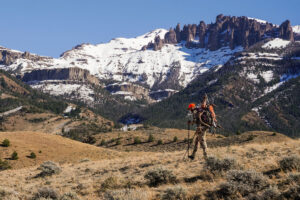
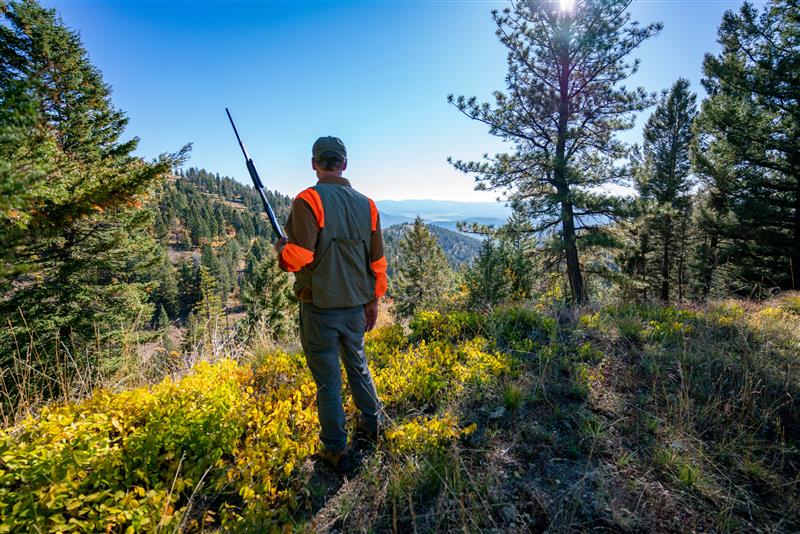
America’s 640 million acres of national public lands provide irreplaceable hunting and fishing opportunities to millions of Americans.

Learn More About Access
What TRCP is Doing

We’re working to safeguard America’s public lands so hunters and anglers always have quality places to pursue their passions.
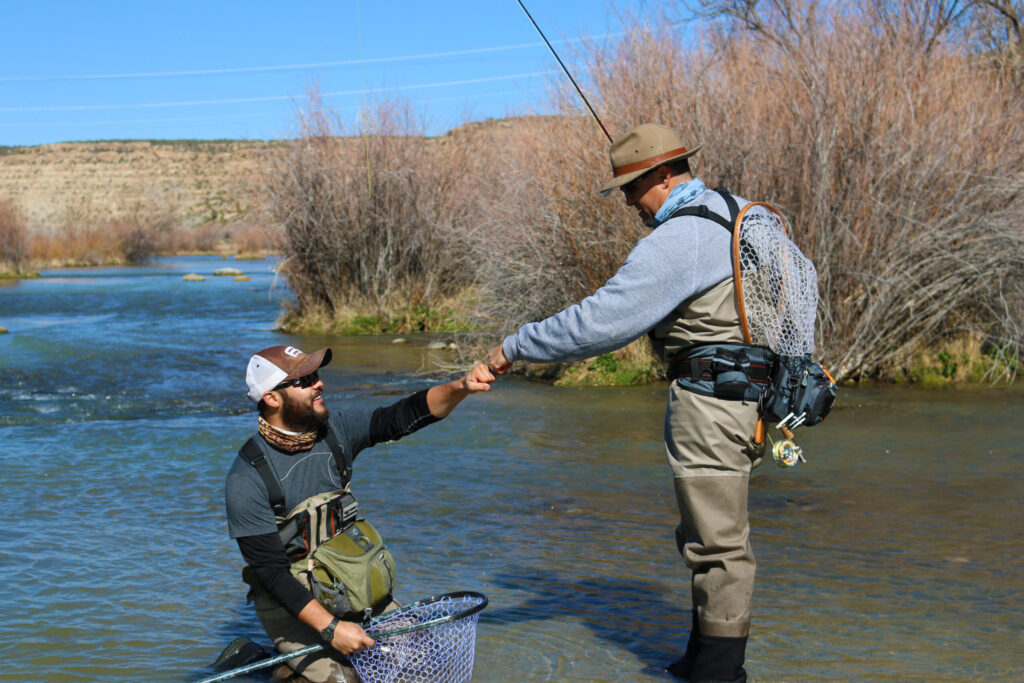
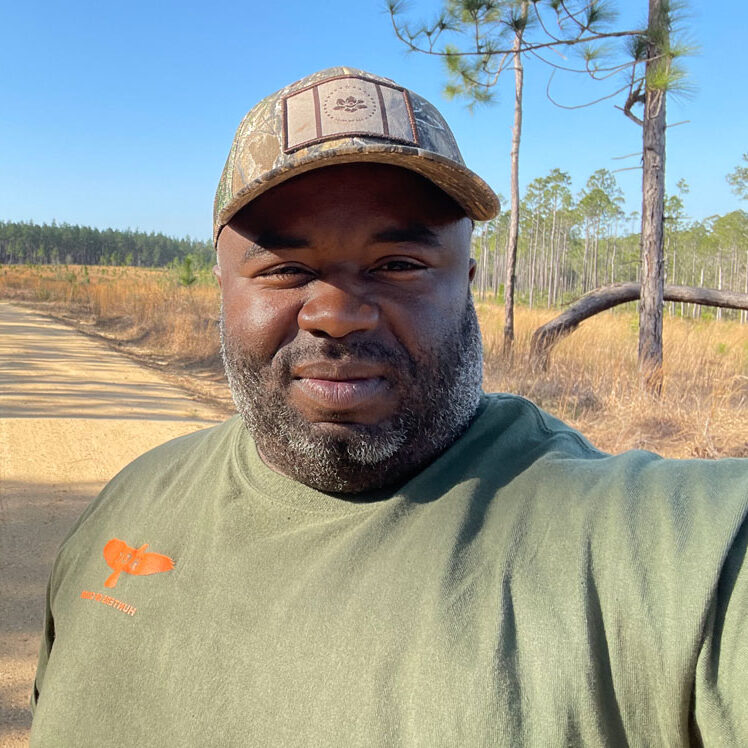
 Brian Flynn, Two Wolf Foundation
How Sportsmen Are Doing It Right

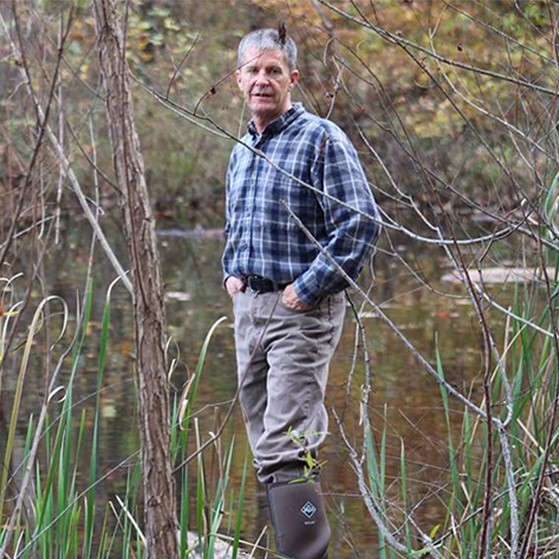
Brian Flynn, Two Wolf Foundation's Story

Following a distinguished career in the U.S. Army, lifelong outdoorsman Brian Flynn returned home from a deployment in Afghanistan and…

Hunting
Why It Matters

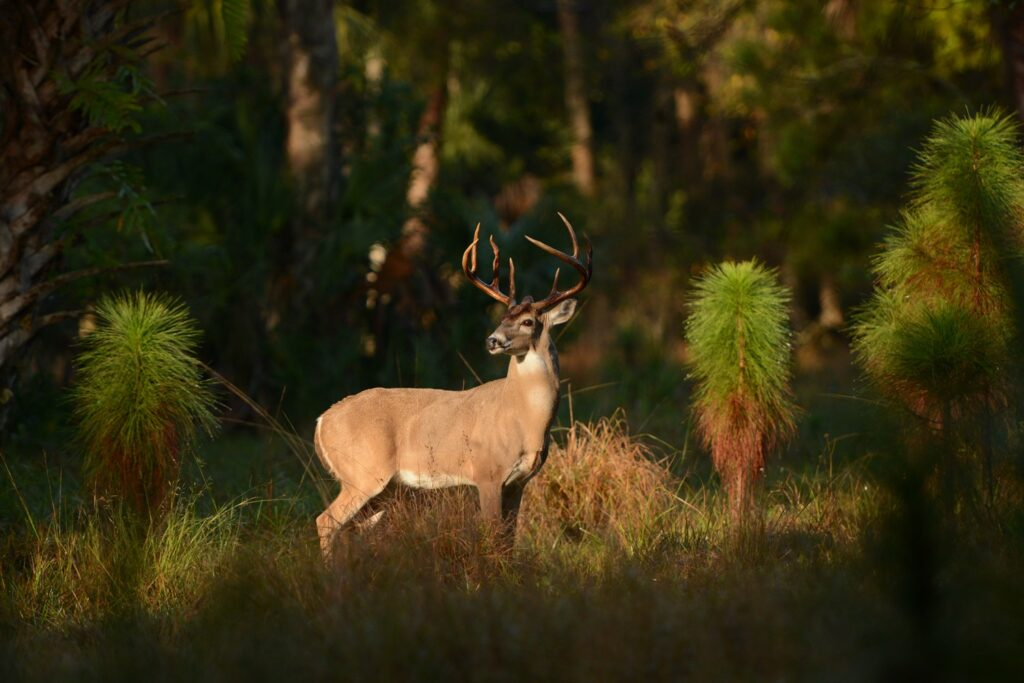
Key Issues for America’s Hunters

Your source for the latest policy updates, conservation challenges, and opportunities shaping America’s hunting traditions.

What TRCP is Doing

We’re fighting for meaningful policy changes that benefit wildlife, our waters, and the American landscapes that make our outdoor traditions possible.

 Ryan Sparks
How Sportsmen Are Doing It Right

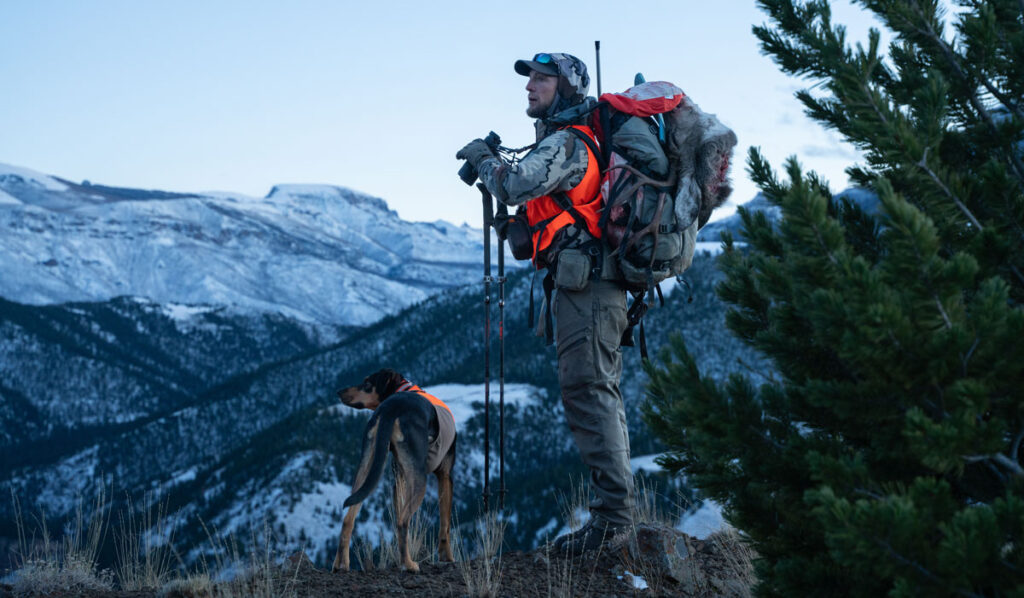
Ryan Sparks's Story

TRCP’s “In the Arena” series highlights the individual voices of hunters and anglers who, as Theodore Roosevelt so famously said,…
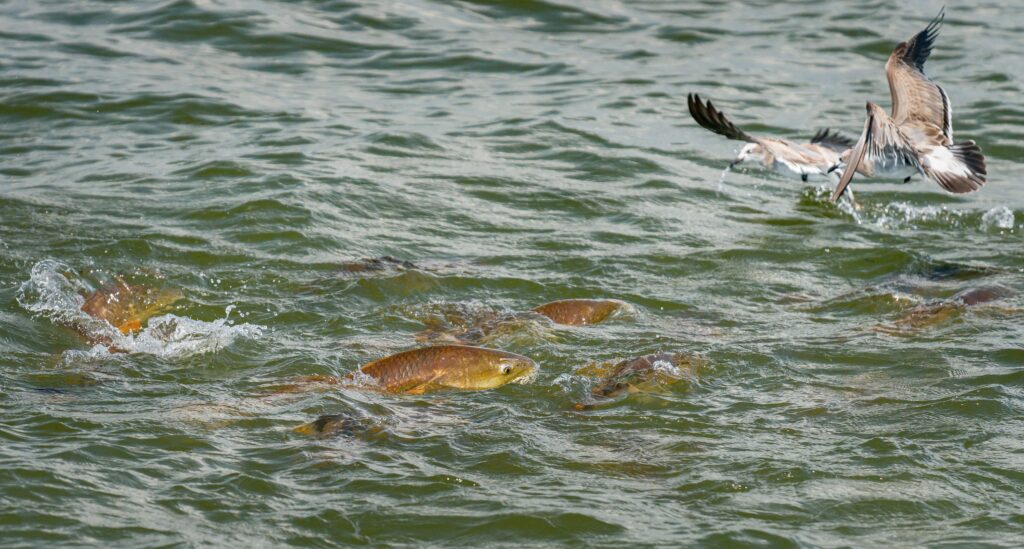
Fishing
Why It Matters

Key Issues for America’s Anglers

Your source for the latest policy updates, conservation challenges, and opportunities shaping America’s fishing traditions.

What TRCP is Doing

We’re fighting for meaningful policy changes that benefit wildlife, our waters, and the American landscapes that make our outdoor traditions possible.

 David Mangum
How Sportsmen Are Doing It Right

David Mangum's Story

Capt. David Mangum is a YETI ambassador and outdoor photographer who utilizes his talents to produce media that inspire a…

Private Land
Why It Matters

Stewardship on America’s private lands

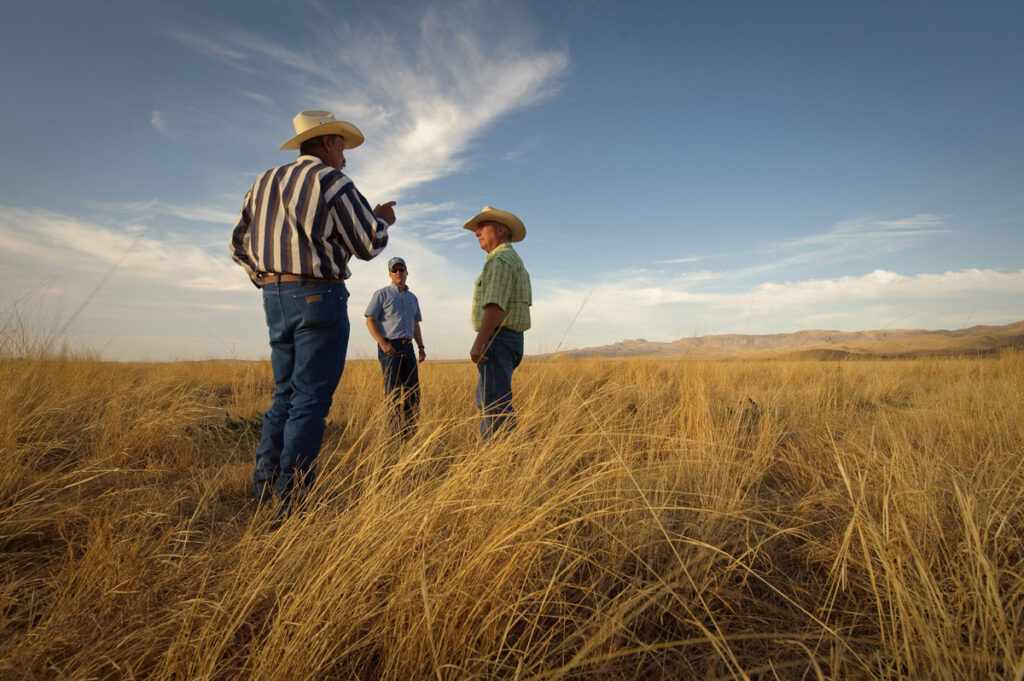
With 70 percent of U.S. lands in private hands and many of our best hunt and fish opportunities occurring there, investing in voluntary conservation on working lands safeguards access, strengthens habitat and water quality, and ensures resilient landscapes.

Learn More
What TRCP is Doing

We champion policies and programs that restore wildlife habitat, improve soil and water health, and keep working lands productive.

 Ward Burton
How Sportsmen are Doing It Right

Ward Burton's Story

Ward Burton’s NASCAR driving career stretched across most of two decades. As an avid sportsman and conservationist, he founded the…

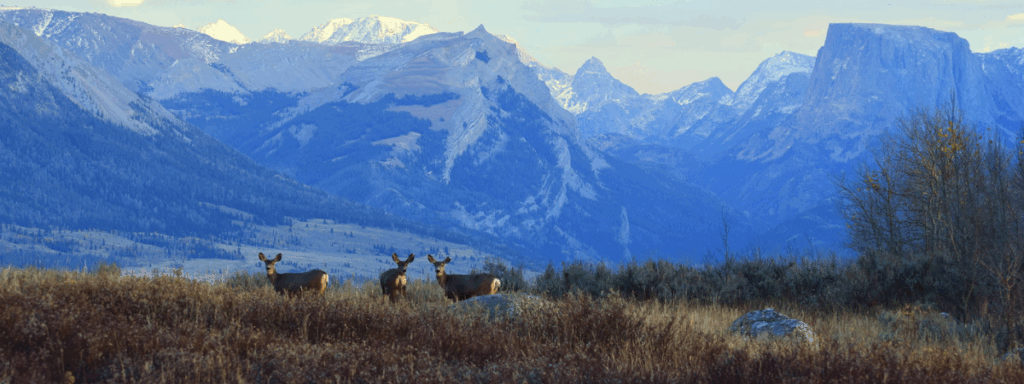
Special Places
Why It Matters

Special Places Worth Protecting

America’s most iconic landscapes provide unmatched habitat and unforgettable days afield. These places sustain wildlife, anchor local economies, and define the hunting and fishing traditions we pass down.

What TRCP is Doing

We’re working to conserve special places that provide world-class habitat and unforgettable opportunities for hunters and anglers.

 Franklin Adams
How Sportsmen Are Doing It Right

Franklin Adams's Story

As a true Gladesman, conservationist, and historian, Capt. Franklin Adams has spent more than six decades championing Everglades restoration efforts…

Habitat & Clean Water
Why It Matters

Healthy Habitat Powers Every Pursuit

All hunting and fishing opportunities depend on quality habitat, from clean water and healthy wetlands to winter and summer habitats and the migration corridors that connect them.

All About Habitat & Clean Water
What TRCP is Doing

We are working to safeguard the habitats that power every hunting and fishing opportunity.

 Alex Harvey
How Sportsmen Are Doing It Right

Alex Harvey's Story

Alex Harvey, founder of Legacy Land Management, is a registered professional forester in Mississippi and Alabama with a Master's degree…

Science
Why It Matters

Science That Guides TRCP

From conserving migration corridors and wetlands to ensuring clean water and resilient landscapes, science provides evidence that turns conservation goals into effective action.

Science for Conservation
What TRCP is Doing

For hunters and anglers, science safeguards the experiences we treasure including resilient big game populations, abundant fish, and wild places that endure changing social landscapes.

Jamelle Ellis
Your Science Expert

Jamelle Ellis's Story

Jamelle Ellis joined the Theodore Roosevelt Conservation Partnership in 2022. Jamelle spent the last three years as an environmental sustainability…

Where We Work
Across the Nation

Conservation Across America

TRCP works across the country to ensure hunters and anglers can enjoy healthy fish and wildlife and quality days afield, no matter where they live.

See All Issues
TRCP in Your Region

TRCP works across the country to ensure hunters and anglers can enjoy healthy fish and wildlife and quality days afield, no matter where they live.

Who We Are
Our Mission

To guarantee all Americans quality places to hunt & fish

We unite and amplify our partners’ voices to advance America’s legacy of conservation, habitat, and access.

Our Mission & Values
Our People & Partners
  • Meet the TRCP Team

    Our staff and board members unite and amplify our partners’ voices to advance America’s legacy of conservation, habitat, and access.

    Meet the Team
  • Our Partners

    ‘Partnership’ is in our name. We work with 64 diverse partner groups that represent today’s leading hunting, fishing, and conservation organizations in order to strengthen the sportsman’s voice in Washington, D.C.

    Our Partners
  • Corporate Council

    TRCP’s Corporate Council is made up of diverse corporations that share a common passion for conservation.

    Corporate Council
Our Organization

Looking for more information?

Explore our latest news, policy updates, and conservation resources to get the information you need.

Giving
How You Can Help

To guarantee all Americans quality places to hunt & fish

Your tax-deductible donation will support TRCP's mission, now and into the future.

DONATE
Special Ways to support trcp
  • Capital Conservation Awards Dinner

    The CCAD is one of Washington's best-attended conservation celebrations, featuring dinner, cocktails, and a silent auction.

    Learn More
  • Step Into the Arena

    Help us ensure that our treasured wild habitats and game remain intact for the next generation to enjoy – lend your support to the TRCP’s efforts today!

    Donate
  • Roosevelt Roast

    TRCP has partnered with Afuera Coffee Co. to further our commitment to conservation.

    Learn More
More donation options

Find the best way for you to lend your support. Join one of TRCP’s donor circles for special invitations, premium offerings from outdoor retailers, and more exclusive benefits. Take control of your legacy with planned giving or contribute to special conservation funds.

Other Ways To Give
News
In the Spotlight

House Agriculture Committee Chairman GT Thompson Introduces Farm Bill Proposal 

Hunters and anglers depend on strong Conservation and Forestry Titles, and TRCP will closely evaluate the bill's impacts as it moves forward.

Read More

Stay Informed

Receive our newsletter, the Roosevelt Report, right in your inbox. Never miss the latest news in conservation issues.

by:

posted in:

August 28, 2020

RAP_AFGlandscapeCover_SBB

Do you have any thoughts on this post?

XHTML: You can use these tags: <a href="" title=""> <abbr title=""> <acronym title=""> <b> <blockquote cite=""> <cite> <code> <del datetime=""> <em> <i> <q cite=""> <s> <strike> <strong>

Comments must be under 1000 characters.

by:

posted in:

This Invasive Species Is Fueling Western Wildfires

Before smoke filled the sky this wildfire season, an unwanted invader was already crowding out wildlife food sources in sagebrush country—now, it’s burning

With more than 20 major fires and hundreds of smaller ones burning over a million and a half acres in California alone, it’s shaping up to be a long and expensive wildfire season—for people, wildlife, and habitat.

Fire can, of course, be good for forests, grasslands, and sagebrush when it keeps invading conifer trees at bay, adds nutrients to the soil, revitalizes forbs and bunchgrasses, and creates a mosaic of favorable habitat conditions. This assumes a normal ecological cycle of growth and renewal over many years.

But an invasive menace has changed much of the West’s fire cycle, especially across the sagebrush sea, damaging the very habitat that supports more than 350 species of plants and animals, including sage grouse.

That menace is cheatgrass, and it represents one of the greatest threats to this uniquely Western landscape. Here’s why.

The Grassy Villain That’s Winning the West

While there are many non-native plants that have spread across the country, none rival the destructive impact of cheatgrass.

Though it’s an annual species—meaning that it lives for just one growing season and then dies—cheatgrass produces enormous amounts of seed that remain viable for many years and germinate quickly under the right conditions. Cheatgrass spreads easily by wind but is also carried by a wide range of mammals that get its barbed seeds stuck in their fur. This is also how the seeds travel on a hiker or hunter’s boots and socks!

From there, cheatgrass can quickly and efficiently dominate disturbed areas of bare ground.

Native to parts of Europe, southwestern Asia, and northern Africa, cheatgrass was first discovered here in New York and Pennsylvania in 1861. By the late 1920s, it had spread across the country, finding especially favorable conditions in the fragile, dry shrublands of the Great Basin, Columbia River Basin, and across the Intermountain West.

This is where it has put a stranglehold on native plants important to at-risk sagebrush species, altering ecological processes and changing the way wildlife use their environment.

Cheatgrass can easily overtake a landscape and outcompete native plants, often creating vast monocultures. The grass itself has little to no value as forage or cover for wildlife, but it decimates the forage available to both wildlife and livestock, which can have serious consequences for ranching operations. And without diverse perennial forbs and bunchgrasses—those that live for more than one growing season—there is little to hold the soils together and retain moisture.

But perhaps the most pervasive impact of cheatgrass domination has been its influence on the size, intensity, and natural cycles of wildfire, especially in the sagebrush sea.

Photo by Holly Copeland.
Upsetting the Balance of Nature

While large and sometimes severe wildfires historically burned in sagebrush, they were infrequent and returned only every 60 to 100 years, depending on elevation, soil moisture, and other conditions. Native forbs, grasses, and sagebrush evolved with fire and adapted to this interval between blazes. Up until just a few decades ago, wildfires usually burned less intensively and more sporadically across the landscape, thereby creating more diversity in the age and structure of sagebrush plants while maintaining the bunchgrasses and forbs that are so valuable as cover and forage for wildlife.

But that has largely changed in areas plagued by cheatgrass invasion. Cheatgrass dies just in time for a typical fire season to start and is an extremely flashy fuel—one that can turn a simple lightning strike or discarded cigarette butt into a raging inferno in minutes.

When cheatgrass dominates an area and a fire gets started, it is almost equivalent to spreading gasoline across the surrounding vegetation.

Today’s fires are becoming hotter and more frequent in part because of the dominance of cheatgrass. Hotter fires mean that more sagebrush and other native plants that are not adapted to frequent high-intensity fires will certainly be lost. The soil is damaged, which weakens the system’s ability to regenerate sagebrush and perennial forbs and bunchgrasses.

Worse yet, after a hot fire, the disturbed soils are ripe for re-invasion by—you guessed it—cheatgrass.

Scientists now estimate that fire in cheatgrass-dominated areas can return every five years or less as a result of this broad ecological change. These areas may never return to their native condition and can essentially become biological deserts. And each year, the vicious cycle continues and results in more and more sagebrush and other habitats being dominated by this invasive species.

From 1988 to 2018, cheatgrass expanded dramatically in the West, particularly in sagebrush country in northeastern California, Oregon, Washington, Idaho, and Nevada. Unless actions are taken, we can expect continued cheatgrass invasion in these states and across the Intermountain West. Map courtesy of Matthew Jones, University of Montana; Data source: Rangeland Analysis Platform.


A Different Kind of Blaze

A bird hunter is never going to pull up to a huge burned area of sagebrush and unload the dogs, but many Western big game hunters know that a few years after a fire sweeps through a landscape, these areas can become prime habitat for elk and mule deer. This is especially true for forests with so much canopy coverage that sunlight couldn’t reach the ground and regenerate vegetation that big game like to eat.

In a normal cycle of fire and regrowth, yes, this balance is restorative. But the new normal of catastrophic blazes and cheatgrass-driven fires can severely alter winter range and other big game habitats.

There is major concern about the impact of fire on the survival of sage grouse, in particular. According to the Bureau of Land Management, more than 15 million acres of sagebrush burned across the West from 2000 to 2018.

While some of those acres may have been restored naturally or with human intervention, many are now part of the perpetual and unrelenting cheatgrass-fire cycle, which does not bode well for deer, pronghorns, elk, or sage grouse.

Sage grouse strutting near Boar’s Tusk in the Red Desert, Great Divide Basin area of Wyoming. Image courtesy of the USDA.
An Ounce of Prevention

In our own lives, we know it’s cheaper and easier to take care of ourselves—eat right, stay active, and get preventative screenings—than to wait for a crisis to send us to the emergency room. The same is true of maintaining rangeland health.

Once cheatgrass takes hold of a landscape, it is extremely difficult and expensive to eradicate. The problem may be widespread at this point, but it hasn’t completely taken over all habitats in all places. Reactive measures in these areas should continue, but proactive measures to conserve and restore the resilience of native vegetation are more likely to succeed.

Fortunately, projects to prevent and remove cheatgrass invasion can create jobs at a time when many Americans are out of work. But decision-makers need to invest in these efforts to make a difference.

The cheatgrass-fire cycle is daunting, but cannot be ignored. We need more attention given to this crisis and state and federal resources to combat it. Failure to address this clear and present danger will have consequences for fish and wildlife habitat, soil health, forage diversity, and our Western economies that depend on healthy sagebrush ecosystems.

Failure to act may also mean watching our hunting and fishing opportunities go up in smoke.

Top photo by Nolan E. Preece/USFWS via flickr

by:

posted in:

August 24, 2020

Administration Announces Pebble Mine Can’t Proceed as Proposed

After anglers turn up the heat, the Army Corps refuses to permit Alaska mine

The U.S. Army Corps of Engineers announced today that it will not permit the proposed Pebble Mine in southwest Alaska. The Corps released its decision finding the project “could have substantial environmental impacts within the unique Bristol Bay watershed.”

The decision goes on to state the mine “would likely result in significant degradation of the environment and would likely result in significant adverse effects on the aquatic system or human environment.”

“This announcement signals significant progress for preserving the world’s largest sockeye salmon spawning area,” said Whit Fosburgh, president and CEO of the Theodore Roosevelt Conservation Partnership. “We hope the EPA will follow suit and stop the Pebble Mine once and for all. There is no safe way to advance this project and preserve the region’s thriving fishing and hunting economy. It’s time to put Pebble Mine to bed for good.”

TRCP and the American Sportfishing Association launched a TV ad on Fox News last week urging the president to oppose the Pebble Mine and protect the thousands of jobs that rely on this world-renowned salmon fishery. This follows up on more than two decades of work trying to stop the mine by a diverse coalition of conservationists, anglers, local businesses, and Alaska-Native tribes.

Alaska’s Senators Lisa Murkowski and Dan Sullivan issued statements today hailing the decision and signaling an increase in bipartisan support for stopping the mine.


Photo courtesy: Fly Out Media

by:

posted in:

August 21, 2020

A Healthy Chesapeake Bay Starts with Healthy Waters Upstream

Here’s a short explainer on what it’s going to take to clean up pollution and reduce the dead zone in the Bay.

The Chesapeake Bay watershed is a lifeline to 18 million people and 3,600 species of animals and plants. Its impact reverberates not just in the immediate Bay, but in the six states (Delaware, Maryland, New York, Pennsylvania, Virginia, and West Virginia) and District of Columbia, that feed it.

The watershed’s connectivity to major urban environments and working agricultural lands have contributed to massive amounts of pollution flowing into the Bay significantly harming water quality and negatively impacting the fish and wildlife. Every year, a dead zone forms along the mainstem of the Chesapeake Bay, occupying about 40 percent of its area and up to 5 percent of the Bay’s water volume.

A Commitment to Clean-Up

While the states worked for decades to try to clean up the Bay and the waterways that fed it, efforts were coming up short. So in 2010, the federal government stepped in to help create a plan to clean up the Bay by 2025. The Chesapeake Bay Total Maximum Daily Load (TMDL) established pollution benchmarks that the states would have to meet.  In order to achieve those goals, each state developed Watershed Implementation Plans, which have been updated over time. States are currently on Phase 3 of their Watershed Implementation Plans.

Unfortunately, it appears as if Pennsylvania is at risk of falling short. This is deeply troubling since most of the pollutants entering the Bay come from Pennsylvania. For example, the Susquehanna River, which flows from New York through Pennsylvania and into Maryland, provides about half of the water for the Chesapeake Bay. A 2020 preliminary report by Pennsylvania’s Department of Environmental Protection found that 30 percent (25,850 stream miles) of Pennsylvania portion of the Susquehanna River is impaired.

To meet its nitrogen reduction goals, Pennsylvania needs to reduce the amount of nitrogen that it releases into the Bay by 34 million pounds, but under its Phase 3 Watershed Implementation plan, it will only be able to cut two-thirds of that pollution.

Barriers to a Better Bay

So, what is preventing Pennsylvania from meeting its goal? Well, in order to meet its pollution reduction benchmark, Pennsylvania would need to invest an additional $257 million a year into its Bay waterways.  We think this is a wise investment, given that the Bay filters drinking water for 75 percent of watershed residents.

Unfortunately, Pennsylvania state lawmakers tried to pass legislation that would freeze or redirect funding for some of the state’s most effective conservation programs.

We know that policymakers are under mounting pressure as they deal with coronavirus impacts and the ensuing economic fallout, but now is not the time to cut job-creating investments. The Bay contributes billions of dollars to our economy every year.

So what can hunters and anglers do?

  • Raise awareness about this issue by sharing this blog on your social media channel.

by:

posted in:

August 20, 2020

Lawmakers Are About to Negotiate Two Important Conservation Bills

Because different versions of each bill have been passed by the House and Senate, conference committees will debate which provisions move forward.

Considering the recent wins we’ve been able to celebrate for conservation—some that have been on our community’s bucket list for decades—it would be cynical to think that sportsmen and women are not being heard by decision-makers right now. If we continue to show up with practical solutions, we can continue to expect victories for fish and wildlife habitat, hunting and fishing opportunities, and our outdoor recreation businesses.

In that spirit, we’re watching two bills very closely as they move into a final phase of debate: The Water Resources Development Act and what’s generally referred to as a Highway Bill. Congress has a responsibility to pass these packages every few years—unlike a Great American Outdoors Act, for example, that goes through the process only once.

Here’s what’s at stake and what success could look like.

Water Wins in the Making

The Legislation: The Water Resources Development Act is a must-pass two-year bill that authorizes water conservation and enhancement projects, many with benefits for fish and wildlife habitat.

How We Got Here: The America’s Water Infrastructure Act of 2020, with the Senate’s WRDA provisions, passed out of committee in May 2020. The House WRDA passed in a voice vote on the floor in late July.

What Sportsmen and Women Need Out of Negotiations: To safeguard America’s fish and wildlife habitat, it’s critical that the final bill takes meaningful steps forward on managing invasive species, addressing harmful algal blooms, and increasing the use of natural infrastructure that can improve fish and wildlife habitat while also addressing challenges like floods, sea level rise, and coastal land loss.

Both the House and Senate bills contain provisions that we like, and many have to do with clearing the way for more natural or nature-based infrastructure solutions. Reminder: This could mean anything from restoring wetlands that can better filter annual floodwaters to reversing coastal erosion by diverting river sediment that needs to be removed to areas that desperately need it.

These natural solutions boost habitat, are often more cost effective, and age better than traditional “gray” infrastructure, but planning for them requires more than just a mindset shift—WRDA can help outline the policies and procedures that ensure these projects stand up to cost-benefit analyses and ultimately get the green light from federal agencies.

If you’re interested in a deep, section-by-section breakdown of what we like in the House and Senate bills, 14 other organizations joined us in sending this letter to Congress with the details.

No Speed Limit for These Habitat Improvements

The Legislation: The five-year Highway Bill expires in a little over a month, and the clock is ticking on new legislation that authorizes projects related to our road systems. Especially at a time with record unemployment, considering conservation benefits at the start of these projects can help put Americans back to work.

How We Got Here: The Senate bill saw action and approval at the committee level last summer. The House worked its Highway Bill, the INVEST in America Act, into H.R. 2, the Moving Forward Act, which passed on July 1, 2020.

What Sportsmen and Women Need Out of Negotiations: This must-pass legislation presents an opportunity to energize the American economy, improve habitat connectivity and water quality, enhance public safety, and even expand hunter and angler access.

We especially like the House language and Senate funding levels set for states to prioritize, study, and build wildlife-friendly highway crossings—like overpasses, underpasses, culverts, and fences to funnel wildlife away from roads. These structures save human and animal lives and can connect migration routes disrupted by roadways.

It’s encouraging to see both chambers prioritize investments in wildlife crossings, but we’re pushing negotiators to adopt the Senate’s program, which guarantees new dedicated funding for projects, rather than diverting money from other programs. The Senate version also makes sure that states with smaller populations – often the ones with the greatest need for wildlife crossings – have access to the funds.

As in the water resources bill, conference negotiators can also do more for fish and wildlife while addressing the country’s infrastructure challenges. The TRCP is supportive of provisions that would invest in and authorize programs that prioritize natural infrastructure solutions, enhance water quality, and bolster drought resilience.

In particular, $500 million should be appropriated to the Army Corps of Engineers to complete a backlog of projects with habitat benefits that have already been authorized. Funding proposed for state support—including an increase for the Clean Water State Revolving Fund, with 15 percent carved out specifically for natural infrastructure projects—should be included in the final bill, along with authorization for watershed recovery efforts in the Great Lakes, Chesapeake Bay, and Colorado River Basin.

Other important provisions include reauthorization of successful habitat and access programs, including those that support sportfishing, recreational boating, coastal resilience, forest management, conservation funding solutions, and improving outdoor recreation access for underserved communities.

Obviously, between the two bills and a very busy congressional calendar this fall, there is a lot at stake for hunters and anglers. Sign up to receive our emails so you don’t miss a single update.

This blog was co-authored by Kristyn Brady, Andrew Wilkins, and Kim Jensen. 

HOW YOU CAN HELP

TRCP has partnered with Afuera Coffee Co. to further our commitment to conservation. $4 from each bag is donated to the TRCP, to help continue our efforts of safeguarding critical habitats, productive hunting grounds, and favorite fishing holes for future generations.

Learn More

You have Successfully Subscribed!

You have Successfully Subscribed!

You have Successfully Subscribed!

You have Successfully Subscribed!