Our Issues
Public Lands
Why It Matters

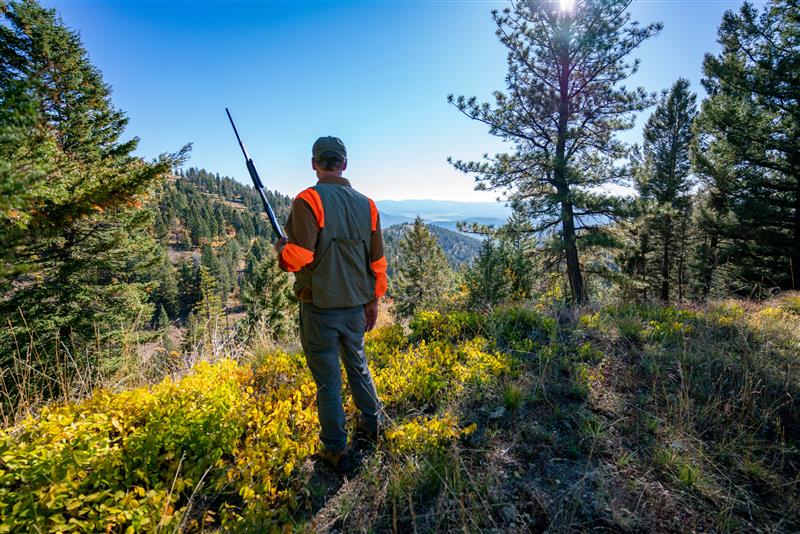
Hunting & Fishing Access

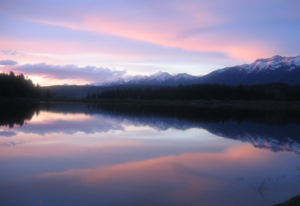
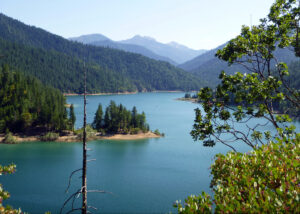
America’s 640 million acres of national public lands provide irreplaceable hunting and fishing opportunities to millions of Americans.

Learn More About Access
What TRCP is Doing

We’re working to safeguard America’s public lands so hunters and anglers always have quality places to pursue their passions.
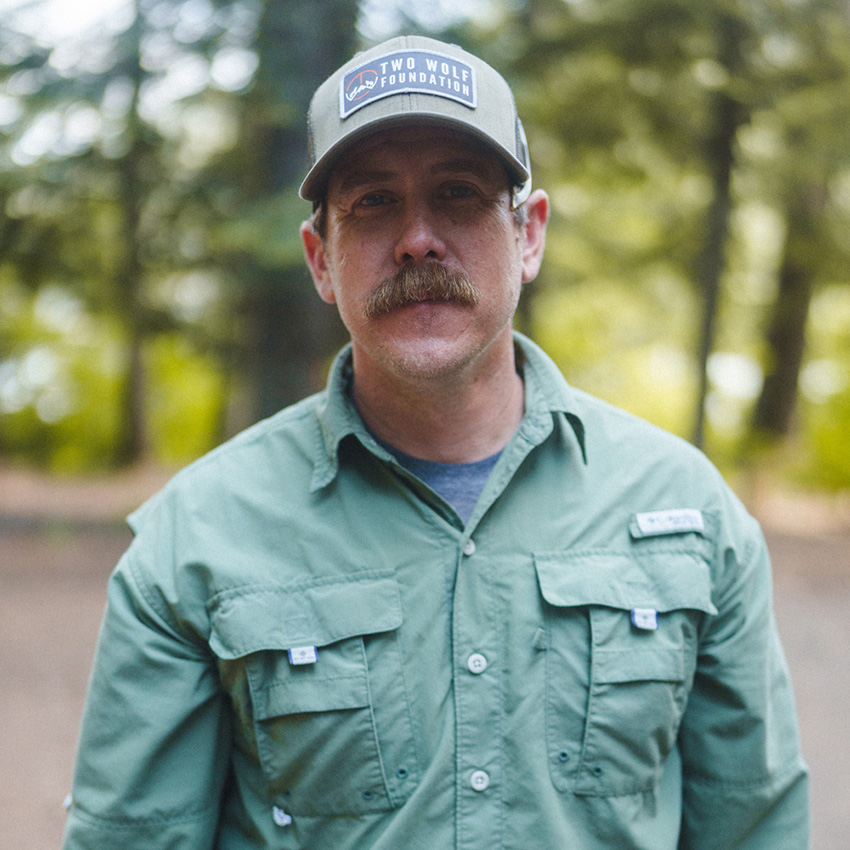
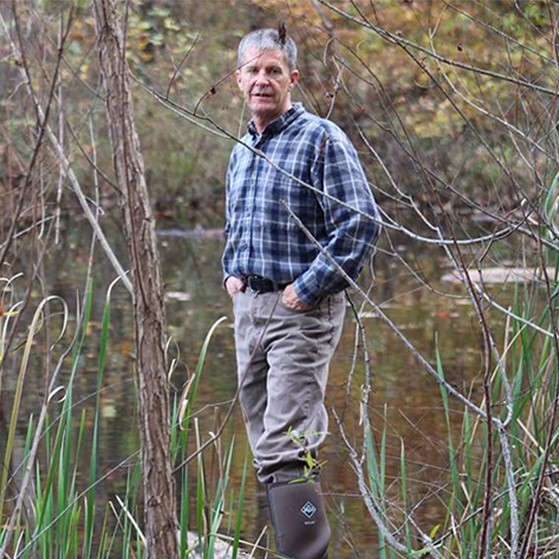
 Brian Flynn, Two Wolf Foundation
How Sportsmen Are Doing It Right

Brian Flynn, Two Wolf Foundation's Story

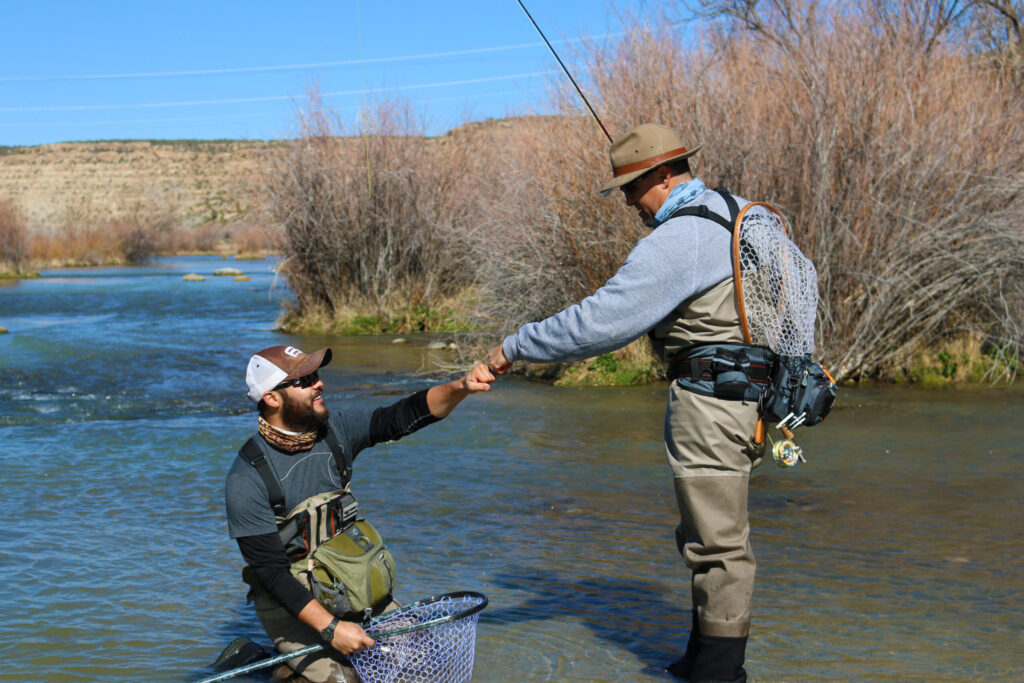
Following a distinguished career in the U.S. Army, lifelong outdoorsman Brian Flynn returned home from a deployment in Afghanistan and…

Hunting
Why It Matters

Key Issues for America’s Hunters

Your source for the latest policy updates, conservation challenges, and opportunities shaping America’s hunting traditions.

What TRCP is Doing

We’re fighting for meaningful policy changes that benefit wildlife, our waters, and the American landscapes that make our outdoor traditions possible.

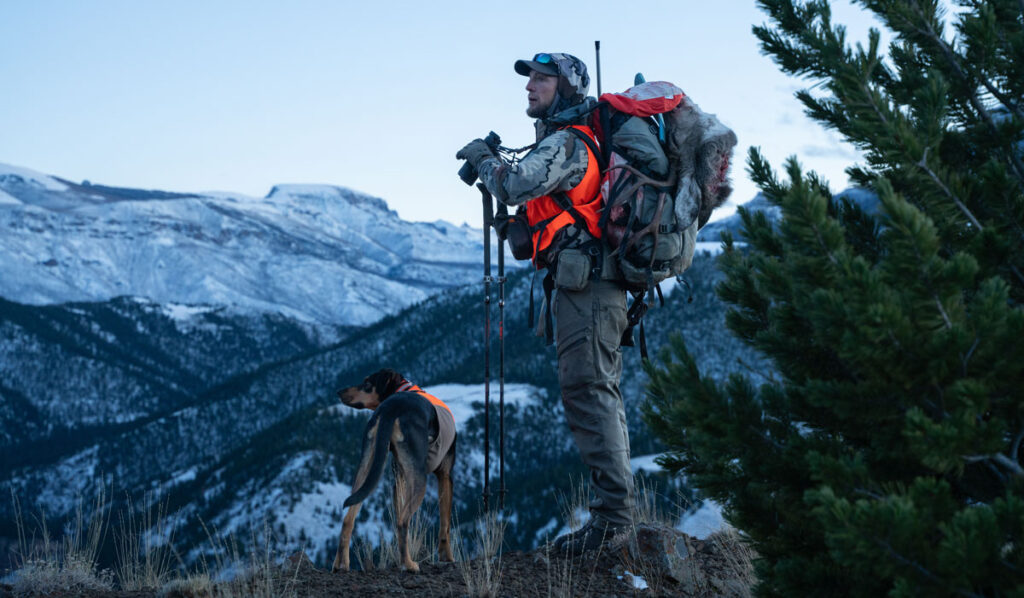
 Ryan Sparks
How Sportsmen Are Doing It Right

Ryan Sparks's Story

TRCP’s “In the Arena” series highlights the individual voices of hunters and anglers who, as Theodore Roosevelt so famously said,…

Fishing
Why It Matters

Key Issues for America’s Anglers

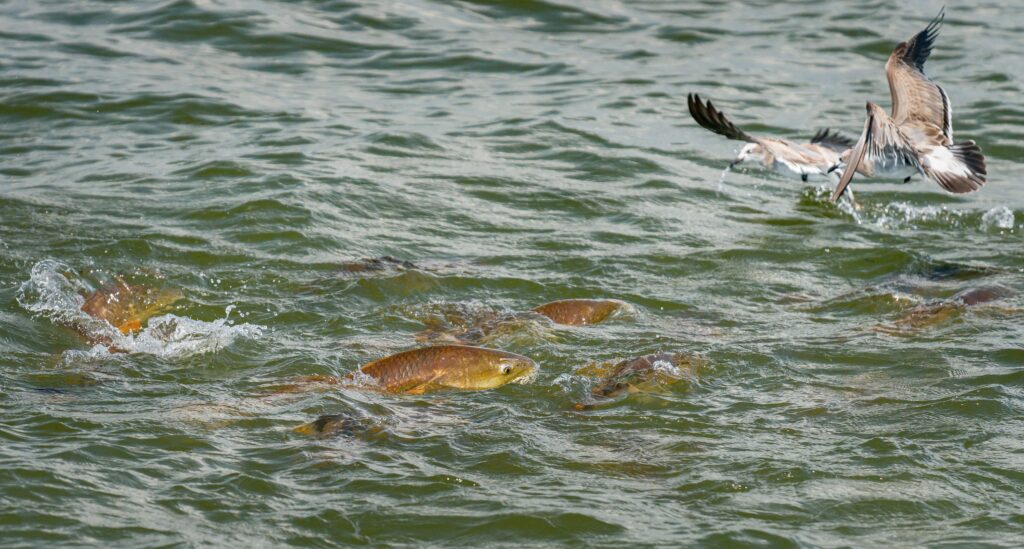
Your source for the latest policy updates, conservation challenges, and opportunities shaping America’s fishing traditions.

What TRCP is Doing

We’re fighting for meaningful policy changes that benefit wildlife, our waters, and the American landscapes that make our outdoor traditions possible.

 David Mangum
How Sportsmen Are Doing It Right

David Mangum's Story

Capt. David Mangum is a YETI ambassador and outdoor photographer who utilizes his talents to produce media that inspire a…

Private Land
Why It Matters

Stewardship on America’s private lands

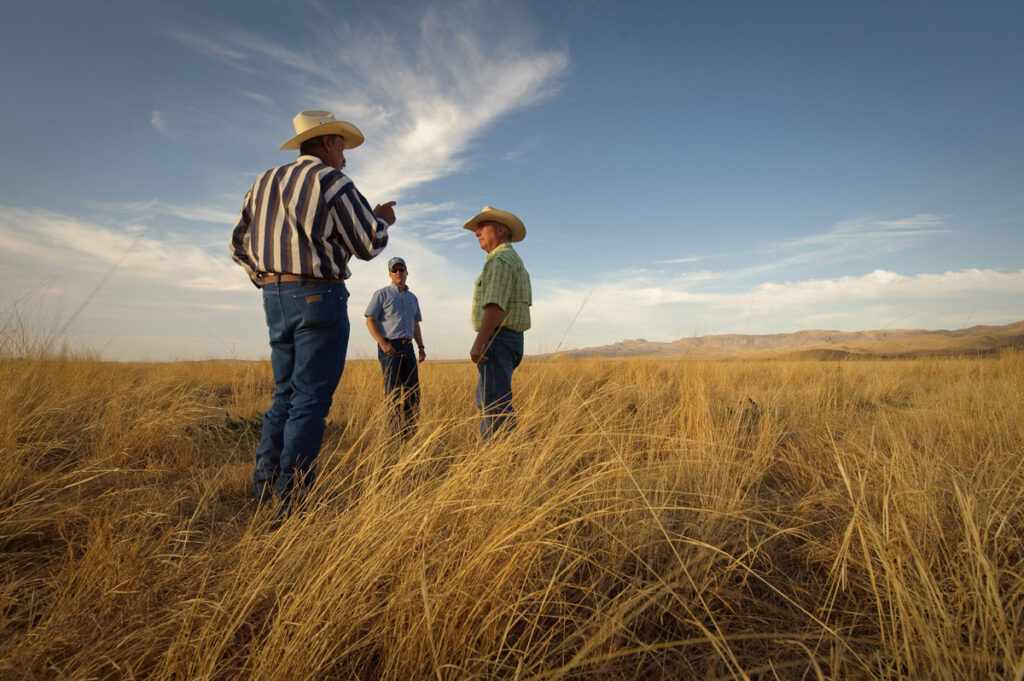
With 70 percent of U.S. lands in private hands and many of our best hunt and fish opportunities occurring there, investing in voluntary conservation on working lands safeguards access, strengthens habitat and water quality, and ensures resilient landscapes.

Learn More
What TRCP is Doing

We champion policies and programs that restore wildlife habitat, improve soil and water health, and keep working lands productive.

 Ward Burton
How Sportsmen are Doing It Right

Ward Burton's Story

Ward Burton’s NASCAR driving career stretched across most of two decades. As an avid sportsman and conservationist, he founded the…

Special Places
Why It Matters

Special Places Worth Protecting

America’s most iconic landscapes provide unmatched habitat and unforgettable days afield. These places sustain wildlife, anchor local economies, and define the hunting and fishing traditions we pass down.

What TRCP is Doing

We’re working to conserve special places that provide world-class habitat and unforgettable opportunities for hunters and anglers.

 Franklin Adams
How Sportsmen Are Doing It Right

Franklin Adams's Story

As a true Gladesman, conservationist, and historian, Capt. Franklin Adams has spent more than six decades championing Everglades restoration efforts…

Habitat & Clean Water
Why It Matters

Healthy Habitat Powers Every Pursuit

All hunting and fishing opportunities depend on quality habitat, from clean water and healthy wetlands to winter and summer habitats and the migration corridors that connect them.

All About Habitat & Clean Water
What TRCP is Doing

We are working to safeguard the habitats that power every hunting and fishing opportunity.

 Alex Harvey
How Sportsmen Are Doing It Right

Alex Harvey's Story

Alex Harvey, founder of Legacy Land Management, is a registered professional forester in Mississippi and Alabama with a Master's degree…

Science
Why It Matters

Science That Guides TRCP

From conserving migration corridors and wetlands to ensuring clean water and resilient landscapes, science provides evidence that turns conservation goals into effective action.

Science for Conservation
What TRCP is Doing

For hunters and anglers, science safeguards the experiences we treasure including resilient big game populations, abundant fish, and wild places that endure changing social landscapes.

Jamelle Ellis
Your Science Expert

Jamelle Ellis's Story

Jamelle Ellis joined the Theodore Roosevelt Conservation Partnership in 2022. Jamelle spent the last three years as an environmental sustainability…

Where We Work
Across the Nation

Conservation Across America

TRCP works across the country to ensure hunters and anglers can enjoy healthy fish and wildlife and quality days afield, no matter where they live.

See All Issues
TRCP in Your Region

TRCP works across the country to ensure hunters and anglers can enjoy healthy fish and wildlife and quality days afield, no matter where they live.

Who We Are
Our Mission

To guarantee all Americans quality places to hunt & fish

We unite and amplify our partners’ voices to advance America’s legacy of conservation, habitat, and access.

Our Mission & Values
Our People & Partners
  • Meet the TRCP Team

    Our staff and board members unite and amplify our partners’ voices to advance America’s legacy of conservation, habitat, and access.

    Meet the Team
  • Our Partners

    ‘Partnership’ is in our name. We work with 64 diverse partner groups that represent today’s leading hunting, fishing, and conservation organizations in order to strengthen the sportsman’s voice in Washington, D.C.

    Our Partners
  • Corporate Council

    TRCP’s Corporate Council is made up of diverse corporations that share a common passion for conservation.

    Corporate Council
Our Organization

Looking for more information?

Explore our latest news, policy updates, and conservation resources to get the information you need.

Giving
How You Can Help

To guarantee all Americans quality places to hunt & fish

Your tax-deductible donation will support TRCP's mission, now and into the future.

DONATE
Special Ways to support trcp
  • Capital Conservation Awards Dinner

    The CCAD is one of Washington's best-attended conservation celebrations, featuring dinner, cocktails, and a silent auction.

    Learn More
  • Step Into the Arena

    Help us ensure that our treasured wild habitats and game remain intact for the next generation to enjoy – lend your support to the TRCP’s efforts today!

    Donate
  • Roosevelt Roast

    TRCP has partnered with Afuera Coffee Co. to further our commitment to conservation.

    Learn More
More donation options

Find the best way for you to lend your support. Join one of TRCP’s donor circles for special invitations, premium offerings from outdoor retailers, and more exclusive benefits. Take control of your legacy with planned giving or contribute to special conservation funds.

Other Ways To Give
News
In the Spotlight

Oregon Legislature Passes Landmark “1.25 Percent for Wildlife” Act

After three legislative sessions and more than a decade of advocacy, a bipartisan coalition secures Oregon’s most significant conservation funding victory in a generation.

Read More

Stay Informed

Receive our newsletter, the Roosevelt Report, right in your inbox. Never miss the latest news in conservation issues.

August 13, 2020

Millions in CWD Funding Intended for States Is Going to Captive Deer Operators

Help us push back and demand transparency—not to mention results for wild deer—from decision-makers at the U.S. Department of Agriculture

Here’s an important topic to bring up at deer camp this year: Hunters were handed a win when Congress recently set aside funding to address the rampant spread of chronic wasting disease—that other epidemic that sportsmen and women know well by now. But the agency tasked with distributing the funds to state agencies has already carved out nearly a third of the total pot for the captive deer industry.

The TRCP is pushing back on this questionable use of funds and other moves that will undermine results for our wild deer. And we need your help.

Millions Misspent?

For years, sportsmen and women have called on lawmakers to take meaningful federal action to control CWD among our wild deer, elk, and moose populations. In 2020, Congress responded by appropriating $5 million to the U.S. Department of Agriculture to send directly to state wildlife and agricultural departments tasked with responding to the disease.

Instead, the Animal and Plant Health Inspection Service is funneling $1.5 million of that funding to individual captive deer operations that have had to eliminate CWD-positive animals. These indemnification payments aid businesses that have unfortunately already been part of the CWD problem and don’t address the continued strain placed on state agencies scrambling to manage the spread of the disease.

APHIS has made it clear that they place a higher value on the $4-billion captive deer industry than on hunters who generate $40 billion each year and contribute to conservation.

In a recent stakeholder meeting to determine how CWD funds would be spent, the captive side outnumbered sportsmen’s groups two to one. (We know this because TRCP was invited to contribute, along with the Boone & Crockett Club, Congressional Sportsmen’s Foundation, National Deer Alliance, and the Wildlife Management Institute.) As a result, the conversations and resulting recommendations repeatedly skewed away from our priorities.

It gets worse: The service’s voluntary Herd Certification Program, which certifies that these businesses adhere to best practices for preventing disease transmission, does not effectively guarantee that a herd is CWD-free. Despite this, APHIS continues to allow the movement of captive herds across state lines, facilitating further spread of the disease.

What You Can Do

As sportsmen and women, we refuse to be undervalued or ignored. But based on what we’ve seen in this decision-making process, we need to be twice as loud to get the attention of APHIS, or else congressional funding for CWD will make no measurable impact for our wild deer herds.

For APHIS to do right by hunters and wild deer, we need to see the agency do the following:

  • Spend appropriated funds in a way that effectively addresses the spread of CWD in captive and wild cervid populations.
  • Listen to hunter voices, address our priorities, and be transparent about decision-making.
  • Update the Herd Certification Program to prevent the transmission of CWD across state lines and hold captive deer operators accountable.
  • Improve coordination with other state and federal partners working to contain the disease.

The TRCP is also pushing for a congressional review of APHIS’s appropriation spending, but in the meantime we need your help to demand the above changes.

Support the future of deer hunting and push back against misuse of CWD response funding by signing our open letter to the USDA.

TAKE ACTION >

23 Responses to “Millions in CWD Funding Intended for States Is Going to Captive Deer Operators”

    • Lou Romito

      Per the Animal and Plant Health Inspection Service, the APHIS is tasked to protect and promote U.S. agricultural health, regulate genetically engineered organisms, administer the Animal Welfare Act, and manage wildlife damage. I don’t see in that mission statement the requirement to reimburse poorly-managed-deer-factory lobbyists to continue their selfish, short-sighted, profit-motivated assault on America’s deer population.

  1. James Tate

    This action is typical of USDA when dealing with invasive species, predators and wildlife diseases. It is partly related to USDA success in obtaining and preventing others from receiving any funding for ‘Weed Control.’ In their designated role, USDA regularly ignores the clear wording of Executive Order 13112 “…prevent and control…ecological impacts….” in favor of economic impact. This egregious example is nothing new.
    James Tate, PhD, CWB
    Science Advisor, US Department of Interior, ret.

  2. Dave Colavito

    It comes as no surprise, as for years, USDA APHIS has been the gorilla in the room on these issues. So long as states afford dual classifications to deer species, i.e., “publicly owned wildlife” and “privately owned livestock”, I don’t see how things resolve, let alone our way.

  3. Juan Ramirez

    What BS as usual a Political move ” the Good ole boys ” get their hand in the pot ! Those deer farms make alot of money raising them deer ! Make them responsible an accountable and transparent ! Goesthe same for USDA !

  4. Leonard Mulford

    This is a prime example of the class system in full effect ,have the masses pay for the elite. When these Corporate and Private Companies Open to the public or are actually affected by Covid they should Not receive public funding. They don’t deserve it and they should have to pay for a problem they created.

  5. At some point, sportsmen and sportswomen’s group are going to have to come out hard against the captive animals industry and take a strong stance that it violates the North American Model and does not belong in our hunting and conservation community. Those who oppose them, quietly ignore them. Those that support them continue to push hunting towards an elitist sport an allow for them to not be held accountable for their actions. The captive deer industry has been a known vector of transfer of CWD for decades and the worst to work with. They should be held accountable and cease to be an industry.

  6. Brant Akin

    Here’s an idea–since captive deer farms started this mess and is helping to perpetuate the problem ever since–use that 1/3 of the pot to pass laws to OUTLAW DEER FARMS AND THEN ENFORCE THAT LAW!

  7. Jerry Foster

    In Missouri, the Department of Conservation blamed the CWD outbreak on captive cervid farms but failed to mention that wild deer were not being tested so naturally the farms looked bad. When MDC finally did start testing the incidence of CWD was more widespread than the Department had previously theorized. And it was present in areas where no captive cervid farms existed..

    In recent years MDC has imposed regulations only to see the disease spread further. That is consistent with other problems such as feral hogs. Assign it to the Department of Conservation and the problem will grow. I suspect other states have seen similar results.

    Consequently, I think there is considerable justification for involving the private community. Individually, they have more at stake than government agency personnel.

  8. James E. Miller

    APHIS Leadership in USDA continues to be from Veterinarian’s who support the captive cervid industry and it is absolutely ludicrous to pay indemnification to these captive operations who are a significant reason for the spread of CWD through the sale and movement, (both intra- and inter-state) of live cervids from one farm to another with no reliable live animal test available. Is it a mystery that such infectious diseases have been spread from state to state and now with 26 states having confirmed CWD positive animals. DUH??? Not only are these so-called farms also selling deer, ova, semen straws, urine, and velvet, but their animal husbandry practices are not only cruel, but harmful to the welfare of these animals. The primary reason APHIS Leadership continues to support these captive cervid operations is because a good number of veterinarians across the deer farming states make serious money providing vet services to these operations. The APHIS Leadership has no consideration whatsoever, for the impact of CWD or other infectious diseases on public trust wildlife resources. Sad, but true.

Do you have any thoughts on this post?

XHTML: You can use these tags: <a href="" title=""> <abbr title=""> <acronym title=""> <b> <blockquote cite=""> <cite> <code> <del datetime=""> <em> <i> <q cite=""> <s> <strike> <strong>

Comments must be under 1000 characters.

August 7, 2020

Decision on Chronic Wasting Disease Management Zones in Mississippi Shows Power of Hunting Community

Sportsmen and women were a crucial part of defeating an uninformed effort to weaken disease response

In a complete reversal, the Mississippi Department of Wildlife, Fisheries, and Parks Commission recently voted to table discussion of altering the state’s chronic wasting disease management zones, focus areas where wildlife officials are responding to the rapid spread of this fatal disease in wild deer.

Even if you never plan to hunt in Mississippi, this is a win for you and all deer hunters. Here’s why: In May 2020, the Commission had already decided to proceed with changes that could have undermined the battle against CWD transmission. But the outcry from the hunting community—in state and across the country—made them reexamine the move and hold another vote.

The TRCP joined more than a dozen organizations representing millions of hunters, conservationists, and wildlife professionals in urging these decision-makers to follow national best practices and maintain the current structure of the state’s CWD Management Zones. Supplemental feeding of wild deer is banned in these areas, where CWD-positive animals have been identified, to prevent concentrating groups of deer that could then transmit the disease far and wide.

Thousands of individual sportsmen and women also commented on the Commission’s move to shrink these zones and change management tactics—which have been recommended by MDWFP biologists and follow the guidance of the Association of Fish and Wildlife Agencies—within.

Advancing chronic wasting disease solutions will take prolonged effort, and some battles—for increased investments, better science, and more coordination—began years ago. It’s encouraging to see at least one example of our voices making a tangible difference in a matter of months.

The lesson: Keep taking action and speaking out for fish, wildlife, and habitat. Decision-makers are listening.

July 9, 2020

Preliminary Data Shows How Much Outdoor Recreation Economy Has Been Affected by COVID-19

As part of any economic recovery effort, Congress must invest in conservation that puts Americans back to work

On our social media channels, we’ve shared plenty of news stories that highlight the enthusiastic use of public lands and even an uptick in fishing participation during this pandemic. But, of course, it’s not all good news.

The Outdoor Recreation Roundtable recently released results from a national survey of its members, and the findings make a compelling case for why lawmakers need to invest in conservation to put Americans back to work.

According to respondents from 20 national outdoor recreation trade associations representing businesses with nearly 2 million employees, 89 percent of businesses are experiencing difficulty with production and distribution. A troubling 79 percent of these businesses have laid off or furloughed a portion of their workforce. And 89 percent of these businesses are experiencing a decrease in sales.

And the outdoor sector isn’t the only one feeling the pinch. The leisure and hospitality industry has been hammered the hardest, with a loss of 7 million jobs between March and May. More than 2 million engineers and temporary workers in construction and professional services were sent home since COVID hit.

The U.S. Bureau of Labor Statistics is posting monthly updates on these numbers, and even with new gains in June, these statistics are deeply concerning as businesses struggle to stay afloat and families grapple with how to pay their bills. That’s why we are calling on Congress to pass economic recovery legislation that invests in shovel-ready conservation projects and modern-day conservation jobs that put our economy back on track AND improve habitat for fish and wildlife.

These jobs will help to paint a brighter economic picture than what we are seeing today. Imagine people in hardhats building highway crossings for wildlife, engineers and technical experts designing resilient and efficient water systems for the Colorado River and Mississippi River Basins, loggers helping to actively manage our forests, and heavy equipment operators preparing the ground for wetland restoration.

When Congress pivots to drafting economic recovery legislation, we want to put Americans back to work restoring our wetlands and forests, improving our coasts and waterways, and rebuilding the crumbling pieces of our outdoor recreation infrastructure.

As hunters and anglers, we need these investments in conservation so we can continue to enjoy our outdoor activities. As Americans, we need these investments because we need to put our nation back to work.

Help us show that sportsmen and women are ready to help Congress take the next step. Take action and tell lawmakers that Conservation Works for America.


by:

posted in: Outdoor Economy

June 22, 2020

Five Things Your Fishing License Does for Conservation While You Catch Fish

These are your license dollars at work for fish habitat, water quality, and the next generation of anglers

When you buy or renew your fishing license, you’re probably only thinking about the possibility of the new season or a great day on the water. But are you aware of just how hard your license dollars are working on behalf of fish habitat and fishing access?

Here are five examples of how the a portion of the dollars spent on your fishing licenses, boat registrations, fishing gear, and boat fuel purchases go back to conservation and public access. You might be surprised—as much as $1.1 billion annually creates a sizeable down payment on the future of fishing in America.

Improving Fishing and Boating Access

First, funds from license sales go toward fishing and boating access projects. One example is the Ramps & Pier Program in Mississippi, which helps pay for repairs to existing access points and the construction of four to six new boat ramps each year. The state of Oregon also has an excellent model of involving state and federal agencies in adding and upgrading new boating facilities.

Enhancing Water Quality

Boat registration funds help implement clean water projects that benefit fish habitat and improve the experience of anglers and boaters. The Clean Vessel Act program in Hawaii, for example, helped use these funds to construct a new sewage pump-out station and three new floating restrooms at the Haleiwa Small Boat Harbor—all in an effort to protect the sparkling turquoise waters of Hawaii for future generations.

Maintaining Fish Habitat

The excise taxes on your fishing gear go toward fisheries maintenance projects that help manage our state sport fisheries. For example, in New York State, biologists collect data through creel surveys and work to restore fish habitat for native brookies, American shad, river herring, and striped bass largely thanks to the taxes paid by the manufacturers of your fishing rods, reels, lures, baits, and flies. In Massachusetts, these funds are used to map fish habitat with GPS technology, sonar, and underwater vehicles through the state’s Fisheries Habitat Program. The more these experts learn, the better prepared they are to spot habitat issues and plan for improvements.

Salmon migrating upstream in the Bonneville Dam fish ladder. Photo by Tony Grover.
Teaching and Recruiting New Anglers

Fishing license funds also go to work for educational and recruitment programs that introduce new anglers to the sport. As more people take up fishing, there is a greater need for education on topics like species identification, conservation, regulations, and proper catch-and-release techniques. The state of Texas offers free workshops for first-timers or anyone who wants a refresher on the basics, and the saltwater angler education programs hosted by the Massachusetts Division of Marine Fisheries have been so successful that they hope to extend courses to all coastal areas of the state.

Planning for Long-Term Conservation

With an eye toward investing in our marine and freshwater resources, as well as the next generation of anglers, fishing license fees support long-term conservation plans for our rivers and streams. This robust funding, which has nothing to do with the federal balance sheet, is critical to ensuring an adequate quantity and quality of water to maintain the natural balance of aquatic ecosystems. Texas has used this money to fund its River Studies Program that addresses long-term water development, water planning, and water quality issues.

Photo courtesy of Sportsmen for the Boundary Waters.

Whether state agencies are studying rainbow trout populations or repairing boat ramps, your license fees are put to excellent use. Want to get started on your next fishing trip and give back to conservation?  Buy or renew your license here.

Sportsmen and women have a long history of giving back to conservation through our purchases. Read about the federal program responsible for that funding model and the hunters in one Western state who supported raising license fees to do even more for fish and wildlife.

TakeMeFishing.org contributor Debbie Hanson is an outdoor writer and avid angler who has written articles on fishing and boating for publications such as USA Today Hunt & Fish and Game & Fish Magazine. She is a member of the Florida Outdoor Writers Association. Read her blogs at takemefishing.org/blog and visit her personal blog at shefishes2.com.


Photos courtesy of Canstock Photo. This blog was originally posted August 14, 2017 and has been updated.

HOW YOU CAN HELP

TRCP has partnered with Afuera Coffee Co. to further our commitment to conservation. $4 from each bag is donated to the TRCP, to help continue our efforts of safeguarding critical habitats, productive hunting grounds, and favorite fishing holes for future generations.

Learn More
Subscribe


You have Successfully Subscribed!

You have Successfully Subscribed!

You have Successfully Subscribed!

You have Successfully Subscribed!

You have Successfully Subscribed!