Our Issues
Public Lands
Why It Matters

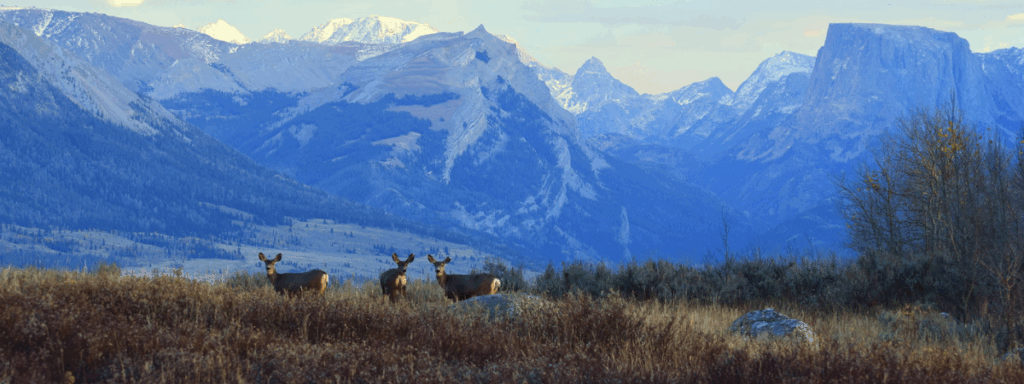
Hunting & Fishing Access

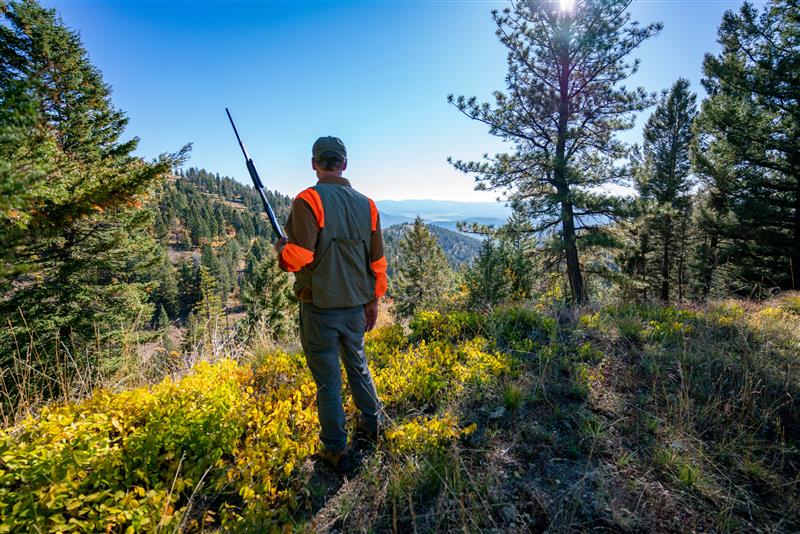
America’s 640 million acres of national public lands provide irreplaceable hunting and fishing opportunities to millions of Americans.

Learn More About Access
What TRCP is Doing

We’re working to safeguard America’s public lands so hunters and anglers always have quality places to pursue their passions.
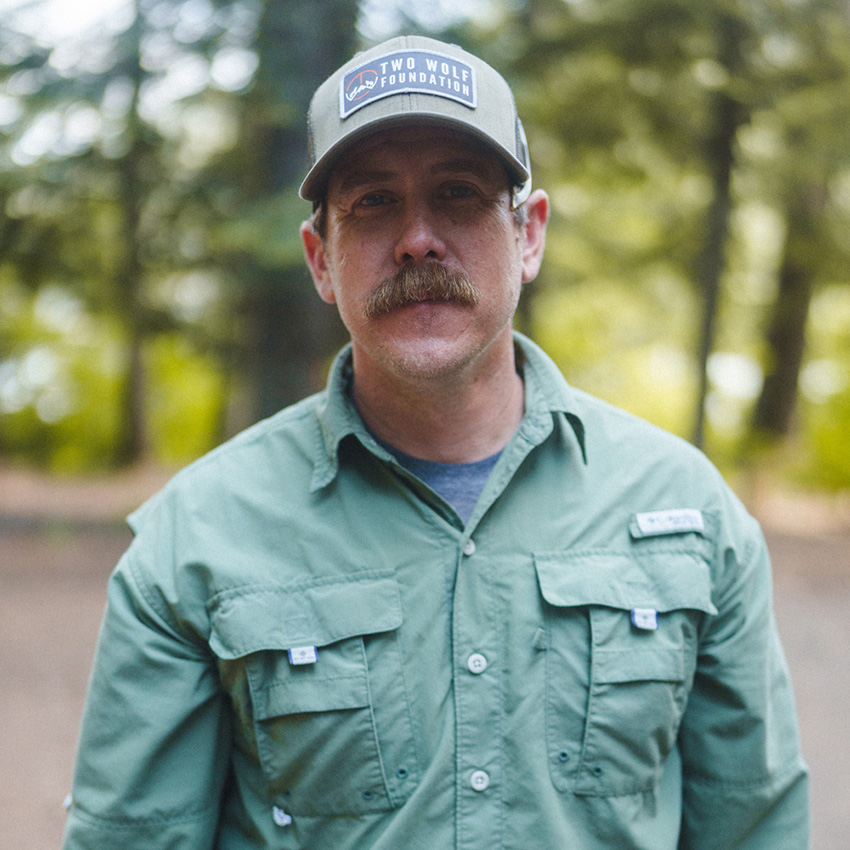
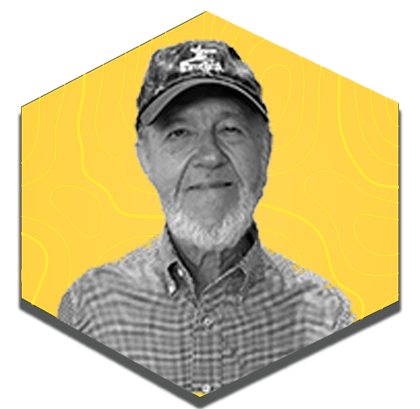
 Brian Flynn, Two Wolf Foundation
How Sportsmen Are Doing It Right

Brian Flynn, Two Wolf Foundation's Story

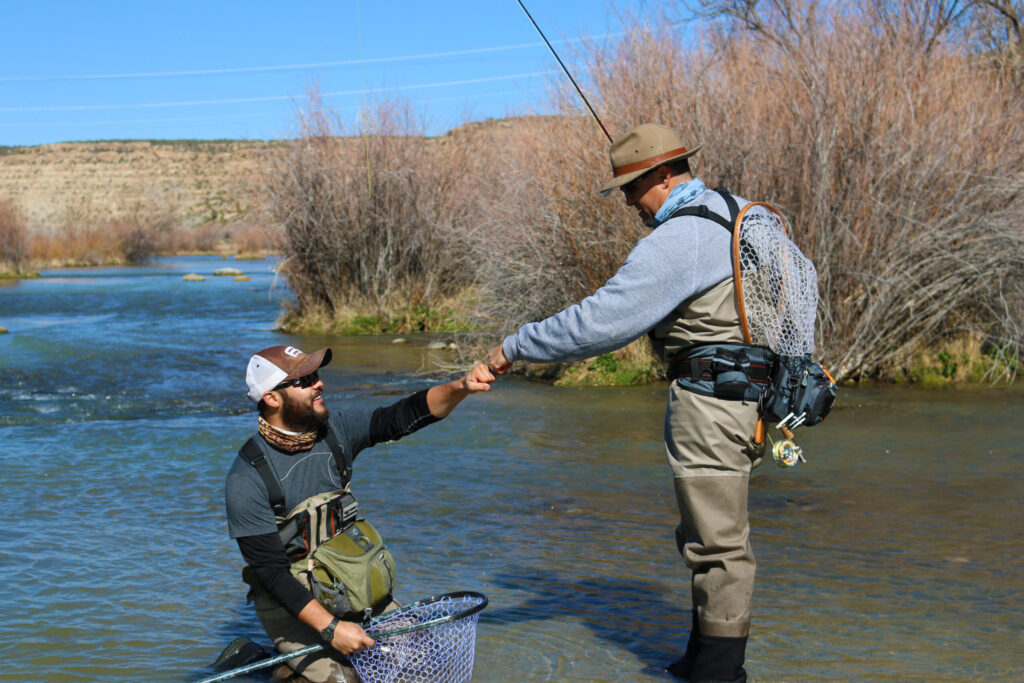
Following a distinguished career in the U.S. Army, lifelong outdoorsman Brian Flynn returned home from a deployment in Afghanistan and…

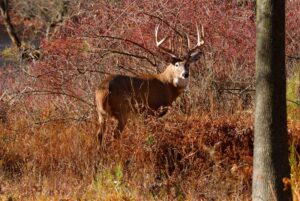
Hunting
Why It Matters

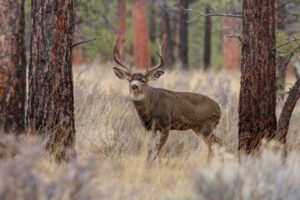
Key Issues for America’s Hunters

Your source for the latest policy updates, conservation challenges, and opportunities shaping America’s hunting traditions.

What TRCP is Doing

We’re fighting for meaningful policy changes that benefit wildlife, our waters, and the American landscapes that make our outdoor traditions possible.

 Ryan Sparks
How Sportsmen Are Doing It Right

Ryan Sparks's Story

TRCP’s “In the Arena” series highlights the individual voices of hunters and anglers who, as Theodore Roosevelt so famously said,…
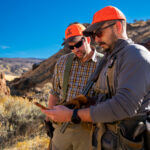
Fishing
Why It Matters

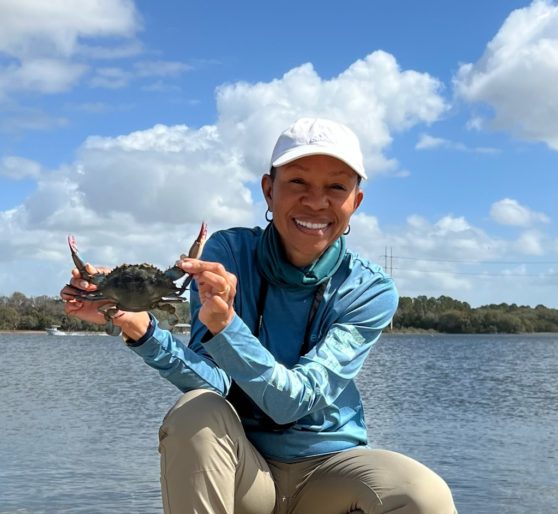
Key Issues for America’s Anglers

Your source for the latest policy updates, conservation challenges, and opportunities shaping America’s fishing traditions.

What TRCP is Doing

We’re fighting for meaningful policy changes that benefit wildlife, our waters, and the American landscapes that make our outdoor traditions possible.

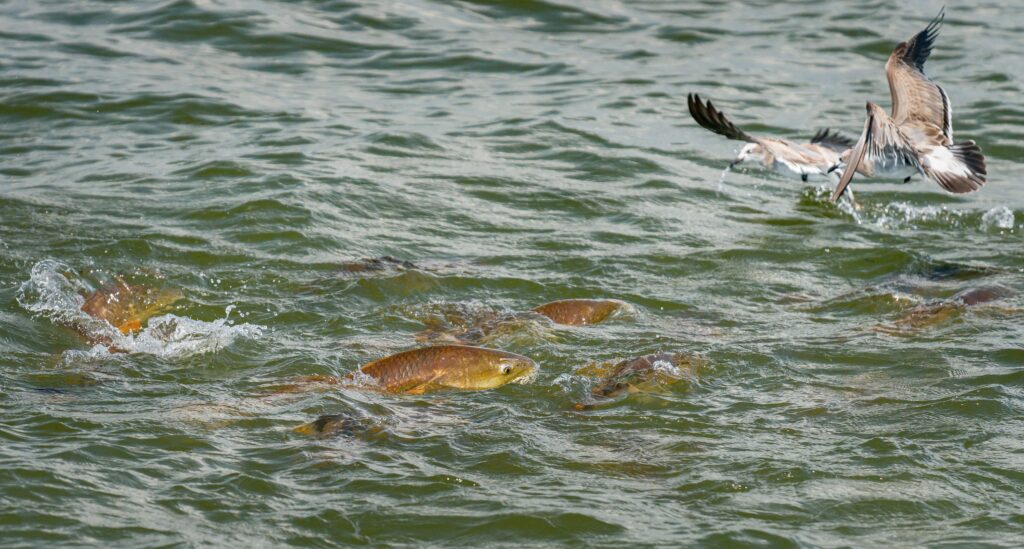
 David Mangum
How Sportsmen Are Doing It Right

David Mangum's Story

Capt. David Mangum is a YETI ambassador and outdoor photographer who utilizes his talents to produce media that inspire a…

Private Land
Why It Matters

Stewardship on America’s private lands

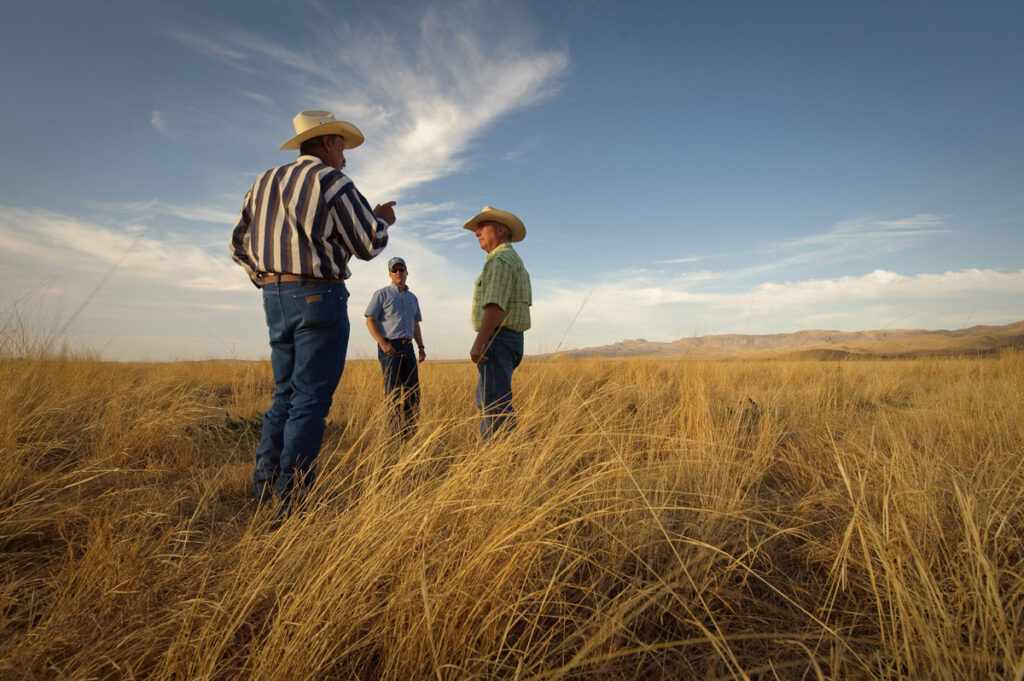
With 70 percent of U.S. lands in private hands and many of our best hunt and fish opportunities occurring there, investing in voluntary conservation on working lands safeguards access, strengthens habitat and water quality, and ensures resilient landscapes.

Learn More
What TRCP is Doing

We champion policies and programs that restore wildlife habitat, improve soil and water health, and keep working lands productive.

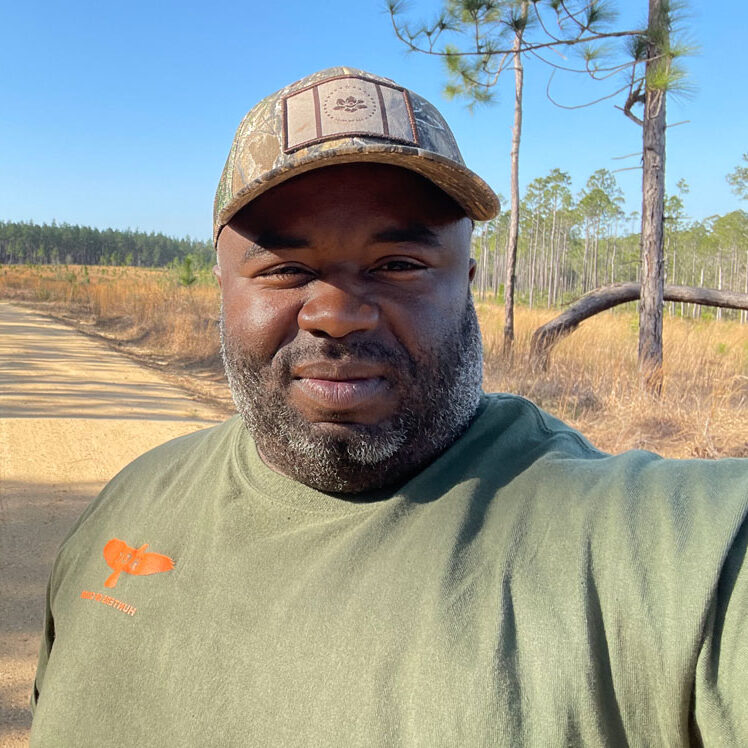
 Ward Burton
How Sportsmen are Doing It Right

Ward Burton's Story

Ward Burton’s NASCAR driving career stretched across most of two decades. As an avid sportsman and conservationist, he founded the…

Special Places
Why It Matters

Special Places Worth Protecting

America’s most iconic landscapes provide unmatched habitat and unforgettable days afield. These places sustain wildlife, anchor local economies, and define the hunting and fishing traditions we pass down.

What TRCP is Doing

We’re working to conserve special places that provide world-class habitat and unforgettable opportunities for hunters and anglers.

 Franklin Adams
How Sportsmen Are Doing It Right

Franklin Adams's Story

As a true Gladesman, conservationist, and historian, Capt. Franklin Adams has spent more than six decades championing Everglades restoration efforts…

Habitat & Clean Water
Why It Matters

Healthy Habitat Powers Every Pursuit

All hunting and fishing opportunities depend on quality habitat, from clean water and healthy wetlands to winter and summer habitats and the migration corridors that connect them.

All About Habitat & Clean Water
What TRCP is Doing

We are working to safeguard the habitats that power every hunting and fishing opportunity.

 Alex Harvey
How Sportsmen Are Doing It Right

Alex Harvey's Story

Alex Harvey, founder of Legacy Land Management, is a registered professional forester in Mississippi and Alabama with a Master's degree…

Science
Why It Matters

Science That Guides TRCP

From conserving migration corridors and wetlands to ensuring clean water and resilient landscapes, science provides evidence that turns conservation goals into effective action.

Science for Conservation
What TRCP is Doing

For hunters and anglers, science safeguards the experiences we treasure including resilient big game populations, abundant fish, and wild places that endure changing social landscapes.

Jamelle Ellis
Your Science Expert

Jamelle Ellis's Story

Jamelle Ellis joined the Theodore Roosevelt Conservation Partnership in 2022. Jamelle spent the last three years as an environmental sustainability…

Where We Work
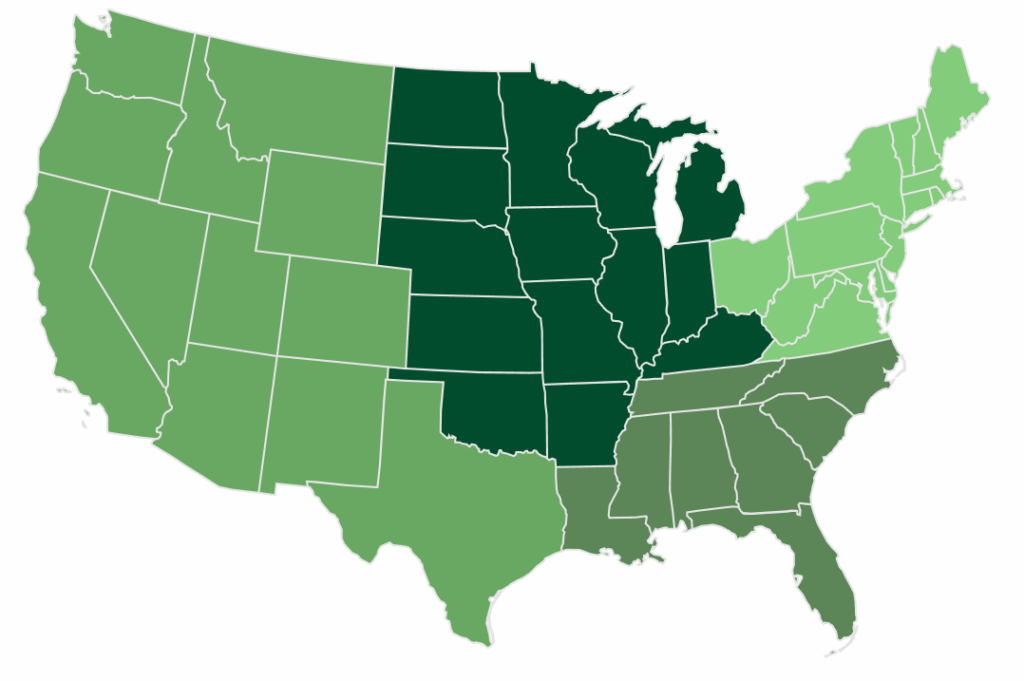
Across the Nation

Conservation Across America

TRCP works across the country to ensure hunters and anglers can enjoy healthy fish and wildlife and quality days afield, no matter where they live.

See All Issues
TRCP in Your Region

TRCP works across the country to ensure hunters and anglers can enjoy healthy fish and wildlife and quality days afield, no matter where they live.

Who We Are
Our Mission

To guarantee all Americans quality places to hunt & fish

We unite and amplify our partners’ voices to advance America’s legacy of conservation, habitat, and access.

Our Mission & Values
Our People & Partners
  • Meet the TRCP Team

    Our staff and board members unite and amplify our partners’ voices to advance America’s legacy of conservation, habitat, and access.

    Meet the Team
  • Our Partners

    ‘Partnership’ is in our name. We work with 64 diverse partner groups that represent today’s leading hunting, fishing, and conservation organizations in order to strengthen the sportsman’s voice in Washington, D.C.

    Our Partners
  • Corporate Council

    TRCP’s Corporate Council is made up of diverse corporations that share a common passion for conservation.

    Corporate Council
Our Organization

Looking for more information?

Explore our latest news, policy updates, and conservation resources to get the information you need.

Giving
How You Can Help

To guarantee all Americans quality places to hunt & fish

Your tax-deductible donation will support TRCP's mission, now and into the future.

DONATE
Special Ways to support trcp
  • Capital Conservation Awards Dinner

    The CCAD is one of Washington's best-attended conservation celebrations, featuring dinner, cocktails, and a silent auction.

    Learn More
  • Step Into the Arena

    Help us ensure that our treasured wild habitats and game remain intact for the next generation to enjoy – lend your support to the TRCP’s efforts today!

    Donate
  • Roosevelt Roast

    TRCP has partnered with Afuera Coffee Co. to further our commitment to conservation.

    Learn More
More donation options

Find the best way for you to lend your support. Join one of TRCP’s donor circles for special invitations, premium offerings from outdoor retailers, and more exclusive benefits. Take control of your legacy with planned giving or contribute to special conservation funds.

Other Ways To Give
News
In the Spotlight

TRCP Appreciates Make America Beautiful Again 250 Strategy and Migration Announcements

Efforts will continue progress on habitat, access, and big game migration corridor conservation

Read More

Stay Informed

Receive our newsletter, the Roosevelt Report, right in your inbox. Never miss the latest news in conservation issues.

by:

posted in:

November 15, 2019

19221642_10213265367404493_1304698929372904927_o

Do you have any thoughts on this post?

XHTML: You can use these tags: <a href="" title=""> <abbr title=""> <acronym title=""> <b> <blockquote cite=""> <cite> <code> <del datetime=""> <em> <i> <q cite=""> <s> <strike> <strong>

Comments must be under 1000 characters.

by:

posted in:

November 14, 2019

Former Crapo Ag Strategist Joins TRCP as Director of Private Lands Conservation

Capitol Hill veteran will work on farm bill conservation policy, chronic wasting disease, forest management, and other rural land issues

The Theodore Roosevelt Conservation Partnership is proud to welcome Andrew Earl to the staff as director of private lands conservation.

Previously, Earl advised U.S. Senator Mike Crapo on agriculture and natural resource-related issues. With his help over a five-year period, their legislative team succeeded in reforming federal budgeting for wildfire suppression, enacted targeted land management reforms, and led several bipartisan efforts to achieve record appropriations for species and habitat conservation programs.

“Andrew joins us at a critical time, as farm bill conservation programs are being implemented after passage of the new five-year bill and rural America faces new challenges that make these incentives even more relevant to farmers and ranchers who already want to do right by wildlife,” says Whit Fosburgh, the TRCP’s president and CEO. “We’re thrilled to have his expertise and Hill knowledge on the team as we work on chronic wasting disease and forest management, as well.”

Earl is a graduate of the American University School of Public Affairs and a native of upstate New York. Outside the office, he enjoys hiking and camping in the Shenandoah Valley as well as trapshooting, fishing, and cooking.

“TRCP has built a reputation as a purpose-driven organization committed to the type of collaborative policymaking becoming increasingly uncommon in DC,” says Earl. “I could not be more excited to join this dynamic team and work to ensure that the goals of wildlife conservation and sportsmen’s access are accounted for within federal agricultural policy.”

Click here for the full roster of TRCP leadership and staff.


Top photo by Larry McGahey via flickr.

by:

posted in:

November 13, 2019

In the Arena: Alan Wentz

TRCP’s “In the Arena” series highlights the individual voices of hunters and anglers who, as Theodore Roosevelt so famously said, strive valiantly in the worthy cause of conservation

W. Alan Wentz

Hometown: Germantown, Tennessee
Occupation: Retired. Chief conservation officer for Ducks Unlimited from 1991 to 2010.
Conservation credentials: Recent winner of the Aldo Leopold Memorial Award, a lifelong wildlife management professional, and a former TRCP Board member.

Growing up in Ohio, Alan Wentz inherited from his family and community a fascination with fish and wildlife that gave shape to his private and professional life. After earning several degrees en route to a doctorate in wildlife management from the University of Michigan, Wentz spent the following decades working on conservation policy at the state and national level. A former president of the Wildlife Society, he recently received the Aldo Leopold Memorial Award, the highest honor given annually by that organization to an individual who has made significant contributions to the field of wildlife.

Here is his story.


Early Influences

My younger brother and I were both introduced to hunting and fishing by our father, who wanted to be sure we knew how to handle firearms. Like many others of that generation, his experiences in WWII led him to ensure that his children had outdoor skills. And a long association with the Boy Scouts—including serving on camp staff for more than a decade—gave me a grounded understanding of nature, camping, archery, hiking, firearms, and more.

I was also lucky enough to have several hunting and fishing mentors in our neighborhood, including one who taught me about trapping and another who was a fur buyer. The lady who lived next door was retired and took me fishing all over the county. A classmate’s father, who operated his own outdoor shop selling mostly fishing gear in a converted garage, taught me about tying flies.

More than anything else in my life, I have been most interested in conservation and the outdoors. Even as a child I was allowed to wander around the fields and woodlots near our farmstead. Observing the plants and animals and how people interact with the outdoors has always fascinated me. I devoured anything I could find in our local library on hunting, fishing, trapping, conservation, forestry, or any related topics, and enjoyed reading outdoor magazines such as Fur, Fish, and Game.

It kept me busy at all hours.

From the time I met the local game warden, I knew I was destined to work in conservation. This was in spite of my high school counselors, who laughed off the idea, and my adviser as an undergraduate at Ohio State University. After initially being surprised that I tried to declare a major in conservation as a first-term freshman, he made me pass a special written test to show him I was serious. He finally understood that I really meant to build a career for myself in conservation. I never wavered from that idea, and it seems to have worked out well.

A Life Outdoors

Two of my fondest memories from the outdoors both took place with family. The first was on one of our several trips to canoe and fish on a string of wilderness lakes in Ontario during the early 1960s. We caught several large northern pike, and my brother hooked and nearly landed a very large fish that has no doubt grown larger every time we have told the story—it was a real monster!

The second was when my brother introduced me to turkey hunting in Virginia. He called in a beautiful bird that we were able to watch coming through the woods. It was wary and circled us seemingly unsure of what we were. I tracked the bird with my shotgun for what seemed like hours (but was likely only minutes) and finally shot it.

It had looked like a large black barrel rolling down the hillside toward us, and I was so fascinated by it and the experience that I almost forgot to pull the trigger! My brother said the suspense was almost more than he could stand! It made me an addict for turkey hunting, and I’ve indulged for several decades.

Over the years, I’ve been fortunate enough to have hunted all sorts of game across North America, from Canada to Mexico and coast to coast, as well as overseas from New Zealand to Sweden. But of all the available opportunities, waterfowl hunting in eastern South Dakota or upland bird hunting on the prairies of Kansas hold a special attraction for me.

There is nothing like hunting the wind-swept prairies and public lands of our Great Plains, a landscape that I find endlessly fascinating. It can feel isolated and pristine and game can be abundant, even today and in spite of agricultural conversion and energy development. You can discover masses of upland game birds in these places and face weather that will literally steal your breath with the wind, cold, ice and snow, and blazing sun.

It is a truly remarkable experience to bend down to accept a prairie chicken from the mouth of your own Labrador retriever or to witness a 150-inch whitetail buck stand up and run away after you nearly stepped on it without knowing it was there. The abundance of life on the prairies seems almost a contradiction given how barren it can appear nearly any time of the year.

The Road Ahead

Looking to the future, we face plenty of conservation challenges, foremost among them getting people to understand that climate change is on us and that it is going to affect every aspect of our lives. These changes are going to mean major modifications to all natural resources and how humans depend on them for survival.

The general public tends to be extraordinarily ignorant of wildlife, conservation, and the base of natural wealth that sustains us all. I doubt we can overcome that ignorance and get people to accept that they must change how they live. It is the challenge of the future and one we must win.

I believe the TRCP fills a unique niche in conservation, and its outlook and philosophy is sorely needed to help us organize all the other groups that have more specific missions, while also trying to organize unaffiliated sportsmen and women. The community of outdoor groups is diverse and splintered with lots of opinions and goals. TRCP is there to help them and others understand what is at risk if we continue to talk to ourselves—or, worse yet, fight silly internal battles that are unimportant in the big picture.

With conservation facing some of its toughest challenges in our history, we have to make our conservation missions relevant and known to decision makers, young people, and voters across all nations before it is too late. There is precious little time left, and this vision must be brought to light for all to see and act upon.

An additional item I appreciate about the TRCP is the focus on access. I have been lucky enough for most of my life to be able to access both public and private lands without too much worry. However I have developed a neuro-muscular problem that has left me in a power wheelchair, and access is now a critical issue for me. It has made me aware of how many people face similar challenges.

Hopefully, access issues will be a focus of public agencies and other groups, which will greatly benefit many sportsmen and women across the country.


Top photo by Dale Humburg.

by:

posted in:

November 8, 2019

Waking the Woods Vids

by:

posted in:

Fishermen Schooled Congress on These Three Possible Impacts of Pebble Mine

Sportsmen took the real concerns of the outdoor recreation economy to D.C. lawmakers

In a recent hearing of the House Subcommittee on Water Resources and the Environment, expert witnesses testified in opposition to the Pebble Mine project proposed for the headwaters of Bristol Bay in Alaska. Seated beside the CEO of the mining company that would benefit from the construction of Pebble, an environmental scientist, local sporting outfitter, and commercial fisherman highlighted the very real concerns of Alaskans and outdoor businesses.

Reminder: The now-infamous plan to carve out an open pit at the headwaters of Bristol Bay’s two largest rivers would threaten clean water in one of the finest fishing destinations on Earth and degrade fish habitat in a region that produces about half the world’s sockeye salmon. If Pebble were constructed, billions of tons of mine waste could remain in the area forever.

But that’s not all. Here are three lessons lawmakers learned from anglers and experts who know the real stakes.

Spawning sockeye salmon. Photo by U.S. Fish and Wildlife Service.
We’re Talking About 100% Consumption of the Habitat

Brian Kraft, owner of two remote sportfishing lodges in Alaska and an advocate for Bristol Bay’s salmon for the past 15 years, hosts fishing clients from every state in the nation and not one has failed to remark on how unique the landscape and fishery are. He says he and his wife understand the concerns of businesses in their community as part of the $65-million sportfishing industry in Alaska.

In his testimony, Kraft pointed out that the simple question of “Is this the right place to mine?” can only be answered when you assume that the mine will consume 100 percent of the habitat it touches. In this particular case, you can’t directionally drill and you can’t shift the ore deposit, so the smaller of the two mine proposals would still consume 80 miles of streams and 3,500 acres of wetlands in an area that was legislatively preserved for its fisheries in 1972.

Photo by Chris Ford via flickr.
The Army Corps Has Yet to Address the Concerns of Salmon Fishermen

Three generations of Mark Niver’s family have worked as commercial fishermen in Alaska, and as an expert witness, he pointed out that fishermen are just one link in a chain—Bristol Bay’s salmon fishery employs 14,000 people every summer and generates $1.5 billion in worldwide economic activity. But he adds that this wouldn’t be possible without the area’s pristine, undeveloped freshwater habitat and science-based fisheries management. “For over a decade, the proposed Pebble Mine has cast a shadow of uncertainty over my livelihood and my family’s future,” he said. “Nowhere in the world has a mine of this type and size been located in a place as ecologically sensitive as Bristol Bay.”

After weighing in thoughtfully at multiple stages of the lengthy public process to consider the mine, commercial fishermen have not had their concerns adequately addressed by the Army Corps of Engineers. Niver told lawmakers that he fears the permitting process is a runaway train toward approval, despite the science indicating that salmon and Pebble Mine cannot coexist.

Photo by Jonny Armstrong.
Unless the Proposed Footprint is Expanded, the Mine Will Lose Money

In his testimony, geologist and environmental scientist Richard Borden agreed that energy development is necessary in our society, but not all ore deposits can or should be mined. He believes Bristol Bay is the most “sensitive, globally significant, and challenging environmental setting” of any project he’s ever reviewed in more than 30 years of consulting for the mining industry, and the environmental impact statement completed by the Army Corps of Engineers in haste six months ago is deeply flawed. But, perhaps most surprisingly, he points out that the mining company is basing their timeline and promises about impact avoidance on examples of much smaller mines. To construct a mine on a scale that—they say—would minimize environmental risks, investors would certainly lose money, and pressures to expand the mine’s footprint would likely follow.

Now You Have Three Reasons to Get Involved

This testimony gives anglers three more reasons to speak out against Pebble Mine and safeguard habitat and our fishing opportunities in Bristol Bay. Sportsmen and women sent thousands of messages to the Army Corps during the last public comment period, but our lawmakers need to hear from YOU to influence Bristol Bay’s future. Reach out to your senators NOW using our simple action tool.


Watch the subcommittee hearing on the Pebble Mine project here.

Top photo by Wild Salmon Center.

HOW YOU CAN HELP

TRCP has partnered with Afuera Coffee Co. to further our commitment to conservation. $4 from each bag is donated to the TRCP, to help continue our efforts of safeguarding critical habitats, productive hunting grounds, and favorite fishing holes for future generations.

Learn More

You have Successfully Subscribed!

You have Successfully Subscribed!

You have Successfully Subscribed!

You have Successfully Subscribed!