Our Issues
Public Lands
Why It Matters

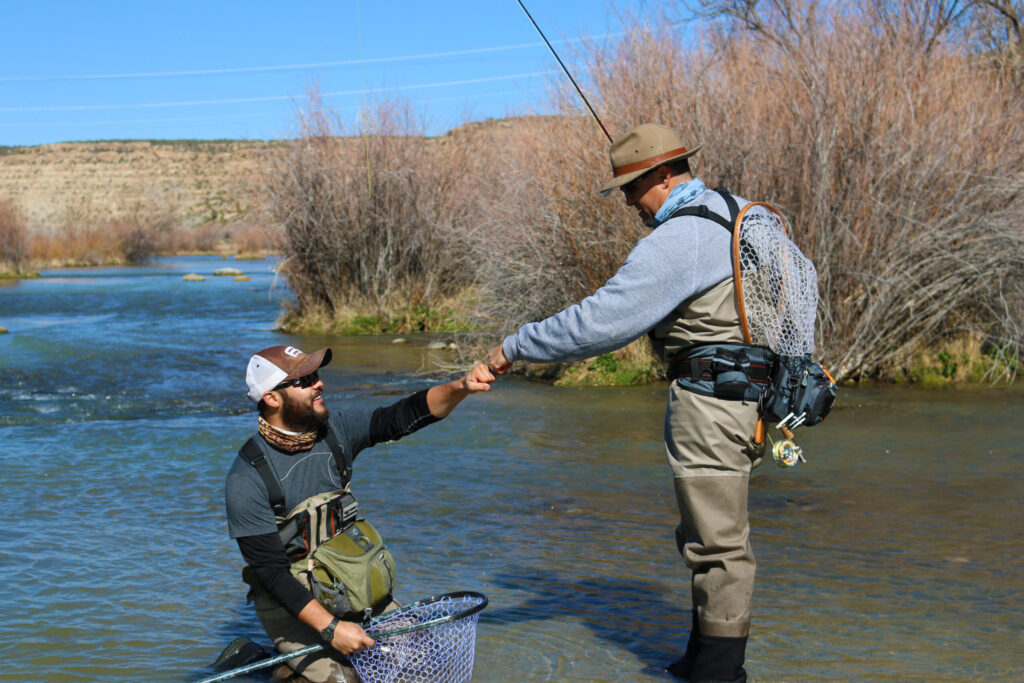
Hunting & Fishing Access

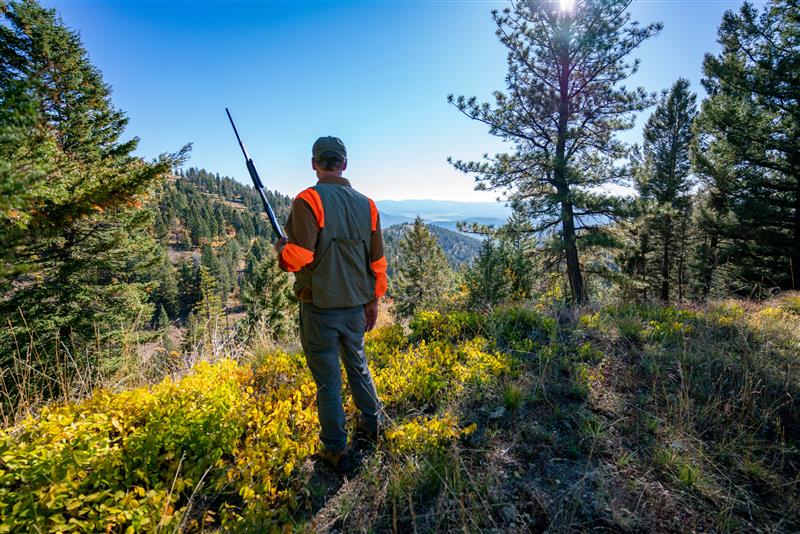
America’s 640 million acres of national public lands provide irreplaceable hunting and fishing opportunities to millions of Americans.

Learn More About Access
What TRCP is Doing

We’re working to safeguard America’s public lands so hunters and anglers always have quality places to pursue their passions.
 Brian Flynn, Two Wolf Foundation
How Sportsmen Are Doing It Right

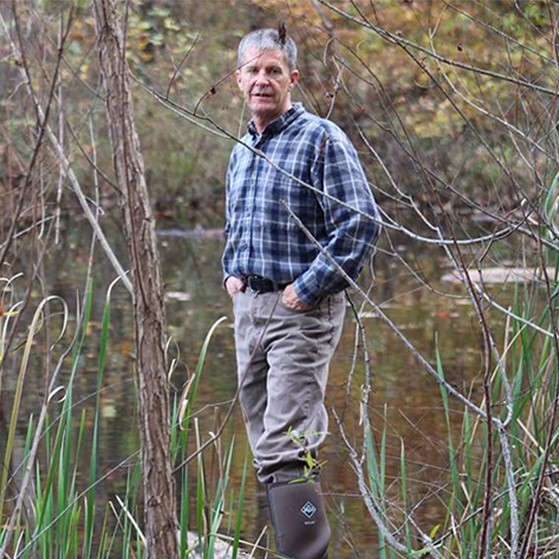
Brian Flynn, Two Wolf Foundation's Story

Following a distinguished career in the U.S. Army, lifelong outdoorsman Brian Flynn returned home from a deployment in Afghanistan and…

Hunting
Why It Matters

Key Issues for America’s Hunters

Your source for the latest policy updates, conservation challenges, and opportunities shaping America’s hunting traditions.

What TRCP is Doing

We’re fighting for meaningful policy changes that benefit wildlife, our waters, and the American landscapes that make our outdoor traditions possible.

 Ryan Sparks
How Sportsmen Are Doing It Right

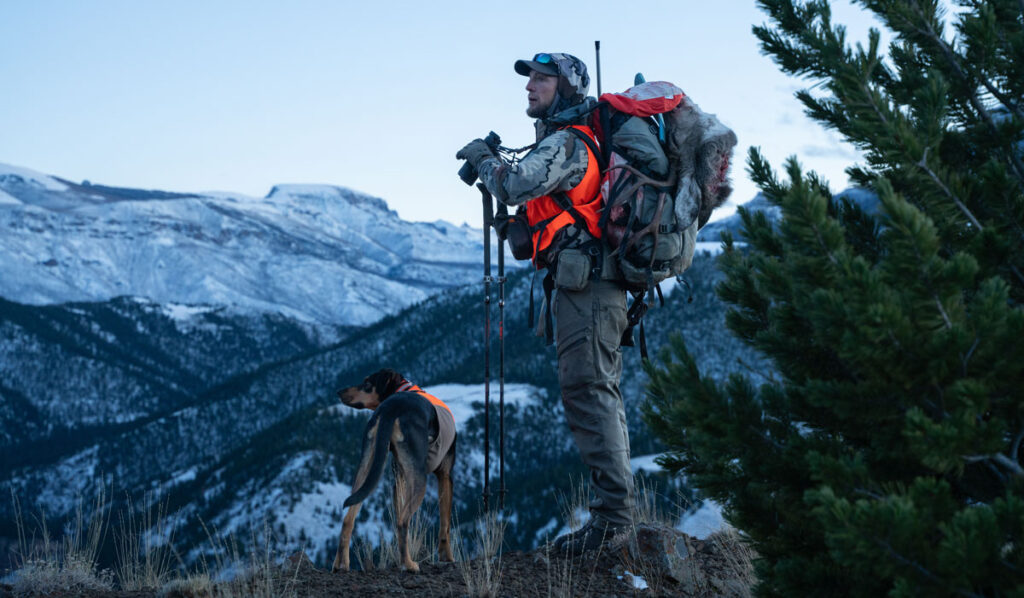
Ryan Sparks's Story

TRCP’s “In the Arena” series highlights the individual voices of hunters and anglers who, as Theodore Roosevelt so famously said,…

Fishing
Why It Matters

Key Issues for America’s Anglers

Your source for the latest policy updates, conservation challenges, and opportunities shaping America’s fishing traditions.

What TRCP is Doing

We’re fighting for meaningful policy changes that benefit wildlife, our waters, and the American landscapes that make our outdoor traditions possible.

 David Mangum
How Sportsmen Are Doing It Right

David Mangum's Story

Capt. David Mangum is a YETI ambassador and outdoor photographer who utilizes his talents to produce media that inspire a…

Private Land
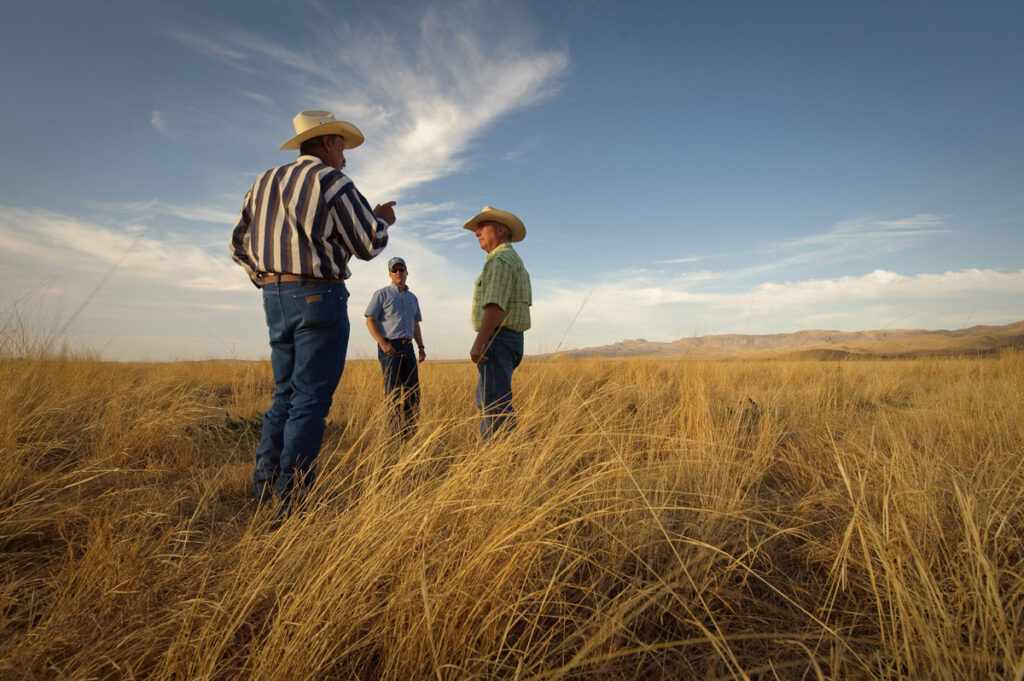
Why It Matters

Stewardship on America’s private lands

With 70 percent of U.S. lands in private hands and many of our best hunt and fish opportunities occurring there, investing in voluntary conservation on working lands safeguards access, strengthens habitat and water quality, and ensures resilient landscapes.

Learn More
What TRCP is Doing

We champion policies and programs that restore wildlife habitat, improve soil and water health, and keep working lands productive.

 Ward Burton
How Sportsmen are Doing It Right

Ward Burton's Story

Ward Burton’s NASCAR driving career stretched across most of two decades. As an avid sportsman and conservationist, he founded the…

Special Places
Why It Matters

Special Places Worth Protecting

America’s most iconic landscapes provide unmatched habitat and unforgettable days afield. These places sustain wildlife, anchor local economies, and define the hunting and fishing traditions we pass down.

What TRCP is Doing

We’re working to conserve special places that provide world-class habitat and unforgettable opportunities for hunters and anglers.

 Franklin Adams
How Sportsmen Are Doing It Right

Franklin Adams's Story

As a true Gladesman, conservationist, and historian, Capt. Franklin Adams has spent more than six decades championing Everglades restoration efforts…

Habitat & Clean Water
Why It Matters

Healthy Habitat Powers Every Pursuit

All hunting and fishing opportunities depend on quality habitat, from clean water and healthy wetlands to winter and summer habitats and the migration corridors that connect them.

All About Habitat & Clean Water
What TRCP is Doing

We are working to safeguard the habitats that power every hunting and fishing opportunity.

 Alex Harvey
How Sportsmen Are Doing It Right

Alex Harvey's Story

Alex Harvey, founder of Legacy Land Management, is a registered professional forester in Mississippi and Alabama with a Master's degree…

Science
Why It Matters

Science That Guides TRCP

From conserving migration corridors and wetlands to ensuring clean water and resilient landscapes, science provides evidence that turns conservation goals into effective action.

Science for Conservation
What TRCP is Doing

For hunters and anglers, science safeguards the experiences we treasure including resilient big game populations, abundant fish, and wild places that endure changing social landscapes.

Jamelle Ellis
Your Science Expert

Jamelle Ellis's Story

Jamelle Ellis joined the Theodore Roosevelt Conservation Partnership in 2022. Jamelle spent the last three years as an environmental sustainability…

Where We Work
Across the Nation

Conservation Across America

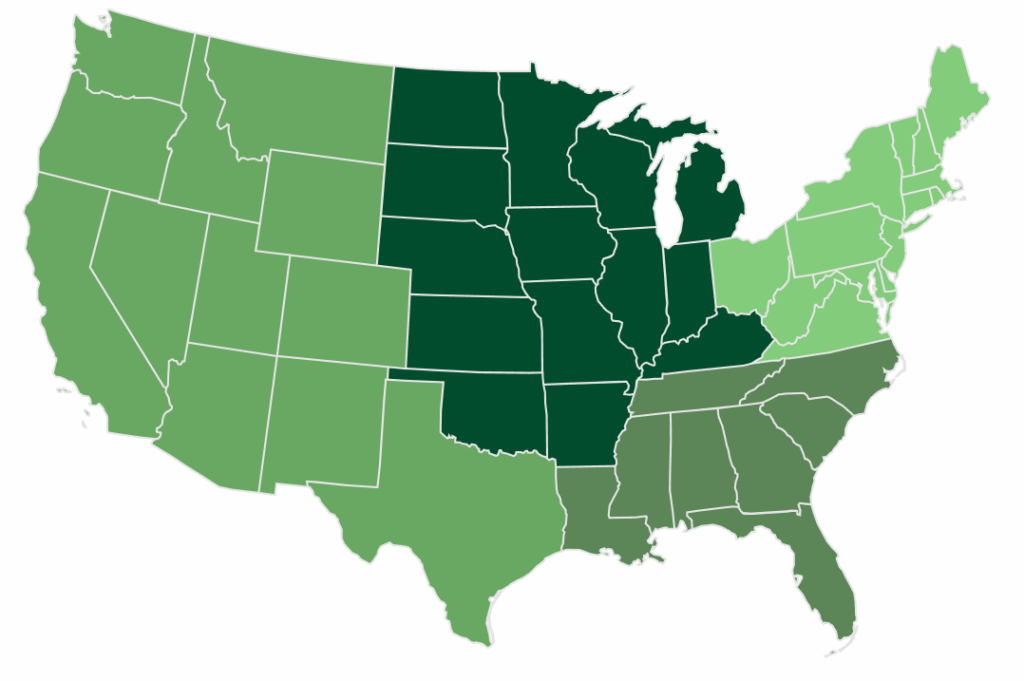
TRCP works across the country to ensure hunters and anglers can enjoy healthy fish and wildlife and quality days afield, no matter where they live.

See All Issues
TRCP in Your Region

TRCP works across the country to ensure hunters and anglers can enjoy healthy fish and wildlife and quality days afield, no matter where they live.

Who We Are
Our Mission

To guarantee all Americans quality places to hunt & fish

We unite and amplify our partners’ voices to advance America’s legacy of conservation, habitat, and access.

Our Mission & Values
Our People & Partners
  • Meet the TRCP Team

    Our staff and board members unite and amplify our partners’ voices to advance America’s legacy of conservation, habitat, and access.

    Meet the Team
  • Our Partners

    ‘Partnership’ is in our name. We work with 64 diverse partner groups that represent today’s leading hunting, fishing, and conservation organizations in order to strengthen the sportsman’s voice in Washington, D.C.

    Our Partners
  • Corporate Council

    TRCP’s Corporate Council is made up of diverse corporations that share a common passion for conservation.

    Corporate Council
Our Organization

Looking for more information?

Explore our latest news, policy updates, and conservation resources to get the information you need.

Giving
How You Can Help

To guarantee all Americans quality places to hunt & fish

Your tax-deductible donation will support TRCP's mission, now and into the future.

DONATE
Special Ways to support trcp
  • Capital Conservation Awards Dinner

    The CCAD is one of Washington's best-attended conservation celebrations, featuring dinner, cocktails, and a silent auction.

    Learn More
  • Step Into the Arena

    Help us ensure that our treasured wild habitats and game remain intact for the next generation to enjoy – lend your support to the TRCP’s efforts today!

    Donate
  • Roosevelt Roast

    TRCP has partnered with Afuera Coffee Co. to further our commitment to conservation.

    Learn More
More donation options

Find the best way for you to lend your support. Join one of TRCP’s donor circles for special invitations, premium offerings from outdoor retailers, and more exclusive benefits. Take control of your legacy with planned giving or contribute to special conservation funds.

Other Ways To Give
News
In the Spotlight

In the Arena: Josh Warren

For many hunters and anglers, the connection to conservation begins close to home — in the woods behind the house, along a familiar stretch of river, or through time spent learning from mentors and family. That sense of place is something Joshua Warren carries with him, both personally and professionally. As Director of Marketing at WorkSharp, Josh represents a company rooted in Ashland, Oregon, a community defined by its access to public lands and wild country.

Read More

Stay Informed

Receive our newsletter, the Roosevelt Report, right in your inbox. Never miss the latest news in conservation issues.

by:

posted in:

August 21, 2019

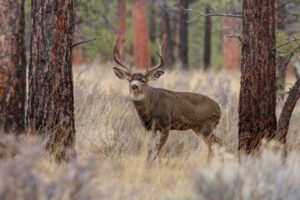
MuleDeer2017#4-(1-of-1)

Do you have any thoughts on this post?

XHTML: You can use these tags: <a href="" title=""> <abbr title=""> <acronym title=""> <b> <blockquote cite=""> <cite> <code> <del datetime=""> <em> <i> <q cite=""> <s> <strike> <strong>

Comments must be under 1000 characters.

by:

posted in:

August 19, 2019

New Study Reveals 6.35 Million Acres of Western State Lands Are Landlocked

onX and TRCP release a groundbreaking analysis of state land access across 11 Western states

This week, onX and the Theodore Roosevelt Conservation Partnership revealed the stunning results of a collaboration to quantify how many acres of state lands across the West are entirely landlocked by private land and, therefore, inaccessible to hunters, anglers, and other outdoor recreationists.

This is the anticipated follow-up to last year’s study of federally managed public lands, which showed that more than 9.52 million federal acres have no permanent legal access because they are isolated by private lands.

The Findings on State Land

Using today’s leading mapping technologies, more than 6.35 million acres of state lands across 11 states in the American West were identified as landlocked by private lands. The detailed findings are now available in a new report, “Inaccessible State Lands in the West: The Extent of the Landlocked Problem and the Tools to Fix It,” which also unpacks how this problem is rooted in the history of the region.

“Based on the success of last year’s landlocked report, we decided to turn our attention to the West’s 49 million acres of state lands, which are important to sportsmen and women just like national forests, refuges, and BLM lands,” says Joel Webster, Western lands director with the Theodore Roosevelt Conservation Partnership. “State trust lands, parks, and wildlife management areas often provide excellent hunting and fishing, yet 6.35 million acres of them are currently landlocked and inaccessible to the public. Together with our previous findings, the TRCP and onX have produced the most comprehensive picture of this access challenge across the West.”

The new report and companion website break down landlocked acre totals for each of 11 states. Montana, Arizona, New Mexico, and Wyoming each have more than one million acres of landlocked state lands, creating existing barriers and future opportunities for public access.

“Handheld GPS technologies have revolutionized how the recreating public finds and uses state and federal lands, making millions of acres of small tracts of public lands easy to discover and explore, both safely and legally” says onX founder Eric Siegfried. “GPS technologies have also helped the recreating public become personally aware that inaccessible public lands are scattered across the Western landscape, and onX is eager to help identify the extent of the landlocked challenge and showcase the collaborative tools to fix it.”

Landlocked Acres by State

• Arizona: 1,310,000 acres
• California: 38,000 acres
• Colorado: 435,000 acres
• Idaho: 71,000 acres
• Montana: 1,560,000 acres
• Nevada: < 1,000 acres
• New Mexico: 1,350,000 acres
• Oregon: 47,000 acres
• Utah: 116,000 acres
• Washington: 316,000 acres
• Wyoming: 1,110,000 acres

While the analysis looked at various types of state-administered land, such as state parks and wildlife management areas, the vast majority—about 95 percent—of the landlocked areas identified are state trust lands. Trust lands were long ago granted by the federal government to individual states and are generally open to public recreation in all Western states except Colorado.

“Each year, hunters and anglers across the West enjoy some of their best days outdoors utilizing state land access,” adds Siegfried. “If we can work together to unlock state lands for the public, many more sportsmen and women will have those experiences in the years ahead.”

The Solutions

The report also highlights the various ways in which states are and can be addressing this issue, so that effective solutions can be more widely adopted across the West. Several states have made significant progress with dedicated staff and programs for improving access, and by utilizing walk-in private land hunting access programs to open up state land. Additionally, state-side grants made possible by the Land and Water Conservation Fund, which was permanently reauthorized earlier this year, offer another promising tool to address the landlocked problem.

“Many states have embraced the opportunity to open these lands to recreational access, and it is our hope that this report will help decision-makers find ways to tackle the challenge more completely,” says TRCP’s Webster. “This includes Congress doing its part by passing legislation that would establish full and dedicated annual funding for the Land and Water Conservation Fund, which must direct 40 percent of all dollars towards state and local projects.”

The TRCP is encouraging hunters and anglers to support full, permanent funding of the LWCF through its online action tools here.

Learn more and download the full report at unlockingpubliclands.org.

by:

posted in:

August 16, 2019

Four Conservation Priorities That Need Lawmakers’ Attention After Recess

When Congress returns from about a month spent with in-state constituents, the clock will be ticking on these spending bills and conservation policies we need to get across the finish line

You might be picturing lawmakers on a five-week vacation, but the annual August recess is time that senators and representatives spend meeting with their constituents and visiting with leaders in their communities. Ideally, they also find some time to enjoy the outdoors and experience what we all value so much as sportsmen and women.

Of course, we hope they’re thinking about the legislative to-do list for when they return in September, because the timeline grows short for several critical conservation items that must be addressed to benefit fish, wildlife, and habitat. Here’s what we need Congress to move on before the end of the year or, in some cases, within weeks of their return to Capitol Hill.

Settle Up on Spending

A familiar debate awaits when Congress returns to Washington: writing and passing all the required appropriations, or annual spending, bills. Now that both the House and Senate have reached a two-year, bipartisan budget deal they must pass appropriations bills for Fiscal Year 2020, which starts on October 1. This means that Congress must find a way to fund the government for the next year before the end of September, or they risk another government shutdown.

The House’s spending measures passed earlier this summer include landmark wins for conservation including strong investments in—and in some cases new funding for—Farm Bill conservation programs, the Land and Water Conservation Fund, chronic wasting disease surveillance and research, and critical infrastructure projects from the Everglades to the Front Range.

The ball is now in the Senate’s court to support conservation in their own appropriations bills and send it all to the president’s desk. What happens if they don’t? The government shuts down while they agree on a deal or lawmakers can give themselves an extension by passing what’s known as a continuing resolution. CRs keep money flowing at previously agreed upon funding levels, but they prevent new funding going to something like CWD research that has never been done before.


Pave the Road Ahead for the Highway Bill

Before leaving town, the Senate Environment and Public Works Committee unanimously passed a new highway bill that includes a powerful new tool for conservation: a $250-million pilot program to construct wildlife crossings such as overpasses, underpasses, and culverts across the country over the next five years.

State departments of transportation, wildlife biologists, and conservationists have been urging Congress to provide dedicated funding for crossings to restore and improve habitat connectivity within migration corridors and reduce deadly wildlife-vehicle collisions where animals are often found crossing roads.

This also marks the first time that climate change language has been included in a highway bill. As written, the legislation creates a grant program called PROTECT to prioritize natural infrastructure solutions as roads and bridges are being planned, which would help to restore and improve ecosystem conditions around passenger roads.

All in all, senators on the committee have been trailblazers for conservation in the next iteration of the highway bill. Now, it’s on the House to get the job done.

In fact, the House can do even more for conservation in its forthcoming version of the bill by increasing funding for the Federal Lands Transportation Program, which supports the ongoing maintenance of passenger roads through public lands. Carrying on the chronic underfunding of U.S. Forest Service roads through FLTP will contribute to an already colossal deferred maintenance backlog on these important public lands.

Photo by Michigan DNR.
Modernize the Pittman-Robertson Act

The TRCP and our conservation partners have been leading the charge to update a vital source of funding for state fish and wildlife agency conservation efforts—the Pittman-Robertson Act. Right now, the fund created from excise taxes on firearms, ammunition, and archery equipment can’t be used to help recruit, retain, and reactivate (R3) hunters.

It’s time for that to change.

Congress has already updated the policy for fishing-related spending to give state agencies the ability to recruit new anglers. And this has likely helped to drive the recent bump in fishing participation and a more than 36-percent increase in spending on fishing equipment, which in turn creates an increase in funding for conservation.

It’s time for Congress to modernize Pittman-Robertson and allow similar outreach campaigns for hunters. Before the recess began, the Senate introduced S. 2092, a companion bill to the House’s H.R. 877. These bipartisan bills, aptly titled the Modernizing the Pittman-Robertson Fund for Tomorrow’s Needs Act, are essential to help fund, preserve, and grow our rich heritage of hunting.
Last Congress, a similar measure passed unanimously out of the House but did not make the end-of-year finish line. Now that the legislation has been introduced in both chambers, passage of this long-overdue legislation is a no-brainer. It’s a bipartisan success story waiting to happen.

Photo by US Fish and Wildlife Service.
Reviving These Fish Bills

From the Gulf to the Great Plains, there’s a lot happening this summer that affects our fisheries and the anglers who enjoy them, including pending legislation that deserves a vote without further delay.
The National Fish Habitat Through Partnerships Act—H.R. 1747 in the House and S. 754 in the Senate—would permanently authorize and provide funding for one of the nation’s best tools to protect and restore fish habitat across the nation. Comprised of 20 individual partnerships that advocate for regionally specific projects, this model has been effective for years but still limps from authorization to authorization, depending on the whims of Congress.

But legislation introduced in both chambers is vote-ready and can end this vicious cycle.

Another easy win would be passing legislation to conserve forage fish, which support all the sportfish we love to pursue. Numerous pressures, including changing ocean conditions and overfishing by commercial interests, have led to a decline in forage fish populations, which could shorten or even end recreational fishing seasons for the predators that rely on these baitfish.

Bipartisan legislation in the House, the Forage Fish Conservation Act (H.R. 2236), aims to ensure that forage fish remain in the marine food web by introducing a variety of commonsense, science-based provisions into existing management plans. These include creating a national, science-based definition for forage fish in federal waters, accounting for predator needs, assessing the impact of commercial fisheries on marine ecosystems before authorization, and requiring that managers consider forage fish when establishing research priorities.

Anglers are dependent on forage fish to keep our fisheries healthy and we are, in turn, depending on Congress to act now on this major conservation priority.

Image courtesy of National Parks.
A Challenging Timeline

Numerous conservation-wins-in-waiting are ready for congressional action once lawmakers return to Capitol Hill. Though the most pressing demand for legislators will be drafting and passing appropriations bills that strengthen our nation’s investment in conservation, we need to turn their attention to other measures that preserve wildlife, improve habitat connectivity, and ensure the future of our hunting traditions.

After the spending deadline has passed, the 2020 election will take a lot of the air out of the room, and we need to clinch these victories before that happens.

by:

posted in:

August 14, 2019

New Mexicans: Support Hunting and Fishing on Our Public Lands

This is YOUR chance to play a role in how our public lands are managed and ensure that sportsmen and women have a say about the places where we love to hunt and fish

The Forest Service is revising its plans for the Carson and the Santa Fe National Forests that will determine the future management of more than 3 million acres of public land in northern New Mexico, including the world-class fisheries of the Rio Grande and Pecos Rivers. Sportsmen and women must get involved to ensure that the best habitats are conserved and public access for hunting and fishing is maintained.

Please attend a local public meeting in the next few weeks (see schedule below) and share your perspective as a public land user.

These events will offer updates on the planning process, allow the public to share their ideas and opinions on the draft plan, and explain ways for interested citizens to stay involved.

The best way to see that our priorities are included in the plans is to have a presence and provide input at these meetings. Meeting dates, locations, and times, as well as suggested talking points are listed below.

You can also comment on the Carson NF Plan here, and the Santa Fe NF Plan here.

Thank you for taking the time to support our public lands.

Suggested Talking Points:

  • Conservation of Big Game Migration Corridors and Seasonal Habitat: I request that the USFS take steps to ensure the conservation of identified big game migration corridors, winter and summer range. This should include not only conserving corridors that are known but have not been mapped and analyzed by New Mexico Department of Game & Fish, but also in ensuring that the Forest Plan Revision is able to conserve migration corridors that will be mapped in the future.
  • Public access: Public access is necessary for outdoor recreation. I encourage the USFS to identify opportunities to increase access to public lands that are landlocked or difficult to access because there are few or no access points across private land that enable the public to reach USFS lands.


Santa Fe National Forest Plan
(Read the plan here)
 Meeting Location  Date   Time  Location
 Santa Fe  Tuesday, Aug. 20  2 – 6pm  Santa Fe Community College (this is a joint meeting with the Santa Fe, Carson, and Cibola National Forests)
 Jemez Pueblo  Wednesday, Aug. 21  6 – 8pm  Pueblo of Jemez Welcome Center (back building; formerly Walatowa Visitor’s Center), 7413 Highway 4
 Buena Vista Thursday, Aug. 22  6 – 8pm  Buena Vista Fire Department
Pecos Monday, Aug. 26 6 – 8pm Pecos High School (Boardroom)
Gallina Tuesday, Sept. 3 6 – 8pm Gallina Elementary
Rio Rancho Wednesday, Sept. 4 6 – 8pm Rio Rancho Fire and Rescue, 5301 Santa Fe Hills Blvd.
Cuba Thursday, Sept. 5 6 – 8pm Sandoval County Fairgrounds- Community Building, 37 Rodeo Rd.
Las Vegas Tuesday, Sept. 10 6 – 8pm NM Highlands University (student union building, Rm 321)
Santa Fe Wednesday, Sept. 11 6 – 8pm Santa Fe NF Headquarters, 11 Forest Lane
Los Alamos Monday, Sept. 23 6 – 8pm Mesa Public Library
Abiquiu Wednesday, Sept. 25 6 – 8pm Ghost Ranch (lower pavillion), 280 Private Drive


Carson National Forest Plan
(Read the plan here)
 Meeting Location  Date   Time  Address
 Santa Fe Tuesday, Aug. 20  2 – 6pm  Santa Fe Community College (this is a joint meeting with the Santa Fe, Carson, and Cibola National Forests)
Taos Wednesday, Aug. 21 12 – 2pm Carson NF Supervisor’s Office
Buena Vista Thursday, Aug. 22 6 – 8pm Buena Vista Fire Department
Canjilon Wednesday, Aug. 28 5 -7pm Canjilon Community Center
El Rito Wednesday, Aug. 28 1 – 3pm El Rito Ranger District Office
Bloomfield Thursday, Aug. 29 1 – 3pm Jicarilla Ranger District Office
Farmington Thursday, Aug. 29 5 – 7pm San Juan College
Tres Piedras Friday, Aug. 30 1 – 3pm Tres Piedras Ranger District Office
Red River Tuesday, Sept. 3 5 – 7pm Red River Convention Center
Peñasco Wednesday, Sept. 4 1 – 3pm Camino Real Ranger District Office
Peñasco Tuesday, Sept. 10 5 – 7pm Camino Real Ranger District Office
Questa Wednesday, Sept. 11 1 – 3pm Questa Ranger District Office
Canjilon Thursday, Sept. 12 1 – 3pm Canjilon Ranger District Office
El Rito Thursday, Sept. 12 5 – 7pm Northern NM College
Taos Tuesday, Sept. 17 4 – 7pm Sagebrush Inn (this will be a facilitated, topic-driven workshop)
Abiquiu Thursday, Sept. 19 6 – 8pm Ghost Ranch (lower pavillion), 280 Private Drive

by:

posted in:

August 9, 2019

Failing to Modernize the Pittman-Robertson Act is Like Trying to Recruit Hunters With One Hand Tied Behind Your Back

The law that is broadly and affectionately known as PR ironically doesn’t allow state wildlife agencies to market hunting to a new generation of license buyers—the sportsmen and women we desperately need to keep funding conservation

By now, you probably know that every time you buy a hunting or fishing license and certain gear, you’re paying into a hugely successful system of conservation in America—where those of us who enjoy and take something from our natural resources also give back to fish and wildlife. You’re probably even aware of the two laws that made this happen: the Pittman-Robertson Act for hunting-related spending and the Dingell-Johnson Act for fishing-related spending.

[Need a refresher on all the biggest sources of federal conservation funding? We got you.]

But there’s a major difference between these policies that has become glaring as fishing participation has crept back up and hunting participation has taken a steep nosedive.

Photo by US Fish and Wildlife Service Midwest Region.

Between 2011 and 2016, the number of hunters declined by 16 percent. Hunters spend fewer days afield and less money on equipment on average than they used to. In that same time period, 2.7 million more Americans started fishing, and spending on fishing equipment increased by more than 36 percent.

This could be because about $12 million in funds created by the Dingell-Johnson Act annually go toward national efforts to recruit, retain, and reactivate (R3) anglers. Meanwhile, no such provision is made in Pittman-Robertson.

Besides the next generation of sportsmen and women, state wildlife agencies have the most to lose if hunting and fishing participation declines, because many of these conservation-focused departments depend entirely on P-R and D-J dollars. But, as the laws are written, even a state department of natural resources with an excellent apprentice hunter program can’t so much as print up a poster to advertise it using P-R funding.

The ability to communicate with and educate the public about hunting is so much more important today than it was in the 1930s when this bill was written. At that time, more than half the country hunted or had access to someone who could likely show them how. This just isn’t the case anymore.

The Bottom Line

It’s time to modernize Pittman-Robertson and allocate just a small portion of its funds to R3 activities—the return on investment is likely to be millions of more active and engaged outdoorspeople paying into a conservation model that supports some of America’s greatest traditions. Failing to do so could create a conservation funding crisis like we’ve never seen before.

Legislation called Modernizing the Pittman-Robertson Fund for Tomorrow’s Needs Act (H.R. 877) has been reintroduced this Congress and debated in a House Natural Resources Committee hearing earlier this year. After the August recess, we need to move this bill forward without delay and before we lose lawmakers’ attention to the chaos that comes with an election year.

Have you seen state agency efforts to attract and educate new hunters that deserve more of a PR spotlight? Tell us in the comments.

HOW YOU CAN HELP

TRCP has partnered with Afuera Coffee Co. to further our commitment to conservation. $4 from each bag is donated to the TRCP, to help continue our efforts of safeguarding critical habitats, productive hunting grounds, and favorite fishing holes for future generations.

Learn More

You have Successfully Subscribed!

You have Successfully Subscribed!

You have Successfully Subscribed!

You have Successfully Subscribed!