Our Issues
Public Lands
Why It Matters

Hunting & Fishing Access

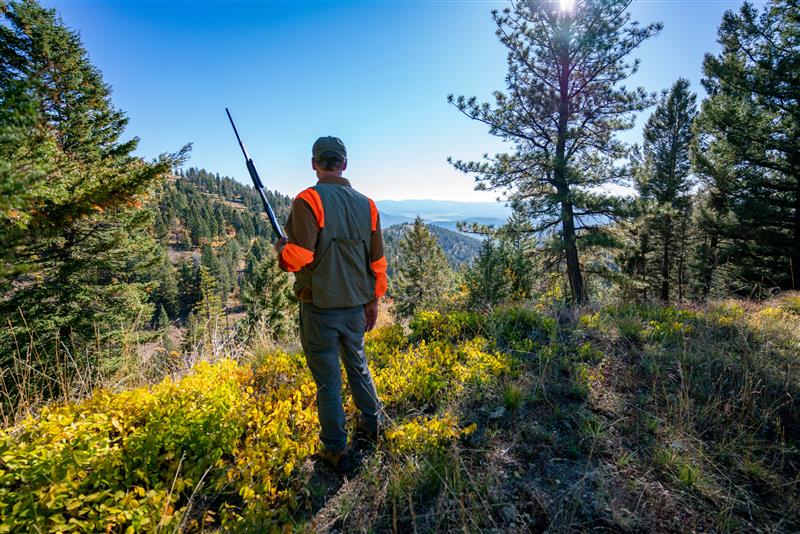
America’s 640 million acres of national public lands provide irreplaceable hunting and fishing opportunities to millions of Americans.

Learn More About Access
What TRCP is Doing

We’re working to safeguard America’s public lands so hunters and anglers always have quality places to pursue their passions.
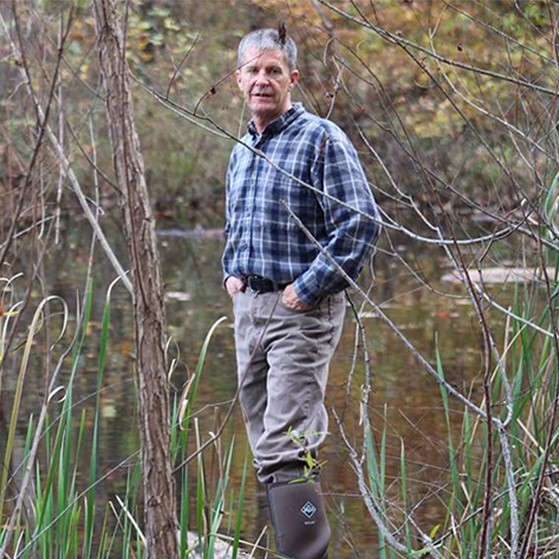
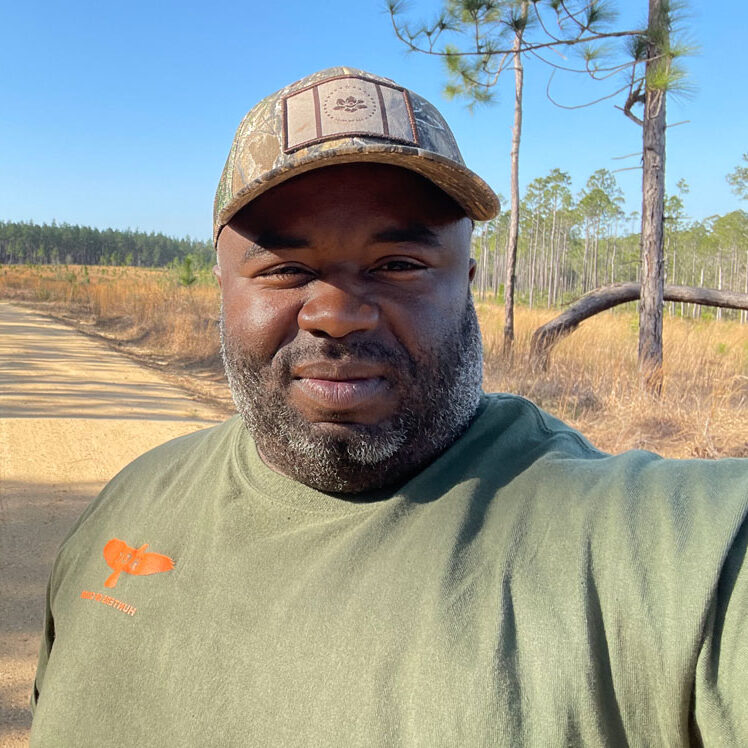
 Brian Flynn, Two Wolf Foundation
How Sportsmen Are Doing It Right

Brian Flynn, Two Wolf Foundation's Story

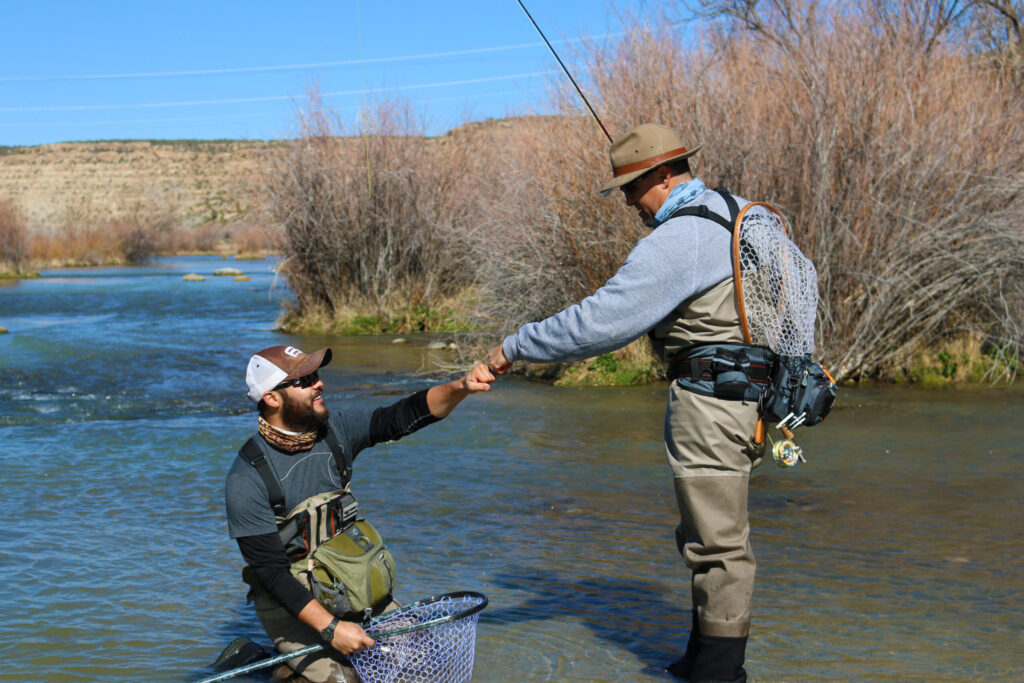
Following a distinguished career in the U.S. Army, lifelong outdoorsman Brian Flynn returned home from a deployment in Afghanistan and…

Hunting
Why It Matters

Key Issues for America’s Hunters

Your source for the latest policy updates, conservation challenges, and opportunities shaping America’s hunting traditions.

What TRCP is Doing

We’re fighting for meaningful policy changes that benefit wildlife, our waters, and the American landscapes that make our outdoor traditions possible.

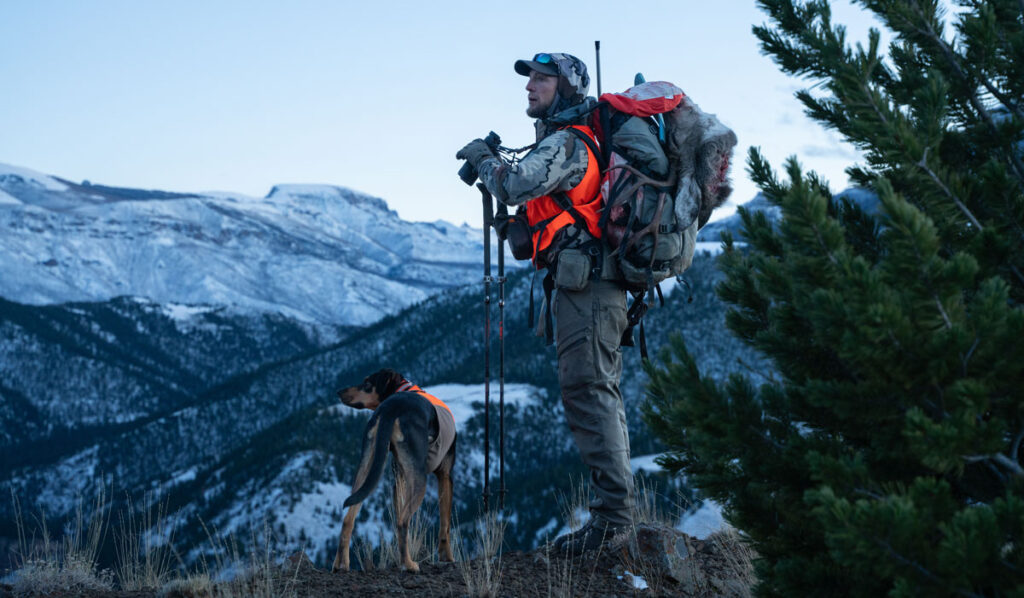
 Ryan Sparks
How Sportsmen Are Doing It Right

Ryan Sparks's Story

TRCP’s “In the Arena” series highlights the individual voices of hunters and anglers who, as Theodore Roosevelt so famously said,…

Fishing
Why It Matters

Key Issues for America’s Anglers

Your source for the latest policy updates, conservation challenges, and opportunities shaping America’s fishing traditions.

What TRCP is Doing

We’re fighting for meaningful policy changes that benefit wildlife, our waters, and the American landscapes that make our outdoor traditions possible.

 David Mangum
How Sportsmen Are Doing It Right

David Mangum's Story

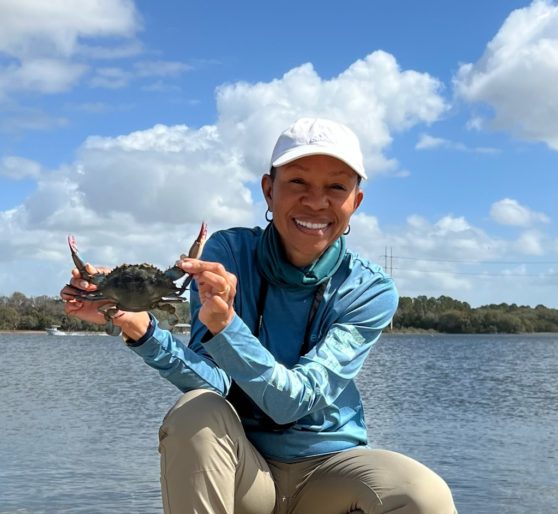
Capt. David Mangum is a YETI ambassador and outdoor photographer who utilizes his talents to produce media that inspire a…

Private Land
Why It Matters

Stewardship on America’s private lands

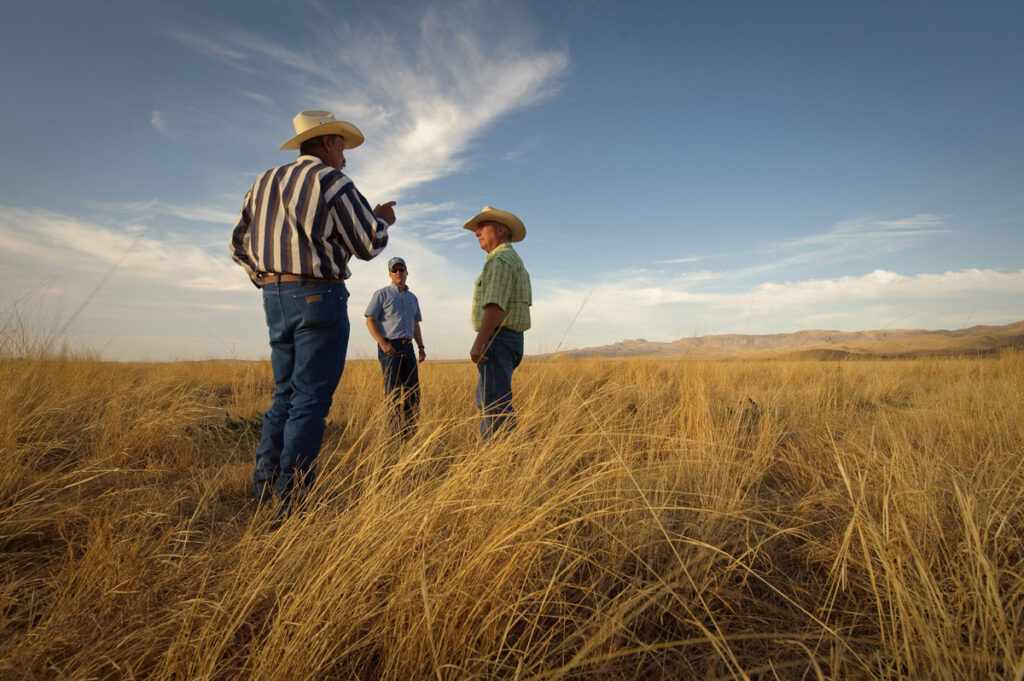
With 70 percent of U.S. lands in private hands and many of our best hunt and fish opportunities occurring there, investing in voluntary conservation on working lands safeguards access, strengthens habitat and water quality, and ensures resilient landscapes.

Learn More
What TRCP is Doing

We champion policies and programs that restore wildlife habitat, improve soil and water health, and keep working lands productive.

 Ward Burton
How Sportsmen are Doing It Right

Ward Burton's Story

Ward Burton’s NASCAR driving career stretched across most of two decades. As an avid sportsman and conservationist, he founded the…

Special Places
Why It Matters

Special Places Worth Protecting

America’s most iconic landscapes provide unmatched habitat and unforgettable days afield. These places sustain wildlife, anchor local economies, and define the hunting and fishing traditions we pass down.

What TRCP is Doing

We’re working to conserve special places that provide world-class habitat and unforgettable opportunities for hunters and anglers.

 Franklin Adams
How Sportsmen Are Doing It Right

Franklin Adams's Story

As a true Gladesman, conservationist, and historian, Capt. Franklin Adams has spent more than six decades championing Everglades restoration efforts…

Habitat & Clean Water
Why It Matters

Healthy Habitat Powers Every Pursuit

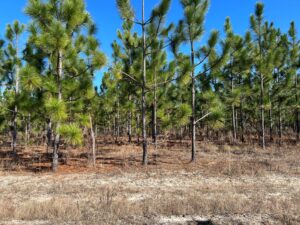
All hunting and fishing opportunities depend on quality habitat, from clean water and healthy wetlands to winter and summer habitats and the migration corridors that connect them.

All About Habitat & Clean Water
What TRCP is Doing

We are working to safeguard the habitats that power every hunting and fishing opportunity.

 Alex Harvey
How Sportsmen Are Doing It Right

Alex Harvey's Story

Alex Harvey, founder of Legacy Land Management, is a registered professional forester in Mississippi and Alabama with a Master's degree…

Science
Why It Matters

Science That Guides TRCP

From conserving migration corridors and wetlands to ensuring clean water and resilient landscapes, science provides evidence that turns conservation goals into effective action.

Science for Conservation
What TRCP is Doing

For hunters and anglers, science safeguards the experiences we treasure including resilient big game populations, abundant fish, and wild places that endure changing social landscapes.

Jamelle Ellis
Your Science Expert

Jamelle Ellis's Story

Jamelle Ellis joined the Theodore Roosevelt Conservation Partnership in 2022. Jamelle spent the last three years as an environmental sustainability…

Where We Work
Across the Nation

Conservation Across America

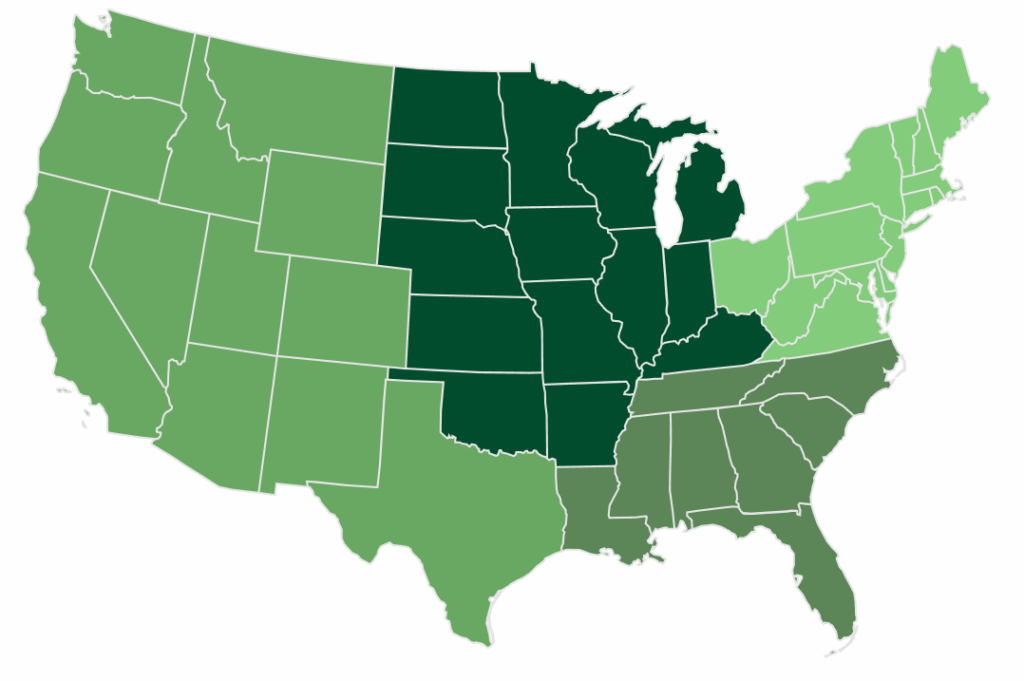
TRCP works across the country to ensure hunters and anglers can enjoy healthy fish and wildlife and quality days afield, no matter where they live.

See All Issues
TRCP in Your Region

TRCP works across the country to ensure hunters and anglers can enjoy healthy fish and wildlife and quality days afield, no matter where they live.

Who We Are
Our Mission

To guarantee all Americans quality places to hunt & fish

We unite and amplify our partners’ voices to advance America’s legacy of conservation, habitat, and access.

Our Mission & Values
Our People & Partners
  • Meet the TRCP Team

    Our staff and board members unite and amplify our partners’ voices to advance America’s legacy of conservation, habitat, and access.

    Meet the Team
  • Our Partners

    ‘Partnership’ is in our name. We work with 64 diverse partner groups that represent today’s leading hunting, fishing, and conservation organizations in order to strengthen the sportsman’s voice in Washington, D.C.

    Our Partners
  • Corporate Council

    TRCP’s Corporate Council is made up of diverse corporations that share a common passion for conservation.

    Corporate Council
Our Organization

Looking for more information?

Explore our latest news, policy updates, and conservation resources to get the information you need.

Giving
How You Can Help

To guarantee all Americans quality places to hunt & fish

Your tax-deductible donation will support TRCP's mission, now and into the future.

DONATE
Special Ways to support trcp
  • Capital Conservation Awards Dinner

    The CCAD is one of Washington's best-attended conservation celebrations, featuring dinner, cocktails, and a silent auction.

    Learn More
  • Step Into the Arena

    Help us ensure that our treasured wild habitats and game remain intact for the next generation to enjoy – lend your support to the TRCP’s efforts today!

    Donate
  • Roosevelt Roast

    TRCP has partnered with Afuera Coffee Co. to further our commitment to conservation.

    Learn More
More donation options

Find the best way for you to lend your support. Join one of TRCP’s donor circles for special invitations, premium offerings from outdoor retailers, and more exclusive benefits. Take control of your legacy with planned giving or contribute to special conservation funds.

Other Ways To Give
News
In the Spotlight

In the Arena: Josh Warren

For many hunters and anglers, the connection to conservation begins close to home — in the woods behind the house, along a familiar stretch of river, or through time spent learning from mentors and family. That sense of place is something Joshua Warren carries with him, both personally and professionally. As Director of Marketing at WorkSharp, Josh represents a company rooted in Ashland, Oregon, a community defined by its access to public lands and wild country.

Read More

Stay Informed

Receive our newsletter, the Roosevelt Report, right in your inbox. Never miss the latest news in conservation issues.

by:

posted in:

March 14, 2017

Malheur-NWR

Do you have any thoughts on this post?

XHTML: You can use these tags: <a href="" title=""> <abbr title=""> <acronym title=""> <b> <blockquote cite=""> <cite> <code> <del datetime=""> <em> <i> <q cite=""> <s> <strike> <strong>

Comments must be under 1000 characters.

by:

posted in:

March 9, 2017

Arm in Arm, Public Land Users Are a Force to Be Reckoned With

One of the largest public land rallies in recent memory brought together the many diverse groups that value access to the outdoors—and are prepared to fight for it

Nearly 3,000 people rallied in support of public lands on the steps of the Capitol in Boise, Idaho, on Saturday, and their diversity was a powerful statement about the importance of the outdoors. It was a mosaic of individual interests as unique as Idaho itself.

There was an angler in full regalia talking to the rafter who had a polite sign affixed to his paddle that he constantly waved over his head. It said, “Please leave my lands alone.” There were three elk hunting buddies who couldn’t not believe the size of the crowd. There were the grey beards of Idaho’s small-but-potent environmental community, those people who knew Frank Church personally and have spent decades advocating for the outdoors. The endurance running community was there—the wiry kin who can run Idaho’s tallest peaks by lunch and then dance all night.

Organizers said roughly 3,000 people attended Saturday’s rally at the Idaho Capitol. Participants included hunters, bikers, rafters, hikers, bikers, and bird-watchers. Image courtesy of Kate Thorpe, Idahoans for Public lands.

Four newspapers, three television stations, and two radio stations joined bloggers and volunteers watching the vast crowd spill into Jefferson Street. The rally was an effort that the TRCP was proud to help coordinate. It was a non-denominational celebration of the happiness that we all attain pursuing our own diverse adventures in the outdoors.

But the day’s diversity was only half the day’s story. In the rain on Idaho Day, those diverse groups gave voice to one cause: keeping public lands in public hands.

Speaker after speaker recalled their favorite public lands experiences and the need to fight interests that would give our heritage away. Ryan Callaghan, director of conservation for First Lite, a hunting gear manufacturer based in Ketchum, talked about public lands being the backbone of a self-sustaining industry. “I came to Idaho for a job. I stayed in Idaho because of public lands,” he said to the flag-waving crowd. “And First Lite wouldn’t be here without public lands.”

Merin Tigert, a fifth-generation Idahoan and lifelong hunter, spoke of her fears about a future where elected officials would fall for “the folly of short-term fiscal gains over long-term intrinsic values.” Her message was echoed by Martin Hackworth, executive director of the Blue Ribbon Coalition, a nationwide partnership of off-highway vehicle enthusiasts. Public lands taught him lessons that, he argued, his children deserved to learn.

A diverse group of Idaho public-land users gave voice to one cause: keeping public lands in public hands.

The thread in all their impassioned pleas was undeniable. The outdoors called to each of them differently, but everyone in the crowd felt the call to speak up for why they treasured public lands. “As citizens of the United States, public land is our birthright,” said Hackworth. “As far as I’m concerned, that’s a source of national pride and something I’m not eager to surrender.”

Rialin Flores, Legislative Associate of Conservation Voters for Idaho, agreed and called for the diverse group of interests to stick together. “What these public lands mean to each of us is personal,” Flores said as she invited the rally to flood the Capitol’s rotunda. “What they mean to all of us is powerful.”

On a rainy Saturday in Boise, diversity showed unity. We should celebrate that as we work to keep public lands public.

by:

posted in:

March 8, 2017

How Big-Ticket Tags Open Access and Help Fill the Freezer

A Montana elk tag might stretch the budget for a young out-of-state hunter, but it made this private-land hunt possible in more ways than one

Thirty minutes into glassing, I put down my binoculars and continued to scan the private ranch below me with my naked eye. Suddenly, I saw the tan hide of an elk—solo, like me, and nearly a mile away, I guessed—surrounded by nothing but sagebrush. How had I missed that before? Even with my binos, I couldn’t quite make out the headgear. An elk all by itself? It’s got to be a bull, I thought.

With only a cow tag on me, I kept glassing, and eventually I spotted five antlerless elk at the edge of the timber, a few hundred yards south of the loner bull. Game on. I shed my winter jacket and started running to close the gap and set up for a shot.

That tag, which cost me no small chunk of change, was suddenly burning a hole in my pocket.

An Out-of-State Hunter on a Budget

Having just moved to Montana last fall, I hadn’t yet met the requirement of six months’ residency to purchase in-state tags. Out-of-state licenses run $858 for a bull elk tag, something that I simply couldn’t afford. Instead, friends suggested that I look into an extended shoulder season hunt for cow elk only. These elk B licenses are a bit more reasonable, but still cost about $300. As I was shopping around, I found myself wondering where all of this money goes.

The expense of some tags may make you think the system is designed to keep all but elite hunters out, but I quickly learned that these dollars actually help expand our access.

For starters, every license fee helps to pay state fish and game managers doing the work of conserving habitat and maintaining our access to hunting and fishing. Fees also help fund the research that allows sound conservation practices to ensure hunting and fishing opportunities for future generations. And, in some cases, license fees also pay for access to private land.

The ranch I was hunting was open to me thanks to Montana’s Block Management Area (BMA) program, which is primarily funded by license fees. The revenue generated from out-of-staters, specifically—and technically I still had to count myself among this group—helps carry the program. “Twenty-five percent of BMA funding comes from non-resident combo license fees, with more coming from out-of-state upland bird licenses and everyone else’s hunting access enhancement fees,” says Allen Charles, who served as the coordinator for landowner programs benefitting sportsmen at Montana Fish, Wildlife and Parks before retirement.

The elk always seem to be just over the fence on private land. Montana’s BMA program seeks to remedy that. Image courtesy of Flickr/photogramma1. Header image courtesy of Lori Iverson of the USFWS.


Block Management Basics

Montana’s BMA program has been around since the 80s, but 1995 is when it started to resemble what it is today. Charles told me that, at that time, 450 private landowners opened public hunting access to 2.5 million acres. Today, more than 1,250 landowners voluntarily participate in the program, opening their gates to more than seven million private acres—and that’s not counting the public lands adjacent to these properties, which would otherwise be difficult, if not impossible, to access.

Participation in the program is voluntary, but landowners receive compensation for opening access. This is where our tag fees come in. “Montana’s budget for the BMA program is around $6.5 million a year,” explains Charles. “Only 10 to 20 percent of that is funded through the federal Pittman-Robertson Act, with the rest coming directly from Montana license fees.”

The cool thing about the tag I scored, besides coming in at a more manageable price, is that it is paired with the possibility of gaining BMA access to hunt just the type of land where elk spend their time in the late fall—the low-country wintering grounds that happen to be primarily private lands. I was signing on to provide a benefit, too, by (hopefully) helping to manage an elk herd that was still overpopulated at the end of the regular hunting season.

Charles says it’s a good alternative for blue-collar hunters, or anyone who can’t afford a private land lease or guided hunt, to access private land.

BMAs provide access to hunt the land where elk spend their time in the late fall—the low-country wintering grounds, primarily private lands. Image courtesy of Montana Fish Wildlife and Parks Region 2.


Backstrap Dividends

My investment in an out-of-state license paid off, and I felt as if I’d marked a Montana rite of passage when I finally harvested one of the cows I’d spotted from the hillside. I closed in on the small herd, walking very slowly, eyes wide, looking for any movement through the timber. I crept closer for what felt like an eternity, but was probably just minutes, before the lead cow stepped out in front of me, broadside. I ranged her at 95 yards, steadied, and pulled the trigger.

The investment I made in my late-season tag was a careful one, but now I know the true value of what I was buying. It wasn’t just a chance for me to be out there. (And I wouldn’t have been if not for the license-buying hunters who came before me.) Considering the resulting boost to access and habitat—not to mention the 125 pounds of meat in my freezer or a little help for a landowner who I can now count as my neighbor—that $300 was money well-spent.

Montana’s mid-March application deadline for deer and elk tags is quickly approaching. If you’re trying to decide whether or not to buy an expensive hunting license, just remember that these costs are a down-payment on many benefits for wildlife, access, and the future of our sporting traditions. When you look at it that way, it may seem like a small price to pay.

by:

posted in:

March 7, 2017

Congress Rolls Back Your Say in BLM Land Management

Sportsmen now look to Secretary Zinke to restore the public’s voice in the BLM land-use planning process that affects habitat, access, and rural economies

Today, U.S. Senators voted to nullify the Bureau of Land Management’s revised land-use planning rule, commonly known as Planning 2.0, which gives the public more chances to weigh in on land management decisions for 245 million acres of BLM public lands. The House passed a similar resolution of disapproval using the Congressional Review Act on February 7.

President Trump’s signature on this action will revert BLM planning to a decades-old process and may prevent the agency from creating a new rule that has the same benefits for habitat and public involvement. Planning 2.0 was the product of more than two years of collaboration between the agency, state and local governments, and the public.

“Hunters and anglers are puzzled by the fact that Congress would choose to destroy a refined and more inclusive public lands management process,” says Joel Webster, director of Western lands with the Theodore Roosevelt Conservation Partnership. “Perhaps some additional fine-tuning could have further improved BLM planning, but this CRA action is the equivalent of burning down the house simply because some window trim needed replacing. It’s an overreaction with real-world consequences for fish, wildlife, and the American people.”

Wyoming’s North Platte River. Image courtesy of Brady Owen/BLM.

Nineteen sportsmen’s groups wrote Congress in support of Planning 2.0 revisions that created three additional opportunities for the public and key collaborators—like state and local governments—to be involved at the front-end of the land-use planning process. These additional steps were designed to increase agency transparency and public involvement, and these benefits are still sorely needed to boost overall satisfaction with the management of BLM public lands across the country.

“It is tragic to see so much hard work and public input go to waste, only to be replaced with uncertainty,” says Steven Williams, president of the Wildlife Management Institute. “Meanwhile, the agency will continue to struggle in using an outdated, ineffective planning process to deal with modern-day challenges on public lands.”

Consideration for big game migration corridors and other planning tools that account for the most recent scientific data are not written into the previous land-use planning rule, established in 1983. Hunters and anglers are looking to the newly confirmed Secretary of the Interior to find other ways of securing these benefits.

“Sportsmen and women are incredibly savvy about public lands management and how planning efforts affect the places we hunt and fish—these are our lands and we deserve a fair shake,” says Corey Fisher, senior policy director for Trout Unlimited’s Sportsmen Conservation Project. “We stand ready and willing to work with Secretary Zinke to restore the public’s voice in BLM public land management and see to it that important fish and wildlife habitat isn’t overlooked.”


by:

posted in:

Congress Cuts the Public’s Role in BLM Land Management

News for Immediate Release
Mar. 7, 2017
Contact: Kristyn Brady, 617-501-6352, kbrady@trcp.org

Sportsmen now look to Secretary Zinke to restore the public’s voice in the BLM land-use planning process that affects habitat, access, and rural economies

WASHINGTON, D.C. – Today, U.S. Senators voted to nullify the Bureau of Land Management’s revised land-use planning rule, commonly known as Planning 2.0, which gives the public more chances to weigh in on land management decisions for 245 million acres of BLM public lands. The House passed a similar resolution of disapproval using the Congressional Review Act on February 7.

President Trump’s signature on this action will revert BLM planning to a decades-old process and may prevent the agency from creating a new rule that has the same benefits for habitat and public involvement. Planning 2.0 was the product of more than two years of collaboration between the agency, state and local governments, and the public.

“Hunters and anglers are puzzled by the fact that Congress would choose to destroy a refined and more inclusive public lands management process,” says Joel Webster, director of Western lands with the Theodore Roosevelt Conservation Partnership. “Perhaps some additional fine-tuning could have further improved BLM planning, but this CRA action is the equivalent of burning down the house simply because some window trim needed replacing. It’s an overreaction with real-world consequences for fish, wildlife, and the American people.”

Nineteen sportsmen’s groups wrote Congress in support of Planning 2.0 revisions that created three additional opportunities for the public and key collaborators—like state and local governments—to be involved at the front-end of the land-use planning process. These additional steps were designed to increase agency transparency and public involvement, and these benefits are still sorely needed to boost overall satisfaction with the management of BLM public lands across the country.

“It is tragic to see so much hard work and public input go to waste, only to be replaced with uncertainty,” says Steven Williams, president of the Wildlife Management Institute. “Meanwhile, the agency will continue to struggle in using an outdated, ineffective planning process to deal with modern-day challenges on public lands.”

Consideration for big game migration corridors and other planning tools that account for the most recent scientific data are not written into the previous land-use planning rule, established in 1983. Hunters and anglers are looking to the newly confirmed Secretary of the Interior to find other ways of securing these benefits.

“Sportsmen and women are incredibly savvy about public lands management and how planning efforts affect the places we hunt and fish—these are our lands and we deserve a fair shake,” says Corey Fisher, senior policy director for Trout Unlimited’s Sportsmen Conservation Project. “We stand ready and willing to work with Secretary Zinke to restore the public’s voice in BLM public land management and see to it that important fish and wildlife habitat isn’t overlooked.”

HOW YOU CAN HELP

TRCP has partnered with Afuera Coffee Co. to further our commitment to conservation. $4 from each bag is donated to the TRCP, to help continue our efforts of safeguarding critical habitats, productive hunting grounds, and favorite fishing holes for future generations.

Learn More

You have Successfully Subscribed!

You have Successfully Subscribed!

You have Successfully Subscribed!

You have Successfully Subscribed!