Our Issues
Public Lands
Why It Matters

Hunting & Fishing Access

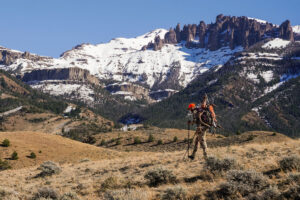
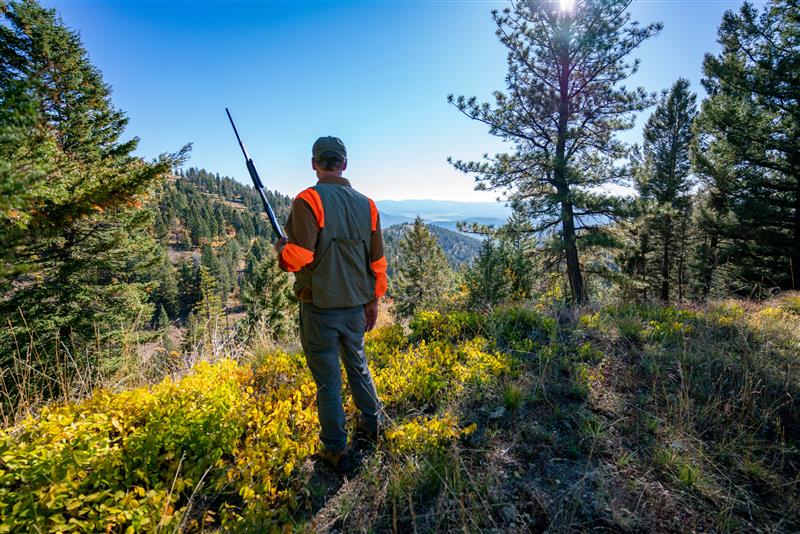
America’s 640 million acres of national public lands provide irreplaceable hunting and fishing opportunities to millions of Americans.

Learn More About Access
What TRCP is Doing

We’re working to safeguard America’s public lands so hunters and anglers always have quality places to pursue their passions.
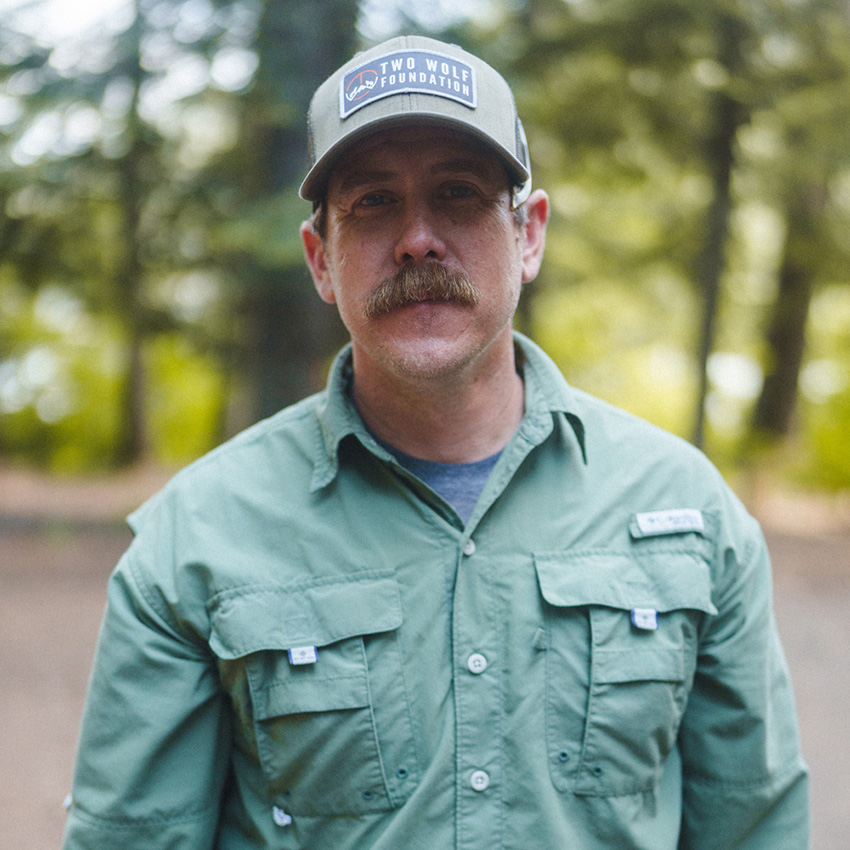
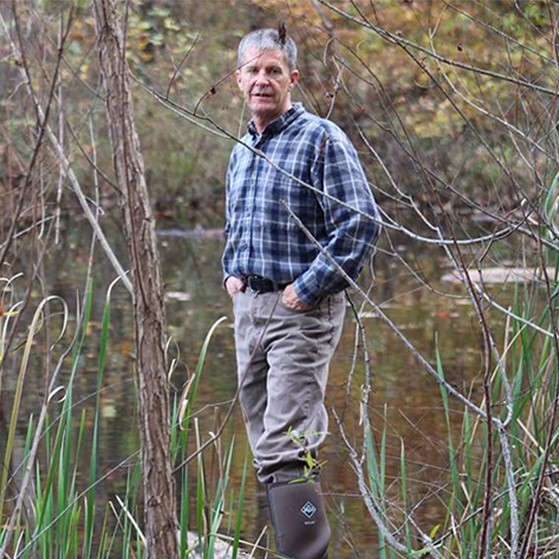
 Brian Flynn, Two Wolf Foundation
How Sportsmen Are Doing It Right

Brian Flynn, Two Wolf Foundation's Story

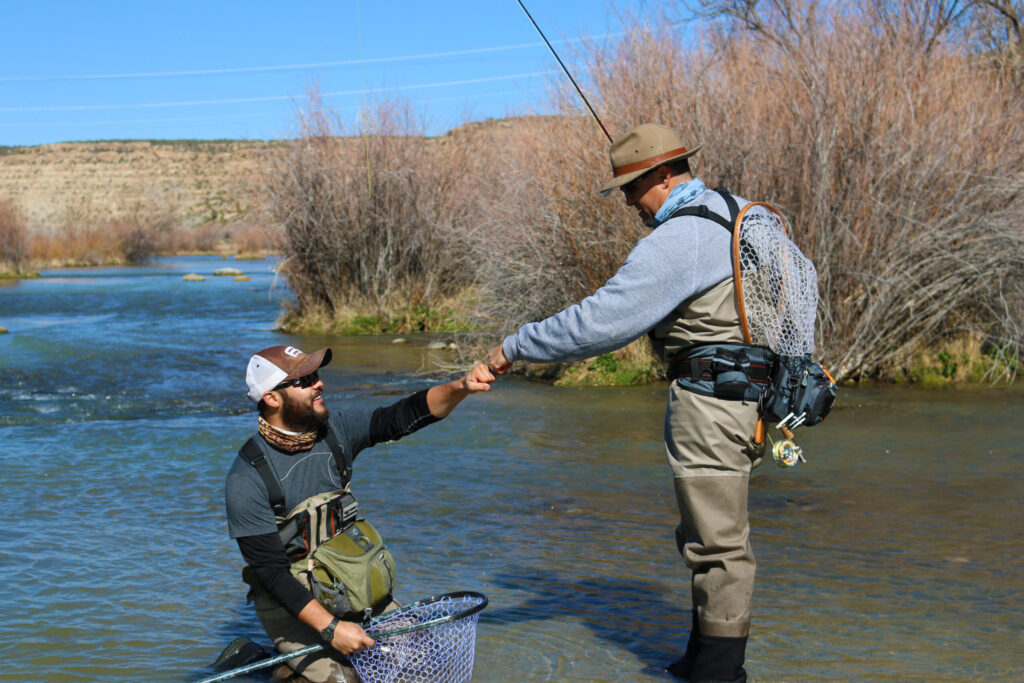
Following a distinguished career in the U.S. Army, lifelong outdoorsman Brian Flynn returned home from a deployment in Afghanistan and…

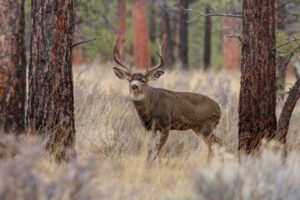
Hunting
Why It Matters

Key Issues for America’s Hunters

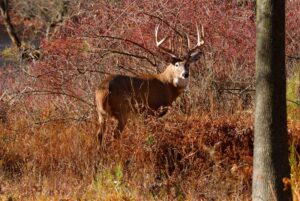
Your source for the latest policy updates, conservation challenges, and opportunities shaping America’s hunting traditions.

What TRCP is Doing

We’re fighting for meaningful policy changes that benefit wildlife, our waters, and the American landscapes that make our outdoor traditions possible.

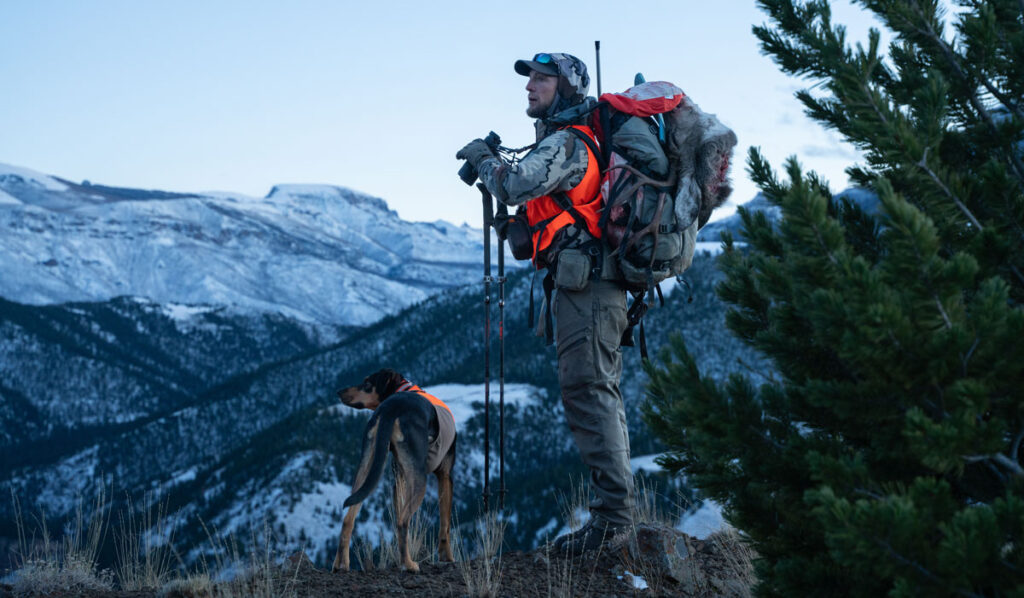
 Ryan Sparks
How Sportsmen Are Doing It Right

Ryan Sparks's Story

TRCP’s “In the Arena” series highlights the individual voices of hunters and anglers who, as Theodore Roosevelt so famously said,…
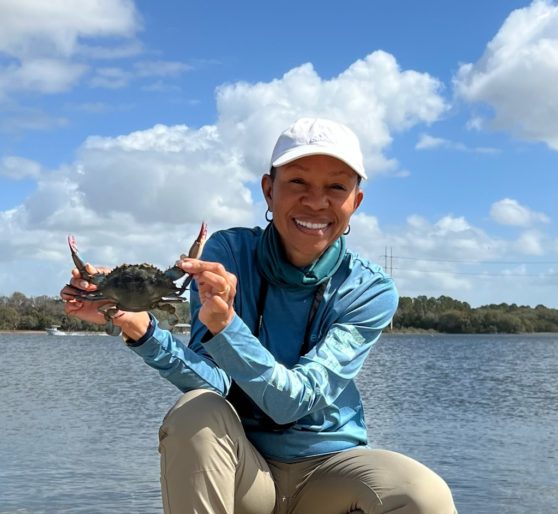
Fishing
Why It Matters

Key Issues for America’s Anglers

Your source for the latest policy updates, conservation challenges, and opportunities shaping America’s fishing traditions.

What TRCP is Doing

We’re fighting for meaningful policy changes that benefit wildlife, our waters, and the American landscapes that make our outdoor traditions possible.

 David Mangum
How Sportsmen Are Doing It Right

David Mangum's Story

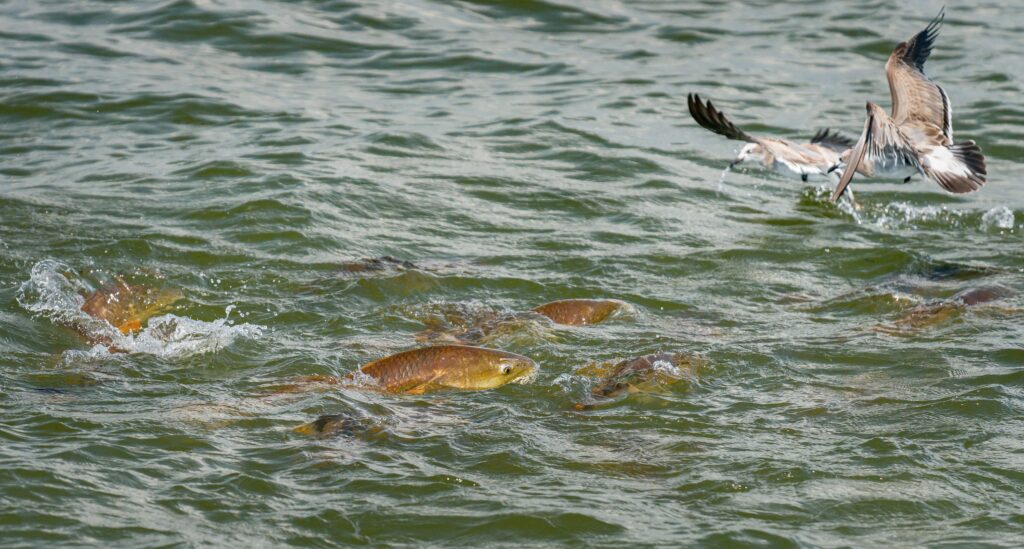
Capt. David Mangum is a YETI ambassador and outdoor photographer who utilizes his talents to produce media that inspire a…

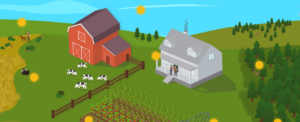
Private Land
Why It Matters

Stewardship on America’s private lands

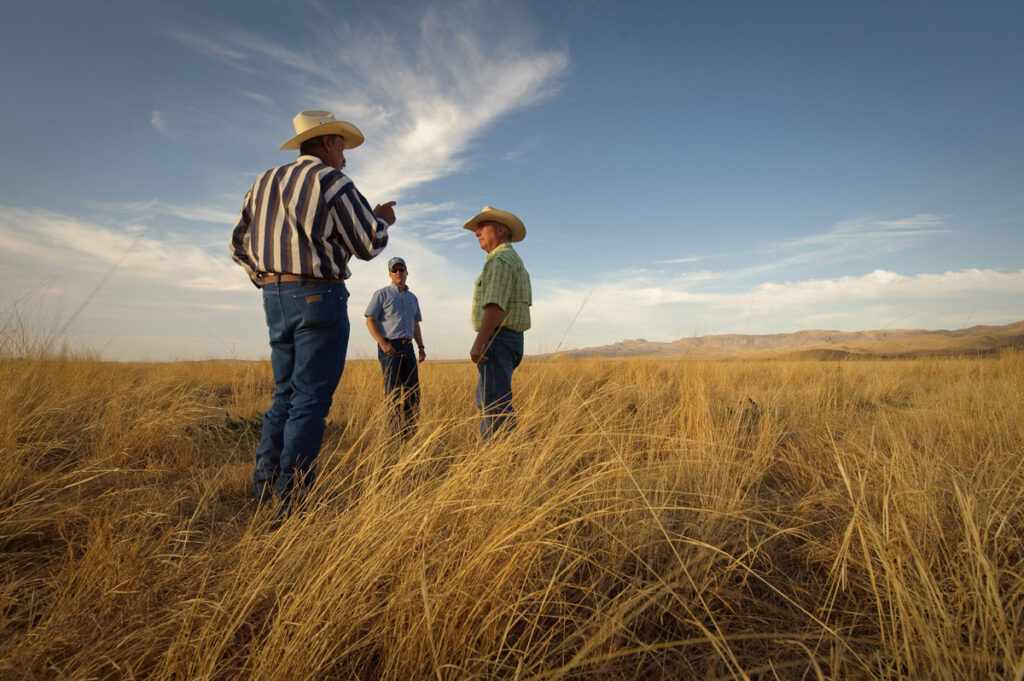
With 70 percent of U.S. lands in private hands and many of our best hunt and fish opportunities occurring there, investing in voluntary conservation on working lands safeguards access, strengthens habitat and water quality, and ensures resilient landscapes.

Learn More
What TRCP is Doing

We champion policies and programs that restore wildlife habitat, improve soil and water health, and keep working lands productive.

 Ward Burton
How Sportsmen are Doing It Right

Ward Burton's Story

Ward Burton’s NASCAR driving career stretched across most of two decades. As an avid sportsman and conservationist, he founded the…

Special Places
Why It Matters

Special Places Worth Protecting

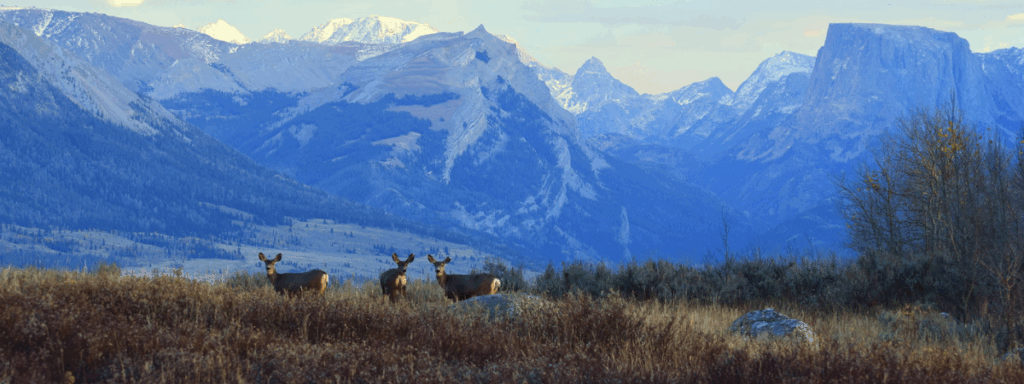
America’s most iconic landscapes provide unmatched habitat and unforgettable days afield. These places sustain wildlife, anchor local economies, and define the hunting and fishing traditions we pass down.

What TRCP is Doing

We’re working to conserve special places that provide world-class habitat and unforgettable opportunities for hunters and anglers.

 Franklin Adams
How Sportsmen Are Doing It Right

Franklin Adams's Story

As a true Gladesman, conservationist, and historian, Capt. Franklin Adams has spent more than six decades championing Everglades restoration efforts…

Habitat & Clean Water
Why It Matters

Healthy Habitat Powers Every Pursuit

All hunting and fishing opportunities depend on quality habitat, from clean water and healthy wetlands to winter and summer habitats and the migration corridors that connect them.

All About Habitat & Clean Water
What TRCP is Doing

We are working to safeguard the habitats that power every hunting and fishing opportunity.

 Alex Harvey
How Sportsmen Are Doing It Right

Alex Harvey's Story

Alex Harvey, founder of Legacy Land Management, is a registered professional forester in Mississippi and Alabama with a Master's degree…

Science
Why It Matters

Science That Guides TRCP

From conserving migration corridors and wetlands to ensuring clean water and resilient landscapes, science provides evidence that turns conservation goals into effective action.

Science for Conservation
What TRCP is Doing

For hunters and anglers, science safeguards the experiences we treasure including resilient big game populations, abundant fish, and wild places that endure changing social landscapes.

Jamelle Ellis
Your Science Expert

Jamelle Ellis's Story

Jamelle Ellis joined the Theodore Roosevelt Conservation Partnership in 2022. Jamelle spent the last three years as an environmental sustainability…

Where We Work
Across the Nation

Conservation Across America

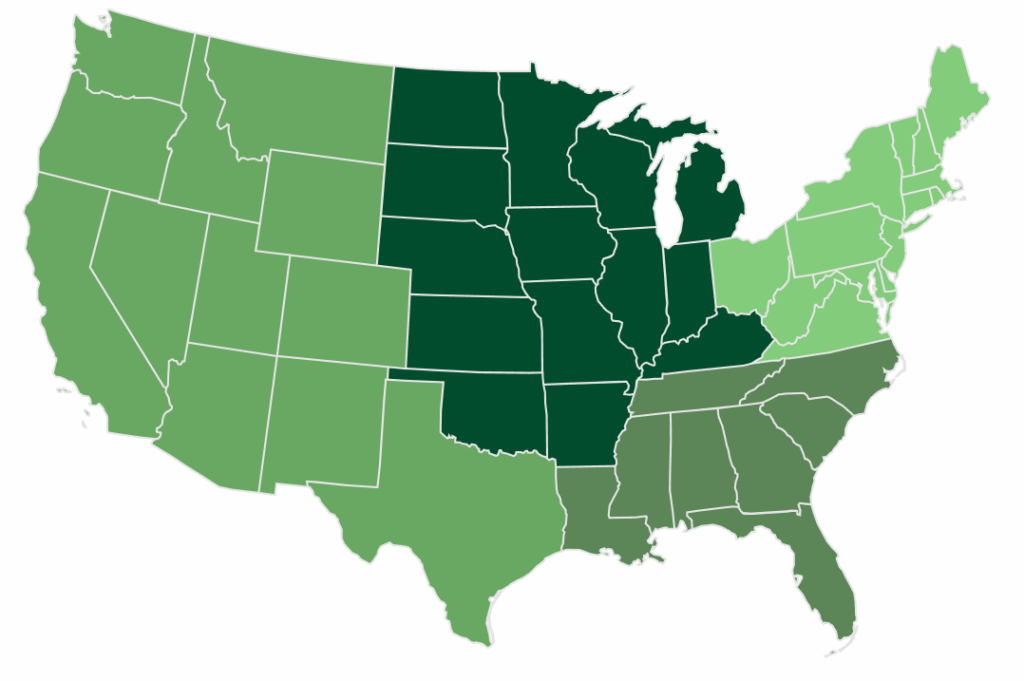
TRCP works across the country to ensure hunters and anglers can enjoy healthy fish and wildlife and quality days afield, no matter where they live.

See All Issues
TRCP in Your Region

TRCP works across the country to ensure hunters and anglers can enjoy healthy fish and wildlife and quality days afield, no matter where they live.

Who We Are
Our Mission

To guarantee all Americans quality places to hunt & fish

We unite and amplify our partners’ voices to advance America’s legacy of conservation, habitat, and access.

Our Mission & Values
Our People & Partners
  • Meet the TRCP Team

    Our staff and board members unite and amplify our partners’ voices to advance America’s legacy of conservation, habitat, and access.

    Meet the Team
  • Our Partners

    ‘Partnership’ is in our name. We work with 64 diverse partner groups that represent today’s leading hunting, fishing, and conservation organizations in order to strengthen the sportsman’s voice in Washington, D.C.

    Our Partners
  • Corporate Council

    TRCP’s Corporate Council is made up of diverse corporations that share a common passion for conservation.

    Corporate Council
Our Organization

Looking for more information?

Explore our latest news, policy updates, and conservation resources to get the information you need.

Giving
How You Can Help

To guarantee all Americans quality places to hunt & fish

Your tax-deductible donation will support TRCP's mission, now and into the future.

DONATE
Special Ways to support trcp
  • Capital Conservation Awards Dinner

    The CCAD is one of Washington's best-attended conservation celebrations, featuring dinner, cocktails, and a silent auction.

    Learn More
  • Step Into the Arena

    Help us ensure that our treasured wild habitats and game remain intact for the next generation to enjoy – lend your support to the TRCP’s efforts today!

    Donate
  • Roosevelt Roast

    TRCP has partnered with Afuera Coffee Co. to further our commitment to conservation.

    Learn More
More donation options

Find the best way for you to lend your support. Join one of TRCP’s donor circles for special invitations, premium offerings from outdoor retailers, and more exclusive benefits. Take control of your legacy with planned giving or contribute to special conservation funds.

Other Ways To Give
News
In the Spotlight

House Agriculture Committee Chairman GT Thompson Introduces Farm Bill Proposal 

Hunters and anglers depend on strong Conservation and Forestry Titles, and TRCP will closely evaluate the bill's impacts as it moves forward.

Read More

Stay Informed

Receive our newsletter, the Roosevelt Report, right in your inbox. Never miss the latest news in conservation issues.

by:

posted in:

January 26, 2017

8318482230_ecf03e7919_k

Do you have any thoughts on this post?

XHTML: You can use these tags: <a href="" title=""> <abbr title=""> <acronym title=""> <b> <blockquote cite=""> <cite> <code> <del datetime=""> <em> <i> <q cite=""> <s> <strike> <strong>

Comments must be under 1000 characters.

by:

posted in:

January 25, 2017

Local Public Input is Critical to Rebuilding Louisiana’s Coastline

The public process for vetting these important projects will affect conservation, hurricane protection, and land loss over the next five years

Louisiana’s coast is a dynamic landscape of swamps, marsh lands, barrier islands, bayous, rivers, lakes and bays surrounding coastal towns and cities—and all of this is linked by a unique culture of food, music, fishing, hunting, and other outdoor activities that rely on our abundant natural resources.

Unfortunately, for the last 80 years, this ever-changing system has been shrinking faster than any other landscape on earth, threatening world-class fishing and hunting opportunities, domestic energy development, commercial seafood harvest, the country’s largest port system, and the homes of hundreds of thousands of residents.

The impacts to the nearly 2 million people living south of Interstate 10 (and arguably the entire state and nation) can be devastating, but there are solutions in the works and a public process for Louisianans to be heard. This week and last, concerned sportsmen and women had the chance to ask questions and challenge the folks in charge of planning for the next five years of coastal protection and restoration projects designed to reverse devastating land loss, while boosting fish and wildlife habitat.

Here’s what they learned.

A Plan for Louisiana’s Future

For the last decade, the Louisiana Coastal Protection and Restoration Authority has been tasked with trying to slow coastal land loss, protect coastal communities, and safeguard our infrastructure, including the kind that supports fisheries and wildlife. The blueprint for this effort has been a detailed list of projects and initiatives aimed at ensuring Louisianans don’t face the catastrophic losses we experienced during Hurricanes Katrina and Rita in 2005.

The Coastal Master Plan, by law, must be reviewed by the public every five years and then approved by the state’s legislature. As wonky as it sounds, this is a critical opportunity for everyday sportsmen and women to get involved with shaping the future of conservation in our state.

Where Funding Will Flow

The 2017 plan, like the 2012 plan before it, calls for funding to be split roughly in half between building community resiliency—using levees and floodwalls and elevating homes and businesses—and habitat restoration—through marsh and barrier island creation, diversions, and limiting saltwater intrusion.

Thanks mostly to the nearly $8 billion the state has received, or will receive, in fines from BP and others responsible for the 2010 Deepwater Horizon oil disaster, some coastal wetlands, barrier islands and vital ridges and other geographic features can be created, restored, and protected in the long term. The agency proposes to accomplish this by diverting sediment from the Mississippi River below New Orleans, diverting freshwater from the Mississippi and Atchafalaya Rivers to wetlands threatened by saltwater intrusion, and various dredging projects.

Diversions are the cornerstone of efforts to restore and sustain the marshes adjacent to the Mississippi River. A single diversion on the west side of the river south of New Orleans called the Mid-Barataria Diversion, will move as much as 75,000 cubic feet per second of sediment-laden river water into shallow bays and lakes to help re-establish marshes that have been lost over the last century to erosion and subsidence. East of the river, the Mid-Breton Diversion will move water at about 35,000 cubic feet per second.

Impact to Fish and Wildlife

The 2017 plan is the first Master Plan for our area with detailed models that predict the future of coastal habitat for species like speckled trout, brown and white shrimp, largemouth bass, and crawfish—fisheries that are vital to commercial and recreational fishermen. It also projects what changes we can expect for habitat important to gadwall and teal, the ducks most targeted by coastal waterfowl hunters.

The area south of Buras was brackish and salt marsh as late as the 1970s, but has become almost entirely open water in the last 40 years. Louisiana has lost more than 1900 square miles of coastal lands in the last century. This satellite image was taken in 2012. Image courtesy of NOAA.
And If We Do Nothing?

Unfortunately, the latest models also paint a grimmer picture of what can realistically be saved and protected and what will, ultimately, be claimed by the Gulf of Mexico. The worst-case scenario from 2012 was a one- to two-foot rise in sea level—these are now the best-case scenarios in the 2017 plan.

If we do nothing, projections show that as much as 4,000 square miles of land will sink or be inundated by rising seas (yes, both of these things are happening at once) over the coming century—that’s more than twice the land loss predicted in 2012.

More than 25,000 homes and businesses across Louisiana’s coast will have to be elevated and made more storm-resilient over the next half century so as not to succumb to coastal flooding from tropical storms, hurricanes, and other extreme weather events. Some communities may have to be relocated altogether. Presenting this worst-case scenario isn’t the easiest task for state coastal planners, but it’s absolutely essential that coastal residents understand the difficult future that lies ahead in an ever-changing landscape.

How You Can Help

We’ve outlined the basics here, but if you want to learn more, read the full draft plan at the Louisiana CPRA website. Public comments are still being accepted through March 26—it is your civic right and, ultimately, your duty as a sportsman to weigh in. Email masterplan@la.gov to make your voice heard!

by:

posted in:

January 23, 2017

What Rural America Needs Right Now is Support for Fish and Wildlife

If POTUS tackles these four major conservation priorities in the next two years, farmers, sportsmen, and critters in ag country will benefit

Federal policies that impact private and agricultural lands are a critical part of our country’s conservation equation: More than 70 percent of America’s total land is in private hands, and more than 50 percent is in agricultural use. So it’s no surprise that private land provides much of the habitat for both resident and migratory critters.

The TRCP and our partners have long sought to better balance the needs of production agriculture and private landowners with the needs of fish, wildlife, and sportsmen. And with President Trump’s promise to focus on the needs of rural America—and with a nominee to lead the Department of Agriculture who understands the sportsman’s perspective better than most—the next four years present a major opportunity to support habitat and water conservation solutions that also sustain agriculture in these communities.

Here are some of the conservation goals at USDA that we’ll be working toward in the first half of Trump’s tenure.

More Opportunities, Fewer Funding Cuts

The next administration needs to focus on growing, not cutting, conservation funding and support for landowners who want to do right by fish, wildlife, soil health, and water quality downstream.

The last Farm Bill consolidated or eliminated nearly a dozen conservation programs and reduced conservation spending by $4 billion compared to previous versions. Every year since then, more farmers, ranchers, and foresters have been prevented from enrolling in important voluntary conservation programs due to additional repeated cuts by Congress. Even states, tribes, and local governments looking to improve waterways or habitat conditions have not received the funding or guidance promised by the Farm Bill to help carry out their projects.

hunting pheasants Minnesota farm bill
Image courtesy of m01229/Flickr.

We cannot weaken our nation’s investment in habitat, water quality, or water quantity by underfunding any of USDA’s conservation programs. That’s why we have formally recommended that the Trump administration reject additional cuts to USDA conservation programs and ask to increase the budget for the technical assistance landowners need to put conservation on the ground. At the same time, the administration should push for better funding for programs that support locally-led projects to protect watersheds, mitigate flood damage, and reduce erosion—which is all critical to habitats and communities downstream.

More Accountability, Less Dysfunction

Landowners looking for conservation support aren’t just stymied by lack of program funding. As well as being locked out of conservation programs due to insufficient budgets, stakeholders who do get through the door have sometimes struggled to actually access the programs, claiming slower-than-usual payment delivery or reimbursements, and cumbersome or contradictory application requirements. Meanwhile, USDA has ended up in some worrying situations, such as when the government’s watchdog agency reported that the Department, because of insufficient enforcement, may have issued payments to landowners who violated wetlands or highly erodible land compliance requirements.

These and other issues undermine incentives for voluntary conservation and the legitimacy of USDA programs in the eyes of the American taxpayer. In the first 100 days of the presidency, we’d like to see steps to improve transparency, contracting, monitoring, and enforcement of conservation programs.

Healthier, More Drought-Resilient Waterways

Ongoing droughts across the United States reveal serious threats for meeting the needs of agricultural and other water users—like urban residents, outdoor enthusiasts, and fish and wildlife. Reservoirs in the Colorado River Basin, for instance, are at historic lows; the Colorado River no longer flows to the sea, and demand for water that vastly exceeds the supply threatens many fish and wildlife species that hunters, anglers, and others value.

Image courtesy of USDA.

In its first year, President Trump’s USDA should focus on drought resiliency and support new investments in water conservation that benefit both growers and fish and wildlife. One way we can get there is by working with private-sector lenders to help finance infrastructure improvements that prepare cities and farms for the next drought, while also benefiting rivers and fish—the resources that power tourism spending and local outdoor businesses.

A Farm Bill That Can Cross The Finish Line

Before September 2018, Congress will need to craft and pass the next Farm Bill—and delays can be just as damaging as no Farm Bill at all to those who are counting on it. It is essential that the Trump administration openly supports conservation in this major legislative vehicle and makes sure it moves efficiently toward passage.

Several years of painfully low farm incomes, along with extreme weather events, have created more competition among Farm Bill stakeholder groups for available funding, so our work is cut out for us. Sportsmen and women want to see a Farm Bill that recognizes the importance of the $646-billion outdoor recreation economy, especially in parts of the country where it’s tough to scratch out a living.

Image courtesy of USDA.

Healthy habitat, clean water, and sportsmen’s access on private lands is a critical piece of the business portfolio in rural America and deserves support from Trump’s USDA. That’s why we’ll be working with all stakeholders to boost conservation in the next Farm Bill.

You’ll be hearing a lot about that right here on the TRCP blog. Keep an eye out for Farm Bill updates every month, and let us know what conservation on private lands has done for critters in your neck of the woods by leaving a comment below.

by:

posted in:

Glassing the Hill: January 23 – 27

The Senate will be in session all week, while the House will recess on Wednesday to attend the congressional Republicans’ annual retreat in Philadelphia, Penn.

Lawmakers tinker with Obama-era regulations

Before January ends, the House is expected to block some regulations by utilizing the Congressional Review Act, which would allow Congress to debate controversial regulations that were introduced after May 16, 2016. The Stream Protection Rule, which would limit coal mining near waterways, and the Bureau of Land Management’s Methane and Waste Reduction Rule, which would reduce natural gas waste on public lands, could be on the chopping block. The CRA requires a simple majority to halt regulations, which Republicans in the Senate currently have at 52-48.

The Trump administration issued a government-wide freeze on unfinished rules and regulations held over from the waning days of the Obama administration. Freezing regulations is not an uncommon practice for newly elected presidents. In 2009, the Obama administration issued a similar memorandum soon after taking office.

Cabinet appointments begin to get locked in

Following confirmations of the Secretary of Defense and Secretary of Homeland Security, the Senate will continue to consider President Trump’s cabinet nominees, starting with the Congressman Mike Pompeo (R-Kan.) as the director of the Central Intelligence Agency.

In order for President Trump’s picks to take up cabinet positions, they must be confirmed by the Senate. Respective committees must vote in favor of the nominees before they are considered on the Senate floor, where they  must pass with more than 50 votes. Senate Democratic Leader Chuck Schumer has pledged to slow down the pace of floor consideration of Trump nominees to ensure they get a full debate.

Secretary of Agriculture selected, but not yet confirmed

President Trump’s pick to lead the U.S. Department of Agriculture, former Georgia Governor Sonny Perdue, will continue visiting with Senate Agriculture Committee members and other senators in preparation for the confirmation process and to discuss their expectations. The Senate Agriculture Committee has not scheduled a confirmation hearing as of this writing. We’re optimistic about Mr. Perdue’s potential to engage in conservation efforts in the Farm Bill and on U.S. National Forest Service lands.

What else we’re tracking:

The 115th congressional agendas and committee leader decisions will be discussed and decided on by the House Budget Committee, the House Appropriations Committee, and the House Energy and Commerce Committee on Tuesday, Jan 24.

by:

posted in:

January 19, 2017

Trump Taps a Quail Hunter for Secretary of Agriculture Seat

Former Georgia Governor Sonny Perdue understands the balance between agriculture and wildlife habitat on America’s private lands

WASHINGTON, D.C. – The hunting and fishing community recognizes the potential for collaboration and compromise in President-elect Trump’s pick for Secretary of Agriculture, announced today. An avid sportsman, former Georgia Governor Sonny Perdue has the kind of personal and policy experience that is likely to benefit the nation’s farmers and ranchers, as well as fish and wildlife habitat on private and public lands.

In Georgia, Perdue implemented the first comprehensive statewide land conservation plan, which included policy provisions aimed at improving wildlife habitat and boosting outdoor recreation opportunities, but his response to a major drought in 2007 was somewhat controversial. He also established a trust fund for the state to purchase conservation lands and encouraged the donation of perpetual conservation easements through a new tax credit that successfully conserved more than 185,000 acres.

“We’re happy to see that a true sportsman is a candidate for this position, especially one who worked to create a culture of conservation during his tenure as governor,” says Whit Fosburgh, president and CEO of the Theodore Roosevelt Conservation Partnership. “It’s clear to us that, where private lands dominate the landscape, local hunters and anglers track and care deeply about ag policy and its impacts on fish, wildlife, and water quality. They can feel optimistic that Perdue is up to the task of serving rural communities and our natural resources well.”

Farmland with wetland buffered by acres enrolled in the Conservation Reserve Program, Prairie Potholes Region, Iowa. Photograph by Mark Vandever, U.S. Geological Survey.

The Secretary of Agriculture oversees many of the federal agencies with a major role in conservation, including the Natural Resources Conservation Service, Farm Service Agency, and U.S. Forest Service. The next person to fill this leadership role will not only engage in debate over the 2018 Farm Bill, he or she will also lead the implementation of this legislation and oversee approximately $5 billion in annual conservation spending on private lands.

“While I’ve yet to meet the Governor, as hunters I’m sure we have commonality in understanding the importance of policies and programs that assist our nation’s farmers and ranchers with meeting resource conservation needs important to the overall sustainability of our agricultural system, while also benefiting fish and wildlife,” says Howard Vincent, president of Quail Forever and Pheasants Forever.

“We believe Gov. Perdue’s experiences afield will lead to a greater understanding of conservation needs, shared access, and multi-use opportunities on the numerous public lands managed by the USDA,” says George Thornton, CEO of the National Wild Turkey Federation.

Learn more about the coalition of hunting, fishing, and conservation groups working to enhance conservation funding, improve water and soil quality, and boost voluntary access programs in the next Farm Bill.

HOW YOU CAN HELP

TRCP has partnered with Afuera Coffee Co. to further our commitment to conservation. $4 from each bag is donated to the TRCP, to help continue our efforts of safeguarding critical habitats, productive hunting grounds, and favorite fishing holes for future generations.

Learn More

You have Successfully Subscribed!

You have Successfully Subscribed!

You have Successfully Subscribed!

You have Successfully Subscribed!