Our Issues
Public Lands
Why It Matters

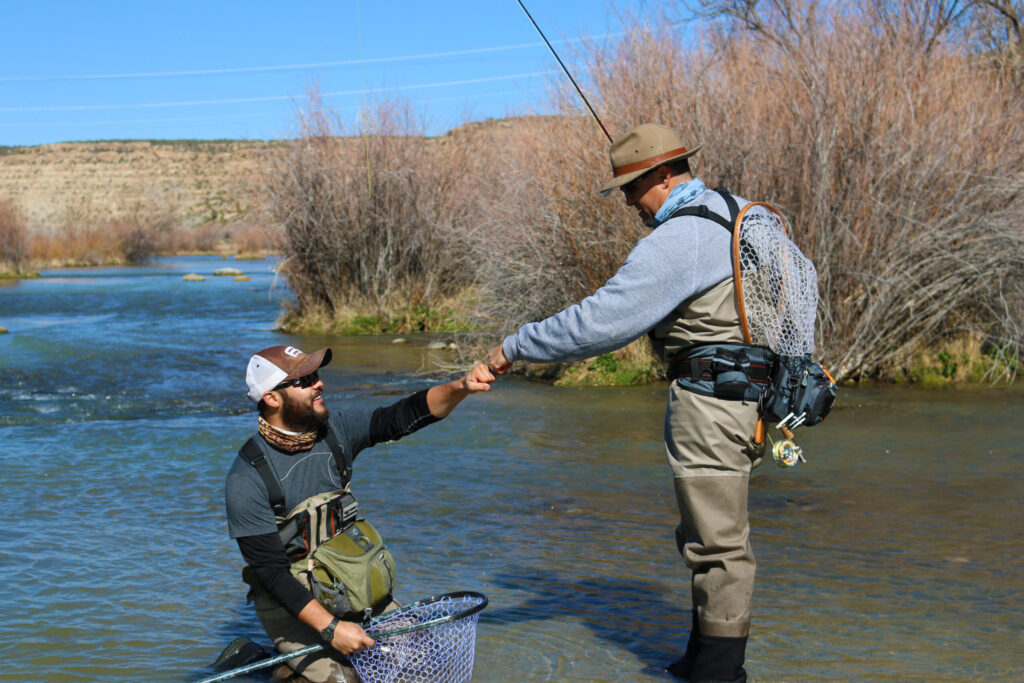
Hunting & Fishing Access

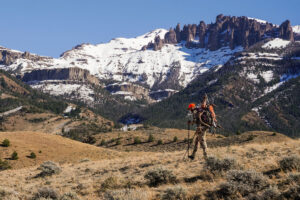
America’s 640 million acres of national public lands provide irreplaceable hunting and fishing opportunities to millions of Americans.

Learn More About Access
What TRCP is Doing

We’re working to safeguard America’s public lands so hunters and anglers always have quality places to pursue their passions.
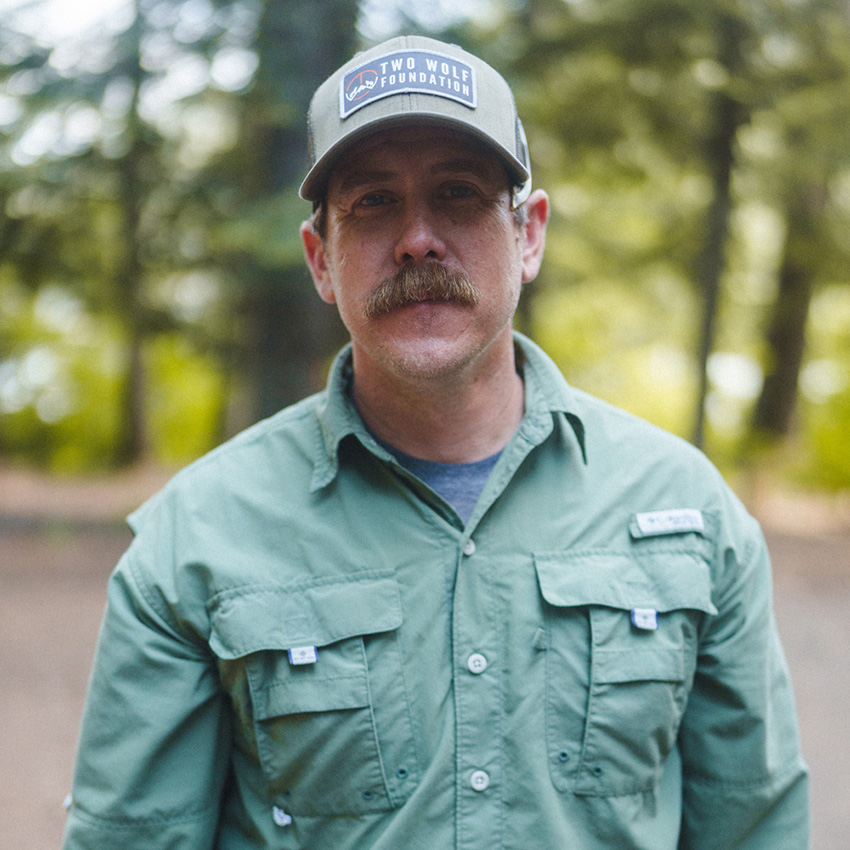
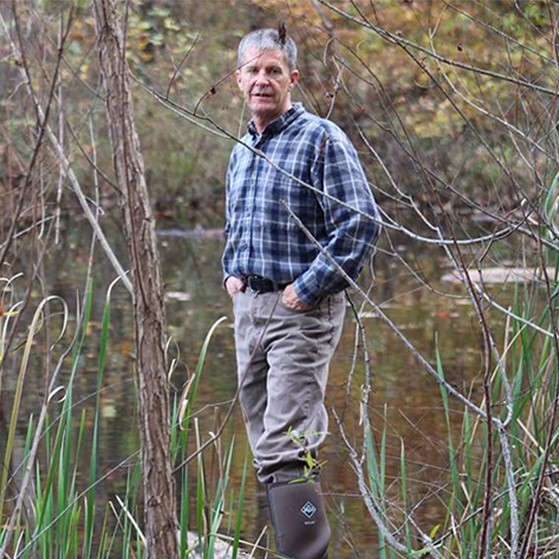
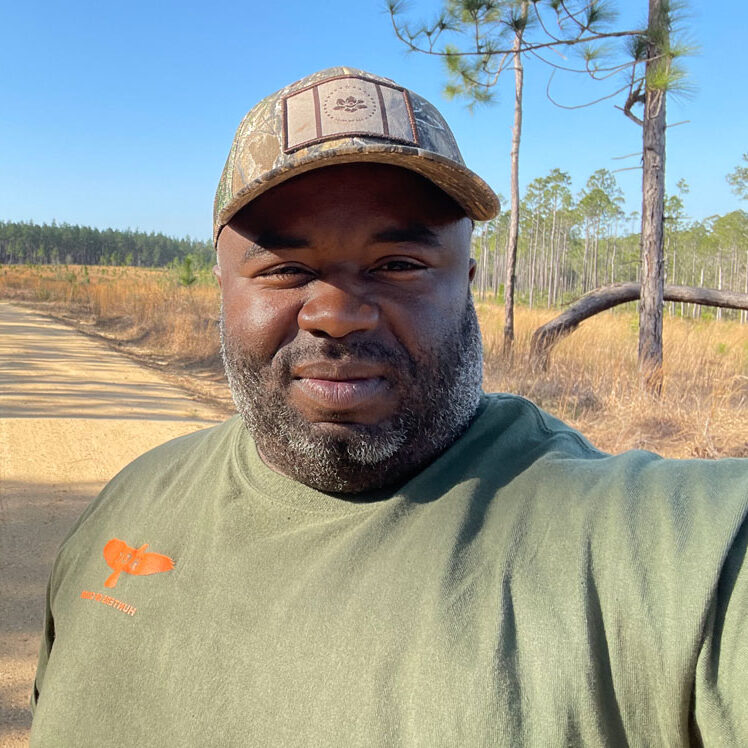
 Brian Flynn, Two Wolf Foundation
How Sportsmen Are Doing It Right

Brian Flynn, Two Wolf Foundation's Story

Following a distinguished career in the U.S. Army, lifelong outdoorsman Brian Flynn returned home from a deployment in Afghanistan and…

Hunting
Why It Matters

Key Issues for America’s Hunters

Your source for the latest policy updates, conservation challenges, and opportunities shaping America’s hunting traditions.

What TRCP is Doing

We’re fighting for meaningful policy changes that benefit wildlife, our waters, and the American landscapes that make our outdoor traditions possible.

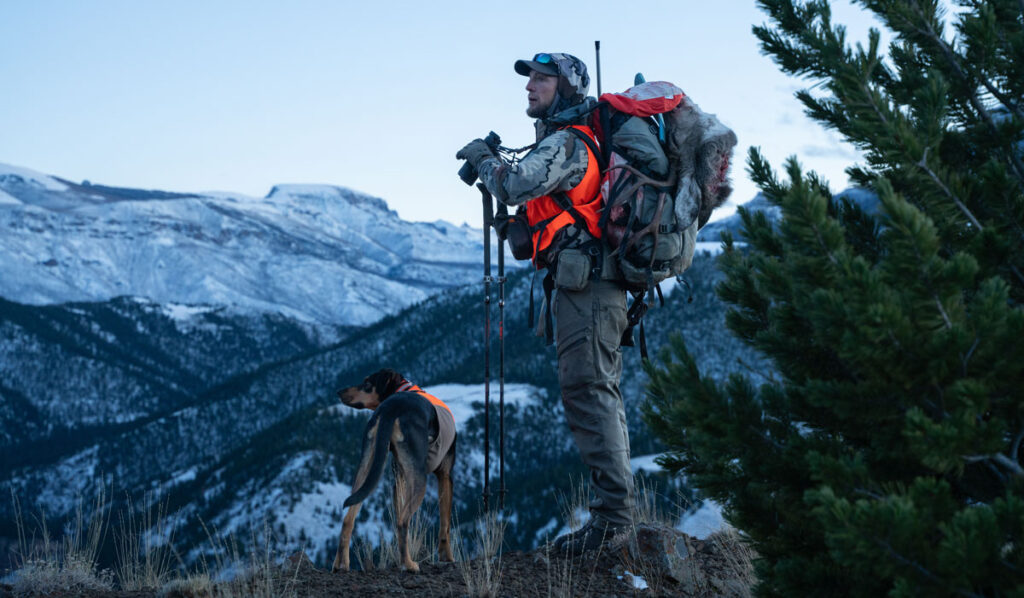
 Ryan Sparks
How Sportsmen Are Doing It Right

Ryan Sparks's Story

TRCP’s “In the Arena” series highlights the individual voices of hunters and anglers who, as Theodore Roosevelt so famously said,…
Fishing
Why It Matters

Key Issues for America’s Anglers

Your source for the latest policy updates, conservation challenges, and opportunities shaping America’s fishing traditions.

What TRCP is Doing

We’re fighting for meaningful policy changes that benefit wildlife, our waters, and the American landscapes that make our outdoor traditions possible.

 David Mangum
How Sportsmen Are Doing It Right

David Mangum's Story

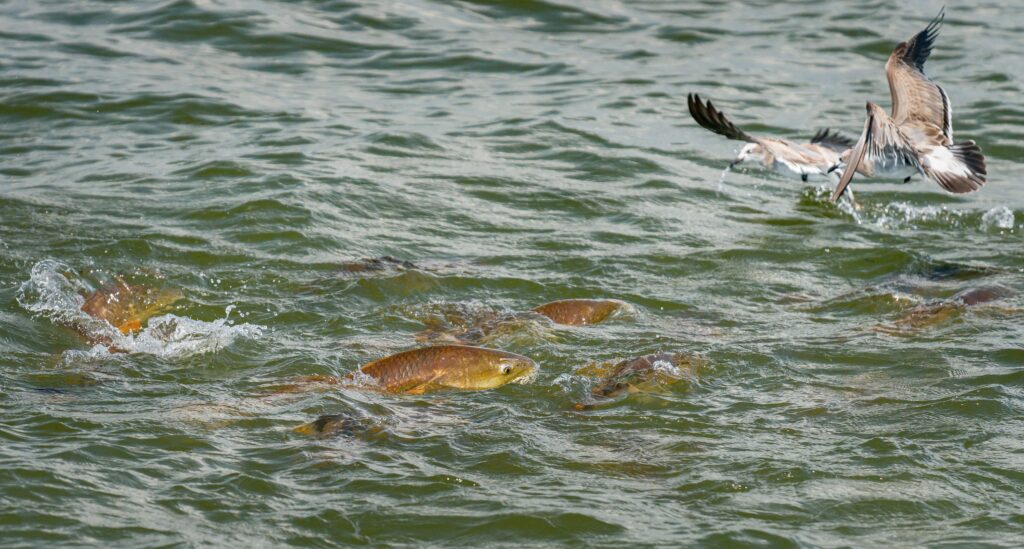
Capt. David Mangum is a YETI ambassador and outdoor photographer who utilizes his talents to produce media that inspire a…

Private Land
Why It Matters

Stewardship on America’s private lands

With 70 percent of U.S. lands in private hands and many of our best hunt and fish opportunities occurring there, investing in voluntary conservation on working lands safeguards access, strengthens habitat and water quality, and ensures resilient landscapes.

Learn More
What TRCP is Doing

We champion policies and programs that restore wildlife habitat, improve soil and water health, and keep working lands productive.

 Ward Burton
How Sportsmen are Doing It Right

Ward Burton's Story

Ward Burton’s NASCAR driving career stretched across most of two decades. As an avid sportsman and conservationist, he founded the…

Special Places
Why It Matters

Special Places Worth Protecting

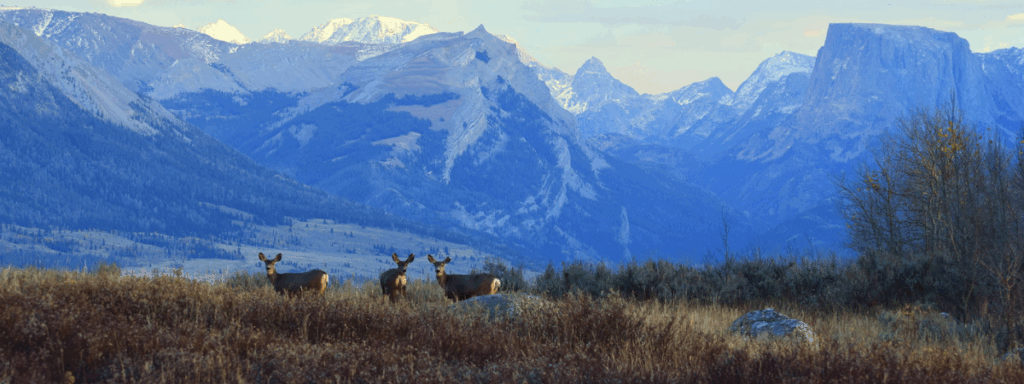
America’s most iconic landscapes provide unmatched habitat and unforgettable days afield. These places sustain wildlife, anchor local economies, and define the hunting and fishing traditions we pass down.

What TRCP is Doing

We’re working to conserve special places that provide world-class habitat and unforgettable opportunities for hunters and anglers.

 Franklin Adams
How Sportsmen Are Doing It Right

Franklin Adams's Story

As a true Gladesman, conservationist, and historian, Capt. Franklin Adams has spent more than six decades championing Everglades restoration efforts…

Habitat & Clean Water
Why It Matters

Healthy Habitat Powers Every Pursuit

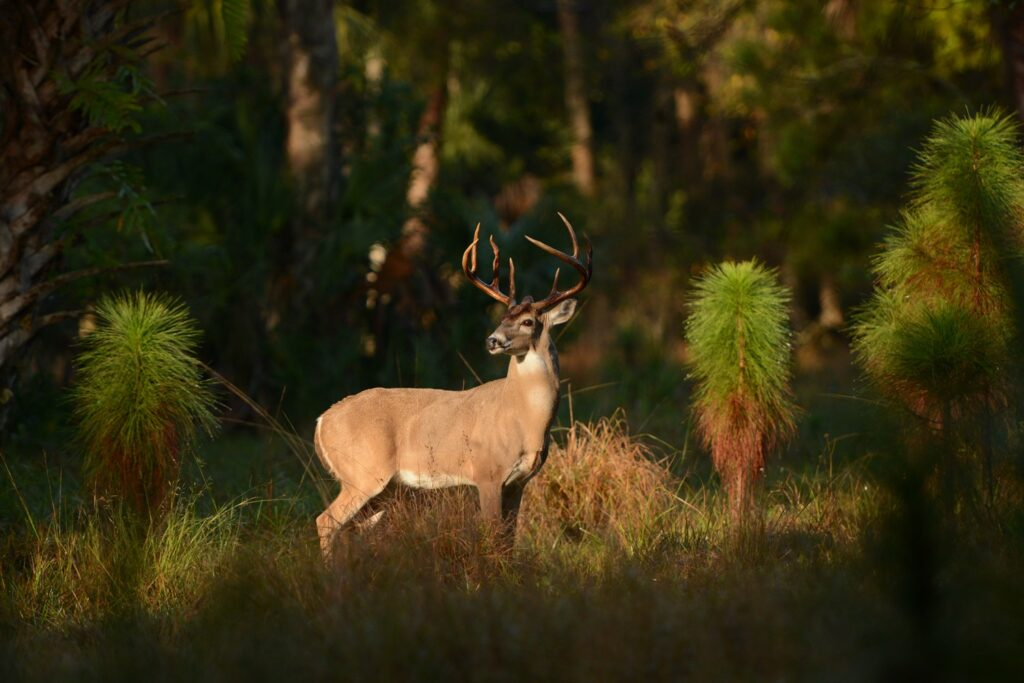
All hunting and fishing opportunities depend on quality habitat, from clean water and healthy wetlands to winter and summer habitats and the migration corridors that connect them.

All About Habitat & Clean Water
What TRCP is Doing

We are working to safeguard the habitats that power every hunting and fishing opportunity.

 Alex Harvey
How Sportsmen Are Doing It Right

Alex Harvey's Story

Alex Harvey, founder of Legacy Land Management, is a registered professional forester in Mississippi and Alabama with a Master's degree…

Science
Why It Matters

Science That Guides TRCP

From conserving migration corridors and wetlands to ensuring clean water and resilient landscapes, science provides evidence that turns conservation goals into effective action.

Science for Conservation
What TRCP is Doing

For hunters and anglers, science safeguards the experiences we treasure including resilient big game populations, abundant fish, and wild places that endure changing social landscapes.

Jamelle Ellis
Your Science Expert

Jamelle Ellis's Story

Jamelle Ellis joined the Theodore Roosevelt Conservation Partnership in 2022. Jamelle spent the last three years as an environmental sustainability…

Where We Work
Across the Nation

Conservation Across America

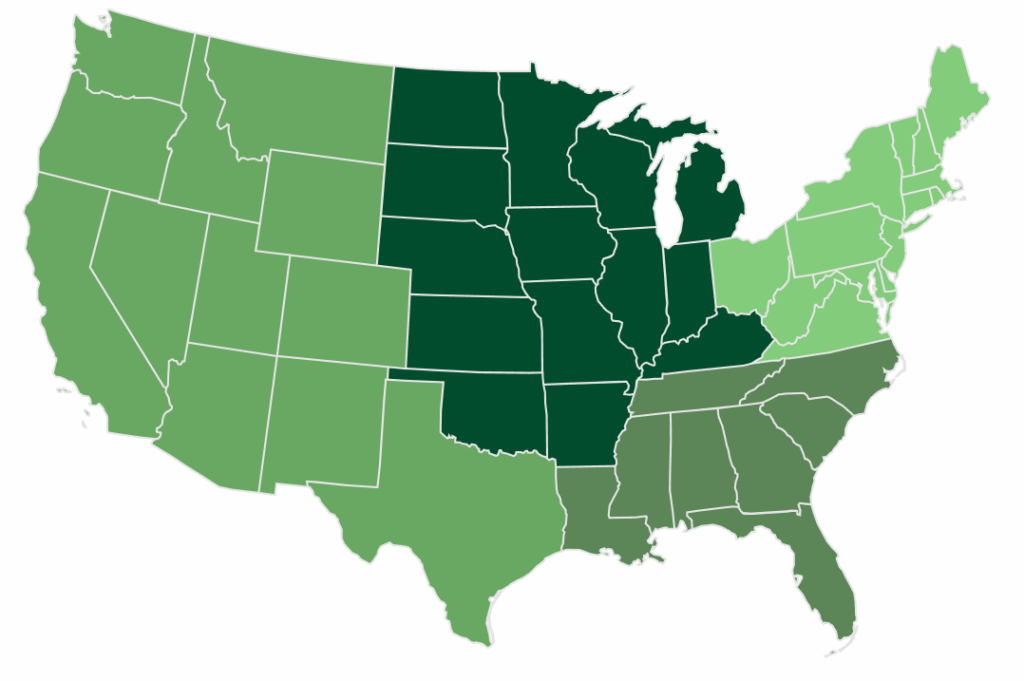
TRCP works across the country to ensure hunters and anglers can enjoy healthy fish and wildlife and quality days afield, no matter where they live.

See All Issues
TRCP in Your Region

TRCP works across the country to ensure hunters and anglers can enjoy healthy fish and wildlife and quality days afield, no matter where they live.

Who We Are
Our Mission

To guarantee all Americans quality places to hunt & fish

We unite and amplify our partners’ voices to advance America’s legacy of conservation, habitat, and access.

Our Mission & Values
Our People & Partners
  • Meet the TRCP Team

    Our staff and board members unite and amplify our partners’ voices to advance America’s legacy of conservation, habitat, and access.

    Meet the Team
  • Our Partners

    ‘Partnership’ is in our name. We work with 64 diverse partner groups that represent today’s leading hunting, fishing, and conservation organizations in order to strengthen the sportsman’s voice in Washington, D.C.

    Our Partners
  • Corporate Council

    TRCP’s Corporate Council is made up of diverse corporations that share a common passion for conservation.

    Corporate Council
Our Organization

Looking for more information?

Explore our latest news, policy updates, and conservation resources to get the information you need.

Giving
How You Can Help

To guarantee all Americans quality places to hunt & fish

Your tax-deductible donation will support TRCP's mission, now and into the future.

DONATE
Special Ways to support trcp
  • Capital Conservation Awards Dinner

    The CCAD is one of Washington's best-attended conservation celebrations, featuring dinner, cocktails, and a silent auction.

    Learn More
  • Step Into the Arena

    Help us ensure that our treasured wild habitats and game remain intact for the next generation to enjoy – lend your support to the TRCP’s efforts today!

    Donate
  • Roosevelt Roast

    TRCP has partnered with Afuera Coffee Co. to further our commitment to conservation.

    Learn More
More donation options

Find the best way for you to lend your support. Join one of TRCP’s donor circles for special invitations, premium offerings from outdoor retailers, and more exclusive benefits. Take control of your legacy with planned giving or contribute to special conservation funds.

Other Ways To Give
News
In the Spotlight

Part II: Conservation, Access, and Public Land Management in Nevada

Understanding how targeted, conservation-driven decisions can strengthen wildlife habitat and hunter and angler access in Nevada.

Read More

Stay Informed

Receive our newsletter, the Roosevelt Report, right in your inbox. Never miss the latest news in conservation issues.

by:

posted in:

January 12, 2017

Image-Courtesy-of-Lally-Laksbergs–Flickr

Do you have any thoughts on this post?

XHTML: You can use these tags: <a href="" title=""> <abbr title=""> <acronym title=""> <b> <blockquote cite=""> <cite> <code> <del datetime=""> <em> <i> <q cite=""> <s> <strike> <strong>

Comments must be under 1000 characters.

by:

posted in:

My First Hunt Made Me a Public Lands Believer

A woman’s first mule deer hunt in Oregon takes her from hunting skeptic to #PublicLandsProud convert

This fall, I did something I never thought I would do—I went hunting.

I didn’t grow up with hunting traditions. In fact, five years ago, my opinion of hunting was probably more aligned with a stereotype than it was based on an actual person or group of people I knew who hunted.

Then I met Kevin, and suddenly found myself dating a hunter. You know him as TRCP’s Western field associate.

Through Kevin’s passion for hunting and the outdoors, I found myself immersed in a new world. We cooked wild game together, and I sat in on fascinating conversations among his friends regarding hunting ethics, outsider perceptions, and conservation.

I began to see hunting as a culture, and it changed my perspective enough that I thought about giving it a try myself.

The author on a beautiful, but chilly, public-lands opening morning. Image courtesy of Kevin Farron.

A Humbling Hunt

This fall, against all odds, I drew tags for a mule deer buck and cow elk in Oregon—something that I hadn’t totally prepared for, especially since we wound up moving to Missoula, Mont., right before the season started. On the long drive back to the Beaver State, I studied YouTube videos on how to quarter a deer and pondered if there were any quick car exercises that could make up for my woeful lack of preparation in the physical fitness department.

We met up with Alex, a friend from Oregon, and made camp. This was Alex’s third year hunting mule deer, though he had yet to harvest one. Still, I remained confident—how hard could it be?

Sitting against a tree on opening morning, I listened to the forest waking up all around us as the sun rose over the mountains, and I felt a sense of awe. The landscape was breathtaking. If it weren’t for the tag in my pocket, I wouldn’t have seen that sunrise or experienced any of the lessons I learned that day. I was starting to understand what Kevin and his friends had been going on about.

“If it weren’t for the tag in my pocket, I wouldn’t have seen that sunrise.” Image courtesy of Kevin Farron.

I had no luck on opening day, but each encounter with an animal renewed my sense of excitement. As we crept up over a hill in late morning, Kevin stopped abruptly and whispered, “I see one.” I craned my neck to spot the animal he was looking at, adrenaline pumping. The deer was resting under a tree, partially obscured, but when its head turned, we both saw that it was a doe. That night, I remember having vivid dreams of seeing a buck instead and pulling off the perfect shot. When I woke up the next morning, I was giddy, ready to try again.

The next weekend, as Kevin and I were trudging up yet another steep hill while glassing the opposite hill for movement, our radio went off—Alex had shot a forked horn mule deer, his first! With no regard for any unseen animals that might be nearby, we whooped and hollered over the radio, sharing in his excitement. We got his coordinates and headed his way for the pack out.

I watched as Alex and Kevin field dressed the buck, seeing it transition from being an animal on the ground to different cuts of meat hanging from the trees. Alex kept the hide and cut out the ribs, wanting to savor each bit of his trophy and show full respect to the animal. By the time we loaded our packs and headed out with headlamps aglow, only a pile of guts and a few bones were left behind. For me, a big part of why I wanted to hunt was being able to provide my own meat and know where it came from. In today’s world where so much of our food processing is out of sight, this experience was the circle of life made tangible—an eye-opening experience of hunting for food and wasting nothing.

Lessons Learned

“On my first hunting trip, I learned that sometimes all you get is to see the sun come up and go back down, and sore legs.” Image courtesy of Laura Sligh.

Although I never did pull the trigger, being a witness to Alex’s achievement was enough to get me hooked, though I don’t know if I’ll ever be obsessed with it the way Kevin is. Hunting is humbling in a way that I hadn’t expected. I went into it with starry eyes, thinking I would punch my tag on opening morning, but it wasn’t easy. I came back to camp at night tired, hungry, and cold. I can only imagine how difficult conditions would be without healthy habitat, plentiful big game, and access to public lands. So, you could say I learned the value of conservation at the same time that I was paying my dues in the field.

All in all, I was refreshed by the beauty and adventure of public lands, no matter the outcome. I’m aware now more than ever of the incredible bounty that public lands can provide, but I’ve also witnessed their fragility. The adventures I had this fall would not have been possible without them. Public lands are ours to enjoy, but first and foremost, they are ours to defend. I now truly know what it means to be #publiclandsproud, and I can’t wait to try again next fall.

Laura Sligh grew up in the tiny town of Holland, Mich. and currently lives in Missoula, Mont. When she’s not adventuring on public lands with her boyfriend, TRCP’s Western field associate Kevin Farron, and black Lab Leo, she’s knitting baby hats with their cat on her lap, or trying to master a new wild-game recipe.


by:

posted in:

January 10, 2017

All the New Features of TRCP’s Revamped Website

It’s a new year and a new chapter in Washington, and we’re geared up to tackle the future of conservation with a completely redesigned trcp.org.

With our new look, we’ll continue to bring you up to speed on the conservation issues that matter to you, but it’ll be a lot more fun. Here’s what to expect:

  • Total access, no squinting. No matter where you are, you’ll now be able to enjoy our content, take action, or make a donation comfortably from any of your devices.
  • All our content under one roof. Now, there’s just one destination for our latest news and blog posts.
  • Personalized reading lists. If you’re interested in a topic, we’ll serve up a “playlist” of posts that you might be into.
  • A deeper dive on the issues. Conservation is a complex topic, but what we care about boils down to this: We need habitat and clean water, plenty of access to hunting and fishing spots, and support for conservation funding and outdoor recreation businesses. Explore the legislation and management challenges related to these essential fights, and we’ll always give you at least one opportunity to take action and make a difference.
  • Inspiration from T.R. himself. We put some of Theodore Roosevelt’s best quotes about conservation front and center on the homepage to remind us of the legacy we’re here to uphold.

We hope our fresh design will make it easier for you stay in-the-know and engaged on the front lines of conservation. Let us know what you think of our makeover by emailing info@trcp.org. We’d love to hear from you.


by:

posted in:

TRCP’s Revamped Website Makes Conservation Accessible to All Sportsmen

News for Immediate Release

Jan. 10, 2017

Contact: Kristyn Brady, 617-501-6352, kbrady@trcp.org

Redesign highlights the organization’s core issues, superior content, and opportunities for advocates to take action

WASHINGTON, D.C. – The Theodore Roosevelt Conservation Partnership is proud to announce the official launch of its newly redesigned website at trcp.org. The site overhaul puts original content, educational resources, and opportunities for action front and center, so American sportsmen and women have the tools to advocate for conservation policy that benefits fish, wildlife, and habitat.

“Conservation is the bedrock of all our American traditions in the outdoors, but it is often forged online by the sportsmen and women willing to engage and speak out for better policies and funding,” says Whit Fosburgh, TRCP’s president and CEO. “We hope our new site will continue to serve as an invaluable resource, point of discovery, and outlet for action.”

TRCP worked with Sage Lion Media, a marketing agency out of Denver, Colo., to focus on ease of navigation with a new mobile-responsive design. The homepage showcases some of Theodore Roosevelt’s best quotes, as well as the core issues that the organization fights for: habitat and clean water, sportsmen’s access, and a robust outdoor recreation economy. The TRCP blog features a customized reading list to introduce users to other conservation topics of interest. And with all its content under one roof, nearly every page showcases beautiful photos and the engaging opinion-driven conservation stories that TRCP is known for.

Visit trcp.org now to see what’s new.

by:

posted in:

January 9, 2017

Glassing the Hill: January 9 – 13

The TRCP’s scouting report on sportsmen’s issues in Congress

Last week was the kick-off of the 115th Congress. Here’s what you may have missed:

Public lands were threatened on the first day. A provision was included in the House rules package that would allow the Congressional Budget Office to not consider the lost revenues from transferring public lands, potentially easing the path forward for transfer. The package passed the House on party lines.

Efforts were made to eliminate recent regulations during the first week. The House quickly passed two bills which aim to facilitate the removal of rules that were made in the final days of the Obama administration. “The Midnight Rules Relief Act” would allow a single joint resolution by lawmakers to disapprove multiple rules finalized in the administration’s final days, and “The Regulations from Executive in Need of Scrutiny Act” (REINS Act) would require congressional approval for any federal rule that would impact the economy with costs that exceed $100 million. The Senate introduced their own versions of these bills as well: S. 34 and S. 21.

Another way to undo previous rules might be used to weaken water protections. As Obama-era regulations continue to be a major focus of the new Congress, it seems likely that the Congressional Review Act (CRA) may be utilized to stop the most highly controversial rules. The CRA would allow Congress to consider stopping rules that were introduced after May 16, 2016 with only a simple majority. One rule the Republican leadership would like to see blocked first is the Stream Protection Rule, which would limit regulations for coal mining near waterways. The House is expected to begin considering rules under the CRA as early as January 30.

The national monument designation process is also under scrutiny. Senator Lisa Murkowski (R-Alaska) and 25 Senate Republicans introduced “The Improved National Monument Designation Process Act,” which would require congressional approval, state legislature and local support, and a certification of compliance with the National Environmental Policy Act before national monuments and marine monuments can be declared by the president.

This is what we’re scoping this week:

We’ll be watching 2017 budget discussions for provisions that affect habitat and access. To this point, 21 amendments have been filed to the Senate Budget Resolution, with many more expected. The Senate is expected to be voting on budget-related amendments for the majority of this week, including a likely “vote-a-rama,” during which many votes will be stacked one after the other into a late-night voting session. Amendments must be written in a way that makes them germane to the budget, but can cover a wide range of policy issues.

The process of confirming Trump’s cabinet might begin this week with testimonies in nominees’ respective Senate committees. President-elect Donald Trump’s nominees for EPA Administrator Scott Pruitt and Energy Secretary Rick Perry, attended meetings with Republicans and Democrats last week in advance of confirmation hearings that will be announced soon. Congressman Ryan Zinke (R-Mont.), Trump’s Interior Secretary nominee, will be meeting with Senate Energy and Natural Resources Committee members this week in advance of a confirmation hearing that Chairwoman Murkowski pledged will happen before the inaugural ceremonies on Jan 20.

HOW YOU CAN HELP

TRCP has partnered with Afuera Coffee Co. to further our commitment to conservation. $4 from each bag is donated to the TRCP, to help continue our efforts of safeguarding critical habitats, productive hunting grounds, and favorite fishing holes for future generations.

Learn More

You have Successfully Subscribed!

You have Successfully Subscribed!

You have Successfully Subscribed!

You have Successfully Subscribed!