Our Issues
Public Lands
Why It Matters

Hunting & Fishing Access

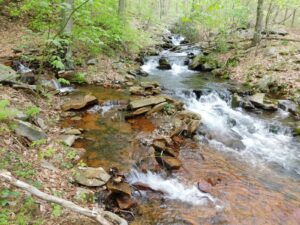
America’s 640 million acres of national public lands provide irreplaceable hunting and fishing opportunities to millions of Americans.

Learn More About Access
What TRCP is Doing

We’re working to safeguard America’s public lands so hunters and anglers always have quality places to pursue their passions.
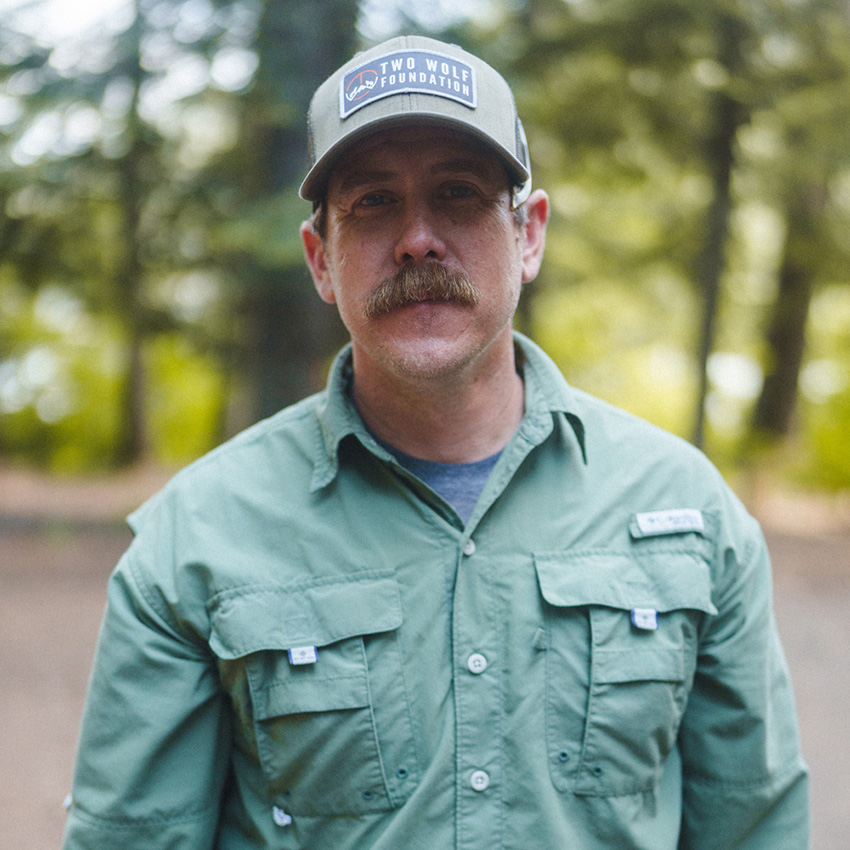
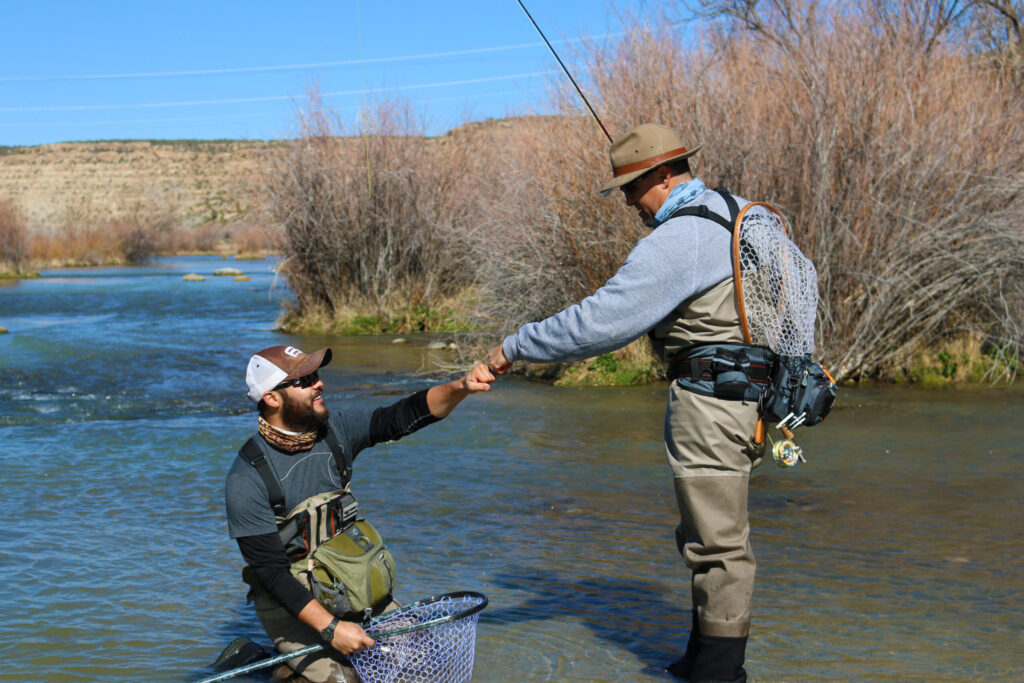
 Brian Flynn, Two Wolf Foundation
How Sportsmen Are Doing It Right

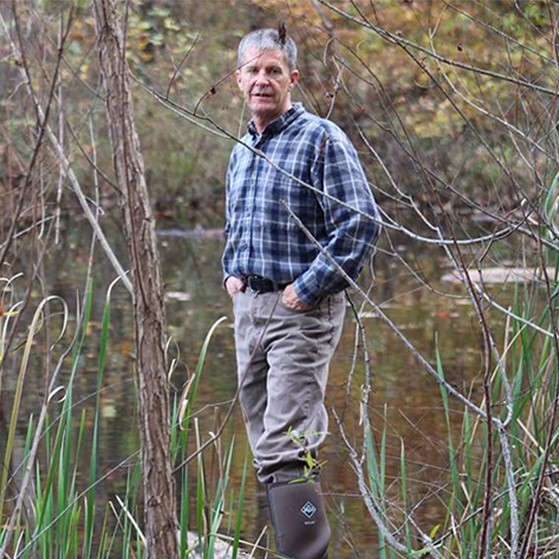
Brian Flynn, Two Wolf Foundation's Story

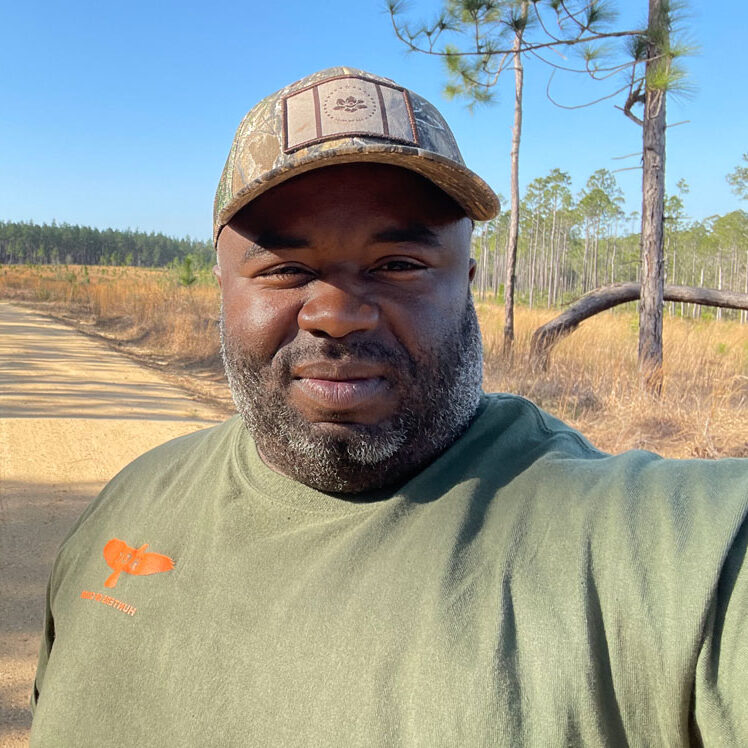
Following a distinguished career in the U.S. Army, lifelong outdoorsman Brian Flynn returned home from a deployment in Afghanistan and…

Hunting
Why It Matters

Key Issues for America’s Hunters

Your source for the latest policy updates, conservation challenges, and opportunities shaping America’s hunting traditions.

What TRCP is Doing

We’re fighting for meaningful policy changes that benefit wildlife, our waters, and the American landscapes that make our outdoor traditions possible.

 Ryan Sparks
How Sportsmen Are Doing It Right

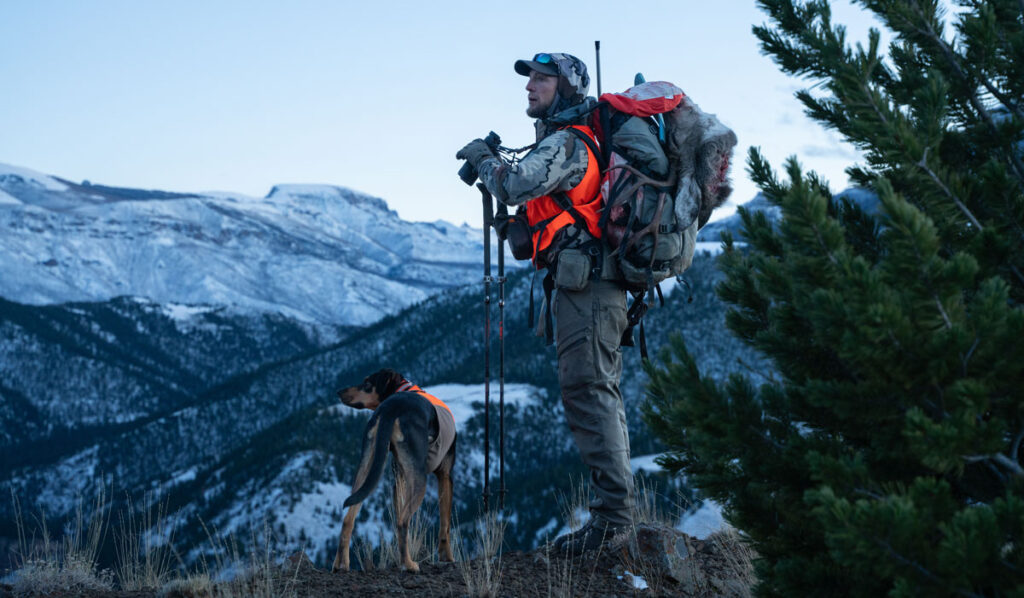
Ryan Sparks's Story

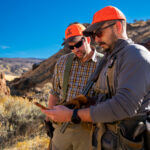
TRCP’s “In the Arena” series highlights the individual voices of hunters and anglers who, as Theodore Roosevelt so famously said,…

Fishing
Why It Matters

Key Issues for America’s Anglers

Your source for the latest policy updates, conservation challenges, and opportunities shaping America’s fishing traditions.

What TRCP is Doing

We’re fighting for meaningful policy changes that benefit wildlife, our waters, and the American landscapes that make our outdoor traditions possible.

 David Mangum
How Sportsmen Are Doing It Right

David Mangum's Story

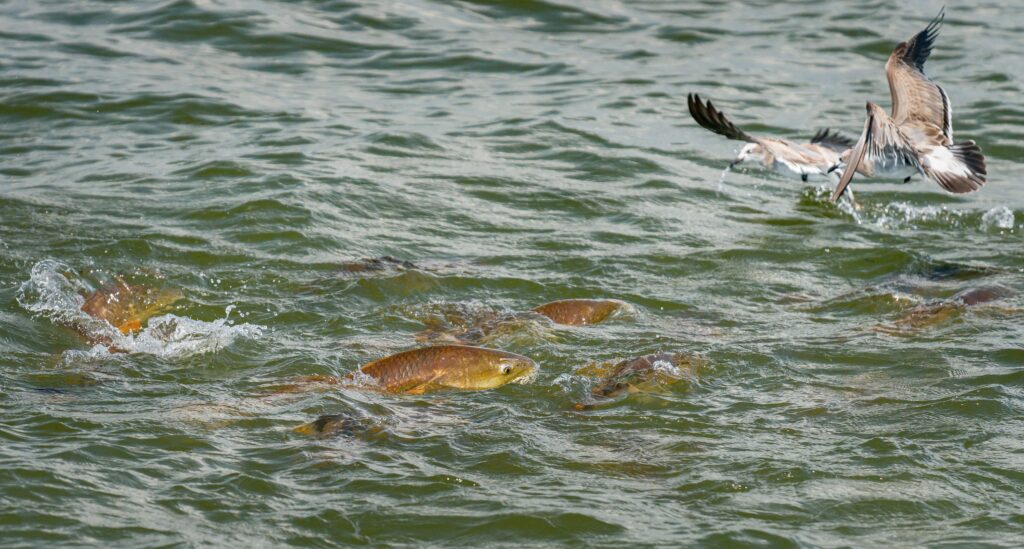
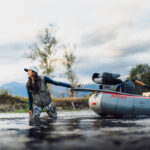
Capt. David Mangum is a YETI ambassador and outdoor photographer who utilizes his talents to produce media that inspire a…

Private Land
Why It Matters

Stewardship on America’s private lands

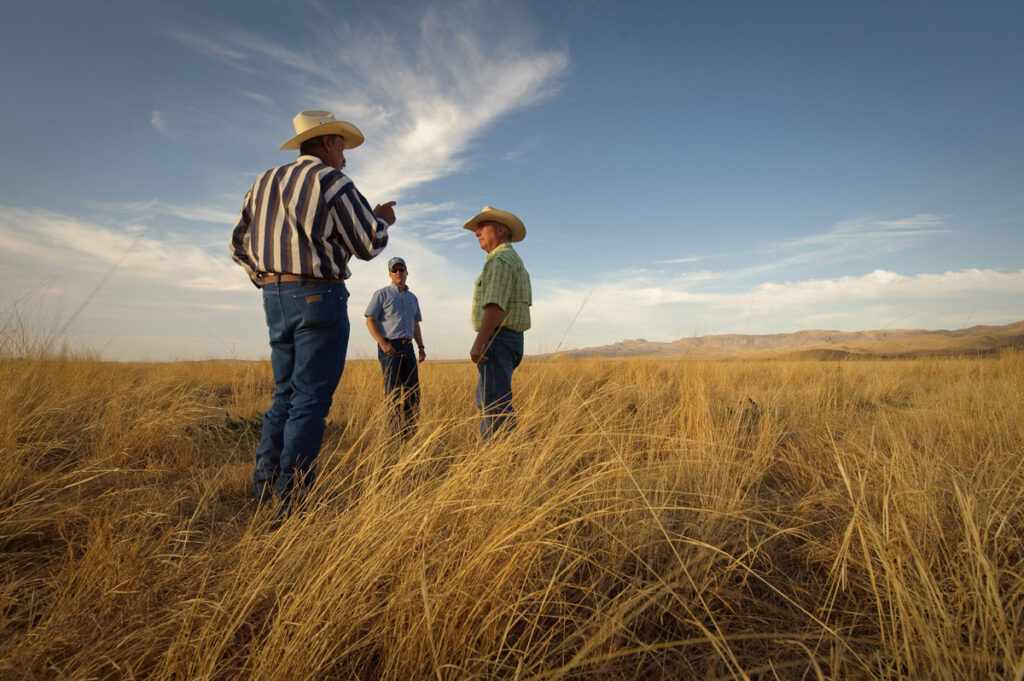
With 70 percent of U.S. lands in private hands and many of our best hunt and fish opportunities occurring there, investing in voluntary conservation on working lands safeguards access, strengthens habitat and water quality, and ensures resilient landscapes.

Learn More
What TRCP is Doing

We champion policies and programs that restore wildlife habitat, improve soil and water health, and keep working lands productive.

 Ward Burton
How Sportsmen are Doing It Right

Ward Burton's Story

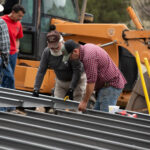
Ward Burton’s NASCAR driving career stretched across most of two decades. As an avid sportsman and conservationist, he founded the…

Special Places
Why It Matters

Special Places Worth Protecting

America’s most iconic landscapes provide unmatched habitat and unforgettable days afield. These places sustain wildlife, anchor local economies, and define the hunting and fishing traditions we pass down.

What TRCP is Doing

We’re working to conserve special places that provide world-class habitat and unforgettable opportunities for hunters and anglers.

 Franklin Adams
How Sportsmen Are Doing It Right

Franklin Adams's Story

As a true Gladesman, conservationist, and historian, Capt. Franklin Adams has spent more than six decades championing Everglades restoration efforts…

Habitat & Clean Water
Why It Matters

Healthy Habitat Powers Every Pursuit

All hunting and fishing opportunities depend on quality habitat, from clean water and healthy wetlands to winter and summer habitats and the migration corridors that connect them.

All About Habitat & Clean Water
What TRCP is Doing

We are working to safeguard the habitats that power every hunting and fishing opportunity.

 Alex Harvey
How Sportsmen Are Doing It Right

Alex Harvey's Story

Alex Harvey, founder of Legacy Land Management, is a registered professional forester in Mississippi and Alabama with a Master's degree…

Science
Why It Matters

Science That Guides TRCP

From conserving migration corridors and wetlands to ensuring clean water and resilient landscapes, science provides evidence that turns conservation goals into effective action.

Science for Conservation
What TRCP is Doing

For hunters and anglers, science safeguards the experiences we treasure including resilient big game populations, abundant fish, and wild places that endure changing social landscapes.

Jamelle Ellis
Your Science Expert

Jamelle Ellis's Story

Jamelle Ellis joined the Theodore Roosevelt Conservation Partnership in 2022. Jamelle spent the last three years as an environmental sustainability…

Where We Work
Across the Nation

Conservation Across America

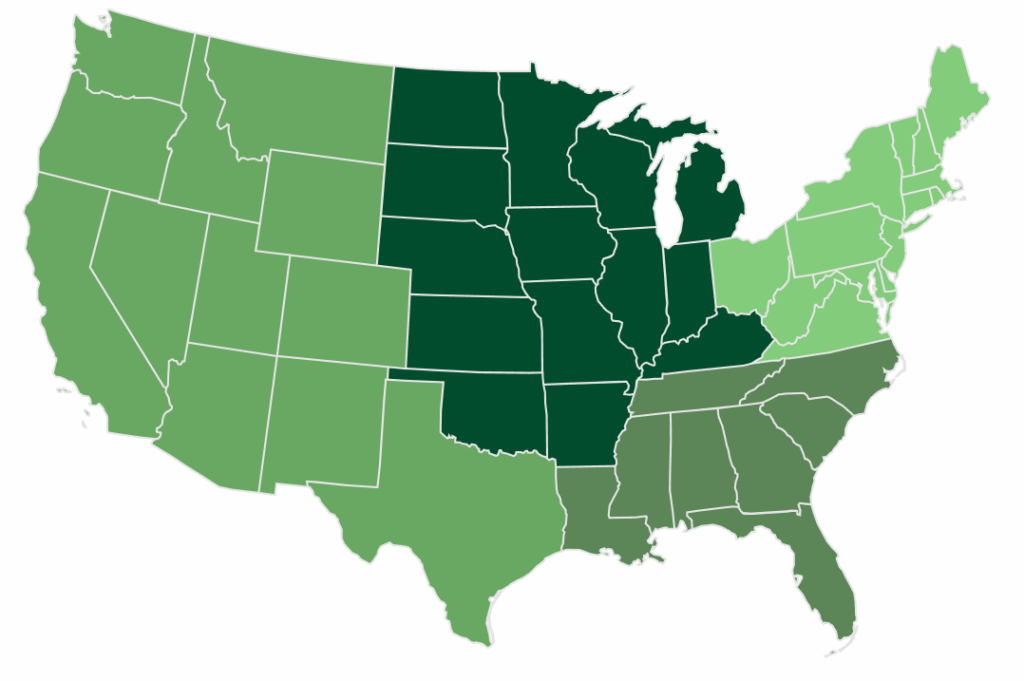
TRCP works across the country to ensure hunters and anglers can enjoy healthy fish and wildlife and quality days afield, no matter where they live.

See All Issues
TRCP in Your Region

TRCP works across the country to ensure hunters and anglers can enjoy healthy fish and wildlife and quality days afield, no matter where they live.

Who We Are
Our Mission

To guarantee all Americans quality places to hunt & fish

We unite and amplify our partners’ voices to advance America’s legacy of conservation, habitat, and access.

Our Mission & Values
Our People & Partners
  • Meet the TRCP Team

    Our staff and board members unite and amplify our partners’ voices to advance America’s legacy of conservation, habitat, and access.

    Meet the Team
  • Our Partners

    ‘Partnership’ is in our name. We work with 64 diverse partner groups that represent today’s leading hunting, fishing, and conservation organizations in order to strengthen the sportsman’s voice in Washington, D.C.

    Our Partners
  • Corporate Council

    TRCP’s Corporate Council is made up of diverse corporations that share a common passion for conservation.

    Corporate Council
Our Organization

Looking for more information?

Explore our latest news, policy updates, and conservation resources to get the information you need.

Giving
How You Can Help

To guarantee all Americans quality places to hunt & fish

Your tax-deductible donation will support TRCP's mission, now and into the future.

DONATE
Special Ways to support trcp
  • Capital Conservation Awards Dinner

    The CCAD is one of Washington's best-attended conservation celebrations, featuring dinner, cocktails, and a silent auction.

    Learn More
  • Step Into the Arena

    Help us ensure that our treasured wild habitats and game remain intact for the next generation to enjoy – lend your support to the TRCP’s efforts today!

    Donate
  • Roosevelt Roast

    TRCP has partnered with Afuera Coffee Co. to further our commitment to conservation.

    Learn More
More donation options

Find the best way for you to lend your support. Join one of TRCP’s donor circles for special invitations, premium offerings from outdoor retailers, and more exclusive benefits. Take control of your legacy with planned giving or contribute to special conservation funds.

Other Ways To Give
News
In the Spotlight

In the Arena: Josh Warren

For many hunters and anglers, the connection to conservation begins close to home — in the woods behind the house, along a familiar stretch of river, or through time spent learning from mentors and family. That sense of place is something Joshua Warren carries with him, both personally and professionally. As Director of Marketing at WorkSharp, Josh represents a company rooted in Ashland, Oregon, a community defined by its access to public lands and wild country.

Read More

Stay Informed

Receive our newsletter, the Roosevelt Report, right in your inbox. Never miss the latest news in conservation issues.

by:

posted in:

January 10, 2017

trcp-webdesign

by:

posted in:

TRCP’s Revamped Website Makes Conservation Accessible to All Sportsmen

News for Immediate Release

Jan. 10, 2017

Contact: Kristyn Brady, 617-501-6352, kbrady@trcp.org

Redesign highlights the organization’s core issues, superior content, and opportunities for advocates to take action

WASHINGTON, D.C. – The Theodore Roosevelt Conservation Partnership is proud to announce the official launch of its newly redesigned website at trcp.org. The site overhaul puts original content, educational resources, and opportunities for action front and center, so American sportsmen and women have the tools to advocate for conservation policy that benefits fish, wildlife, and habitat.

“Conservation is the bedrock of all our American traditions in the outdoors, but it is often forged online by the sportsmen and women willing to engage and speak out for better policies and funding,” says Whit Fosburgh, TRCP’s president and CEO. “We hope our new site will continue to serve as an invaluable resource, point of discovery, and outlet for action.”

TRCP worked with Sage Lion Media, a marketing agency out of Denver, Colo., to focus on ease of navigation with a new mobile-responsive design. The homepage showcases some of Theodore Roosevelt’s best quotes, as well as the core issues that the organization fights for: habitat and clean water, sportsmen’s access, and a robust outdoor recreation economy. The TRCP blog features a customized reading list to introduce users to other conservation topics of interest. And with all its content under one roof, nearly every page showcases beautiful photos and the engaging opinion-driven conservation stories that TRCP is known for.

Visit trcp.org now to see what’s new.

by:

posted in:

January 9, 2017

Glassing the Hill: January 9 – 13

The TRCP’s scouting report on sportsmen’s issues in Congress

Last week was the kick-off of the 115th Congress. Here’s what you may have missed:

Public lands were threatened on the first day. A provision was included in the House rules package that would allow the Congressional Budget Office to not consider the lost revenues from transferring public lands, potentially easing the path forward for transfer. The package passed the House on party lines.

Efforts were made to eliminate recent regulations during the first week. The House quickly passed two bills which aim to facilitate the removal of rules that were made in the final days of the Obama administration. “The Midnight Rules Relief Act” would allow a single joint resolution by lawmakers to disapprove multiple rules finalized in the administration’s final days, and “The Regulations from Executive in Need of Scrutiny Act” (REINS Act) would require congressional approval for any federal rule that would impact the economy with costs that exceed $100 million. The Senate introduced their own versions of these bills as well: S. 34 and S. 21.

Another way to undo previous rules might be used to weaken water protections. As Obama-era regulations continue to be a major focus of the new Congress, it seems likely that the Congressional Review Act (CRA) may be utilized to stop the most highly controversial rules. The CRA would allow Congress to consider stopping rules that were introduced after May 16, 2016 with only a simple majority. One rule the Republican leadership would like to see blocked first is the Stream Protection Rule, which would limit regulations for coal mining near waterways. The House is expected to begin considering rules under the CRA as early as January 30.

The national monument designation process is also under scrutiny. Senator Lisa Murkowski (R-Alaska) and 25 Senate Republicans introduced “The Improved National Monument Designation Process Act,” which would require congressional approval, state legislature and local support, and a certification of compliance with the National Environmental Policy Act before national monuments and marine monuments can be declared by the president.

This is what we’re scoping this week:

We’ll be watching 2017 budget discussions for provisions that affect habitat and access. To this point, 21 amendments have been filed to the Senate Budget Resolution, with many more expected. The Senate is expected to be voting on budget-related amendments for the majority of this week, including a likely “vote-a-rama,” during which many votes will be stacked one after the other into a late-night voting session. Amendments must be written in a way that makes them germane to the budget, but can cover a wide range of policy issues.

The process of confirming Trump’s cabinet might begin this week with testimonies in nominees’ respective Senate committees. President-elect Donald Trump’s nominees for EPA Administrator Scott Pruitt and Energy Secretary Rick Perry, attended meetings with Republicans and Democrats last week in advance of confirmation hearings that will be announced soon. Congressman Ryan Zinke (R-Mont.), Trump’s Interior Secretary nominee, will be meeting with Senate Energy and Natural Resources Committee members this week in advance of a confirmation hearing that Chairwoman Murkowski pledged will happen before the inaugural ceremonies on Jan 20.

by:

posted in:

January 5, 2017

From the Good News Desk: USDA Rolls Out Huge Investments in Conservation

In the final month of 2016, private land conservation sees an $830-million increase to projects and habitat beneficial to sportsmen

When it comes to national policy news, no one could call the end of 2016—or the start of 2017, for that matter—boring. With all the talk about President-elect Trump’s cabinet appointments, Congress’s failure to follow through on a bipartisan Sportsmen’s Act (for the third consecutive Congress), and, just this week, a move made by House Republicans to make it easier to sell off public lands, it was easy to miss some of the good news coming out of the U.S. Department of Agriculture, including some huge investments in conservation. Here’s a round-up of some of the more positive USDA stories you may have missed:

$725 Million Invested in the Regional Conservation Partnership Program

In December, the USDA announced $225 million, for 88 new Regional Conservation Partnership Program projects designed and submitted by state, local, and NGO partners. These government and organizational partners also contributed an additional $500 million to the projects. More than half of these projects will improve the nation’s water quality or combat drought, a quarter will enhance fish and wildlife habitat conditions, and the remainder will boost soil health and tackle other resource concerns. Since RCPP was created in the 2014 Farm Bill, USDA has invested $825 million in 286 projects, involving more than 2,000 partners and private investments totaling an additional $1.4 billion for private lands conservation. Wow! You can learn more about the new projects here.

Image courtesy of USFWS.

$32 Million Committed to Forest and Grassland Ecosystems

Through an initiative called the Joint Chiefs’ Landscape Restoration Partnership, USDA’s Natural Resources Conservation Service and the U.S. Forest Service announced funding for ten new projects and support for 26 ongoing projects that will improve ecosystems where public forests and grasslands connect to private lands. As with RCPP, local partners will match federal funding, bringing an additional $30 million to the table and helping to extend the Joint Chiefs’ project to 29 states. Brook trout, sharptail grouse, and other critters beloved by sportsmen are slated to benefit from this investment.

$33 Million Announced to Help Landowners Improve Water Quality

Now in its sixth year, USDA’s National Water Quality Initiative delivers high-impact conservation to watersheds around the county by helping farmers, ranchers, and landowners to implement practices that protect and improve water quality where it is needed most. This includes areas besieged by algal blooms and dead zones in places like the Mississippi River Basin, Gulf of Mexico, Chesapeake Bay, and Great Lakes. This year’s announcement covers 197 high-priority watersheds across the country, where communities can expect cleaner drinking water, better fish and wildlife habitat, and improved access to recreation.

11 New “Working Lands for Wildlife” Projects Added to Restore and Protect Habitat

The Working Lands for Wildlife initiative has helped farmers, ranchers, and foresters to restore 6.7 million acres of habitat for seven at-risk species—notably, WLFW helped restore private lands over much of the greater sage grouse’s range, which helped to prevent the listing of the species in 2015. The new projects will directly support game and fish such as northern bobwhite quail, American black ducks, greater prairie chickens, cutthroat trout, and sockeye, chinook, chum, pink, and coho salmon. Even though other projects aren’t designed around sport species, all the critters in these areas will reap the benefits of ecosystem improvements.

Image courtesy of USFWS/Pat Hagan.

Cranking Up the Conservation Reserve Program

USDA’s Farm Service Agency administers the Conservation Reserve Program, in which landowners make a ten- to 15-year commitment to conservation. The biggest parameters defining CRP are locked in by the federal Farm Bill—such as the 24-million-acre cap that the USDA is currently operating under—but the agency does have the ability to tweak the program to make sure CRP works as best as it can for the largest number of people. Recently, FSA has announced a number of small and moderate changes that could add up to big benefits for sportsmen and women:

  • Providing $10 million to manage forests enrolled in CRP. Pursuant to the 2014 Farm Bill, FSA will cover some of the costs for landowners to thin, burn, or otherwise manage forests in CRP. This is a long-awaited incentive, which will enhance wildlife habitat, increase biodiversity, improve water quality in these landscapes, and help extend CRP’s benefits to underserved corners of the country.
  • Shoring up water quality and wildlife habitat with four different restoration initiatives in one. FSA launched a new Clean Lakes, Estuaries, and Rivers (CLEAR) initiative to assist landowners enrolled in CRP who want to improve the quality of the water flowing from their lands. At the same time, the agency also boosted the State Acres for Wildlife Enhancement (SAFE) initiative by 700K acres, added 300,000 acres of eligible wetlands, and tapped 11,000 additional acres of pollinator habitat—with benefits for upland and grassland game birds.
  • Partnering with farmers and ranchers to protect more than 500,000 acres of working grasslands. FSA accepted over half a million acres into the CRP Grasslands program, which helps landowners to maximize the productivity of their land by combining livestock activities that are good for business, like haying and grazing, with prairie conservation activities  that are good for water quality, wildlife, and sportsmen. Nearly 60 percent of the accepted acres are in wildlife priority areas and nearly 75 percent are working under a wildlife-focused conservation plan. This is good news for America’s prairies, which are under severe threat of being completely and irreversibly destroyed to make room for row crops and urban/suburban development.

Back-of-the-napkin math shows that these USDA programs add up to a total investment of more than $830 million on 1.9 million acres, supporting dozens of projects and initiatives all across the country in the name of conservation. This is just a fraction of the roughly $5 billion that the USDA spends on conservation every year.

As you can see, the USDA can have an immense impact on the landscape. That’s why the TRCP and our partners are committed to working with these decision-makers on conservation funding initiatives that make sense for landowners, fish, and wildlife. As we kick off 2017, welcome a new presidential administration, and take a hard look at the next Farm Bill, we’re happy to celebrate this good conservation news.

Here’s hoping there’s much more to come!

Be the first to know about conservation news in ag country—sign up for the Roosevelt Report.

by:

posted in:

Ending 2016 with a Bang—Literally

A holiday mixed-bag hunt results in the proud harvest of a first deer and some much-needed inspiration

Back in December, when our lawmakers were ultimately unable to pass many critical provisions for sportsmen and wildlife that have seen bipartisan support in multiple congresses, I was disheartened about the future for hunting and fishing. As a government relations representative for the TRCP, I sit in many meetings with Congressional staff, advocating for policy that would improve sportsmen’s access, fund essential restoration projects, and support the outdoor industry economy. With lots of highs and lows in the final weeks of the year, I was relieved to get in the car and drive far away from the D.C. politics for the holidays and venture into the great outdoors.

Julia and her husband, Hunter, wait for Belle to fetch a dead chukar. Image courtesy of Julia Peebles.

It only took a few days in the woods of Tennessee and Missouri with a pretty special Christmas gift—a Ruger .243 from my in-laws—to rekindle my spirit for the work we do. I think you’ll see why.

First, we settled into “base camp”—a cabin my father-in-law built with his own two hands outside Only, Tenn.—and geared up to hunt chukars. These were pen-raised birds my father brought down from a hunting preserve in Indiana—it’s rare to find wild chukars and quail in the region due to the decline in ground cover habitat these birds need to survive.

I grew up hunting upland birds, and quickly settled into a rhythm with my English setter, Belle, as she followed the scent of chukars. We ended the hunt with six out of eight chukars that were ready to be plucked and eaten for our New Year’s Eve dinner.

Later that afternoon, I changed into my camo and quickly switched out my shotgun for my new rifle to sit in a deer stand until sunset. I sat only two crop fields away from where we’d spent the morning with the bird dogs, and though no deer appeared, it occurred to me how fortunate I was to have this special place all to myself.

The next morning, my husband, Hunter, his father, Paul, and my dad, Mike, drove about three hours to private land near Hornersville, Mo., where Paul shares the lease with 12 buddies to have access to excellent waterfowl hunting and keep costs down. It’s pretty typical for this region. The majority of cars on the road with us were from out of state and loaded down with trailers. Many local hotels were full of out-of-town cars, too. It was easy to see that duck hunting was the draw that kept these local businesses humming at this time of year.

Julia’s first whitetail will provide about 30 pounds of venison for the winter. Image courtesy of Julia Peebles.

Once we reached our destination, we walked to the middle of a flooded rice field in our waders and climbed into a dugout ditch. This was technically my first time in a duck blind. I’d only ever hid in the brush along the river before. After four hours, we didn’t get any ducks into shooting range, but we made plenty of jokes while we waited.

Back at the cabin, on the last day of 2016, I woke up early to make my way to a deer stand that Paul had picked out for me. It was raining and foggy, and I climbed up in the box stand a bit later than I’d planned, burrowing into my oversized clothes to keep warm. Growing frustrated with the lack of deer, I propped up my legs and leaned back to play Sudoku on my phone, allowing an hour to pass. I finally texted Paul to say that I’d head back to base camp within 15 minutes. At three minutes before eight o’clock, I sat up to gather my things and was surprised to see three does feeding on turnip greens in the field below. I slowly got into shooting position. One of the whitetails heard me and began trotting away, but I had my eye on another larger doe. I clicked the safety off, aimed for the heart, and BANG, the doe jumped, and then fell 10 yards away. The adrenaline set in and my hands were shaking uncontrollably to the point where I could barely text Paul to come help me field dress my very first deer.

It was the perfect end to my year—being at ease scanning for chukars, sitting in my first duck blind, and packing up 30 pounds of venison harvested from my first doe. These experiences reminded me how fortunate I am to have access to private lands where I can hunt three different critters in one weekend, and family alongside me to enjoy these traditions. Hunting over the holidays revitalized my passion for the issues we fight for here at TRCP and made a lot of the policies I read and think about much more personal to me.

As for the chukars we lost and the ducks we never saw, there’s always next season. Stories like mine need to be told to Congressional staff. I’m taking my refreshed state-of-mind into 2017 and the 115th Congress, where I plan to make sure our decision-makers understand the value of our days afield.


HOW YOU CAN HELP

TRCP has partnered with Afuera Coffee Co. to further our commitment to conservation. $4 from each bag is donated to the TRCP, to help continue our efforts of safeguarding critical habitats, productive hunting grounds, and favorite fishing holes for future generations.

Learn More

You have Successfully Subscribed!

You have Successfully Subscribed!

You have Successfully Subscribed!

You have Successfully Subscribed!