Our Issues
Public Lands
Why It Matters

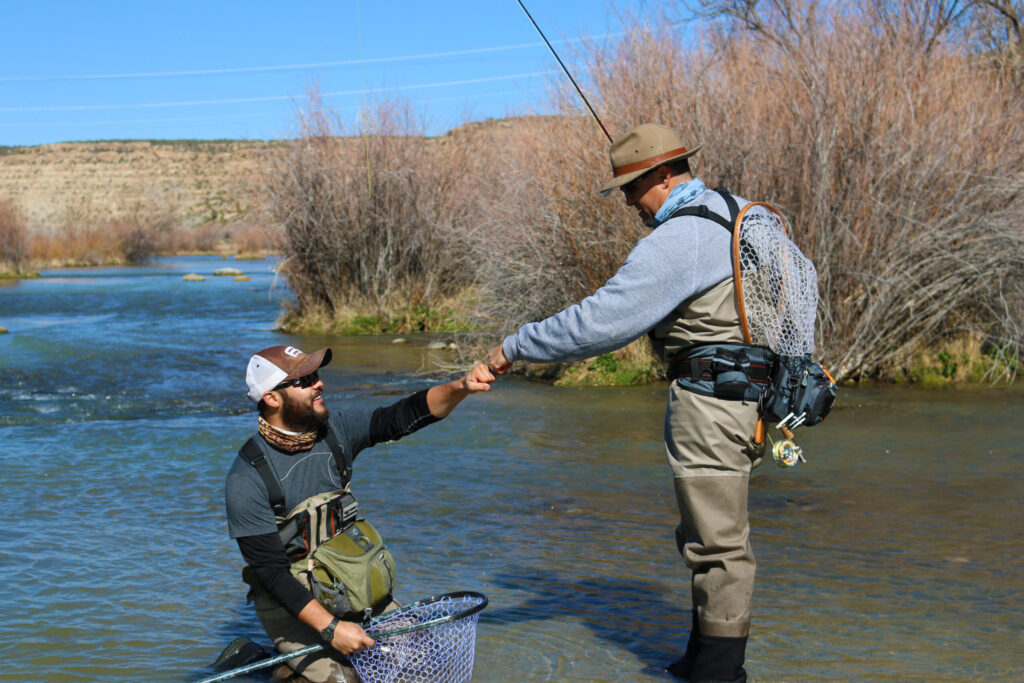
Hunting & Fishing Access

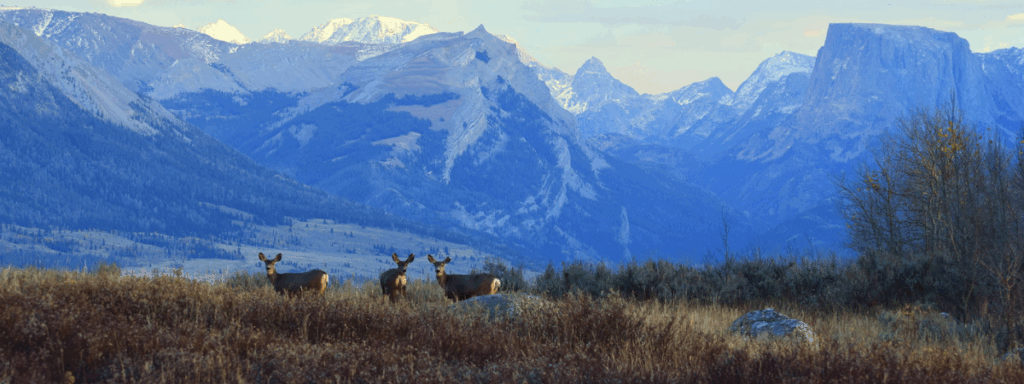
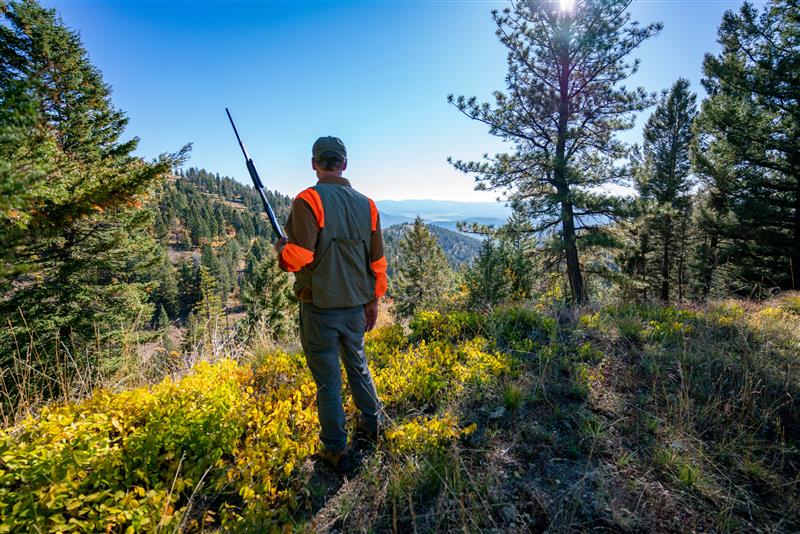
America’s 640 million acres of national public lands provide irreplaceable hunting and fishing opportunities to millions of Americans.

Learn More About Access
What TRCP is Doing

We’re working to safeguard America’s public lands so hunters and anglers always have quality places to pursue their passions.
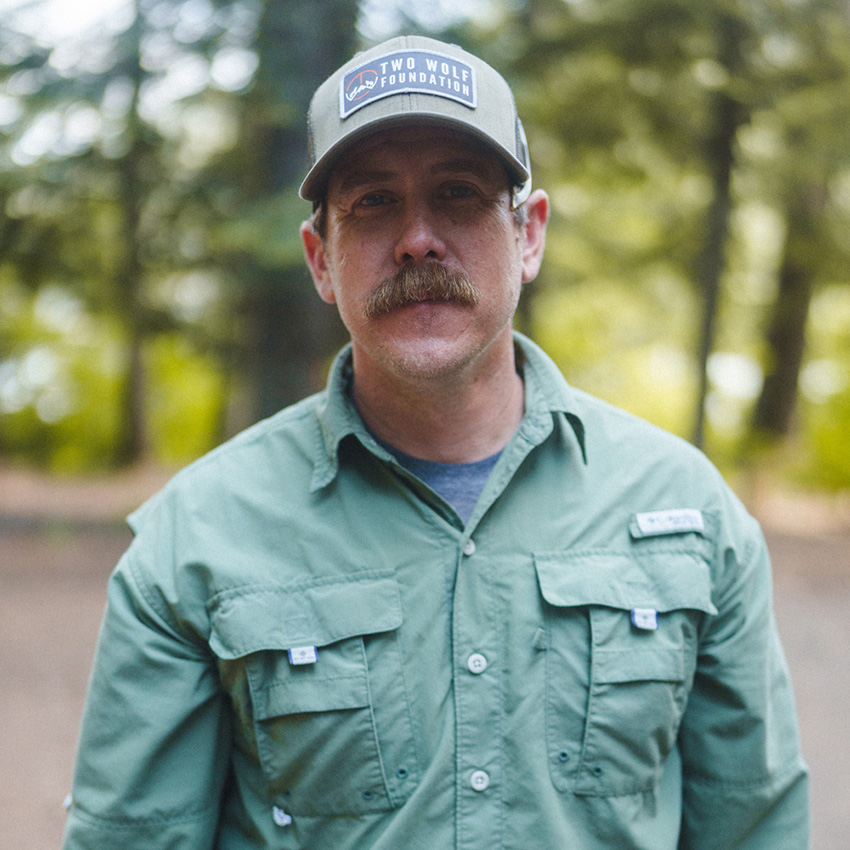
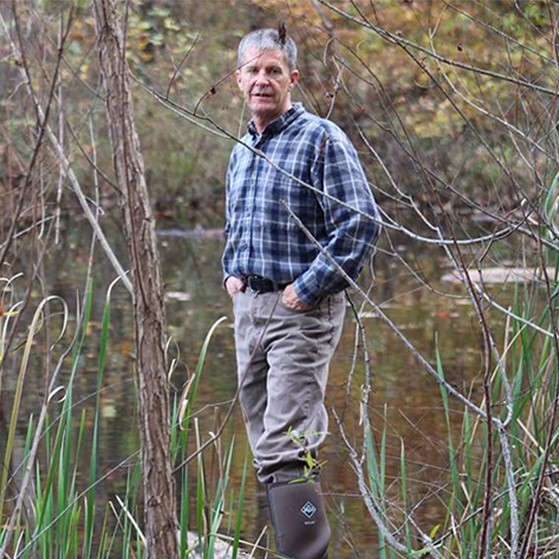
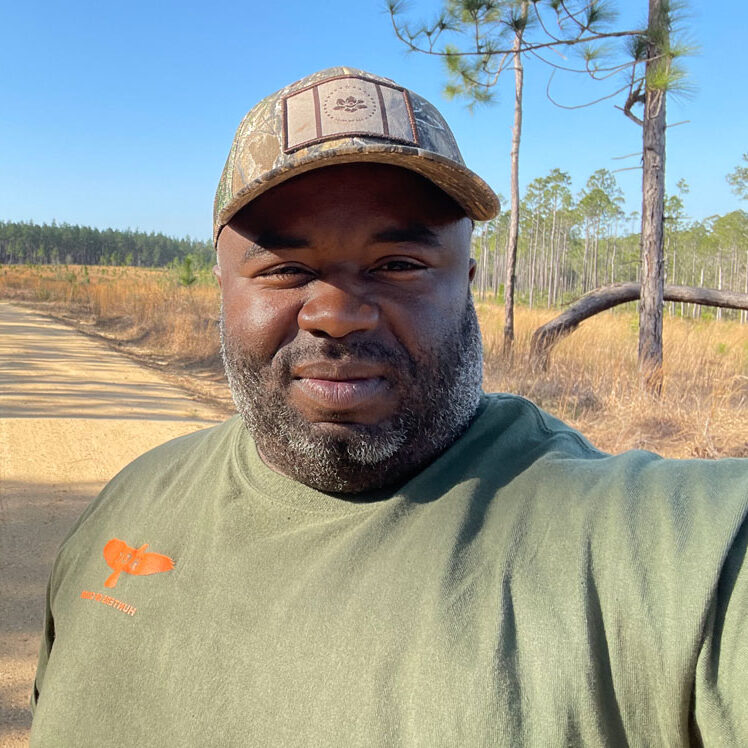
 Brian Flynn, Two Wolf Foundation
How Sportsmen Are Doing It Right

Brian Flynn, Two Wolf Foundation's Story

Following a distinguished career in the U.S. Army, lifelong outdoorsman Brian Flynn returned home from a deployment in Afghanistan and…


Hunting
Why It Matters

Key Issues for America’s Hunters

Your source for the latest policy updates, conservation challenges, and opportunities shaping America’s hunting traditions.

What TRCP is Doing

We’re fighting for meaningful policy changes that benefit wildlife, our waters, and the American landscapes that make our outdoor traditions possible.

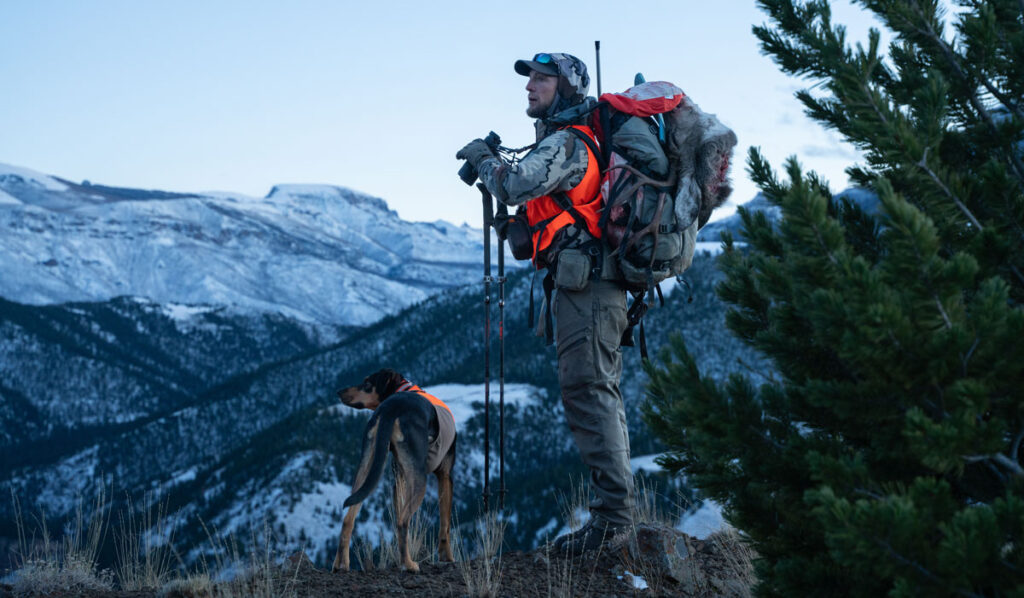
 Ryan Sparks
How Sportsmen Are Doing It Right

Ryan Sparks's Story

TRCP’s “In the Arena” series highlights the individual voices of hunters and anglers who, as Theodore Roosevelt so famously said,…

Fishing
Why It Matters

Key Issues for America’s Anglers

Your source for the latest policy updates, conservation challenges, and opportunities shaping America’s fishing traditions.

What TRCP is Doing

We’re fighting for meaningful policy changes that benefit wildlife, our waters, and the American landscapes that make our outdoor traditions possible.

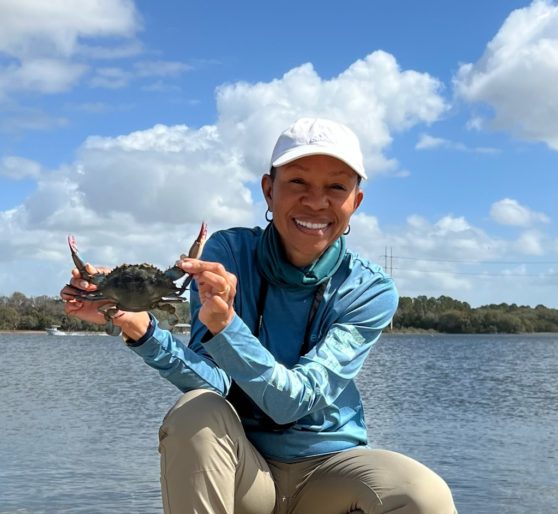
 David Mangum
How Sportsmen Are Doing It Right

David Mangum's Story

Capt. David Mangum is a YETI ambassador and outdoor photographer who utilizes his talents to produce media that inspire a…

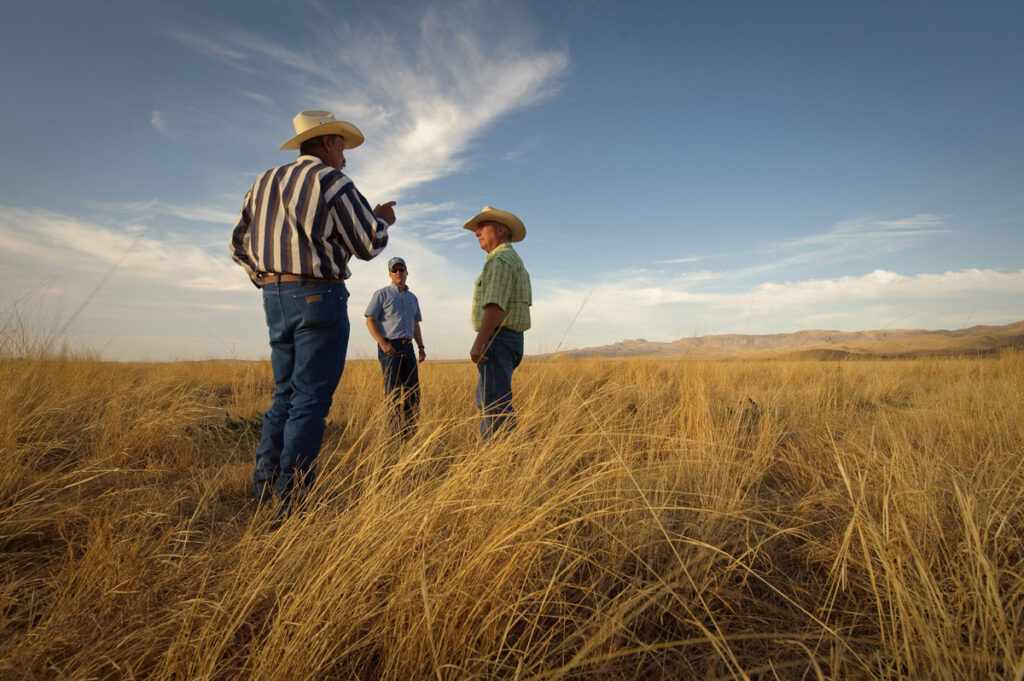
Private Land
Why It Matters

Stewardship on America’s private lands

With 70 percent of U.S. lands in private hands and many of our best hunt and fish opportunities occurring there, investing in voluntary conservation on working lands safeguards access, strengthens habitat and water quality, and ensures resilient landscapes.

Learn More
What TRCP is Doing

We champion policies and programs that restore wildlife habitat, improve soil and water health, and keep working lands productive.

 Ward Burton
How Sportsmen are Doing It Right

Ward Burton's Story

Ward Burton’s NASCAR driving career stretched across most of two decades. As an avid sportsman and conservationist, he founded the…

Special Places
Why It Matters

Special Places Worth Protecting

America’s most iconic landscapes provide unmatched habitat and unforgettable days afield. These places sustain wildlife, anchor local economies, and define the hunting and fishing traditions we pass down.

What TRCP is Doing

We’re working to conserve special places that provide world-class habitat and unforgettable opportunities for hunters and anglers.

 Franklin Adams
How Sportsmen Are Doing It Right

Franklin Adams's Story

As a true Gladesman, conservationist, and historian, Capt. Franklin Adams has spent more than six decades championing Everglades restoration efforts…

Habitat & Clean Water
Why It Matters

Healthy Habitat Powers Every Pursuit

All hunting and fishing opportunities depend on quality habitat, from clean water and healthy wetlands to winter and summer habitats and the migration corridors that connect them.

All About Habitat & Clean Water
What TRCP is Doing

We are working to safeguard the habitats that power every hunting and fishing opportunity.

 Alex Harvey
How Sportsmen Are Doing It Right

Alex Harvey's Story

Alex Harvey, founder of Legacy Land Management, is a registered professional forester in Mississippi and Alabama with a Master's degree…

Science
Why It Matters

Science That Guides TRCP

From conserving migration corridors and wetlands to ensuring clean water and resilient landscapes, science provides evidence that turns conservation goals into effective action.

Science for Conservation
What TRCP is Doing

For hunters and anglers, science safeguards the experiences we treasure including resilient big game populations, abundant fish, and wild places that endure changing social landscapes.

Jamelle Ellis
Your Science Expert

Jamelle Ellis's Story

Jamelle Ellis joined the Theodore Roosevelt Conservation Partnership in 2022. Jamelle spent the last three years as an environmental sustainability…

Where We Work
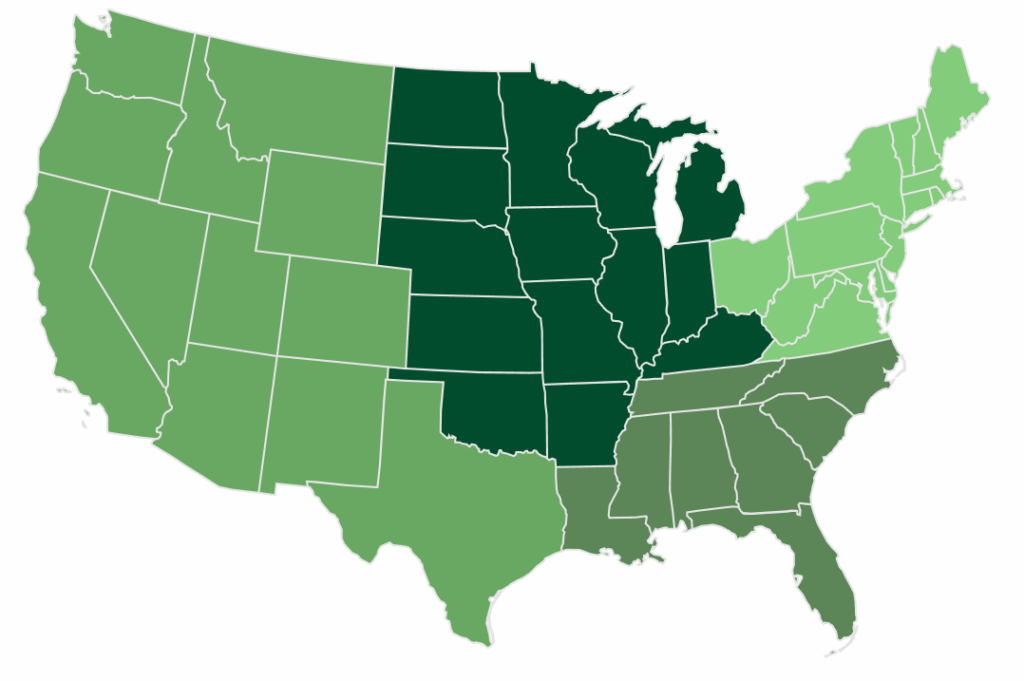
Across the Nation

Conservation Across America

TRCP works across the country to ensure hunters and anglers can enjoy healthy fish and wildlife and quality days afield, no matter where they live.

See All Issues
TRCP in Your Region

TRCP works across the country to ensure hunters and anglers can enjoy healthy fish and wildlife and quality days afield, no matter where they live.

Who We Are
Our Mission

To guarantee all Americans quality places to hunt & fish

We unite and amplify our partners’ voices to advance America’s legacy of conservation, habitat, and access.

Our Mission & Values
Our People & Partners
  • Meet the TRCP Team

    Our staff and board members unite and amplify our partners’ voices to advance America’s legacy of conservation, habitat, and access.

    Meet the Team
  • Our Partners

    ‘Partnership’ is in our name. We work with 64 diverse partner groups that represent today’s leading hunting, fishing, and conservation organizations in order to strengthen the sportsman’s voice in Washington, D.C.

    Our Partners
  • Corporate Council

    TRCP’s Corporate Council is made up of diverse corporations that share a common passion for conservation.

    Corporate Council
Our Organization

Looking for more information?

Explore our latest news, policy updates, and conservation resources to get the information you need.

Giving
How You Can Help

To guarantee all Americans quality places to hunt & fish

Your tax-deductible donation will support TRCP's mission, now and into the future.

DONATE
Special Ways to support trcp
  • Capital Conservation Awards Dinner

    The CCAD is one of Washington's best-attended conservation celebrations, featuring dinner, cocktails, and a silent auction.

    Learn More
  • Step Into the Arena

    Help us ensure that our treasured wild habitats and game remain intact for the next generation to enjoy – lend your support to the TRCP’s efforts today!

    Donate
  • Roosevelt Roast

    TRCP has partnered with Afuera Coffee Co. to further our commitment to conservation.

    Learn More
More donation options

Find the best way for you to lend your support. Join one of TRCP’s donor circles for special invitations, premium offerings from outdoor retailers, and more exclusive benefits. Take control of your legacy with planned giving or contribute to special conservation funds.

Other Ways To Give
News
In the Spotlight

All Eyes On The Atchafalaya Basin

The Lower Mississippi River Comprehensive Management Study moves forward despite slashed budget

Read More

Stay Informed

Receive our newsletter, the Roosevelt Report, right in your inbox. Never miss the latest news in conservation issues.

by:

posted in: Highlights

November 13, 2016

Congress Fails Sportsmen on Many Conservation Priorities in Final Hours

Everglades restoration can begin, but provisions to improve fish habitat, wetlands health, and access to hunting and fishing get left behind again

Today, the Water Infrastructure Improvements for the Nation Act awaits the president’s signature, the final step needed to authorize $1.9 billion in restoration projects to help reverse longstanding habitat and water quality issues in South Florida, while moving water south. This should be celebrated as a major win for anglers, guides, and other local businesses that rely on healthy fish habitat.

But in almost every other way, lawmakers overpromised and under delivered on the pending legislation important to hunters and anglers in the 114th Congress. Bipartisan support for provisions that would improve fish habitat, wetlands health, and public access across the country as part of a larger energy modernization bill brought the Sportsmen’s Act closer to the finish line than ever before. But it was not enough to finally do right by America’s sportsmen after attempts in three consecutive Congresses.

Image courtesy of Jesse Michael Nix.

“For six years, or longer, we’ve needed this policy support for the very infrastructure of conservation and access, which keeps rural America in business during hunting and fishing season,” says Whit Fosburgh, president and CEO of the Theodore Roosevelt Conservation Partnership. “We owe a debt of thanks to senators who voted 97-0 to move conservation forward with the energy bill, but sportsmen and women should be angry and frustrated that good things like this can’t get done in the end.”

While major opportunities were lost by failing to authorize the North American Wetlands Conservation Act, National Fish Habitat Conservation Act, and Federal Land Transaction Facilitation Act—a critical conservation tool for Western lands—there was also a disappointing last-minute addition to the water projects bill that would weaken protections for salmon and other fish.

“We are deeply disappointed that language was added to the bill that diverts water away from fisheries that are already struggling, puts wild salmon in jeopardy of extinction, and targets other sportfish for eradication,” says Scott Gudes, vice president of government affairs with the American Sportfishing Association. “Senators Barbara Boxer, Maria Cantwell, and all the Northwest U.S. senators, are to be commended for their efforts to defeat this last-minute water grab, which redirects water to agriculture and undercuts environmental protection for fisheries. Unfortunately its passage creates a significant threat to fishing communities, anglers, and the sportfishing industry in the state.”

The TRCP opposed the drought provision airdropped into final negotiations and was supportive of a provision to promote use of natural infrastructure, like wetlands, reefs, and dunes.

In a major defensive victory, language that would have undercut sage grouse conservation was removed from the final conference report of the National Defense Authorization Act (NDAA) signed last week. And a continuing resolution passed in the wee hours of Saturday morning will keep the government funded through April 28, 2016 at decent levels for conservation. But additional threats to protections for sage grouse, headwater streams, and BLM backcountry lands could be yet to come in the new Congress, with the possibility of cuts, riders, and budget reconciliations.

Follow along with the TRCP in 2017, as we work to highlight the relevance of hunters and anglers to their elected officials in Washington and advance conservation in America.

by:

posted in: Highlights

November 10, 2016

Welcome to the Next Four Years of Conservation in America

After an election night upset, the Trump camp takes up the immediate task of assembling a new administration. Our work for fish and wildlife, as always, continues

Sportsmen and women from across the country offer their congratulations to President-elect Donald Trump and wish him the best of luck as he begins his first term as the president of the United States. Indeed, we tip our camo hats to all of those who threw their names in the ring for elected offices, up and down the ballot and at the local, state, and national level. It is an honorable sacrifice of time and energy, and we thank you all.

But, of course, there is no job quite as tall as the one before President-elect Trump. The business of running the executive branch of the government is an immense task, and after an unprecedented election season, Trump only has about two and a half months before the inaugural kicks off his official presidency. In order to hit the ground running, things have to be well under way: Cabinet secretaries must be nominated, and the process of filling thousands of jobs must be started. To do this, not long after the nominating conventions, both presidential candidates started to assemble their transition teams—the folks, usually organized by cabinet department, who will help a new president enter the White House ready to get to work on day one.

Now, in this time of incredibly high activity, priorities are being determined and the rhetoric of campaign season is being turned into workable policy proposals, so it is imperative that sportsmen-conservationists are communicating clearly and repeatedly to new administration leaders. Over the past several weeks, the TRCP staff has been crafting transition documents that outline all of our policy priorities for the next four years of conservation success, including a 100-day agenda and goals for one year and two years into the new administration. Here are our top three asks.

Quality Places to Hunt and Fish
We’ll be making sure that our next president continues to hear from sportsmen and women that the defense of our national public lands is a line in the sand that cannot be crossed. This is a fundamental priority that both candidates heard from hunters and anglers throughout the course of the long campaign. Along with key partners, we will also work to make sure new public officials understand the importance of full implementation for the conservation plans in core sage grouse habitat across the West, as well as the need to defend those plans on Capitol Hill.

We anticipate that President-elect Trump will seek an ‘all-of-the-above’ energy plan, an idea we think makes good sense, as long as commonsense rules apply for oil and gas development and the production of renewable energy on public lands. Namely, we’ll push for a robust planning process that accounts for impacts to fish and wildlife habitat, as well as recreational access, and identifies places where energy production of all kinds can proceed with little impact to resources or places that might be too special to hunters and anglers to become energy production zones. And, just like oil and gas, renewables should be contributing a reasonable percentage of their profits from production on public lands into a trust fund that pays for mitigation of impacts on habitat and access.

Better Investments in Conservation
One of the very first things that the new administration will have to do is send Congress a budget outlining funding priorities for fiscal year 2018. Insufficient funding continues to be a major barrier to all kinds of conservation goals, like collecting reliable offshore recreational fishing data in order to improve fisheries management or providing technical assistance to our nation’s farmers and landowners who are interested in implementing wildlife habitat and water quality projects on private lands. And, of course, a litany of active management and restoration projects on national public lands has stalled out for want of funding, so it is well time to put the conservation house back in order.

We will make sure the next administration prioritizes conservation in their first budget, and every subsequent budget.

More Champions for Fish, Wildlife, and Sportsmen
Finally, as new folks are considered for leadership roles at the Department of Interior, Department of Agriculture, and key agencies—like the Natural Resources Conservation Service, Bureau of Land Management, National Marine Fisheries Service, Environmental Protection Agency, U.S. Fish and Wildlife Service, and many more—we’ll be helping to make sure that those chairs are filled with bona fide collaborators. This would include practitioners who are committed to the North American model of wildlife conservation and expanding access to quality fish and wildlife habitat, yes, but perhaps also those who are sportsmen and women themselves.

Election Day is the great reset button for American politics and policy making, but TRCP’s priorities, and our defense of the fish and wildlife habitat that America’s hunters and anglers depend on, won’t be subject to any transition.

Help us speak up for the species you love to pursue and the wild places that make our traditions possible—consider making a donation to the TRCP.


by:

posted in: Highlights

September 28, 2016

Everglades Restoration Clears House Hurdle

House members vote to send the Water Resources Development Act to conference, meaning anglers are one step closer to better fish habitat in at-risk waters

The U.S. House of Representatives has passed the Water Resources Development Act of 2016 (WRDA), which matches Senate-passed provisions to jumpstart much-needed restoration of Everglades fisheries and water quality improvements across the country through strategic use of wetlands, reefs, and other natural infrastructure.

The bipartisan bill would authorize $5 billion in water projects overseen by the U.S. Army Corps of Engineers, including $1.9 billion for the Central Everglades Planning Project, which would fast-track efforts to restore natural water flows, remove pollutants, and reverse algae blooms and other conditions devastating South Florida’s fisheries.

Image courtesy of Fish and Wildlife Commission.

“The sportfishing industry recognizes that it is vital for the Florida Everglades to receive funding as soon as possible to expedite the implementation of multi-year projects that will help fix the water quality and water management challenges that plague south Florida,” says Scott Gudes, vice president of government affairs with the American Sportfishing Association. “These projects have been through an extensive review process and will provide significant environmental benefits by moving more water south from Lake Okeechobee. However, Congressional authorization is required before construction can begin.”

The House bill would also emphasize the use of nature-based infrastructure—like wetlands and dunes Share on X

The House bill would also emphasize the use of nature-based infrastructure—like wetlands, dunes, and reefs—over new man-made structures to reduce flood and storm damage, improve water quality, and protect vital fish and wildlife habitat in the process. This provision, which sportsmen have been calling for since June 2016, was added as an amendment after a strongly bipartisan voice vote.

Similar provisions in the Senate version of WRDA, which passed 95-3 on September 15, would clear a path toward making these conservation measures happen. The two bills will need to be conferenced, with any differences hammered out, before legislation can go to the president’s desk.

“It should be encouraging to sportsmen that Congress is making definitive moves to advance important conservation measures with major impacts for fish, wildlife, and water quality at a time when they are tasked with so much,” says Steve Kline, director of government relations with the Theodore Roosevelt Conservation Partnership. “There will be as much, or more, competing for lawmakers’ attention going into a conference on these bills, but there is no time to lose when it comes to reversing destruction in Florida’s fisheries or prioritizing projects that have mutual benefits for habitat and infrastructure.”

Read about the Senate version of WRDA here.

Learn more about the Everglades fisheries crisis here.

by:

posted in: Highlights

September 20, 2016

105 Sportsmen Businesses Agree: Don’t Mess With Sage Grouse Conservation

One year after the historic decision not to list the greater sage grouse for endangered species protection, retailers, outfitters, and gear manufacturers from across the country call on Congress to let sage grouse conservation work

Today, more than 100 hunting, fishing, and wildlife-related businesses are asking lawmakers to block attempts to undo collaborative conservation efforts that benefit the greater sage grouse.

As representatives of a $646-billion outdoor recreation industry that depends on sportsmen having access to healthy fish and wildlife habitat, business owners from 14 states have sent a letter that calls on Congressional leadership to oppose language or riders to any legislation that would force the Bureau of Land Management (BLM) and U.S. Forest Service (USFS) to abandon their own sage grouse conservation plans in favor of plans developed by the states.

Image courtesy of Department of Interior.

Almost exactly one year ago, on September 22, 2015, the U.S. Fish and Wildlife Service determined that the range-wide population of greater sage grouse did not warrant protection under the Endangered Species Act, following historic collaboration by federal and state agencies, industry, private landowners, sportsmen, and other stakeholders. This achievement, business leaders write, “should also be seen as a boon for business.”

However, some in Congress are attempting to derail the process by crafting language meant to block the federal conservation plans and attaching it to the only legislation moving in Washington, D.C.—the National Defense Authorization Act (NDAA) and appropriations bills that keep the federal government operating.

“Sportsmen and outdoor business owners across the country are disappointed that Congress continues to play politics with our national defense and other must-pass legislation by attempting to insert unrelated and detrimental language about sage-grouse conservation into bills,” says Ryan Callaghan, marketing manager for First Lite, a hunting clothing company based in Ketchum, Idaho. “Healthy sagebrush is important not only for sage grouse, but also for mule deer, pronghorns, and elk, and to our customers that pursue these species each fall.”

Ed Arnett, senior scientist for the Theodore Roosevelt Conservation Partnership, adds that if language contained in the riders were to become law, it would throw into question decades of statutory precedent, several environmental laws, and the subsequent legal decisions around those laws. “Federal, state, and private landowner efforts are all needed to create on-the-ground results for sage grouse, and the Fish and Wildlife Service’s decision last fall was predicated on all of these plans working in concert,” says Arnett. “Implementation must be allowed to continue.”

Business owners across the Western U.S. are counting on it. “There’s a lot that goes on in Congress that is confusing, frustrating or seemingly unrelated to what we care about as sportsmen, but when your bottom line—not to mention the activities you love and hope to pass on to your grandkids—depends on the health of an entire ecosystem, you pay attention,” says Melissa Herz of Herz Gun Dogs in Bend, Oregon. “We can’t allow the sagebrush landscape, vibrant with 350 species of plants and animals that rely on the same habitat as sage grouse, to become just a pawn in a political game, and we cannot waver on conservation plans that were put in place for good reason.”

The House version of the NDAA has already passed with provisions that would be detrimental to sage grouse conservation. The Senate is expected to consider its version of the bill, which does not include any language on sage grouse, in the coming weeks. Sportsmen’s groups and businesses have made it clear to lawmakers that the best thing they can do for sage grouse is ensure that state and federal land managers get the resources they need to implement their respective plans and that conservation efforts on private lands continue.

Undoing federal conservation plans might be the best way to ensure a listing, which is bad news for just about everyone.

Read the letter from 105 hunting and fishing businesses here.

Learn more about how conditions have improved for sage grouse in the year since the decision not to list the species.

by:

posted in: Highlights

January 21, 2014

Strength in numbers: TRCP unites sportsmen-conservationists at SHOT Show forum

Sportsmen and industry professionals travel from across the country – and, in many cases, from around the world – to attend the Shooting, Hunting and Outdoor Trade Show, or SHOT Show, every year. The show, which took place Jan. 14-17, is the largest and most comprehensive trade show for the shooting, hunting and related industries.

Attendees cite a wide range of reasons for coming to SHOT, and, with attendance at this year’s show topping a record-breaking 67,000, you’d be hard pressed to generalize about why so many consider it a can’t-miss event.

But one explanation resonates throughout the show’s 635,000 square feet of exhibition space and among the more than 1,600 exhibitors: economics.

The hunting and shooting industries have never been stronger in America. Data released by the National Shooting Sports Foundation, which owns and manages SHOT, shows that spending by hunters and shooters had a total impact of more than $110 billion on the U.S. economy in 2011. This supports more than 866,000 jobs.

These numbers won’t surprise many in the sportsmen’s community, including the TRCP and our partner groups, who have been responding to legislative attacks on programs important to hunters and anglers, fish and wildlife, and conservation in America by citing data that illustrates the economic value of hunting, fishing and other forms of outdoor recreation.

Hunting and fishing directly contribute more than $86 billion to the U.S. economy each year and support approximately 1.5 million non-exportable jobs. Sportsmen also are integral to the broader outdoor-recreation and conservation economy, which is responsible for $646 billion in direct consumer spending annually.

There is strength in numbers. Whether those numbers are impressive economic figures or the growing number of sportsmen raising our voices on Capitol Hill, the TRCP is channeling them to promote the outdoor traditions, sporting heritage and vast economic impact of sportsmen by bringing all the stakeholders in our community “to the table” to speak together in a unified voice.

To this end, at the 2014 SHOT Show the TRCP convened our third annual “Sportsmen’s Conservation Forum,” a meeting of some of the greatest minds in conservation, including CEOs, policy experts and influential members of the media, to discuss federal policy impacting sportsmen and the top-line priorities for our community in 2014. More than 40 sportsman leaders – among them U.S. Fish and Wildlife Service Director Dan Ashe, Howard Vincent of Pheasants Forever and Quail Forever, Miles Moretti of the Mule Deer Foundation, “MeatEater” host Steven Rinella and Field & Stream Editor in Chief Anthony Licata – had a wide-ranging dialogue that touched on the federal budget and sportsmen’s values, the next farm bill, public hunting access (and obstacles to access) and the prospects for passage of comprehensive sportsmen’s legislation in 2014.

While the participants are committed hunters and shooters, all of them also have a stake in responsive policy that supports these outdoor traditions. And while the prospects for sportsman-focused policy and legislation in 2014 remain unclear, our community remains unwavering in our commitment to stand strong, present a united front, and show the strength both of our combined numbers and the economic influence of sportsmen – at events like the SHOT Show and elsewhere in the crucially important time to come.

Learn more about the TRCP’s work to promote strongly funded conservation programs and legislative measures important to sportsmen.

HOW YOU CAN HELP

TRCP has partnered with Afuera Coffee Co. to further our commitment to conservation. $4 from each bag is donated to the TRCP, to help continue our efforts of safeguarding critical habitats, productive hunting grounds, and favorite fishing holes for future generations.

Learn More
Subscribe


You have Successfully Subscribed!

You have Successfully Subscribed!

You have Successfully Subscribed!

You have Successfully Subscribed!

You have Successfully Subscribed!