Our Issues
Public Lands
Why It Matters

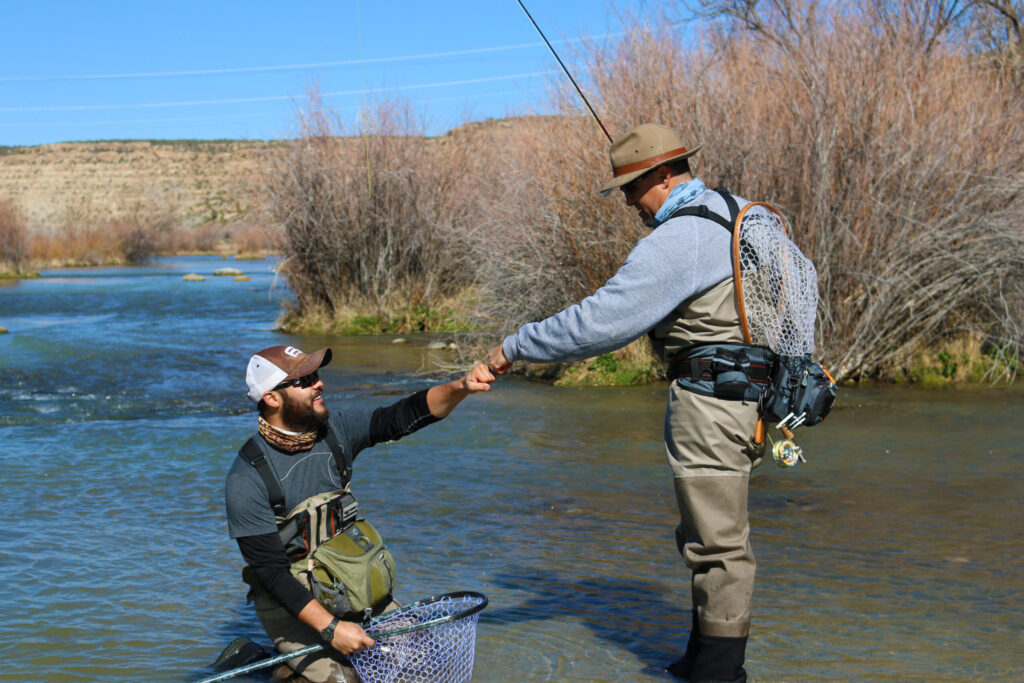
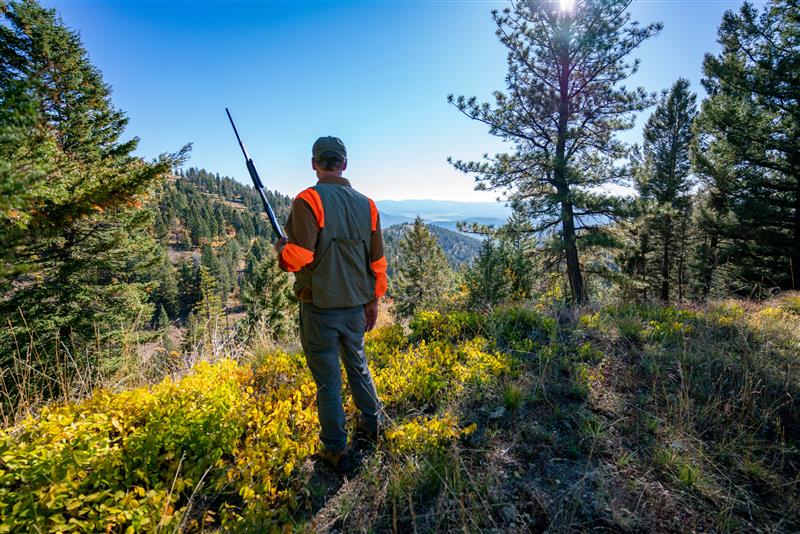
Hunting & Fishing Access

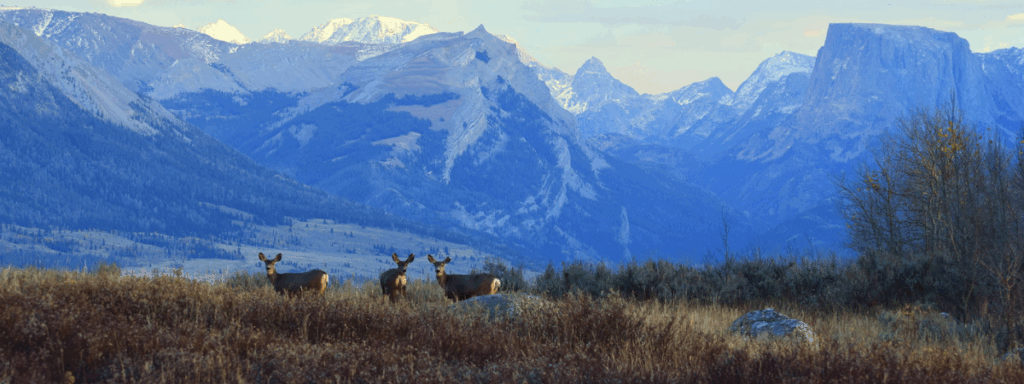
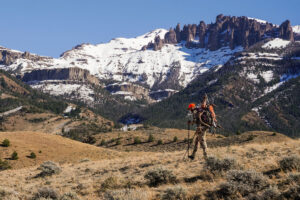
America’s 640 million acres of national public lands provide irreplaceable hunting and fishing opportunities to millions of Americans.

Learn More About Access
What TRCP is Doing

We’re working to safeguard America’s public lands so hunters and anglers always have quality places to pursue their passions.
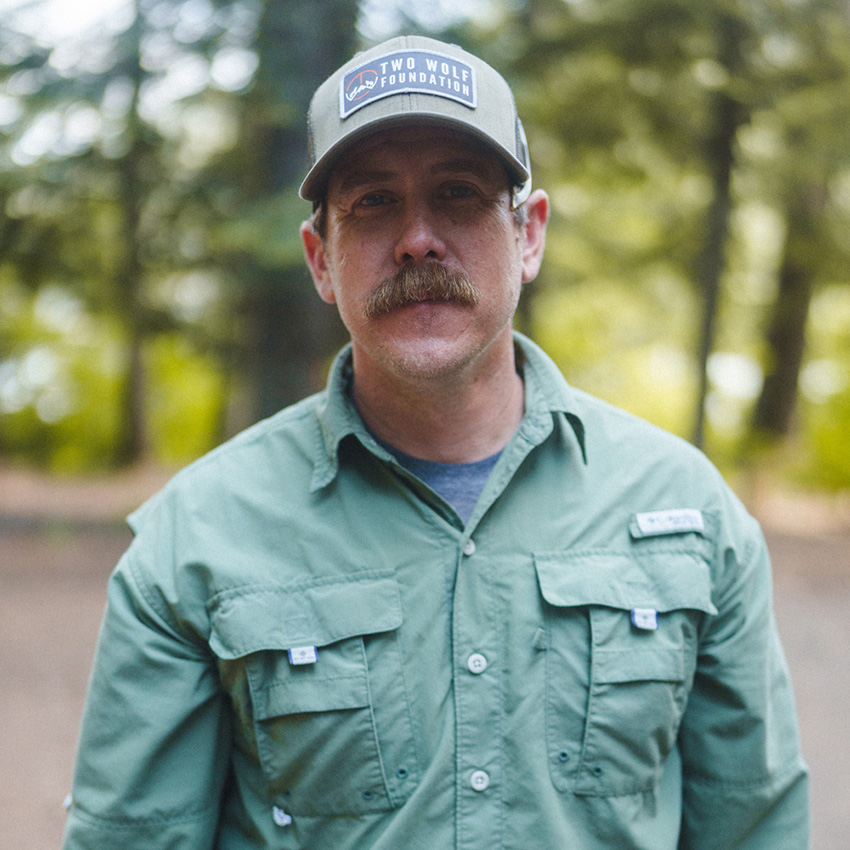
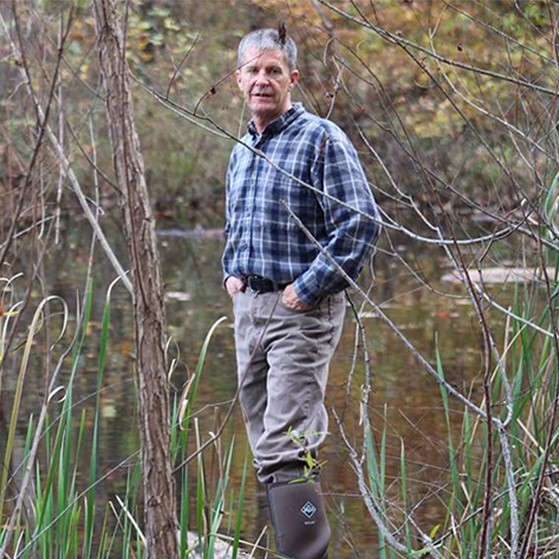
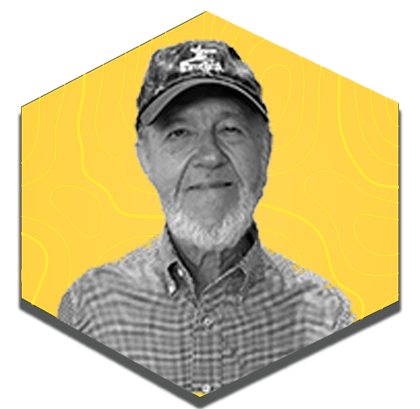
 Brian Flynn, Two Wolf Foundation
How Sportsmen Are Doing It Right

Brian Flynn, Two Wolf Foundation's Story

Following a distinguished career in the U.S. Army, lifelong outdoorsman Brian Flynn returned home from a deployment in Afghanistan and…

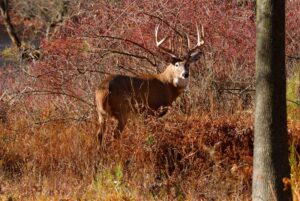
Hunting
Why It Matters

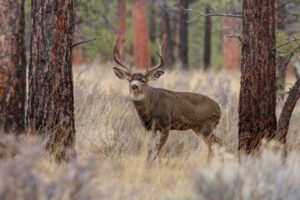
Key Issues for America’s Hunters

Your source for the latest policy updates, conservation challenges, and opportunities shaping America’s hunting traditions.

What TRCP is Doing

We’re fighting for meaningful policy changes that benefit wildlife, our waters, and the American landscapes that make our outdoor traditions possible.

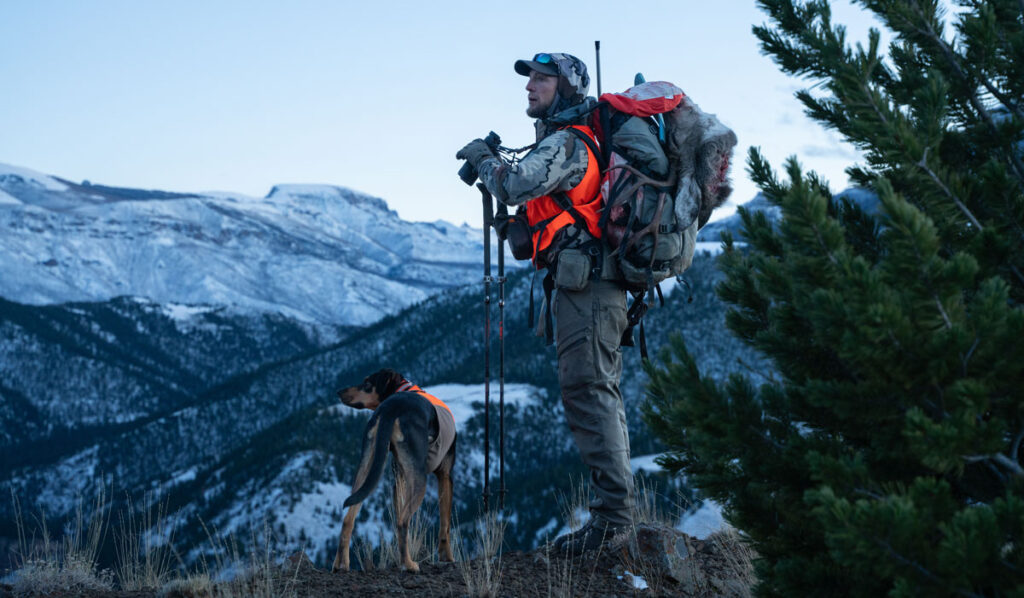
 Ryan Sparks
How Sportsmen Are Doing It Right

Ryan Sparks's Story

TRCP’s “In the Arena” series highlights the individual voices of hunters and anglers who, as Theodore Roosevelt so famously said,…
Fishing
Why It Matters

Key Issues for America’s Anglers

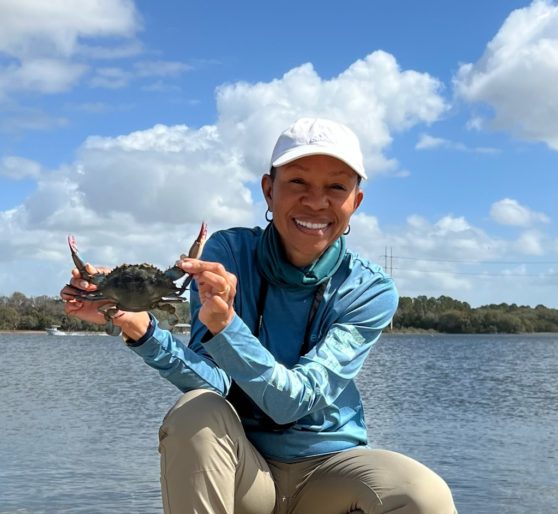
Your source for the latest policy updates, conservation challenges, and opportunities shaping America’s fishing traditions.

What TRCP is Doing

We’re fighting for meaningful policy changes that benefit wildlife, our waters, and the American landscapes that make our outdoor traditions possible.

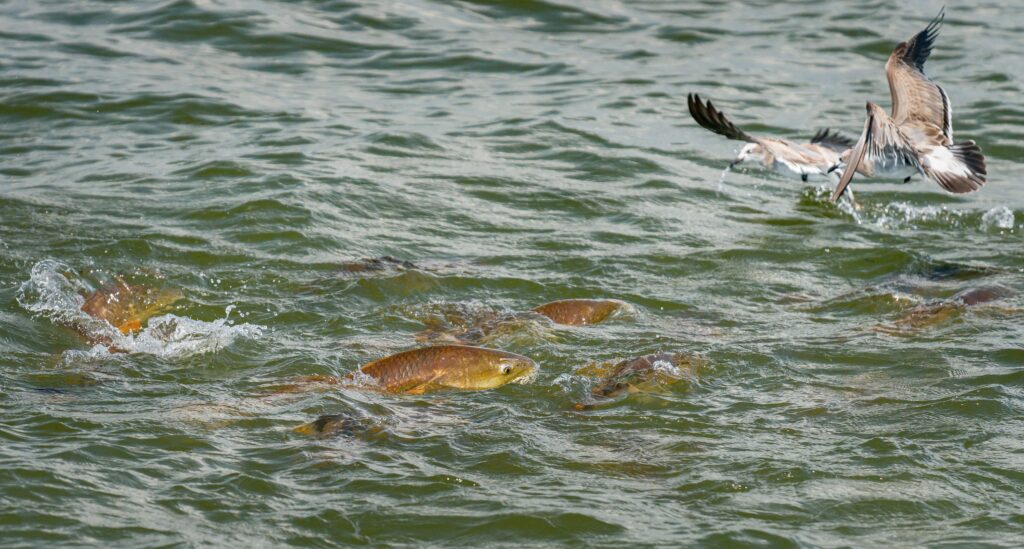
 David Mangum
How Sportsmen Are Doing It Right

David Mangum's Story

Capt. David Mangum is a YETI ambassador and outdoor photographer who utilizes his talents to produce media that inspire a…

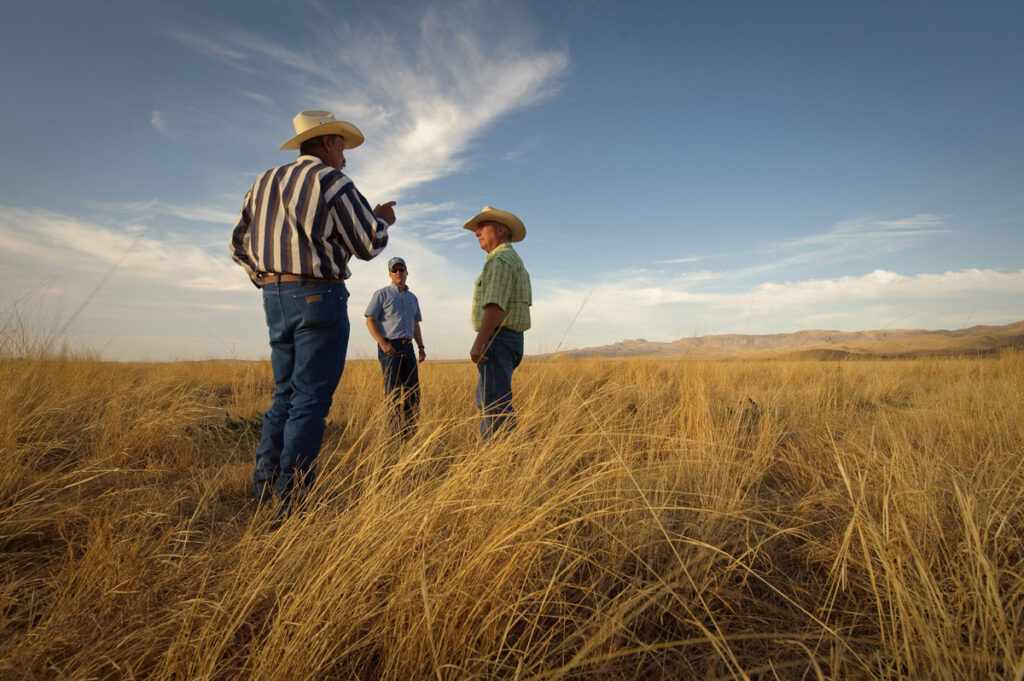
Private Land
Why It Matters

Stewardship on America’s private lands

With 70 percent of U.S. lands in private hands and many of our best hunt and fish opportunities occurring there, investing in voluntary conservation on working lands safeguards access, strengthens habitat and water quality, and ensures resilient landscapes.

Learn More
What TRCP is Doing

We champion policies and programs that restore wildlife habitat, improve soil and water health, and keep working lands productive.

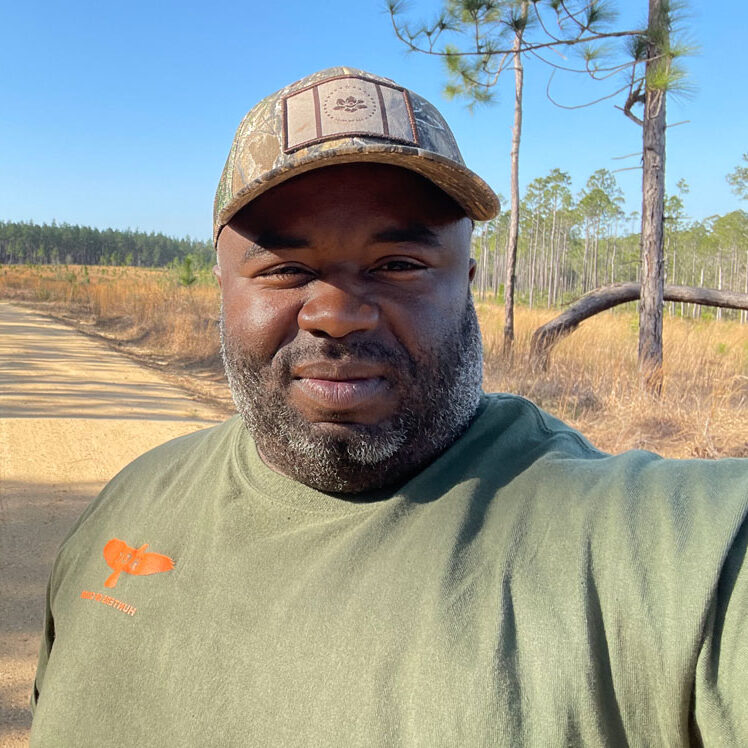
 Ward Burton
How Sportsmen are Doing It Right

Ward Burton's Story

Ward Burton’s NASCAR driving career stretched across most of two decades. As an avid sportsman and conservationist, he founded the…

Special Places
Why It Matters

Special Places Worth Protecting

America’s most iconic landscapes provide unmatched habitat and unforgettable days afield. These places sustain wildlife, anchor local economies, and define the hunting and fishing traditions we pass down.

What TRCP is Doing

We’re working to conserve special places that provide world-class habitat and unforgettable opportunities for hunters and anglers.

 Franklin Adams
How Sportsmen Are Doing It Right

Franklin Adams's Story

As a true Gladesman, conservationist, and historian, Capt. Franklin Adams has spent more than six decades championing Everglades restoration efforts…

Habitat & Clean Water
Why It Matters

Healthy Habitat Powers Every Pursuit

All hunting and fishing opportunities depend on quality habitat, from clean water and healthy wetlands to winter and summer habitats and the migration corridors that connect them.

All About Habitat & Clean Water
What TRCP is Doing

We are working to safeguard the habitats that power every hunting and fishing opportunity.

 Alex Harvey
How Sportsmen Are Doing It Right

Alex Harvey's Story

Alex Harvey, founder of Legacy Land Management, is a registered professional forester in Mississippi and Alabama with a Master's degree…

Science
Why It Matters

Science That Guides TRCP

From conserving migration corridors and wetlands to ensuring clean water and resilient landscapes, science provides evidence that turns conservation goals into effective action.

Science for Conservation
What TRCP is Doing

For hunters and anglers, science safeguards the experiences we treasure including resilient big game populations, abundant fish, and wild places that endure changing social landscapes.

Jamelle Ellis
Your Science Expert

Jamelle Ellis's Story

Jamelle Ellis joined the Theodore Roosevelt Conservation Partnership in 2022. Jamelle spent the last three years as an environmental sustainability…

Where We Work
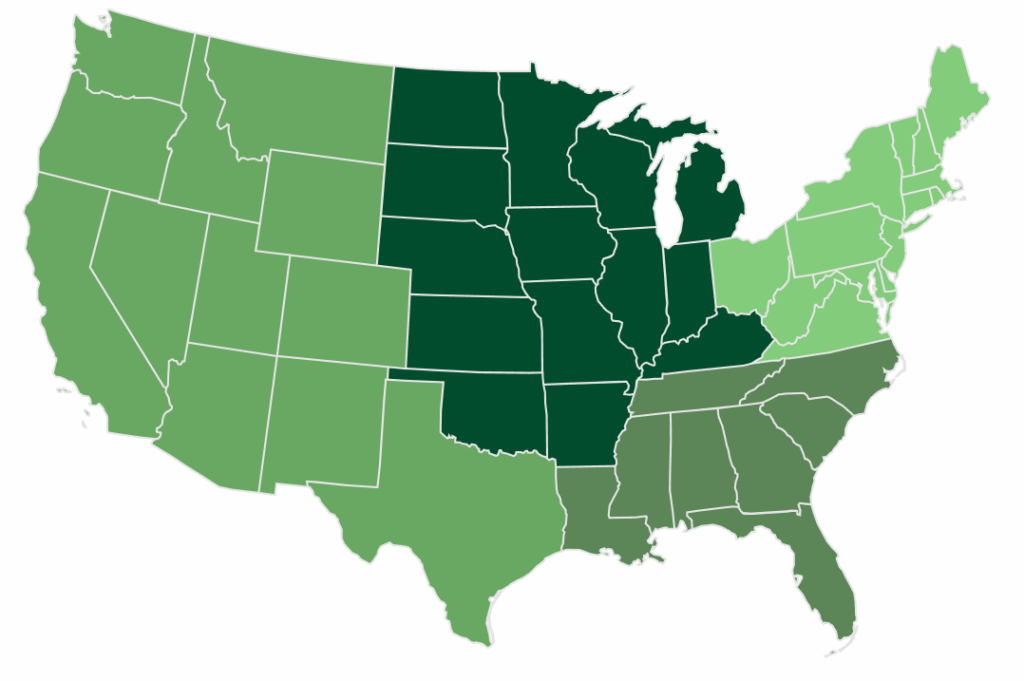
Across the Nation

Conservation Across America

TRCP works across the country to ensure hunters and anglers can enjoy healthy fish and wildlife and quality days afield, no matter where they live.

See All Issues
TRCP in Your Region

TRCP works across the country to ensure hunters and anglers can enjoy healthy fish and wildlife and quality days afield, no matter where they live.

Who We Are
Our Mission

To guarantee all Americans quality places to hunt & fish

We unite and amplify our partners’ voices to advance America’s legacy of conservation, habitat, and access.

Our Mission & Values
Our People & Partners
  • Meet the TRCP Team

    Our staff and board members unite and amplify our partners’ voices to advance America’s legacy of conservation, habitat, and access.

    Meet the Team
  • Our Partners

    ‘Partnership’ is in our name. We work with 64 diverse partner groups that represent today’s leading hunting, fishing, and conservation organizations in order to strengthen the sportsman’s voice in Washington, D.C.

    Our Partners
  • Corporate Council

    TRCP’s Corporate Council is made up of diverse corporations that share a common passion for conservation.

    Corporate Council
Our Organization

Looking for more information?

Explore our latest news, policy updates, and conservation resources to get the information you need.

Giving
How You Can Help

To guarantee all Americans quality places to hunt & fish

Your tax-deductible donation will support TRCP's mission, now and into the future.

DONATE
Special Ways to support trcp
  • Capital Conservation Awards Dinner

    The CCAD is one of Washington's best-attended conservation celebrations, featuring dinner, cocktails, and a silent auction.

    Learn More
  • Step Into the Arena

    Help us ensure that our treasured wild habitats and game remain intact for the next generation to enjoy – lend your support to the TRCP’s efforts today!

    Donate
  • Roosevelt Roast

    TRCP has partnered with Afuera Coffee Co. to further our commitment to conservation.

    Learn More
More donation options

Find the best way for you to lend your support. Join one of TRCP’s donor circles for special invitations, premium offerings from outdoor retailers, and more exclusive benefits. Take control of your legacy with planned giving or contribute to special conservation funds.

Other Ways To Give
News
In the Spotlight

TRCP Urges Renewed Collaboration on Colorado River Management

Missed deadline highlights continued need for durable agreement that sustains water, fish, and wildlife - and the outdoor traditions central to the Basin's identity and economy.

Read More

Stay Informed

Receive our newsletter, the Roosevelt Report, right in your inbox. Never miss the latest news in conservation issues.

by:

posted in:

November 2, 2018

Mountain Khakis Nov 2018 Lower Left HP

Do you have any thoughts on this post?

XHTML: You can use these tags: <a href="" title=""> <abbr title=""> <acronym title=""> <b> <blockquote cite=""> <cite> <code> <del datetime=""> <em> <i> <q cite=""> <s> <strike> <strong>

Comments must be under 1000 characters.

by:

posted in:

October 31, 2018

PA Sportsmen Support Increasing License Fees to Better Fund Conservation

Sportsmen and women on both sides of the aisle overwhelmingly want state decision-makers to ensure robust funding for conservation programs that improve water quality and fish habitat

The majority of Pennsylvania’s hunters and anglers want decision-makers in the state to invest in clean water and fish habitat, even if it means sportsmen and women have to open their own wallets to do so, according to polling data revealed today by the Theodore Roosevelt Conservation Partnership and Public Opinion Strategies.

Once they were provided with basic information on how it would help conservation, nearly three-quarters of the hunters and anglers polled (74 percent) said they would agree to increase the state’s fishing license fee, which hasn’t been adjusted in more than a decade, despite the rising costs facing the Pennsylvania Fish and Boat Commission. Sixty percent of respondents supported the fee increase without any additional information about how the money would be spent.

Even as the primary agency tasked with providing safe access to 86,000 miles of rivers and streams, the PFBC has been forced to scale back conservation efforts and operate with fewer wildlife conservation officers in recent years.

“This study shows that, regardless of political affiliation, sportsmen and women in the Keystone State are spurred to action by clean water issues that affect our hunting and fishing opportunities,” says Derek Eberly, Pennsylvania field representative for the Theodore Roosevelt Conservation Partnership. “We’ve always been willing to pay our fair share for conservation, but it’s time to pay a little more.”

Beyond the price of fishing licenses, 77 percent of poll respondents who hunt and fish were also willing to pay more in taxes to restore and/or maintain water quality and quantity in Pennsylvania, where healthy in-stream flows support strong fish populations. And 92 percent of the sportsmen and women polled said state lawmakers should strengthen or maintain the clean water laws and standards currently in place.

Other key results:

  • 81% of Pennsylvania hunters and anglers across the political spectrum have a more favorable opinion of elected officials with pro-conservation views.
  • 90% of voters who hunt and fish say habitat and water issues are important to them as they decide whether or not to support an elected official, with almost no distinction between Republicans, Democrats, and Independents.
  • 37% went even further to say that habitat and water issues are of primary importance as they decide whether or not to support an elected official.
  • Four in five say they support fully funding the Growing Greener program, which provides grants to restore watersheds, clean up abandoned mines, and plug abandoned oil and gas wells.

To learn more about poll methodology and review the full results, click here.

October 25, 2018

Walk-In Access Leads to Tagged-Out Turkey Hunt in Kansas

For two hunters on a bucket-list turkey hunting road trip, Kansas’s Farm-Bill-funded access program delivers

Like many hunters from the eastern United States, I’ve always wanted to head west across the Mississippi for an unforgettable hunting trip. Hitting the road with a good friend, taking in the wide-open landscape, and spending time in the woods with a tag in my pocket just couldn’t be more appealing.

I had the chance to fulfill this dream with my buddy and co-worker Travis only a few months ago, thanks to the generosity of a Kansas farmer named Ray. Travis got in touch with Ray through his brother, a farmer in our home state of North Carolina. Neither Travis nor I had met Ray in person, but he offered us a place to stay if we wanted to come out and hunt spring turkeys in the Sunflower State. We didn’t need much convincing to take advantage of the opportunity.

What’s particularly special about the land, and further proof of Ray’s generosity, is that it’s enrolled in the state’s walk-in access program, which is funded in part by the federal Farm Bill initiative known as the Voluntary Public Access Program. Landowners are encouraged to open private acres for public access to hunting and fishing, creating new outdoor recreation opportunities in areas with few public lands. Now that the 2014 Farm Bill has expired, walk-in access programs across the country face an uncertain future.

This is just one hunting story that wouldn’t have been possible without walk-in access on private land and Farm Bill funding.

First Stop: Topeka

Our journey started at 4:00 am when Travis picked me up at the farm, hoping that an early start would get us to our destination by nightfall. After crossing into Kansas, we planned to stop first in Topeka, both to stretch our legs and to buy hunting licenses and a pair of tags each.

Around 9:30 we arrived in the town of Liebenthal, where we met Ray as well as some of the local farmers and residents. Everyone couldn’t have been more welcoming. Later we unpacked our bedrolls at Ray’s, which was serving as something of a makeshift hunting lodge for his friends and family. After some more conversations and introductions, we went to sleep with plans to wake up at 5am.

Only a few hours later, our alarms sounded, and we headed out in the dark.

Day One Success

In addition to our gear and shotguns, each of us carried a Kansas turkey hunting guide book, which proved extremely valuable throughout the trip. These guides include a map that identifies lands enrolled in the Walk-In Hunter Access program. Having turkey hunted in Nebraska and Kansas the previous year, Travis was familiar with WIHA and raved about the opportunities we would enjoy.

The first morning, we made our way northwest to a block of WIHA land, clearly marked by signs on the boundary of the property as we drove. We located a spot next to a river which we found had cottonwood trees lining the water just after daybreak. From the road we could both see a large Rio Grande tom fanning several hens about a hundred yards off the road under a large cottonwood tree.

Right away, I jumped from the truck, got my turkey suit on, and loaded up a shotgun, telling Travis that I was going to put a stalk on my first Kansas turkey. He looked at me like I was crazy, but I had come 1,200 miles to hunt and the clock was ticking. Thirty minutes later, after crawling on my hands and knees to within forty yards of the birds before blowing them out, I returned to the truck disappointed.

After a quick huddle, Travis and I came up with an afternoon plan to ambush an old tom we’d seen roosted in some big cottonwood trees. Once we set up the blind, the wait began and we took turns resting while the other watched and listened for the turkeys returning to their roost. About an hour before sunset we heard our first gobble, which perked us right up. The tom was coming towards us on the hillside above, letting out a thunder gobble every twenty yards until I pulled the trigger. With a cloud of dust and the flop of feathers, I had my first Rio Grande tom in the bag.

The Long Sit

Our wake-up call came early the next morning and it was Travis’s turn to find his bird. We headed south through LaCrosse and then east to another patch of WIHA land with a creek running through it. Water is scarce in central Kansas, and the cottonwood trees that grow nearby hold turkeys early in the morning and late in the afternoon.

Our initial set-up on some roosted birds fell apart when they flew down and quickly headed in the opposite direction from us. The wind began to blow hard out of the south and we were both tired, so Travis suggested getting the blind from the truck and hunkering down where we were. The rest of the day we watched for turkeys out of the blind’s portholes and caught up on our sleep.

Just before sunset, we both came to full attention as a large group of redhead turkeys began approaching from the other end of the meadow. As the birds got closer, we both realized they were the jakes from the group we’d seen come down that morning.

Travis was still looking at the jakes when I peered out of other side of the blind and spotted two giant toms coming out of the creek bottom. I told Travis to get to where I was and scrambled to move out of his way. After a shotgun blast rang out, Travis yelled “I got him” and turned around to celebrate. With two tags punched and a few days left in our trip, we started planning our next move. In the meantime, we repaid some of the locals for their hospitality by cooking up a dinner of wild turkey nuggets and roasted red potatoes.

On the Move

After a day of rest, we loaded up early on the fourth morning and drove back to the WIHA property we’d hunted previously. Unable to sit still another day, I decided to spot-and-stalk a tom. Travis didn’t seem to have much confidence in the idea and wanted to stay in the blind, so I grabbed the decoy he’d brought and headed for bluffs above the valley.

Working my way across the top while glassing with my binoculars, I spotted a group of hens on the valley floor. I dropped down the slope and moved between the cedars to get within shooting range, letting the hens and then a group of jakes pass. My patience was rewarded. A very nice long-beard tom was about a minute behind the jakes, following slowly in their tracks.

I presented the decoy and then flipped the fan around to its rear, causing the tom to lock in and race towards me—just the reaction I was hoping for. Once the tom got within 20 yards I let go of the decoy and raised my shotgun, dropping him in his tracks a moment later.

I took a minute to thank God for my second turkey of the trip, collected my things and slung that old tom over my shoulder for the walk back up the valley floor.

Tagged Out

The next morning we drove around looking for turkeys in fields with hopes that some would be accessible to us on WIHA land. South of Bison, we spotted three toms fanning several hens at the back of a crop field. It wasn’t long until we saw WIHA signs hanging on the fence row, and Travis turned onto the next road and pulled over at the nearest spot.

Once out of the truck, I grabbed the decoy and we began our stalk single-file, with me holding the decoy out in front. Our first movement took us roughly 500 yards to several round bales of hay in the middle of the crop field, but another 500 yards stood between us and the turkeys. We again hooked up single-file, shielding ourselves from view with the decoy, and headed straight across the open ground.

Once we were within 30 yards or so, two jakes and a tom locked in on the decoy and began running towards it. I urged Travis to shoot as the birds closed the distance, picking up their pace. When he finally pulled the trigger, I saw one of the birds go flopping across the field. Travis was tagged out in Kansas.

The Stuff Dreams Are Made Of

Between the opportunities we found on prime private land, the success we enjoyed turkey hunting, and all of the deer, quail, pheasants, and rabbits we saw, I couldn’t be positive enough about the experience we had in Kansas. And what made it all possible, in addition to the friendliness of everyone we met, was the outstanding opportunities made available through the Voluntary Public Access Program.

The opportunities this program creates on private land are a huge boon to hunters who have limited access at home or want to chase game in states that have very few public lands.

If you use walk-in access, or know someone who does, click here to tell Congress to increase funding for VPA in the upcoming Farm Bill.


Michael Hoyle is a criminal investigator for the Catawba County Sheriff’s Office in Newton, North Carolina, and a SWAT team sniper. When he’s not chasing criminals, writing reports, or training, he’s chasing feathers, fur, and fins throughout the United States and making the most of our public land. Hoyle has been hunting and fishing since he could walk and loves nothing more than to put his friends and family on fish and game. Find him on Instagram @Hoylesopenchokeremmy

by:

posted in:

October 19, 2018

How Maintenance Backlogs Could Affect Your Hunting Season

Deferred maintenance projects without suitable funding crop up on more than just national park lands, and it could waste your precious daylight hours afield—here’s everything you need to know about the backlog issue, proposed solutions, and why it’s personal

Picture this: You draw a special deer tag in a unit you’ve never hunted before, and like most people, you’re busy. So, you study maps and satellite imagery to mark roads and trails on your GPS, but family and work obligations prevent you from being able to get out there and scout in-person.

You could be pulling into camp the day before a six-day hunt, with your entire strategy reliant on being able to use access that you’ve never laid eyes on. It’s not ideal, but it happens. And there is a real possibility that you’ll be confronted with washed out roads and deep ruts that make passage difficult or impossible by vehicle, while some non-motorized trails are so overgrown that you can’t even find them to hike on.

No one wants to burn up half their hunt frustrated by road and trail conditions that fall short of their expectations. But this kind of access to public lands has become more difficult for America’s sportsmen and women because of the massive maintenance backlogs at many federal land management agencies—not just the National Park Service. It’s time to recognize the breadth of this challenge and how it plays out during your hunting and fishing season.

Know the Numbers

According to the U.S. Fish and Wildlife Service, more than 36 percent of American hunters depend on public lands for some or all of their access. In the West, where the BLM oversees 245 million acres of multiple-use public lands, 72 percent of hunters rely on public lands. When the roads and trails on these lands become difficult to navigate, these are the sportsmen and women who waste their precious time afield and get frustrated with land managers.

Currently, the Interior Department has a maintenance backlog totaling roughly $16 billion. While the bulk of that figure—or $11.6 billion—is tied to national parks, America’s sportsmen and women remain concerned about the backlogs at the Bureau of Land Management and the National Wildlife Refuge System, which have a combined backlog of $2.2 billion. Meanwhile, at the Department of Agriculture, the U.S. Forest Service has a backlog totaling more than $5 billion, an issue further exacerbated by the practice of “fire borrowing” before this fix.

Combined, these agencies manage public lands that provide some of the best hunting and fishing opportunities in the country. But nothing is more frustrating than having to ground-truth every route to make sure it’s accessible as presented on a map. Especially in today’s world, when time is precious and most people don’t have extra days to spare.

Loss of access is often cited as the number-one reason hunters quit the sport. With hunting numbers already in decline, creating a ripple that reduces funding for state wildlife conservation, we can ill-afford to let a backlog of repairs put negative pressure on hunter retention and recruitment.

Finding a Solution

The deferred maintenance backlog across federal agencies and Americans’ access to public lands appears to be top-of-mind for the administration. In his infrastructure proposal earlier this year, President Trump offered a new funding stream to address the maintenance backlog on lands managed by the Interior Department, including our nation’s parks and wildlife refuges. And Secretary Zinke has been outspoken about the maintenance backlog issue, even as he has urged agency staff through two Secretarial Orders to prioritize public access to outdoor recreation like hunting and fishing.

Creating a solution will be critical, but it can’t come at the cost of other important conservation programs. While the TRCP supports initiatives to address the significant maintenance backlog on our nation’s public lands, we are opposed to efforts to restructure programs like the Land and Water Conservation Fund with an aim of shifting funding from one important need to another.

Instead, we need an all-of-the-above strategy: Reauthorize the Land and Water Conservation Fund to continue creating access where there is none, recognize that the maintenance backlog issue is meaningful for more than just national park visitors, and identify new funding sources to deal with it.

Fortunately, the House Natural Resources Committee recently showed strong bipartisan support for doing just that. In September, they advanced two pieces of critical public lands legislation that would permanently reauthorize the Land and Water Conservation Fund and provide dedicated funding to address the maintenance backlogs in our national parks, Bureau of Land Management lands, and National Wildlife Refuge System.

Now, sportsmen and women need Congress to see these solutions through before the end of the year, when all good intentions are left on the cutting room floor and a new Congress begins. If you agree, voice your support for the public lands that we call Sportsmen’s Country—sign the petition now.


This was originally posted March 27, 2018, and has been updated to reflect recent events.

by:

posted in:

October 18, 2018

Dreams of the Fabled Fall Blitz Turn Into an Industrialized Fishing Nightmare

The scene that shocked East Coast anglers who waited all year to cruise up to striped bass blitzing on an embattled forage fish

I look forward to fall fishing all year long. It is a little cooler, the days a little shorter, and the convergence of baitfish and predators feeds the fabled fall blitz and takes over my imagination. A few weeks ago, I headed out ready to fish the fall migration with coolers full, sandwiches made, and strong reports of striped bass, false albacore, and bluefish in the area. A Long Island Grand Slam was on our agenda.

We couldn’t get out there fast enough when we saw what every angler wants to see: birds dive-bombing the water above a huge pod of bunker. These Atlantic menhaden support pretty much every sportfish we care about. And they’re so critical to the ecosystem that anglers up and down the East Coast would like to see them managed with their value as a forage fish in mind.

Through binoculars, we saw an even larger flock of birds indicating some action in the distance, so we got the boat up on plane and gunned it to see what was going on. But we were not prepared to see a 200-foot purse seining boat vacuuming up millions of bunker.

I knew this was happening down in Virginia—where a single company represents the last holdout in the commercial harvest of menhaden—but what the heck were these boats doing up in New York waters? Hearing about it is bad, but seeing the scale of this type of fishing in person is shocking and demoralizing. There was a spotter plane flying above to find the fish and two smaller boats dispatched by the mother ship to surround the school with a huge net.

They were removing millions of pounds of bait that make our best days on the water possible. And, quite simply, if you remove the bait, the predators will leave, too. Imagine a fresh chill in the air and no birds on the horizon.

Courtesy: Stephan Lowy

Standing there with my rod and reel, I felt really insignificant next to this industrial operation. New York doesn’t allow reduction fishing—the practice of “reducing” commercially harvested fish like menhaden into fishmeal or fish oil—in the three miles offshore that constitute state waters. In fact, reduction fishing has been banned off the coastal waters of every Atlantic state, with the exception of Virginia. But we were just beyond that boundary within federal waters, where reduction fishing of this sort is currently permitted in what is known as the Exclusive Economic Zone. (Ironically, all striped bass fishing–both recreational and commercial–is strictly prohibited in the EEZ.)

How can removing that much forage from the marine food web be the best use of the resource for New York fishermen and our economy? These boats, run by Omega Protein, would soon be taking these fish back to Virginia to be processed and then shipped to Canada to feed farmed salmon. But what about our wild stripers, albies, and blues?

Not too long ago, menhaden were in real trouble due to overfishing. Scientists agree that the menhaden’s recovery began when the Atlantic States Marine Fisheries Commission, the government body that manages the species, enacted the first-ever catch limits on bunker in 2013.

But the return of menhaden has now also brought the Omega Protein fleet back to our waters with their spotter planes, and our future fishing opportunities could be left in their wake.

For decades, Omega (now owned by Canadian Cooke Inc.) has opposed a more ecological approach to fisheries management and consistently lobbies for aggressive catch increases that would jeopardize the return of menhaden populations. Why? Because their business depends on churning out more fishmeal and fish oil.

Omega’s return to New York and New Jersey has created outrage and should spark action. If menhaden populations in Virginia are as healthy as Omega says, why did they need to travel 270 miles from their home port in Reedsville to catch their quota?

Removing a critical food source for sportfish in the New York Bight and taking it back to Virginia is an irresponsible use of the resource. We need this bait for our predators and the outdoor recreation economy they support. Our policymakers should not allow local anglers to sacrifice for the benefit of one company.

All but one of the Atlantic Coast states have banned the ecologically damaging practice of menhaden reduction fishing in their territorial waters. Perhaps the time has come for the federal government to do the same.


Top photo courtesy: David Blinken

HOW YOU CAN HELP

TRCP has partnered with Afuera Coffee Co. to further our commitment to conservation. $4 from each bag is donated to the TRCP, to help continue our efforts of safeguarding critical habitats, productive hunting grounds, and favorite fishing holes for future generations.

Learn More

You have Successfully Subscribed!

You have Successfully Subscribed!

You have Successfully Subscribed!

You have Successfully Subscribed!