Our Issues
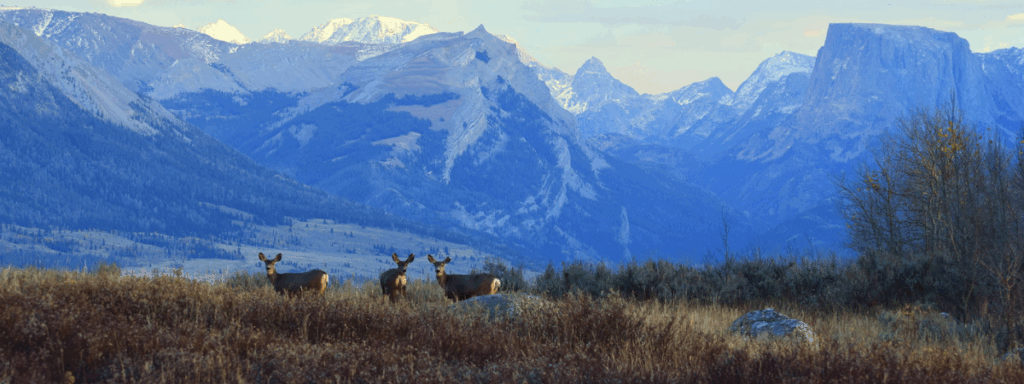
Public Lands
Why It Matters

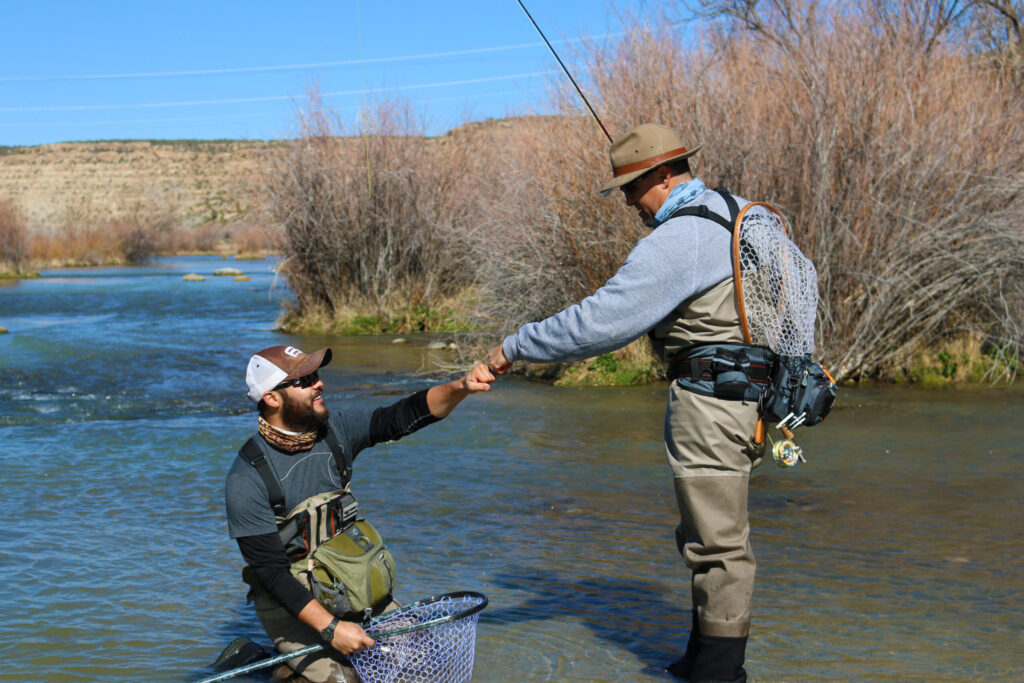
Hunting & Fishing Access

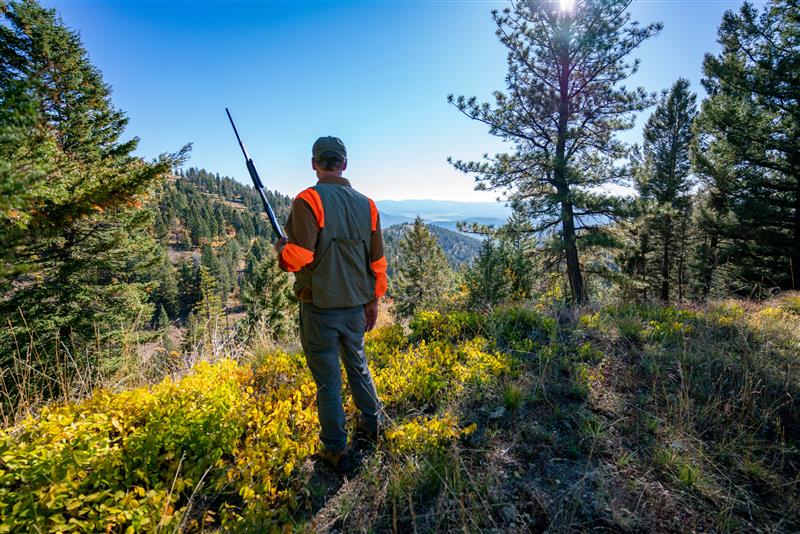
America’s 640 million acres of national public lands provide irreplaceable hunting and fishing opportunities to millions of Americans.

Learn More About Access
What TRCP is Doing

We’re working to safeguard America’s public lands so hunters and anglers always have quality places to pursue their passions.
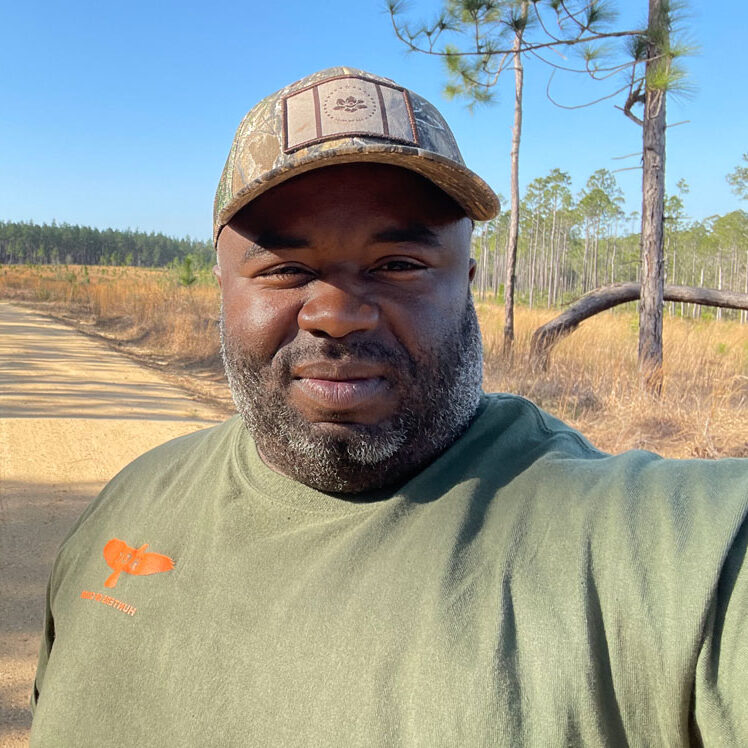
 Brian Flynn, Two Wolf Foundation
How Sportsmen Are Doing It Right

Brian Flynn, Two Wolf Foundation's Story

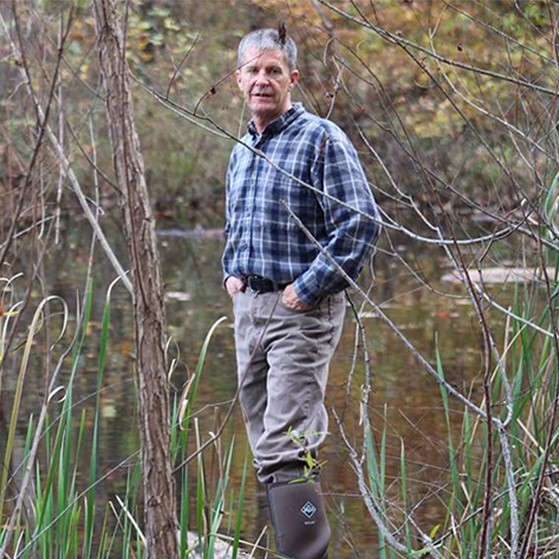
Following a distinguished career in the U.S. Army, lifelong outdoorsman Brian Flynn returned home from a deployment in Afghanistan and…

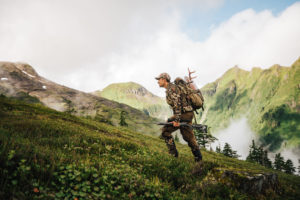
Hunting
Why It Matters

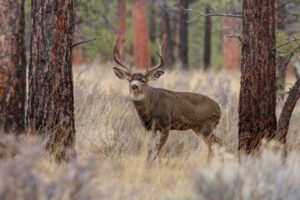
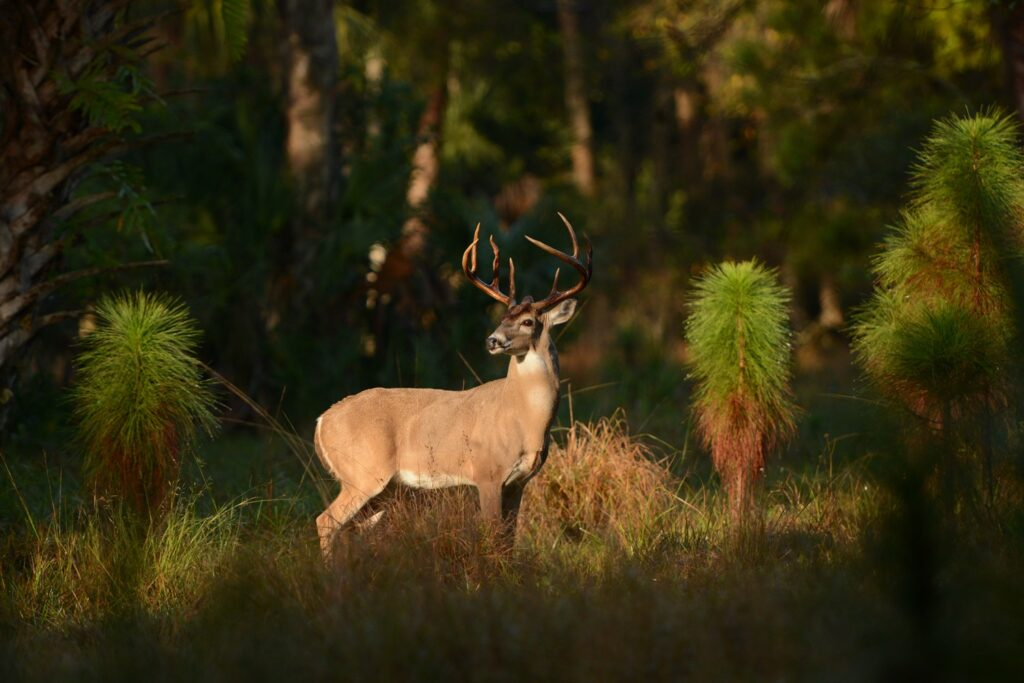
Key Issues for America’s Hunters

Your source for the latest policy updates, conservation challenges, and opportunities shaping America’s hunting traditions.

What TRCP is Doing

We’re fighting for meaningful policy changes that benefit wildlife, our waters, and the American landscapes that make our outdoor traditions possible.

 Ryan Sparks
How Sportsmen Are Doing It Right

Ryan Sparks's Story

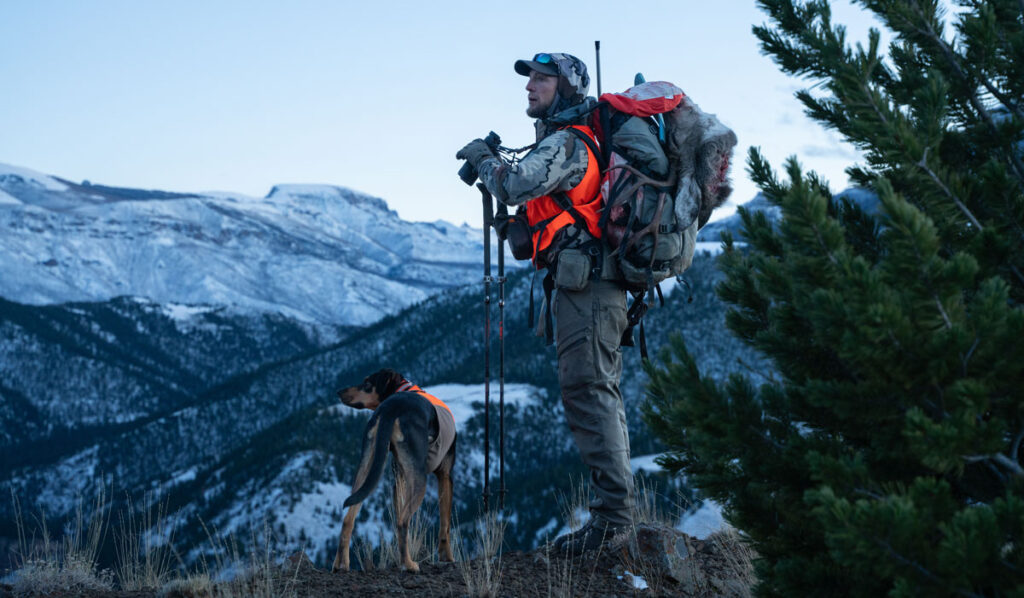
TRCP’s “In the Arena” series highlights the individual voices of hunters and anglers who, as Theodore Roosevelt so famously said,…

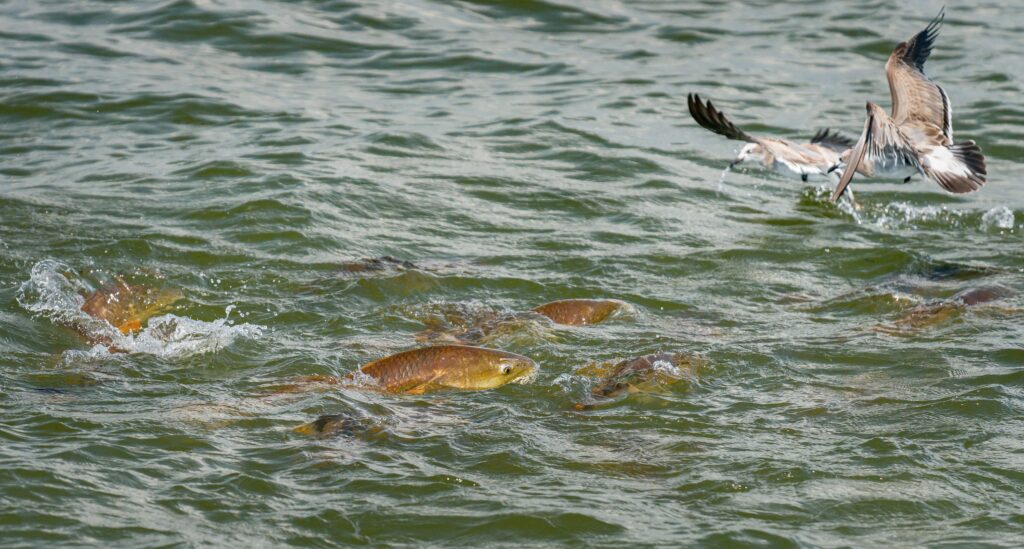
Fishing
Why It Matters

Key Issues for America’s Anglers

Your source for the latest policy updates, conservation challenges, and opportunities shaping America’s fishing traditions.

What TRCP is Doing

We’re fighting for meaningful policy changes that benefit wildlife, our waters, and the American landscapes that make our outdoor traditions possible.

 David Mangum
How Sportsmen Are Doing It Right

David Mangum's Story

Capt. David Mangum is a YETI ambassador and outdoor photographer who utilizes his talents to produce media that inspire a…

Private Land
Why It Matters

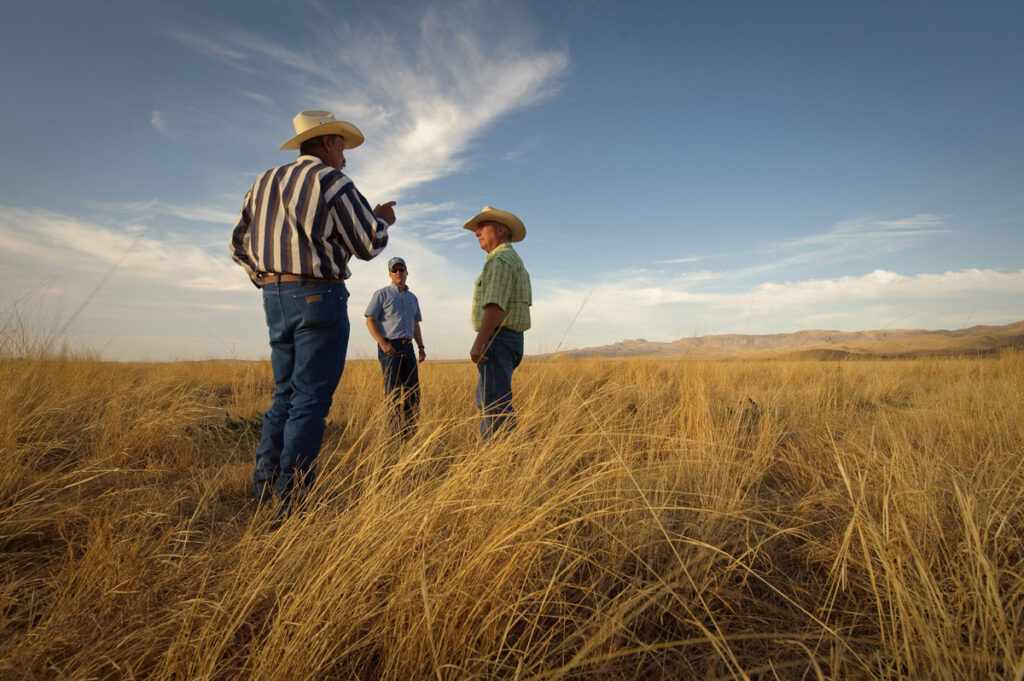
Stewardship on America’s private lands

With 70 percent of U.S. lands in private hands and many of our best hunt and fish opportunities occurring there, investing in voluntary conservation on working lands safeguards access, strengthens habitat and water quality, and ensures resilient landscapes.

Learn More
What TRCP is Doing

We champion policies and programs that restore wildlife habitat, improve soil and water health, and keep working lands productive.

 Ward Burton
How Sportsmen are Doing It Right

Ward Burton's Story

Ward Burton’s NASCAR driving career stretched across most of two decades. As an avid sportsman and conservationist, he founded the…

Special Places
Why It Matters

Special Places Worth Protecting

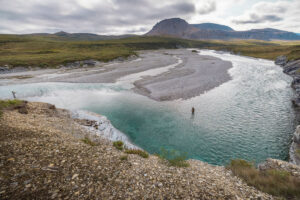
America’s most iconic landscapes provide unmatched habitat and unforgettable days afield. These places sustain wildlife, anchor local economies, and define the hunting and fishing traditions we pass down.

What TRCP is Doing

We’re working to conserve special places that provide world-class habitat and unforgettable opportunities for hunters and anglers.

 Franklin Adams
How Sportsmen Are Doing It Right

Franklin Adams's Story

As a true Gladesman, conservationist, and historian, Capt. Franklin Adams has spent more than six decades championing Everglades restoration efforts…

Habitat & Clean Water
Why It Matters

Healthy Habitat Powers Every Pursuit

All hunting and fishing opportunities depend on quality habitat, from clean water and healthy wetlands to winter and summer habitats and the migration corridors that connect them.

All About Habitat & Clean Water
What TRCP is Doing

We are working to safeguard the habitats that power every hunting and fishing opportunity.

 Alex Harvey
How Sportsmen Are Doing It Right

Alex Harvey's Story

Alex Harvey, founder of Legacy Land Management, is a registered professional forester in Mississippi and Alabama with a Master's degree…

Science
Why It Matters

Science That Guides TRCP

From conserving migration corridors and wetlands to ensuring clean water and resilient landscapes, science provides evidence that turns conservation goals into effective action.

Science for Conservation
What TRCP is Doing

For hunters and anglers, science safeguards the experiences we treasure including resilient big game populations, abundant fish, and wild places that endure changing social landscapes.

Jamelle Ellis
Your Science Expert

Jamelle Ellis's Story

Jamelle Ellis joined the Theodore Roosevelt Conservation Partnership in 2022. Jamelle spent the last three years as an environmental sustainability…

Where We Work
Across the Nation

Conservation Across America

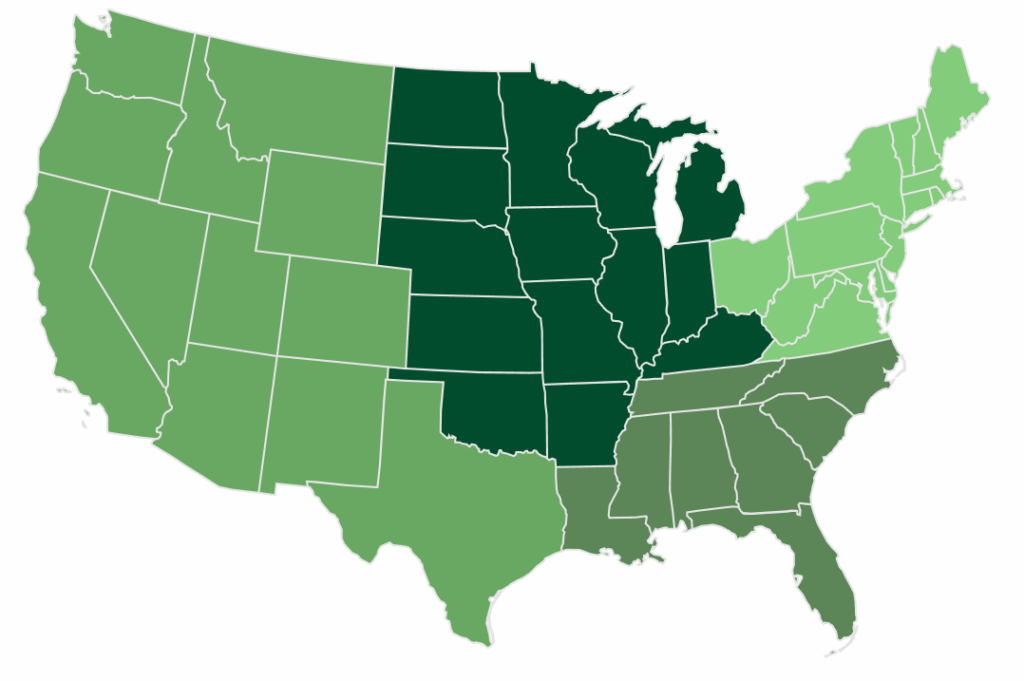
TRCP works across the country to ensure hunters and anglers can enjoy healthy fish and wildlife and quality days afield, no matter where they live.

See All Issues
TRCP in Your Region

TRCP works across the country to ensure hunters and anglers can enjoy healthy fish and wildlife and quality days afield, no matter where they live.

Who We Are
Our Mission

To guarantee all Americans quality places to hunt & fish

We unite and amplify our partners’ voices to advance America’s legacy of conservation, habitat, and access.

Our Mission & Values
Our People & Partners
  • Meet the TRCP Team

    Our staff and board members unite and amplify our partners’ voices to advance America’s legacy of conservation, habitat, and access.

    Meet the Team
  • Our Partners

    ‘Partnership’ is in our name. We work with 64 diverse partner groups that represent today’s leading hunting, fishing, and conservation organizations in order to strengthen the sportsman’s voice in Washington, D.C.

    Our Partners
  • Corporate Council

    TRCP’s Corporate Council is made up of diverse corporations that share a common passion for conservation.

    Corporate Council
Our Organization

Looking for more information?

Explore our latest news, policy updates, and conservation resources to get the information you need.

Giving
How You Can Help

To guarantee all Americans quality places to hunt & fish

Your tax-deductible donation will support TRCP's mission, now and into the future.

DONATE
Special Ways to support trcp
  • Capital Conservation Awards Dinner

    The CCAD is one of Washington's best-attended conservation celebrations, featuring dinner, cocktails, and a silent auction.

    Learn More
  • Step Into the Arena

    Help us ensure that our treasured wild habitats and game remain intact for the next generation to enjoy – lend your support to the TRCP’s efforts today!

    Donate
  • Roosevelt Roast

    TRCP has partnered with Afuera Coffee Co. to further our commitment to conservation.

    Learn More
More donation options

Find the best way for you to lend your support. Join one of TRCP’s donor circles for special invitations, premium offerings from outdoor retailers, and more exclusive benefits. Take control of your legacy with planned giving or contribute to special conservation funds.

Other Ways To Give
News
In the Spotlight

Oregon Legislature Passes Landmark “1.25 Percent for Wildlife” Act

After three legislative sessions and more than a decade of advocacy, a bipartisan coalition secures Oregon’s most significant conservation funding victory in a generation.

Read More

Stay Informed

Receive our newsletter, the Roosevelt Report, right in your inbox. Never miss the latest news in conservation issues.

by:

posted in:

August 25, 2016

FL-Map

Do you have any thoughts on this post?

XHTML: You can use these tags: <a href="" title=""> <abbr title=""> <acronym title=""> <b> <blockquote cite=""> <cite> <code> <del datetime=""> <em> <i> <q cite=""> <s> <strike> <strong>

Comments must be under 1000 characters.

by:

posted in:

August 24, 2016

Celebrating Our National Parks: Public Lands Feed the Soul (and Six Hungry Young Men)

Hard-earned fish and forage in a national park that’s far from the crowds

Freshman-year procrastination still in full effect, a handful of my closest friends and I picked up the last of our food, fuel, and supplies on our way to the Queen IV ferry dock in Copper Harbor, Mich. We figured we had enough. Ready or not, we watched the shoreline creep away. Our weeklong public lands adventure in Isle Royale National Park had begun.

Isle Royale is a 45-mile-long island on the north end of Lake Superior. Only accessible by seaplane or on a wavy 3.5-hour ferry ride, the park hosts fewer visitors in a year than Yellowstone National Park sees in a single day, but that’s just the way we like it. None of us had ever attempted a trip like this. We were car campers at best, with most of our fishing days spent on the decks of our parents’ motorboats. Canoeing and portaging our way from one waterway to the next through a secluded national park would be exciting, unchartered territory.

Lunch break and rock hunting at one of the many historic light houses of Isle Royale. Image courtesy of Ethan Hornacek.

The remote island is protected by 450 smaller islands and peppered with dozens of inland lakes, making the archipelago an ideal destination for anglers but also quite a challenge. Fishing while paddling six miles against the wind on big water proved difficult, and we ended our first day with sore backs, blistered hands, and exactly zero fish.

On day two, we tried a calmer three-mile paddle into a protected cove of Lake Superior. From here, we conducted the first of our trip’s seven portages, lugging our 60-pound backpacks to the destination, doubling back, and then making the trek a third time with our aluminum canoes over our heads.

No wonder we were the only fools doing this.

Our campsite that night was on an inland lake 2.5 miles in, making it a 7.5-mile afternoon. We were quickly rewarded, though, with a plethora of northern pike. We ate our fill that night.

The author holds up his bruiser of a lake trout caught jigging on Siskiwit Lake, Isle Royale’s largest inland lake at 4,150 acres. Image courtesy of Ethan Hornacek.

It is critical for any hunter or angler to know the regulations of the area—it’s the part we all play in conservation—and we were armed with a Michigan fishing license for Lake Superior and its banks. We were surprised to learn that no license at all is needed to fish the island’s inland lakes, where you’re only limited by how much you can eat—no need to catch more than that, though you could. Additional rules apply, of course: Barbless hooks are required and, to keep the fishery productive, instead of minimum size requirements, park regs insist that we don’t keep fish above a certain size. Brook trout are off-limits, too.

Once we hit the island’s lakes, we couldn’t keep the fish out of our canoes. We caught northern pike, walleyes, and even some big lakers. We coated the fillets in fry mix and seasonings, then pan-fried them over our camp stove. Our remaining rations—flaked potatoes, pasta, beans, and rice—became side dishes instead of entrees. The chipmunks looked mighty jealous.

Even with the bounty of fish, we quickly realized that we underestimated the number of calories needed for six men on a weeklong backcountry excursion; our food supplies were getting low and we couldn’t eat enough. Fires are not allowed at most campsites, and frying fish over a camp stove uses quite a bit of fuel. Once we ran out, we’d have no way of cooking the fish or boiling water. We were saved when a group camping nearby watched us pull fish in one after another and commented on how tasty a fresh fish dinner would be. Turns out they had overpacked on fuel and were happy to shed some pack weight. Some good ol’ backcountry bartering ensued and we struck a deal: three filleted walleye for two cans of isobutene-propane.

We hit Lake Superior again the next day and pulled in a 41-inch northern pike, a Coho salmon, and two whitefish. We chilled the stringer in the frigid waters of the deepest and biggest of the Great Lakes to stretch our supply over multiple meals. Just when we thought it couldn’t get much better, we stumbled upon a jackpot of wild blueberries.

Late August is berry season on Isle Royale, and there are no bears to compete with at this National Park. Pictured here, wild blueberries. Image courtesy of Ethan Hornacek.

The park fed us, and I’ll never forget how proud I was of our self-reliance. With so few visitors, it felt like we owned those waters and wild areas. As the debate over federal land ownership continues, I realize this is exactly the case: We do own these lands. So, as we celebrate the National Park Service Centennial, I’m proud to remind others of the true value of public lands and the treasures they hold.

Even if you’re months away from your next backcountry hunt or hike, you can sign the petition to keep public lands in public hands right now.

Andrew Farron holds a bachelor’s degree in mechanical engineering from the University of Michigan. He resides in Traverse City, Mich. with his fiancé, Sarah, and black Labrador, Luna. Andrew seems to always catch more – and bigger – fish than his older brother, Kevin.

All month long, we’re celebrating the National Park Service centennial with a blog series about our most significant experiences in the parks. Check back here for new posts from the TRCP staff and special guests, and follow the hashtag #PublicLandsProud on Facebook, Twitter, and Instagram


by:

posted in:

August 18, 2016

HUNTING AND FISHING GROUPS GROW SUPPORT FOR A BETTER CRP

News for Immediate Release

Aug. 18, 2016

Contact: Kristyn Brady, 617-501-6352, kbrady@trcp.org

Sportsmen’s coalition launches CRPworks.org, an online hub for information and action supporting improvement of the Farm Bill’s Conservation Reserve Program

WASHINGTON, D.C. — Hunters and anglers who agree that the Conservation Reserve Program (CRP) works for wildlife, sportsmen, and landowners can now show their support for enhancing the program in the next Farm Bill. With the launch of CRPworks.org, a coalition of sportsmen’s groups—including the National Deer Alliance, Pheasants Forever, Quail Forever, and the Theodore Roosevelt Conservation Partnership—is rallying conservation advocates who want to see better investments in the CRP.

“During the latest CRP sign-up, landowners who demonstrated an overwhelming demand for voluntary conservation practices under CRP were met with the lowest acceptance rates in the program’s 30-year history,” says Dave Nomsen, vice president of governmental affairs for Pheasants Forever and Quail Forever. “That’s why we’re calling for sportsmen and women to support strong conservation provisions in the Farm Bill, including a larger and more robust CRP authorization that meets the demand from farmers, ranchers, and other landowners, who improve wildlife habitat and provide us with better recreational and access opportunities.”

Introduced in the 1985 Farm Bill, CRP once supported 37 million acres devoted to conserving soil, water, and wildlife habitat. But Congress has reduced the size of the program to just 24 million acres in the most recent Farm Bill. Today the U.S. Department of Agriculture (USDA) is turning down thousands of CRP applications from those who want to enroll millions of private acres in conservation.

The user-friendly website and advocacy app at CRPworks.org allows supporters to add their names to a petition asking lawmakers to reverse this trend, explaining that “without a strong CRP, the northern plains states would lose much of their duck breeding habitat, greater sage grouse in the West would be at greater risk of population decline, and brook trout would disappear from Eastern headwaters. Without CRP, 40 million sportsmen and women would lose access to private hunting and fishing grounds across rural America.”

Nick Pinizzotto, president and CEO of the National Deer Alliance, says, “Deer hunters know that CRP works for wildlife and habitat—we’ve got the big buck stories to prove it—so it’s important that sportsmen and women call for better investments in CRP and become a part of the solution, well ahead of the next Farm Bill. This website makes that process very easy.”

CRPworks.org will also house educational resources on the benefits of the program and the latest news about private land conservation. “CRP acres are often enrolled in access programs to provide public hunting and fishing opportunities on private lands, and where they’re not, CRP acres might provide critical wildlife habitat adjacent to the public lands that receive a lot of hunting pressure,” says Ariel Wiegard, agriculture and private lands policy director for the Theodore Roosevelt Conservation Partnership. “This program has served as an important piece of landowners’ business plans and a vital part of working and wild landscapes for 30 years, so it deserves the attention of our lawmakers.”

Learn more about the game and fish species that have benefited from the Conservation Reserve Program here, and sign the petition at CRPworks.org.

Inspired by the legacy of Theodore Roosevelt, the TRCP is a coalition of organizations and grassroots partners working together to preserve the traditions of hunting and fishing.

by:

posted in:

Beyond the Parks: Hidden Gems of the National Park Service

While America’s iconic national parks get all the glory, the National Park Service Centennial is also a time to celebrate these three types of public lands and what they offer sportsmen

Being from California and living most of my life in the West, I have spent a whole lot of time on public lands. Between hiking, climbing rocks, and road-tripping in my free time, and working as a wildlife field technician after college, I have logged countless hours learning what folks are (and are not) allowed to do on various types of public land. I have learned that they are not all created equal, and while national parks get a lot of publicity and love, the exclusion of hunting and fishing – not to mention heavy crowds – can leave sportsmen behind.

In honor of the National Parks Centennial, I’d like to shine the spotlight on a few National Parks Service lands that aren’t national parks ­– there are, in fact, more than 20 NPS designations. The opportunities that exist on these lands just might surprise you.


Badlands National Park. Image courtesy of Dani Dagan.

National Recreation Areas

A special designation for areas located around major water reservoirs or urban centers, all 18 national recreation areas allow fishing and/or hunting of some kind. However, before you pack up your rod, rifle, or bow, be aware that the rules vary from unit to unit. In the Santa Monica Mountains National Recreation Area (SAMO), for example, hunting is only allowed on private property nested within park boundaries.

I grew up in the suburbs of Los Angeles, just a 15-minute ride away from SAMO—a huge patchwork landscape of federal, state, and private property, and even a strip of the pacific coast, that’s full of rock climbing opportunities and purple sage. This was where I fell in love with fresh air and solitude, and to this day the smell of sage makes me feel like I’m on summer vacation. Later, when I was working as a wildlife intern at SAMO, I saw firsthand the value of this multi-purpose land designation, which focused on human use rather than pristine preservation, as a “gateway drug” – turning city rats into public lands advocates.

Biological survey site in the Santa Monica Mountains National Recreation Area. Image courtesy of Dani Dagan.

National Seashores and Lakeshores

Just last week, I visited Assateague Island, a national seashore with opportunities for shore fishing and limited hunting seasons for waterfowl, foxes, rabbits, and mourning doves. There are ten national seashores and four national lakeshores in the country, and fishing and/or hunting is permitted on all of them. Again, site regulations may vary. For example, at Indiana Dunes National Lakeshore,  Indiana Dunes National Lakeshore hunting is prohibited, but fishing for trout and salmon is permitted—and popular.

Assateague Island National Seashore permits fishing, oversand parking, hunting, crabbing, and an assortment of other recreational activities. Image courtesy of Dani Dagan.

National Preserves

There are 19 national preserves, where extractive activities, including hunting and fishing, are permitted. Some of these are adjacent to other NPS lands that prohibit hunting and fishing, allowing for multiple uses of a contiguous landscape.

Theodore Roosevelt Island

I’d like to give a final shout out an NPS site that allows neither hunting nor fishing, but does pay homage to our number one guy here at TRCP. If you’ve ever visited Washington, D.C., you may have noticed that the presidential monuments are governed by NPS. Theodore Roosevelt Island is no exception. However, in contrast to those massive blocks of expertly sculpted concrete and stone, T.R.’s capitol city memorial is a lush island comprised of upland woods and swampy bottoms—very fitting for the foremost conservationist president.

Trailhead on Theodore Roosevelt Island. Image courtesy of Dani Dagan.

The island is a legitimate hiking destination in its own right. In fact, the friend I visited with had been there several times, just to walk the trails, without ever noticing the manicured memorial at its heart.  And I think that’s how T.R. would have wanted it – he urged Americans to not only protect our land, but immerse ourselves in it.

Image courtesy of Dani Dagan.

As we celebrate the National Park Service Centennial this month, I hope that sportsmen and women across the country can be proud of our stake in all of these uniquely American public lands—for every icon, there’s a hidden gem. While the NPS centennial campaign may be branded “find your park,” we hope everyone to finds their public land, whatever designation it may be. With all the opportunities they offer us to wet a line, glass a ridgeline, see our breath in a morning duck blind, or just to be transported from our everyday lives, they all deserve to be celebrated and enjoyed.

All month long, we’re celebrating the National Park Service centennial with a blog series about our most significant experiences in the parks. Check back here for new posts from the TRCP staff and special guests, and follow the hashtag #PublicLandsProud on Facebook, Twitter, and Instagram

by:

posted in:

Now Is the Time to Tell Lawmakers that CRP Works for Wildlife, Sportsmen, and Landowners

With our launch of CRPworks.org, we’re asking sportsmen to help us call for a better Conservation Reserve Program well ahead of the next Farm Bill

At an outdoor show like the Deer & Turkey Expo in Bloomington, Ill., it’s tough to be the conservation group with a couple of clipboards, a petition, and a handful of stickers to seal the deal. We’d much rather be handing out free samples of wild-game sausage or demonstrating how to hand-knap arrowheads, but it’s just not who we are. Still, last weekend we were delighted to speak to so many sportsmen and landowners who were just as enthusiastic about conservation on private lands as they were about testing bows and tasting venison.

On the whole, these folks agreed that CRP—the Conserve Reserve Program, which incentivizes landowners to put a portion of their acreage into conservation—works for wildlife, sportsmen, and farmers. And they were more than willing to ask their lawmakers for a better CRP.

Images courtesy of Kristyn Brady.

Now, with the help of some of our partners, we’ve made this easy to do. With the launch of CRPworks.org, a coalition of sportsmen’s groups—including the National Deer Alliance, Pheasants Forever, Quail Forever, and the TRCP—is rallying conservation advocates who support enhancing the program in the next Farm Bill.

“During the latest CRP sign-up, landowners who demonstrated an overwhelming demand for voluntary conservation practices under CRP were met with the lowest acceptance rates in the program’s 30-year history,” says Dave Nomsen, vice president of governmental affairs for Pheasants Forever and Quail Forever. “That’s why we’re calling for sportsmen and women to support strong conservation provisions in the Farm Bill, including a larger and more robust CRP authorization that meets the demand from farmers, ranchers, and other landowners, who improve wildlife habitat and provide us with better recreational and access opportunities.”

Introduced in the 1985 Farm Bill, CRP once supported 37 million acres devoted to conserving soil, water, and wildlife habitat. But Congress has reduced the size of the program to just 24 million acres in the most recent Farm Bill. Today the U.S. Department of Agriculture (USDA) is turning down thousands of CRP applications from those who want to enroll millions of private acres in conservation.

The user-friendly website and advocacy app at CRPworks.org allows supporters to add their names to a petition asking lawmakers to reverse this trend, explaining that “without a strong CRP, the northern plains states would lose much of their duck breeding habitat, greater sage grouse in the West would be at greater risk of population decline, and brook trout would disappear from Eastern headwaters. Without CRP, 40 million sportsmen and women would lose access to private hunting and fishing grounds across rural America.”

Nick Pinizzotto, president and CEO of the National Deer Alliance, says, “Deer hunters know that CRP works for wildlife and habitat—we’ve got the big buck stories to prove it—so it’s important that sportsmen and women call for better investments in CRP and become a part of the solution, well ahead of the next Farm Bill. This website makes that process very easy.”

CRPworks.org will also house educational resources on the benefits of the program and the latest news about private land conservation. “CRP acres are often enrolled in access programs to provide public hunting and fishing opportunities on private lands, and where they’re not, CRP acres might provide critical wildlife habitat adjacent to the public lands that receive a lot of hunting pressure,” says Ariel Wiegard, agriculture and private lands policy director for the Theodore Roosevelt Conservation Partnership. “This program has served as an important piece of landowners’ business plans and a vital part of working and wild landscapes for 30 years, so it deserves the attention of our lawmakers.”

Learn more about the game and fish species that have benefited from the Conservation Reserve Program here, and sign the petition at CRPworks.org.


HOW YOU CAN HELP

TRCP has partnered with Afuera Coffee Co. to further our commitment to conservation. $4 from each bag is donated to the TRCP, to help continue our efforts of safeguarding critical habitats, productive hunting grounds, and favorite fishing holes for future generations.

Learn More

You have Successfully Subscribed!

You have Successfully Subscribed!

You have Successfully Subscribed!

You have Successfully Subscribed!