Our Issues
Public Lands
Why It Matters

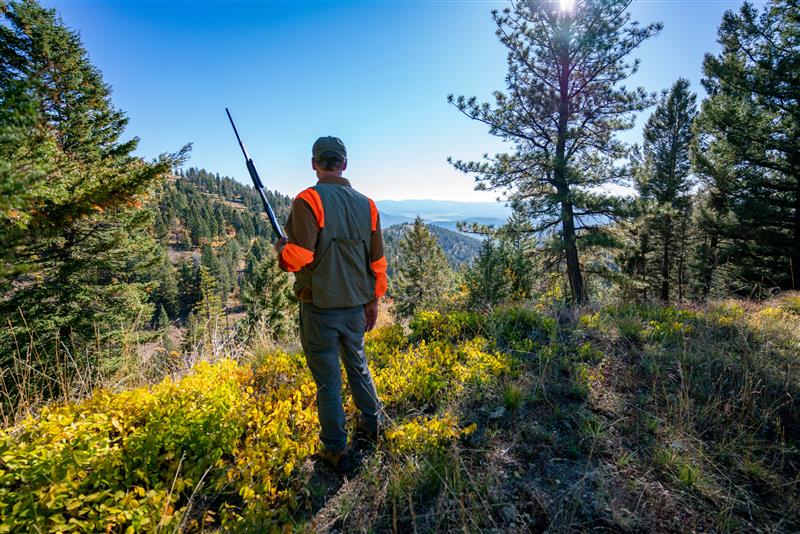
Hunting & Fishing Access

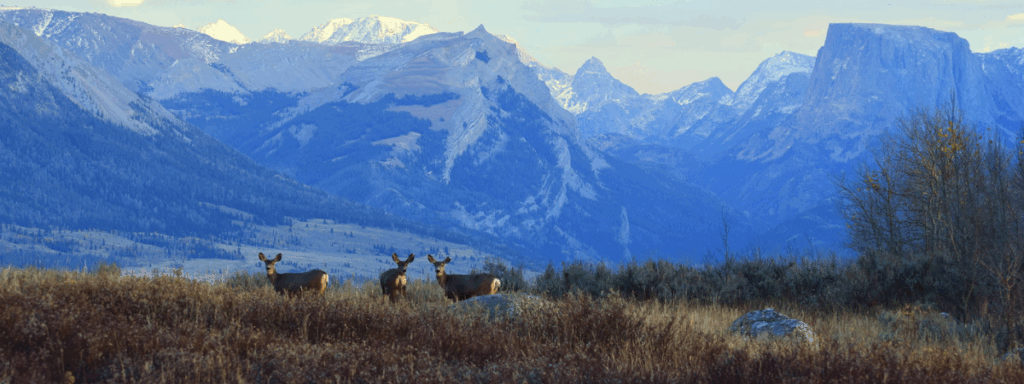
America’s 640 million acres of national public lands provide irreplaceable hunting and fishing opportunities to millions of Americans.

Learn More About Access
What TRCP is Doing

We’re working to safeguard America’s public lands so hunters and anglers always have quality places to pursue their passions.
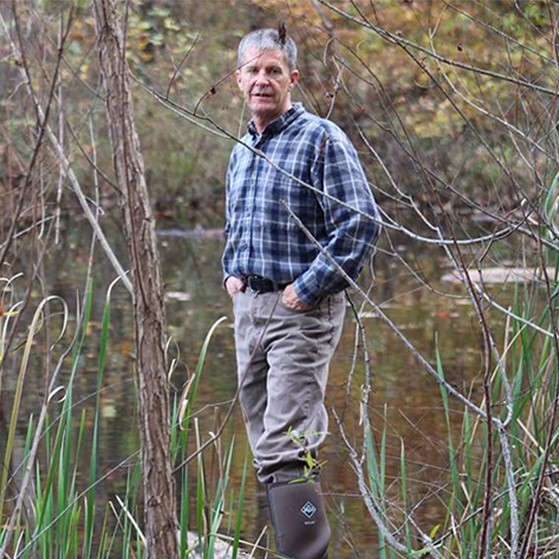
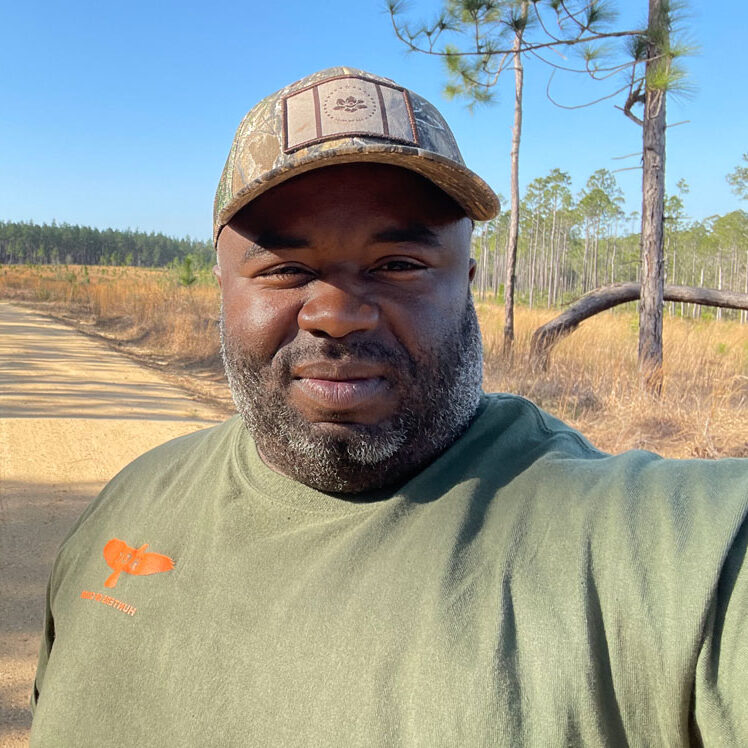
 Brian Flynn, Two Wolf Foundation
How Sportsmen Are Doing It Right

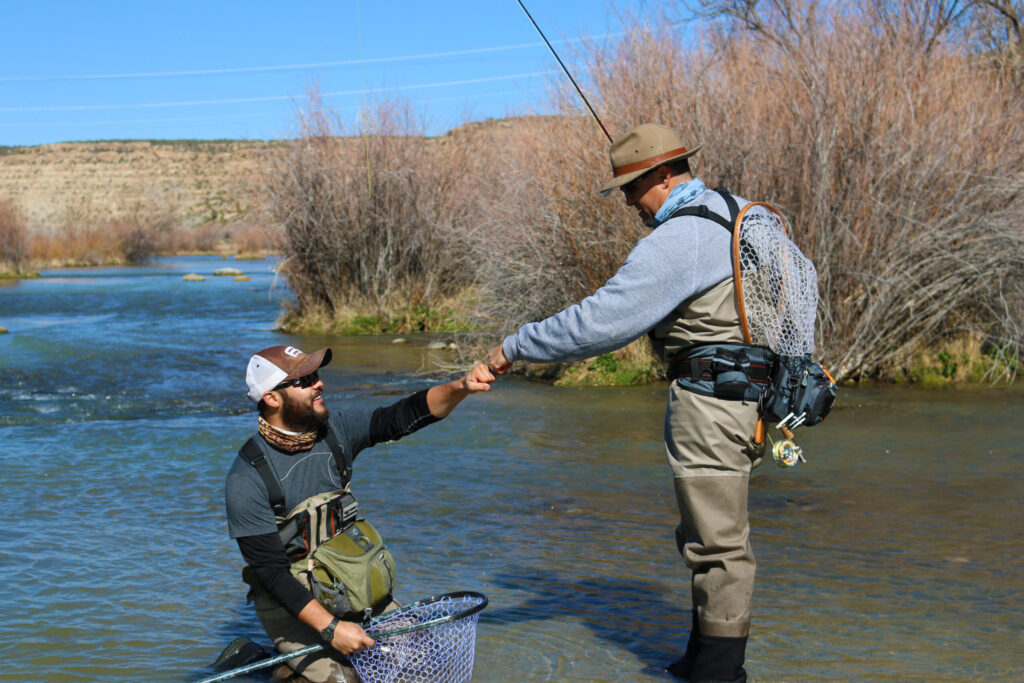
Brian Flynn, Two Wolf Foundation's Story

Following a distinguished career in the U.S. Army, lifelong outdoorsman Brian Flynn returned home from a deployment in Afghanistan and…


Hunting
Why It Matters

Key Issues for America’s Hunters

Your source for the latest policy updates, conservation challenges, and opportunities shaping America’s hunting traditions.

What TRCP is Doing

We’re fighting for meaningful policy changes that benefit wildlife, our waters, and the American landscapes that make our outdoor traditions possible.

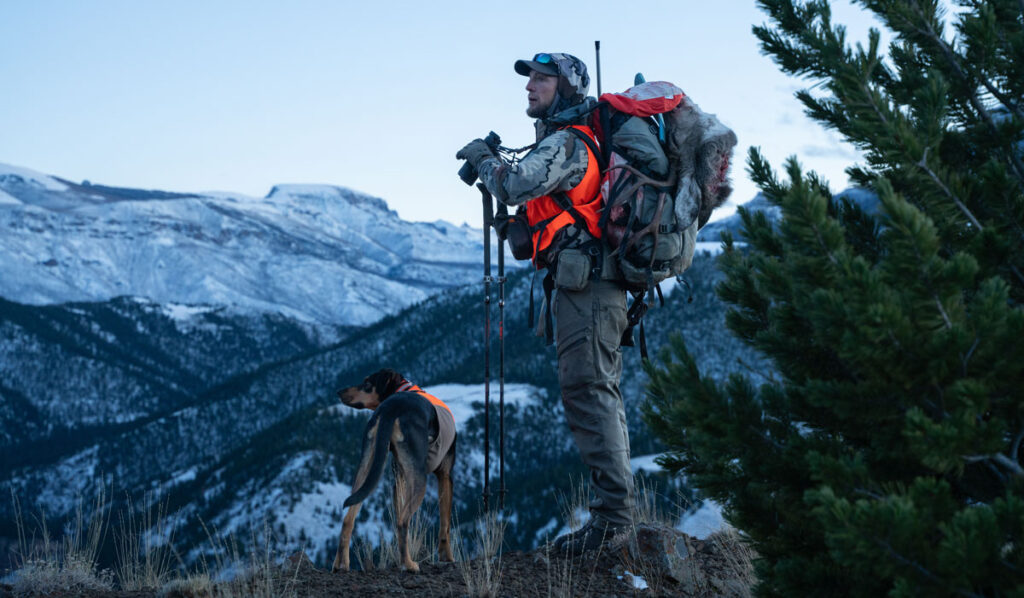
 Ryan Sparks
How Sportsmen Are Doing It Right

Ryan Sparks's Story

TRCP’s “In the Arena” series highlights the individual voices of hunters and anglers who, as Theodore Roosevelt so famously said,…
Fishing
Why It Matters

Key Issues for America’s Anglers

Your source for the latest policy updates, conservation challenges, and opportunities shaping America’s fishing traditions.

What TRCP is Doing

We’re fighting for meaningful policy changes that benefit wildlife, our waters, and the American landscapes that make our outdoor traditions possible.

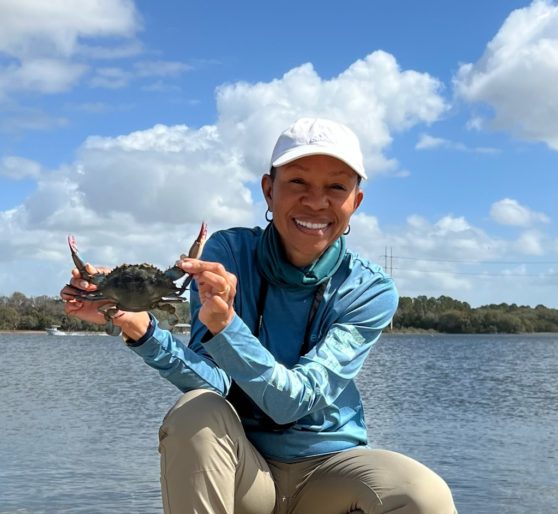
 David Mangum
How Sportsmen Are Doing It Right

David Mangum's Story

Capt. David Mangum is a YETI ambassador and outdoor photographer who utilizes his talents to produce media that inspire a…

Private Land
Why It Matters

Stewardship on America’s private lands

With 70 percent of U.S. lands in private hands and many of our best hunt and fish opportunities occurring there, investing in voluntary conservation on working lands safeguards access, strengthens habitat and water quality, and ensures resilient landscapes.

Learn More
What TRCP is Doing

We champion policies and programs that restore wildlife habitat, improve soil and water health, and keep working lands productive.

 Ward Burton
How Sportsmen are Doing It Right

Ward Burton's Story

Ward Burton’s NASCAR driving career stretched across most of two decades. As an avid sportsman and conservationist, he founded the…

Special Places
Why It Matters

Special Places Worth Protecting

America’s most iconic landscapes provide unmatched habitat and unforgettable days afield. These places sustain wildlife, anchor local economies, and define the hunting and fishing traditions we pass down.

What TRCP is Doing

We’re working to conserve special places that provide world-class habitat and unforgettable opportunities for hunters and anglers.

 Franklin Adams
How Sportsmen Are Doing It Right

Franklin Adams's Story

As a true Gladesman, conservationist, and historian, Capt. Franklin Adams has spent more than six decades championing Everglades restoration efforts…

Habitat & Clean Water
Why It Matters

Healthy Habitat Powers Every Pursuit

All hunting and fishing opportunities depend on quality habitat, from clean water and healthy wetlands to winter and summer habitats and the migration corridors that connect them.

All About Habitat & Clean Water
What TRCP is Doing

We are working to safeguard the habitats that power every hunting and fishing opportunity.

 Alex Harvey
How Sportsmen Are Doing It Right

Alex Harvey's Story

Alex Harvey, founder of Legacy Land Management, is a registered professional forester in Mississippi and Alabama with a Master's degree…

Science
Why It Matters

Science That Guides TRCP

From conserving migration corridors and wetlands to ensuring clean water and resilient landscapes, science provides evidence that turns conservation goals into effective action.

Science for Conservation
What TRCP is Doing

For hunters and anglers, science safeguards the experiences we treasure including resilient big game populations, abundant fish, and wild places that endure changing social landscapes.

Jamelle Ellis
Your Science Expert

Jamelle Ellis's Story

Jamelle Ellis joined the Theodore Roosevelt Conservation Partnership in 2022. Jamelle spent the last three years as an environmental sustainability…

Where We Work
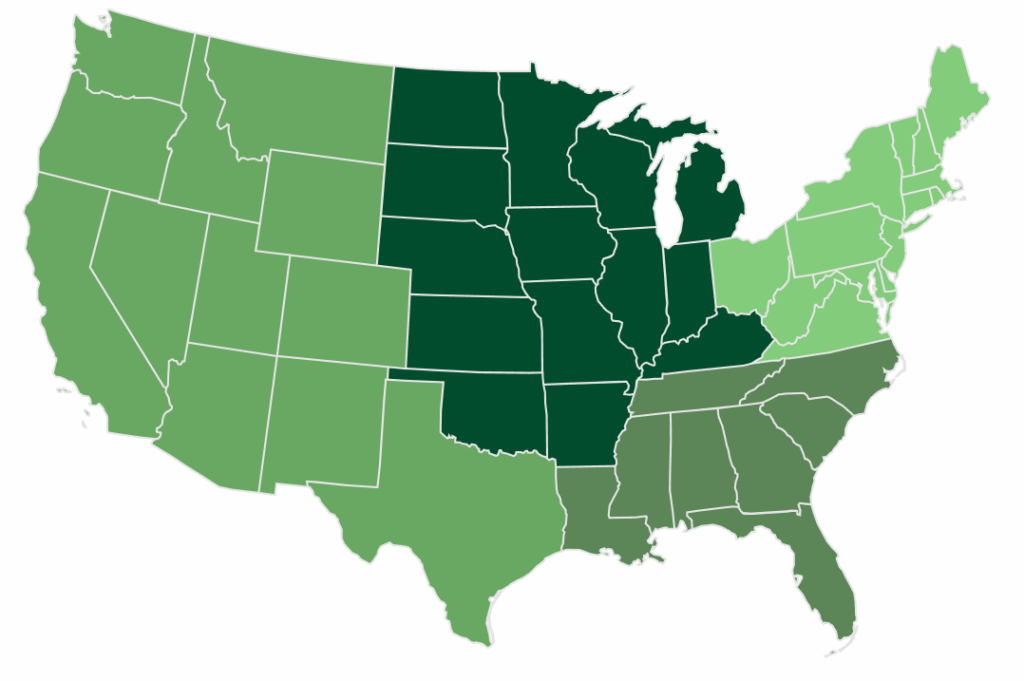
Across the Nation

Conservation Across America

TRCP works across the country to ensure hunters and anglers can enjoy healthy fish and wildlife and quality days afield, no matter where they live.

See All Issues
TRCP in Your Region

TRCP works across the country to ensure hunters and anglers can enjoy healthy fish and wildlife and quality days afield, no matter where they live.

Who We Are
Our Mission

To guarantee all Americans quality places to hunt & fish

We unite and amplify our partners’ voices to advance America’s legacy of conservation, habitat, and access.

Our Mission & Values
Our People & Partners
  • Meet the TRCP Team

    Our staff and board members unite and amplify our partners’ voices to advance America’s legacy of conservation, habitat, and access.

    Meet the Team
  • Our Partners

    ‘Partnership’ is in our name. We work with 64 diverse partner groups that represent today’s leading hunting, fishing, and conservation organizations in order to strengthen the sportsman’s voice in Washington, D.C.

    Our Partners
  • Corporate Council

    TRCP’s Corporate Council is made up of diverse corporations that share a common passion for conservation.

    Corporate Council
Our Organization

Looking for more information?

Explore our latest news, policy updates, and conservation resources to get the information you need.

Giving
How You Can Help

To guarantee all Americans quality places to hunt & fish

Your tax-deductible donation will support TRCP's mission, now and into the future.

DONATE
Special Ways to support trcp
  • Capital Conservation Awards Dinner

    The CCAD is one of Washington's best-attended conservation celebrations, featuring dinner, cocktails, and a silent auction.

    Learn More
  • Step Into the Arena

    Help us ensure that our treasured wild habitats and game remain intact for the next generation to enjoy – lend your support to the TRCP’s efforts today!

    Donate
  • Roosevelt Roast

    TRCP has partnered with Afuera Coffee Co. to further our commitment to conservation.

    Learn More
More donation options

Find the best way for you to lend your support. Join one of TRCP’s donor circles for special invitations, premium offerings from outdoor retailers, and more exclusive benefits. Take control of your legacy with planned giving or contribute to special conservation funds.

Other Ways To Give
News
In the Spotlight
Colorado river

Colorado River Decisions Will Shape the Future of Fish, Wildlife, and the Southwest

With this important federal milestone, now is the time for the Colorado River Basin States to come to an agreement on the future of the Colorado River.

Read More

Stay Informed

Receive our newsletter, the Roosevelt Report, right in your inbox. Never miss the latest news in conservation issues.

by:

posted in:

July 7, 2016

Anthony_Citrano_Flickr

Do you have any thoughts on this post?

XHTML: You can use these tags: <a href="" title=""> <abbr title=""> <acronym title=""> <b> <blockquote cite=""> <cite> <code> <del datetime=""> <em> <i> <q cite=""> <s> <strike> <strong>

Comments must be under 1000 characters.

by:

posted in:

July 6, 2016

While Forest Service Chases Down Wildfires, the Solution Gets Away From Us

TRCP’s new communications and operations associate grew up in wildfire country—now in D.C., she’s experiencing the impacts of fire in a completely different way

It was 4am on a school night when I woke up to sirens wailing in the streets. Firefighters were shouting into megaphones, informing us that our neighborhood was being evacuated. I couldn’t even finish brushing my teeth before first-responders were knocking on our door, making sure we were awake and on our way out. My family had already packed our SUV full of photo albums, social security cards, and sentimental odds and ends, so we piled in and headed across town to my aunt and uncle’s house.

Image courtesy of Anthony Citrano/Flickr.

Growing up in the suburbs of Los Angeles, we didn’t really have winter, spring, or autumn. We didn’t have tornadoes, hurricanes, or blizzards. We had TV pilot season—and we had wildfires.

I still remember hiking around my old neighborhood and stumbling upon the last line of fire—that charred boundary between the thriving chaparral and its blackened mirror-image. It was about a quarter-mile from my house, and just a few hundred yards from a friend’s. It was jarring to see how close we were to the flames. Though I never lost my home to fire, I knew people who did. Last month a single wildfire in California took two lives and more than 250 homes.

Our wildfire epidemic has always felt personal to me, but now that I live in Washington, D.C., safely removed from immediate danger, I’m realizing that we all feel the burn—and the enormous costs—of fire suppression.

The U.S. Forest Service’s budgetary allocation for wildfire management has been soaring, siphoning money away from critical activities such as wildlife and fisheries habitat management. Meanwhile, the Service’s maintenance backlog has exceeded $5 billion. That’s because over half of the Service’s budget is now dedicated to wildfire management—up from 16 percent in 1995.

Even the remaining 48 percent of the budget, the portion not dedicated to wildfire management, isn’t secure, because “fire-borrowing” is crippling non-fire programs. Essentially, when firefighting costs exceed what’s been budgeted, the Service is forced to dip into other unrelated program budgets and spend cash meant for habitat restoration, water quality improvements, and new public access points for hunters and anglers.

Image courtesy of Kansas Sebastian/Flickr.

The result of all of this is dramatic—instead of investing in preventative measures that benefit forest health, as well as suppression and rehabilitation efforts, we’re scrambling to control the damage as it’s happening. We’re chasing the problem down, instead of getting in front of it.

Living here in our nation’s capital, my relationship with wildfire has changed. I’m no longer worried about my house burning down, but I’m worried about the wild places that are at home in my heart and memories—the lands we all inherited from Theodore Roosevelt that are full of trees and wildlife and unrelenting beauty.

So, no, it’s not just the people within view of the fire line who should be paying attention to this problem. We need a wildfire funding fix, and we need it soon.

Here’s a possible solution. 

by:

posted in:

COUNTY OFFICIALS SUPPORT PROPOSED CHANGES IN BLM’S ‘PLANNING 2.0’

News for Immediate Release

Jul. 06, 2016

Contact: Kristyn Brady, 617-501-6352, kbrady@trcp.org

Western county commissioners and supervisors go on-record supporting the BLM’s land-use planning update after seeing pilot programs in action

WASHINGTON, D.C. — Top county officials from Montana, Colorado, and California say the Bureau of Land Management’s proposed Planning 2.0 rule, which would update how the agency revises land-use plans in the West, will provide additional opportunities for public involvement earlier in the planning process and result in Resource Management Plans (RMPs) that better reflect the diverse needs of county citizens. They sent letters of support for Planning 2.0 to BLM Director Neil Kornze ahead of a House Natural Resources Committee oversight hearing on the rule.

The county commissioners and supervisors hail from the three BLM planning areas where the agency is piloting Planning 2.0 measures. The three early adopter land-use plans are the Missoula Resource Management Plan, the Eastern Colorado Resource Management Plan, and the Northwest California Integrated Resource Management Plan.

“We’re seeing that, in places where Planning 2.0 improvements have already been rolled out, there is support from elected officials and the public,” says Whit Fosburgh, president and CEO of the Theodore Roosevelt Conservation Partnership. “These are the people who will benefit from having more input on land management decisions and enjoy better hunting, fishing, and outdoor experiences because of it. After two oversight hearings in the House and one in the Senate, we hope this is finally made clear.”

The Board of County Commissioners for Missoula County, Mont., wrote to commend the BLM for its efforts to better address the diverse interests in their county and communities across the West. “The proposed rules continue to provide for coordination with state and local representatives” and “early public involvement will help resolve conflicts and produce a Resource Management Plan that better reflects the needs of our citizens as well as others who use public lands and have a stake in their future,” they wrote.

Similarly, Mike Brazell, chairman of the Board of Commissioners for Park County, Colo., writes that he and his colleagues support, in particular, the provisions that plan for additional public involvement earlier in the planning process, “including the chance to review preliminary resource management alternatives and preliminary rationales for those alternatives.” Writing on behalf of Humboldt County, Calif., supervisors from two districts (here and here) emphasized that encouraging public involvement early and often would be especially important given that the BLM’s Arcata Field Office will be using this more inclusive approach as it revises its existing RMP, which dates back to 1995.

Montana’s Lewis and Clark County, though not an early-adopter plan area, has also written a letter in support of Planning 2.0.

As House lawmakers continue to examine the states’ role in Planning 2.0 tomorrow, nearly 8,000 hunters and anglers have signed a petition and sent letters of support for better BLM land-management tools that prioritize public access, conserve and enhance habitat, and balance energy and other development with the needs of fish and wildlife. More than 500 hunting and fishing businesses, sportsmen’s groups, and wildlife professionals have backed the idea that BLM lands are “Sportsmen’s Country” and should be managed in ways that support sportsmen’s values, including habitat conservation and access.

To learn more, visit sportsmenscountry.org.

Inspired by the legacy of Theodore Roosevelt, the TRCP is a coalition of organizations and grassroots partners working together to preserve the traditions of hunting and fishing.

by:

posted in:

County Officials Support Proposed Changes in BLM’s Land-Use Planning

Western county commissioners and supervisors go on-record supporting the BLM’s land-use planning update after seeing pilot programs in action

Top county officials from Colorado, Montana, and California say the Bureau of Land Management’s proposed Planning 2.0 rule, which would update how the agency revises land-use plans in the West, will provide additional opportunities for public involvement earlier in the planning process and result in Resource Management Plans (RMPs) that better reflect the diverse needs of county citizens. They sent letters of support for Planning 2.0 to BLM Director Neil Kornze ahead of a House Natural Resources Committee oversight hearing on the rule.

The county commissioners and supervisors hail from the three BLM planning areas where the agency is piloting Planning 2.0 measures. The three early adopter land-use plans are the Eastern Colorado Resource Management Plan, the Missoula Resource Management Plan, and theNorthwest California Integrated Resource Management Plan.

Image courtesy of Eddie Claypool.

“We’re seeing that, in places where Planning 2.0 improvements have already been rolled out, there is support from elected officials and the public,” says Whit Fosburgh, president and CEO of the Theodore Roosevelt Conservation Partnership. “These are the people who will benefit from having more input on land management decisions and enjoy better hunting, fishing, and outdoor experiences because of it. After two oversight hearings in the House and one in the Senate, we hope this is finally made clear.”

The Board of County Commissioners for Missoula County, Mont., wrote to commend the BLM for its efforts to better address the diverse interests in their county and communities across the West. “The proposed rules continue to provide for coordination with state and local representatives” and “early public involvement will help resolve conflicts and produce a Resource Management Plan that better reflects the needs of our citizens as well as others who use public lands and have a stake in their future,” they wrote.

Similarly, Mike Brazell, chairman of the Board of Commissioners for Park County, Colo., writes that he and his colleagues support, in particular, the provisions that plan for additional public involvement earlier in the planning process, “including the chance to review preliminary resource management alternatives and preliminary rationales for those alternatives.” Writing on behalf of Humboldt County, Calif., supervisors from two districts (here and here) emphasized that encouraging public involvement early and often would be especially important given that the BLM’s Arcata Field Office will be using this more inclusive approach as it revises its existing RMP, which dates back to 1995.

Montana’s Lewis and Clark County, though not an early-adopter plan area, has also written a letter in support of Planning 2.0.

As House lawmakers continue to examine the states’ role in Planning 2.0 tomorrownearly 8,000 hunters and anglers have signed a petition and sent letters of support for better BLM land-management tools that prioritize public access, conserve and enhance habitat, and balance energy and other development with the needs of fish and wildlife. More than 500 hunting and fishing businesses, sportsmen’s groups, and wildlife professionals have backed the idea that BLM lands are “Sportsmen’s Country” and should be managed in ways that support sportsmen’s values, including habitat conservation and access.

To learn more, visit sportsmenscountry.org.

by:

posted in:

June 30, 2016

There’d Be No Thrill in Drawing a Rare Tag Without Quality Habitat

On a once-in-a-lifetime hunt, this Wyoming couple had a revelation about the value of the backcountry

Image courtesy of Josh Coursey.

Some lucky hunters just learned the draw results for coveted elk, deer, and antelope tags in Wyoming, but hope hasn’t been dashed for the rest of us. Wyoming locals don’t look at the draw as make-or-break for the season. The truth is that the over-the-counter tags available to any Wyoming resident still promise pretty incredible hunting.

As a friend told me recently, “I get to hunt big bulls and big bucks in the places I did as a kid. I can go hunt a legendary mule deer unit in western Wyoming. I drew nothing and I am stoked!” He’s not alone.

This embarrassment of riches defines hunting in Wyoming. And this is why the TRCP and our partners are working so hard to grow support for Backcountry Conservation Areas (BCAs), a new management tool the Bureau of Land Management can use to protect essential areas of intact and undeveloped fish and wildlife habitat. By implementing BCAs and placing a strong emphasis on restoration to address modern management challenges, the BLM can ensure that all who visit these lands can experience a quality hunt, today and well into the future—no matter their luck in the lottery.

This is of special concern for the public lands around Rock Springs, where the BLM is revising plans that will affect the way these lands are managed for the next 20 years. It’s home to Unit 101—an area recently featured as one of Guy Eastman’s top five Wyoming deer hunts—where only a handful of mule deer tags are in such steep demand, there’s only a two-percent chance of drawing.

Patricia Hettick of Laramie, WY., beat those odds a few years ago, and she and her husband Buzz enjoyed a limited-quota, once-in-a-lifetime hunting experience in a unique area of our state. I asked Buzz to tell the tale, which illustrates just what’s at stake in Wyoming’s backcountry:

Right off the bat, we glassed up the big buck we had seen while scouting the night before. But, after several close calls, that buck walked into the vastness of the Red Desert, and out of our lives forever. Several days later, Pat connected on a great buck, but, for both of us, what we found out in the Red Desert was more than just a successful hunt. We had an opportunity to spend time in perhaps one of the most unique landscapes in Wyoming. At first blush, the landscape looks rather desolate, but nothing could be further from the truth. It is alive with all kinds of wildlife. We observed sage grouse, golden eagles, and prairie falcons. Nearly every day we saw large bull elk, multiple mule deer bucks, and dozens of pronghorns. We also saw coyotes, bobcats, badgers, and swift foxes. 

The one constant on this hunt was that the areas that held the most wildlife were the areas that contained the least amount of development and roads. The remaining areas in the Red Desert that are somewhat free of development, need to be retained and afforded some kind of protection from further development. We owe it to future generations to enjoy the Red Desert, as it truly is one-of-a-kind.

Image courtesy of Buzz Hettick.

The areas like Rifes Rim of Unit 101 where these wildlife are healthy are exactly what we all need to work to protect through Backcountry Conservation Areas. Luckily, the BLM’s planning process is a public one, and the TRCP has made it easy to get involved: Click here to make your voice heard today to secure the future of some of our greatest hunting opportunities in Wyoming.

Give yourself a reason to keep putting in for those tags. There’s no thrill of the draw without quality habitat to produce big bucks.

HOW YOU CAN HELP

TRCP has partnered with Afuera Coffee Co. to further our commitment to conservation. $4 from each bag is donated to the TRCP, to help continue our efforts of safeguarding critical habitats, productive hunting grounds, and favorite fishing holes for future generations.

Learn More

You have Successfully Subscribed!

You have Successfully Subscribed!

You have Successfully Subscribed!

You have Successfully Subscribed!