Our Issues
Public Lands
Why It Matters

Hunting & Fishing Access

America’s 640 million acres of national public lands provide irreplaceable hunting and fishing opportunities to millions of Americans.

Learn More About Access
What TRCP is Doing

We’re working to safeguard America’s public lands so hunters and anglers always have quality places to pursue their passions.

 Brian Flynn, Two Wolf Foundation
How Sportsmen Are Doing It Right

Brian Flynn, Two Wolf Foundation's Story

Following a distinguished career in the U.S. Army, lifelong outdoorsman Brian Flynn returned home from a deployment in Afghanistan and…


Hunting
Why It Matters

Key Issues for America’s Hunters

Your source for the latest policy updates, conservation challenges, and opportunities shaping America’s hunting traditions.

What TRCP is Doing

We’re fighting for meaningful policy changes that benefit wildlife, our waters, and the American landscapes that make our outdoor traditions possible.

 Ryan Sparks
How Sportsmen Are Doing It Right

Ryan Sparks's Story

TRCP’s “In the Arena” series highlights the individual voices of hunters and anglers who, as Theodore Roosevelt so famously said,…

Fishing
Why It Matters

Key Issues for America’s Anglers

Your source for the latest policy updates, conservation challenges, and opportunities shaping America’s fishing traditions.

What TRCP is Doing

We’re fighting for meaningful policy changes that benefit wildlife, our waters, and the American landscapes that make our outdoor traditions possible.

 David Mangum
How Sportsmen Are Doing It Right

David Mangum's Story

Capt. David Mangum is a YETI ambassador and outdoor photographer who utilizes his talents to produce media that inspire a…

Private Land
Why It Matters

Stewardship on America’s private lands

With 70 percent of U.S. lands in private hands and many of our best hunt and fish opportunities occurring there, investing in voluntary conservation on working lands safeguards access, strengthens habitat and water quality, and ensures resilient landscapes.

Learn More
What TRCP is Doing

We champion policies and programs that restore wildlife habitat, improve soil and water health, and keep working lands productive.

 Ward Burton
How Sportsmen are Doing It Right

Ward Burton's Story

Ward Burton’s NASCAR driving career stretched across most of two decades. As an avid sportsman and conservationist, he founded the…

Special Places
Why It Matters

Special Places Worth Protecting

America’s most iconic landscapes provide unmatched habitat and unforgettable days afield. These places sustain wildlife, anchor local economies, and define the hunting and fishing traditions we pass down.

What TRCP is Doing

We’re working to conserve special places that provide world-class habitat and unforgettable opportunities for hunters and anglers.

 Franklin Adams
How Sportsmen Are Doing It Right

Franklin Adams's Story

As a true Gladesman, conservationist, and historian, Capt. Franklin Adams has spent more than six decades championing Everglades restoration efforts…

Habitat & Clean Water
Why It Matters

Healthy Habitat Powers Every Pursuit

All hunting and fishing opportunities depend on quality habitat, from clean water and healthy wetlands to winter and summer habitats and the migration corridors that connect them.

All About Habitat & Clean Water
What TRCP is Doing

We are working to safeguard the habitats that power every hunting and fishing opportunity.

 Alex Harvey
How Sportsmen Are Doing It Right

Alex Harvey's Story

Alex Harvey, founder of Legacy Land Management, is a registered professional forester in Mississippi and Alabama with a Master's degree…

Science
Why It Matters

Science That Guides TRCP

From conserving migration corridors and wetlands to ensuring clean water and resilient landscapes, science provides evidence that turns conservation goals into effective action.

Science for Conservation
What TRCP is Doing

For hunters and anglers, science safeguards the experiences we treasure including resilient big game populations, abundant fish, and wild places that endure changing social landscapes.

Jamelle Ellis
Your Science Expert

Jamelle Ellis's Story

Jamelle Ellis joined the Theodore Roosevelt Conservation Partnership in 2022. Jamelle spent the last three years as an environmental sustainability…

Where We Work
Across the Nation

Conservation Across America

TRCP works across the country to ensure hunters and anglers can enjoy healthy fish and wildlife and quality days afield, no matter where they live.

See All Issues
TRCP in Your Region

TRCP works across the country to ensure hunters and anglers can enjoy healthy fish and wildlife and quality days afield, no matter where they live.

Who We Are
Our Mission

To guarantee all Americans quality places to hunt & fish

We unite and amplify our partners’ voices to advance America’s legacy of conservation, habitat, and access.

Our Mission & Values
Our People & Partners
  • Meet the TRCP Team

    Our staff and board members unite and amplify our partners’ voices to advance America’s legacy of conservation, habitat, and access.

    Meet the Team
  • Our Partners

    ‘Partnership’ is in our name. We work with 64 diverse partner groups that represent today’s leading hunting, fishing, and conservation organizations in order to strengthen the sportsman’s voice in Washington, D.C.

    Our Partners
  • Corporate Council

    TRCP’s Corporate Council is made up of diverse corporations that share a common passion for conservation.

    Corporate Council
Our Organization

Looking for more information?

Explore our latest news, policy updates, and conservation resources to get the information you need.

Giving
How You Can Help

To guarantee all Americans quality places to hunt & fish

Your tax-deductible donation will support TRCP's mission, now and into the future.

DONATE
Special Ways to support trcp
  • Capital Conservation Awards Dinner

    The CCAD is one of Washington's best-attended conservation celebrations, featuring dinner, cocktails, and a silent auction.

    Learn More
  • Step Into the Arena

    Help us ensure that our treasured wild habitats and game remain intact for the next generation to enjoy – lend your support to the TRCP’s efforts today!

    Donate
  • Roosevelt Roast

    TRCP has partnered with Afuera Coffee Co. to further our commitment to conservation.

    Learn More
More donation options

Find the best way for you to lend your support. Join one of TRCP’s donor circles for special invitations, premium offerings from outdoor retailers, and more exclusive benefits. Take control of your legacy with planned giving or contribute to special conservation funds.

Other Ways To Give
News
In the Spotlight

TRCP Appreciates Make America Beautiful Again 250 Strategy and Migration Announcements

Efforts will continue progress on habitat, access, and big game migration corridor conservation

Read More

Stay Informed

Receive our newsletter, the Roosevelt Report, right in your inbox. Never miss the latest news in conservation issues.

by:

posted in:

May 24, 2016

FB_ID_Blaine

Image courtesy of Coby Tigert.

Do you have any thoughts on this post?

XHTML: You can use these tags: <a href="" title=""> <abbr title=""> <acronym title=""> <b> <blockquote cite=""> <cite> <code> <del datetime=""> <em> <i> <q cite=""> <s> <strike> <strong>

Comments must be under 1000 characters.

by:

posted in:

Idaho County Opposes Transfer of America’s Public Lands to the States

Board of Commissioners supports sportsmen’s access and outdoor recreation spending over short-term economic gain

In a meeting yesterday, the Blaine County Board of Commissioners passed a resolution to formally oppose efforts to transfer or sell America’s public lands to the state of Idaho or local governments.

Blaine County Commissioner Larry Schoen explains that the resolution highlights the value of public lands to county residents. It also supports every American’s ability to hunt, fish, and benefit from a public lands system that is the envy of the world.

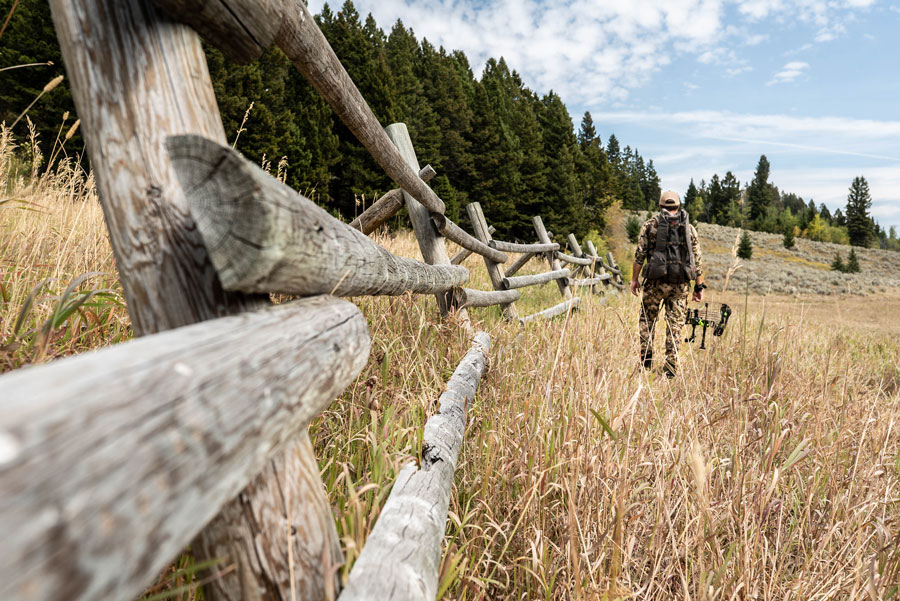
Image courtesy of Coby Tigert.

“We want that message to be crystal clear,” says Schoen. “Stakeholder groups in Blaine County have worked collaboratively, openly, and productively with the federal agencies for years on a range of issues to protect these resources and improve public access, management, and outcomes.”

The county’s resolution recognizes the importance of public lands for:

  • Providing fish and wildlife with habitat, while offering opportunities for outdoor recreation—including hunting, fishing, hiking, wildlife-watching, horseback riding, and bicycling—that is essential to residents’ quality of life.
  • Attracting outdoor recreation tourism that drives local spending and employs hundreds of county residents.
  • Preserving historically significant and irreplaceable cultural sites and landscapes.

Public lands managed by the U.S. Forest Service, Bureau of Land Management, and National Park Service comprise 62 percent of Idaho and 78 percent of Blaine County. These areas are cherished for their top-notch fisheries, beautiful open landscapes, and exceptional wildlife habitat, says Joel Webster, Western lands director at the Theodore Roosevelt Conservation Partnership. “There’s no doubt that the county is doing the right thing for its residents, and all Americans, by supporting one of our nation’s greatest treasures—our public lands.”

First Lite is a growing leader in the hunting world, and a growing outdoor business in the Wood River Valley,” says Ryan Callaghan, the hunting apparel manufacturer’s director of conservation public relations. “We have grown from an office of two to 14 employees since 2012, and I think we owe a great deal of our business to the simple fact that American outdoorsmen have so much access to public lands. We are certainly grateful that the commissioners are willing to formally oppose efforts that would take away that privilege here in Idaho.”

A growing number of Western counties in Colorado, Wyoming, and Arizona have recently taken formal positions to oppose the sale or seizure of America’s public lands. To learn more or take action, visit sportsmensaccess.org.

by:

posted in:

May 19, 2016

Sportsmen speak up and get huge win for Puerto Rico

We got good news out of the House of Representatives this morning when we learned that the latest version of legislation to help Puerto Rico deal with a looming debt crisis no longer contains language that would transfer the Vieques National Wildlife Refuge to the commonwealth of Puerto Rico. Initial versions of the legislation included a provision to give the popular wildlife refuge to Puerto Rico, potentially setting the stage for a fire sale to private interests in order to raise money to pay down debts. But as powerful economic engines that generate jobs and tax revenue, national public lands are part of the economically sustainable future, not part of the problem. So we’re glad the transfer provision was removed from the legislation, although we’ll remain vigilant as the bill moves through the process. Public lands are essential to American hunters and anglers, and TRCP will defend those lands from the tundra of Alaska to the gem-blue waters of Puerto Rico.

Click here to read the “Puerto Rico Oversight, Management, and Economic Stability Act.”

by:

posted in:

May 18, 2016

Sportsmen, Here’s Your Chance to Help Shape Future Use of BLM Lands

From river breaks to high mesas, and from sage coulees to semi-arid mountain ranges, America’s 245 million acres of Bureau of Land Management (BLM) public lands are some of the best places to hunt and fish left on the planet. These lands are “Sportsmen’s Country” and their future management is currently being reevaluated by public land managers.

Image courtesy of Eric Petlock.

If you depend on these BLM public lands for access to hunting and fishing, now is your chance to shape how these lands are managed for the next 20+ years. With many sportsmen in the West dependent on publicly-accessible, highly-functioning BLM public lands—the ones essential for producing quality big game, robust fisheries, and sustainable hunting and fishing opportunities—it’s critical we speak up to ensure our sporting heritage.

The BLM is currently requesting public input on their proposed rules to revise the agency’s national land use planning strategy for these public lands located primarily in the West. Dubbed “Planning 2.0,” the process represents the first substantial revision to the BLM’s land use planning process since 1983. This action will address the land use planning process that shapes landscape-level management through the creation of Resource Management Plans (RMPs). All local areas of BLM land are managed through RMPs, and these plans are the basis for every action and approved use on BLM managed lands. RMPs help to determine how and if fish and wildlife habitat conservation and management will be carried out, and they direct the agency to manage for outdoor recreation.

So how will this benefit sportsmen?

More (and hopefully better) public involvement: Successful land use planning includes early and frequent communication with the public, including sportsmen and women. Under the current BLM planning process, the public submits comments at the scoping period, those comments seem to disappear into the hands of the agency, and years later the BLM comes back with a proposed draft land use plan. The public then submits comments on the draft land use plan and the BLM disappears for another year or more before issuing a proposed final plan. This long timeline with little communication from the agency makes it difficult for the public to remain interested in the process, and the lack of transparency makes people question how and if their comments are being used.

Planning 2.0 is focused on fixing these problems by increasing the transparency of the land use planning process by creating a “plan assessment” process and “preliminary alternatives.” The plan assessment stage would enable the public (as well as agencies and elected officials) to provide information about the planning area before the agency begins considering how the lands should be managed. The preliminary alternative stage would offer draft management alternatives to the public for feedback before the draft land use plan is formally proposed. These additional steps would help to maintain increased public interest in the planning process and help to ensure that the draft RMP more closely meets the expectations of stakeholders.

Image courtesy of Coby Tigert.

Landscape level planning: As hunters and anglers, we know that mule deer and steelhead don’t stop and turnaround at the county line. Neither should land use plans. The BLM planning rules are also proposing to revise RMPs at the landscape level, such as across multiple BLM Field Offices at one time. Right now, land use plans are created along artificial jurisdictional boundaries, often at the Field Office level of the BLM within a particular state. This current system doesn’t account for resources that move beyond the lines on a map. By integrating landscape level planning into BLM management, the agency should be able to better care for fish and wildlife species that migrate and depend on different habitats throughout the year. Numerous fish and wildlife species should benefit from this change.

Managing for modern resource needs: Times have changed since the last time the BLM made significant revisions to its planning regulations. Over the past 33 years, the US population has increased by 85 million people, driving with it an increased thirst for natural resources and an increasing demand for outdoor recreation. Advancements in science and technology have given land managers an improved understanding of how fish and wildlife species use the landscape. As proposed, Planning 2.0 would better enable the BLM to manage for modern challenges and opportunities, by balancing resource development with habitat and recreation, allowing for the conservation of intact habitats and migration corridors, and providing for high-quality dispersed recreation, like hunting and fishing.

Now is your chance to help see these important changes integrated into BLM lands use planning. Take action today to ensure a positive future for fish and wildlife and your sporting heritage on America’s public lands.

by:

posted in:

House Passes Dangerous Sage-Grouse Rider in Defense Bill


State and federal progress to keep iconic Western gamebird off endangered species list could be undone by Congress

Today, the U.S. House of Representatives passed the National Defense Authorization Act. Contained in this ‘must-pass’ legislation that funds America’s military readiness was language that would force the Bureau of Land Management and U.S. Forest Service to abandon successful sage-grouse conservation plans. These federal plans resulted from years of collaboration and millions of taxpayer dollars that successfully kept the sage-grouse off the Endangered Species Act list.

“Sportsmen across the country are very disappointed with the House’s action to play politics with our national defense by inserting unrelated and detrimental language about sage-grouse conservation into the bill,” said Whit Fosburgh, president and CEO of the Theodore Roosevelt Conservation Partnership. “If language contained in the House bill were to become law, it would throw into question decades of statutory precedent, scores of environmental laws, and the subsequent legal decisions around those laws. This legislation is a Trojan horse for transferring public lands to the states and stands to have lasting repercussions beyond curtailing conservation efforts in sagebrush country.”

Opponents of the 2015 conservation victory would rather see state-developed plans implemented instead. The shift in management, elimination of judicial review, and long-term delay of any future listing decision erodes the implementation of bedrock conservation statutes—such as the National Environmental Policy Act, Endangered Species Act, and the Federal Land Policy and Management Act. While many of the 11 western state plans are good, some do not fully address threats to sage-grouse and need to be complimented by federal plans.

“Success for the greater sage-grouse was achieved in 2015 through the combination of strong conservation plans on federal public lands, coupled with state conservation plans and voluntary efforts from private landowners,” said Steve Williams, President of the Wildlife Management Institute. “Future success depends heavily on immediate and consistent implementation of all these combined efforts. Congressional efforts to eliminate federal plans would negate effectiveness of all efforts and result in a waste of both state and federal funds expended to date.”

“We are disappointed to see this effort by the House to snatch defeat from the jaws of a victory that has already been achieved,” said Howard Vincent, president and CEO of Pheasants Forever/Quail Forever. “The eleven western states, federal agencies, and private landowners must continue with their unprecedented efforts to conserve and manage sage-grouse. Congress simply needs to fund implementation of these combined efforts, especially private landowner efforts to conserve sage-grouse and 350 other sagebrush-dependent species.”

Sportsmen organizations continue to communicate to lawmakers that the best thing they can do for sage-grouse is ensure that adequate funding goes toward implementation of federal plans, that necessary resources go to the states, and that private lands conservation continues. If implemented, these plans would be a windfall for habitat of species like mule deer and pronghorns, not to mention a boon to sportsmen. Undoing those conservation plans might be the best way to ensure a listing—bad news for just about everyone.

The Senate is expected to consider their version of the NDAA—which currently does not include the detrimental sage-grouse provisions – sometime next week. “This issue has no link to military readiness and it’s simply playing politics to suggest otherwise,” continued Fosburgh. “Our community looks forward to working with the Senate to ensure that these provisions to undermine sage-grouse conservation are kept out of their version of the legislation.”

HOW YOU CAN HELP

TRCP has partnered with Afuera Coffee Co. to further our commitment to conservation. $4 from each bag is donated to the TRCP, to help continue our efforts of safeguarding critical habitats, productive hunting grounds, and favorite fishing holes for future generations.

Learn More

You have Successfully Subscribed!

You have Successfully Subscribed!

You have Successfully Subscribed!

You have Successfully Subscribed!