Our Issues
Public Lands
Why It Matters

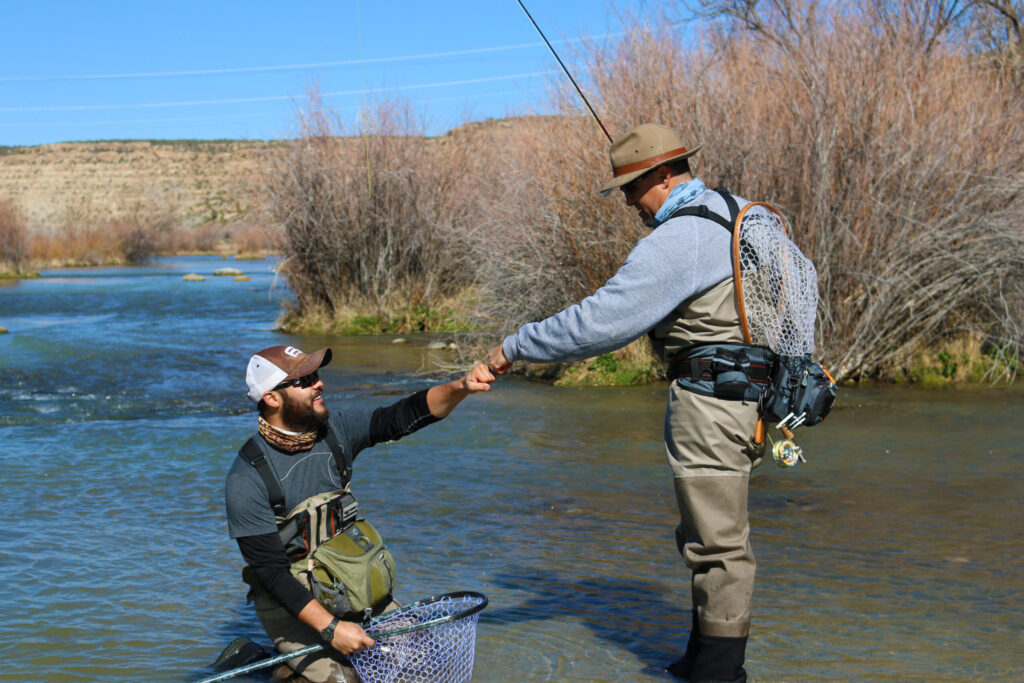
Hunting & Fishing Access

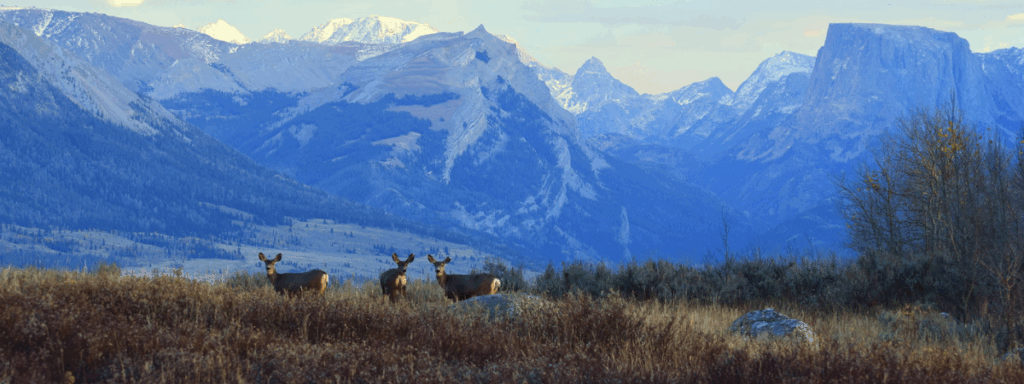
America’s 640 million acres of national public lands provide irreplaceable hunting and fishing opportunities to millions of Americans.

Learn More About Access
What TRCP is Doing

We’re working to safeguard America’s public lands so hunters and anglers always have quality places to pursue their passions.
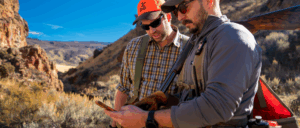
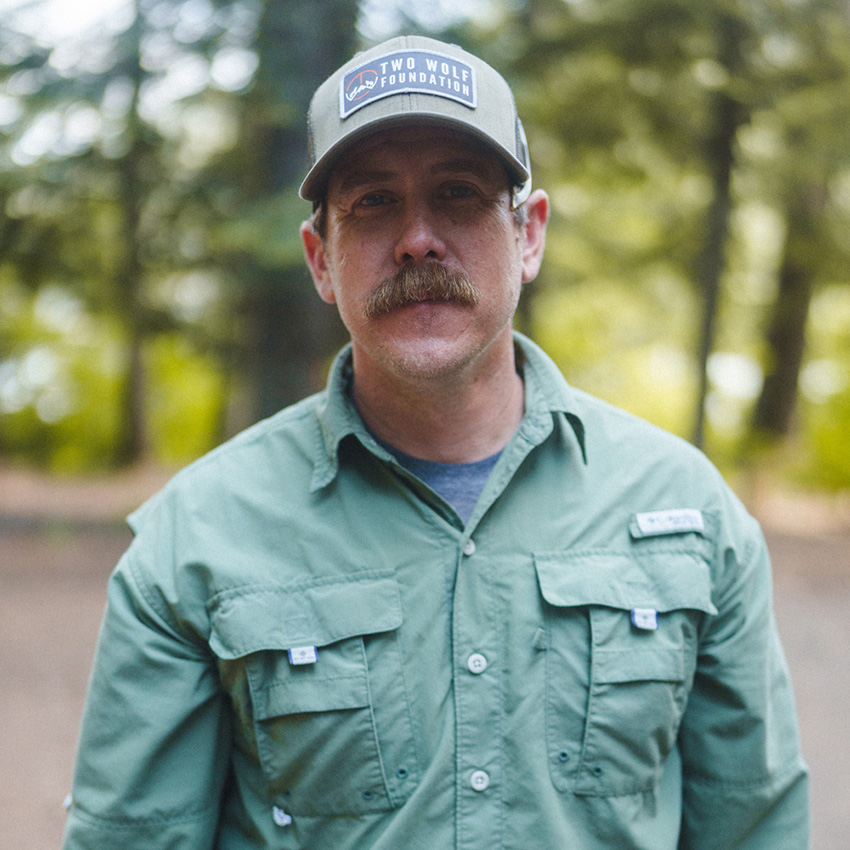
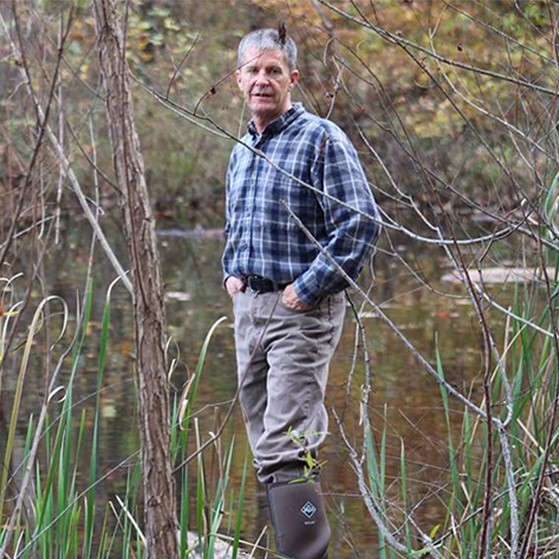
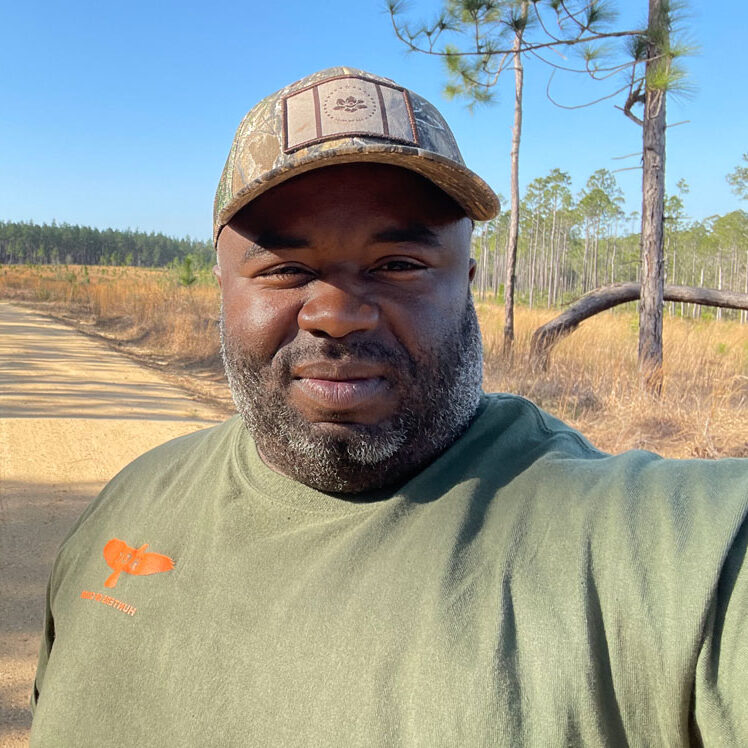
 Brian Flynn, Two Wolf Foundation
How Sportsmen Are Doing It Right

Brian Flynn, Two Wolf Foundation's Story

Following a distinguished career in the U.S. Army, lifelong outdoorsman Brian Flynn returned home from a deployment in Afghanistan and…

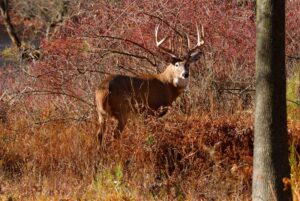
Hunting
Why It Matters

Key Issues for America’s Hunters

Your source for the latest policy updates, conservation challenges, and opportunities shaping America’s hunting traditions.

What TRCP is Doing

We’re fighting for meaningful policy changes that benefit wildlife, our waters, and the American landscapes that make our outdoor traditions possible.

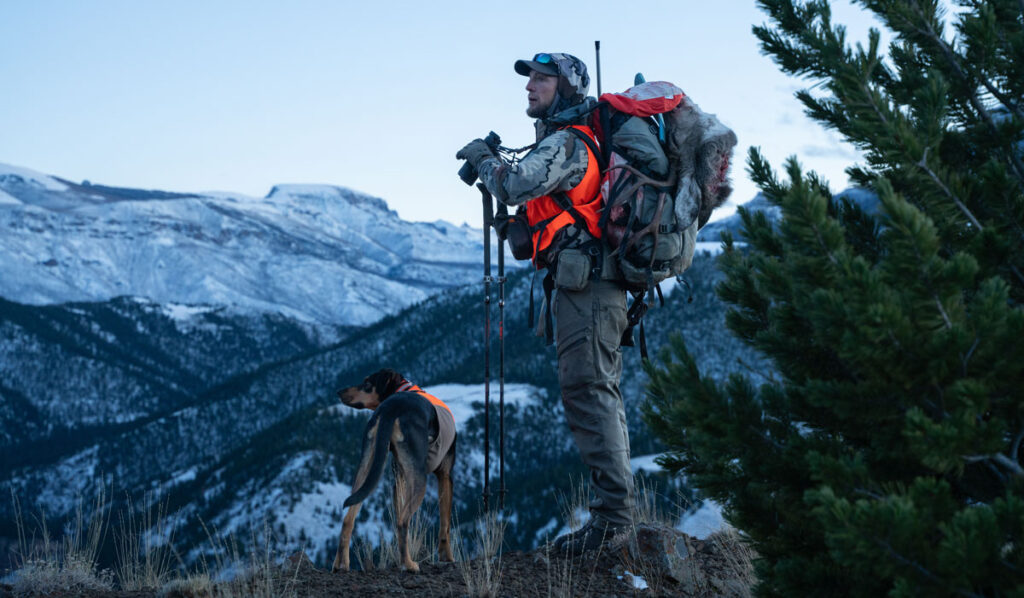
 Ryan Sparks
How Sportsmen Are Doing It Right

Ryan Sparks's Story

TRCP’s “In the Arena” series highlights the individual voices of hunters and anglers who, as Theodore Roosevelt so famously said,…

Fishing
Why It Matters

Key Issues for America’s Anglers

Your source for the latest policy updates, conservation challenges, and opportunities shaping America’s fishing traditions.

What TRCP is Doing

We’re fighting for meaningful policy changes that benefit wildlife, our waters, and the American landscapes that make our outdoor traditions possible.

 David Mangum
How Sportsmen Are Doing It Right

David Mangum's Story

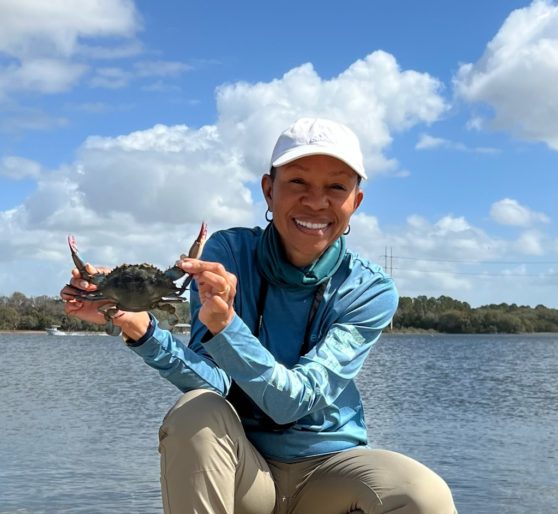
Capt. David Mangum is a YETI ambassador and outdoor photographer who utilizes his talents to produce media that inspire a…

Private Land
Why It Matters

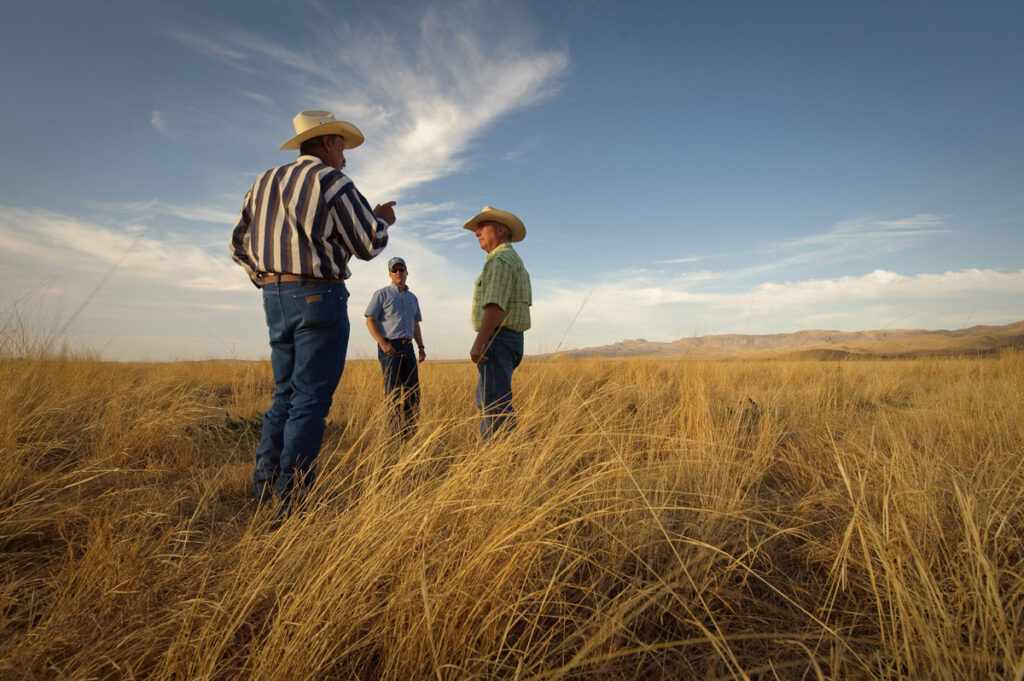
Stewardship on America’s private lands

With 70 percent of U.S. lands in private hands and many of our best hunt and fish opportunities occurring there, investing in voluntary conservation on working lands safeguards access, strengthens habitat and water quality, and ensures resilient landscapes.

Learn More
What TRCP is Doing

We champion policies and programs that restore wildlife habitat, improve soil and water health, and keep working lands productive.

 Ward Burton
How Sportsmen are Doing It Right

Ward Burton's Story

Ward Burton’s NASCAR driving career stretched across most of two decades. As an avid sportsman and conservationist, he founded the…

Special Places
Why It Matters

Special Places Worth Protecting

America’s most iconic landscapes provide unmatched habitat and unforgettable days afield. These places sustain wildlife, anchor local economies, and define the hunting and fishing traditions we pass down.

What TRCP is Doing

We’re working to conserve special places that provide world-class habitat and unforgettable opportunities for hunters and anglers.

 Franklin Adams
How Sportsmen Are Doing It Right

Franklin Adams's Story

As a true Gladesman, conservationist, and historian, Capt. Franklin Adams has spent more than six decades championing Everglades restoration efforts…

Habitat & Clean Water
Why It Matters

Healthy Habitat Powers Every Pursuit

All hunting and fishing opportunities depend on quality habitat, from clean water and healthy wetlands to winter and summer habitats and the migration corridors that connect them.

All About Habitat & Clean Water
What TRCP is Doing

We are working to safeguard the habitats that power every hunting and fishing opportunity.

 Alex Harvey
How Sportsmen Are Doing It Right

Alex Harvey's Story

Alex Harvey, founder of Legacy Land Management, is a registered professional forester in Mississippi and Alabama with a Master's degree…

Science
Why It Matters

Science That Guides TRCP

From conserving migration corridors and wetlands to ensuring clean water and resilient landscapes, science provides evidence that turns conservation goals into effective action.

Science for Conservation
What TRCP is Doing

For hunters and anglers, science safeguards the experiences we treasure including resilient big game populations, abundant fish, and wild places that endure changing social landscapes.

Jamelle Ellis
Your Science Expert

Jamelle Ellis's Story

Jamelle Ellis joined the Theodore Roosevelt Conservation Partnership in 2022. Jamelle spent the last three years as an environmental sustainability…

Where We Work
Across the Nation

Conservation Across America

TRCP works across the country to ensure hunters and anglers can enjoy healthy fish and wildlife and quality days afield, no matter where they live.

See All Issues
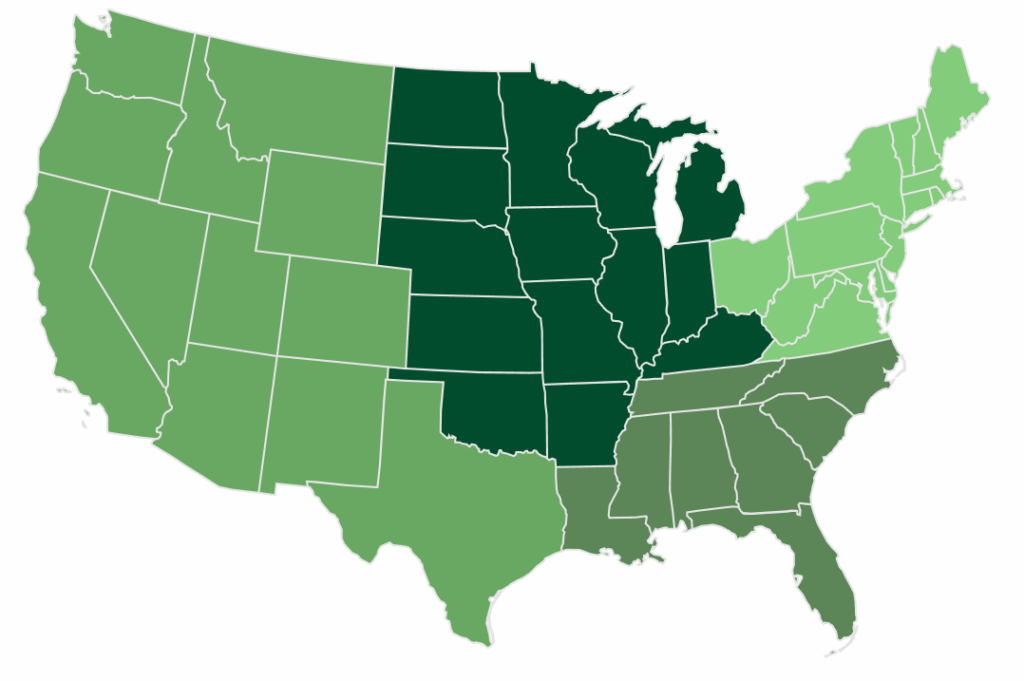
TRCP in Your Region

TRCP works across the country to ensure hunters and anglers can enjoy healthy fish and wildlife and quality days afield, no matter where they live.

Who We Are
Our Mission

To guarantee all Americans quality places to hunt & fish

We unite and amplify our partners’ voices to advance America’s legacy of conservation, habitat, and access.

Our Mission & Values
Our People & Partners
  • Meet the TRCP Team

    Our staff and board members unite and amplify our partners’ voices to advance America’s legacy of conservation, habitat, and access.

    Meet the Team
  • Our Partners

    ‘Partnership’ is in our name. We work with 64 diverse partner groups that represent today’s leading hunting, fishing, and conservation organizations in order to strengthen the sportsman’s voice in Washington, D.C.

    Our Partners
  • Corporate Council

    TRCP’s Corporate Council is made up of diverse corporations that share a common passion for conservation.

    Corporate Council
Our Organization

Looking for more information?

Explore our latest news, policy updates, and conservation resources to get the information you need.

Giving
How You Can Help

To guarantee all Americans quality places to hunt & fish

Your tax-deductible donation will support TRCP's mission, now and into the future.

DONATE
Special Ways to support trcp
  • Capital Conservation Awards Dinner

    The CCAD is one of Washington's best-attended conservation celebrations, featuring dinner, cocktails, and a silent auction.

    Learn More
  • Step Into the Arena

    Help us ensure that our treasured wild habitats and game remain intact for the next generation to enjoy – lend your support to the TRCP’s efforts today!

    Donate
  • Roosevelt Roast

    TRCP has partnered with Afuera Coffee Co. to further our commitment to conservation.

    Learn More
More donation options

Find the best way for you to lend your support. Join one of TRCP’s donor circles for special invitations, premium offerings from outdoor retailers, and more exclusive benefits. Take control of your legacy with planned giving or contribute to special conservation funds.

Other Ways To Give
News
In the Spotlight

In the Arena: Josh Warren

For many hunters and anglers, the connection to conservation begins close to home — in the woods behind the house, along a familiar stretch of river, or through time spent learning from mentors and family. That sense of place is something Joshua Warren carries with him, both personally and professionally. As Director of Marketing at WorkSharp, Josh represents a company rooted in Ashland, Oregon, a community defined by its access to public lands and wild country.

Read More

Stay Informed

Receive our newsletter, the Roosevelt Report, right in your inbox. Never miss the latest news in conservation issues.

by:

posted in:

February 18, 2016

POTUS Proposes Payout for Private Lands

You heard from us last week about the final budget proposal of President Obama’s administration, including the fact that this (largely symbolic) financial framework indicates that conservation of natural resources, like the fish and wildlife species important to sportsmen, will be a key priority through the end of this presidency. Now, considering that the US Department of Agriculture administers the largest pot of funding for private lands conservation anywhere in the world, it’s worth going into a little detail on how the president’s budget would give fish and wildlife a boost in farm country.

For 2017 alone, the president is proposing to invest roughly $4.72 billion dollars in landowner conservation projects through just one USDA agency, the Natural Resources Conservation Service (NRCS), for which we owe him a hearty “thank you.” This extraordinary amount of support for conservation is made even greater by the fact that this is the first time in his presidency that Obama has not proposed any cuts to the private lands conservation funding established by the Farm Bill.

You may know that every five years or so, Congress passes a Farm Bill, which sets mandatory spending amounts for a whole suite of agriculture programs, including those impacting conservation. In this case, “mandatory” means that certain funding levels are pre-determined, and so do not need to be appropriated by Congress and given to NRCS through annual appropriations bills, as is required for the Forest Service or other agencies. Despite this mandatory designation, Congress and the president have a habit of raiding the Farm Bill conservation accounts to some degree, every single appropriations season, in order to justify paying for other, unrelated programs.

Although the president’s budget proposal for 2017 is non-binding, and Congress will still vigorously debate how much money to appropriate for conservation, Obama has put an offer on the bargaining table that is too good for sportsmen to ignore. By choosing not to cut key Farm Bill programs, he is proposing to restore approximately $540 million in mandatory funding to farm country’s conservation budget. Obama is also proposing a discretionary increase of $9.5 million (total: $860 million) to help NRCS staff guide and support more farmers, ranchers, and foresters who want to put conservation on the land.

That’s something we’d like to see become more than just symbolic.

The president has sent a strong signal to Congress that the voluntary, incentive-based private lands conservation programs run by the USDA are important for rural America, wildlife, water quality, and our sporting traditions. Sportsmen want to see this trend continue, and we hope that Congress sits up and listens.

One Response to “POTUS Proposes Payout for Private Lands”

  1. Craig Coelho

    I have an idea, rather than using US taxpayer dollars to give agrigiants massive payoffs for not polluting or otherwise corrupting the lakes streams and wetlands they privately control, how about we implement resource monitoring and a system of fines and asset seizures with enough bite to ensure compliance with EPA-conservation rules.

Do you have any thoughts on this post?

XHTML: You can use these tags: <a href="" title=""> <abbr title=""> <acronym title=""> <b> <blockquote cite=""> <cite> <code> <del datetime=""> <em> <i> <q cite=""> <s> <strike> <strong>

Comments must be under 1000 characters.

by:

posted in:

February 11, 2016

TRCP Expands Western Operations, Opens Office in Montana

Organization magnifies its reach to advocate on behalf of hunters and anglers

After more than a decade of conservation work and advocacy on behalf of sportsmen in the western U.S., the Theodore Roosevelt Conservation Partnership has hired several new field staff in the region, and the group is opening a Western office in Missoula, Montana. The new regional headquarters will support the organization’s ongoing efforts to improve fish and wildlife habitat, protect and expand public access to hunting and fishing, and conserve the outdoor resources that power businesses and communities in the Western states.

“This is not only a big deal for the TRCP, it’s a big deal for the future of hunting and fishing across the West,” says Joel Webster, TRCP’s Western lands director. “We now have more capacity to fight for our public lands, fish and wildlife habitat, and sportsmen’s access, so the collective power of hunters and anglers will resonate from our local communities all the way to the halls of Washington, D.C.”

Image courtesy Evan Lovely/Flickr.

The TRCP’s presence in the West has grown significantly over the past few years: Currently, field staff in eight Western states are working collectively with more than 100 sportsmen’s groups, 200 outdoor businesses, and thousands of rank-and-file hunters and anglers to guarantee all Americans quality places to hunt and fish. The organization recently hired four field representatives in Montana, Idaho, Nevada, and Wyoming.

Scott Laird joined the TRCP as Montana field representative this month, after working for more than 25 years in natural resource conservation work with the state of New Mexico, the Rocky Mountain Elk Foundation, and the American Prairie Reserve. Laird, Webster, and a soon-to-be-hired field associate will be based out of the new office in Missoula.

Rob Thornberry joined as the Idaho field representative this month, after three decades of reporting on outdoor issues for the Idaho Falls Post Register. Rob works from Idaho Falls. Coby Tigert, who served as Idaho field representative and a regional field manager in his three years with the organization, has been named deputy director of Western lands.

Nick Dobric became the Wyoming field representative in October 2015, after working as a hunting guide and wildlife biologist. Nick is based in Dubois, Wyo.

Carl Erquiaga, who also joined the organization in October, is the Nevada field representative. He comes to the TRCP after serving on various state wildlife committees and as a director of the Fallon Chapter of Nevada Bighorns Unlimited. Carl works from Fallon, Nev.

Learn more about the TRCP’s work to conserve public lands access, backcountry areas, and wildlife migration corridors.

by:

posted in:

Why We Do This: Because This Arizona Mom Needs Quality Places to Hunt with Family

She wins our mapping project prize, while all Arizona sportsmen benefit from the data we’re collecting

When Jennifer Comer from Tucson, Ariz., put in for her first-ever big-game tag, she was hoping to join her husband and teenage son in the field. They’d started hunting just four years earlier, and her son bagged his first deer last year. While she didn’t draw an elk tag, she won a new Kimber rifle and became part of something pretty special in the Grand Canyon State.

Image courtesy of Jennifer Comer.

Last summer in Arizona, the TRCP partnered with the Arizona Game and Fish Department (AZGFD) and the Arizona Sportsmen for Wildlife Conservation, an alliance of 25 regional sportsmen’s groups, to gather input from sportsmen and women about the state’s most valued places to hunt and fish. We asked a random sample of adults who purchased Arizona hunting and fishing licenses to visit a specially-designed website where they could outline their most valued hunting and fishing areas on a map. As a little incentive, we offered participants a chance to win a Kimber Classic 7mm Remington-08 rifle.

Jennifer weighed in and won, and we’re pretty excited to see this prize go to a family that has a new, deepening interest in our sports. You see, the Sportsmen’s Values Mapping Project was created to protect important wildlife habitat and maintain public access to highly-valued hunting and fishing areas with the hope that we can defend these opportunities for the next generation of Arizona outdoorsmen.

The TRCP launched the Sportsmen’s Values Mapping Project in 2007 in Montana, before expanding to Wyoming, Idaho, and Arizona. What made the project special in my home state was the ease of the survey app, which the AZGFD experts in computer mapping were pivotal in designing to bring the project online—the best way to yield scientifically defensible results.

AZGFD is currently in the process of analyzing all the survey results from more than 1,200 hunters and anglers. Later this year, Sportsmen’s Values Maps will be assembled in a geographic information system (GIS), where they will be used, along with other data, to develop conservation and management strategies. The final maps will be accessible to sportsmen and key decision-makers through the TRCP and AZGFD websites. We’re hopeful that the maps will also be used to help prioritize management actions and funding requests aimed at conserving and restoring high valued wildlife habitat and expanding access, and we’re certainly committed to using this information to insure that Jennifer and her family will have quality places to hunt for many years to come.

For more information about the Sportsmen’s Values Mapping Project in Arizona and across the West, click here.

She wins our mapping project prize, while all Arizona sportsmen benefit from the data we’re collecting

by:

posted in:

TRCP EXPANDS WESTERN OPERATIONS, OPENS OFFICE IN MONTANA

News for Immediate Release

Feb. 11, 2016

Contact: Kristyn Brady, 617-501-6352, kbrady@trcp.org

Organization magnifies its reach to advocate on behalf of hunters and anglers

MISSOULA, Mont. – After more than a decade of conservation work and advocacy on behalf of sportsmen in the western U.S., the Theodore Roosevelt Conservation Partnership has hired several new field staff in the region, and the group is opening a Western office in Missoula, Montana. The new regional headquarters will support the organization’s ongoing efforts to improve fish and wildlife habitat, protect and expand public access to hunting and fishing, and conserve the outdoor resources that power businesses and communities in the Western states.

“This is not only a big deal for the TRCP, it’s a big deal for the future of hunting and fishing across the West,” says Joel Webster, TRCP’s Western lands director. “We now have more capacity to fight for our public lands, fish and wildlife habitat, and sportsmen’s access, so the collective power of hunters and anglers will resonate from our local communities all the way to the halls of Washington, D.C.”

The TRCP’s presence in the West has grown significantly over the past few years: Currently, field staff in eight Western states are working collectively with more than 100 sportsmen’s groups, 200 outdoor businesses, and thousands of rank-and-file hunters and anglers to guarantee all Americans quality places to hunt and fish. The organization recently hired four field representatives in Montana, Idaho, Nevada, and Wyoming.

Scott Laird joined the TRCP as Montana field representative this month, after working for more than 25 years in natural resource conservation work with the state of New Mexico, the Rocky Mountain Elk Foundation, and the American Prairie Reserve. Laird, Webster, and a soon-to-be-hired field associate will be based out of the new office in Missoula.

Rob Thornberry joined as the Idaho field representative this month, after three decades of reporting on outdoor issues for the Idaho Falls Post Register. Rob works from Idaho Falls. Coby Tigert, who served as Idaho field representative and a regional field manager in his three years with the organization, has been named deputy director of Western lands.

Nick Dobric became the Wyoming field representative in October 2015, after working as a hunting guide and wildlife biologist. Nick is based in Dubois, Wyo.

Carl Erquiaga, who also joined the organization in October, is the Nevada field representative. He comes to the TRCP after serving on various state wildlife committees and as a director of the Fallon Chapter of Nevada Bighorns Unlimited. Carl works from Fallon, Nev.

Learn more about the TRCP’s work to conserve public lands access, backcountry areas, and wildlife migration corridors.

Inspired by the legacy of Theodore Roosevelt, the TRCP is a coalition of organizations and grassroots partners working together to preserve the traditions of hunting and fishing.

by:

posted in:

Congress Should Take a Page from Obama’s Proposed Budget

House and Senate should support increases for conservation funding that would benefit fish, wildlife, and sportsmen

On Tuesday, President Obama unveiled his final budget proposal, a $4.1-trillion total ask for fiscal year 2017, which includes proposed increases for conservation projects across the country. Though largely symbolic, these requests indicate that conservation of natural resources, including the fish and wildlife species important to sportsmen, is a key priority for the administration. As decisions about 2017 funding levels now move to Capitol Hill and the Congressional appropriations process, sportsmen will be looking to Congress to also commit to robust funding for fish, wildlife, and our unmatched American public lands system.

Image courtesy of 401kcalculator.org/Flickr.

“Investment in conservation is actually an investment in our economy. These funding proposals by the president are positive benchmarks that we hope will kickstart an earnest discussion about investing in conservation through the appropriations process,” says Whit Fosburgh, president and CEO of the Theodore Roosevelt Conservation Partnership. “The TRCP is also thinking about the next administration and making it clear that sportsmen and women want a president who is prepared to make these investments in conservation. We won’t stand for seeing wildlife agencies bled dry while habitat suffers.”

Obama’s FY2017 budget reinforces the value of conservation and wildlife management across a broad spectrum, including such sportsmen’s priorities as State Wildlife Grants, conservation of sage steppe landscapes, private lands conservation through USDA, water conservation and resiliency efforts through the WaterSMART program, and data collection improvements at NOAA Fisheries. Notably, this budget proposal includes full funding at $900 million for the Land and Water Conservation Fund and a strategy for permanent reauthorization by 2018. Here’s the list of proposed projects for LWCF dollars.

The President’s budget released today represents the next step in what has been a positive trend for conservation funding, building as it does off of the comprehensive budget deal Congress and the President agreed to in December that made key investments in conservation for fiscal year 2016. Sportsmen need to see this trend continue—especially considering that conservation spending has been cut in half in the past 37 years. This will continue to be a long-term effort, and will require the full engagement of future administrations and future Congresses.

To learn more, review the budget fact sheets for the Department of the Interior, Department of Agriculture, and Department of Commerce.

HOW YOU CAN HELP

TRCP has partnered with Afuera Coffee Co. to further our commitment to conservation. $4 from each bag is donated to the TRCP, to help continue our efforts of safeguarding critical habitats, productive hunting grounds, and favorite fishing holes for future generations.

Learn More
Subscribe


You have Successfully Subscribed!

You have Successfully Subscribed!

You have Successfully Subscribed!

You have Successfully Subscribed!

You have Successfully Subscribed!