Our Issues
Public Lands
Why It Matters

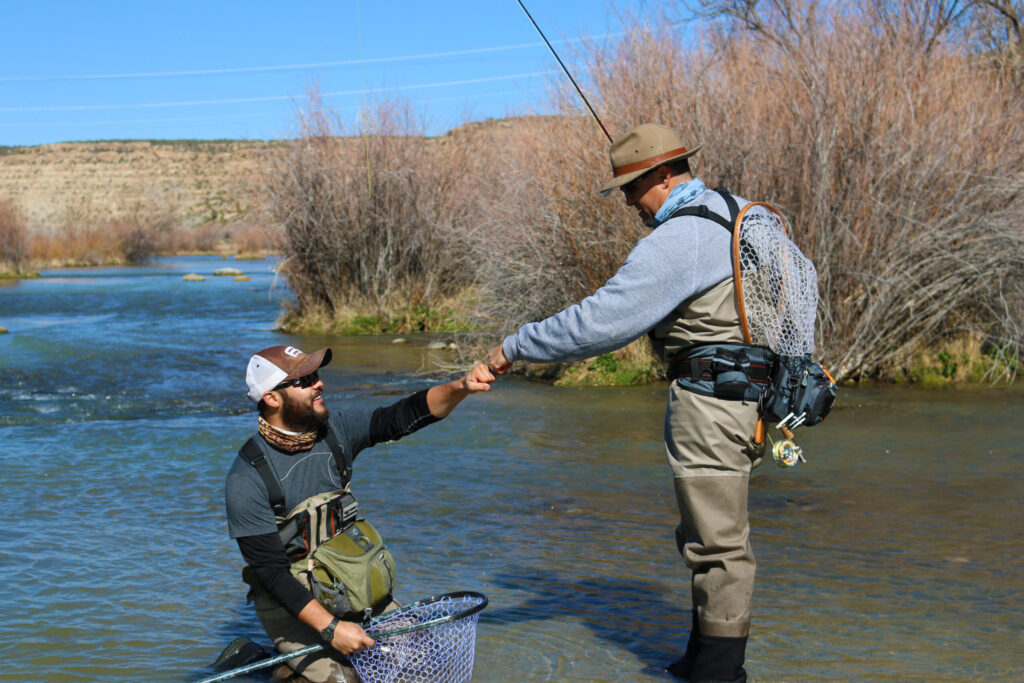
Hunting & Fishing Access

America’s 640 million acres of national public lands provide irreplaceable hunting and fishing opportunities to millions of Americans.

Learn More About Access
What TRCP is Doing

We’re working to safeguard America’s public lands so hunters and anglers always have quality places to pursue their passions.
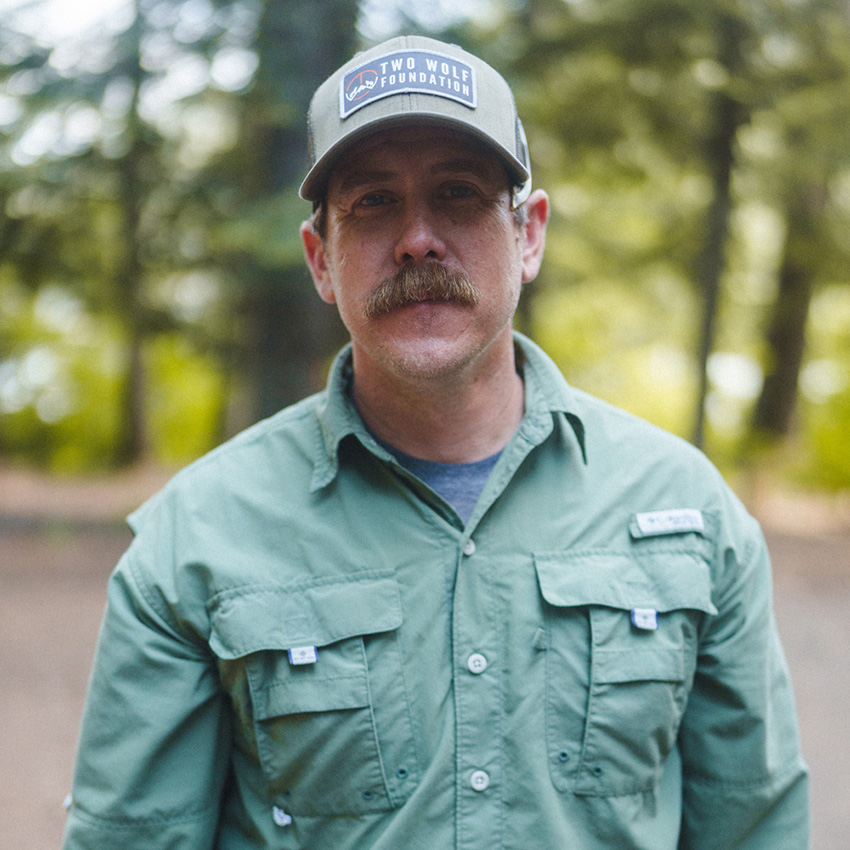
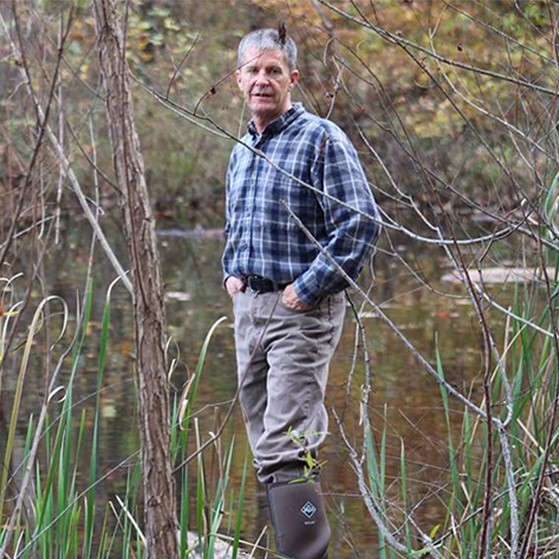
 Brian Flynn, Two Wolf Foundation
How Sportsmen Are Doing It Right

Brian Flynn, Two Wolf Foundation's Story

Following a distinguished career in the U.S. Army, lifelong outdoorsman Brian Flynn returned home from a deployment in Afghanistan and…

Hunting
Why It Matters

Key Issues for America’s Hunters

Your source for the latest policy updates, conservation challenges, and opportunities shaping America’s hunting traditions.

What TRCP is Doing

We’re fighting for meaningful policy changes that benefit wildlife, our waters, and the American landscapes that make our outdoor traditions possible.

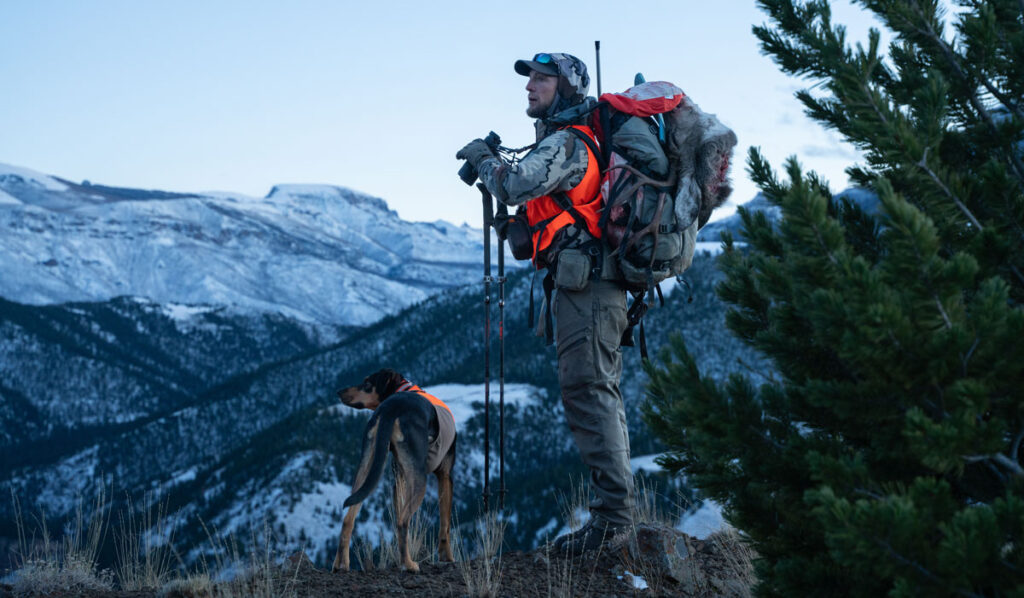
 Ryan Sparks
How Sportsmen Are Doing It Right

Ryan Sparks's Story

TRCP’s “In the Arena” series highlights the individual voices of hunters and anglers who, as Theodore Roosevelt so famously said,…

Fishing
Why It Matters

Key Issues for America’s Anglers

Your source for the latest policy updates, conservation challenges, and opportunities shaping America’s fishing traditions.

What TRCP is Doing

We’re fighting for meaningful policy changes that benefit wildlife, our waters, and the American landscapes that make our outdoor traditions possible.

 David Mangum
How Sportsmen Are Doing It Right

David Mangum's Story

Capt. David Mangum is a YETI ambassador and outdoor photographer who utilizes his talents to produce media that inspire a…

Private Land
Why It Matters

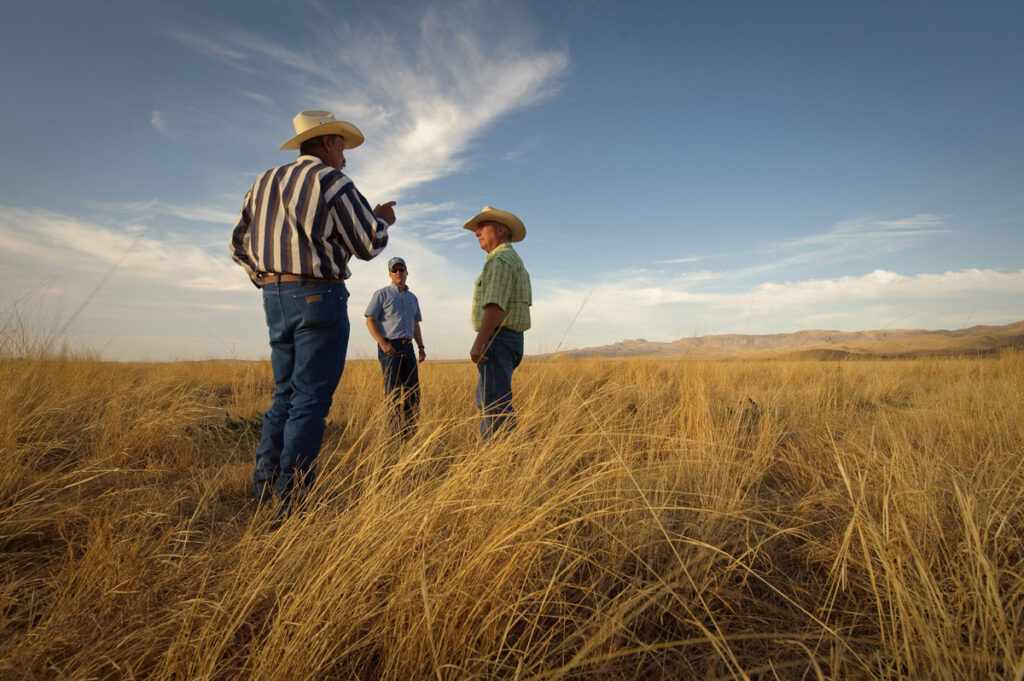
Stewardship on America’s private lands

With 70 percent of U.S. lands in private hands and many of our best hunt and fish opportunities occurring there, investing in voluntary conservation on working lands safeguards access, strengthens habitat and water quality, and ensures resilient landscapes.

Learn More
What TRCP is Doing

We champion policies and programs that restore wildlife habitat, improve soil and water health, and keep working lands productive.

 Ward Burton
How Sportsmen are Doing It Right

Ward Burton's Story

Ward Burton’s NASCAR driving career stretched across most of two decades. As an avid sportsman and conservationist, he founded the…

Special Places
Why It Matters

Special Places Worth Protecting

America’s most iconic landscapes provide unmatched habitat and unforgettable days afield. These places sustain wildlife, anchor local economies, and define the hunting and fishing traditions we pass down.

What TRCP is Doing

We’re working to conserve special places that provide world-class habitat and unforgettable opportunities for hunters and anglers.

 Franklin Adams
How Sportsmen Are Doing It Right

Franklin Adams's Story

As a true Gladesman, conservationist, and historian, Capt. Franklin Adams has spent more than six decades championing Everglades restoration efforts…

Habitat & Clean Water
Why It Matters

Healthy Habitat Powers Every Pursuit

All hunting and fishing opportunities depend on quality habitat, from clean water and healthy wetlands to winter and summer habitats and the migration corridors that connect them.

All About Habitat & Clean Water
What TRCP is Doing

We are working to safeguard the habitats that power every hunting and fishing opportunity.

 Alex Harvey
How Sportsmen Are Doing It Right

Alex Harvey's Story

Alex Harvey, founder of Legacy Land Management, is a registered professional forester in Mississippi and Alabama with a Master's degree…

Science
Why It Matters

Science That Guides TRCP

From conserving migration corridors and wetlands to ensuring clean water and resilient landscapes, science provides evidence that turns conservation goals into effective action.

Science for Conservation
What TRCP is Doing

For hunters and anglers, science safeguards the experiences we treasure including resilient big game populations, abundant fish, and wild places that endure changing social landscapes.

Jamelle Ellis
Your Science Expert

Jamelle Ellis's Story

Jamelle Ellis joined the Theodore Roosevelt Conservation Partnership in 2022. Jamelle spent the last three years as an environmental sustainability…

Where We Work
Across the Nation

Conservation Across America

TRCP works across the country to ensure hunters and anglers can enjoy healthy fish and wildlife and quality days afield, no matter where they live.

See All Issues
TRCP in Your Region

TRCP works across the country to ensure hunters and anglers can enjoy healthy fish and wildlife and quality days afield, no matter where they live.

Who We Are
Our Mission

To guarantee all Americans quality places to hunt & fish

We unite and amplify our partners’ voices to advance America’s legacy of conservation, habitat, and access.

Our Mission & Values
Our People & Partners
  • Meet the TRCP Team

    Our staff and board members unite and amplify our partners’ voices to advance America’s legacy of conservation, habitat, and access.

    Meet the Team
  • Our Partners

    ‘Partnership’ is in our name. We work with 64 diverse partner groups that represent today’s leading hunting, fishing, and conservation organizations in order to strengthen the sportsman’s voice in Washington, D.C.

    Our Partners
  • Corporate Council

    TRCP’s Corporate Council is made up of diverse corporations that share a common passion for conservation.

    Corporate Council
Our Organization

Looking for more information?

Explore our latest news, policy updates, and conservation resources to get the information you need.

Giving
How You Can Help

To guarantee all Americans quality places to hunt & fish

Your tax-deductible donation will support TRCP's mission, now and into the future.

DONATE
Special Ways to support trcp
  • Capital Conservation Awards Dinner

    The CCAD is one of Washington's best-attended conservation celebrations, featuring dinner, cocktails, and a silent auction.

    Learn More
  • Step Into the Arena

    Help us ensure that our treasured wild habitats and game remain intact for the next generation to enjoy – lend your support to the TRCP’s efforts today!

    Donate
  • Roosevelt Roast

    TRCP has partnered with Afuera Coffee Co. to further our commitment to conservation.

    Learn More
More donation options

Find the best way for you to lend your support. Join one of TRCP’s donor circles for special invitations, premium offerings from outdoor retailers, and more exclusive benefits. Take control of your legacy with planned giving or contribute to special conservation funds.

Other Ways To Give
News
In the Spotlight

Why TRCP Works to Conserve America’s Special Places

TRCP works to conserve special places like the Boundary Waters and landscapes that define hunting and fishing. Here's why.

Read More

Stay Informed

Receive our newsletter, the Roosevelt Report, right in your inbox. Never miss the latest news in conservation issues.

by:

posted in:

December 4, 2015

The Benefits and Limitations of WaterSMART Solutions from the Bureau of Reclamation

As the drought in the West continues, we are all being forced to reckon with unsustainable water use of the past. If nothing changes in the Colorado River basin, for example, demand for water is projected to exceed supply by 3.2 million acre-feet by 2060. That deficit is more than the annual share of Colorado River water earmarked for Arizona and Nevada combined. Decision makers are looking for proactive solutions to future water crises, and sportsmen can help, especially by calling on decision makers to prioritize and refine effective water conservation programs that benefit fish and wildlife. Here’s what you need to know.

Better Use Costs Less

Simply conserving water—in other words, using what we have more efficiently—is the quickest, cheapest, and easiest solution to our water supply problems. A 2012 study of the Colorado River basin found that proposed conservation measures would cost one-quarter of what would need to be spent on other possible solutions, like desalination, reuse, or new, large water diversions, and the region would see comparable water savings in half the time.

A Smart Program Exists

Since 2010, the Bureau of Reclamation has been seeding local water-efficiency solutions and encouraging collaborative watershed partnerships through grants from the WaterSMART Program. In the past five years, the bureau has awarded 240 of these grants totaling $113 million for local water-efficiency projects, like irrigation districts lining canals to cut down on water loss or municipalities installing more efficient water control technology. And because recipients of these grants have to bring their own matching funds to the table, WaterSMART grants have cumulatively leveraged an additional $331 million in non-federal funds for water efficiency.

Bonus: Fish and Wildlife Benefit

It’s not all bad news.

In our recent Snapshots of Success report, the TRCP profiled a prime example of a successful WaterSMART-funded project: Montana’s Fort Shaw Irrigation District used two WaterSMART grants to rebuild irrigation systems and send 10,000 acre-feet of conserved irrigation water to improve stream flows for wild trout in the Sun River.

The Catch

The Sun River example is a positive one for sportsmen, but it is important to recognize that most applicants for WaterSMART grants never receive funding: Historically, less than 20 percent of applicants received a grant (Table 1), and unfunded projects represent a significant amount of unmet water savings potential.

The high success rate in 2011 is due to leftover funds from 2009’s stimulus program, which gave Reclamation money to fund an unusually large number of projects. The success rate jumped again in 2015, but only time will tell whether this is another anomaly or the new normal.

The Montana example is also extraordinary because of the project sponsors’ commitment to using conserved water to improve instream flows, helping trout on the chronically dewatered Sun River. Even though nearly all WaterSMART projects conserve water, very few of them produce habitat benefits. So, where does the saved water go? Frequently to firming up existing water supplies, so users can more regularly get their full allocation of existing water rights. It rarely stays in the river to benefit fish, wildlife, or habitat.

The reason for the lack of habitat benefits from WaterSMART projects is not obvious. One of the explicit purposes of the program is to protect endangered species, and the 2016 evaluation criteria allow for applicants to earn up to 12 percent of their overall score by demonstrating that a project will benefit endangered species (Figure 1). And the law that created the grants allows them to be used for any water supply project that “increases ecological resiliency to the impacts of climate change” or is used “to prevent any water-related crisis or conflict.” Surely combatting threats to fish and wildlife from lack of water fits the bill.

Room for Improvement

It may be that irrigation districts working with sportsmen or watershed groups to create conservation benefits are not rewarded appropriately for their efforts in the grant application.  We’re calling for the Bureau of Reclamation to give higher rankings to projects that demonstrate dual benefits: a more secure water supply and instream flows with habitat benefits for fish and wildlife. This would help guarantee that limited WaterSMART dollars create the most benefit possible.

WaterSMART grants could also produce more conservation benefits if sportsmen’s organizations and watershed groups were eligible to apply, but currently the grants are restricted to entities “with water or power delivery authority” and, therefore, go primarily to irrigation districts or municipal governments. Sportsmen can partner with eligible applicants on a project, as Trout Unlimited did on the Sun River, but the eligibility restriction may be weeding out strong projects that can help fish, wildlife, and watersheds.

What You Can Do

Sportsmen’s groups have made supporting and refining WaterSMART Grants a priority, but it will require action from Congress and the Bureau of Reclamation for the program to reach its full potential for fish and wildlife. Here’s where you can help: Tell the Bureau of Reclamation that you support its WaterSMART efforts—but you want to see water conservation benefit fish and wildlife, too. 

Do you have any thoughts on this post?

XHTML: You can use these tags: <a href="" title=""> <abbr title=""> <acronym title=""> <b> <blockquote cite=""> <cite> <code> <del datetime=""> <em> <i> <q cite=""> <s> <strike> <strong>

Comments must be under 1000 characters.

by:

posted in:

December 3, 2015

Celebrating the Greatest Private Lands Conservation Initiative in Modern History

The USDA’s Conservation Reserve Program has benefitted landowners and habitat for 30 years

Image courtesy of Pheasants Forever.

As D.C. kicks off the holiday season with the lighting of the national Christmas tree this week, a different kind of celebration is taking place on Capitol Hill and across the country to honor the national Conservation Reserve Program (CRP), a Farm Bill initiative that has allowed agriculture producers to voluntarily conserve environmentally sensitive land—including prime wildlife habitat—for 30 years. More than 400,000 farmers and ranchers are currently participating in the program and making conservation a part of their business success. And you may recall Agriculture Secretary Tom Vilsack announcing in May that an additional 800,000 acres would be eligible for enrollment in the CRP, with a good portion devoted to lands with duck-nesting habitat.

It’s clear that this valuable habitat conservation tool, first signed into law by President Reagan as part of the Farm Bill in 1985, has a lot to boast about.

That’s why the TRCP and our partners will be celebrating the CRP throughout the month of December and into 2016, by highlighting the successes of this popular bipartisan program—regarded by many as the greatest private lands conservation initiative in modern U.S. history. Here on our blog, we’ll devote a series of posts to the critters that have seen tremendous habitat benefits: upland birds, waterfowl, forest dwellers, sage grouse, and freshwater fish. CRP works for wildlife, and it works for sportsmen.

Sen. Pat Roberts and TRCP President & CEO Whit Fosburgh. Image courtesy of Cyrus Baird.

We also gathered more than 250 CRP champions on Capitol Hill for a special event last night. Our guests included lawmakers from at least 47 Congressional offices covering 25 states, conservationists from 45 advocacy groups, staff from five federal agencies, and landowners from at least 13 states.

One particular landowner, Senator Jon Tester of Montana, who uses CRP at home, gave some heartfelt remarks at the beginning of the evening. “This is an incredibly good program for production agriculture and for wildlife,” he said. “I entered CRP to stop wind and water erosion, but I didn’t realize all the benefits to sharptail grouse, whitetail deer, and mule deer on my property.”

Senator Pat Roberts also spoke to the legacy of the program. “CRP has provided a valuable safety net to producers during some of their most trying times, but it has also improved water quality, reduced erosion, and increased habitat for endangered and protected species.” Michael Scuse, undersecretary for Farm and Foreign Agricultural Services at the USDA, went into detail about these benefits: “More than 170,000 stream miles and 2.7 million acres of wetlands have been protected. Pheasants have returned to many Midwestern counties. And when so many of our rural communities were at a crossroads in 2008 and 2009, sportsmen’s spending carried them through.”

Image courtesy of TRCP.

Tester acknowledged that some of the guests in the room were instrumental in creating this program in the 80s and offered his profound appreciation for their efforts, which have had multigenerational benefits. “Thanks for looking out for my kids,” he said.

The event was made possible thanks to a remarkably diverse group of sponsors, which truly speaks to the broad support for private lands conservation programs like CRP. Everyone who values healthy lands, waters, fish, and wildlife should be grateful to the unique community of farmers, lawmakers, conservationists, and sportsmen who created CRP in 1985 and continue to support it in its thirtieth year.

If you are a landowner interested in participating in CRP, a general sign up period launched on December 1 and will run through February 26. Visit USDA for more info. And for more CRP success stories check back here or follow #CRPis30 and #CRPworks on Facebook and Twitter.

by:

posted in:

The Big-Game Moments That Make Us #PublicLandsProud

You guys are amazing. We just wrapped up the final segment of our #PublicLandsProud photo contest and have been floored by the amazing photos you’ve captured of big game on public lands.

Our guest judge Bryan Huskey on the submissions:

First off, thanks to all the folks who have shown their support for the efforts of TRCP by sharing the #PublicLandsProud message in their photos. As I scrolled through pages and pages of public-land images I had the chance to see adventures of all kinds that we as sportsmen and -women experience and share with others. It’s inspiring to see all the different ways that we value public lands, and important to let others see why. Thanks to all of you, and to TRCP for this opportunity to guest judge!

Here are the three shots that Huskey chose from weeks’ worth of fantastic big-game moments:

First Place: Twitter @RMOTV

“With all the great photos found under the tag #PublicLandsProud, no matter how objective I try to be the kiddo’s in this image just make me laugh and smile each time I see it,” says Huskey. “That is a quality in any image that is impossible to fake and simply priceless. It’s tough to compete with a scene like this and the great vibe it shares!” 

First Runner-Up: Instagrammer @chasing_epic

A photo posted by Jacob Goff (@chasing_epics) on

“‘The closer you look the more you see’ is a phrase I keep in mind when out in the field,” says Huskey. “It requires slowing down and taking a moment to pause, inspect and admire finer details of an object and the same for the entire experience as a whole.” Second Runner-Up: Twitter user @wyosage10

“An elk hind quarter in each hand? My hands and forearms feel pumped and numb just looking at this! With a stunning backdrop to boot,” says Huskey, “this is the kind of experience that I’m sure he’ll never forget and the photo captures for all of us to share with him.”

Thanks everyone for participating in the photo contest. We’ll have a grand prize winner next week. But in the meantime, keep showing us what makes you #PublicLandsProud, and we’ll continue to protect your access to quality fish and wildlife habitat.

by:

posted in:

December 1, 2015

Glassing the Hill: November 30 – December 4

The TRCP’s scouting report on sportsmen’s issues in Congress

Both the House and Senate have action scheduled for Monday through Thursday of this week.

Photo courtesy of Library of Congress.

Coming back to work after a long weekend is never easy. Upon their return from Thanksgiving break, members of Congress are facing a December 11 deadline for addressing a lot of legislative business. That list includes avoiding a government shutdown—again. Passage of an omnibus spending deal is becoming more and more tenuous, due to disagreements over policy riders dealing with Syrian refugee resettlement, healthcare funding extensions for 9/11 first-responders and victims, and the Obama administration’s Clean Water Rule and Clean Power Plan.

These policy rider debates are threatening to undo very good bipartisan work from late October, when Congress passed a bipartisan budget that would allow for reinvestment in discretionary programs (ahem, like conservation.) If Republicans and Democrats fail to reach an agreement, fiscal year 2016 spending may be forced onto a full-year continuing resolution (CR). This extended use of what was created to be a stopgap funding measure is viewed by many as just plain bad government. Either way, an omnibus or CR would likely fund the government through September 30, 2016.

A two-week stopgap highway bill extension also expires this Friday. Since the temporary measure was passed, House and Senate transportation leaders have been negotiating a long-term reauthorization, and the relevant Committee chairs have stated that no additional short-term extensions will be needed, implying that a final long-term Highway Bill will be on the House and Senate floor this week. Need a refresher on how this impacts hunting and fishing? The Highway Bill includes funding for Department of Interior and U.S. Forest Service roads, which impact your access to public lands, as well as funding for transportation projects that improve fish and wildlife habitat.

Congress will also concentrate this month on renewing tax extenders before a January 1deadline. The proposed tax-break legislation would continue to benefit multinational banks, corporation research, and development programs and to subsidize wind energy production for two years. While the Senate continues consideration of healthcare legislation, the House will debate and vote on Representative Upton’s (R-MI) North American Energy Security and Infrastructure Act, and two joint resolutions (S.J.Res. 23 and S.J.Res. 24) of congressional disapproval of the Environmental Protection Agency’s emission rules. These votes on energy and climate will occur while President Obama attends the international climate summit in Paris.

What We’re Tracking

Tuesday, December 1, 2015

Offshore oil and gas production, as discussed in a Senate Energy and Natural Resources Committee hearing on the Well Control Rule and other energy policies

Thursday, December 3, 2015

Impacts of 35-year-old legislation to create and expand public lands in Alaska, to be reviewed by the Senate Energy and Natural Resources Committee in a hearing on the Alaska National Interest Lands Conservation Act of 1980

by:

posted in:

November 24, 2015

Winner Alert! Capturing a Child’s First Hunt and a #PublicLandsProud Introduction

Thanks to everyone that keeps showing us why you’re #PublicLandsProud!

A big congratulations to Pat Fitzpatrick of Texas who is taking home a new pair of Costa Sunglasses and a copy of Steven Rinella’s new book for this winning shot of his son on his first quail hunt.

TRCP: You’ve shown us a favorite #publiclandsproud moment, now tell us the story behind the picture.

Pat Fitzpatrick: The photo was taken at Chaparral Wildlife Management Area on a youth hunt two weeks prior to the opening of the general quail season.  We usually don’t start hunting quail until Thanksgiving when temperatures have cooled enough for the dogs and rattlesnake encounters are unlikely but this season is shaping up to be one of the best in recent years and we couldn’t pass on the chance to see for ourselves.  As we geared up and prepped the dogs in the predawn light, we could hear covey calls in every direction from the truck.  Within minutes we had found our first covey and a few coveys later I snapped the photo of my son Sean walking in on a covey pointed by my setter Khaki.  We only hunted a few hours that morning, by lunch time the temperature had reached 90 degrees.  We moved several coveys that morning and fortunately no snakes, to top it off Sean and I had the chance to fire the opening shots on what should be a stellar quail season.

Image courtesy of Pat Fitzpatrick.

TRCP: How often do you visit public lands and why are they so special to you?

PF: Nearly all of my upland hunting takes place on public land and living in Texas, a place that is well known for its lack of public hunting opportunities, it can be a challenge.  Quail hunting on private land here is too expensive and it is cheaper to load up the truck and travel to public lands elsewhere.  Most of our hunts take place over the holidays when Sean is out of school.  Some of our favorite holiday memories are centered around quail camp and Thanksgiving or Christmas dinners cooked on a Coleman two burner stove resting on an open tailgate.  Looking forward to future seasons, Sean and I have talked about attempting to take each of the six quail species starting with the three we have here on public lands in Texas and working our way out west, hitting western public land for the remaining three species.

TRCP: If these public lands are lost, what do you and your fellow sportsmen stand to lose?

PF: We tend to think of the public land seizure issue as a Western states issue because most of these lands are located out West.  This is not a Western states issue, this is a National issue, these federal public lands belong to all of us as citizens of the United States.  My home state of Texas has a unique history among states that left Texas full control over its public domain.  Between the outright sale of state land or the sale of natural resources on state lands, Texas has evolved into what it is today, a vast amount of land with very little accessible to the public.  The transfer of federal lands to the states would result in the same thing, locked gates and pay to play access for hunters and other land users.

TRCP: When not out on public lands, where can we find you?

PF: When not chasing after bird dogs and quail, I live in The Woodlands, Texas and work in commercial construction.  I am married to my beautiful wife, Sharon, and have three kids Patrick, Madison and Sean.  Weekends during the off season consist of many youth baseball tournaments, football games and a little fly fishing in the Texas hill country or gulf coast.

Have a proud public lands picture to share? Tag with #PublicLandsProud and join the community!

HOW YOU CAN HELP

TRCP has partnered with Afuera Coffee Co. to further our commitment to conservation. $4 from each bag is donated to the TRCP, to help continue our efforts of safeguarding critical habitats, productive hunting grounds, and favorite fishing holes for future generations.

Learn More
Subscribe


You have Successfully Subscribed!

You have Successfully Subscribed!

You have Successfully Subscribed!

You have Successfully Subscribed!

You have Successfully Subscribed!