Our Issues
Public Lands
Why It Matters

Hunting & Fishing Access

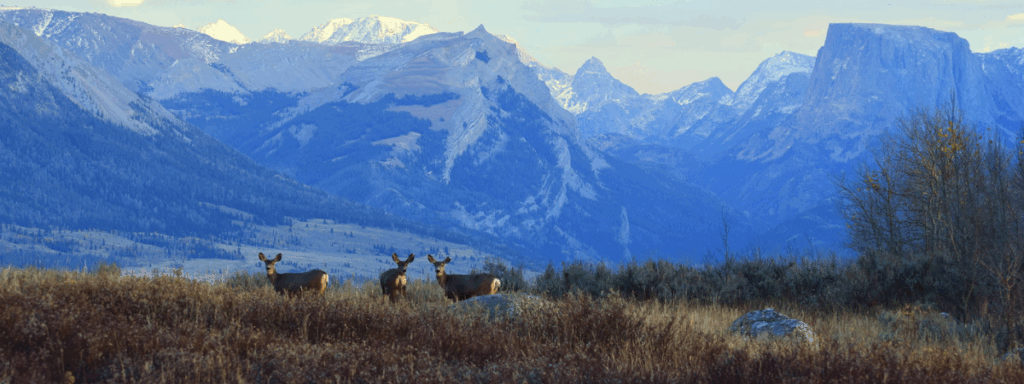
America’s 640 million acres of national public lands provide irreplaceable hunting and fishing opportunities to millions of Americans.

Learn More About Access
What TRCP is Doing

We’re working to safeguard America’s public lands so hunters and anglers always have quality places to pursue their passions.
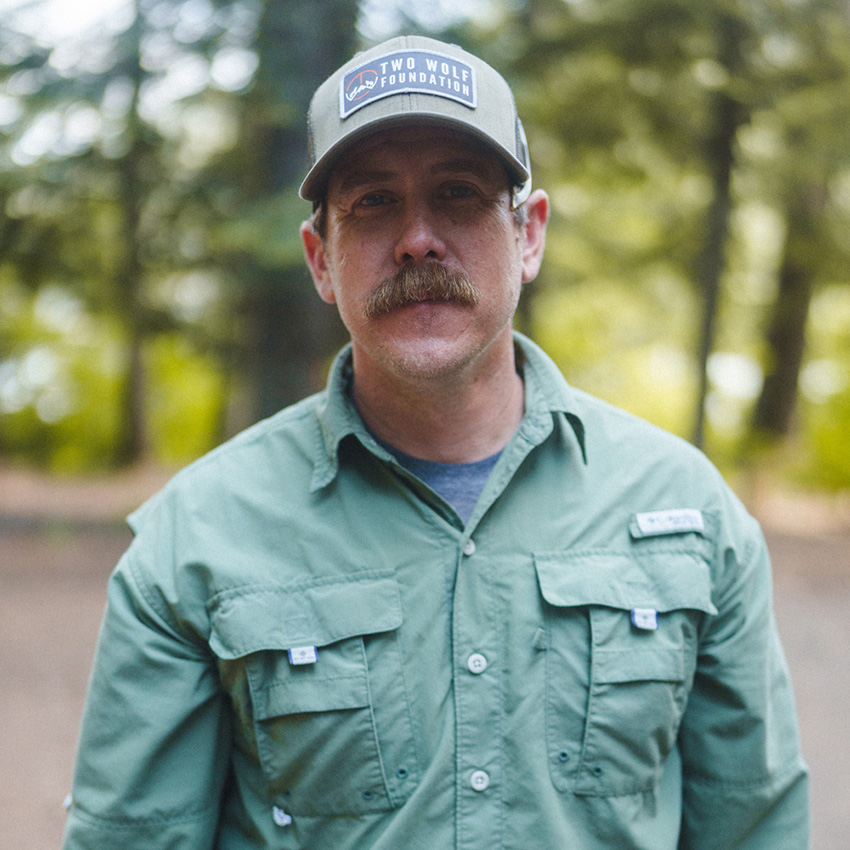
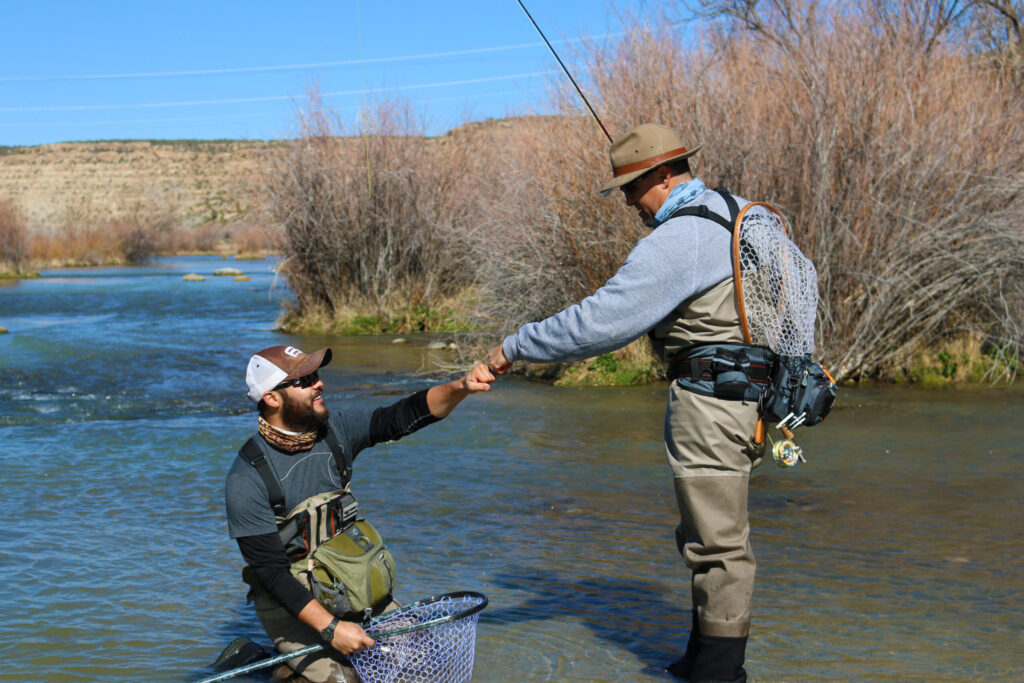
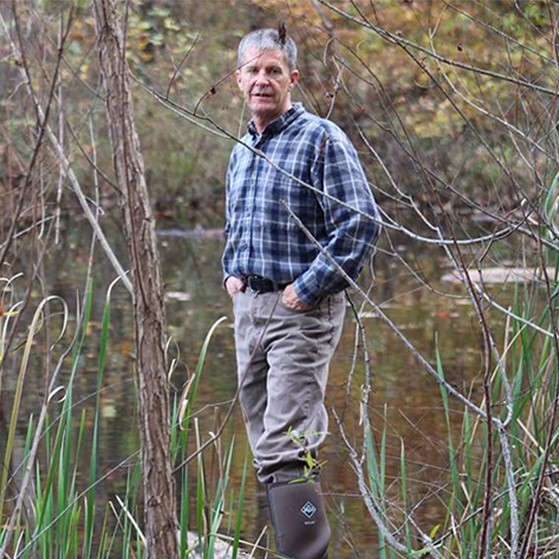
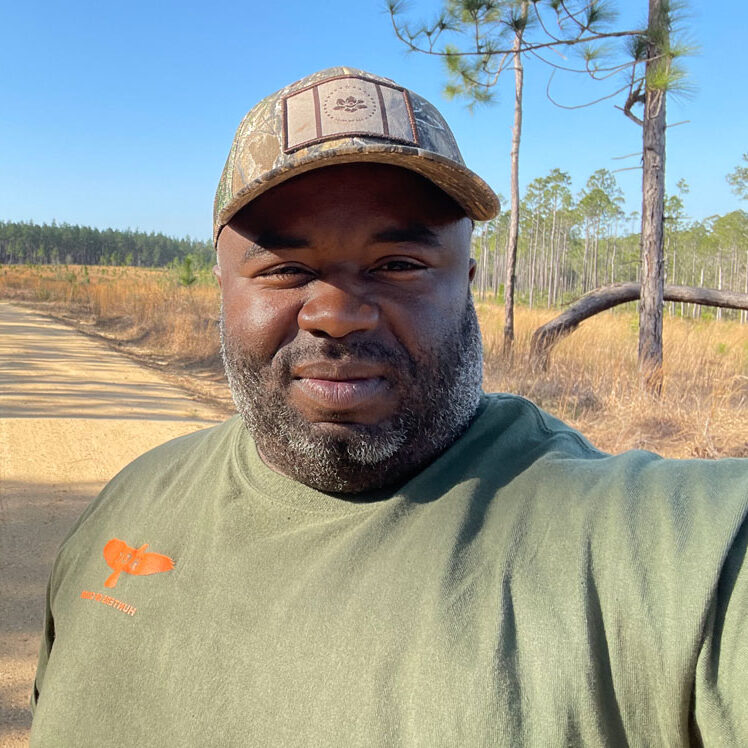
 Brian Flynn, Two Wolf Foundation
How Sportsmen Are Doing It Right

Brian Flynn, Two Wolf Foundation's Story

Following a distinguished career in the U.S. Army, lifelong outdoorsman Brian Flynn returned home from a deployment in Afghanistan and…

Hunting
Why It Matters

Key Issues for America’s Hunters

Your source for the latest policy updates, conservation challenges, and opportunities shaping America’s hunting traditions.

What TRCP is Doing

We’re fighting for meaningful policy changes that benefit wildlife, our waters, and the American landscapes that make our outdoor traditions possible.

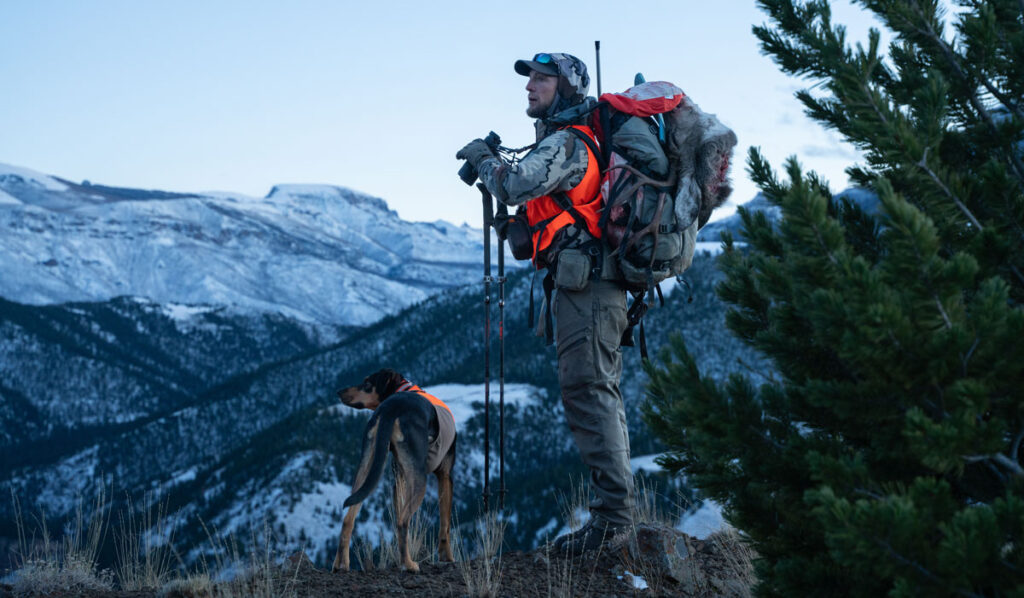
 Ryan Sparks
How Sportsmen Are Doing It Right

Ryan Sparks's Story

TRCP’s “In the Arena” series highlights the individual voices of hunters and anglers who, as Theodore Roosevelt so famously said,…

Fishing
Why It Matters

Key Issues for America’s Anglers

Your source for the latest policy updates, conservation challenges, and opportunities shaping America’s fishing traditions.

What TRCP is Doing

We’re fighting for meaningful policy changes that benefit wildlife, our waters, and the American landscapes that make our outdoor traditions possible.

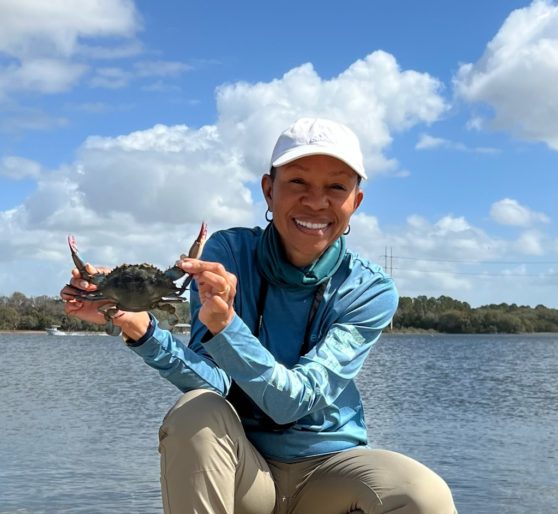
 David Mangum
How Sportsmen Are Doing It Right

David Mangum's Story

Capt. David Mangum is a YETI ambassador and outdoor photographer who utilizes his talents to produce media that inspire a…

Private Land
Why It Matters

Stewardship on America’s private lands

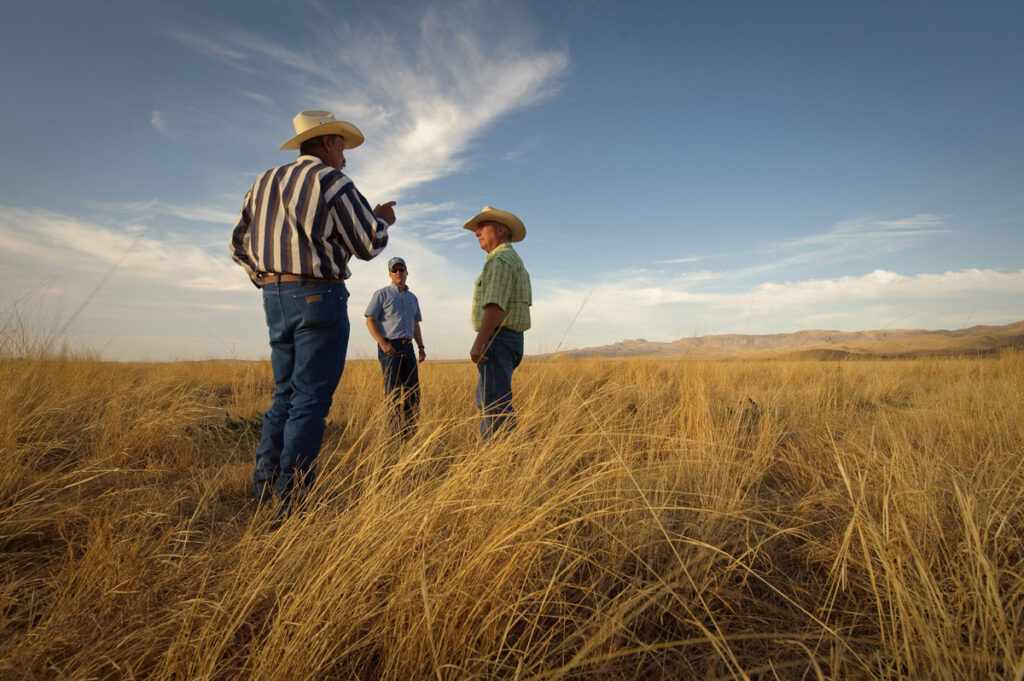
With 70 percent of U.S. lands in private hands and many of our best hunt and fish opportunities occurring there, investing in voluntary conservation on working lands safeguards access, strengthens habitat and water quality, and ensures resilient landscapes.

Learn More
What TRCP is Doing

We champion policies and programs that restore wildlife habitat, improve soil and water health, and keep working lands productive.

 Ward Burton
How Sportsmen are Doing It Right

Ward Burton's Story

Ward Burton’s NASCAR driving career stretched across most of two decades. As an avid sportsman and conservationist, he founded the…

Special Places
Why It Matters

Special Places Worth Protecting

America’s most iconic landscapes provide unmatched habitat and unforgettable days afield. These places sustain wildlife, anchor local economies, and define the hunting and fishing traditions we pass down.

What TRCP is Doing

We’re working to conserve special places that provide world-class habitat and unforgettable opportunities for hunters and anglers.

 Franklin Adams
How Sportsmen Are Doing It Right

Franklin Adams's Story

As a true Gladesman, conservationist, and historian, Capt. Franklin Adams has spent more than six decades championing Everglades restoration efforts…

Habitat & Clean Water
Why It Matters

Healthy Habitat Powers Every Pursuit

All hunting and fishing opportunities depend on quality habitat, from clean water and healthy wetlands to winter and summer habitats and the migration corridors that connect them.

All About Habitat & Clean Water
What TRCP is Doing

We are working to safeguard the habitats that power every hunting and fishing opportunity.

 Alex Harvey
How Sportsmen Are Doing It Right

Alex Harvey's Story

Alex Harvey, founder of Legacy Land Management, is a registered professional forester in Mississippi and Alabama with a Master's degree…

Science
Why It Matters

Science That Guides TRCP

From conserving migration corridors and wetlands to ensuring clean water and resilient landscapes, science provides evidence that turns conservation goals into effective action.

Science for Conservation
What TRCP is Doing

For hunters and anglers, science safeguards the experiences we treasure including resilient big game populations, abundant fish, and wild places that endure changing social landscapes.

Jamelle Ellis
Your Science Expert

Jamelle Ellis's Story

Jamelle Ellis joined the Theodore Roosevelt Conservation Partnership in 2022. Jamelle spent the last three years as an environmental sustainability…

Where We Work
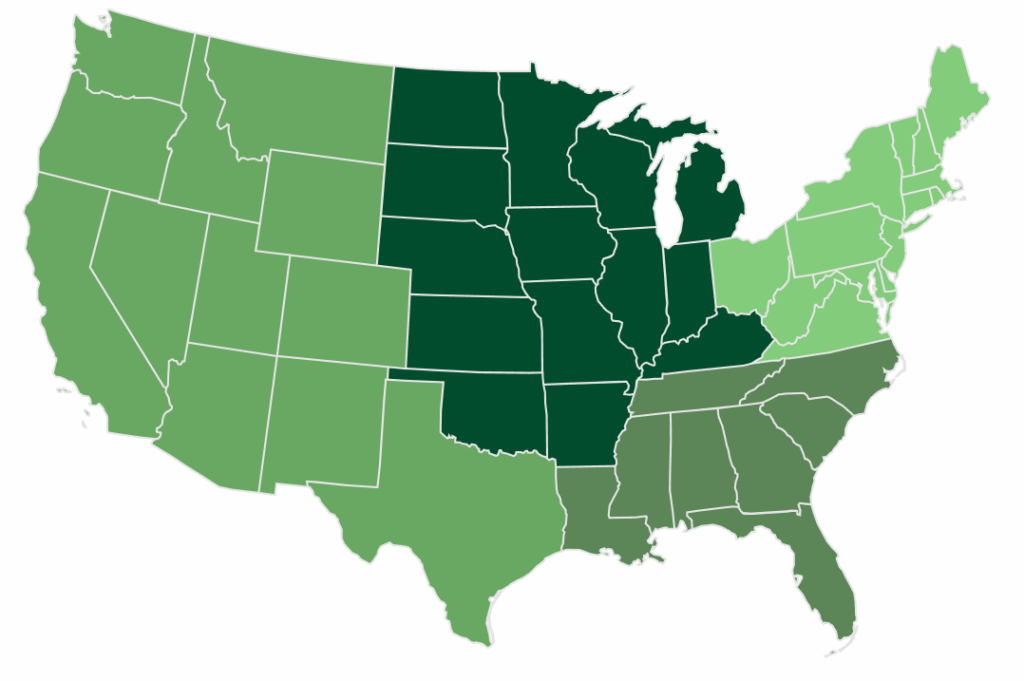
Across the Nation

Conservation Across America

TRCP works across the country to ensure hunters and anglers can enjoy healthy fish and wildlife and quality days afield, no matter where they live.

See All Issues
TRCP in Your Region

TRCP works across the country to ensure hunters and anglers can enjoy healthy fish and wildlife and quality days afield, no matter where they live.

Who We Are
Our Mission

To guarantee all Americans quality places to hunt & fish

We unite and amplify our partners’ voices to advance America’s legacy of conservation, habitat, and access.

Our Mission & Values
Our People & Partners
  • Meet the TRCP Team

    Our staff and board members unite and amplify our partners’ voices to advance America’s legacy of conservation, habitat, and access.

    Meet the Team
  • Our Partners

    ‘Partnership’ is in our name. We work with 64 diverse partner groups that represent today’s leading hunting, fishing, and conservation organizations in order to strengthen the sportsman’s voice in Washington, D.C.

    Our Partners
  • Corporate Council

    TRCP’s Corporate Council is made up of diverse corporations that share a common passion for conservation.

    Corporate Council
Our Organization

Looking for more information?

Explore our latest news, policy updates, and conservation resources to get the information you need.

Giving
How You Can Help

To guarantee all Americans quality places to hunt & fish

Your tax-deductible donation will support TRCP's mission, now and into the future.

DONATE
Special Ways to support trcp
  • Capital Conservation Awards Dinner

    The CCAD is one of Washington's best-attended conservation celebrations, featuring dinner, cocktails, and a silent auction.

    Learn More
  • Step Into the Arena

    Help us ensure that our treasured wild habitats and game remain intact for the next generation to enjoy – lend your support to the TRCP’s efforts today!

    Donate
  • Roosevelt Roast

    TRCP has partnered with Afuera Coffee Co. to further our commitment to conservation.

    Learn More
More donation options

Find the best way for you to lend your support. Join one of TRCP’s donor circles for special invitations, premium offerings from outdoor retailers, and more exclusive benefits. Take control of your legacy with planned giving or contribute to special conservation funds.

Other Ways To Give
News
In the Spotlight

In the Arena: Josh Warren

For many hunters and anglers, the connection to conservation begins close to home — in the woods behind the house, along a familiar stretch of river, or through time spent learning from mentors and family. That sense of place is something Joshua Warren carries with him, both personally and professionally. As Director of Marketing at WorkSharp, Josh represents a company rooted in Ashland, Oregon, a community defined by its access to public lands and wild country.

Read More

Stay Informed

Receive our newsletter, the Roosevelt Report, right in your inbox. Never miss the latest news in conservation issues.

by:

posted in:

August 12, 2015

Public Lands Transfers Threaten Sportsmen’s Access: Moosehead Mountain

In an increasingly crowded and pay-to-play world, America’s 640 million acres of public lands – including our national forests and Bureau of Land Management lands–have become the nation’s mightiest hunting and fishing strongholds. This is especially true in the West, where according to the U.S. Fish and Wildlife Service, 72 percent of sportsmen depend on access to public lands for hunting. Without these vast expanses of prairie and sagebrush, foothills and towering peaks, the traditions of hunting and fishing as we have known them for the past century would be lost. Gone also would be a very basic American value: the unique and abundant freedom we’ve known for all of us, rich and poor and in-between, to experience our undeveloped and wild spaces, natural wonders, wildlife and waters, and the assets that have made life and citizenship in our country the envy of the world.

A big game hunter’s bucket list might include a trip to the slopes of Alaska’s Brooks Range for Dall sheep or an excursion deep into the southwestern desert for beautiful little Coues deer. But, one thing is certain: That list will hold a hunt for big bull elk, and there is no better place to do that than on high-country public lands in Colorado.

In Part Four of our series, we head to the northwest part of Colorado.

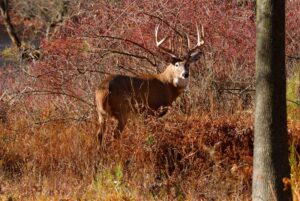
Moosehead Mountain is in the northwest part of the state, south of Dinosaur National Monument and not far from the towns of Rangely and Dinosaur. Its elevation tops out at about 8,400 feet and the terrain is thick with sagebrush, mountain mahogany, pinyon pine, and juniper—all the makings of a classic glass-and-stalk hunt to get in front of moving elk. Cross paths with bands of pronghorns in the warmer months and big mule deer bucks transitioning from high country to low as the snows come in.

Image courtesy of Nick Payne.

This area serves as a portion of the home range for the second-largest elk herd in North America, including some truly big bulls scoring up to 370. It’s a wild place, remote and empty, and accessible to hunters on foot or on horseback. The bull tag for Game Management Unit 10 has been one of the most coveted big-game tags in America for decades.

Colorado elk hunters have been among the first citizens to oppose proposals for largescale transfer of federal lands to the states, because they know best what is at stake: their access to places like Moosehead Mountain and, quite possibly, the future of hunting in Colorado. Despite public opposition, some Colorado politicians are pushing the idea, and two land transfer bills were promoted by anti-government activists during the 2015 legislative session. More than 200 sportsmen and women rallied at the Colorado state capitol in opposition to this legislation, and the bills were defeated.

Currently, federal land managers are bound by law to manage public lands like Moosehead Mountain for multiple uses, such as for wildlife habitat and hunting opportunities. The state of Colorado has no such multiple-use mandate, and, to the contrary, its mandate is to maximize profits from state-held public lands, not to conserve resources or access to hunting and fishing. In fact, most state lands in Colorado are closed to hunting, fishing, shooting, and camping, and so sportsmen must remain diligent to put a stop to any proposals that threaten our ability to pursue these American traditions on federal public lands.

State management of these lands could result in unrestricted development, based solely on what will net the highest possible profits. It might even mean the outright sale of game-rich lands, like Moosehead Mountain, to private interests that will make a fortune selling access or high-priced hunts on what now belongs to every American hunter. If we want once-in-a-lifetime big-game hunts to be available to the average hunter, sportsmen need to continue to voice our opposition to this controversial idea.

Let’s cross Moosehead Mountain off our bucket lists because we’ve been there, not because we’re locked out forever.

Here are three ways you can support sportsmen’s access on public lands. 

Stay tuned. In the rest of this 10-part series, we’ll continue to cover some of America’s finest hunting and fishing destinations that could be permanently seized from the public if politicians have their way.

2 Responses to “Public Lands Transfers Threaten Sportsmen’s Access: Moosehead Mountain”

  1. Chuck Middleton

    How can I post this to Facebook. I really would appreciate it you could share with me how I can do this. I have many friends are both hunters and non hunters and both will benefit from this knowledge

    Chuck

Do you have any thoughts on this post?

XHTML: You can use these tags: <a href="" title=""> <abbr title=""> <acronym title=""> <b> <blockquote cite=""> <cite> <code> <del datetime=""> <em> <i> <q cite=""> <s> <strike> <strong>

Comments must be under 1000 characters.

by:

posted in:

August 6, 2015

Without Congressional Compromise, Conservation Will Come to a Halt

What 34 sportsmen’s groups have joined forces to ask of our nation’s lawmakers as they craft next year’s budget

Agreement in the year 2015 seems to be a rare thing—whether it’s among Republicans and Democrats or about Coke or Pepsi. Even hunters and anglers have loyalties that can lead to fireside arguments about smallmouth or cutthroat, ducks or deer. With so many options, disagreement just seems to be the natural status quo.

Image courtesy of Nicolas Raymond.

But there was absolutely no disagreement last week, when 34 of the nation’s leading hunting and angling conservation organizations, representing sportsmen and women from every region of the country, signed a letter urging Congressional leadership to begin negotiating a bipartisan budget deal.

Many of the issues that we work on at the Theodore Roosevelt Conservation Partnership are regional by nature of being specific to certain terrain or species, like sage grouse, red snapper, or Prairie Potholes. It can sometimes be difficult, and understandably so, to get fishing groups interested in upland issues or to ask waterfowl groups to advocate for the sagebrush steppe. It’s not that these groups don’t care, it’s just that, with limited bandwidth and capacity, their focus on one core mission is essential. And so TRCP has made it our core mission to bring the widest swath of the sporting community to bear on the issues that truly impact the full spectrum of America’s hunters and anglers.

Few issues are more important to fish and wildlife habitat and the future of quality experiences afield than conservation funding.

The end of September marks the end of the federal fiscal year 2015, and as the fiscal year ends, so does the Murray-Ryan budget deal (formally known as the Bipartisan Budget Act of 2015). It was negotiated in good faith by then-chairs of the House and Senate Budget Committees, Paul Ryan and Patty Murray, respectively. Its provisions allowed for a temporary lift from the onerous, sweeping, and automatic cuts referred to as “sequestration,” which would have fundamentally altered the landscape of fish and wildlife habitat conservation in the United States. However, the expiration of the deal means the return of sequestration and, in such a scenario, habitat projects often wind up on the cutting room floor. Access enhancement stops in its tracks. Conservation priorities wither on the vine.

That is, unless Congressional leaders can come together on a successor agreement to Murray-Ryan. Dozens of sporting-conservation groups have gone on the record in support of Congressional negotiations that result in a bipartisan budget agreement to provide for a meaningful reinvestment in conservation funding. Private lands, public lands, marine fisheries, water, and literally everything else in the universe of issues that sportsmen care about most would be dramatically impacted by the return of sequestration.

It is time for Congressional leaders to come together for this greatly needed compromise—we can all agree on that.

by:

posted in:

August 3, 2015

Glassing the Hill: August 3 – 7

The TRCP’s scouting report on sportsmen’s issues in Congress

The Senate will be in session this week. The House has adjourned for the August recess.

Two for the Road

Photo courtesy of Library of Congress.

Last week, the Senate passed both a six-year highway bill reauthorization and a three-month extension of the Highway Trust Fund. The three-month extension was also passed by the House and signed by the President, effectively avoiding an expiration of the Highway Trust Fund on July 31 and giving the House time to craft its own version of a long-term highway bill in September and October.

Also last week, the Senate Energy and Natural Resources Committee passed their comprehensive bipartisan energy bill, which includes a permanent reauthorization of the Land and Water Conservation Fund. (You can see the legislation and amendments here.) The committee also passed legislation lifting the ban on crude oil export.

This week on the floor, the Senate will discuss cyber-security measures and consider bills to de-fund Planned Parenthood.

Also this week:
Tuesday, August 4
Senate Environment and Public Works Subcommittee on Regulatory Oversight hearing on litigation at EPA and FWS

Thursday, August 6
The first Republican presidential debate will air on Fox News at 9PM


by:

posted in:

July 30, 2015

Trout on the Fly, Newsrooms Under Pressure, and Wildlife as Inspiration

Day Three of our Western Media Summit

TRCP guests of all skill levels spend a morning flyfishing for trout on the Yellowstone River #publiclandsproud

Just as the sun was rising over the Gallatin Range, more than four dozen guests at TRCP’s Western Media Summit left Bozeman and drove southeast to the Yellowstone River for a morning of flyfishing on the final day of the conference. Eighteen guides piloted boats down the river, as anglers caught (and released) rainbows, browns, cutthroats, and whitefish, and the temperature climbed from the 50s into the 70s. As guests got to know their guides, and each other, the experience helped to put a personal face on the connection between access to these iconic public lands and waters and the businesses that rely on them: the sandwich shop where the guides bought guest lunches, the gas station where they fill up their trucks, the outfitter that books their services, the fly shop where they get their gear, and even the guy who shuttles their trucks and trailers the seven miles from the put-in to where they take their boats off the river.

Froma Harrop, syndicated opinion columnist: “You can’t ignore the politics behind conservation issues. We [as journalists] don’t have to be afraid of passion. That’s how you get people to listen to you. At the end of the day, people want to know what you think.”
After four hours of fishing, and with a few new tan lines, the group then gathered at the Bozeman offices of SITKA Gear for an afternoon of discussion. Led by a panel of four media professionals, and moderated by Outdoor Life Editor-in-Chief Andrew McKean, a conversation about reassessing the role of the conservation reporter got everyone in the room involved. Panelists examined how outdoor writing and conservation coverage is faring with shrinking newsrooms, thinning publications, and, perhaps, an increasingly selective pool of readers who have the content they want at their fingertips, whenever and wherever they want it. McKean asked the room if the outdoor media is partly responsible for creating a divide between “environmentalists” and “conservationists.” Gray Thornton of the Wild Sheep Foundation questioned whether sportsmen can reclaim the latter title, which many felt we have lost. Brett French, outdoor editor for the Billings Gazette, confessed that he felt like an endangered species—his role has become quite rare for the average daily newspaper. There was also some discussion of the partisan politics of conservation stories, and whether the potential for dissention among readers, publishers, or lawmakers makes telling these stories a risky proposition. Overall, journalists seemed to agree that immersive experiences, like the media summit, re-energize them to cover conservation—politics and all.

Jim Lyons, U.S. Department of the Interior: “Sage grouse restoration is the most complex issue I’ve ever worked on.”

The second panel discussion focused on the potential endangered species listing and controversial restoration strategies currently under review for the greater sage-grouse. Jim Lyons, the deputy assistant secretary of the U.S. Department of the Interior, Tim Baker from the Montana Governor’s Office, and Rolling Stone Ranch Owner Jim Stone addressed the group with a timely update on the flurry of activity around the iconic game species. There are just 63 days until the U.S. Fish and Wildlife Service’s court-ordered deadline for determining whether or not the bird requires protection under the Endangered Species Act, and the panel was held on the same day as the deadline for state Governors to file their protests against BLM land management plans to benefit the birds in 10 Western states. TRCP’s senior scientist Dr. Ed Arnett led the discussion, pointing out that sage grouse conservation and the public lands transfer movement share a common thread: Critics are capitalizing on the discontent of sportsmen with the way federal land management is being done, but it’s not as simple as having state’s take over management. It will be necessary to have federal, state, and volunteer conservation efforts working in concert to avoid a listing, and it will be necessary for sportsmen to engage in a conversation around solutions to federal land management issues so we don’t lose those lands forever.

David Brinker, Sitka: “We support conservation simply because it’s the right thing to do.”

Following the sage-grouse panel, David Brinker, marketing director for SITKA Gear, welcomed the journalists to his company’s headquarters and explained how SITKA’s passion for conservation led them become a founding member of the nonprofit One Percent for Conservation. The initiative was created by SITKA staffer Jeff Sposito to enlist retailers and small businesses in the sporting community that are not required to contribute Pittman-Robertson excise taxes toward conservation efforts, hunter’s education, or shooting programs, and facilitate the donation of one percent of their profits to a hunting-related cause of their choice. The effort will be officially launched this winter.

Guests then filtered downstairs to the other half of the refurbished industrial warehouse to enjoy cocktails, pizza, Italian desserts, and a powerful speech by Shane Mahoney. The CEO of Conservation Visions, Inc., is also a filmmaker, writer, and TV personality with 30 years of experience in science, wildlife management, and policy innovation in the U.S. and Canada. He gravely told the group that we have much work to do to protect our great sporting traditions, public land and water resources, and health of all species. “Wildlife are a democratic resource. It is something to inspire us. It is something to give us joy. It is not some side show,” he said. His remarks received a standing ovation from the crowd.

TRCP’s Joel Webster (left) makes a great cast.
Perfect conditions for a day on the water
John Kruse, Northwestern Outdoors Radio: “I have to be able to personalize a conservation story, which may only be explained at the 150,000-foot level in a press release, for my listeners in the Pacific Northwest.”
Ed Arnett, TRCP: “This is about more than sage grouse. This is about an entire ecosystem that has been in peril for some time—an ecosystem that currently supports more than 350 species.”
Tim Baker, Office of the Governor of Montana: “The Endangered Species Act needs some victories.”
Jim Stone, owner of Rolling Stone Ranch: “The government does work. But it takes time to make broad changes to the way we manage our herds and landscapes. It’s to the benefit of all of us that we invest that time.”
Shane Mahoney, CEO of Conservation Visions: “Wildlife is a democratic resource. It is something to inspire us. It is something to give us joy. It is not some side show.”

by:

posted in:

This is how far out of touch Congress is with sportsmen

This isn’t the first time I’ve written about how Congress is ignoring the wishes of sportsmen and voting against clean water protections that are best for fish and wildlife. Now we have the data to prove it.

Our friends over at the National Wildlife Federation have released a poll showing just how broad and deep the support for restoring protections under the Clean Water Act runs among sportsmen. What did they find? A remarkable 83 percent of the hunters and anglers surveyed thought that the Environmental Protection Agency should apply the rules and standards of the Clean Water Act to smaller, headwater streams and wetlands—because we can’t clean up larger bodies of water without protecting the waters that flow into them, and because smaller streams and wetlands are crucial fish and wildlife habitat.

Whether or not to protect smaller streams and wetlands has been a politically contentious issue for nearly 15 years. The Clean Water Act protected the nation’s streams and wetlands from the time it was passed in 1972 until two Supreme Court decisions in 2001 and 2006 left it unclear exactly which streams and wetlands could be covered by the law.

Image courtesy of Eric Petlock

In May, the EPA and Army Corps of Engineers completed the clean water rule to clear up this confusion. After a multi-year process of holding more than 400 stakeholder meetings and generating over 800,000 supportive public comments, the agencies produced a rule welcomed by sportsmen. Dave Perkins, executive vice chairman of the Orvis Company, said, “The clean water rule is good for our business. Improving the quality of fishing in America translates directly to our bottom line, to the numbers of employees we hire right here in America, and to the health of our brick-and-mortar stores all over the country.”

Nevertheless, Congress is hell bent on stealing this victory from sportsmen. More than half of all senators are on record opposing the clean water rule, and the House has voted in the past to undermine it. Why does a majority of Congress oppose what an overwhelming majority of sportsmen want? That’s a question Jim Martin—conservation director at the Berkley Conservation Institute, a branch of one of the largest tackle manufacturers in the sportfishing industry—asks, too.

“If the support is so widespread why are politicians not voting to support the rule?” wonders Martin. “This poll quite clearly shows what the public supports. Now, it is up to the political leaders to determine if they support the interests of their constituents or special interests on the issue of protecting watersheds.”

These same political leaders will surely get another chance to stand with, or against, sportsmen for clean water, before the year is out. It is incumbent on hunters and anglers to let our leaders in Washington know where we stand, and how we expect them to represent our interests.

Contact your senators and representative directly to tell them you support the clean water rule.

HOW YOU CAN HELP

TRCP has partnered with Afuera Coffee Co. to further our commitment to conservation. $4 from each bag is donated to the TRCP, to help continue our efforts of safeguarding critical habitats, productive hunting grounds, and favorite fishing holes for future generations.

Learn More
Subscribe


You have Successfully Subscribed!

You have Successfully Subscribed!

You have Successfully Subscribed!

You have Successfully Subscribed!

You have Successfully Subscribed!