Our Issues
Public Lands
Why It Matters

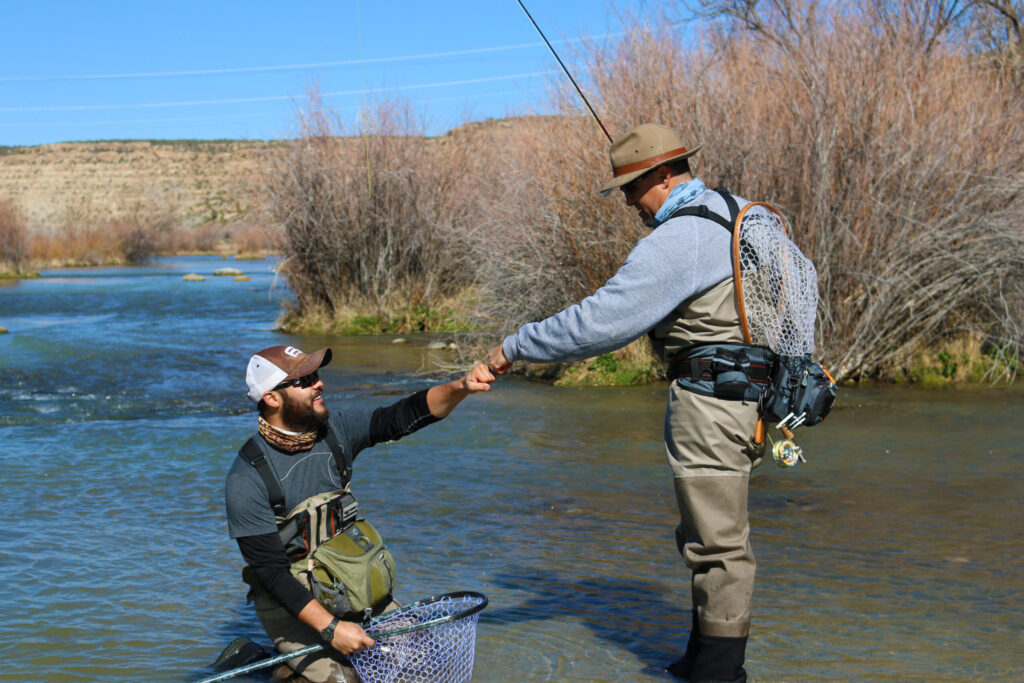
Hunting & Fishing Access

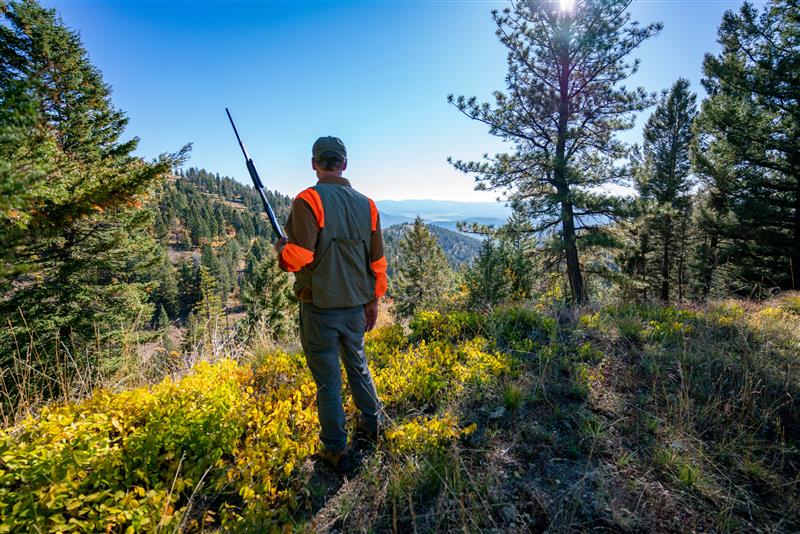
America’s 640 million acres of national public lands provide irreplaceable hunting and fishing opportunities to millions of Americans.

Learn More About Access
What TRCP is Doing

We’re working to safeguard America’s public lands so hunters and anglers always have quality places to pursue their passions.
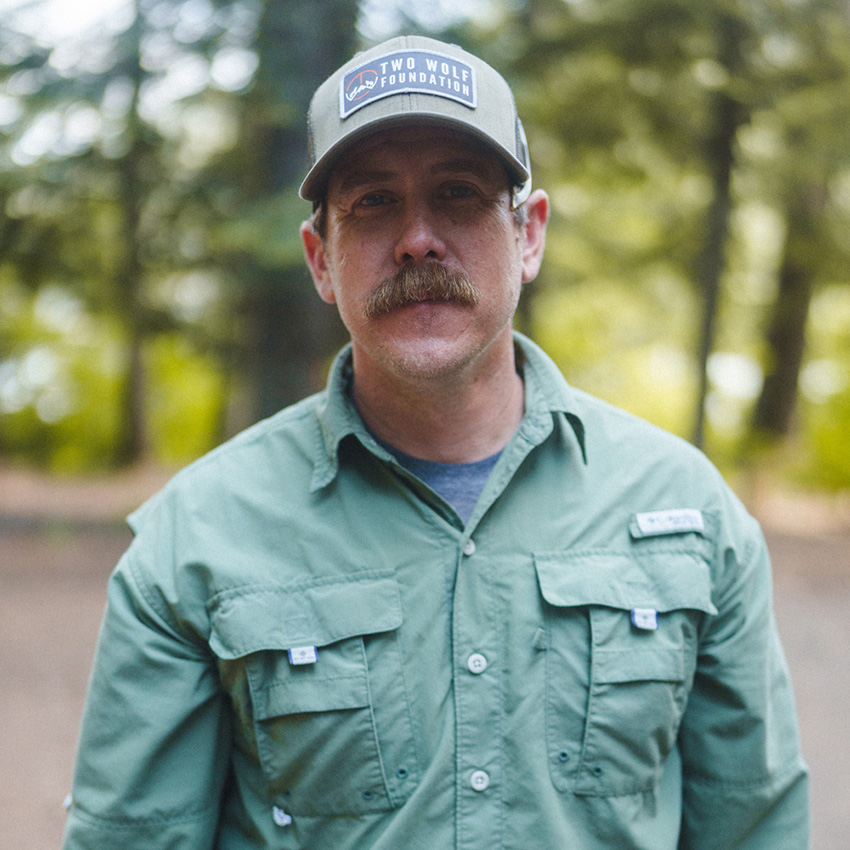
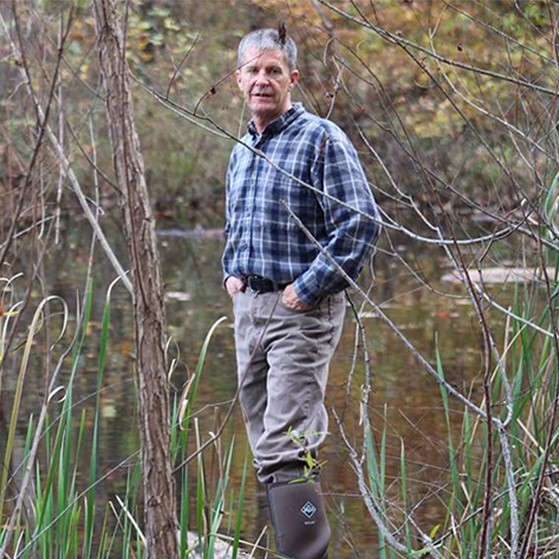
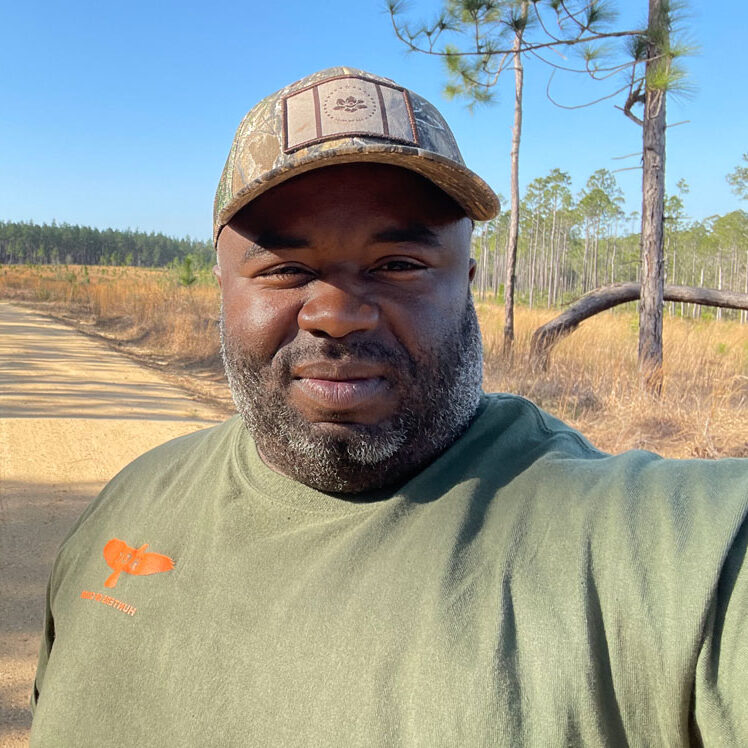
 Brian Flynn, Two Wolf Foundation
How Sportsmen Are Doing It Right

Brian Flynn, Two Wolf Foundation's Story

Following a distinguished career in the U.S. Army, lifelong outdoorsman Brian Flynn returned home from a deployment in Afghanistan and…

Hunting
Why It Matters

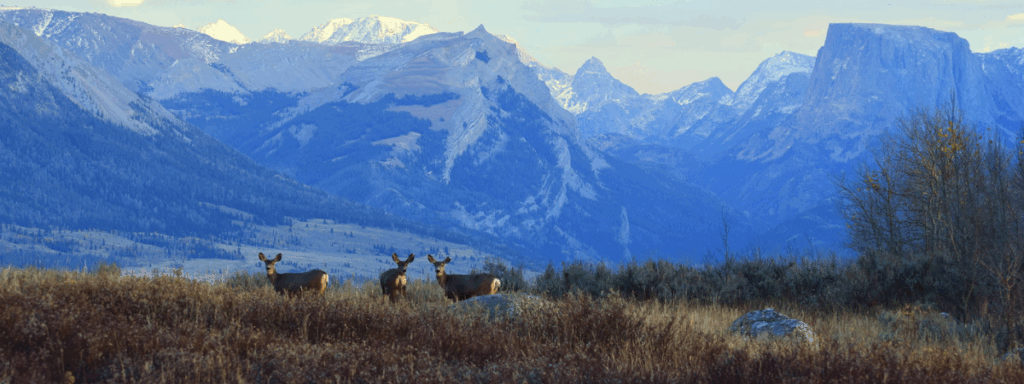
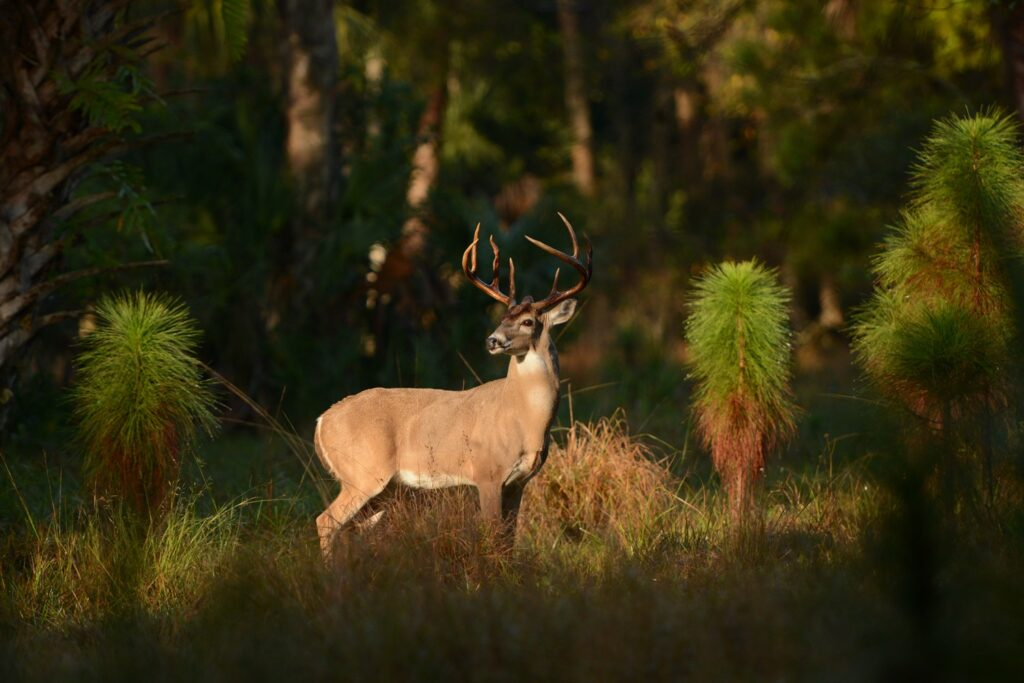
Key Issues for America’s Hunters

Your source for the latest policy updates, conservation challenges, and opportunities shaping America’s hunting traditions.

What TRCP is Doing

We’re fighting for meaningful policy changes that benefit wildlife, our waters, and the American landscapes that make our outdoor traditions possible.

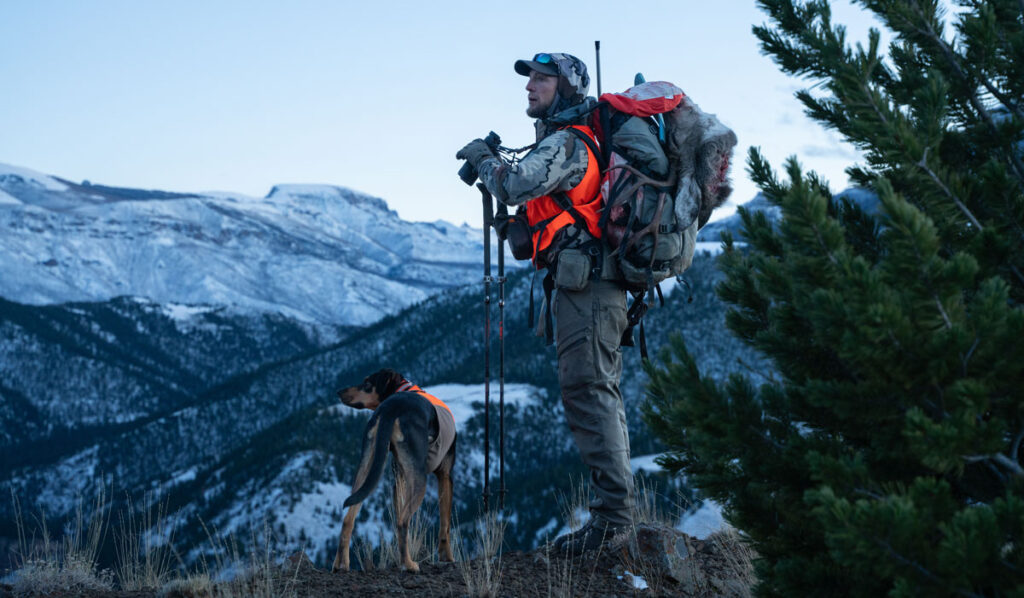
 Ryan Sparks
How Sportsmen Are Doing It Right

Ryan Sparks's Story

TRCP’s “In the Arena” series highlights the individual voices of hunters and anglers who, as Theodore Roosevelt so famously said,…

Fishing
Why It Matters

Key Issues for America’s Anglers

Your source for the latest policy updates, conservation challenges, and opportunities shaping America’s fishing traditions.

What TRCP is Doing

We’re fighting for meaningful policy changes that benefit wildlife, our waters, and the American landscapes that make our outdoor traditions possible.

 David Mangum
How Sportsmen Are Doing It Right

David Mangum's Story

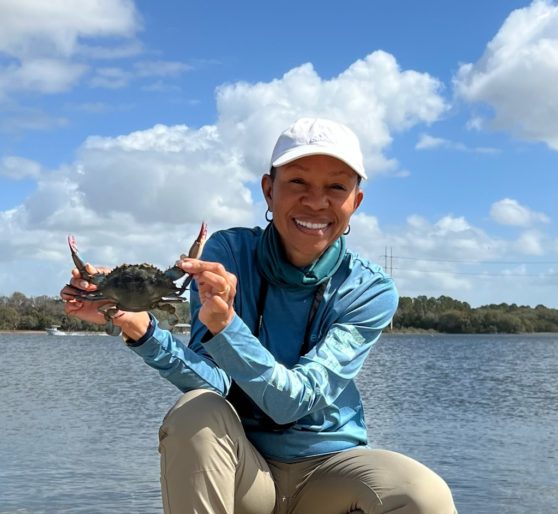
Capt. David Mangum is a YETI ambassador and outdoor photographer who utilizes his talents to produce media that inspire a…

Private Land
Why It Matters

Stewardship on America’s private lands

With 70 percent of U.S. lands in private hands and many of our best hunt and fish opportunities occurring there, investing in voluntary conservation on working lands safeguards access, strengthens habitat and water quality, and ensures resilient landscapes.

Learn More
What TRCP is Doing

We champion policies and programs that restore wildlife habitat, improve soil and water health, and keep working lands productive.

 Ward Burton
How Sportsmen are Doing It Right

Ward Burton's Story

Ward Burton’s NASCAR driving career stretched across most of two decades. As an avid sportsman and conservationist, he founded the…

Special Places
Why It Matters

Special Places Worth Protecting

America’s most iconic landscapes provide unmatched habitat and unforgettable days afield. These places sustain wildlife, anchor local economies, and define the hunting and fishing traditions we pass down.

What TRCP is Doing

We’re working to conserve special places that provide world-class habitat and unforgettable opportunities for hunters and anglers.

 Franklin Adams
How Sportsmen Are Doing It Right

Franklin Adams's Story

As a true Gladesman, conservationist, and historian, Capt. Franklin Adams has spent more than six decades championing Everglades restoration efforts…

Habitat & Clean Water
Why It Matters

Healthy Habitat Powers Every Pursuit

All hunting and fishing opportunities depend on quality habitat, from clean water and healthy wetlands to winter and summer habitats and the migration corridors that connect them.

All About Habitat & Clean Water
What TRCP is Doing

We are working to safeguard the habitats that power every hunting and fishing opportunity.

 Alex Harvey
How Sportsmen Are Doing It Right

Alex Harvey's Story

Alex Harvey, founder of Legacy Land Management, is a registered professional forester in Mississippi and Alabama with a Master's degree…

Science
Why It Matters

Science That Guides TRCP

From conserving migration corridors and wetlands to ensuring clean water and resilient landscapes, science provides evidence that turns conservation goals into effective action.

Science for Conservation
What TRCP is Doing

For hunters and anglers, science safeguards the experiences we treasure including resilient big game populations, abundant fish, and wild places that endure changing social landscapes.

Jamelle Ellis
Your Science Expert

Jamelle Ellis's Story

Jamelle Ellis joined the Theodore Roosevelt Conservation Partnership in 2022. Jamelle spent the last three years as an environmental sustainability…

Where We Work
Across the Nation

Conservation Across America

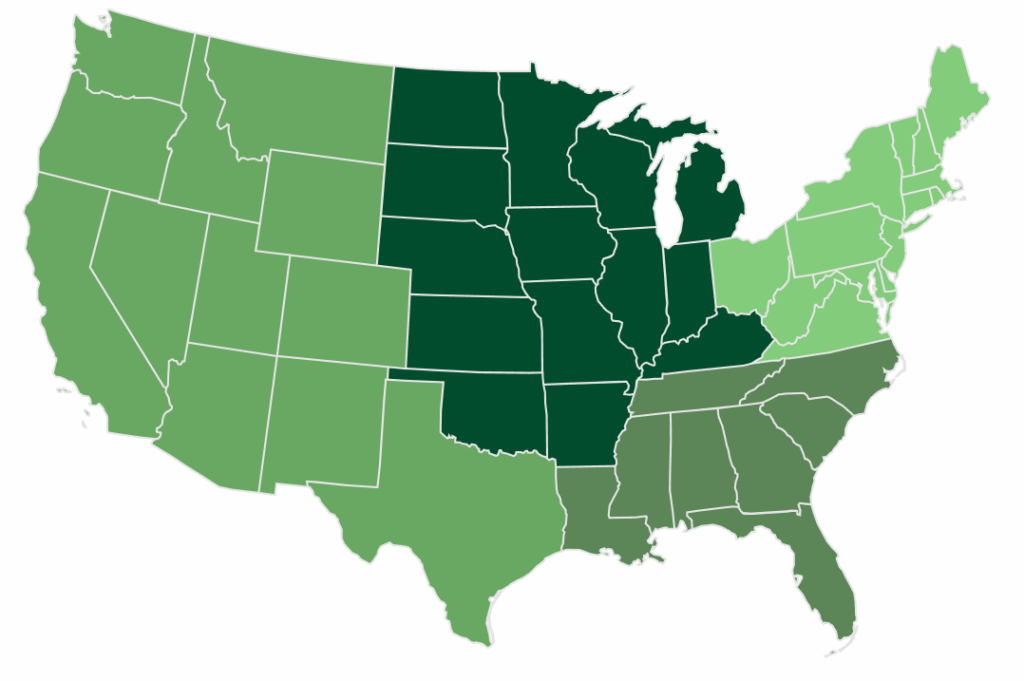
TRCP works across the country to ensure hunters and anglers can enjoy healthy fish and wildlife and quality days afield, no matter where they live.

See All Issues
TRCP in Your Region

TRCP works across the country to ensure hunters and anglers can enjoy healthy fish and wildlife and quality days afield, no matter where they live.

Who We Are
Our Mission

To guarantee all Americans quality places to hunt & fish

We unite and amplify our partners’ voices to advance America’s legacy of conservation, habitat, and access.

Our Mission & Values
Our People & Partners
  • Meet the TRCP Team

    Our staff and board members unite and amplify our partners’ voices to advance America’s legacy of conservation, habitat, and access.

    Meet the Team
  • Our Partners

    ‘Partnership’ is in our name. We work with 64 diverse partner groups that represent today’s leading hunting, fishing, and conservation organizations in order to strengthen the sportsman’s voice in Washington, D.C.

    Our Partners
  • Corporate Council

    TRCP’s Corporate Council is made up of diverse corporations that share a common passion for conservation.

    Corporate Council
Our Organization

Looking for more information?

Explore our latest news, policy updates, and conservation resources to get the information you need.

Giving
How You Can Help

To guarantee all Americans quality places to hunt & fish

Your tax-deductible donation will support TRCP's mission, now and into the future.

DONATE
Special Ways to support trcp
  • Capital Conservation Awards Dinner

    The CCAD is one of Washington's best-attended conservation celebrations, featuring dinner, cocktails, and a silent auction.

    Learn More
  • Step Into the Arena

    Help us ensure that our treasured wild habitats and game remain intact for the next generation to enjoy – lend your support to the TRCP’s efforts today!

    Donate
  • Roosevelt Roast

    TRCP has partnered with Afuera Coffee Co. to further our commitment to conservation.

    Learn More
More donation options

Find the best way for you to lend your support. Join one of TRCP’s donor circles for special invitations, premium offerings from outdoor retailers, and more exclusive benefits. Take control of your legacy with planned giving or contribute to special conservation funds.

Other Ways To Give
News
In the Spotlight

In the Arena: Josh Warren

For many hunters and anglers, the connection to conservation begins close to home — in the woods behind the house, along a familiar stretch of river, or through time spent learning from mentors and family. That sense of place is something Joshua Warren carries with him, both personally and professionally. As Director of Marketing at WorkSharp, Josh represents a company rooted in Ashland, Oregon, a community defined by its access to public lands and wild country.

Read More

Stay Informed

Receive our newsletter, the Roosevelt Report, right in your inbox. Never miss the latest news in conservation issues.

by:

posted in:

July 14, 2015

What you need to know before our 5th Annual Saltwater Media Summit

We’re kicking off our fifth annual Saltwater Media Summit this week at ICAST, the world’s largest sportfishing trade show. We’re bringing together lawmakers, thought leaders, and journalists to discuss today’s most pressing saltwater angling issues.

Want some more background on the issues that we’ll be tackling? We’ve got you covered.

Check out some of these resources on red snapper management, the Magnuson-Stevens Act, and Gulf Coast restoration.

Panel I: Making Red Snapper Numbers Add Up

Image by Jessica McGlothlin.

Panel II: Can Revamped Fisheries Law Make Washington Work for Recreational  Anglers?

Panel III: What a Few Billion Dollars Could Buy in Gulf Coast Restoration Projects

Want to learn more about our Saltwater Media Summit? Check out our preview here and check back in for daily recaps, photos from the show floor, and much more!


Do you have any thoughts on this post?

XHTML: You can use these tags: <a href="" title=""> <abbr title=""> <acronym title=""> <b> <blockquote cite=""> <cite> <code> <del datetime=""> <em> <i> <q cite=""> <s> <strike> <strong>

Comments must be under 1000 characters.

by:

posted in:

July 13, 2015

Talking dollars and cents at our fifth annual Saltwater Media Summit

How do you measure a quality day on the water? By total fish caught? By your biggest catch? By how many hours were spent alongside friends and family?

What about in dollars and cents?

You may not realize the dramatic impact your recreational fishing dollars have on the U.S. economy—each year, the dollars you spend on fishing boats, guides, and gear generates $115 billion in economic activity. Saltwater anglers account for $70 billion of that. This money goes to support conservation and great public access to fishing and creates thousands of jobs that support coastal communities all across the country.

That’s why we chose to host our fifth annual Saltwater Media Summit at ICAST, the world’s largest fishing trade show, where media and business leaders can experience the full economic might of the recreational fishing industry. We’re gathering science and policy experts in Orlando, Florida, to show members of the media that important saltwater conservation issues—like red snapper management, reauthorization of the country’s major marine fisheries law, and Gulf Coast restoration—are impacting our local economies just as much as our access to quality fishing.

Want to know how $18.7 billion dollars in restoration dollars will be spent? Are you and your readers frustrated with short recreational seasons for Gulf red snapper? Do you wonder what Washington lawmakers could be doing to protect your saltwater fishing access? Our experts will discuss all that and more. We’ll be providing updates throughout the week, so follow the #TRCPSummit hashtag on Twitter, or stay tuned to Facebook and the blog for more information. To find us at ICAST, contact Kristyn Brady via email.

We wouldn’t be able to break big conservation stories at ICAST without the help of our generous sponsors. We’d like to thank Bass Pro Shops, the Florida Fish and Wildlife Conservation Commission, NOAA Fisheries, Costa, Patagonia, Pure Fishing, the Recreational Boating and Fishing Foundation, Yamaha, the American Sportfishing Association, and the National Marine Manufacturers Association. Check out a full listing of our sponsors right here.

by:

posted in:

Glassing the Hill: July 13-17

The TRCP’s scouting report on sportsmen’s issues in Congress

Both the House and the Senate will be in session this week.

Photo courtesy of Library of Congress.

Last week in the House, the Fiscal 2016 Interior Appropriations bill was yanked from the floor after debate over the Confederate flag became rancorous. It is not clear when (or if) the bill will come back to the House floor, with just six legislative weeks until the end of fiscal year 2015.  The House also easily cleared H.R. 2647, the Resilient Federal Forest Act of 2015, last week in a 262-167 vote. The path forward for forestry legislation in the Senate is still unclear, although several hearings will occur this week in that chamber.  Both the House and the Senate have now named their respective members of the National Defense Authorization Act (NDAA) conference committee, which is expected to complete its work prior to the August recess. The House version of the NDAA includes harmful sage grouse language, and President Obama has threatened to veto the bill.

On the Floor
This week, the Senate is expected to complete consideration of legislation reauthorizing the Elementary and Secondary Education Act (S.1177), which appears likely to consume the balance of the week’s proceedings on the floor.

This week on the House floor, discussion with center around a California drought billHR 2898, authored by Rep. David Valadao (R-CA). There is no other major legislation on the House floor, but according to Majority Leader McCarthy, other items are possible.

The Week in Full:

Wednesday, July 15

Thursday, July 16

by:

posted in:

July 9, 2015

Public Lands Transfers Threaten Sportsmen’s Access: The Arizona Strip

In an increasingly crowded and pay-to-play world, America’s 640 million acres of public lands – including our national forests and Bureau of Land Management lands–have become the nation’s mightiest hunting and fishing strongholds.

This is especially true in the West, where according to the U.S. Fish and Wildlife Service, 72 percent of sportsmen depend on access to public lands for hunting. Without these vast expanses of prairie and sagebrush, foothills and towering peaks, the traditions of hunting and fishing as we have known them for the past century would be lost. Gone also would be a very basic American value: the unique and abundant freedom we’ve known for all of us, rich and poor and in-between, to experience our undeveloped and wild spaces, natural wonders, wildlife and waters, and the assets that have made life and citizenship in our country the envy of the world.

In Part Three of our series, we head to a little known region of Northern Arizona.

The Arizona Strip has been called the best place on the planet to hunt mule deer, and with more than 2 million acres of Bureau of Land Management public lands and 4,000-plus miles of roads to access hunting and fishing areas, it is a sportsmen’s dream country.

Image courtesy of BLM.

Most of the 5 million annual visitors to the Grand Canyon, which lies just to the south, have no idea that just beyond the mighty Colorado River is located another, even wilder universe of slot canyons, sagebrush plains, lost rivers and Ponderosa pineclad mountains. The rugged Grand Canyon cuts off the Strip and makes this some of the most remote country in the Southwest, where bighorn sheep clatter in the scree, bison wander and turkeys thunder in high elevation aspen groves that seem utterly removed from the deserts below. It’s the Kaibab Plateau and the Vermillion Cliffs, the Poverty Mountains, the Parashant, all names that conjure up monster bucks in desert solitude.

Image courtesy of BLM.

You’ll need your extra water and your best boots, because the Strip is a sprawling place where the deer densities are low (population estimates are around 2,000 animals most years) but you’ll find some of the largest bucks on earth. As you hunt, you’ll see the same country traversed by the pioneers who launched from Fort Smith, Arkansas, bound for the Colorado River and westward on the Beale Wagon Road. At Laws Spring you can study the pictographs left by hunters like yourself hundreds and thousands of years ago. The most unique fact about this country, other than the fact that it is ours for the roaming, is that you will see it much as those long-ago hunters saw it.

In 2012, Arizona passed Senate Bill 1332, demanding the transfer of all federal lands to the state and giving the state the right to sell them to promote development. Arizona Proposition 120, a ballot measure defeated by two-thirds of Arizona voters, would have amended the state’s constitution to “declare Arizona’s sovereignty and jurisdiction over the air, water, public lands, minerals, wildlife, and other natural resources within the state’s boundaries.” What the legislature proposed is a fundamental and radical remaking of Arizona, with no regard for the quality of life or natural resource protection that the public lands have provided for more than a century. It is hard to imagine the price that would be paid for the Arizona Strip, but the outcome would be clear: a state where access to the best hunting and other recreation is reserved for those wealthy enough to buy what once belonged to all of us.

Image courtesy of BLM.

While sportsmen were successful in defeating the vast majority of land transfer bills across the nation during the 2015 legislative season, Arizona proved to be difficult territory and two problematic measures were passed. One bill was a resolution, urging the United States Congress and the Dept. of the Interior to hand over public lands directly to the state. The other bill established a study committee “to examine processes to transfer, manage and dispose of federal lands within Arizona.” A third bill, vetoed by the Arizona Governor, would have entered the state into a compact designed to aggressively seek control of public lands from the federal government. All of these bills threaten public access to public lands because the state of Arizona, if successful, simply could not afford to retain and responsibly manage these lands and would likely find it necessary to sell them to private interests. Looking forward, hunters and anglers will be engaged with the Arizona study committee process to show lawmakers and the public that land transfer is a losing proposition. Sportsmen are also planning to step up our Arizona involvement in 2016 to prevent radicals from advancing additional measures that would threaten our public lands hunting and fishing traditions.

Here are three ways you can support sportsmen’s access on public lands. 

Stay tuned. In the rest of this 10-part series, we’ll continue to cover some of America’s finest hunting and fishing destinations that could be permanently seized from the public if politicians have their way.

by:

posted in:

July 7, 2015

Glassing The Hill: July 6 – 10

The TRCP’s scouting report on sportsmen’s issues in Congress

Both the House and the Senate will be in session this week, the first of four legislative weeks before the August recess and eight weeks from the end of fiscal year 2015.

Photo courtesy of Library of Congress.

This Month at a Glance
July is expected to see consideration of a Highway Bill solution (the highway trust fund expires July 31); there is also some appetite to reauthorize the Export-Import Bank’s charter, which expired on July 1. The Senate could also soon see action on a nuclear deal with Iran, and both chambers will begin conference proceedings on the Fiscal 2016 National Defense Authorization Act.

On the Floor
This week, the Senate will be considering reauthorization of the Elementary and Secondary Education Act (S.1177).

Conservation Funding Alert: This week, the House will resume consideration of the Fiscal Year 2016 Interior, Environment, and Related Agencies Appropriations Act (HR 2822) on the floor, and is expected to vote on a variety of amendments throughout the week. You can review all the amendments currently filed here.

The Week in Full:

Tuesday, July 7

The Senate Energy and Natural Resources Committee will hold a hearing to examine S.1694, which would authorize phase III of a project to improve water management in the Yakima River basin.

Wednesday, July 8

House Committee on Agriculture hearing on energy and the rural economy: the economic impact of exporting crude oil.

Full House Appropriations Committee Markup of Fiscal Year 2016 agriculture spending bill .

Full House Natural Resources Committee Markup – A list of bills will be posted once available.

Thursday, July 9

Full House Natural Resources Committee Markup, continued from Wednesday.

House Committee on Science, Space, and Technology hearing on examining the EPA’s regulatory overreach.

House Committee on Energy and Commerce, Subcommittee on Energy and Power hearing on HR 702, legislation to prohibit restrictions on the export of crude oil.

Senate Energy and Natural Resources will hold a hearing to examine mitigation requirements, interagency coordination, and pilot projects related to economic development on Federal public lands.

HOW YOU CAN HELP

TRCP has partnered with Afuera Coffee Co. to further our commitment to conservation. $4 from each bag is donated to the TRCP, to help continue our efforts of safeguarding critical habitats, productive hunting grounds, and favorite fishing holes for future generations.

Learn More
Subscribe


You have Successfully Subscribed!

You have Successfully Subscribed!

You have Successfully Subscribed!

You have Successfully Subscribed!

You have Successfully Subscribed!