Our Issues
Public Lands
Why It Matters

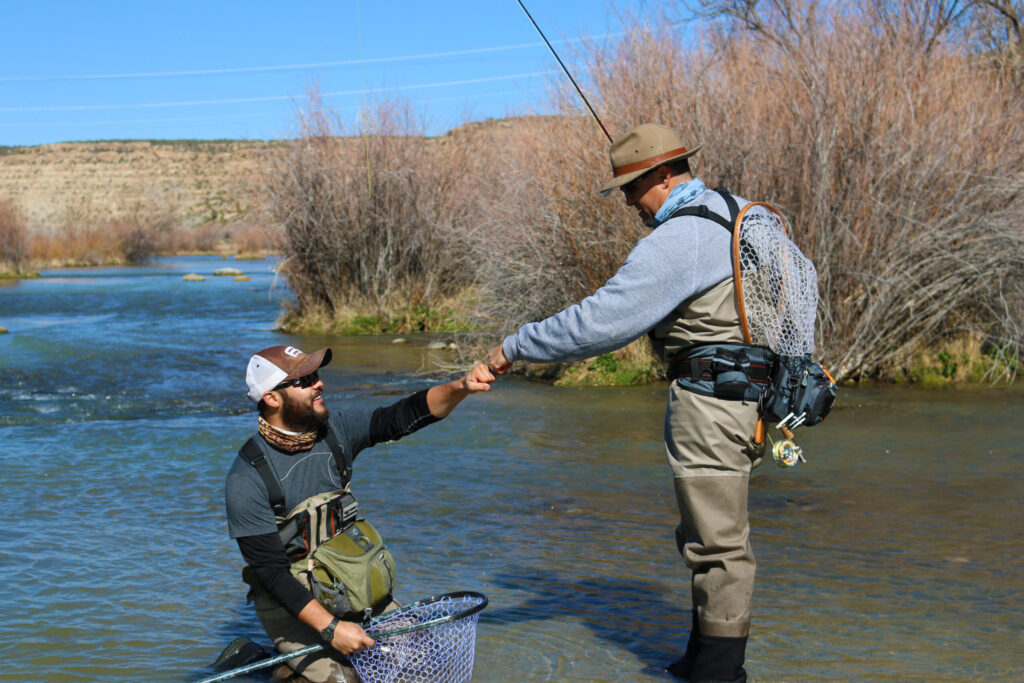
Hunting & Fishing Access

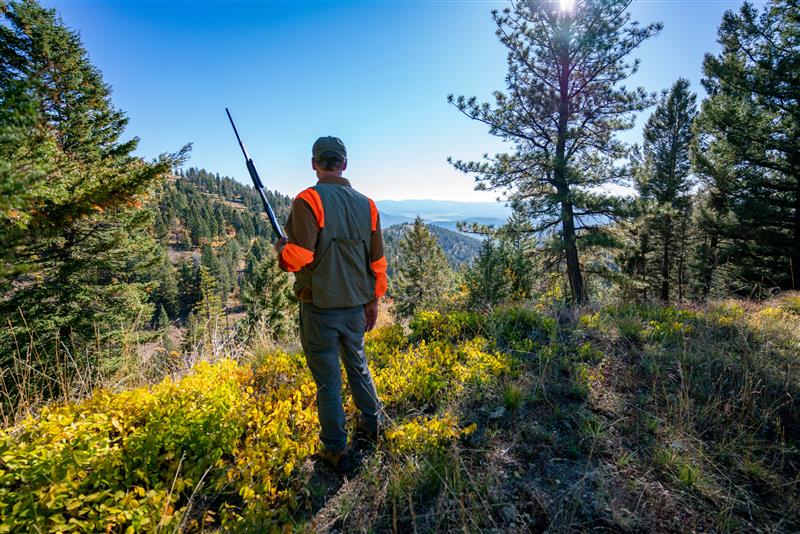
America’s 640 million acres of national public lands provide irreplaceable hunting and fishing opportunities to millions of Americans.

Learn More About Access
What TRCP is Doing

We’re working to safeguard America’s public lands so hunters and anglers always have quality places to pursue their passions.
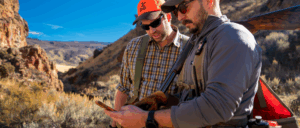
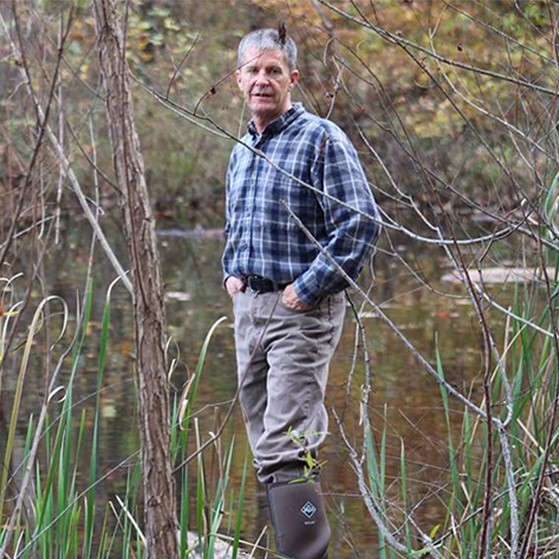
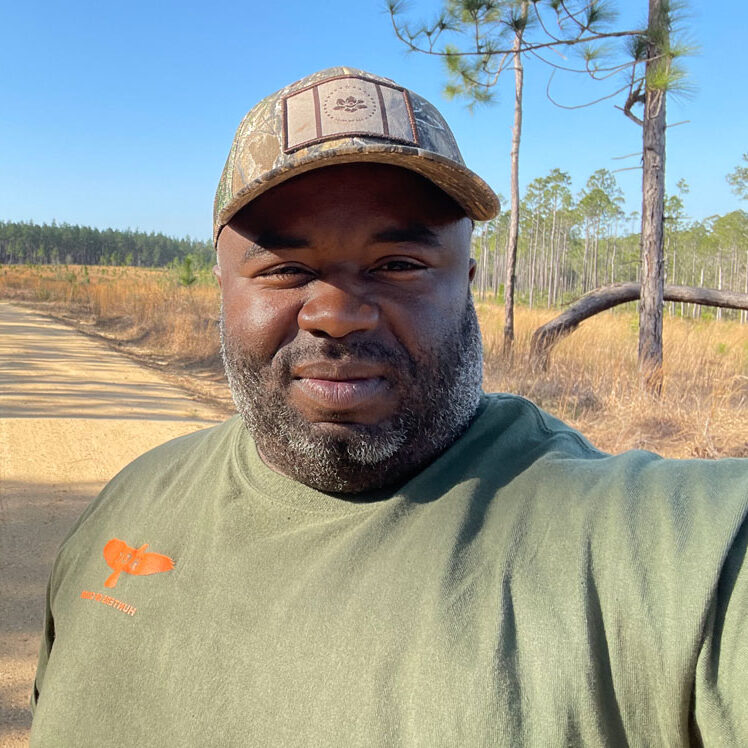
 Brian Flynn, Two Wolf Foundation
How Sportsmen Are Doing It Right

Brian Flynn, Two Wolf Foundation's Story

Following a distinguished career in the U.S. Army, lifelong outdoorsman Brian Flynn returned home from a deployment in Afghanistan and…

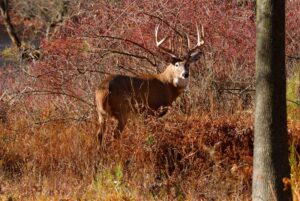
Hunting
Why It Matters

Key Issues for America’s Hunters

Your source for the latest policy updates, conservation challenges, and opportunities shaping America’s hunting traditions.

What TRCP is Doing

We’re fighting for meaningful policy changes that benefit wildlife, our waters, and the American landscapes that make our outdoor traditions possible.

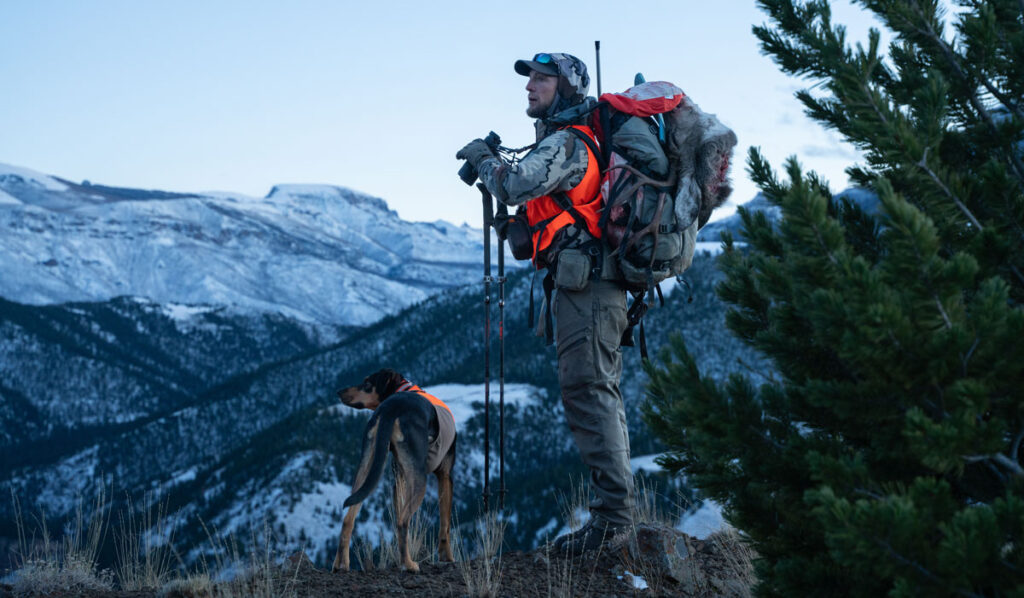
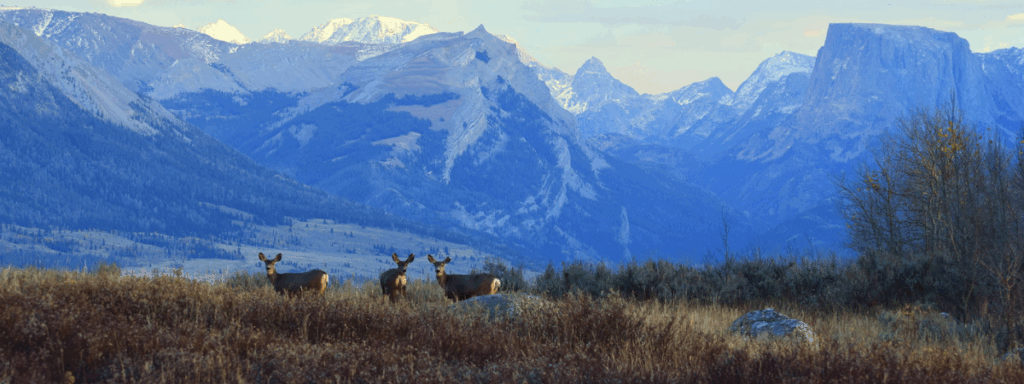
 Ryan Sparks
How Sportsmen Are Doing It Right

Ryan Sparks's Story

TRCP’s “In the Arena” series highlights the individual voices of hunters and anglers who, as Theodore Roosevelt so famously said,…
Fishing
Why It Matters

Key Issues for America’s Anglers

Your source for the latest policy updates, conservation challenges, and opportunities shaping America’s fishing traditions.

What TRCP is Doing

We’re fighting for meaningful policy changes that benefit wildlife, our waters, and the American landscapes that make our outdoor traditions possible.

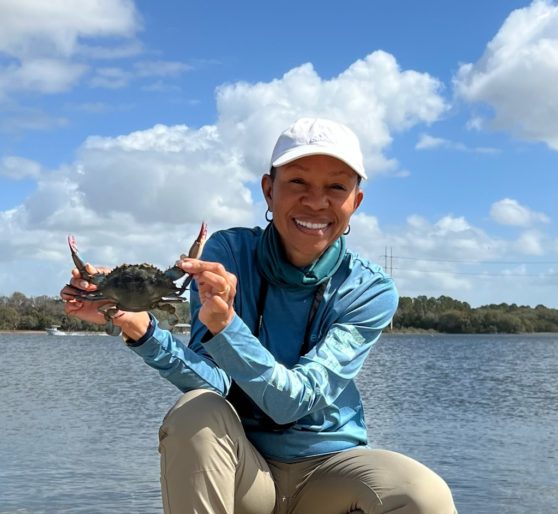
 David Mangum
How Sportsmen Are Doing It Right

David Mangum's Story

Capt. David Mangum is a YETI ambassador and outdoor photographer who utilizes his talents to produce media that inspire a…

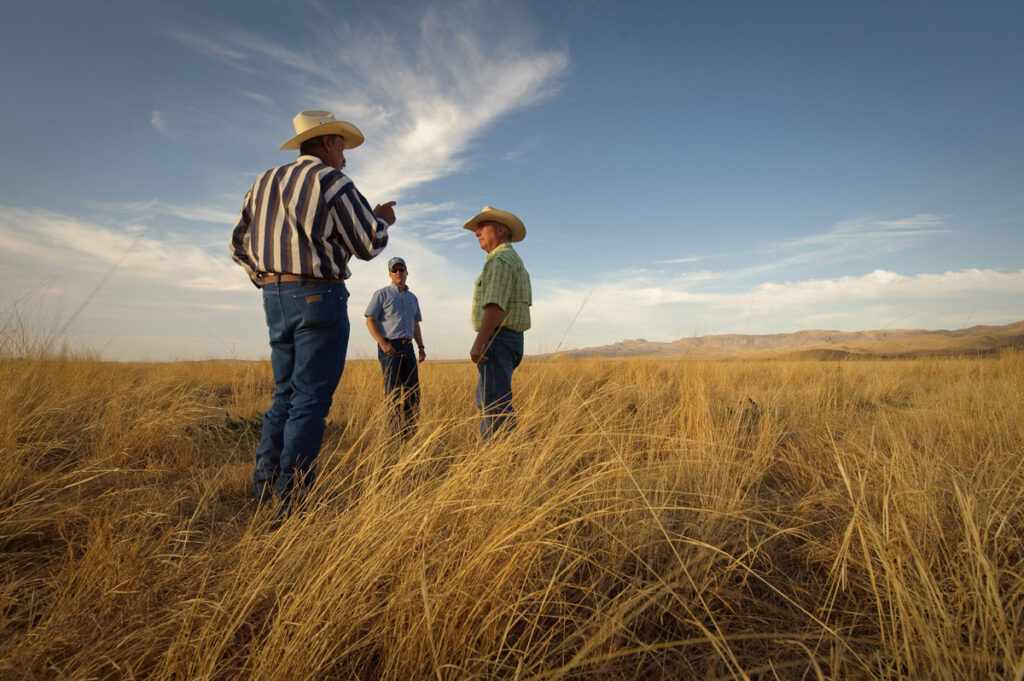
Private Land
Why It Matters

Stewardship on America’s private lands

With 70 percent of U.S. lands in private hands and many of our best hunt and fish opportunities occurring there, investing in voluntary conservation on working lands safeguards access, strengthens habitat and water quality, and ensures resilient landscapes.

Learn More
What TRCP is Doing

We champion policies and programs that restore wildlife habitat, improve soil and water health, and keep working lands productive.

 Ward Burton
How Sportsmen are Doing It Right

Ward Burton's Story

Ward Burton’s NASCAR driving career stretched across most of two decades. As an avid sportsman and conservationist, he founded the…

Special Places
Why It Matters

Special Places Worth Protecting

America’s most iconic landscapes provide unmatched habitat and unforgettable days afield. These places sustain wildlife, anchor local economies, and define the hunting and fishing traditions we pass down.

What TRCP is Doing

We’re working to conserve special places that provide world-class habitat and unforgettable opportunities for hunters and anglers.

 Franklin Adams
How Sportsmen Are Doing It Right

Franklin Adams's Story

As a true Gladesman, conservationist, and historian, Capt. Franklin Adams has spent more than six decades championing Everglades restoration efforts…

Habitat & Clean Water
Why It Matters

Healthy Habitat Powers Every Pursuit

All hunting and fishing opportunities depend on quality habitat, from clean water and healthy wetlands to winter and summer habitats and the migration corridors that connect them.

All About Habitat & Clean Water
What TRCP is Doing

We are working to safeguard the habitats that power every hunting and fishing opportunity.

 Alex Harvey
How Sportsmen Are Doing It Right

Alex Harvey's Story

Alex Harvey, founder of Legacy Land Management, is a registered professional forester in Mississippi and Alabama with a Master's degree…

Science
Why It Matters

Science That Guides TRCP

From conserving migration corridors and wetlands to ensuring clean water and resilient landscapes, science provides evidence that turns conservation goals into effective action.

Science for Conservation
What TRCP is Doing

For hunters and anglers, science safeguards the experiences we treasure including resilient big game populations, abundant fish, and wild places that endure changing social landscapes.

Jamelle Ellis
Your Science Expert

Jamelle Ellis's Story

Jamelle Ellis joined the Theodore Roosevelt Conservation Partnership in 2022. Jamelle spent the last three years as an environmental sustainability…

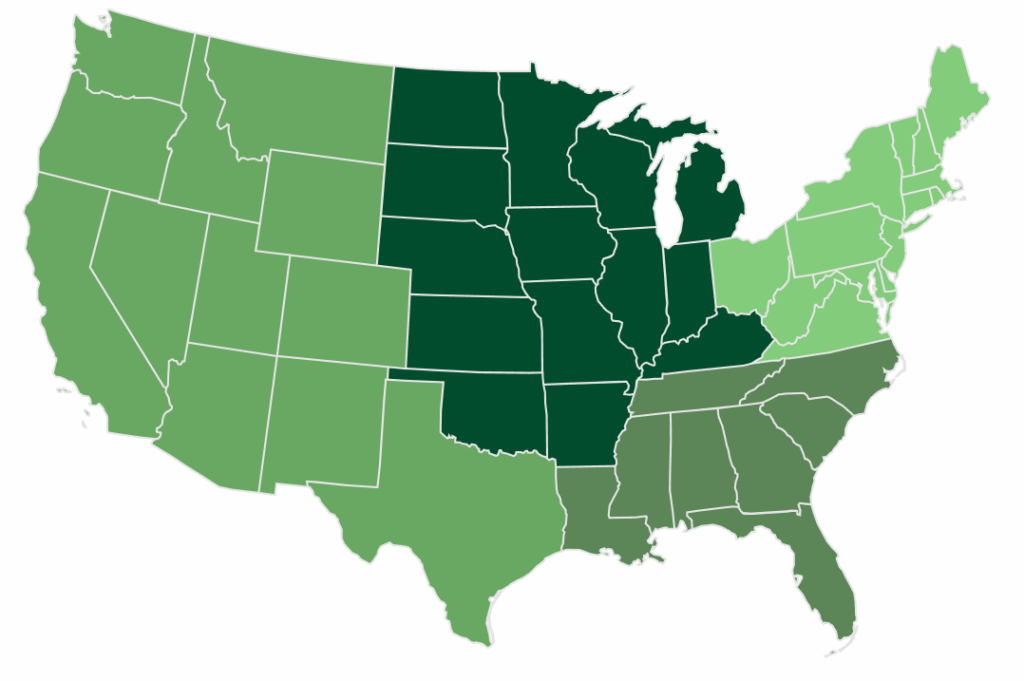
Where We Work
Across the Nation

Conservation Across America

TRCP works across the country to ensure hunters and anglers can enjoy healthy fish and wildlife and quality days afield, no matter where they live.

See All Issues
TRCP in Your Region

TRCP works across the country to ensure hunters and anglers can enjoy healthy fish and wildlife and quality days afield, no matter where they live.

Who We Are
Our Mission

To guarantee all Americans quality places to hunt & fish

We unite and amplify our partners’ voices to advance America’s legacy of conservation, habitat, and access.

Our Mission & Values
Our People & Partners
  • Meet the TRCP Team

    Our staff and board members unite and amplify our partners’ voices to advance America’s legacy of conservation, habitat, and access.

    Meet the Team
  • Our Partners

    ‘Partnership’ is in our name. We work with 64 diverse partner groups that represent today’s leading hunting, fishing, and conservation organizations in order to strengthen the sportsman’s voice in Washington, D.C.

    Our Partners
  • Corporate Council

    TRCP’s Corporate Council is made up of diverse corporations that share a common passion for conservation.

    Corporate Council
Our Organization

Looking for more information?

Explore our latest news, policy updates, and conservation resources to get the information you need.

Giving
How You Can Help

To guarantee all Americans quality places to hunt & fish

Your tax-deductible donation will support TRCP's mission, now and into the future.

DONATE
Special Ways to support trcp
  • Capital Conservation Awards Dinner

    The CCAD is one of Washington's best-attended conservation celebrations, featuring dinner, cocktails, and a silent auction.

    Learn More
  • Step Into the Arena

    Help us ensure that our treasured wild habitats and game remain intact for the next generation to enjoy – lend your support to the TRCP’s efforts today!

    Donate
  • Roosevelt Roast

    TRCP has partnered with Afuera Coffee Co. to further our commitment to conservation.

    Learn More
More donation options

Find the best way for you to lend your support. Join one of TRCP’s donor circles for special invitations, premium offerings from outdoor retailers, and more exclusive benefits. Take control of your legacy with planned giving or contribute to special conservation funds.

Other Ways To Give
News
In the Spotlight

House Agriculture Committee Chairman GT Thompson Introduces Farm Bill Proposal 

Hunters and anglers depend on strong Conservation and Forestry Titles, and TRCP will closely evaluate the bill's impacts as it moves forward.

Read More

Stay Informed

Receive our newsletter, the Roosevelt Report, right in your inbox. Never miss the latest news in conservation issues.

by:

posted in:

April 22, 2015

Snapshot of Success: Toledo, Ohio

From California to New York, from Montana to Mississippi, hunters and anglers are leading important efforts to improve the quality and quantity of our water resources. The most successful conservation efforts are locally driven with a broad base of support, including federal financial and technical assistance.  They honor and respect the traditions of hunting, fishing, farming and ranching while protecting the resources we share.

In a report released on February 26, 2015, the TRCP showcases ten examples of collaborative, sportsmen-led efforts and the importance of federal funding that fuels them.  The lessons sportsmen have learned executing these projects tell a convincing story about the need for responsible water management and adequate funding.

Here is lesson eight from Toledo, Ohio:

Healthy Water from Healthy Wetlands: Howard Farms Ohio Coastal Restoration Project

It’s ambitious, but we know this is 100% doable and will have fantastic benefits.

Image courtesy of USACE.

Mistakes of the past reached a boiling point in the summer of 2014 in Toledo, Ohio, where residents were warned against drinking and even bathing in local tap water.

Bright green algae bloomed across Lake Erie, fed by phosphorous- and nitrogen-rich agricultural runoff—causing extremely high levels of microcystin (which can damage the liver) in the water supply. Toxins in the water supply were so bad that fish were dying.

The incident highlights the importance of the Howard Farms Coastal Restoration Project, which is transforming nearly 1,000 acres of farmland along Lake Erie back into its original wetland habitat. The efforts will result in restoring a natural filter for polluted water.

The Challenge

More than 75 years ago, in an effort to cultivate new cropland, the Howard Farms property was drained, ditched, and disconnected from Lake Erie by levees.

As a result, twenty-eight species of fish could no longer spawn there, an important creek channel disappeared, and hundreds of acres of wetland habitat vanished along with their natural ability to cleanse water before it reached Lake Erie.

The Solution

To tackle the problem, Ducks Unlimited and local stakeholders turned to grant funding from the Great Lakes Restoration Initiative to restore the property back to its former wetland habitat. Metroparks of the Toledo Area (the local parks agency) previously had bought Howard Farms with the idea of restoring habitat and transforming the agricultural land into a world-class metropark.

What Will Restoration Look Like?

Image courtesy of Russ Terry, Ducks Unlimited.

The project will hydrologically reconnect the property to Lake Erie and restore several hundred acres of coastal emergent wetlands and nearly 7,500 feet of the historic Cedar Creek riverbed. The 28 species of fish now suffering from habitat loss will soon benefit from the restoration, which will make it possible for them to once again migrate from Lake Erie into the wetlands for spawning.

A key part of this project will be installing boardwalks around the land, opening up the wetlands to hunting, fishing and birding. The Toledo area is one of the most popular birding spots in the country, and the Howard Farms restoration project will bring back new opportunity for birders across the country.

What’s Next?

The project’s $2.8 million in grants from the Great Lakes Restoration Initiative will be pooled with $1 million from the Ohio Division of Wildlife and an additional $5 million from Metroparks. The plan is to finish designs and hire contractors in early 2015. Habitat restoration and installation of the recreational use amenities will run into 2016.

Do you have any thoughts on this post?

XHTML: You can use these tags: <a href="" title=""> <abbr title=""> <acronym title=""> <b> <blockquote cite=""> <cite> <code> <del datetime=""> <em> <i> <q cite=""> <s> <strike> <strong>

Comments must be under 1000 characters.

by:

posted in:

Snapshot of Success: Toledo, Ohio

From California to New York, from Montana to Mississippi, hunters and anglers are leading important efforts to improve the quality and quantity of our water resources. The most successful conservation efforts are locally driven with a broad base of support, including federal financial and technical assistance.  They honor and respect the traditions of hunting, fishing, farming and ranching while protecting the resources we share.

In a report released on February 26, 2015, the TRCP showcases ten examples of collaborative, sportsmen-led efforts and the importance of federal funding that fuels them.  The lessons sportsmen have learned executing these projects tell a convincing story about the need for responsible water management and adequate funding.

Here is lesson eight from Toledo, Ohio:

Healthy Water from Healthy Wetlands: Howard Farms Ohio Coastal Restoration Project

It’s ambitious, but we know this is 100% doable and will have fantastic benefits.

Image courtesy of USACE.

Mistakes of the past reached a boiling point in the summer of 2014 in Toledo, Ohio, where residents were warned against drinking and even bathing in local tap water.

Bright green algae bloomed across Lake Erie, fed by phosphorous- and nitrogen-rich agricultural runoff—causing extremely high levels of microcystin (which can damage the liver) in the water supply. Toxins in the water supply were so bad that fish were dying.

The incident highlights the importance of the Howard Farms Coastal Restoration Project, which is transforming nearly 1,000 acres of farmland along Lake Erie back into its original wetland habitat. The efforts will result in restoring a natural filter for polluted water.

The Challenge

More than 75 years ago, in an effort to cultivate new cropland, the Howard Farms property was drained, ditched, and disconnected from Lake Erie by levees.

As a result, twenty-eight species of fish could no longer spawn there, an important creek channel disappeared, and hundreds of acres of wetland habitat vanished along with their natural ability to cleanse water before it reached Lake Erie.

The Solution

To tackle the problem, Ducks Unlimited and local stakeholders turned to grant funding from the Great Lakes Restoration Initiative to restore the property back to its former wetland habitat. Metroparks of the Toledo Area (the local parks agency) previously had bought Howard Farms with the idea of restoring habitat and transforming the agricultural land into a world-class metropark.

What Will Restoration Look Like?

Image courtesy of Russ Terry, Ducks Unlimited.

The project will hydrologically reconnect the property to Lake Erie and restore several hundred acres of coastal emergent wetlands and nearly 7,500 feet of the historic Cedar Creek riverbed. The 28 species of fish now suffering from habitat loss will soon benefit from the restoration, which will make it possible for them to once again migrate from Lake Erie into the wetlands for spawning.

A key part of this project will be installing boardwalks around the land, opening up the wetlands to hunting, fishing and birding. The Toledo area is one of the most popular birding spots in the country, and the Howard Farms restoration project will bring back new opportunity for birders across the country.

What’s Next?

The project’s $2.8 million in grants from the Great Lakes Restoration Initiative will be pooled with $1 million from the Ohio Division of Wildlife and an additional $5 million from Metroparks. The plan is to finish designs and hire contractors in early 2015. Habitat restoration and installation of the recreational use amenities will run into 2016.

by:

posted in:

Big decision for a small gamebird

As 11 Western states anxiously await the end of September, when the U.S. Fish and Wildlife Service will decide whether to list the range-wide population of greater sage-grouse under the Endangered Species Act (ESA), good news has emerged from Nevada and California. Today, the agency determined that a smaller population of the majestic western gamebird isolated to these two states was not warranted for listing under the ESA, indicating that, with concerted conservation efforts, a federal listing may be avoided.

Image courtesy of Jeannie Stafford/USFWS.

The decision comes after months of proactively planning a combination of regulatory and voluntary measures on federal, state, and private land to assure the birds’ future. “Today’s decision is great news for this population of sage-grouse and all the stakeholders who rolled up their sleeves and demonstrated that the states can work with the federal government to achieve a positive outcome,” says Miles Moretti, president and CEO of the Mule Deer Foundation. “We’re poised to get the same result for the remaining populations of sage-grouse, if we stay the course and don’t back away from strong conservation efforts that will benefit allsagebrush-dependent species.”

The Service must decide whether to list the broader, range-wide population by September 30, 2015. Sagebrush ecosystems that support sage-grouse are also critically important to more than 350 species of plants and animals, including mule deer, pronghorns, and elk.

“The same regulatory assurances and proactive voluntary measures that have helped prevent the listing of this bi-state population are exactly what we need in the rest of the sage-grouse’s range,” says Steve Williams, president of the Wildlife Management Institute and former director of the U.S. Fish and Wildlife Service. “Ultimately, the decision to list the range-wide population will end up in a federal court, and unless the state and BLM plans and assurances can be defended by the Service, a judge may rule that the sage-grouse must be listed,” Williams adds.

Nearly half of the nation’s remaining sagebrush habitat lies on federal public lands administered by the Bureau of Land Management, and conservation measures in that agency’s new resource management plans will likely carry a lot of weight in the September 2015 decision. Private and state lands, however, are also vital to the birds’ future, and the ESA listing decision will hinge on strong state conservation plans.

“Governors simply cannot take their foot off the gas now,” says Whit Fosburgh, president and CEO of the TRCP. “They must finalize solid plans for their states and support federal plans in order to avoid a listing later this fall. We need their leadership to embrace change, conservation, and a newly defined future for sagebrush ecosystems.”

Policy makers in Washington enacted a rider in the recently passed budget bill stating that FWS cannot “write or issue” listing rules for four grouse species, and new bills are being developed to propose delaying a listing decision by 6 to 10 years. “Politicians seeking to drag out the September 2015 deadline for listing greater sage-grouse were sent a strong message today—putting in the hard work now will pay off in the long run,” says Fosburgh. “The necessary assurances for state and federal plans don’t require 6 to 10 years to result in a positive outcome. By buckling down, stakeholders in California and Nevada have shown us a path forward for the rest of the western states.”

by:

posted in:

April 21, 2015

Snapshot of Success: Syracuse, New York

From California to New York, from Montana to Mississippi, hunters and anglers are leading important efforts to improve the quality and quantity of our water resources. The most successful conservation efforts are locally driven with a broad base of support, including federal financial and technical assistance.  They honor and respect the traditions of hunting, fishing, farming and ranching while protecting the resources we share.

In a report released on February 26, 2015, the TRCP showcases ten examples of collaborative, sportsmen-led efforts and the importance of federal funding that fuels them.  The lessons sportsmen have learned executing these projects tell a convincing story about the need for responsible water management and adequate funding.

Here is lesson seven from Syracuse, New York:

“Freaks” Breathe New Life Into Beartrap Creek: The Beartrap Creek Restoration Project

Image courtesy of Central New York Chapter of Izaak Walton League.

It all started 25 years ago when retired chemist Les Monostory discovered an unusual problem in Syracuse’s Beartrap Creek. While testing water as a volunteer with the Central New York Chapter of the Izaak Walton League of America, Monostory found extreme levels of chemical glycol in the water. The glycol depleted the water’s oxygen and suffocated fish. In fact, the water quality was so bad only bacteria could survive. After months of regular testing, Monostory traced the glycol contamination to de-icing fluid runoff from the nearby Syracuse Hancock International Airport.

Monostory’s discovery turned into a passion to clean up the filthy Beartrap Creek, a critical tributary to Lake Onondaga that formerly supported a healthy trout population.
“It’s not just a matter of cleaning up an eyesore in our community, it’s a matter of doing our part to clean the river in order for fish to survive and use it,” Monostory says. “That’s our responsibility and we’re proud to live up to it.”
Image courtesy of Central New York Chapter of Izaak Walton League.

Joined by volunteers of self-described “creek freaks” and armed with federal grant funding from the Great Lakes Restoration Initiative, the Izaak Walton League created the Beartrap Creek Restoration Project. Volunteers from the local Izaak Walton Chapter decided to adopt Beartrap Creek as their primary stream restoration project, and cleaned out trash and debris by enlisting support fromlocal town and county officials.

What Happened

Monostory’s discovery forced Hancock International Airport to install a facility to treat de-icing fluid runoff onsite. Still not satisfied with cleanup efforts, Monostory and his fellow Creek Freaks went to work rehabilitating the creek and its water. They stopped local snowplows from their practice of shoving dirty piles of snow into the creek, which littered the area with debris. They got volunteers with heavy equipment to rebuild entire sections of the creek bottom and trout spawning beds. Today, brown trout are migrating to Onondaga Lake through Beartrap Creek for the first time in more than two decades.

What’s Next

The local Izaak Walton League plans to use what’s left of its original federal grant to begin the second phase of the project in the summer of 2015. This phase will add additional habitat improvement structures along the lower Mattydale section of Beartrap Creek.

by:

posted in:

April 20, 2015

Snapshot of Success: Cascade County, Montana

From California to New York, from Montana to Mississippi, hunters and anglers are leading important efforts to improve the quality and quantity of our water resources. The most successful conservation efforts are locally driven with a broad base of support, including federal financial and technical assistance.  They honor and respect the traditions of hunting, fishing, farming and ranching while protecting the resources we share.

In a report released on February 26, 2015, the TRCP showcases ten examples of collaborative, sportsmen-led efforts and the importance of federal funding that fuels them.  The lessons sportsmen have learned executing these projects tell a convincing story about the need for responsible water management and adequate funding.

Here is lesson six from Cascade County, Montana:

Building Trust With a Smart Solution in Montana: Improving Fort Shaw Irrigation District Water Efficiency

Image courtesy of Sun River Watershed Group.

The most valuabletreasureinthe famed Treasure State doesn’t come from any mine.

“Water is liquid gold,” says Laura Ziemer of Trout Unlimited in Montana. “It’s a scarce resource we cannot live without, and we overcame our disagreements to protect it.”

Ziemer is referring to a unique partnership that uses federal WaterSMART dollars to rehabilitate irrigation infrastructure and water use along the Sun River.

The Challenge

For years, agricultural pollution and erosion along the Sun River bred animosity and mistrust among local landowners, irrigators and ranchers. As tensions neared a tipping point, stakeholders instead turned their attention away from each other and toward a much more formidable enemy: water scarcity.

Image courtesy of Sun River Watershed Group.

The new partnership to improve water usage along the Sun River began as the Muddy Creek Task Force. Members took on the challenge of restoring the polluted Muddy Creek, which dumped millions of tons of sediment into the Sun River. The Task Force eventually became the Sun River Watershed Group, a group of locals who laid the foundation for dealing with water rights issues, improving fish habitat and restoring water flow. Today, the Sun River Watershed Group provides an open forum to discuss conservation, resources and information about land management and voluntary conservation projects.

With funding from the WaterSMART program and the Coca-Cola Company, Trout Unlimited and local ranchers and landowners worked together to successfully rebuild irrigation systems, increasing water flow and restoring native fish habitat in the Sun River.

How It Worked

Two WaterSMART grants awarded in 2012 and 2013, combined with state, local and private funding and in-kind contributions, funded the program to improve habitat for wild trout and improve irrigation—especially during times of drought. The grants helped pay for:

  • A new bypass canal and pipe for water delivery
  • 2,000 feet of new lined canal and 2,310 feet of PVC pipe
  • Efficient new center-pivot irrigation systems
As a result, almost 10,000 acre-feet of conserved irrigation water will be protected and managed each year to restore flows to the Sun River for the life of the project.

What’s Next

Project leaders hope the Sun River project will serve a model for the restoration of other river basins. The significant size of the project, which involved 177 individual users, will be used as a template for even larger multi-user areas.

HOW YOU CAN HELP

TRCP has partnered with Afuera Coffee Co. to further our commitment to conservation. $4 from each bag is donated to the TRCP, to help continue our efforts of safeguarding critical habitats, productive hunting grounds, and favorite fishing holes for future generations.

Learn More
Subscribe


You have Successfully Subscribed!

You have Successfully Subscribed!

You have Successfully Subscribed!

You have Successfully Subscribed!

You have Successfully Subscribed!