Our Issues
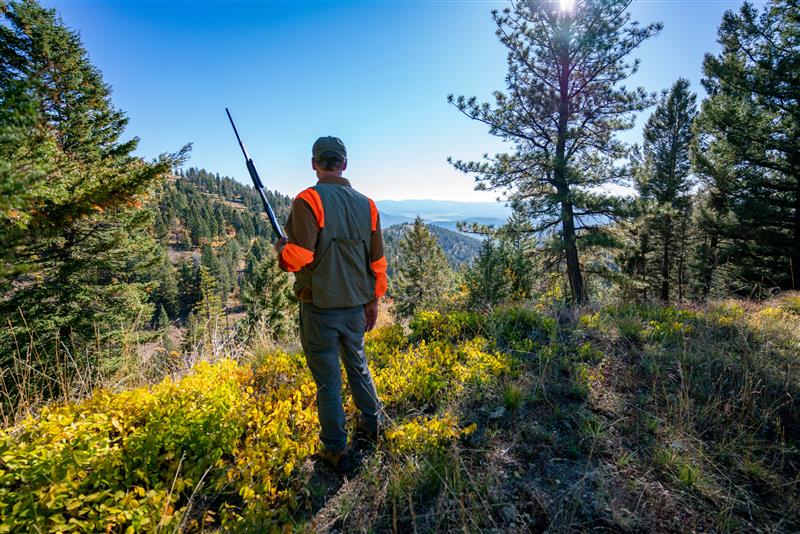
Public Lands
Why It Matters

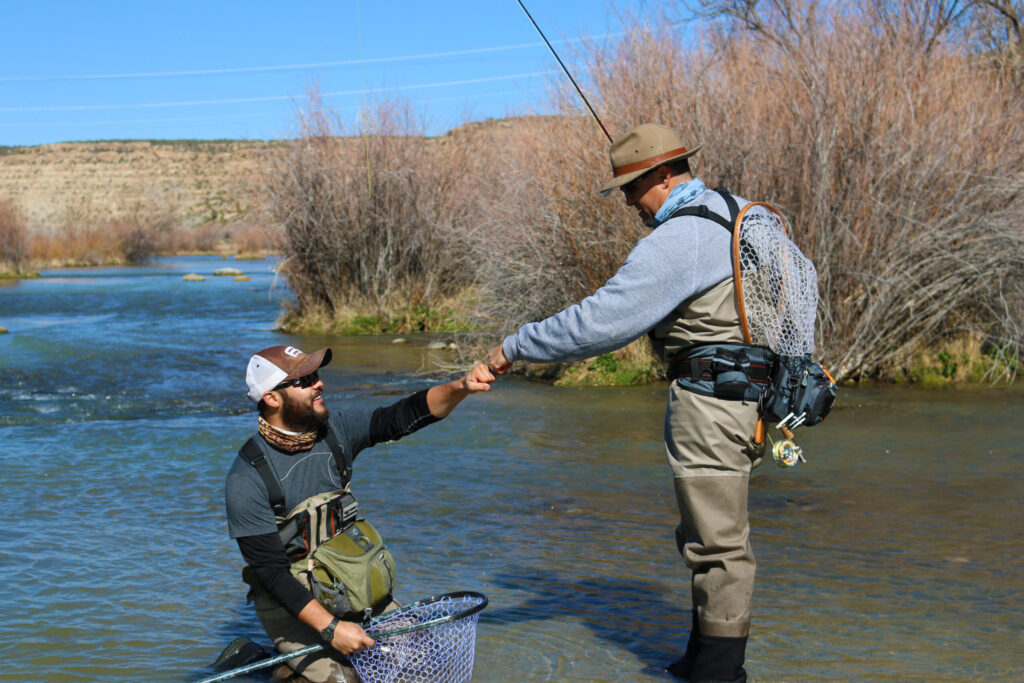
Hunting & Fishing Access

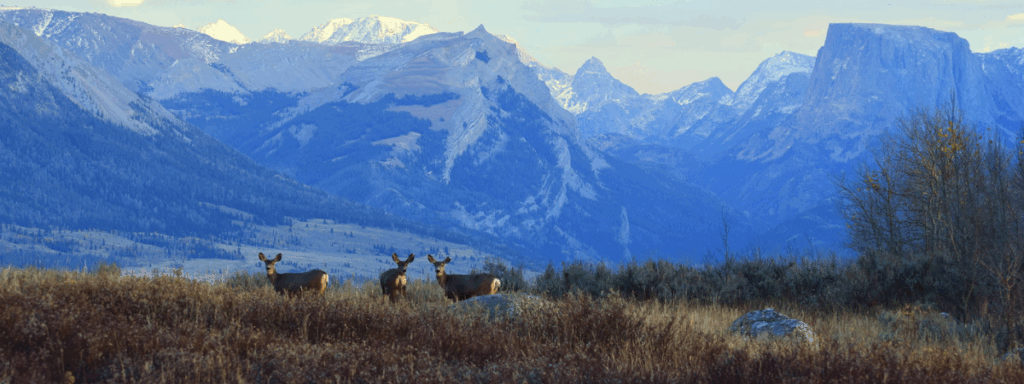
America’s 640 million acres of national public lands provide irreplaceable hunting and fishing opportunities to millions of Americans.

Learn More About Access
What TRCP is Doing

We’re working to safeguard America’s public lands so hunters and anglers always have quality places to pursue their passions.
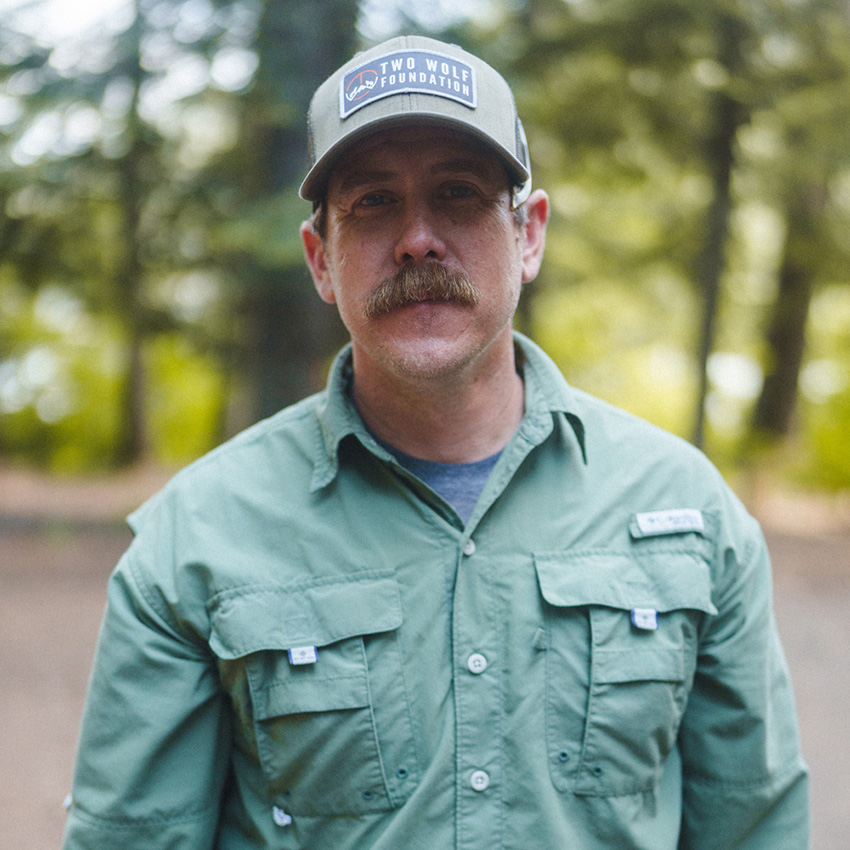
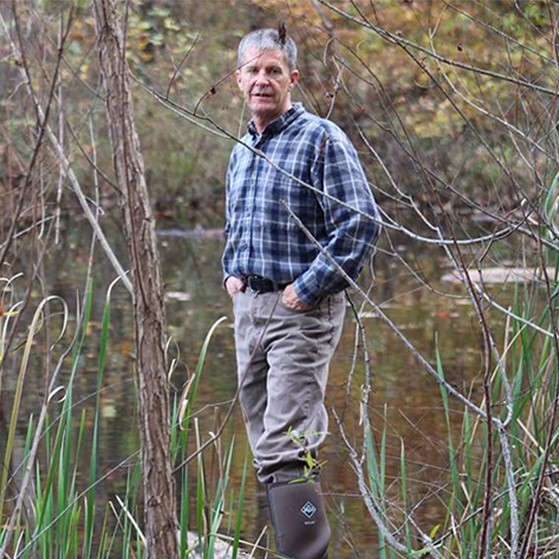
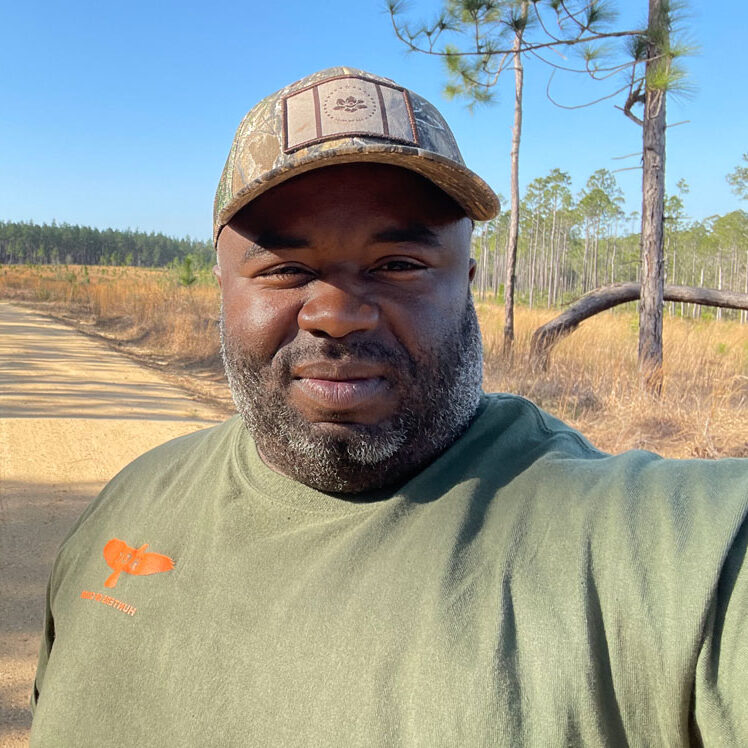
 Brian Flynn, Two Wolf Foundation
How Sportsmen Are Doing It Right

Brian Flynn, Two Wolf Foundation's Story

Following a distinguished career in the U.S. Army, lifelong outdoorsman Brian Flynn returned home from a deployment in Afghanistan and…

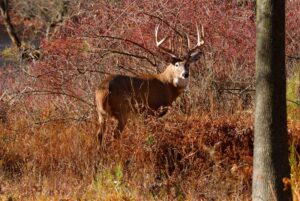
Hunting
Why It Matters

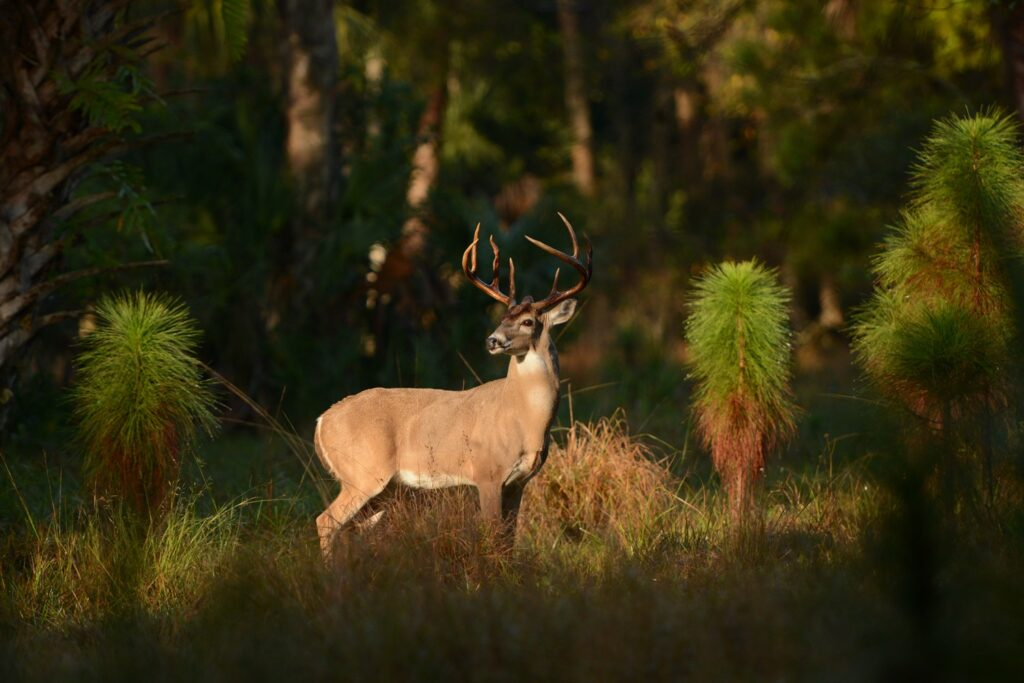
Key Issues for America’s Hunters

Your source for the latest policy updates, conservation challenges, and opportunities shaping America’s hunting traditions.

What TRCP is Doing

We’re fighting for meaningful policy changes that benefit wildlife, our waters, and the American landscapes that make our outdoor traditions possible.

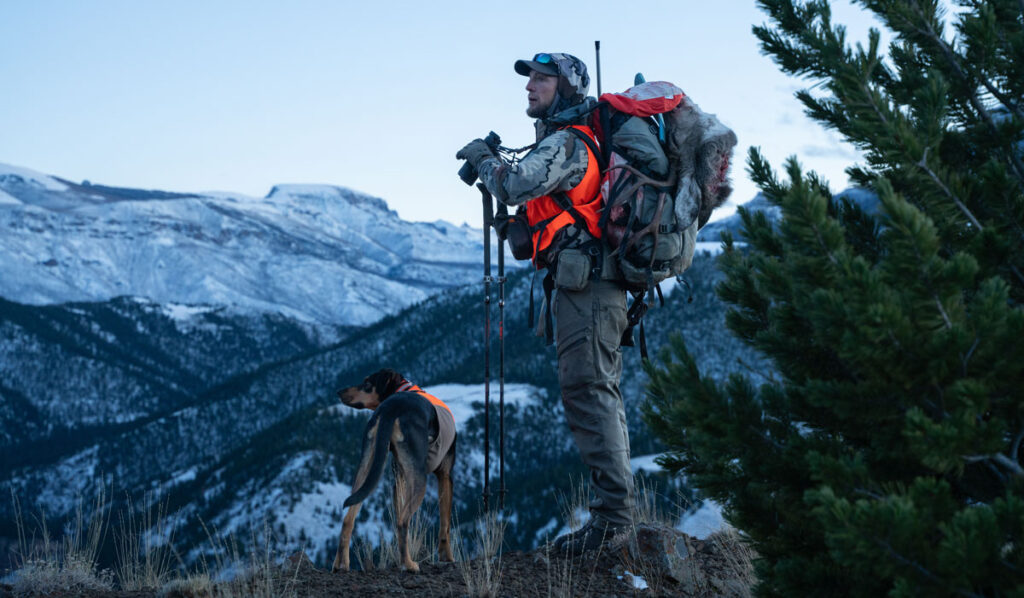
 Ryan Sparks
How Sportsmen Are Doing It Right

Ryan Sparks's Story

TRCP’s “In the Arena” series highlights the individual voices of hunters and anglers who, as Theodore Roosevelt so famously said,…
Fishing
Why It Matters

Key Issues for America’s Anglers

Your source for the latest policy updates, conservation challenges, and opportunities shaping America’s fishing traditions.

What TRCP is Doing

We’re fighting for meaningful policy changes that benefit wildlife, our waters, and the American landscapes that make our outdoor traditions possible.

 David Mangum
How Sportsmen Are Doing It Right

David Mangum's Story

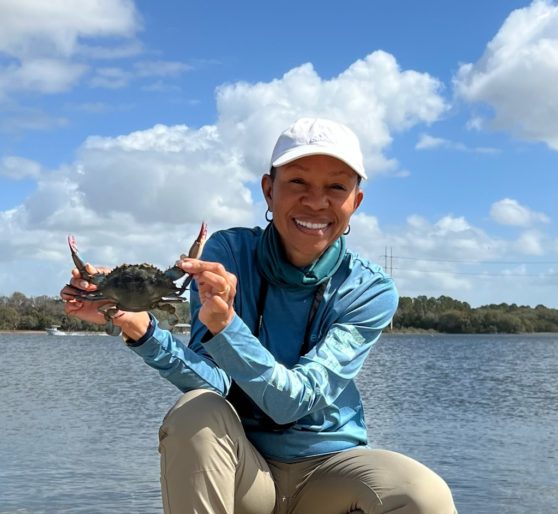
Capt. David Mangum is a YETI ambassador and outdoor photographer who utilizes his talents to produce media that inspire a…

Private Land
Why It Matters

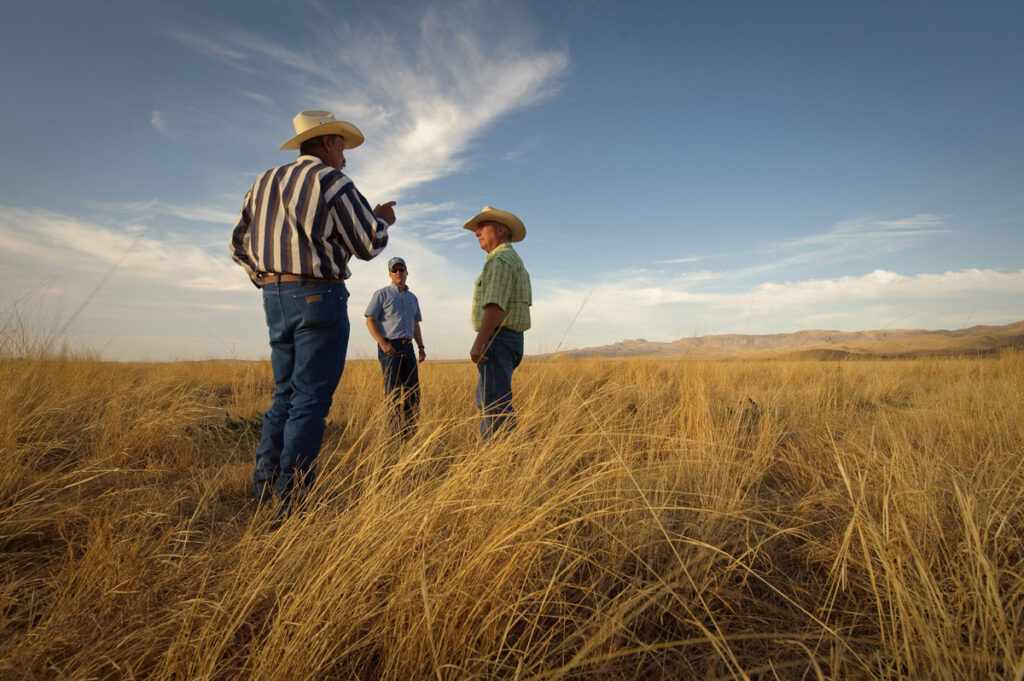
Stewardship on America’s private lands

With 70 percent of U.S. lands in private hands and many of our best hunt and fish opportunities occurring there, investing in voluntary conservation on working lands safeguards access, strengthens habitat and water quality, and ensures resilient landscapes.

Learn More
What TRCP is Doing

We champion policies and programs that restore wildlife habitat, improve soil and water health, and keep working lands productive.

 Ward Burton
How Sportsmen are Doing It Right

Ward Burton's Story

Ward Burton’s NASCAR driving career stretched across most of two decades. As an avid sportsman and conservationist, he founded the…

Special Places
Why It Matters

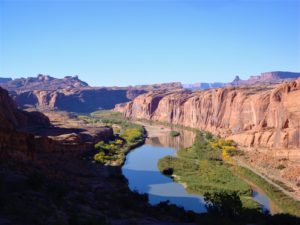
Special Places Worth Protecting

America’s most iconic landscapes provide unmatched habitat and unforgettable days afield. These places sustain wildlife, anchor local economies, and define the hunting and fishing traditions we pass down.

What TRCP is Doing

We’re working to conserve special places that provide world-class habitat and unforgettable opportunities for hunters and anglers.

 Franklin Adams
How Sportsmen Are Doing It Right

Franklin Adams's Story

As a true Gladesman, conservationist, and historian, Capt. Franklin Adams has spent more than six decades championing Everglades restoration efforts…

Habitat & Clean Water
Why It Matters

Healthy Habitat Powers Every Pursuit

All hunting and fishing opportunities depend on quality habitat, from clean water and healthy wetlands to winter and summer habitats and the migration corridors that connect them.

All About Habitat & Clean Water
What TRCP is Doing

We are working to safeguard the habitats that power every hunting and fishing opportunity.

 Alex Harvey
How Sportsmen Are Doing It Right

Alex Harvey's Story

Alex Harvey, founder of Legacy Land Management, is a registered professional forester in Mississippi and Alabama with a Master's degree…

Science
Why It Matters

Science That Guides TRCP

From conserving migration corridors and wetlands to ensuring clean water and resilient landscapes, science provides evidence that turns conservation goals into effective action.

Science for Conservation
What TRCP is Doing

For hunters and anglers, science safeguards the experiences we treasure including resilient big game populations, abundant fish, and wild places that endure changing social landscapes.

Jamelle Ellis
Your Science Expert

Jamelle Ellis's Story

Jamelle Ellis joined the Theodore Roosevelt Conservation Partnership in 2022. Jamelle spent the last three years as an environmental sustainability…

Where We Work
Across the Nation

Conservation Across America

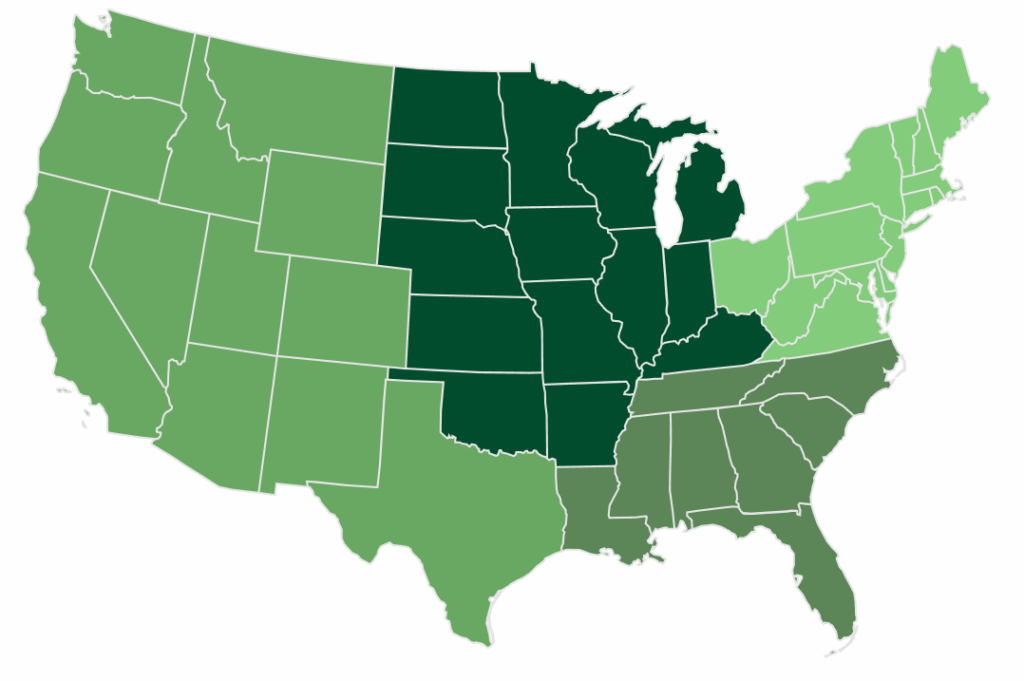
TRCP works across the country to ensure hunters and anglers can enjoy healthy fish and wildlife and quality days afield, no matter where they live.

See All Issues
TRCP in Your Region

TRCP works across the country to ensure hunters and anglers can enjoy healthy fish and wildlife and quality days afield, no matter where they live.

Who We Are
Our Mission

To guarantee all Americans quality places to hunt & fish

We unite and amplify our partners’ voices to advance America’s legacy of conservation, habitat, and access.

Our Mission & Values
Our People & Partners
  • Meet the TRCP Team

    Our staff and board members unite and amplify our partners’ voices to advance America’s legacy of conservation, habitat, and access.

    Meet the Team
  • Our Partners

    ‘Partnership’ is in our name. We work with 64 diverse partner groups that represent today’s leading hunting, fishing, and conservation organizations in order to strengthen the sportsman’s voice in Washington, D.C.

    Our Partners
  • Corporate Council

    TRCP’s Corporate Council is made up of diverse corporations that share a common passion for conservation.

    Corporate Council
Our Organization

Looking for more information?

Explore our latest news, policy updates, and conservation resources to get the information you need.

Giving
How You Can Help

To guarantee all Americans quality places to hunt & fish

Your tax-deductible donation will support TRCP's mission, now and into the future.

DONATE
Special Ways to support trcp
  • Capital Conservation Awards Dinner

    The CCAD is one of Washington's best-attended conservation celebrations, featuring dinner, cocktails, and a silent auction.

    Learn More
  • Step Into the Arena

    Help us ensure that our treasured wild habitats and game remain intact for the next generation to enjoy – lend your support to the TRCP’s efforts today!

    Donate
  • Roosevelt Roast

    TRCP has partnered with Afuera Coffee Co. to further our commitment to conservation.

    Learn More
More donation options

Find the best way for you to lend your support. Join one of TRCP’s donor circles for special invitations, premium offerings from outdoor retailers, and more exclusive benefits. Take control of your legacy with planned giving or contribute to special conservation funds.

Other Ways To Give
News
In the Spotlight

Why TRCP Works to Conserve America’s Special Places

TRCP works to conserve special places like the Boundary Waters and landscapes that define hunting and fishing. Here's why.

Read More

Stay Informed

Receive our newsletter, the Roosevelt Report, right in your inbox. Never miss the latest news in conservation issues.

by:

posted in:

March 18, 2015

Seven Reasons Why Wingshooters and Sage-Grouse Conservationists Should be Hopeful

Ongoing concern for sage-grouse resources was matched with guarded optimism by a room full of state, federal, and non-profit wildlife conservation professionals at a gathering during the North American Wildlife and Natural Resources Conference in Omaha, Nebraska, last week. The Theodore Roosevelt Conservation Partnership organized the event to celebrate the largest landscape-scale conservation effort in the history of contemporary wildlife management on behalf of this threatened game bird.

Sage-grouse in the company of other sagebrush species. Image courtesy of Sasha Nelson, Conservation Colorado.

The fact that a once abundant, widely-distributed, and liberally-harvested game species is now at population levels low enough to be considered for listing as threatened or endangered—that decision will be made in September—has greatly concerned many. But habitat loss impacts more than just sage-grouse. Sagebrush ecosystems are critically important to more than 350 species of plants and animals, including mule deer, pronghorn, and elk. Thriving populations of sage-grouse would indicate healthy sagebrush ecosystems, and this is the bigger-picture goal of those working to restore this troubled landscape, many of whom were in attendance as the TRCP expressed its gratitude for their efforts.

A presentation from the TRCP’s Tom Franklin at the NAWNRC reception.

Collaboration between the Bureau of Land Management, U.S. Forest Service, Natural Resource Conservation Service, and the states has been augmented by the participation of sportsmen, conservation groups, academic and research institutions, private landowners, and a multitude of other stakeholders in the energy and agriculture industries. At the event, posters and displays from many TRCP partners, including the Sage Grouse Initiative, U.S. Fish and Wildlife Service, North American Grouse Partnership, Pheasants Forever, Quail Forever, Mule Deer Foundation, and the High Lonesome Ranch, demonstrated their efforts to conserve sage-grouse and sagebrush ecosystems

The highlight of the evening was a fascinating and impressive presentation by Jason Weller, Chief of the USDA’s Natural Resources Conservation Service (NRCS). In its Sage Grouse Initiative (SGI), the NRCS has played a tremendous role in working proactively with private landowners to balance sustainable ranching with sage-grouse conservation. Under Weller’s leadership, the NRCS is demonstrating solid results, continued investments, and committed stakeholders as they remain steadfast in their dedication to protecting and bringing back the greater sage-grouse. Weller shared some outstanding achievements of that program:

  • In the five years since SGI was started, NRCS has worked with 1,129 participating ranches in 11 western states, and SGI and its partners have invested $424.5 million and conserved 4.4 million acres—that’s an area twice the size of Yellowstone National Park.
  • These investments have focused attention on large populations by successfully targeting 75 percent of investments inside Priority Areas for Conservation (PACs).
  • Conservation easement acreage has increased 18-fold under SGI. Of the more than 450,000 acres of easement, more than 80 percent are inside occupied habitats and 94 percent provide permanent protection.
  • Conifer removal has reclaimed 405,241 acres of otherwise suitable habitat. Nearly half of these acres are in Oregon, where the threat to habitat has now been reduced by more than 68 percent on priority private lands in the state.
  • Additional resources are enabling SGI to nearly double past achievements, and an estimated 8 million acres should be conserved by 2018.
  • Taking a business-like approach, Weller is asking each state to come up with an investment strategy for the next four years.
  • SGI will receive $198 million from NRCS starting in 2015 – this is a new commitment to conservation well into the future. Combined with partner contributions, this will bring the total SGI investment to an estimated $751 million.

Event attendees were also treated to a sneak preview of “The Sagebrush Sea,” a new film about sagebrush and sage-grouse sponsored by the George B. Storer Foundation and produced by the Cornell Laboratory of Ornithology for the NATURE series on PBS. The episode will air on May 20.

A sage-grouse lek in western Wyoming. Image courtesy of John Dahlke.

As they celebrate the heroic progress made in the sagebrush-steppe ecosystems thus far, the TRCP and its partners are continuing to press federal, state, and private landowners to create solid plans and make sufficient commitments to keeping this iconic bird of the American West off the threatened or endangered lists.

Do you have any thoughts on this post?

XHTML: You can use these tags: <a href="" title=""> <abbr title=""> <acronym title=""> <b> <blockquote cite=""> <cite> <code> <del datetime=""> <em> <i> <q cite=""> <s> <strike> <strong>

Comments must be under 1000 characters.

by:

posted in:

TRCP testifies for conservation funding

This morning, our Director of Government Relations, Steve Kline, testified to the Subcommittee on Interior, Energy, and the Environment for the House Committee on Appropriations. You can read his oral testimony to the committee below. Links to the testimony and the TRCP press release follow:

Chairman Calvert, Ranking Member McCollum, and members of the committee, thank you for the opportunity to testify today. My name is Steve Kline, and I am the Director of Government Relations at the Theodore Roosevelt Conservation Partnership, a coalition of more than 40 of the leading hunting and angling conservation organizations, that is working to guarantee every American quality places to hunt and fish.

My testimony today will focus on five specific funding areas: the North American Wetlands Conservation Act (or NAWCA), the Partners for Fish and Wildlife Program, the State Wildlife Grants Program, the Land and Water Conservation Fund, and sage-grouse habitat conservation.

Keeping the greater sage-grouse off the endangered species list is a national conservation priority; achieving that goal requires coordination between states, federal land managers, and private landowners. But coordination must inevitably result in conservation—on-the-ground habitat restoration and resource decision-making that demonstrably results in more birds. By providing robust funding levels for sagebrush-steppe ecosystem conservation to the BLM, Forest Service, and Fish and Wildlife Service in fiscal year 2016, Congress can help to ensure that land managers can conserve and restore sagebrush-steppe habitat, for the productive future of sage-grouse, mule deer, and pronghorn antelope.

Appropriations for NAWCA, State and Tribal Wildlife Grants, and Partners for Fish and Wildlife are also at the top of sportsmen’s priority list. Federal funding stakeholders often refer to their favorite programs as ―investments,‖ and that is a word that applies particularly well to these three grant programs, each of which can be measured by their returns in both matching dollars and conservation results. Each federal dollar invested in these grant programs is matched, on average, three times over by non-federal dollars, and in some cases the match is even more significant. What this means in application is that even a minimal increase in funding for these grant programs will have a major on-the-ground impact, and of course the reverse is true: even minimal reductions in funding to programs like NAWCA and Partners for Fish and Wildlife will have outsized negative impacts. For every dollar cut, at least three dollars, and in many cases much more, will not be used for measurable, boots-in-the-mud conservation work. Sportsmen have long supported NAWCA, State Wildlife Grants, and Partners for Fish and Wildlife, and—given the strong demand and bullish ROI—we encourage the Committee to consider reasonable funding increases for these three priorities.

Finally, my testimony today would not be complete without mentioning the Land and Water Conservation Fund. This year marks a seminal moment in this program’s history. If not reauthorized in September, the Fund will become unhitched from its dedicated funding source, offshore energy royalties. In September 2014, TRCP, along with 15 key national sporting groups, produced a report outlining the importance of LWCF to America’s hunters and anglers. I’d like to submit that report for the record, and note that this program is critical to the future of sportsmen and –women in this country. From improving access on federal lands to conserving private-land habitat with voluntary easements, LWCF is having a profoundly positive impact on the outdoor recreation landscape, and we encourage appropriators to provide robust funding levels for the program and to support a more permanent and mandatory solution this Congress.

“It is important to note that, fire borrowing is needlessly costing American taxpayers…”

I will close with a note of appreciation for this Committee’s support of the Wildfire Disaster Funding Act. While there is no need to get into the particulars of that legislation today, it is important to note that, fire borrowing is needlessly costing American taxpayers, as prevention programs are short-changed. The reality that appropriators must try and anticipate the cost of these natural disasters, and subsequently attempt to fund those costs via appropriated funds, comes with sweeping impacts across the entire Interior and related agencies’ portfolio. TRCP will continue to lead on this issue, and we look forward to working with the committee to move the Wildfire Disaster Funding Act over the finish line.

America’s natural resources are the infrastructure of a robust outdoor recreation economy, one that accounts for $646 billion in direct consumer spending and more than 6 million jobs. Of that total, hunting and angling powers a $90-billion annual economic engine, with billions more contributed directly to state and federal revenues.

Despite the obvious benefits of a robust outdoor recreation economy and productive, accessible natural resources, conservation programs are frequently the target of budgetary cuts that, while having virtually no meaningful impact on the federal deficit, have profoundly negative long-term impacts. In the end, we are costing ourselves far more resources than we’re saving—dollars and habitat. As I have illustrated today, returns on conservation investments include jobs, increased tax revenues, non-federal dollars that far outstrip the initial federal commitment, and importantly, better days afield for America’s hunters and anglers, who are part of an outdoor recreation tradition that is the envy of the world. With reasonable investments in those programs, we can all reap these many benefits.

Read our press release on the hearing here.

by:

posted in:

March 16, 2015

Snapshots of success: Sonoma County (California)

From California to New York, from Montana to Mississippi, hunters and anglers are leading important efforts to improve the quality and quantity of our water resources. The most successful conservation efforts are locally driven with a broad base of support, including federal financial and technical assistance.  They honor and respect the traditions of hunting, fishing, farming and ranching while protecting the resources we share.

In a report released on February 26, 2015, the TRCP showcases ten examples of collaborative, sportsmen-led efforts and the importance of federal funding that fuels them.  The lessons sportsmen have learned executing these projects tell a convincing story about the need for responsible water management and adequate funding.

Lesson one from Sonoma County, California:

Protecting Every Drop in the Russian River Watershed: The Russian River Coho Water Resources Partnership

The Problem

In California’s fertile Sonoma County, the challenge of  agriculture and people—has become a way of life.

“People are having to truck water in during the summer, just to live—to flush their toilets, wash their dishes and have a glass of water at night before bed,” says Valerie Minton, the program director of the Sonoma Resource Conservation District.

The challenge in the Russian River watershed is to combat the scarcity of water without threatening Coho salmon, whose populations are suffering from low water levels—even dry riverbeds. It’s a challenge that requires an effective and balanced solution from a dynamic partnership.

Trout Unlimited and other members of Russian River Coho Water Resources Partnership teamed up to use federal funding to redesign water use and efficiency across the watershed.

Finding Solutions

To benefit both people and fish, multiple efforts are underway to improve water use and conserve water through diversions, habitat restoration, catchment systems, off-stream ponds and tanks, and frost protection systems.

Critical funding from the National Oceanic and Atmospheric Administration and other federal sources helped fund cooperative projects with landowners to improve flow in tributaries to the Russian River and Dry Creek.

With the many creeks and tributaries of the Russian River drying up, smaller fish were not surviving to make it back to the ocean to grow as adults. In years past, the 110-mile long Russian River hosted thousands of spawning salmon. But between 2000 and 2009, fewer than 100 salmon returned. The low numbers resulted in their placement on the Endangered Species List. The Russian River project is helping farmers and landowners reduce diversions during the driest part of the season, improving streamflow. Juvenile fish will then be able to survive over the dry season and migrate out to the ocean.

The Result

Trout Unlimited and other partners are taking full advantage of federal funding, and it’s working. More adult salmon and steelhead are returning and spawning since restoration work began. More than 500 adult coho returned for the 2012-13 winter.

Read the full report. 

by:

posted in:

March 15, 2015

What critter is going all the way to the final fur —er, four?

It’s a debate that has raged in drift boats, duck blinds, and around the campfire decades. Which game species reigns supreme? The majestic elk? The wily turkey? The powerful tarpon or the charismatic brook trout? Which species makes your heart thump and makes you reach for your rod or gun?

Well, America, we’re here to settle that question. Many folks may have basketball on the brain this March, but we at the TRCP have set out to crown a different kind of champion: America’s favorite game species.

We are proud to present “Critter Madness,” a 32-species tournament to determine which game animal is the favorite among America’s hunters and anglers. Using the irrefutable science of bracketology, we’ve matched up all your favorite game species head-to-head across four divisions: big game, upland birds and waterfowl, freshwater fish, and saltwater fish. Your votes determine which species will advance to the championship.

So have at it, America. It’s time for you to decide. Log on to crittermadness.org and cast your vote in each of 16 round-one match ups. How does a feral pig hunt stack up against a pronghorn chase? Does the dove have what it takes to knock off the pheasant? Would you rather hook a muskie or a smallmouth bass? Do you want to get your hands on a record-breaking yellowfin tuna or a larger-than-life redfish?

We’re also offering fantastic prizes at the conclusion of each round. Register and your name will be entered to win prizes like a Remington shotgun, a new Abu Garcia rod, or a custom TRCP Yeti cooler.

It’s about to get real. Mule deer versus bighorn sheep. Sharp-tails versus chukars. King salmon versus stripers. Steelhead versus walleye. Make sure your favorite doesn’t get bumped. Cast your vote today.

by:

posted in:

March 12, 2015

Testimony on the Bipartisan Sportsman’s Act of 2015

This morning, our president Whit Fosburgh testified on behalf of S. 556, The Bipartisan Sportsmen’s Act of 2015, to the Senate Energy and Natural Resources committee. You can read his oral testimony to the committee below and the link to the archived webcast follows:

My name is Whit Fosburgh, and I am the President and CEO of the Theodore Roosevelt Conservation Partnership, a coalition of more than 40 national hunting, fishing and conservation groups dedicated to guaranteeing that all Americans have quality places to hunt and fish.

Image by the US Government.

First, I want to thank the committee for the invitation to testify today, and especially Chairwoman Murkowski and Senator Heinrich, for introducing S. 556, The Bipartisan Sportsmen’s Act of 2015, and bringing it before the committee.  When combined with the companion bill that will make its way through the Environment Committee, the Sportsmen’s Act will make a direct and lasting contribution to hunting, fishing and conservation in America.

Approximately 40 million Americans hunt and fish every year.  Together, hunters and anglers annually spend more than $90 billion to pursue their passions.   They are a key part of the $646 billion outdoor recreation economy, and through excise taxes, license fees, permits and stamps, and voluntary contributions of money and labor, sportsmen have, for more than 75 years, paid their way.  As a result, American fish and wildlife management is the envy of the world.

But federal policy and funding are key to maintaining the North American Model of Fish and Wildlife Conservation and helping people of all walks of life get afield.

Image by Joel Webster.

Hunters and anglers need two things to practice their sports: access and opportunity.  They need places to go to hunt and fish, and when they get there, they need healthy populations of fish and game.

S. 556 is important in both regards.

Section 101 reiterates that our public lands are opening for hunting, fishing and recreational shooting unless they are specifically closed, and it establishes a public process should it makes sense to close certain areas.  This is consistent with the way our public lands have been managed since the days of Theodore Roosevelt, but it provides our land managers with added clarity in this era of competing demands on our public lands.

Sections 201 and 202 directly address the issue of decreasing access to our public lands.  According to various studies, lack of access is one of the most often cited reasons why people stop hunting and fishing.  Part of this is due to non-stop urban and suburban sprawl, where farms and forests turn into malls and condos.

Another part of this is fewer private landowners who allow public access.  The 2014 Farm Bill, with its Open Fields provision, was an important step toward providing incentives to private landowners to allow hunting, fishing and/or access on their lands.

But in the West, more than 70 percent of hunters hunt on public lands.  Nationally, about half of all hunters hunt some or all of the time on public lands.  But even those lands are getting harder and harder to access.

In the old days, you could ask most landowners to cross their lands to access adjoining public lands.  But as ownership patterns change, such access becomes more difficult.  Today, it is estimated that more than 30 million acres of public lands are largely inaccessible to the public.

Senator Heinrich’s HUNT Act (Section 202) seeks to identify those landlocked public lands and to plan ways in which access to those lands might be improved.

Complementary to the HUNT Act is Section 201, Making Public Lands Public, which would direct that a small percentage of the Land and Water Conservation Fund target projects that expand access to our public lands.

For more than 50 years, LWCF has been an incredibly important program for conserving habitat and providing sportsmen’s access, and Section 201 would help ensure that this legacy of access will continue.  I want to specifically note that my colleague on the panel, Jeff Crane, has been pushing for Making Public Lands Public for many years, and to thank him for his persistence.

I would also request that a copy of the report, endorsed by more than 20 organizations, entitled The Land and Water Conservation Fund and America’s sportsmen and women: A 50-year legacy of increased access and improved habitat, be submitted for the hearing record.

I should also note that the authorization for the LWCF expires later this year, and that 1.5 percent of nothing is nothing.  We look forward to working with the chairwoman and the committee to make sure that LWCF is reauthorized and fully funded.

The final provision that I want to discuss is Section 203, the Federal Land Transaction Facilitation Act. Before its expiration in 2011, FLTFA had leveraged strategic federal land sales to fund 39 priority land conservation projects across the American West, including many of which expanded sportsmen’s access to world class hunting and fishing opportunities. In total, more than 27,000 acres of excess properties were sold to purchase more than 18,000 acres of high priority fish and wildlife, recreation and/or scenic lands.

Like Making Public Lands Public, FLTFA achieves real, on-the-ground conservation goals, without costing the American taxpayer.

Image courtesy of the US Fish and Wildlife Service.

The companion bill to S.556 that the Environment Committee will consider includes several other key provisions for habitat and access, including reauthorization of the North American Wetlands Conservation Act and the National Fish and Wildlife Foundation and, I hope, the National Fish Habitat Conservation Partnership Act.

TRCP’s testimony starts at 45:40.

In closing, I want to thank the Committee for considering the Bipartisan Sportsmen Act of 2015.  I also want to make the plea that committee members and the whole Senate continue to set aside partisan politics on behalf of America’s sportsmen and outdoor enthusiasts.  Conservation has, for more than a century, been non-partisan.  But as we have seen in the last two Congresses, similarly meritorious sportsmen’s acts died as the desire to score political points overrode the needs of America’s sportsmen.

I think I speak for all 40+ of our partner groups when I say that we stand ready to work with you and your colleagues to make sure that this doesn’t not happen again, and to pass this critical legislation that will help ensure that all Americans have quality places to hunt and fish now and for generations to come.

Read our full written testimony here.

HOW YOU CAN HELP

TRCP has partnered with Afuera Coffee Co. to further our commitment to conservation. $4 from each bag is donated to the TRCP, to help continue our efforts of safeguarding critical habitats, productive hunting grounds, and favorite fishing holes for future generations.

Learn More
Subscribe


You have Successfully Subscribed!

You have Successfully Subscribed!

You have Successfully Subscribed!

You have Successfully Subscribed!

You have Successfully Subscribed!