Our Issues
Public Lands
Why It Matters

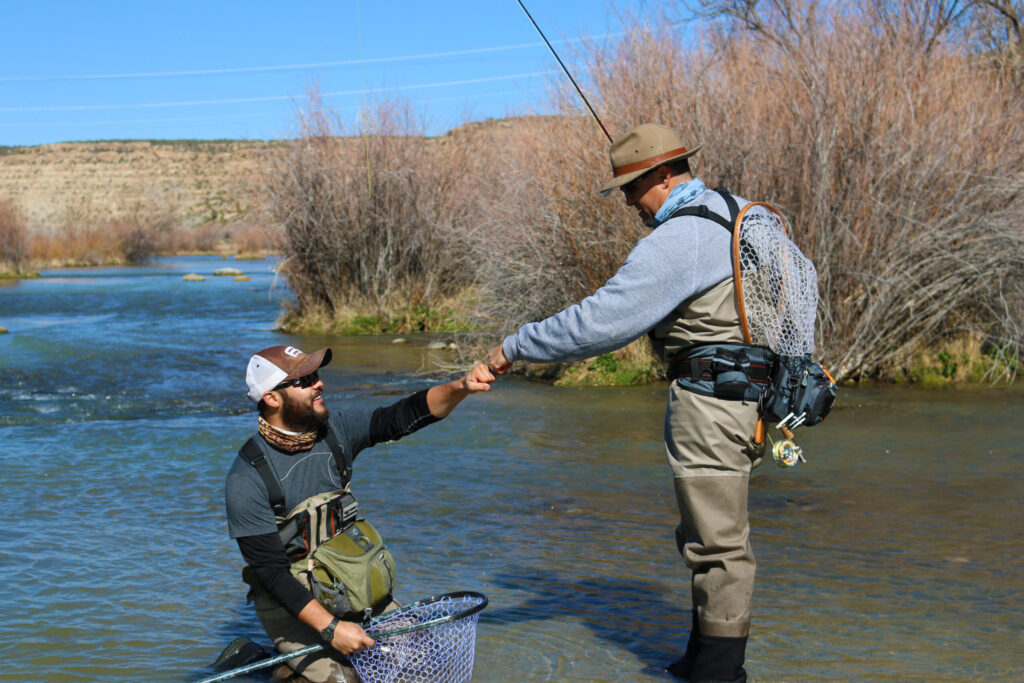
Hunting & Fishing Access

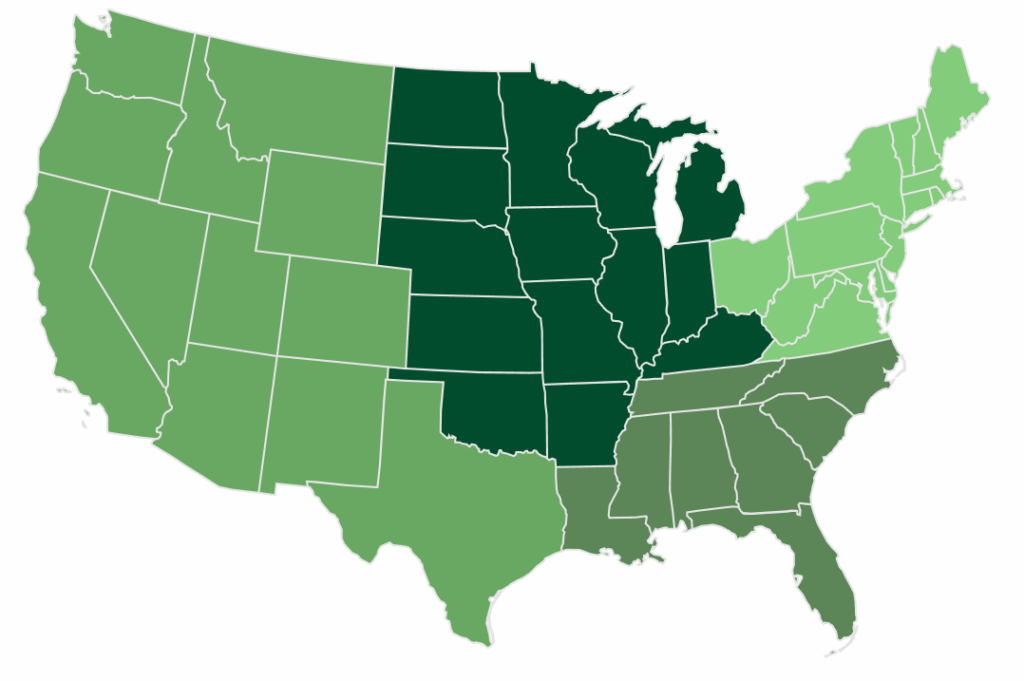
America’s 640 million acres of national public lands provide irreplaceable hunting and fishing opportunities to millions of Americans.

Learn More About Access
What TRCP is Doing

We’re working to safeguard America’s public lands so hunters and anglers always have quality places to pursue their passions.
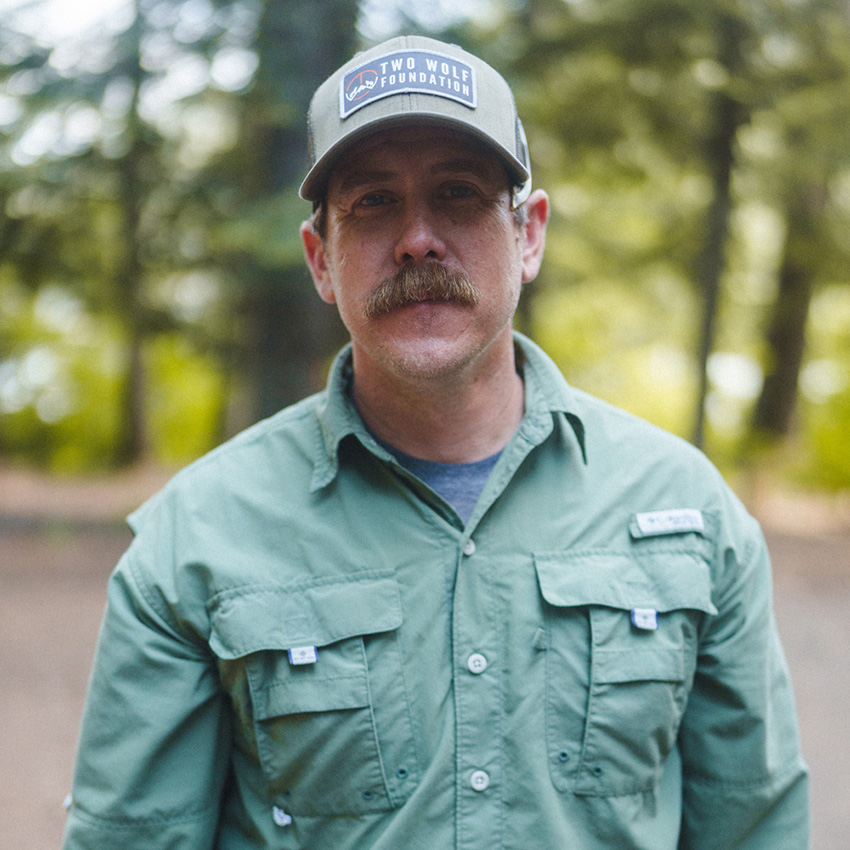
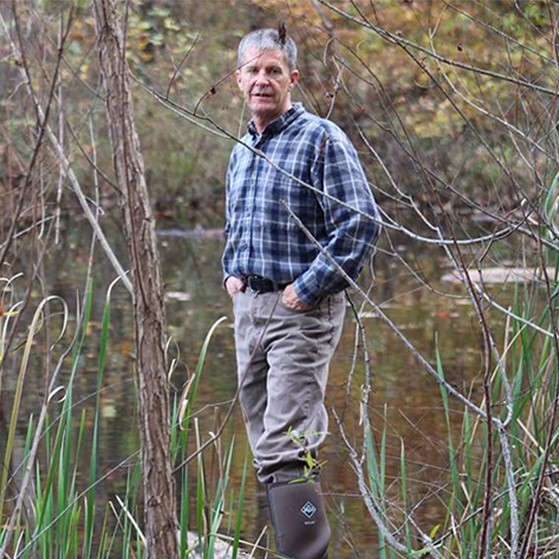
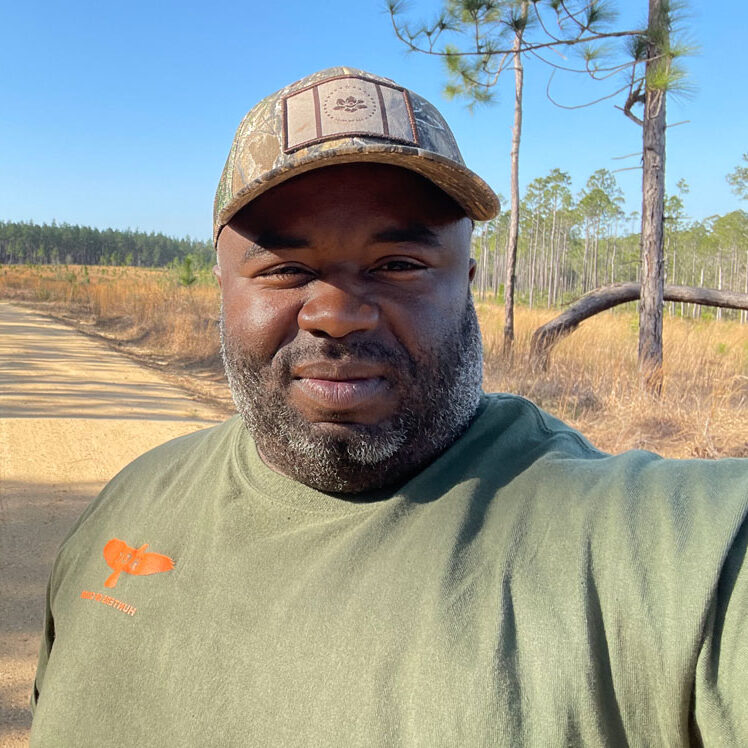
 Brian Flynn, Two Wolf Foundation
How Sportsmen Are Doing It Right

Brian Flynn, Two Wolf Foundation's Story

Following a distinguished career in the U.S. Army, lifelong outdoorsman Brian Flynn returned home from a deployment in Afghanistan and…


Hunting
Why It Matters

Key Issues for America’s Hunters

Your source for the latest policy updates, conservation challenges, and opportunities shaping America’s hunting traditions.

What TRCP is Doing

We’re fighting for meaningful policy changes that benefit wildlife, our waters, and the American landscapes that make our outdoor traditions possible.

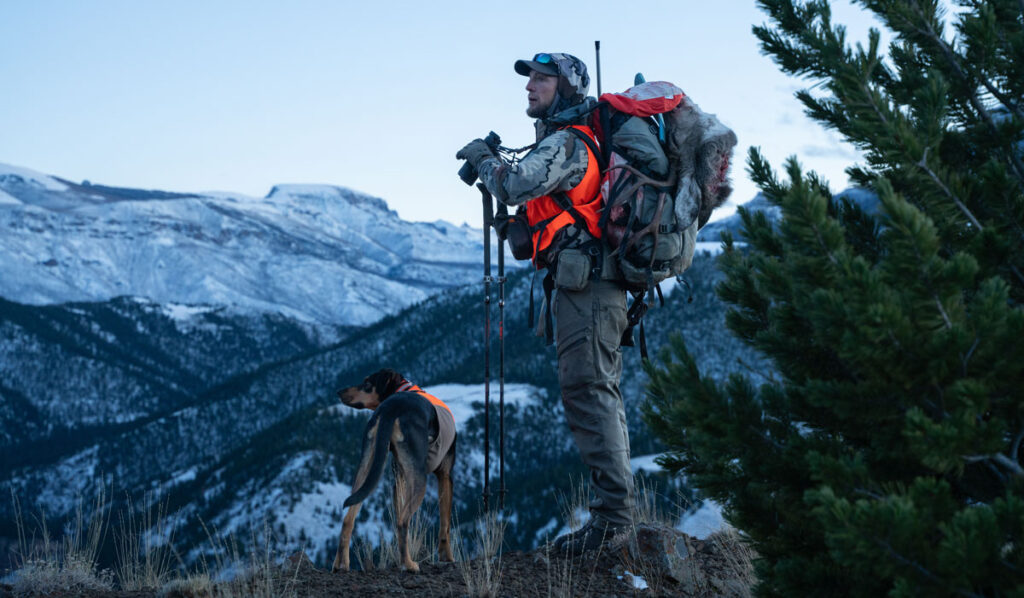
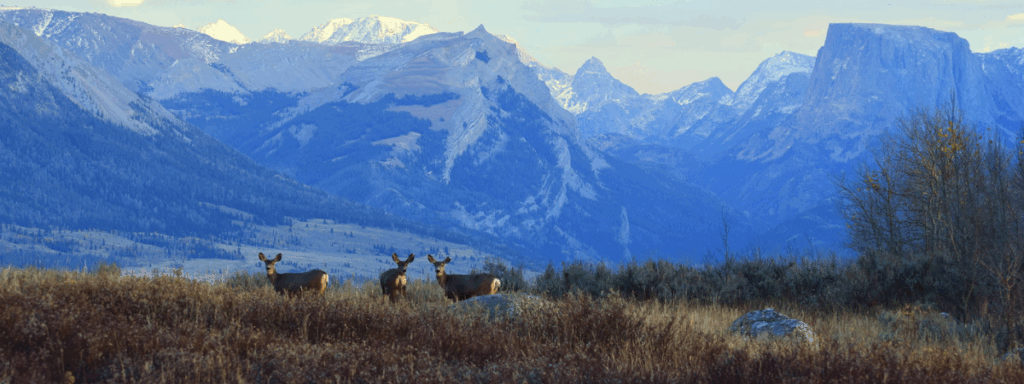
 Ryan Sparks
How Sportsmen Are Doing It Right

Ryan Sparks's Story

TRCP’s “In the Arena” series highlights the individual voices of hunters and anglers who, as Theodore Roosevelt so famously said,…

Fishing
Why It Matters

Key Issues for America’s Anglers

Your source for the latest policy updates, conservation challenges, and opportunities shaping America’s fishing traditions.

What TRCP is Doing

We’re fighting for meaningful policy changes that benefit wildlife, our waters, and the American landscapes that make our outdoor traditions possible.

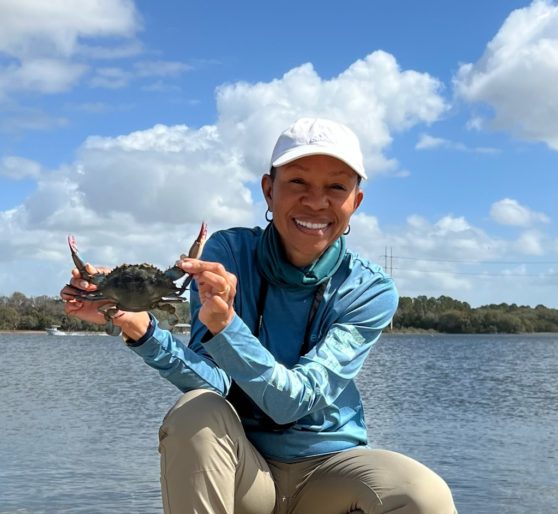
 David Mangum
How Sportsmen Are Doing It Right

David Mangum's Story

Capt. David Mangum is a YETI ambassador and outdoor photographer who utilizes his talents to produce media that inspire a…

Private Land
Why It Matters

Stewardship on America’s private lands

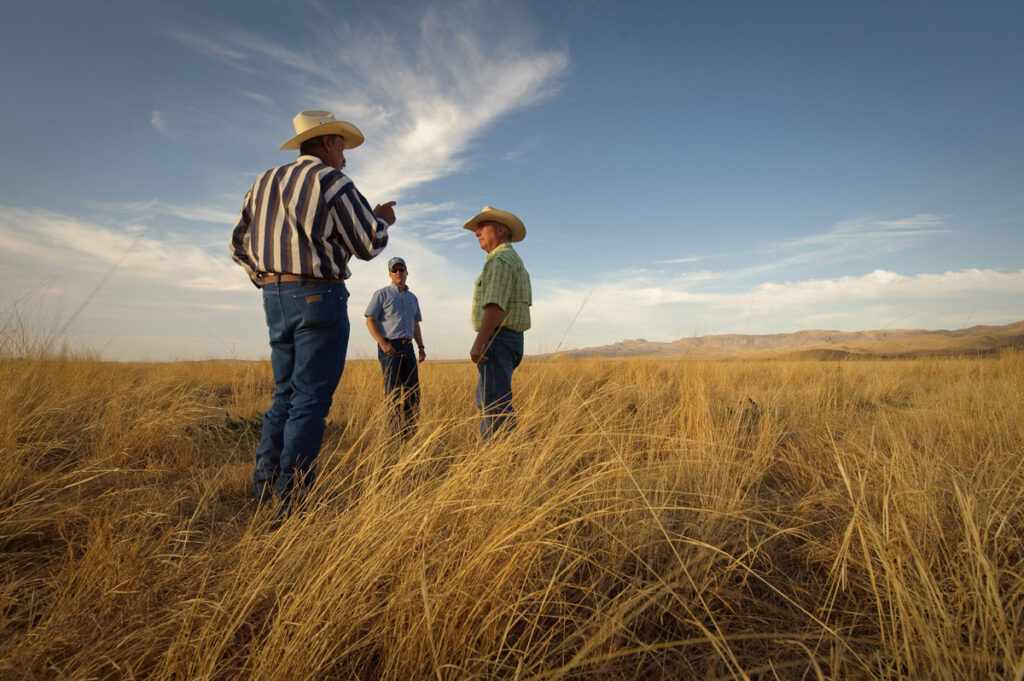
With 70 percent of U.S. lands in private hands and many of our best hunt and fish opportunities occurring there, investing in voluntary conservation on working lands safeguards access, strengthens habitat and water quality, and ensures resilient landscapes.

Learn More
What TRCP is Doing

We champion policies and programs that restore wildlife habitat, improve soil and water health, and keep working lands productive.

 Ward Burton
How Sportsmen are Doing It Right

Ward Burton's Story

Ward Burton’s NASCAR driving career stretched across most of two decades. As an avid sportsman and conservationist, he founded the…

Special Places
Why It Matters

Special Places Worth Protecting

America’s most iconic landscapes provide unmatched habitat and unforgettable days afield. These places sustain wildlife, anchor local economies, and define the hunting and fishing traditions we pass down.

What TRCP is Doing

We’re working to conserve special places that provide world-class habitat and unforgettable opportunities for hunters and anglers.

 Franklin Adams
How Sportsmen Are Doing It Right

Franklin Adams's Story

As a true Gladesman, conservationist, and historian, Capt. Franklin Adams has spent more than six decades championing Everglades restoration efforts…

Habitat & Clean Water
Why It Matters

Healthy Habitat Powers Every Pursuit

All hunting and fishing opportunities depend on quality habitat, from clean water and healthy wetlands to winter and summer habitats and the migration corridors that connect them.

All About Habitat & Clean Water
What TRCP is Doing

We are working to safeguard the habitats that power every hunting and fishing opportunity.

 Alex Harvey
How Sportsmen Are Doing It Right

Alex Harvey's Story

Alex Harvey, founder of Legacy Land Management, is a registered professional forester in Mississippi and Alabama with a Master's degree…

Science
Why It Matters

Science That Guides TRCP

From conserving migration corridors and wetlands to ensuring clean water and resilient landscapes, science provides evidence that turns conservation goals into effective action.

Science for Conservation
What TRCP is Doing

For hunters and anglers, science safeguards the experiences we treasure including resilient big game populations, abundant fish, and wild places that endure changing social landscapes.

Jamelle Ellis
Your Science Expert

Jamelle Ellis's Story

Jamelle Ellis joined the Theodore Roosevelt Conservation Partnership in 2022. Jamelle spent the last three years as an environmental sustainability…

Where We Work
Across the Nation

Conservation Across America

TRCP works across the country to ensure hunters and anglers can enjoy healthy fish and wildlife and quality days afield, no matter where they live.

See All Issues
TRCP in Your Region

TRCP works across the country to ensure hunters and anglers can enjoy healthy fish and wildlife and quality days afield, no matter where they live.

Who We Are
Our Mission

To guarantee all Americans quality places to hunt & fish

We unite and amplify our partners’ voices to advance America’s legacy of conservation, habitat, and access.

Our Mission & Values
Our People & Partners
  • Meet the TRCP Team

    Our staff and board members unite and amplify our partners’ voices to advance America’s legacy of conservation, habitat, and access.

    Meet the Team
  • Our Partners

    ‘Partnership’ is in our name. We work with 64 diverse partner groups that represent today’s leading hunting, fishing, and conservation organizations in order to strengthen the sportsman’s voice in Washington, D.C.

    Our Partners
  • Corporate Council

    TRCP’s Corporate Council is made up of diverse corporations that share a common passion for conservation.

    Corporate Council
Our Organization

Looking for more information?

Explore our latest news, policy updates, and conservation resources to get the information you need.

Giving
How You Can Help

To guarantee all Americans quality places to hunt & fish

Your tax-deductible donation will support TRCP's mission, now and into the future.

DONATE
Special Ways to support trcp
  • Capital Conservation Awards Dinner

    The CCAD is one of Washington's best-attended conservation celebrations, featuring dinner, cocktails, and a silent auction.

    Learn More
  • Step Into the Arena

    Help us ensure that our treasured wild habitats and game remain intact for the next generation to enjoy – lend your support to the TRCP’s efforts today!

    Donate
  • Roosevelt Roast

    TRCP has partnered with Afuera Coffee Co. to further our commitment to conservation.

    Learn More
More donation options

Find the best way for you to lend your support. Join one of TRCP’s donor circles for special invitations, premium offerings from outdoor retailers, and more exclusive benefits. Take control of your legacy with planned giving or contribute to special conservation funds.

Other Ways To Give
News
In the Spotlight

Oregon Legislature Passes Landmark “1.25 Percent for Wildlife” Act

After three legislative sessions and more than a decade of advocacy, a bipartisan coalition secures Oregon’s most significant conservation funding victory in a generation.

Read More

Stay Informed

Receive our newsletter, the Roosevelt Report, right in your inbox. Never miss the latest news in conservation issues.

by:

posted in:

September 16, 2014

Zimer-Laura-River_web

Do you have any thoughts on this post?

XHTML: You can use these tags: <a href="" title=""> <abbr title=""> <acronym title=""> <b> <blockquote cite=""> <cite> <code> <del datetime=""> <em> <i> <q cite=""> <s> <strike> <strong>

Comments must be under 1000 characters.

by:

posted in:

September 9, 2014

TRCP holds annual Western Media Summit Sept. 7-11, 2014

More than 60 members of the media and other stakeholders concerned about pressing sportsmen conservation issues attended TRCP’s annual Western Media Summit in Great Falls, Montana. The 10th annual summit explored public lands issues and water topics, including federal water budgeting, the “waters of the U.S.” rulemaking, BLM backcountry conservation and the agency’s Planning 2.0 process, and ongoing efforts to conserve sage grouse and sagebrush ecosystems. The following are highlights from the event with short presentation recaps and photos.

Monday, September 8 (Welcome Dinner)

The opening night dinner followed a balmy day during which summit attendees toured the renowned elk hunting territory of Montana’s Missouri Breaks a small planes piloted by EcoFlight’s Bruce Gordon. That evening, TRCP CEO and President Whit Fosburgh welcomed guests at the dinner: “You guys – the writers, reporters and bloggers – are the first to get the word out on the issues we’re discussing here. We want you to leave the summit with plenty of stories that you can write about next week, next month or later this year.”

TRCP’s President and CEO Whit Fosburgh.

Dave Perkins, TRCP Board Chair, and Vice Chairman of The Orvis Co.: “Getting the word out is an important part of why we’re meeting this week.”

Dave Perkins, TRCP Board Chair/Orvis, Vice Chairman.

Laura Ziemer, Senior Counsel and Water Policy Advisor, Trout Unlimited’s Western Water Project: “The Sun River is a story of enduring conservation success. It’s with great pleasure that we have the opportunity to tell this story.” [ED: summit attendees will tour the site tomorrow]

Jimmy Hague, TRCP’s Director of Center for Water Resources: “We need a unified voice in the sportsmen community to get our positions known (about water resources).”

Joel Webster, Director of Center for Western Lands, TRCP: “Public lands are increasingly important for the sporting public.”

Leon Szeptycki, professor at the Stanford Woods Institute for the Environment, was the evening’s guest speaker. He spoke extensively about the severe drought conditions in the west, especially California, and contrasted with other regional droughts over the last 150 years. He noted that 80 percent of water usage in California is for irrigation. “The basic problem is we’re experiencing a bad drought, and it’s likely it will increase in severity and duration,” he said. Szeptycki offered several solutions to managing droughts including water markets, conservation and desalinization.

Geoff Mullins, Chief Operating and Communications Officer: “We try to make the media summits interesting and fun.  We try to get everyone out in the field with a gun or a rod.”

Many journalists brought their dogs to the TRCP event. Wyoming freelancer Chris Madson traveled to the summit with Flick, his Brittany spaniel, who made an appearance at the conclusion of the dinner. And Montanan Jack Ballard frolicked in the hotel lobby with Percy, his English setter.


Many thanks to our sponsors for making this event a success: Remington Arms Company, Pheasants Forever/Quail Forever, Patagonia, Inc., Costa, The Orvis Co., Outdoor Industry Association, Simms Fishing Company, Trout Unlimited, Great Falls Tourism Business Improvement District, and Bowser Brewing Co.

 Learn what happened at Day Two of the 2014 Western Media Summit.

by:

posted in:

September 7, 2014

Congress, please help celebrate the LWCF’s 50th birthday in full fashion

Congress, we need your help to continue celebrating the Land and Water Conservation Fund’s 50th birthday.

The nation’s leading hunting and fishing conservation organizations are calling on you to fully fund the LWCF, a critical tool for conserving valuable fish and wildlife habitat and improving public access for hunting and fishing.

Please see our request in a report released last week, during the LWCF’s 50th anniversary. “The Land and Water Conservation Fund and America’s sportsmen and women: A 50-year legacy of increased access and improved habitat” features a series of state-based case studies that profile places and people across that country that have benefited as a result of LWCF funding.

by:

posted in:

August 20, 2014

Finding a cure for fire borrowing

Failure to prepare for wildfire season with adequate federal funding is akin to skipping a flu shot. The flu is unpleasant and sometimes dangerous, so why not stop by the pharmacy, pay $14.99, and significantly reduce the risk of catching the virus?

Much like the flu vaccine, cheap and effective programs can help mitigate the dangers and costs associated with wildfires. Unfortunately, the federal government has not invested enough into such programs as a result of a practice known as “fire borrowing.” As a result, forests across the United States are more prone to wildfire.

Photo courtesy of Bureau of Land Management.

Wildfire suppression costs are drawn from the U.S. Forest Service budget, the same pool of money that is responsible for funding wildfire prevention and forest health programs. But as wildfires grow in frequency and severity, so does the cost of putting them out. Congress, however, has steadfastly refused to increase funding for the Forest Service, forcing the agency to “borrow” funds from fire prevention accounts and forest health programs to cover suppression costs.

That’s a lot like saying, “I can’t afford the flu vaccine because I spent so much money on NyQuil.”

Doesn’t make a lot of sense, does it?

Healthy forests are far less susceptible to wildfires, but programs meant to reduce hazardous fuels buildup and treat unhealthy ecosystems are shortchanged by fire borrowing. Consequently, huge amounts of fire-prone materials are building up on national forests across the West.

Each year, wildfires are becoming more common and increasing in size and severity – and the costs of fighting them are also on the rise. In 1985, wildfire suppression cost about $240 million. In 2012, that number increased to $1.7 billion. While our warming climate, drought and increased development along fire-prone areas contribute to increased wildfire frequency and cost, a major factor is Congress’ refusal to adapt to the growing threat. By taking needed dollars from forestry management and fire prevention programs, appropriators are not investing enough in proven, and much less costly, wildfire “vaccines.”

Click on image for full infographic.

But a sensible solution seems to be emerging at last. The Wildfire Disaster Funding Act (H.R.3992 in the House and S.1875 in the Senate) was introduced to Congress earlier this year. This bill would enable America’s most catastrophic wildfires to be classified as natural disasters, enabling severe wildfire suppression funds to be drawn from federal emergency accounts – and ending the practice of “fire borrowing” once and for all.

By making commonsense changes to the source of suppression funding, the Wildfire Disaster Funding Act would restore hundreds of millions of dollars to programs designed for wildfire prevention and forest health. This would result in fewer catastrophic wildfires, healthier forests and wildlife habitat, and it would save billions of federal dollars in the long term.

by:

posted in:

August 19, 2014

Fire Management Needs Funds

Oregon is known for vast landscapes of sagebrush steppe and lush forest. These wide-open countries provide both access and important habitat for numerous species of big game, birds and trout and, consequently, offers outstanding public lands hunting.

These open spaces are at risk with continued spread of noxious weeds that contribute to frequent fire events. Invasive weeds such as cheatgrass a Eurasian exotic, dry quickly, are highly flammable and degrade habitat. This year, dry weather, lightning and fuel sources like cheatgrass has currently resulted in nearly 600, 00 acres burning across Oregon’s landscapes, the cost to fight fires is great for agencies and taxpayers. 2013 was the second most expensive wildfire year on record for the state, with an estimated $183 million going to fighting Oregon’s wildfires.

Courtesy of OR Dept. of Transportation/Kevin Halesworth

According to Oregon Forest Resource Institute; fire suppression, while beneficial in the short term, can have long-term negative effects. The exclusion of natural wildfire can, result in dense, overstocked forests with an overabundance of understory that would normally be removed by natural fires. The cost of thinning one acre of overstocked forestland is $500 while the cost of fighting a fire on that same acre of forestland is $5,000. Also, vital habitat projects are delayed because of lack of funding such as a culvert project in the Siuslaw National Forest. The project cost was $192,000 needed to replace two undersized and failing culverts but deferred to cover suppression cost.

A bipartisan measure sponsored by Senators Ron Wyden and Mike Crapo and cosponsored by Senator Jeff Merkley called for a vote on the Wildfire Disaster Funding that would shift excess fire suppression costs away from the Forest Service budget. Not only would this restore appropriated dollars to programs vital to proper forestry management and wildlife conservation, it would reinvest needed dollars into wildfire prevention programs which would mitigate the risk of these “catastrophic” wildfires.

With persistent droughts, dry forest conditions the West is experiencing a harsh fire season. Currently there are active fires burning in Oregon, Washington, Idaho, Utah, Arizona, and California. The administration already estimates that this year’s funding for firefighting will fall short of the costs. The Wildfire Disaster Funding Act can help shift those cost. Contact your senators today and ask them to support the Wildfire Disaster Funding Act.

HOW YOU CAN HELP

TRCP has partnered with Afuera Coffee Co. to further our commitment to conservation. $4 from each bag is donated to the TRCP, to help continue our efforts of safeguarding critical habitats, productive hunting grounds, and favorite fishing holes for future generations.

Learn More

You have Successfully Subscribed!

You have Successfully Subscribed!

You have Successfully Subscribed!

You have Successfully Subscribed!