Our Issues
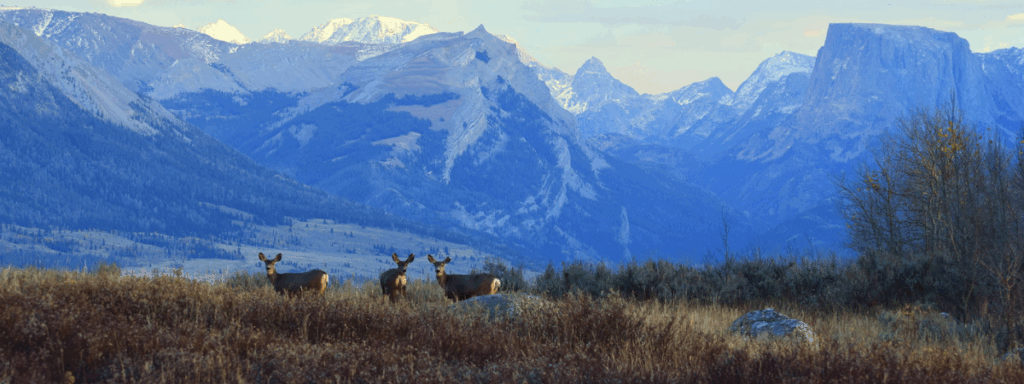
Public Lands
Why It Matters

Hunting & Fishing Access

America’s 640 million acres of national public lands provide irreplaceable hunting and fishing opportunities to millions of Americans.

Learn More About Access
What TRCP is Doing

We’re working to safeguard America’s public lands so hunters and anglers always have quality places to pursue their passions.
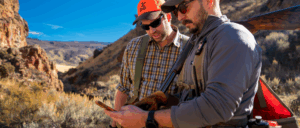
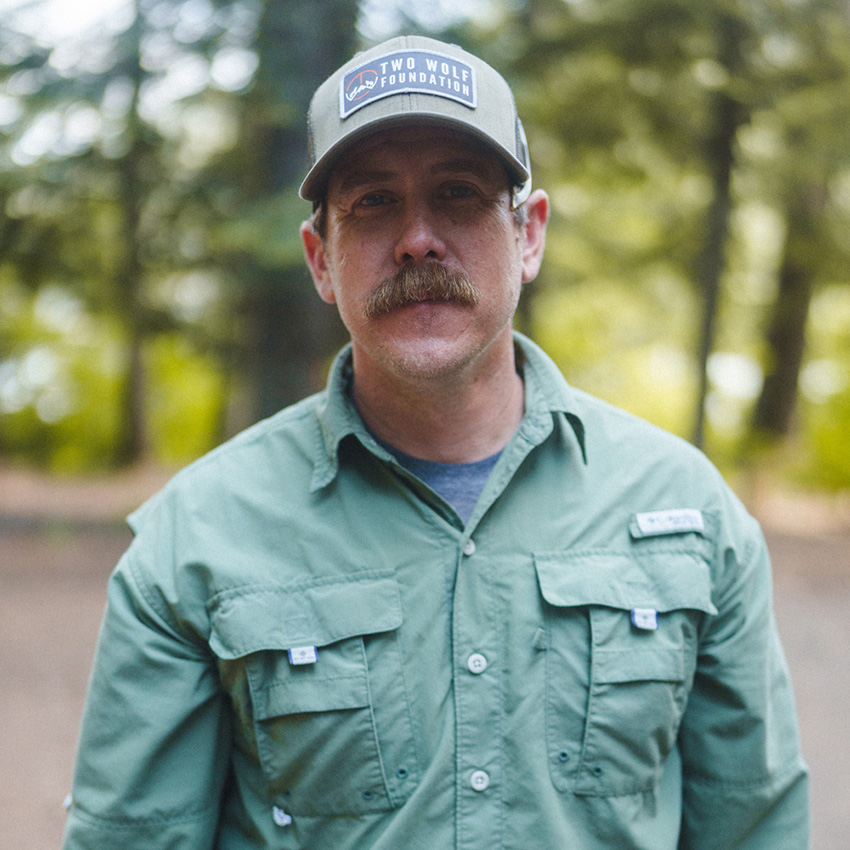
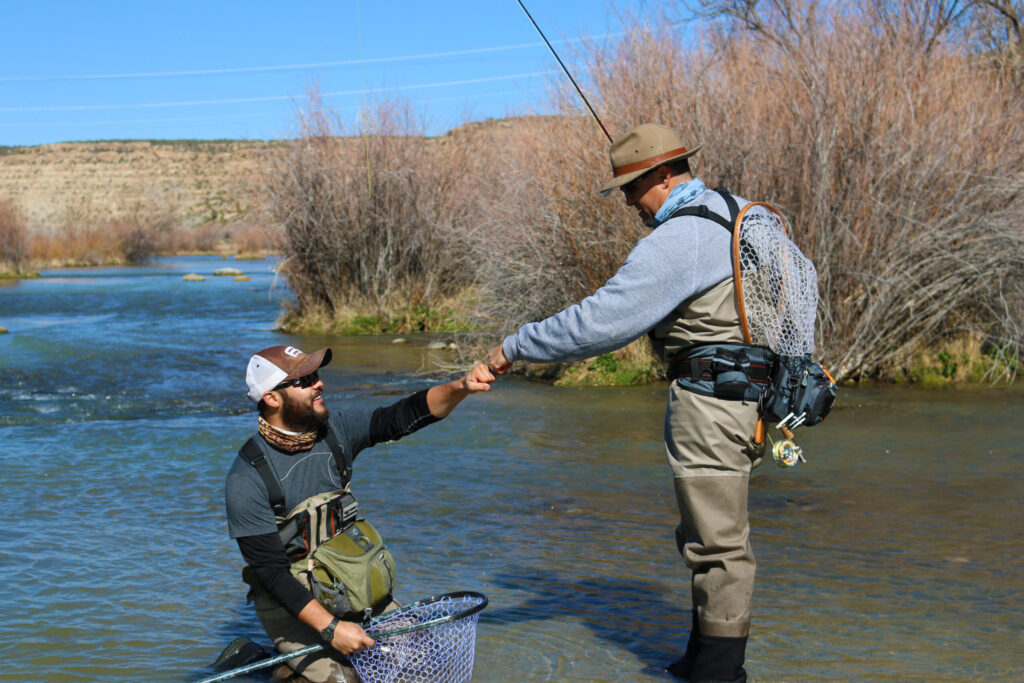
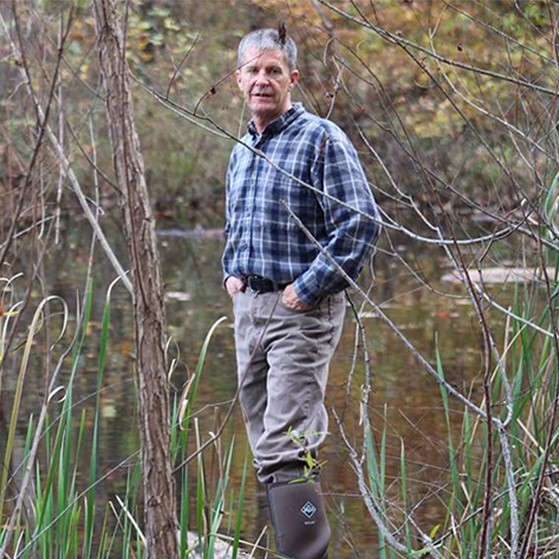
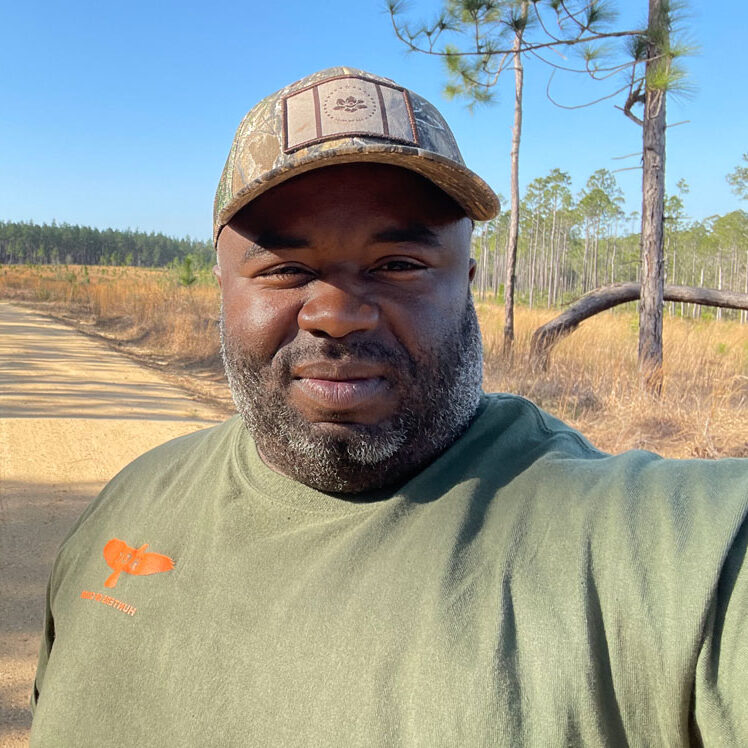
 Brian Flynn, Two Wolf Foundation
How Sportsmen Are Doing It Right

Brian Flynn, Two Wolf Foundation's Story

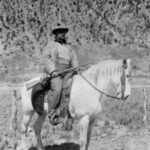
Following a distinguished career in the U.S. Army, lifelong outdoorsman Brian Flynn returned home from a deployment in Afghanistan and…

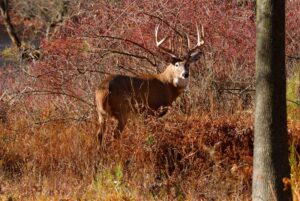
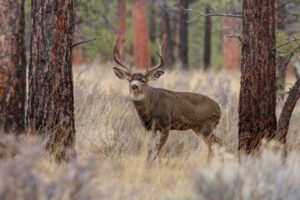
Hunting
Why It Matters

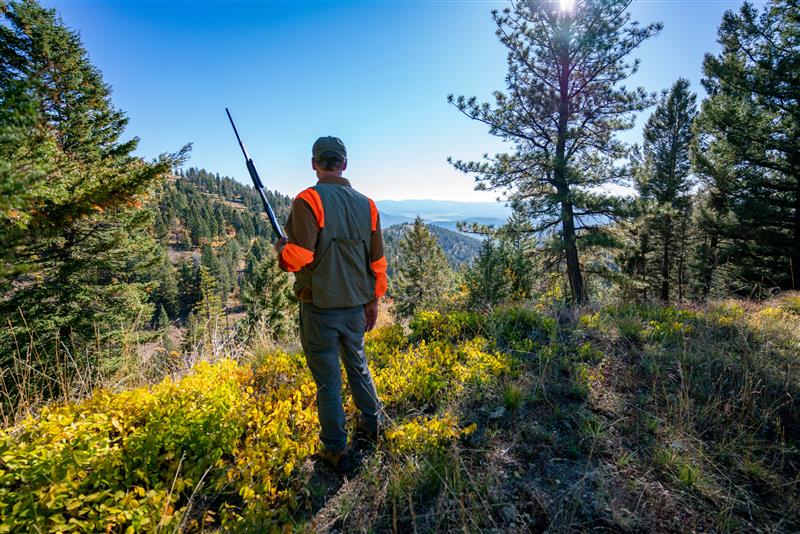
Key Issues for America’s Hunters

Your source for the latest policy updates, conservation challenges, and opportunities shaping America’s hunting traditions.

What TRCP is Doing

We’re fighting for meaningful policy changes that benefit wildlife, our waters, and the American landscapes that make our outdoor traditions possible.

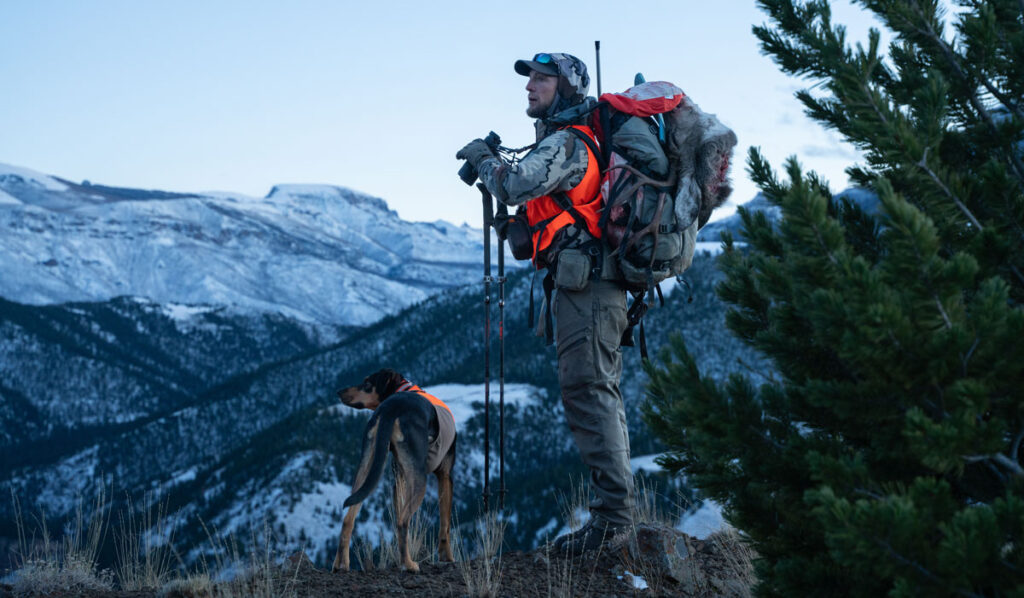
 Ryan Sparks
How Sportsmen Are Doing It Right

Ryan Sparks's Story

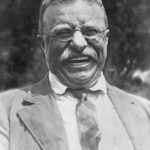
TRCP’s “In the Arena” series highlights the individual voices of hunters and anglers who, as Theodore Roosevelt so famously said,…

Fishing
Why It Matters

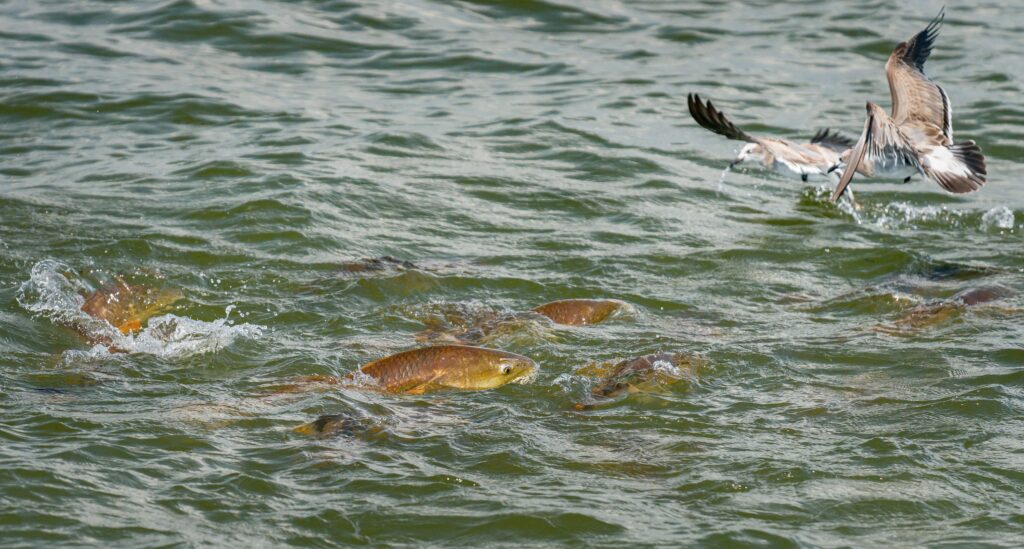
Key Issues for America’s Anglers

Your source for the latest policy updates, conservation challenges, and opportunities shaping America’s fishing traditions.

What TRCP is Doing

We’re fighting for meaningful policy changes that benefit wildlife, our waters, and the American landscapes that make our outdoor traditions possible.

 David Mangum
How Sportsmen Are Doing It Right

David Mangum's Story

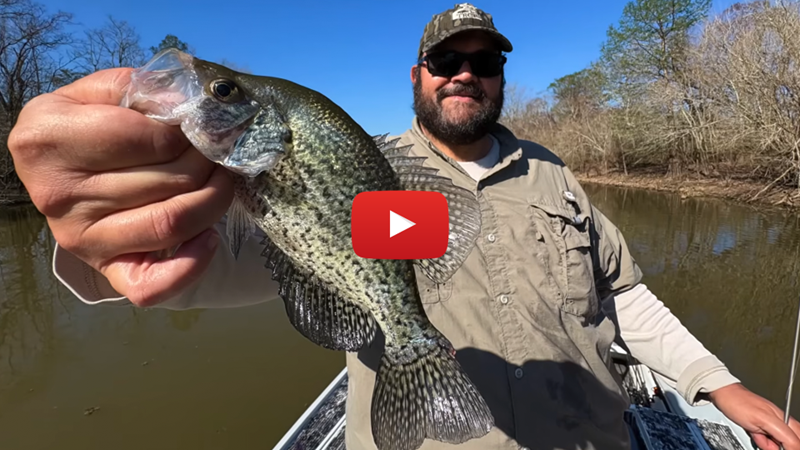
Capt. David Mangum is a YETI ambassador and outdoor photographer who utilizes his talents to produce media that inspire a…

Private Land
Why It Matters

Stewardship on America’s private lands

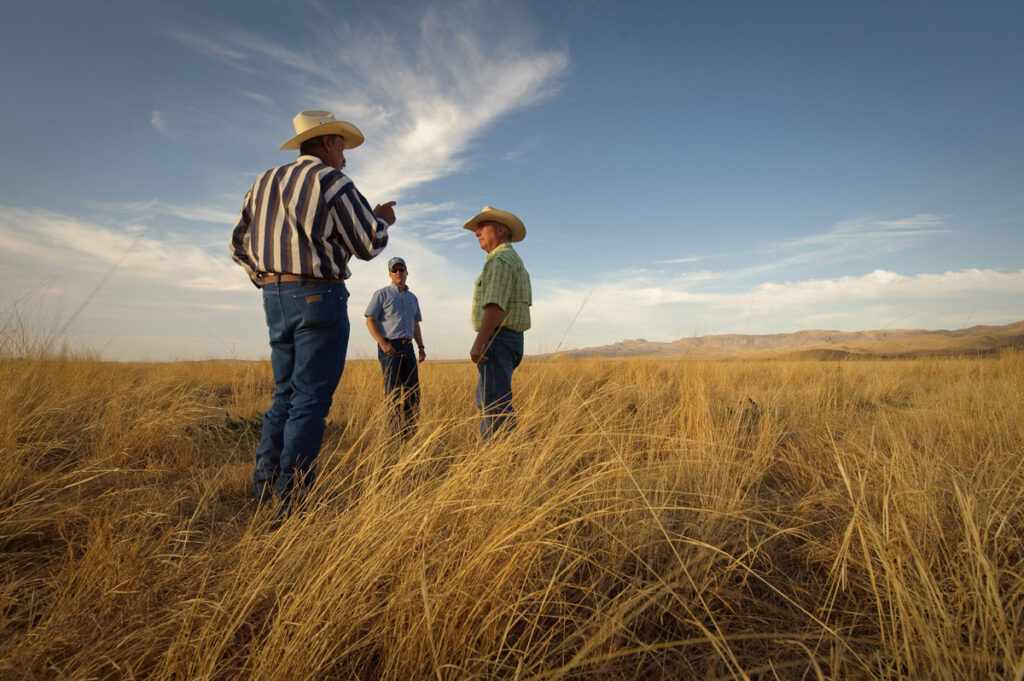
With 70 percent of U.S. lands in private hands and many of our best hunt and fish opportunities occurring there, investing in voluntary conservation on working lands safeguards access, strengthens habitat and water quality, and ensures resilient landscapes.

Learn More
What TRCP is Doing

We champion policies and programs that restore wildlife habitat, improve soil and water health, and keep working lands productive.

 Ward Burton
How Sportsmen are Doing It Right

Ward Burton's Story

Ward Burton’s NASCAR driving career stretched across most of two decades. As an avid sportsman and conservationist, he founded the…

Special Places
Why It Matters

Special Places Worth Protecting

America’s most iconic landscapes provide unmatched habitat and unforgettable days afield. These places sustain wildlife, anchor local economies, and define the hunting and fishing traditions we pass down.

What TRCP is Doing

We’re working to conserve special places that provide world-class habitat and unforgettable opportunities for hunters and anglers.

 Franklin Adams
How Sportsmen Are Doing It Right

Franklin Adams's Story

As a true Gladesman, conservationist, and historian, Capt. Franklin Adams has spent more than six decades championing Everglades restoration efforts…

Habitat & Clean Water
Why It Matters

Healthy Habitat Powers Every Pursuit

All hunting and fishing opportunities depend on quality habitat, from clean water and healthy wetlands to winter and summer habitats and the migration corridors that connect them.

All About Habitat & Clean Water
What TRCP is Doing

We are working to safeguard the habitats that power every hunting and fishing opportunity.

 Alex Harvey
How Sportsmen Are Doing It Right

Alex Harvey's Story

Alex Harvey, founder of Legacy Land Management, is a registered professional forester in Mississippi and Alabama with a Master's degree…

Science
Why It Matters

Science That Guides TRCP

From conserving migration corridors and wetlands to ensuring clean water and resilient landscapes, science provides evidence that turns conservation goals into effective action.

Science for Conservation
What TRCP is Doing

For hunters and anglers, science safeguards the experiences we treasure including resilient big game populations, abundant fish, and wild places that endure changing social landscapes.

Jamelle Ellis
Your Science Expert

Jamelle Ellis's Story

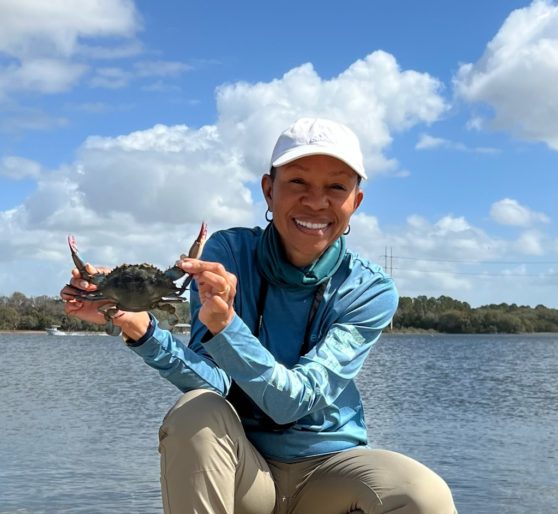
Jamelle Ellis joined the Theodore Roosevelt Conservation Partnership in 2022. Jamelle spent the last three years as an environmental sustainability…

Where We Work
Across the Nation

Conservation Across America

TRCP works across the country to ensure hunters and anglers can enjoy healthy fish and wildlife and quality days afield, no matter where they live.

See All Issues
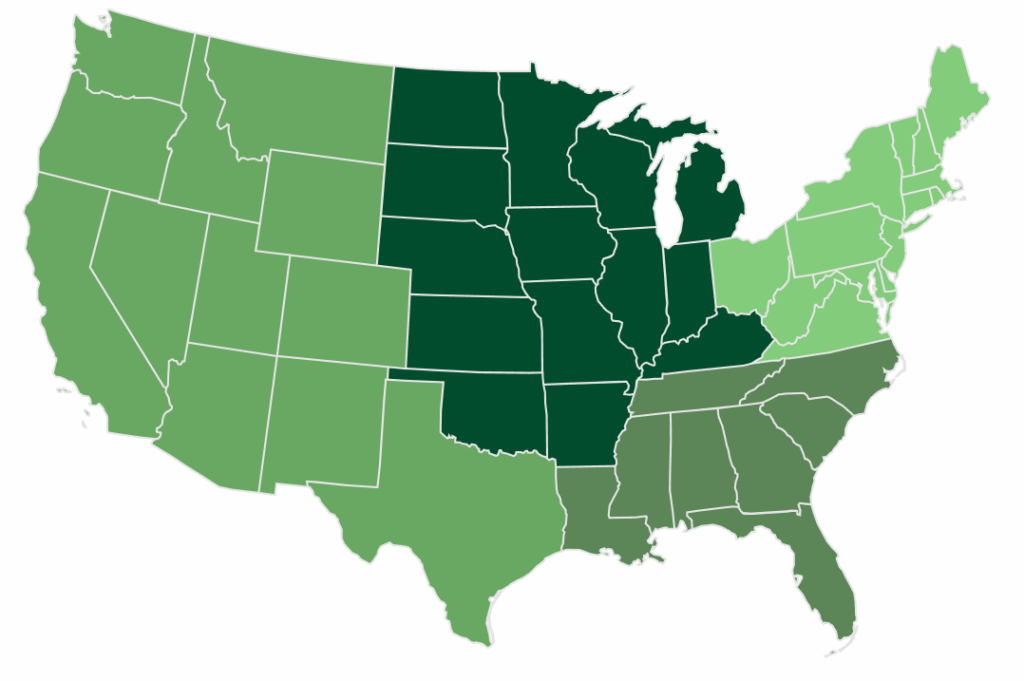
TRCP in Your Region

TRCP works across the country to ensure hunters and anglers can enjoy healthy fish and wildlife and quality days afield, no matter where they live.

Who We Are
Our Mission

To guarantee all Americans quality places to hunt & fish

We unite and amplify our partners’ voices to advance America’s legacy of conservation, habitat, and access.

Our Mission & Values
Our People & Partners
  • Meet the TRCP Team

    Our staff and board members unite and amplify our partners’ voices to advance America’s legacy of conservation, habitat, and access.

    Meet the Team
  • Our Partners

    ‘Partnership’ is in our name. We work with 64 diverse partner groups that represent today’s leading hunting, fishing, and conservation organizations in order to strengthen the sportsman’s voice in Washington, D.C.

    Our Partners
  • Corporate Council

    TRCP’s Corporate Council is made up of diverse corporations that share a common passion for conservation.

    Corporate Council
Our Organization

Looking for more information?

Explore our latest news, policy updates, and conservation resources to get the information you need.

Giving
How You Can Help

To guarantee all Americans quality places to hunt & fish

Your tax-deductible donation will support TRCP's mission, now and into the future.

DONATE
Special Ways to support trcp
  • Capital Conservation Awards Dinner

    The CCAD is one of Washington's best-attended conservation celebrations, featuring dinner, cocktails, and a silent auction.

    Learn More
  • Step Into the Arena

    Help us ensure that our treasured wild habitats and game remain intact for the next generation to enjoy – lend your support to the TRCP’s efforts today!

    Donate
  • Roosevelt Roast

    TRCP has partnered with Afuera Coffee Co. to further our commitment to conservation.

    Learn More
More donation options

Find the best way for you to lend your support. Join one of TRCP’s donor circles for special invitations, premium offerings from outdoor retailers, and more exclusive benefits. Take control of your legacy with planned giving or contribute to special conservation funds.

Other Ways To Give
News
In the Spotlight

In the Arena: Josh Warren

For many hunters and anglers, the connection to conservation begins close to home — in the woods behind the house, along a familiar stretch of river, or through time spent learning from mentors and family. That sense of place is something Joshua Warren carries with him, both personally and professionally. As Director of Marketing at WorkSharp, Josh represents a company rooted in Ashland, Oregon, a community defined by its access to public lands and wild country.

Read More

Stay Informed

Receive our newsletter, the Roosevelt Report, right in your inbox. Never miss the latest news in conservation issues.

by:

posted in:

July 31, 2013

Fishy Business: Debates over Bluefin Tuna at ICCAT Annual Meeting

A School bluefin taken off Long Island with Capt. Chris Hessert of Manhattan Fly

Well it must be summer time, which is hard to tell by the current weather. Rain, rain, and more rain. It must be summer because the different sides are turning up the rhetoric for the annual debate on bluefin tuna. The International Commission for the Conservation of Atlantic Tunas (ICCAT) will be meeting in November, and the U.S. delegation is beginning to craft its position to take to the annual meeting.

The harvesting side of the resource users would like to see the quotas increased as, in their opinion, the western Atlantic stock is in reasonable shape and those who have sacrificed for so many years should get some benefit from that sacrifice. The other side says that the stocks are still at historic lows and need more protection if they are ever to recover. How can there be such a difference? It boils down to three differences of opinion in what is the “best available science”; recruitment age at sexual maturity; and one stock or two for management purposes.

Recruitment

The first is the question of recruitment and what is the correct recruitment scenario. Harvesters support a low recruitment scenario which, if correct, says that changes have altered the ability of these fish to reproduce at the levels they once did. This decrease in reproductive capacity means that the spawning stock biomass will never reach the size it used to be, so cutting quotas will not make any difference. The more conservative side supports the high recruitment theory which says that the stocks can recover to historic highs and that quotas should be cut in order to achieve these levels. There are some very well known scientists that support both sides of the question. I wish I thought that ICCAT could be the arbiter of this question, but it is highly likely they would support the harvesters.

Age

The next issue is the age at which bluefins reach sexual maturity. In the western  Atlantic it has been thought that sexual maturity was later than in the eastern stocks. If they reach sexual maturity earlier, then the fish add to the overall population sooner. Harvesters support the younger age at maturity. Those who are conservation minded do not.

Different Stocks

The last item is the concept of two distinct stocks, western and eastern. Some believe that they should be managed as one stock. Managing as one stock is less conservative for the western North Atlantic stock, and those who want to increase the quota embrace that concept.

So, on goes the argument as to whose science is the “best available.” If this argument about science does not make you nervous, then this should: ten northeast Senators and Congressmen are adding their “expertise” to the science debate by requesting a specific action from the head of the U.S. Delegation to ICCAT. These are the same members of Congress who cannot get the important issues resolved for our country, and now they are experts in fisheries matters. Yikes, I don’t know about you, but that makes me very nervous. Stand by and we’ll see where this one goes.

Further info:

Read the letter from 10 Members of Congress to Russell Smith, Deputy Assistant Secretary for International Fisheries and US Delegate to ICCAT

Read the letter from the Pew Charitable Trusts to ICCAT

Read the Pew document, “The Best Available Science on Western Atlantic Bluefin Tuna”

Read “Response to PEW factsheet on ‘The Best Available Science on Western Atlantic Bluefin Tuna'”


“Rip” Cunningham, who got the nickname in infancy when he tore up everything in his crib, has applied the same energy to his work at Salt Water Sportsman. An accomplished writer and photographer, Cunningham has received several awards from the Outdoor Writers Association of America. His work has appeared in such magazines as Field and Stream, Rod and Reel, Gray’s Sporting Journal and Australian Boating. Among his many accomplishments, Rip was recognized as the Conservationist of the Year from both the International Game Fish Association and the Coastal Conservation Association of Massachusetts. “I’ve earned a living from fishing, and I believe strongly that people with an interest in a given area should give something back,” he says. “It’s rewarding every single day.” Cunningham received his MBA from Babson College in Wellesley, MA and his BA from Rollins College in Winter Park, FL. He has two grown children and four grand children and lives with his wife and hunting dog, Rocket, in Dover, MA and Yarmouth, ME. When he’s not fishing or working through the items on his wife’s “honey-do” list, Cunningham does some hunting, fishing, and skiing.

Do you have any thoughts on this post?

XHTML: You can use these tags: <a href="" title=""> <abbr title=""> <acronym title=""> <b> <blockquote cite=""> <cite> <code> <del datetime=""> <em> <i> <q cite=""> <s> <strike> <strong>

Comments must be under 1000 characters.

by:

posted in:

July 29, 2013

Balancing Energy Development With Fish and Wildlife Habitat

State and federal public lands hold some of the most productive fish and wildlife habitat in the country and are vital to meeting our country’s energy needs.

  • Sportsmen for Responsible Energy Development is a coalition led by the TRCP, the National Wildlife Federation and Trout Unlimited that is dedicated to conserving irreplaceable habitats so future generations can hunt and fish on America’s public lands.
  • A 2012 SFRED study found that from 1969 to 2009, the top 50 counties in the Rocky Mountain West region that contained the highest percentage of land managed for conservation had higher per capita income, higher population growth and higher total employment compared to the 50 counties with lands managed more for intensive energy development.
  • SFRED works to ensure that our nation’s economic portfolio is considers the responsible development of energy resources as well as the $821 billion annual outdoor recreation economy.

Learn more about the TRCP’s work to ensure responsible energy development.

Read the TRCP’s FACTS for Fish and Wildlife.

The TRCP and our partners are working to ensure energy development is balanced with the needs of fish and wildlife. Learn more by visiting the websites below.

Sportsmen for Responsible Energy Development
Trout Unlimited
National Wildlife Federation

by:

posted in:

July 22, 2013

Morel Mushrooms: Wild Game’s Best Friend

If you’re like me, you are always looking for different ways to prepare wild game. One of my favorite accompaniments to grilled elk is sautéed morel mushrooms.  Considered a delicacy in many parts of the world, morels have a delicious nutty flavor that pairs wonderfully with grilled backstrap, and they are a lot of fun to gather.

Two bags of morel mushrooms.

While expensive at the store, morels can be picked for free in the same woods where you hunt deer and elk. Morels appear in the spring months when the weather begins to warm, and can be found in cottonwood bottoms, woodlots and mountain forests. In the high elevations of the West, morels can be picked as late as July. As a general rule, when you’ve bagged your tom turkey, the time should be right for picking

Morels must always be cooked. Raw, they are toxic and will make you sick.

Morel pickers generally have their best luck finding the mushrooms in recently disturbed areas, such as forests that burned the previous summer, or in cottonwood bottoms with significant beaver activity. From my experience, fires can be the most productive morel picking areas and a single person can gather several pounds in a day if the conditions are favorable.

Morels can easily be dried in a food dehydrator and then stored for a long-time. I generally set aside a bowl of fresh morels to use in the near-term and I then dry the rest and use them for special occasions throughout the year.

If dehydrated, morels can be saved for a long time.

When grilling deer or elk steak, sauté onions and morels in butter and finish the mushrooms with a splash of sherry. When the onions are caramelized and the moisture is cooked out of the morels, I pile the mushrooms and onions on top of elk or venison steaks. The blend of flavors is hard to beat, and guests always ask for seconds.

Morels can be used in an almost endless array of meals. You can stuff them with sausage, use them in gravy and get fancy with French cuisine.

While morels are fairly easy to identify, always do your research and know what you are doing before eating wild mushrooms. Morels must be cooked before eaten. Raw morels contain a toxin that will make you sick. That toxin is removed when they are cooked.

Try morels with deer or elk steaks.

Check out our favorite morel recipes at Honest-food.net.

by:

posted in:

Feeding Frenzy on the Gunnison

“You think it’s worth a go?”

My buddy Ryan and I were standing over his kitchen table looking down at a map of Black Canyon of the Gunnison Wilderness Area. The stretch of the Gunnison River that we were eyeballing had the potential to produce some nice trout, and we had heard rumors that the salmon fly hatch might be on. What that means, for anyone who might not be a fluent trout junkie, is that the fish would be feeding on giant bugs with reckless abandon.

But there were other factors to consider.

“I dunno, that’s a hell of a drive down there… and then there’s the hike in,” I responded.

Judging from the map, the route from the rim of the canyon down to the river looked impassable without a parachute. It descended 2,722 feet in two miles. With our fully loaded packs, it would be brutal.

Gunnison River, Colo.

The previous three days fishing the Yampa River near Ryan’s home in Steamboat Springs, Colo., had produced some nice rainbows, but overall things were tough. We were looking to change up our strategy, and the Gunnison seemed like a good bet.

We put in a couple of calls to the National Park Service (the wilderness area is surrounded by Gunnison National Park) and a handful of fly shops that confirmed…well they didn’t confirm anything. Our guts told us that the salmon fly hatch could still be on. We didn’t have a lot to go on, but so what? We loaded up the truck, cranked some bluegrass and were on our way.

The hike down into Black Canyon was just as challenging as it had looked on paper. There was no marked trail and the terrain was made up of boulders, loose rock and sand that left us constantly on tenuous footing.

Feeling a bit haggard about half way down to the river, we crossed paths with a couple from Denver who were on their way back out after a three-day fishing trip.

“It’s on!” they said, beaming with excitement.

They relayed a few stories while we stood there wide-eyed and grinning ear-to-ear, and went on their way. The good news was refreshing, and it fueled us as we made our way down the final, sketchy descent.

When we reached the river, we were greeted by salmon flies the size of B-52 bombers buzzing awkwardly around the canyon and the sweet sound of trout plucking their fallen comrades out of the surface film. They say that trout can take in 70 percent of their yearly protein during the salmon fly hatch. After spending five minutes taking in the scene next to the river, there was no doubt in my mind that this was an accurate statement.

TRCP’s Brandon Helm with a brown trout from the Gunnison River.

The two days that we spent in the canyon were unforgettable. Big, healthy Gunnison River browns were hitting salmon fly imitations so big and ugly that I would be reluctant to throw them at the scrappy smallies on my home waters of the tidal Potomac. I don’t remember how many fish we caught before a dam release upstream put a damper on the hatch. What I do know is that there were plenty of big fish to keep us both entertained, and to solidify this trip as one of the most unique fishing experiences that I have had to date.

by:

posted in:

July 18, 2013

Video: Budget Cuts Besiege Wyoming Sportsmen

Recently TRCP’s western outreach director, Neil Thagard presented the Wyoming Game & Fish Department $10,000 for the Private Lands Public Wildlife Access Program, which benefits all sportsmen who hunt and fish in the Cowboy State.

During the presentation, Neil expressed concerns surrounding the recent mandated budget cuts and what those cuts mean for fish and wildlife management, businesses and sportsmen. In the last budget session, the Wyoming Legislature demanded the Department cut $4.6 million from its FY14 budget. Such cuts will adversely impact fish and wildlife resources and hunting and angling opportunities.

Watch the video of Neil’s presentation below.

HOW YOU CAN HELP

TRCP has partnered with Afuera Coffee Co. to further our commitment to conservation. $4 from each bag is donated to the TRCP, to help continue our efforts of safeguarding critical habitats, productive hunting grounds, and favorite fishing holes for future generations.

Learn More
Subscribe


You have Successfully Subscribed!

You have Successfully Subscribed!

You have Successfully Subscribed!

You have Successfully Subscribed!

You have Successfully Subscribed!