Our Issues
Public Lands
Why It Matters

Hunting & Fishing Access

America’s 640 million acres of national public lands provide irreplaceable hunting and fishing opportunities to millions of Americans.

Learn More About Access
What TRCP is Doing

We’re working to safeguard America’s public lands so hunters and anglers always have quality places to pursue their passions.
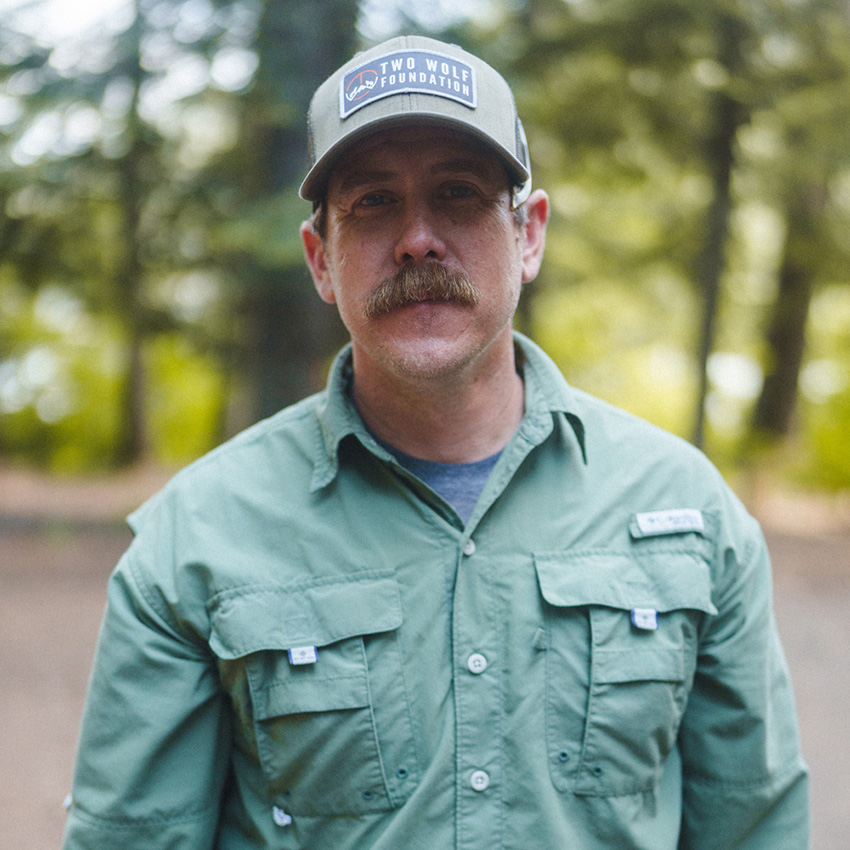
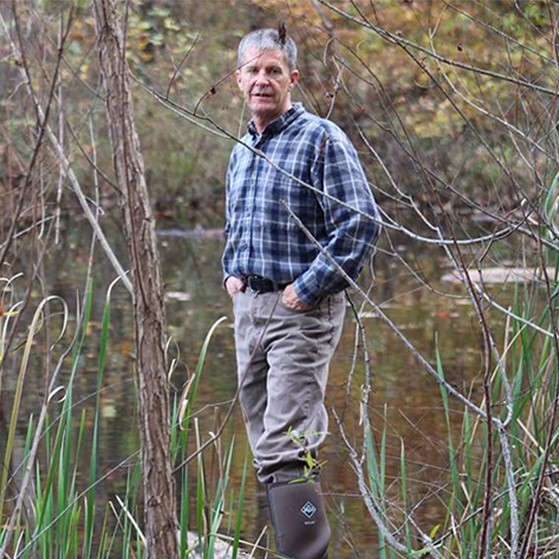
 Brian Flynn, Two Wolf Foundation
How Sportsmen Are Doing It Right

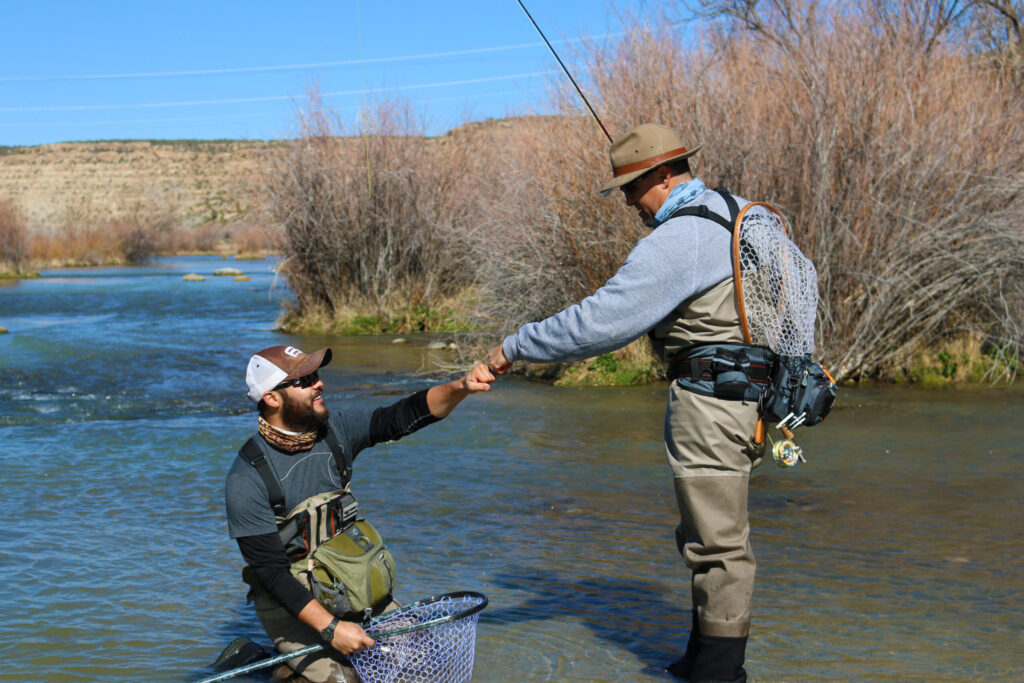
Brian Flynn, Two Wolf Foundation's Story

Following a distinguished career in the U.S. Army, lifelong outdoorsman Brian Flynn returned home from a deployment in Afghanistan and…

Hunting
Why It Matters

Key Issues for America’s Hunters

Your source for the latest policy updates, conservation challenges, and opportunities shaping America’s hunting traditions.

What TRCP is Doing

We’re fighting for meaningful policy changes that benefit wildlife, our waters, and the American landscapes that make our outdoor traditions possible.

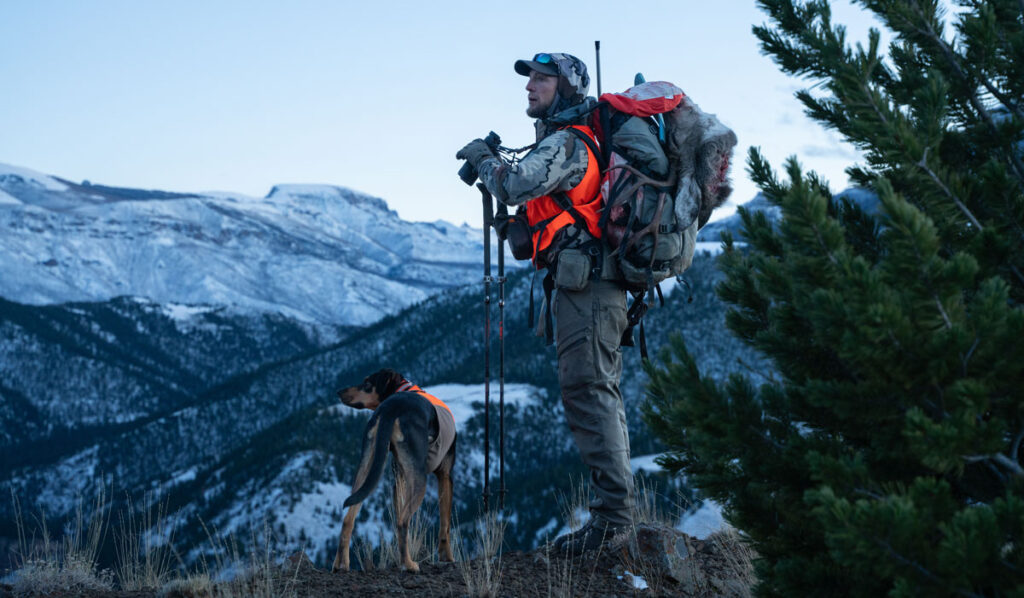
 Ryan Sparks
How Sportsmen Are Doing It Right

Ryan Sparks's Story

TRCP’s “In the Arena” series highlights the individual voices of hunters and anglers who, as Theodore Roosevelt so famously said,…
Fishing
Why It Matters

Key Issues for America’s Anglers

Your source for the latest policy updates, conservation challenges, and opportunities shaping America’s fishing traditions.

What TRCP is Doing

We’re fighting for meaningful policy changes that benefit wildlife, our waters, and the American landscapes that make our outdoor traditions possible.

 David Mangum
How Sportsmen Are Doing It Right

David Mangum's Story

Capt. David Mangum is a YETI ambassador and outdoor photographer who utilizes his talents to produce media that inspire a…

Private Land
Why It Matters

Stewardship on America’s private lands

With 70 percent of U.S. lands in private hands and many of our best hunt and fish opportunities occurring there, investing in voluntary conservation on working lands safeguards access, strengthens habitat and water quality, and ensures resilient landscapes.

Learn More
What TRCP is Doing

We champion policies and programs that restore wildlife habitat, improve soil and water health, and keep working lands productive.

 Ward Burton
How Sportsmen are Doing It Right

Ward Burton's Story

Ward Burton’s NASCAR driving career stretched across most of two decades. As an avid sportsman and conservationist, he founded the…

Special Places
Why It Matters

Special Places Worth Protecting

America’s most iconic landscapes provide unmatched habitat and unforgettable days afield. These places sustain wildlife, anchor local economies, and define the hunting and fishing traditions we pass down.

What TRCP is Doing

We’re working to conserve special places that provide world-class habitat and unforgettable opportunities for hunters and anglers.

 Franklin Adams
How Sportsmen Are Doing It Right

Franklin Adams's Story

As a true Gladesman, conservationist, and historian, Capt. Franklin Adams has spent more than six decades championing Everglades restoration efforts…

Habitat & Clean Water
Why It Matters

Healthy Habitat Powers Every Pursuit

All hunting and fishing opportunities depend on quality habitat, from clean water and healthy wetlands to winter and summer habitats and the migration corridors that connect them.

All About Habitat & Clean Water
What TRCP is Doing

We are working to safeguard the habitats that power every hunting and fishing opportunity.

 Alex Harvey
How Sportsmen Are Doing It Right

Alex Harvey's Story

Alex Harvey, founder of Legacy Land Management, is a registered professional forester in Mississippi and Alabama with a Master's degree…

Science
Why It Matters

Science That Guides TRCP

From conserving migration corridors and wetlands to ensuring clean water and resilient landscapes, science provides evidence that turns conservation goals into effective action.

Science for Conservation
What TRCP is Doing

For hunters and anglers, science safeguards the experiences we treasure including resilient big game populations, abundant fish, and wild places that endure changing social landscapes.

Jamelle Ellis
Your Science Expert

Jamelle Ellis's Story

Jamelle Ellis joined the Theodore Roosevelt Conservation Partnership in 2022. Jamelle spent the last three years as an environmental sustainability…

Where We Work
Across the Nation

Conservation Across America

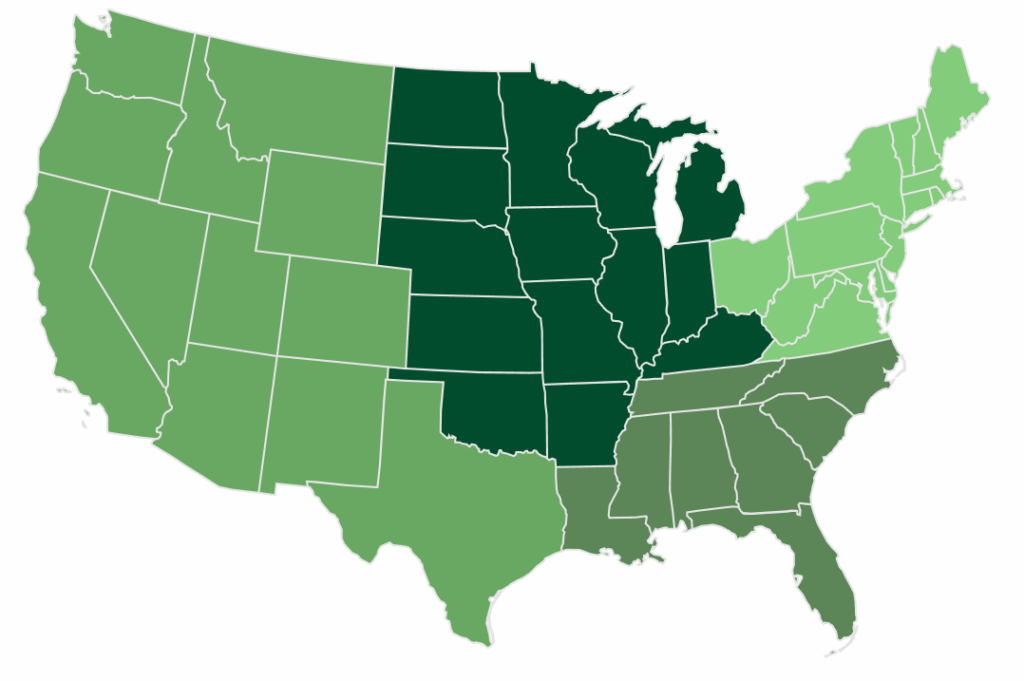
TRCP works across the country to ensure hunters and anglers can enjoy healthy fish and wildlife and quality days afield, no matter where they live.

See All Issues
TRCP in Your Region

TRCP works across the country to ensure hunters and anglers can enjoy healthy fish and wildlife and quality days afield, no matter where they live.

Who We Are
Our Mission

To guarantee all Americans quality places to hunt & fish

We unite and amplify our partners’ voices to advance America’s legacy of conservation, habitat, and access.

Our Mission & Values
Our People & Partners
  • Meet the TRCP Team

    Our staff and board members unite and amplify our partners’ voices to advance America’s legacy of conservation, habitat, and access.

    Meet the Team
  • Our Partners

    ‘Partnership’ is in our name. We work with 64 diverse partner groups that represent today’s leading hunting, fishing, and conservation organizations in order to strengthen the sportsman’s voice in Washington, D.C.

    Our Partners
  • Corporate Council

    TRCP’s Corporate Council is made up of diverse corporations that share a common passion for conservation.

    Corporate Council
Our Organization

Looking for more information?

Explore our latest news, policy updates, and conservation resources to get the information you need.

Giving
How You Can Help

To guarantee all Americans quality places to hunt & fish

Your tax-deductible donation will support TRCP's mission, now and into the future.

DONATE
Special Ways to support trcp
  • Capital Conservation Awards Dinner

    The CCAD is one of Washington's best-attended conservation celebrations, featuring dinner, cocktails, and a silent auction.

    Learn More
  • Step Into the Arena

    Help us ensure that our treasured wild habitats and game remain intact for the next generation to enjoy – lend your support to the TRCP’s efforts today!

    Donate
  • Roosevelt Roast

    TRCP has partnered with Afuera Coffee Co. to further our commitment to conservation.

    Learn More
More donation options

Find the best way for you to lend your support. Join one of TRCP’s donor circles for special invitations, premium offerings from outdoor retailers, and more exclusive benefits. Take control of your legacy with planned giving or contribute to special conservation funds.

Other Ways To Give
News
In the Spotlight

House Agriculture Committee Chairman GT Thompson Introduces Farm Bill Proposal 

Hunters and anglers depend on strong Conservation and Forestry Titles, and TRCP will closely evaluate the bill's impacts as it moves forward.

Read More

Stay Informed

Receive our newsletter, the Roosevelt Report, right in your inbox. Never miss the latest news in conservation issues.

by:

posted in:

July 22, 2013

OLYMPUS DIGITAL CAMERA

Do you have any thoughts on this post?

XHTML: You can use these tags: <a href="" title=""> <abbr title=""> <acronym title=""> <b> <blockquote cite=""> <cite> <code> <del datetime=""> <em> <i> <q cite=""> <s> <strike> <strong>

Comments must be under 1000 characters.

by:

posted in:

Feeding Frenzy on the Gunnison

“You think it’s worth a go?”

My buddy Ryan and I were standing over his kitchen table looking down at a map of Black Canyon of the Gunnison Wilderness Area. The stretch of the Gunnison River that we were eyeballing had the potential to produce some nice trout, and we had heard rumors that the salmon fly hatch might be on. What that means, for anyone who might not be a fluent trout junkie, is that the fish would be feeding on giant bugs with reckless abandon.

But there were other factors to consider.

“I dunno, that’s a hell of a drive down there… and then there’s the hike in,” I responded.

Judging from the map, the route from the rim of the canyon down to the river looked impassable without a parachute. It descended 2,722 feet in two miles. With our fully loaded packs, it would be brutal.

Gunnison River, Colo.

The previous three days fishing the Yampa River near Ryan’s home in Steamboat Springs, Colo., had produced some nice rainbows, but overall things were tough. We were looking to change up our strategy, and the Gunnison seemed like a good bet.

We put in a couple of calls to the National Park Service (the wilderness area is surrounded by Gunnison National Park) and a handful of fly shops that confirmed…well they didn’t confirm anything. Our guts told us that the salmon fly hatch could still be on. We didn’t have a lot to go on, but so what? We loaded up the truck, cranked some bluegrass and were on our way.

The hike down into Black Canyon was just as challenging as it had looked on paper. There was no marked trail and the terrain was made up of boulders, loose rock and sand that left us constantly on tenuous footing.

Feeling a bit haggard about half way down to the river, we crossed paths with a couple from Denver who were on their way back out after a three-day fishing trip.

“It’s on!” they said, beaming with excitement.

They relayed a few stories while we stood there wide-eyed and grinning ear-to-ear, and went on their way. The good news was refreshing, and it fueled us as we made our way down the final, sketchy descent.

When we reached the river, we were greeted by salmon flies the size of B-52 bombers buzzing awkwardly around the canyon and the sweet sound of trout plucking their fallen comrades out of the surface film. They say that trout can take in 70 percent of their yearly protein during the salmon fly hatch. After spending five minutes taking in the scene next to the river, there was no doubt in my mind that this was an accurate statement.

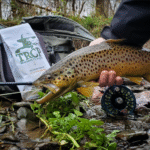
TRCP’s Brandon Helm with a brown trout from the Gunnison River.

The two days that we spent in the canyon were unforgettable. Big, healthy Gunnison River browns were hitting salmon fly imitations so big and ugly that I would be reluctant to throw them at the scrappy smallies on my home waters of the tidal Potomac. I don’t remember how many fish we caught before a dam release upstream put a damper on the hatch. What I do know is that there were plenty of big fish to keep us both entertained, and to solidify this trip as one of the most unique fishing experiences that I have had to date.

by:

posted in:

July 18, 2013

Video: Budget Cuts Besiege Wyoming Sportsmen

Recently TRCP’s western outreach director, Neil Thagard presented the Wyoming Game & Fish Department $10,000 for the Private Lands Public Wildlife Access Program, which benefits all sportsmen who hunt and fish in the Cowboy State.

During the presentation, Neil expressed concerns surrounding the recent mandated budget cuts and what those cuts mean for fish and wildlife management, businesses and sportsmen. In the last budget session, the Wyoming Legislature demanded the Department cut $4.6 million from its FY14 budget. Such cuts will adversely impact fish and wildlife resources and hunting and angling opportunities.

Watch the video of Neil’s presentation below.

by:

posted in:

July 17, 2013

T.R.ivia: African Pet

Post the correct answer to win a copy of “Last Stand Ted Turner’s Quest to Save a Troubled Planet” by Todd Wilkinson.

Theodore Roosevelt kept which exotic African mammal as a pet?

Image Courtesy of the U.S. Library of Congress.

by:

posted in:

July 16, 2013

Lessons Learned Fishing for Red Snapper

Talking about fishing is great but it doesn’t hold a candle to actually getting on the water and catching fish.

After a month spent traveling to each of the five Gulf  states and asking fishermen to recommend the kinds of habitat enhancement projects and scientific data needed to make our fishing better, it was nice to jump aboard my buddy Capt. Peace Marvel’s new 31-foot catamaran along with a handful of other fishing junkies and head down river out of Venice, La.

Kirk Rhinehart, avid angler and biologist; wrote Louisiana’s coastal restoration master plan.

The crew and I had three goals. The first was to catch a lot of red snapper with a variety of baits on light tackle. The second was to get as much incredible footage as possible to make for a good episode of Louisiana Sportsman TV to air later in the summer. The third was to discuss TRCP’s work with its sportfishing partners to improve recreational fishing habitat and opportunities in the Gulf and beyond. We succeeded on all fronts.

Exchanging fishing stories along the way and eyeing a couple of stray thunderstorms lingering right off the mouth of the river, the 25-minute trek out of South Pass passed in a blink. Ten minutes after clearing the last channel marker, we had lines in the water and were reeling in beautiful eight to 15 pound red snapper.

The cameras rolled. The rods doubled. Smiles abounded and 10 red snapper quickly came over the gunwale.
Chris Macaluso and a snapper caught in 90 ft. of water less than two miles from the mouth of the Mississippi River.

We were fishing a ledge in about 90 feet. The water on the surface was dirtied by the spring rains from the Midwest pushing their way down the river but the massive school of snapper could be clearly seen on the sonar about 20 feet under the boat. More than 25 red snapper came to the boat after eating everything from cut bait to butterfly jigs and soft plastic grubs.

Capt. Peace then pointed the boat east in search of mangrove snapper and bigger red snapper at the South Pass 70 Block, a set of oil and gas platforms in 300 feet of water famous for holding a variety of reef fish as well as big blackfin tuna and wahoo at certain times of the year.

Free-lining chunks of cut menhaden, we quickly hooked into several sizeable mangrove snapper including an impressive 10.6 pounder as well as the rest of our 14 red snapper limit. Mixed in were a couple of 40-50 pound amberjack, two slightly-too-small cobia and a bruising 40-pound gag grouper. The AJ’s, cobia and gag all went back to swim another day. The snapper were destined for the grill.

The trip covered nearly every subject discussed throughout the five Gulf restoration workshops:

Red Snapper:

Clearly, red snapper are abundant in the northern Gulf, something all researchers and fishermen alike agreed upon. Still, there is so much uncertainty in the data regarding stock sizes, catch-and-release mortality and actual angler effort that red snapper seasons have become ever shorter over the last several years.

This year, Gulf anglers get just 28 days to harvest red snapper. Without a judge’s ruling that forced a uniform season for all Gulf States, Louisiana fishermen would have had just nine days from NOAA to catch and keep the highly-prized, hard-fighting, crimson delicacies in federal waters.

Lack of data and improving survival rates:

The same lack of data restricting red snapper harvest forced the release of the two amberjack that wore me out that day. The one that hit the free-lined chunk on the surface swam away with little effort after a bruising 15 –minute light tackle fight. The one that came from 200 feet down had to be vented and revived to be able to return to depth.

Reducing the impact of reeling reef fish up from the depths, technically called barotrauma, was discussed at length at the workshops. Finding the best methods to improve survival rates of fish brought up from the deep and getting more anglers involved can hopefully increase the access recreational anglers have to harvesting more reef fish.

Habitat:

Catching abundant red snapper and other reef denizens on both natural and man-made structures illustrated well the role that both play for the fish and the fishermen. Anglers across the northern Gulf fish rigs and artificial reefs extensively but much is still unknown about what materials make the best reefs and where it’s best to locate the structures. Meanwhile, federal energy policies are forcing the rapid removal of oil and gas platforms with little regard for the fish or their habitat.

The TRCP is working with its partners to try and find solutions to all of these issues. And, it’s very rewarding to be working with federal and state agencies to ensure wise investments of oil spill recovery dollars coming to the Gulf in order to find those solutions and make sportfishing sustainable well into the future.

The chance to experience what we’re all working to sustain has its rewards as well.

HOW YOU CAN HELP

TRCP has partnered with Afuera Coffee Co. to further our commitment to conservation. $4 from each bag is donated to the TRCP, to help continue our efforts of safeguarding critical habitats, productive hunting grounds, and favorite fishing holes for future generations.

Learn More

You have Successfully Subscribed!

You have Successfully Subscribed!

You have Successfully Subscribed!

You have Successfully Subscribed!