Our Issues
Public Lands
Why It Matters

Hunting & Fishing Access

America’s 640 million acres of national public lands provide irreplaceable hunting and fishing opportunities to millions of Americans.

Learn More About Access
What TRCP is Doing

We’re working to safeguard America’s public lands so hunters and anglers always have quality places to pursue their passions.
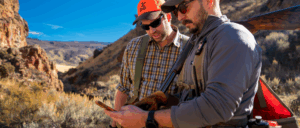
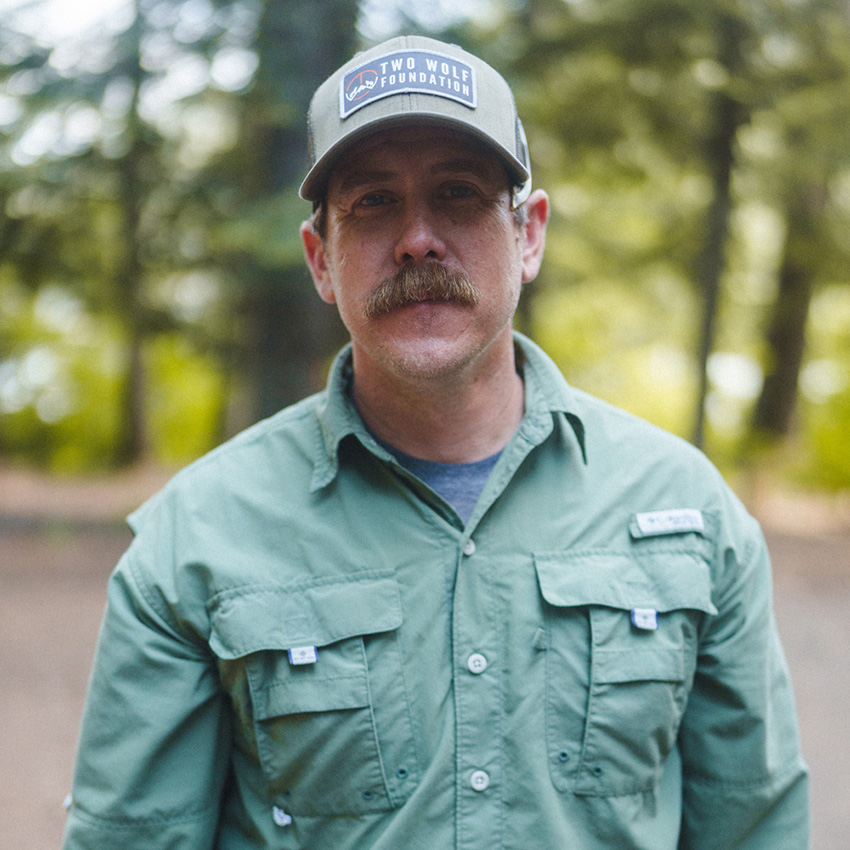
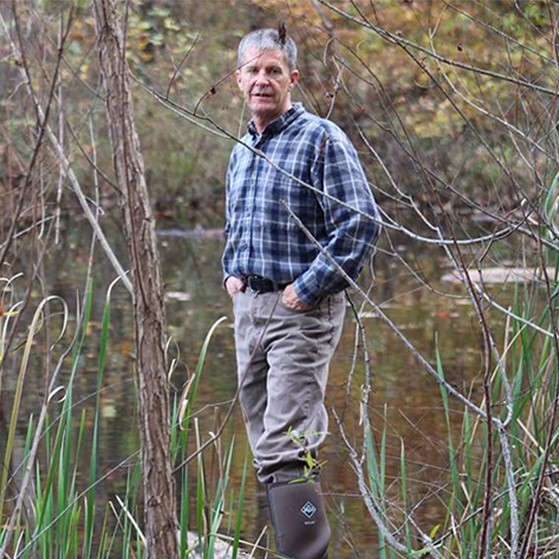
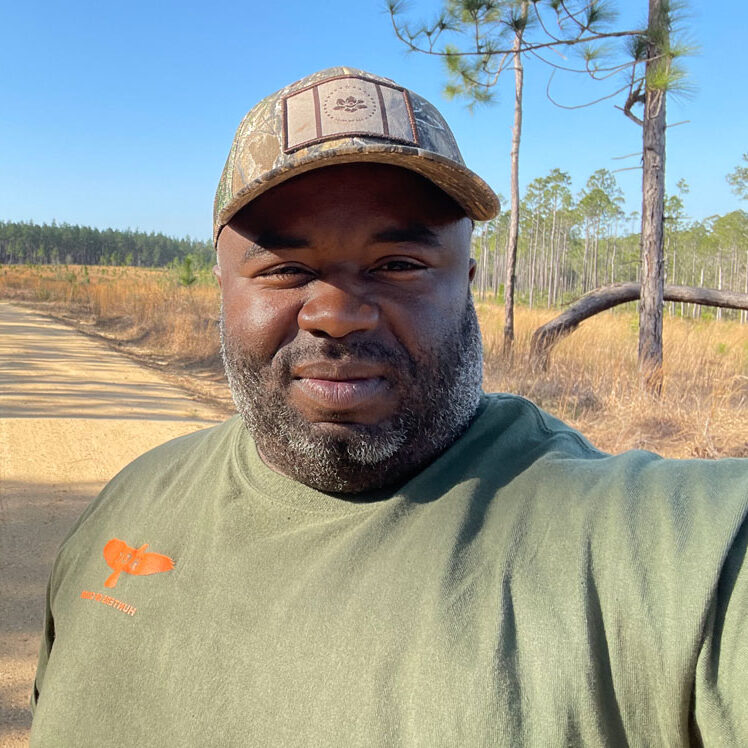
 Brian Flynn, Two Wolf Foundation
How Sportsmen Are Doing It Right

Brian Flynn, Two Wolf Foundation's Story

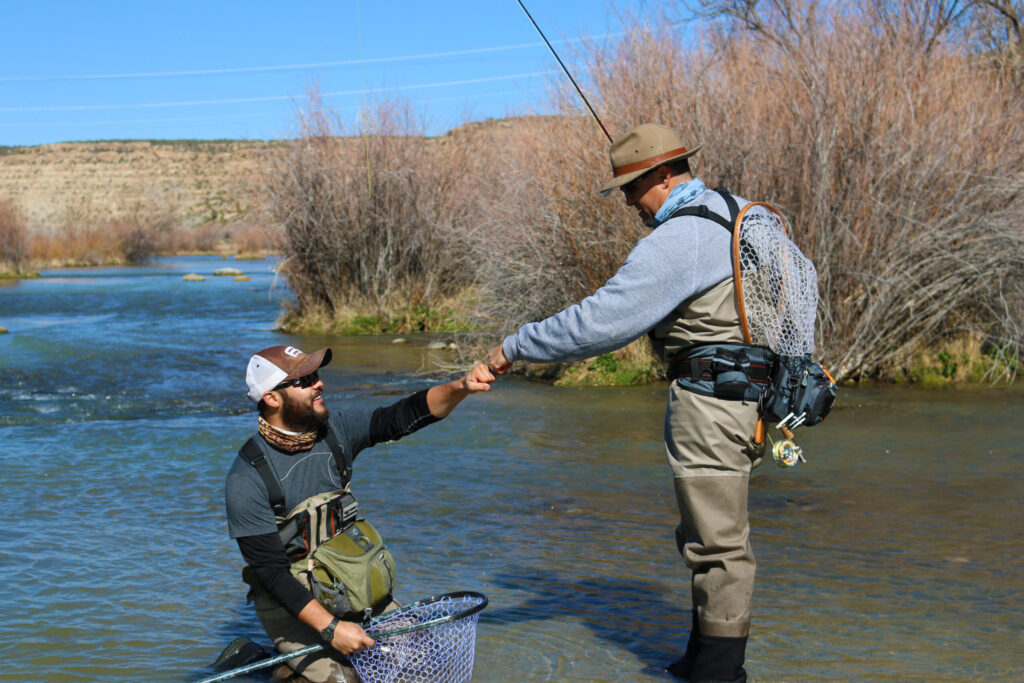
Following a distinguished career in the U.S. Army, lifelong outdoorsman Brian Flynn returned home from a deployment in Afghanistan and…

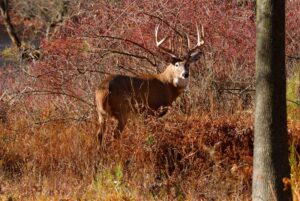
Hunting
Why It Matters

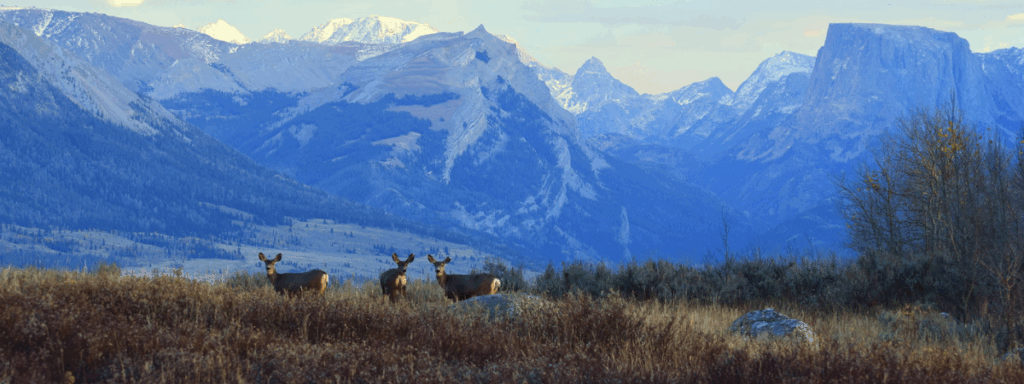
Key Issues for America’s Hunters

Your source for the latest policy updates, conservation challenges, and opportunities shaping America’s hunting traditions.

What TRCP is Doing

We’re fighting for meaningful policy changes that benefit wildlife, our waters, and the American landscapes that make our outdoor traditions possible.

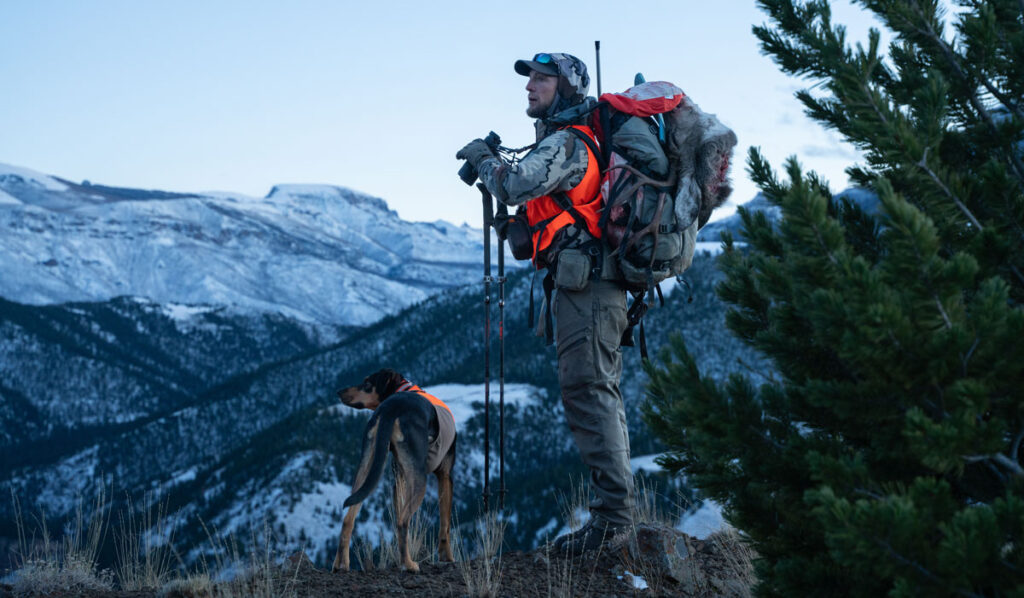
 Ryan Sparks
How Sportsmen Are Doing It Right

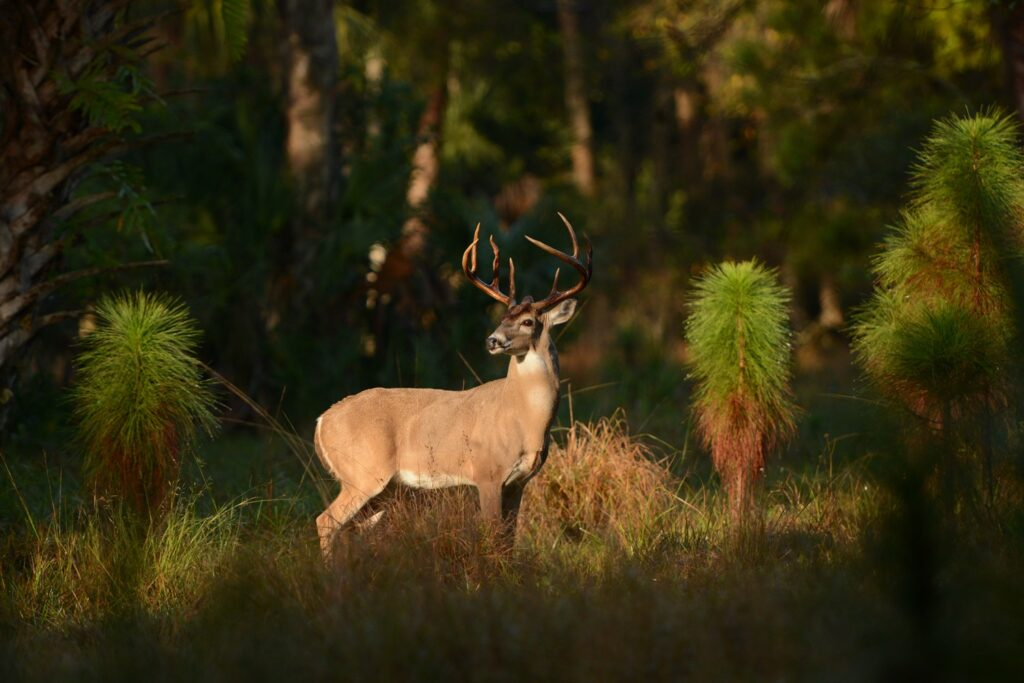
Ryan Sparks's Story

TRCP’s “In the Arena” series highlights the individual voices of hunters and anglers who, as Theodore Roosevelt so famously said,…

Fishing
Why It Matters

Key Issues for America’s Anglers

Your source for the latest policy updates, conservation challenges, and opportunities shaping America’s fishing traditions.

What TRCP is Doing

We’re fighting for meaningful policy changes that benefit wildlife, our waters, and the American landscapes that make our outdoor traditions possible.

 David Mangum
How Sportsmen Are Doing It Right

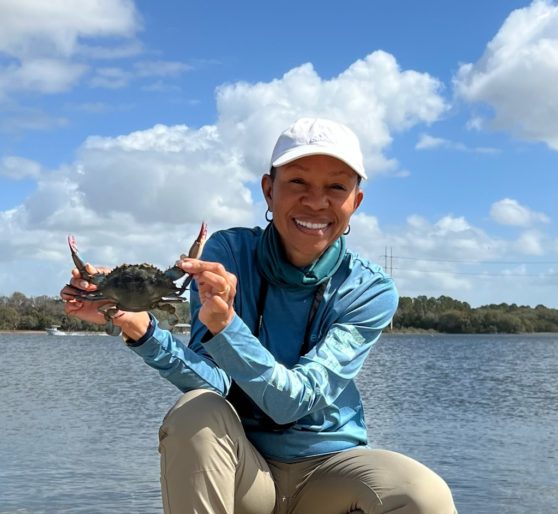
David Mangum's Story

Capt. David Mangum is a YETI ambassador and outdoor photographer who utilizes his talents to produce media that inspire a…

Private Land
Why It Matters

Stewardship on America’s private lands

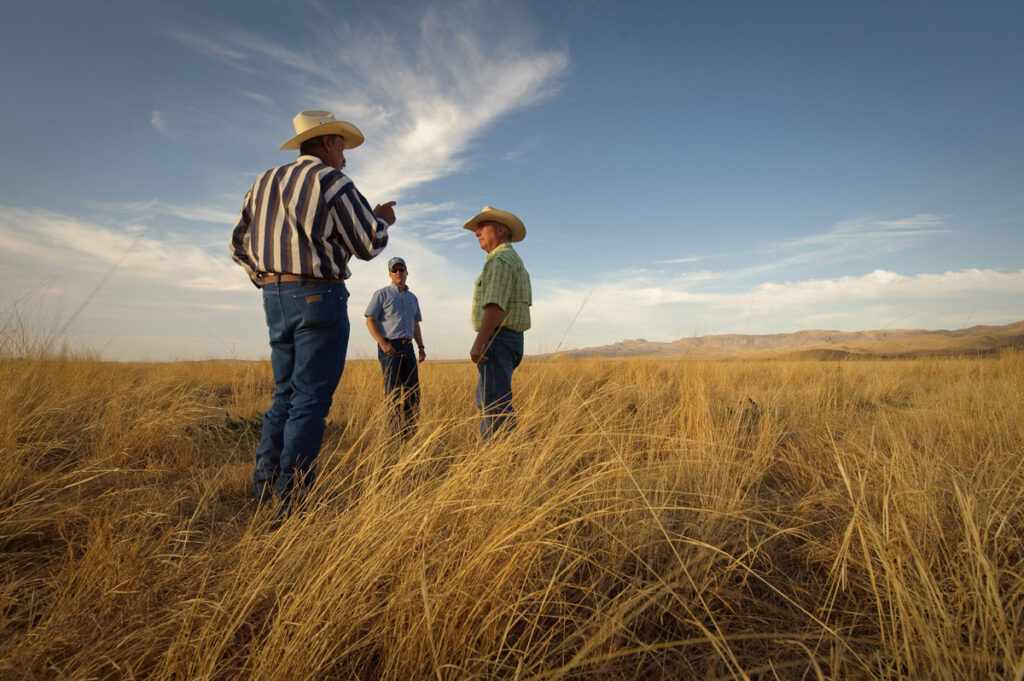
With 70 percent of U.S. lands in private hands and many of our best hunt and fish opportunities occurring there, investing in voluntary conservation on working lands safeguards access, strengthens habitat and water quality, and ensures resilient landscapes.

Learn More
What TRCP is Doing

We champion policies and programs that restore wildlife habitat, improve soil and water health, and keep working lands productive.

 Ward Burton
How Sportsmen are Doing It Right

Ward Burton's Story

Ward Burton’s NASCAR driving career stretched across most of two decades. As an avid sportsman and conservationist, he founded the…

Special Places
Why It Matters

Special Places Worth Protecting

America’s most iconic landscapes provide unmatched habitat and unforgettable days afield. These places sustain wildlife, anchor local economies, and define the hunting and fishing traditions we pass down.

What TRCP is Doing

We’re working to conserve special places that provide world-class habitat and unforgettable opportunities for hunters and anglers.

 Franklin Adams
How Sportsmen Are Doing It Right

Franklin Adams's Story

As a true Gladesman, conservationist, and historian, Capt. Franklin Adams has spent more than six decades championing Everglades restoration efforts…

Habitat & Clean Water
Why It Matters

Healthy Habitat Powers Every Pursuit

All hunting and fishing opportunities depend on quality habitat, from clean water and healthy wetlands to winter and summer habitats and the migration corridors that connect them.

All About Habitat & Clean Water
What TRCP is Doing

We are working to safeguard the habitats that power every hunting and fishing opportunity.

 Alex Harvey
How Sportsmen Are Doing It Right

Alex Harvey's Story

Alex Harvey, founder of Legacy Land Management, is a registered professional forester in Mississippi and Alabama with a Master's degree…

Science
Why It Matters

Science That Guides TRCP

From conserving migration corridors and wetlands to ensuring clean water and resilient landscapes, science provides evidence that turns conservation goals into effective action.

Science for Conservation
What TRCP is Doing

For hunters and anglers, science safeguards the experiences we treasure including resilient big game populations, abundant fish, and wild places that endure changing social landscapes.

Jamelle Ellis
Your Science Expert

Jamelle Ellis's Story

Jamelle Ellis joined the Theodore Roosevelt Conservation Partnership in 2022. Jamelle spent the last three years as an environmental sustainability…

Where We Work
Across the Nation

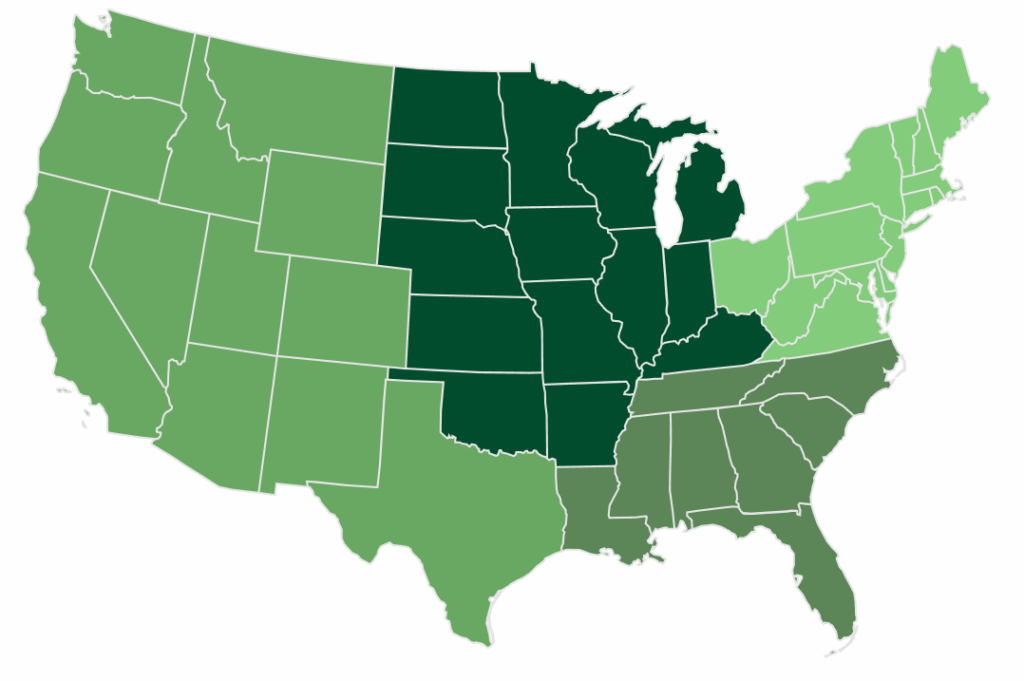
Conservation Across America

TRCP works across the country to ensure hunters and anglers can enjoy healthy fish and wildlife and quality days afield, no matter where they live.

See All Issues
TRCP in Your Region

TRCP works across the country to ensure hunters and anglers can enjoy healthy fish and wildlife and quality days afield, no matter where they live.

Who We Are
Our Mission

To guarantee all Americans quality places to hunt & fish

We unite and amplify our partners’ voices to advance America’s legacy of conservation, habitat, and access.

Our Mission & Values
Our People & Partners
  • Meet the TRCP Team

    Our staff and board members unite and amplify our partners’ voices to advance America’s legacy of conservation, habitat, and access.

    Meet the Team
  • Our Partners

    ‘Partnership’ is in our name. We work with 64 diverse partner groups that represent today’s leading hunting, fishing, and conservation organizations in order to strengthen the sportsman’s voice in Washington, D.C.

    Our Partners
  • Corporate Council

    TRCP’s Corporate Council is made up of diverse corporations that share a common passion for conservation.

    Corporate Council
Our Organization

Looking for more information?

Explore our latest news, policy updates, and conservation resources to get the information you need.

Giving
How You Can Help

To guarantee all Americans quality places to hunt & fish

Your tax-deductible donation will support TRCP's mission, now and into the future.

DONATE
Special Ways to support trcp
  • Capital Conservation Awards Dinner

    The CCAD is one of Washington's best-attended conservation celebrations, featuring dinner, cocktails, and a silent auction.

    Learn More
  • Step Into the Arena

    Help us ensure that our treasured wild habitats and game remain intact for the next generation to enjoy – lend your support to the TRCP’s efforts today!

    Donate
  • Roosevelt Roast

    TRCP has partnered with Afuera Coffee Co. to further our commitment to conservation.

    Learn More
More donation options

Find the best way for you to lend your support. Join one of TRCP’s donor circles for special invitations, premium offerings from outdoor retailers, and more exclusive benefits. Take control of your legacy with planned giving or contribute to special conservation funds.

Other Ways To Give
News
In the Spotlight

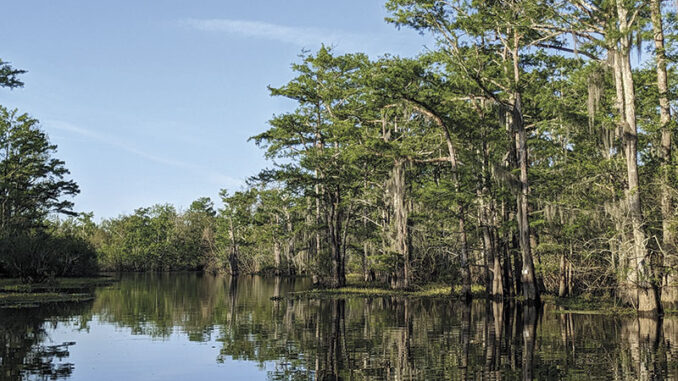
All Eyes On The Atchafalaya Basin

The Lower Mississippi River Comprehensive Management Study moves forward despite slashed budget

Read More

Stay Informed

Receive our newsletter, the Roosevelt Report, right in your inbox. Never miss the latest news in conservation issues.

by:

posted in:

December 4, 2012

Sportsmen: Too Early to Tell With Oil Shale

Oil shale is getting so much attention lately that it’s starting to feel like a cure-all pill for whatever ails us.

Need more energy? Have some oil shale.

Fiscal cliff got you down? How about a little oil shale?

The problem with this assessment is, fundamentally, we’re just not there yet. We have been hearing this same promise for decades. A viable commercial oil shale industry has yet to exist. And as we move forward, oil shale development needs to be done with considerable thought and caution.

Or so say the leaders from some of the nation’s most influential sportsmen’s groups, conservation organizations and scientific societies in a letter sent to Department of the Interior Secretary Ken Salazar last week.

“Research must precede any commercial leasing,” the letter states, “and that research must demonstrate that extraction technologies and mitigation options exist that will protect clean air and water, conserve fish and wildlife, and sustain the economies that depend on those resources.”

To be clear, we are not saying oil shale is bad – the problem is it’s too early to tell. There are significant concerns still associated with oil shale development – concerns like   water supply, water quality and impacts to wildlife populations. They should not be taken lightly.

This is classic, “cart before the horse” type behavior – but it seems the BLM is working to right that situation. Its plan, released in early November, balances acres dedicated to oil shale research with protecting fish and wildlife habitat.

You can make a difference. Speak out on oil shale development today.

Here’s what sportsmen are saying: Go slow. Let’s do this right. Think clearly. Evaluate what we stand to gain against what we could lose. And if we get to a point where oil shale technology is viable and impacts are acceptable, then we can make decisions about when and where. But we’re not there just yet.

This post was written by  Shauna Sherard, communications director at Trout Unlimited and was originally posted on the Sportsmen for Responsible Energy Development blog.

Do you have any thoughts on this post?

XHTML: You can use these tags: <a href="" title=""> <abbr title=""> <acronym title=""> <b> <blockquote cite=""> <cite> <code> <del datetime=""> <em> <i> <q cite=""> <s> <strike> <strong>

Comments must be under 1000 characters.

by:

posted in:

Sportsmen: Too Early to Tell With Oil Shale

Oil shale is getting so much attention lately that it’s starting to feel like a cure-all pill for whatever ails us.

Need more energy? Have some oil shale.

Fiscal cliff got you down? How about a little oil shale?

The problem with this assessment is, fundamentally, we’re just not there yet. We have been hearing this same promise for decades. A viable commercial oil shale industry has yet to exist. And as we move forward, oil shale development needs to be done with considerable thought and caution.

Or so say the leaders from some of the nation’s most influential sportsmen’s groups, conservation organizations and scientific societies in a letter sent to Department of the Interior Secretary Ken Salazar last week.

“Research must precede any commercial leasing,” the letter states, “and that research must demonstrate that extraction technologies and mitigation options exist that will protect clean air and water, conserve fish and wildlife, and sustain the economies that depend on those resources.”

To be clear, we are not saying oil shale is bad – the problem is it’s too early to tell. There are significant concerns still associated with oil shale development – concerns like   water supply, water quality and impacts to wildlife populations. They should not be taken lightly.

This is classic, “cart before the horse” type behavior – but it seems the BLM is working to right that situation. Its plan, released in early November, balances acres dedicated to oil shale research with protecting fish and wildlife habitat.

You can make a difference. Speak out on oil shale development today.

Here’s what sportsmen are saying: Go slow. Let’s do this right. Think clearly. Evaluate what we stand to gain against what we could lose. And if we get to a point where oil shale technology is viable and impacts are acceptable, then we can make decisions about when and where. But we’re not there just yet.

This post was written by  Shauna Sherard, communications director at Trout Unlimited and was originally posted on the Sportsmen for Responsible Energy Development blog.

by:

posted in:

November 28, 2012

Wednesday Win: Caption Contest

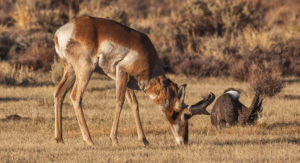
For this week’s “Wednesday Win” we’re holding a caption contest for the photo below. Leave a comment and we’ll pick our favorite on Friday, Nov. 30. The winner will receive a TRCP camo hat.

by:

posted in:

November 27, 2012

Congressional Bickering Leaves Sportsmen in the Lurch

We called the Sportsmen’s Act easy to love for a reason. Until yesterday it appeared that a large majority of lawmakers in Congress agreed.

The bill recognizes the broad economic and social impacts of conservation, improves access for sportsmen and supports habitat conservation. It integrates 17 separate bills, including the Making Public Lands Public Access Act, the Permanent Electronic Duck Stamp Act and the Target Practice and Marksmanship Training Support Act. It also would reauthorize the North American Wetlands Conservation Act and the National Fish and Wildlife Foundation.

Yet the Sportsmen’s Act failed to garner enough support from Senators last night to pass a procedural vote, and thus its prospects of success remain uncertain at best.

Until yesterday’s Senate vote, the Sportsmen’s Act had passed all legislative hurdles with widespread support from both political parties – a rarity in such a divisive political environment. But somehow, even after Americans expressed strong distaste for partisan politics, dysfunctional gridlock returned to Congress.

With their backs up against the so-called fiscal cliff, elected officials from both sides of the aisle locked antlers again. American sportsmen are paying the price.

Hunters and anglers are experiencing the fallout from congressional inaction as access dwindles, development diminishes opportunities for sportsmen and funding for conservation disappears.

More than 91 million U.S. residents fished, hunted or wildlife watched in 2011 – that is more 25 percent of the U.S. population. From big-game hunters in Wyoming to carp fishermen in suburban lakes and everyone in between, we are a force to be reckoned with. And we vote.

A diverse alliance of powerful groups ranging from the National Rifle Association to The Nature Conservancy has joined forces in support of the Sportsmen’s Act. Together, in the spirit of Theodore Roosevelt, we will continue to stand up for sportsmen.

The TRCP and our partners are working with congressional leaders and members of the sporting community to form partnerships on the Hill and in the field that will benefit our sporting traditions for current and future generations.

In the coming days and weeks we will be asking for your voice in this fight. Be ready.

by:

posted in:

November 21, 2012

Wednesday Win: Guess the TRCP’er

We’re throwing some vintage TRCP your way for this week’s Wednesday Win. Check out this blast from the past photo of one of our staffers, and see if you can guess who it is. If you need clues, visit our staff page for a comprehensive list of staff members and current photos. If you answer correctly, you could win a Gigantic Book of Hunting Stories.

Submit your answer via our Facebook page, email us at info@trcp.org or leave a comment on the TRCP Blog. Due to the Thanksgiving holiday, we will announce the winner on Monday, Nov. 26.

HOW YOU CAN HELP

TRCP has partnered with Afuera Coffee Co. to further our commitment to conservation. $4 from each bag is donated to the TRCP, to help continue our efforts of safeguarding critical habitats, productive hunting grounds, and favorite fishing holes for future generations.

Learn More
Subscribe


You have Successfully Subscribed!

You have Successfully Subscribed!

You have Successfully Subscribed!

You have Successfully Subscribed!

You have Successfully Subscribed!