Our Issues
Public Lands
Why It Matters

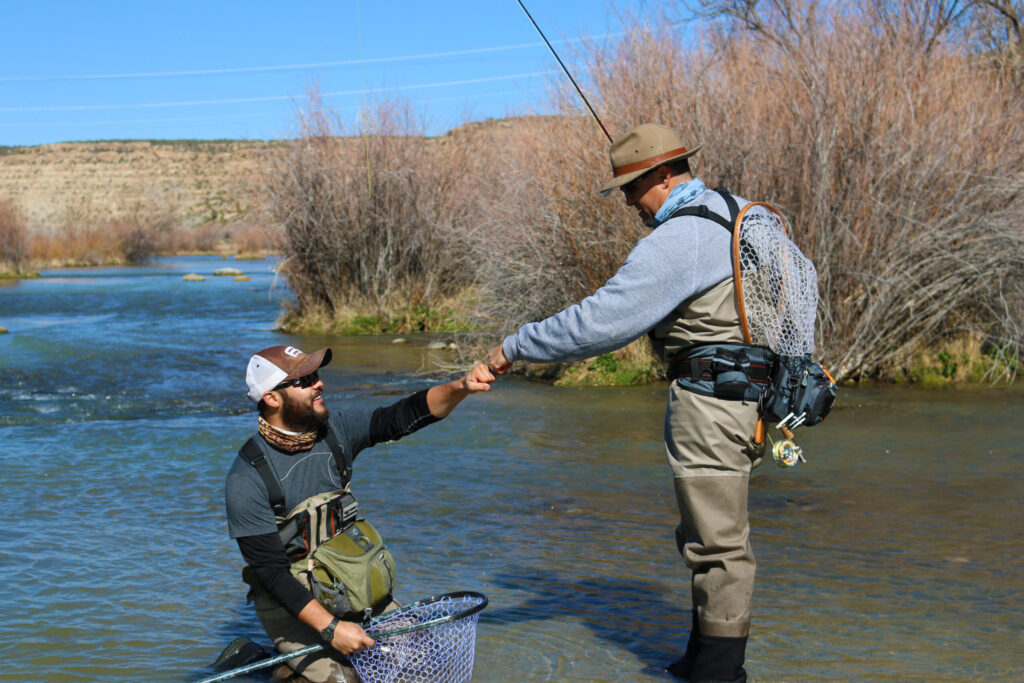
Hunting & Fishing Access

America’s 640 million acres of national public lands provide irreplaceable hunting and fishing opportunities to millions of Americans.

Learn More About Access
What TRCP is Doing

We’re working to safeguard America’s public lands so hunters and anglers always have quality places to pursue their passions.
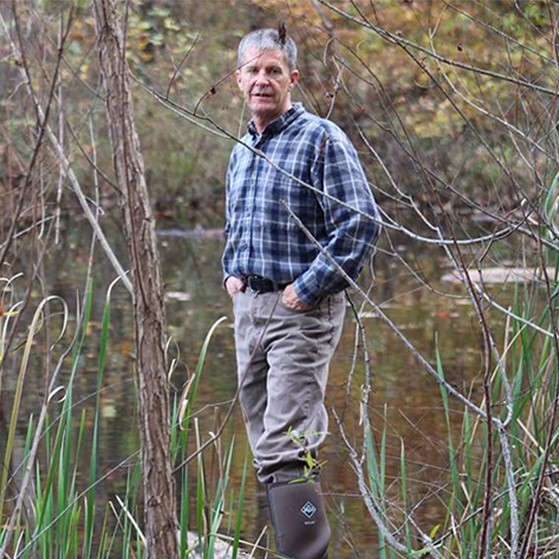
 Brian Flynn, Two Wolf Foundation
How Sportsmen Are Doing It Right

Brian Flynn, Two Wolf Foundation's Story

Following a distinguished career in the U.S. Army, lifelong outdoorsman Brian Flynn returned home from a deployment in Afghanistan and…

Hunting
Why It Matters

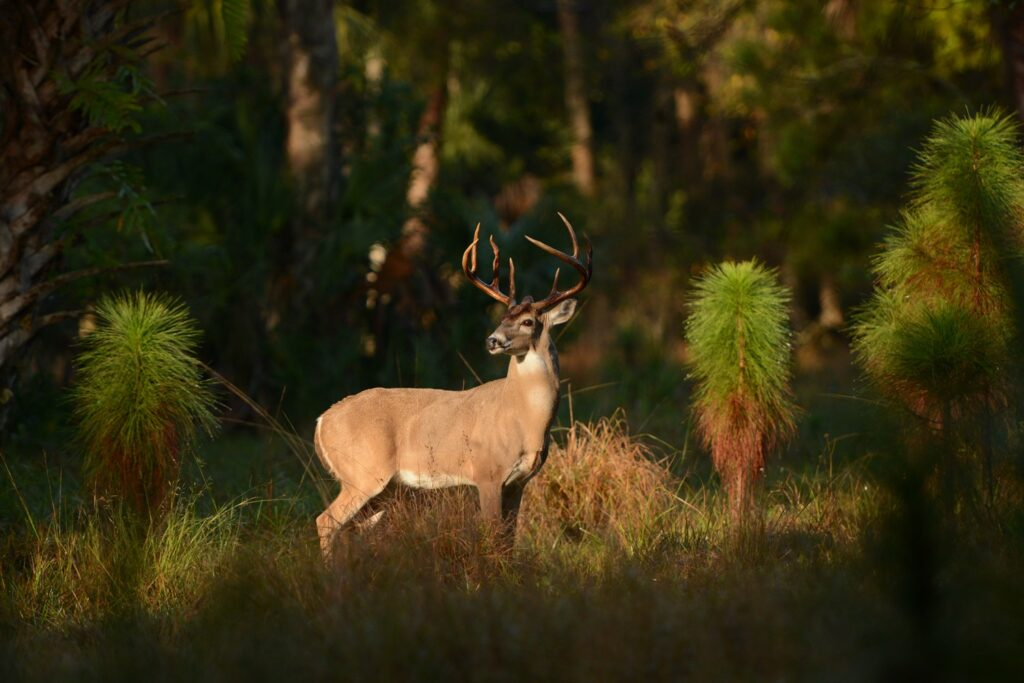
Key Issues for America’s Hunters

Your source for the latest policy updates, conservation challenges, and opportunities shaping America’s hunting traditions.

What TRCP is Doing

We’re fighting for meaningful policy changes that benefit wildlife, our waters, and the American landscapes that make our outdoor traditions possible.

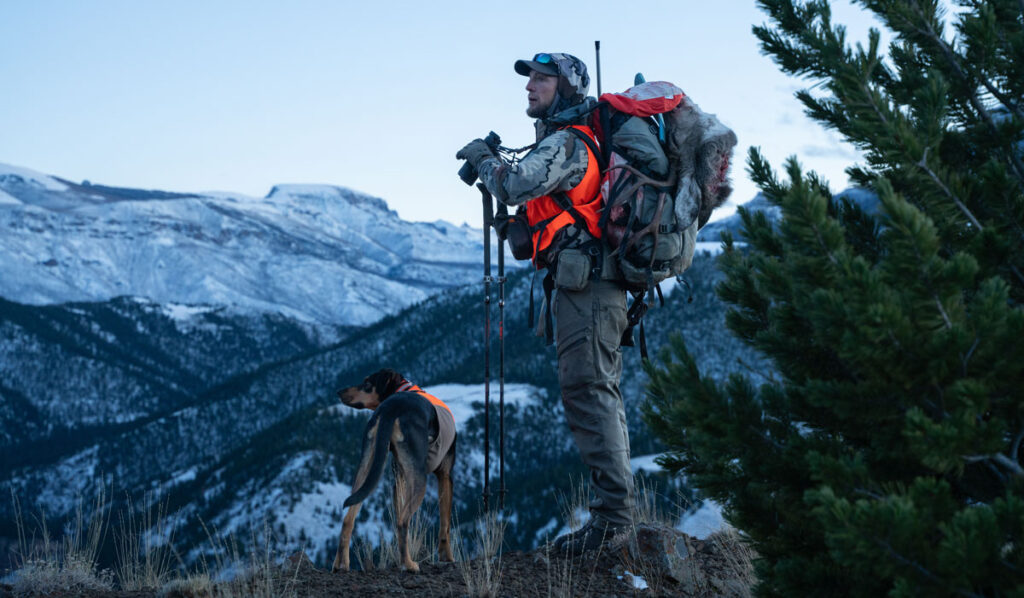
 Ryan Sparks
How Sportsmen Are Doing It Right

Ryan Sparks's Story

TRCP’s “In the Arena” series highlights the individual voices of hunters and anglers who, as Theodore Roosevelt so famously said,…

Fishing
Why It Matters

Key Issues for America’s Anglers

Your source for the latest policy updates, conservation challenges, and opportunities shaping America’s fishing traditions.

What TRCP is Doing

We’re fighting for meaningful policy changes that benefit wildlife, our waters, and the American landscapes that make our outdoor traditions possible.

 David Mangum
How Sportsmen Are Doing It Right

David Mangum's Story

Capt. David Mangum is a YETI ambassador and outdoor photographer who utilizes his talents to produce media that inspire a…

Private Land
Why It Matters

Stewardship on America’s private lands

With 70 percent of U.S. lands in private hands and many of our best hunt and fish opportunities occurring there, investing in voluntary conservation on working lands safeguards access, strengthens habitat and water quality, and ensures resilient landscapes.

Learn More
What TRCP is Doing

We champion policies and programs that restore wildlife habitat, improve soil and water health, and keep working lands productive.

 Ward Burton
How Sportsmen are Doing It Right

Ward Burton's Story

Ward Burton’s NASCAR driving career stretched across most of two decades. As an avid sportsman and conservationist, he founded the…

Special Places
Why It Matters

Special Places Worth Protecting

America’s most iconic landscapes provide unmatched habitat and unforgettable days afield. These places sustain wildlife, anchor local economies, and define the hunting and fishing traditions we pass down.

What TRCP is Doing

We’re working to conserve special places that provide world-class habitat and unforgettable opportunities for hunters and anglers.

 Franklin Adams
How Sportsmen Are Doing It Right

Franklin Adams's Story

As a true Gladesman, conservationist, and historian, Capt. Franklin Adams has spent more than six decades championing Everglades restoration efforts…

Habitat & Clean Water
Why It Matters

Healthy Habitat Powers Every Pursuit

All hunting and fishing opportunities depend on quality habitat, from clean water and healthy wetlands to winter and summer habitats and the migration corridors that connect them.

All About Habitat & Clean Water
What TRCP is Doing

We are working to safeguard the habitats that power every hunting and fishing opportunity.

 Alex Harvey
How Sportsmen Are Doing It Right

Alex Harvey's Story

Alex Harvey, founder of Legacy Land Management, is a registered professional forester in Mississippi and Alabama with a Master's degree…

Science
Why It Matters

Science That Guides TRCP

From conserving migration corridors and wetlands to ensuring clean water and resilient landscapes, science provides evidence that turns conservation goals into effective action.

Science for Conservation
What TRCP is Doing

For hunters and anglers, science safeguards the experiences we treasure including resilient big game populations, abundant fish, and wild places that endure changing social landscapes.

Jamelle Ellis
Your Science Expert

Jamelle Ellis's Story

Jamelle Ellis joined the Theodore Roosevelt Conservation Partnership in 2022. Jamelle spent the last three years as an environmental sustainability…

Where We Work
Across the Nation

Conservation Across America

TRCP works across the country to ensure hunters and anglers can enjoy healthy fish and wildlife and quality days afield, no matter where they live.

See All Issues
TRCP in Your Region

TRCP works across the country to ensure hunters and anglers can enjoy healthy fish and wildlife and quality days afield, no matter where they live.

Who We Are
Our Mission

To guarantee all Americans quality places to hunt & fish

We unite and amplify our partners’ voices to advance America’s legacy of conservation, habitat, and access.

Our Mission & Values
Our People & Partners
  • Meet the TRCP Team

    Our staff and board members unite and amplify our partners’ voices to advance America’s legacy of conservation, habitat, and access.

    Meet the Team
  • Our Partners

    ‘Partnership’ is in our name. We work with 64 diverse partner groups that represent today’s leading hunting, fishing, and conservation organizations in order to strengthen the sportsman’s voice in Washington, D.C.

    Our Partners
  • Corporate Council

    TRCP’s Corporate Council is made up of diverse corporations that share a common passion for conservation.

    Corporate Council
Our Organization

Looking for more information?

Explore our latest news, policy updates, and conservation resources to get the information you need.

Giving
How You Can Help

To guarantee all Americans quality places to hunt & fish

Your tax-deductible donation will support TRCP's mission, now and into the future.

DONATE
Special Ways to support trcp
  • Capital Conservation Awards Dinner

    The CCAD is one of Washington's best-attended conservation celebrations, featuring dinner, cocktails, and a silent auction.

    Learn More
  • Step Into the Arena

    Help us ensure that our treasured wild habitats and game remain intact for the next generation to enjoy – lend your support to the TRCP’s efforts today!

    Donate
  • Roosevelt Roast

    TRCP has partnered with Afuera Coffee Co. to further our commitment to conservation.

    Learn More
More donation options

Find the best way for you to lend your support. Join one of TRCP’s donor circles for special invitations, premium offerings from outdoor retailers, and more exclusive benefits. Take control of your legacy with planned giving or contribute to special conservation funds.

Other Ways To Give
News
In the Spotlight

All Eyes On The Atchafalaya Basin

The Lower Mississippi River Comprehensive Management Study moves forward despite slashed budget

Read More

Stay Informed

Receive our newsletter, the Roosevelt Report, right in your inbox. Never miss the latest news in conservation issues.

by:

posted in:

April 18, 2010

Remembering T.R.’s legacy

A few years back, the late Jim Range and I were trout fishing with Theodore “Ted” Roosevelt IV in Montana. After a morning of fishing in the sun, we found ourselves some shade and began to shoot the breeze. With our backs against a big hay bale, we fell into a conversation about Ted’s illustrious great-grandfather.

“Aren’t we all so fortunate that T.R. set aside 230 million acres of public land for the American people?” I said after a bit.

Before I could continue Ted added, “Yes, and he should have set aside even more!” I was taken aback by his comment and couldn’t help but think that T.R. was speaking through his great-grandson. I don’t believe in challenging spirits from the great beyond, and clearly, conservation is part of the Roosevelt DNA, so I remained silent and thought to myself, ‘the apple doesn’t fall far from the tree, now does it?’

I was reminded of that conversation the other day while reading Douglas Brinkley’s book, The Wilderness Warrior, a biography of our 26th president. In the book, Brinkley outlines why Roosevelt often is called the “father of conservation.” During his tenure in office, T.R. set aside or enlarged 150 national forests. He established 51 federal bird preserves, 18 national monuments, five national parks and four national game preserves. As is always the case when I revisit his record, I was in awe and doubly grateful for the legacy T.R. left us all.

Before closing the book, my thoughts drifted back to that warm afternoon in Montana. Ted had made another statement that has stuck with me since that day.

“I believe, as do some historians,” he said, “that if my great grandfather was elected president again in 1912 there would not have been a World War I.

We will never know exactly how many acres of land T.R. may have given us or how many soldiers may have been spared had the old Bull Moose prevailed in the 1912 election. What we can see, however, is the power that one man can have to affect the entire course of history. And in T.R.’s case, we are thankful and proud of this legacy.

Do you have any thoughts on this post?

XHTML: You can use these tags: <a href="" title=""> <abbr title=""> <acronym title=""> <b> <blockquote cite=""> <cite> <code> <del datetime=""> <em> <i> <q cite=""> <s> <strike> <strong>

Comments must be under 1000 characters.

by:

posted in:

April 14, 2010

Ron Regan

Ron Regan Executive Director Association of Fish and Wildlife Agencies Q: How did you get into hunting and fishing?

I grewup in a small town in Vermont near Lake Champlain, and outdoor opportunities beckoned constantly. I had an uncle who was an avid sportsman, and he was my gateway to hunting and fishing. My uncle helped me buy my first firearm, a .410-caliber shotgun, and took me bird, squirrel, rabbit and deer hunting whenever possible. He loved ice fishing, and we did that together as well.

Q: What led you to your career in conservation?

That’s easy to answer – my time outdoors led to a passion for nature, wildlife and conservation. When I learned it was possible to go to college to study such things, my career path was clear. After I graduated from the University of Vermont with a degree in wildlife biology, I began what would become a 26-year career with the Vermont Fish and Wildlife Department. I have never regretted this career choice.

Q: How did you get involved with the TRCP?

I moved to Washington, D.C., three years ago to begin work with the Association of Fish and Wildlife Agencies. A large portion of my job duties focused on fisheries management. At some point, [TRCP Director of Policy and Government Relations] Tom Franklin asked me if I would chair TRCP’s Marine Fisheries Working Group, and I said yes.

Q: What do you think the most important conservation issues facing sportsmen are today?

Three issues immediately come to mind. The first one is habitat loss – development, energy transmission and climate change impacts are stressors of great magnitude on habitat quality. This in turn impacts the health, abundance and distribution of fish and wildlife resources. The second issue is access to hunting and fishing; habitat fragmentation, posted land and even competition for access on public land are making it difficult for hunters and anglers to get afield. Finally, state fish and wildlife agencies are the stewards of all fish and wildlife resources. The challenges facing these agencies are huge, and funding is stable at best. Sportsmen need to support new and broader funding for state agencies so our treasured resources remain sustainable and accessible in the future.

Q: What are your hopes for the future of the TRCP?

This is an important time for TRCP’s future, with the search for a new president and CEO. I look forward to serving on the TRCP board of directors to help shape that future and to define a conservation policy niche on behalf of hunters and anglers.

by:

posted in:

March 19, 2010

March Photo of the Month

Tom Trotter holds a rooster fish he caught while fishing in Costa Rica. Photo courtesy of Tom Trotter. Send your photos to cduxbury@trcp.org.

by:

posted in:

March 18, 2010

John F. Lacey, Theodore Roosevelt’s Right-Hand Man

John F. Lacey co-authored the Antiquities Act, which set aside such iconic landscapes as the Grand Canyon. Photo courtesy of Library of Congress.

Theodore Roosevelt, the energetic, perpetual-motion machine, once was characterized as “pure act” and was described by his daughter Alice as “always wanting to be the bride at every wedding and corpse at every funeral.” There’s no doubt the man craved attention but not so much so that he was loathe to ask for help, especially when it came to the conservation agenda he set for himself. Luckily for Roosevelt, he had Iowa Congressman John F. Lacey at his side.

T.R.’s association with Lacey began years before his rise to the presidency. Lacey was a member of the Boone & Crockett Club, founded by T.R. and George Bird Grinnell in 1887. In 1894, after years of working to protect Yellowstone National Park’s wildlife, a bison poaching incident in the park created a public outcry. Within a week, Lacey introduced a bill in the U.S. House of Representatives to give the Department of the Interior authority to arrest and prosecute lawbreakers in the park and protect Yellowstone’s wildlife. In matter of days, the legislation passed both houses of Congress and was signed into law by President Cleveland.

In 1900 after much consideration, debate and delay, the Lacey Act was passed. The act outlawed market hunting and the interstate shipments of plants, wildlife and wildlife parts, particularly those that were illegally taken, possessed, transported or sold. If the Lacey Act and corresponding state laws had not been enacted, numerous fish and wildlife species would have faced extinction.

Not until 1906, when Roosevelt was president and busy establishing America’s great public lands, was he met with heavy resistance from special interest groups and Congress itself. Lacey and Edgar Lee Hewett stepped up to the plate and authored what would become known as the Antiquities Act. Essentially, the act gave Roosevelt the power to conserve lands without congressional approval. Roosevelt relished that authority and, thankfully for future generations, set aside iconic landscapes such as the Grand Canyon, which at the time was being eyed by mining and other natural resource extraction interests that hoped to exploit the “Big Ditch.”

Lacey lost his congressional seat in the fall elections that year after serving eight terms. Following Lacey’s loss, T.R. offered him a seat in his cabinet or an ambassadorship. Lacey passed on Roosevelt’s offer and returned to Iowa to practice law, a path he pursued until his death in 1913.

Unlike Theodore Roosevelt, John F. Lacey never seemed to care about the limelight. As a result, he probably would have ended up in the dust bin of history, were it not for his connection to the Lacey Act.

by:

posted in:

March 15, 2010

T.R.ivia

Q. How many acres of public lands – forests, parks, monuments and refuges – did T.R. conserve during his presidency?

Send your answer to cduxbury@trcp.org for your chance to win a navy blue T.R. Sesquicentennial hat.

Congratulations to Lex Morgan for answering last month’s TR i.v.i.a. question correctly. Morgan, a 63-year-old electronic field service engineer from Bryan, Texas, first learned about the TRCP while watching an episode of “Escape to the Wild” and joined right away.

“I believe in the principles of conservation promoted by the Partnership and the ‘Square Deal’ espoused by T.R.,” said Morgan. “Since joining I have made somewhat of a hobby of studying T.R.’s life, and the more I learn, the more I am amazed that the man packed such a robust life into 60 short years.”

HOW YOU CAN HELP

TRCP has partnered with Afuera Coffee Co. to further our commitment to conservation. $4 from each bag is donated to the TRCP, to help continue our efforts of safeguarding critical habitats, productive hunting grounds, and favorite fishing holes for future generations.

Learn More
Subscribe


You have Successfully Subscribed!

You have Successfully Subscribed!

You have Successfully Subscribed!

You have Successfully Subscribed!

You have Successfully Subscribed!