Our Issues
Public Lands
Why It Matters

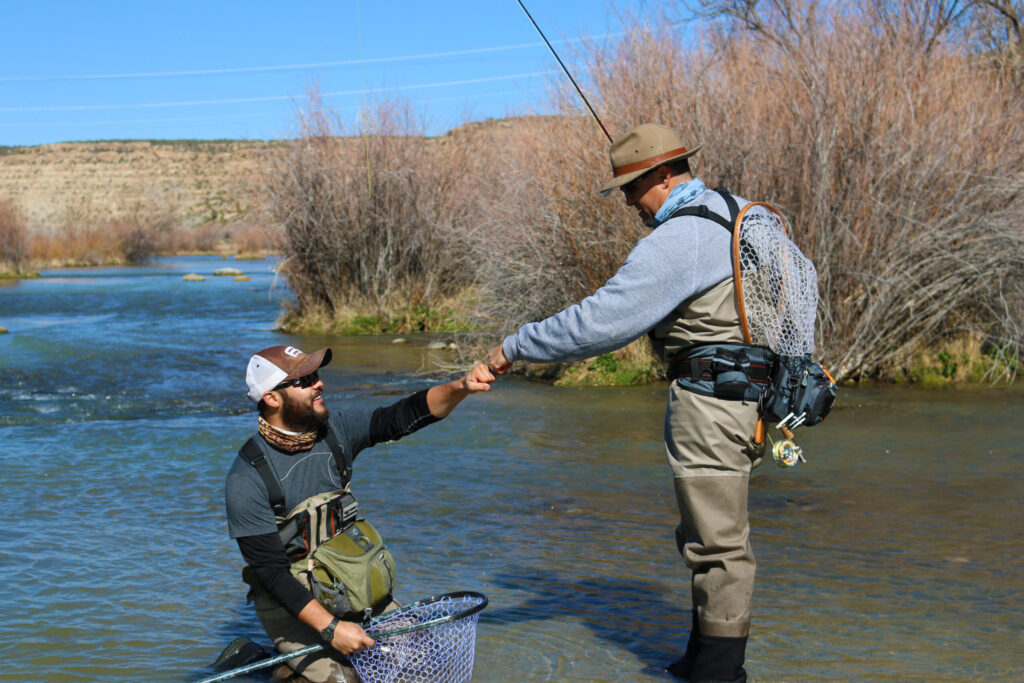
Hunting & Fishing Access

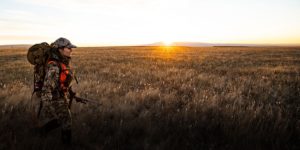
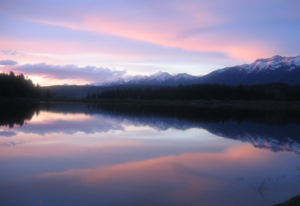
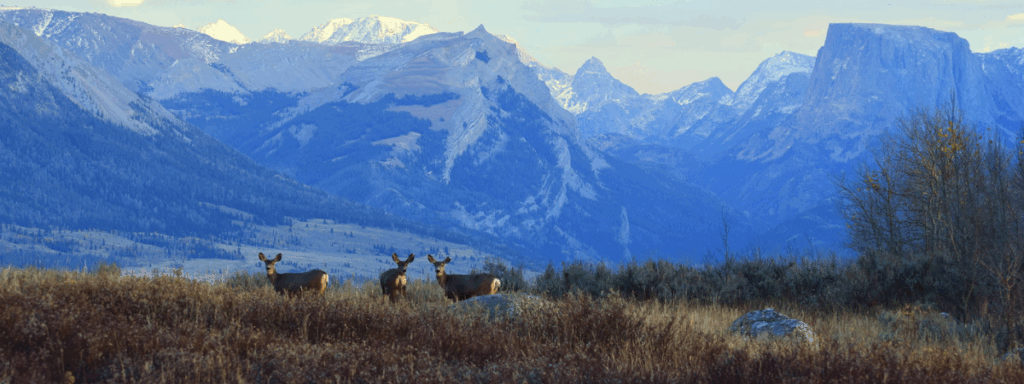
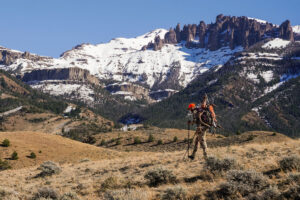
America’s 640 million acres of national public lands provide irreplaceable hunting and fishing opportunities to millions of Americans.

Learn More About Access
What TRCP is Doing

We’re working to safeguard America’s public lands so hunters and anglers always have quality places to pursue their passions.

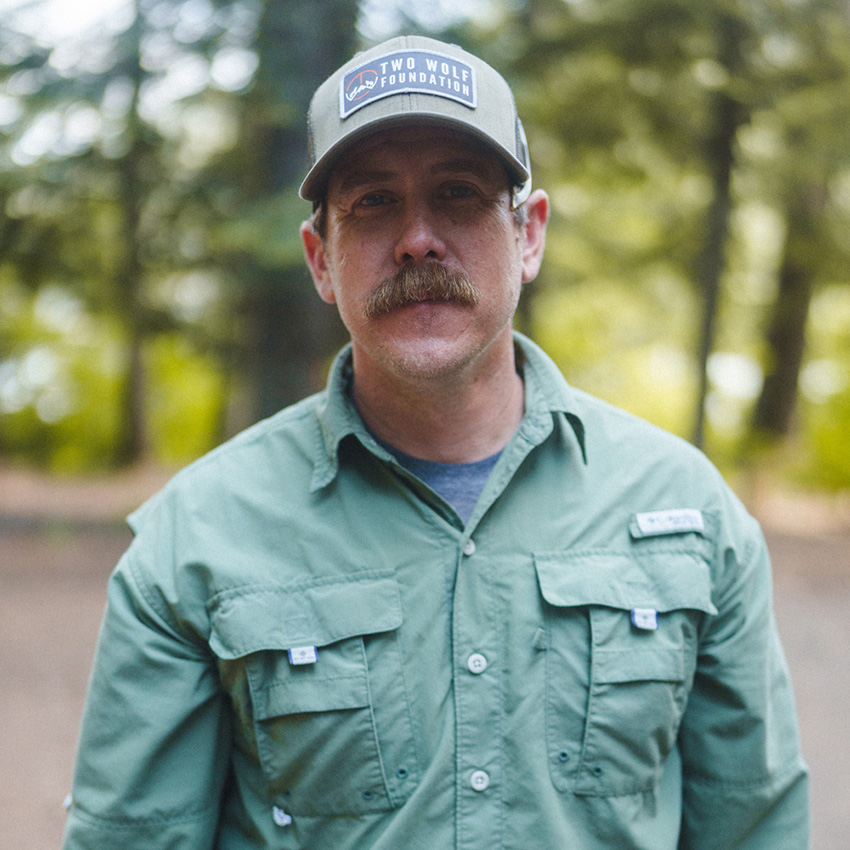
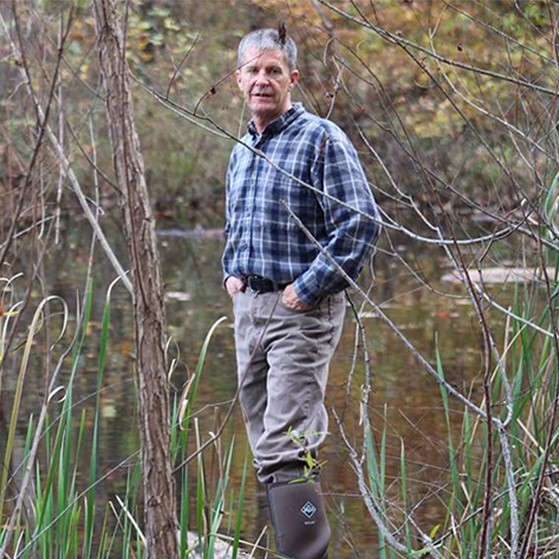
 Brian Flynn, Two Wolf Foundation
How Sportsmen Are Doing It Right

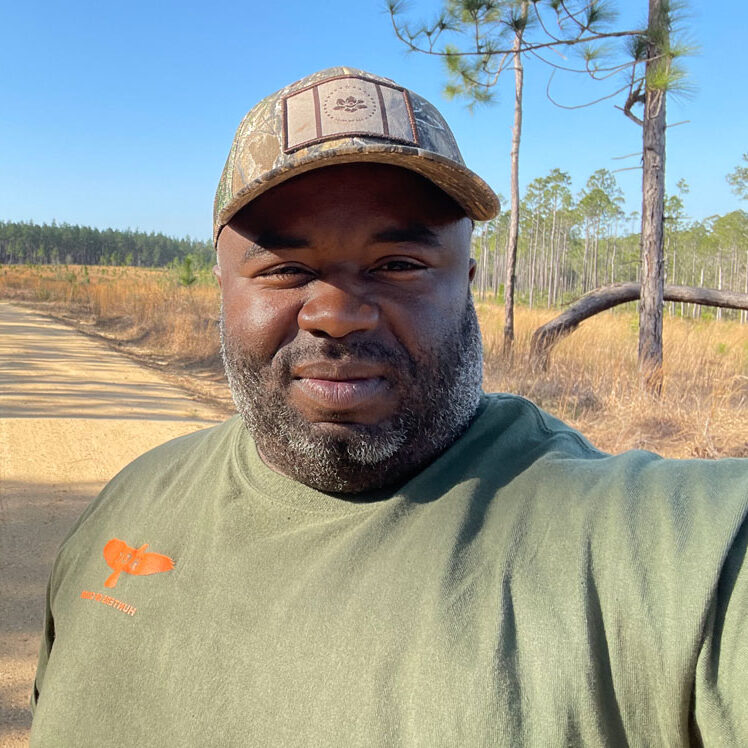
Brian Flynn, Two Wolf Foundation's Story

Following a distinguished career in the U.S. Army, lifelong outdoorsman Brian Flynn returned home from a deployment in Afghanistan and…


Hunting
Why It Matters

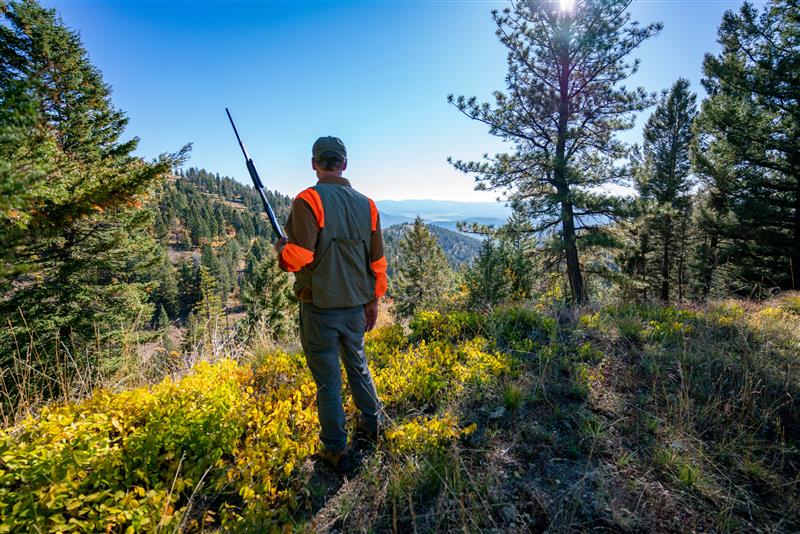
Key Issues for America’s Hunters

Your source for the latest policy updates, conservation challenges, and opportunities shaping America’s hunting traditions.

What TRCP is Doing

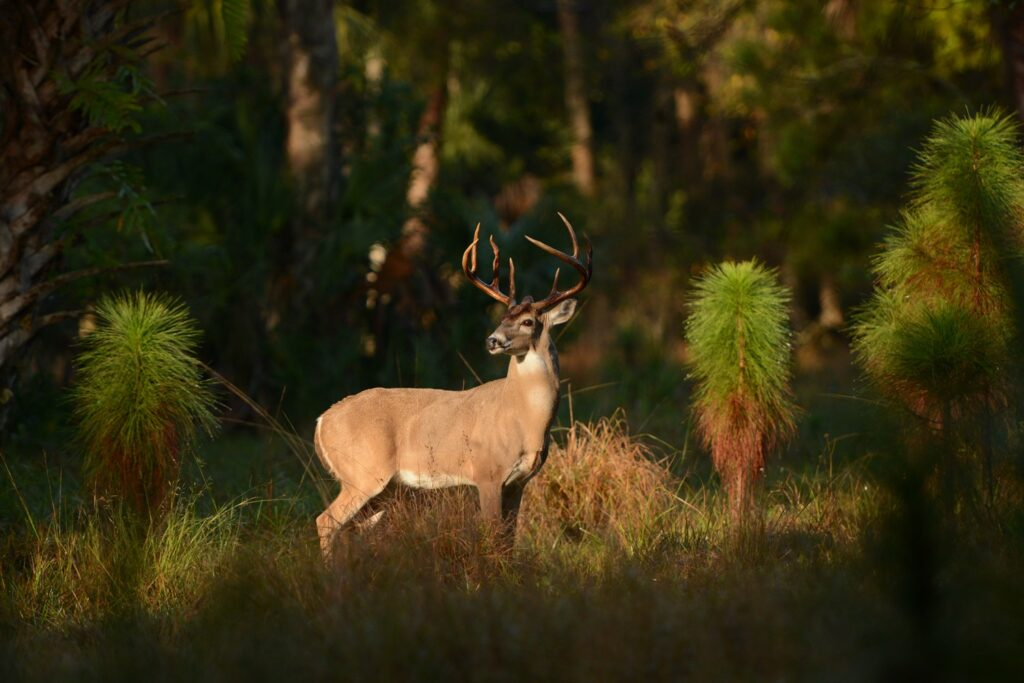
We’re fighting for meaningful policy changes that benefit wildlife, our waters, and the American landscapes that make our outdoor traditions possible.

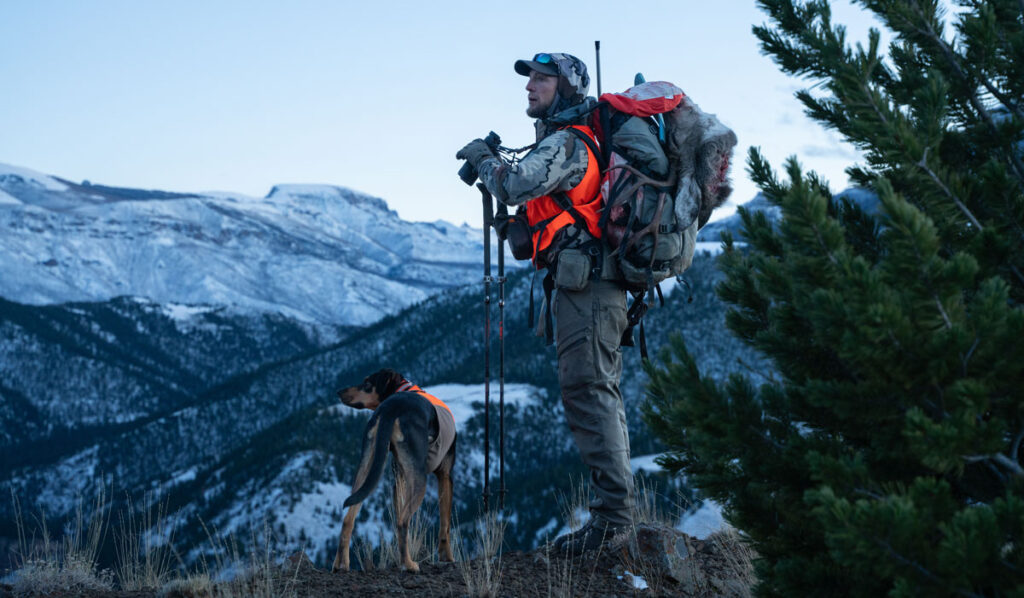
 Ryan Sparks
How Sportsmen Are Doing It Right

Ryan Sparks's Story

TRCP’s “In the Arena” series highlights the individual voices of hunters and anglers who, as Theodore Roosevelt so famously said,…
Fishing
Why It Matters

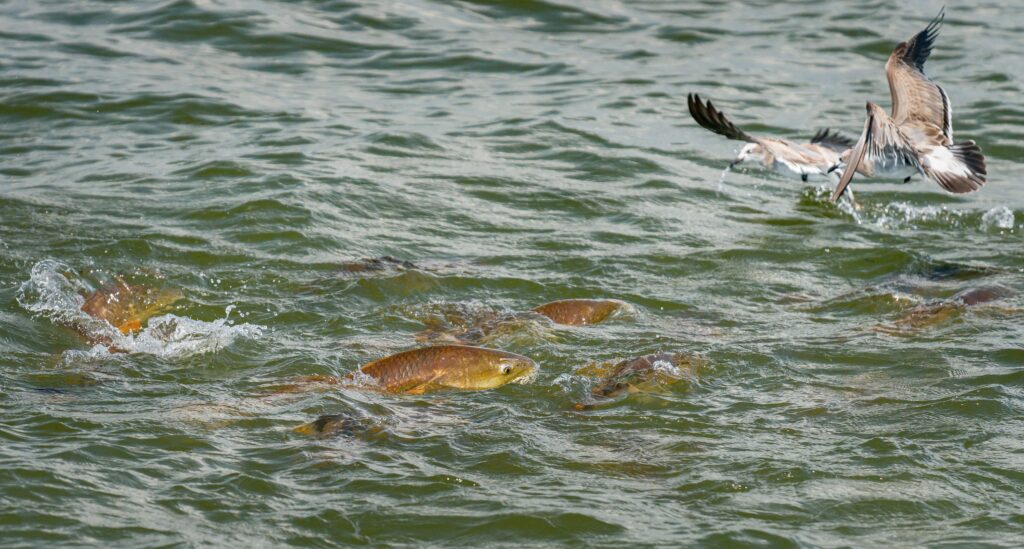
Key Issues for America’s Anglers

Your source for the latest policy updates, conservation challenges, and opportunities shaping America’s fishing traditions.

What TRCP is Doing

We’re fighting for meaningful policy changes that benefit wildlife, our waters, and the American landscapes that make our outdoor traditions possible.

 David Mangum
How Sportsmen Are Doing It Right

David Mangum's Story

Capt. David Mangum is a YETI ambassador and outdoor photographer who utilizes his talents to produce media that inspire a…

Private Land
Why It Matters

Stewardship on America’s private lands

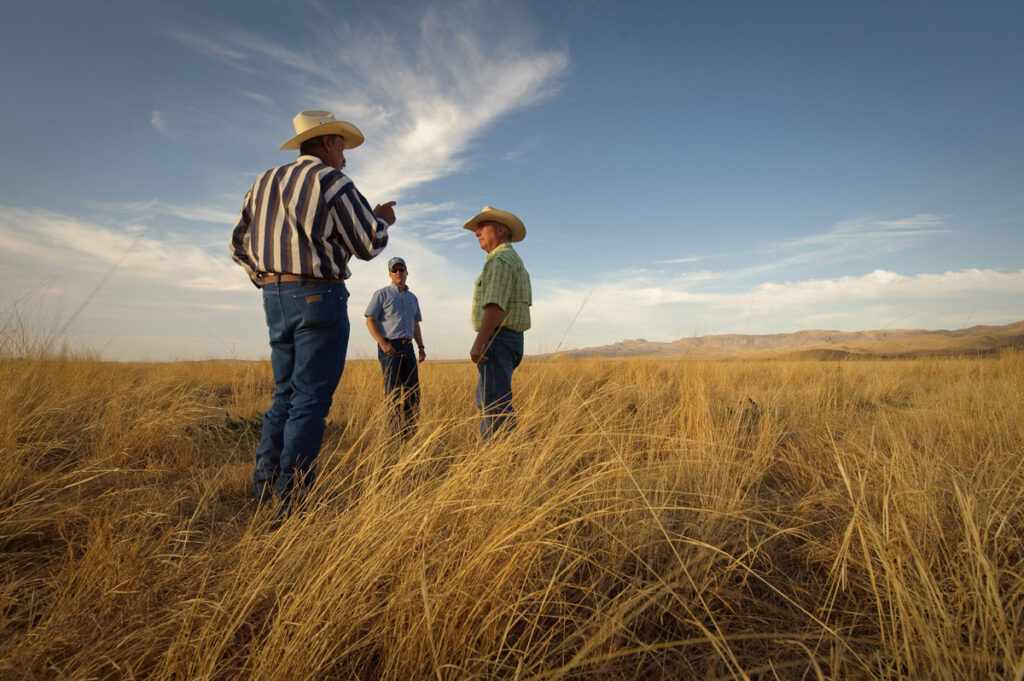
With 70 percent of U.S. lands in private hands and many of our best hunt and fish opportunities occurring there, investing in voluntary conservation on working lands safeguards access, strengthens habitat and water quality, and ensures resilient landscapes.

Learn More
What TRCP is Doing

We champion policies and programs that restore wildlife habitat, improve soil and water health, and keep working lands productive.

 Ward Burton
How Sportsmen are Doing It Right

Ward Burton's Story

Ward Burton’s NASCAR driving career stretched across most of two decades. As an avid sportsman and conservationist, he founded the…

Special Places
Why It Matters

Special Places Worth Protecting

America’s most iconic landscapes provide unmatched habitat and unforgettable days afield. These places sustain wildlife, anchor local economies, and define the hunting and fishing traditions we pass down.

What TRCP is Doing

We’re working to conserve special places that provide world-class habitat and unforgettable opportunities for hunters and anglers.

 Franklin Adams
How Sportsmen Are Doing It Right

Franklin Adams's Story

As a true Gladesman, conservationist, and historian, Capt. Franklin Adams has spent more than six decades championing Everglades restoration efforts…

Habitat & Clean Water
Why It Matters

Healthy Habitat Powers Every Pursuit

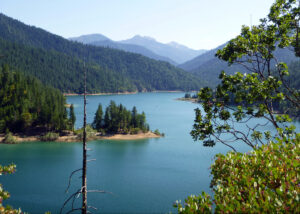
All hunting and fishing opportunities depend on quality habitat, from clean water and healthy wetlands to winter and summer habitats and the migration corridors that connect them.

All About Habitat & Clean Water
What TRCP is Doing

We are working to safeguard the habitats that power every hunting and fishing opportunity.

 Alex Harvey
How Sportsmen Are Doing It Right

Alex Harvey's Story

Alex Harvey, founder of Legacy Land Management, is a registered professional forester in Mississippi and Alabama with a Master's degree…

Science
Why It Matters

Science That Guides TRCP

From conserving migration corridors and wetlands to ensuring clean water and resilient landscapes, science provides evidence that turns conservation goals into effective action.

Science for Conservation
What TRCP is Doing

For hunters and anglers, science safeguards the experiences we treasure including resilient big game populations, abundant fish, and wild places that endure changing social landscapes.

Jamelle Ellis
Your Science Expert

Jamelle Ellis's Story

Jamelle Ellis joined the Theodore Roosevelt Conservation Partnership in 2022. Jamelle spent the last three years as an environmental sustainability…

Where We Work
Across the Nation

Conservation Across America

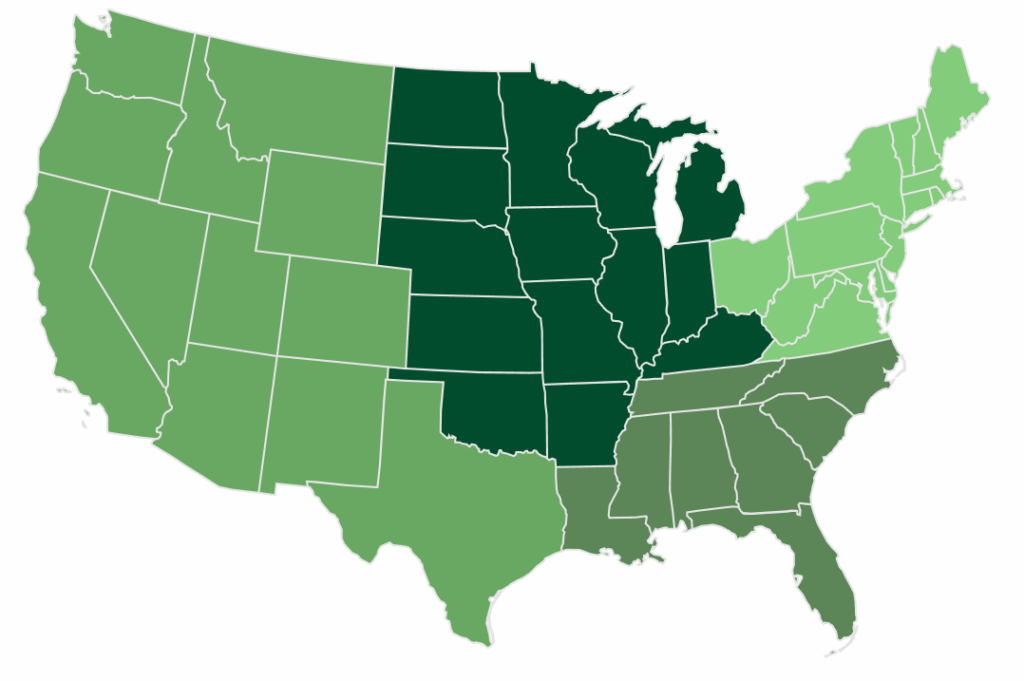
TRCP works across the country to ensure hunters and anglers can enjoy healthy fish and wildlife and quality days afield, no matter where they live.

See All Issues
TRCP in Your Region

TRCP works across the country to ensure hunters and anglers can enjoy healthy fish and wildlife and quality days afield, no matter where they live.

Who We Are
Our Mission

To guarantee all Americans quality places to hunt & fish

We unite and amplify our partners’ voices to advance America’s legacy of conservation, habitat, and access.

Our Mission & Values
Our People & Partners
  • Meet the TRCP Team

    Our staff and board members unite and amplify our partners’ voices to advance America’s legacy of conservation, habitat, and access.

    Meet the Team
  • Our Partners

    ‘Partnership’ is in our name. We work with 64 diverse partner groups that represent today’s leading hunting, fishing, and conservation organizations in order to strengthen the sportsman’s voice in Washington, D.C.

    Our Partners
  • Corporate Council

    TRCP’s Corporate Council is made up of diverse corporations that share a common passion for conservation.

    Corporate Council
Our Organization

Looking for more information?

Explore our latest news, policy updates, and conservation resources to get the information you need.

Giving
How You Can Help

To guarantee all Americans quality places to hunt & fish

Your tax-deductible donation will support TRCP's mission, now and into the future.

DONATE
Special Ways to support trcp
  • Capital Conservation Awards Dinner

    The CCAD is one of Washington's best-attended conservation celebrations, featuring dinner, cocktails, and a silent auction.

    Learn More
  • Step Into the Arena

    Help us ensure that our treasured wild habitats and game remain intact for the next generation to enjoy – lend your support to the TRCP’s efforts today!

    Donate
  • Roosevelt Roast

    TRCP has partnered with Afuera Coffee Co. to further our commitment to conservation.

    Learn More
More donation options

Find the best way for you to lend your support. Join one of TRCP’s donor circles for special invitations, premium offerings from outdoor retailers, and more exclusive benefits. Take control of your legacy with planned giving or contribute to special conservation funds.

Other Ways To Give
News
In the Spotlight

House Agriculture Committee Chairman GT Thompson Introduces Farm Bill Proposal 

Hunters and anglers depend on strong Conservation and Forestry Titles, and TRCP will closely evaluate the bill's impacts as it moves forward.

Read More

Stay Informed

Receive our newsletter, the Roosevelt Report, right in your inbox. Never miss the latest news in conservation issues.

by:

posted in:

October 27, 2016

by:

posted in:

We’ve Bagged the Big One Four Years in a Row

We’re pretty proud of our 4×4—that’s four stars from the largest charity evaluator for each of the last four years—and the track record that means you can trust us to reach conservation goals with your donations

As sportsmen and women across the country celebrate an abundant fall hunting and fishing season, the Theodore Roosevelt Conservation Partnership is celebrating its fourth consecutive 4-star rating from Charity Navigator—that’s the highest possible rating awarded by the nation’s largest independent charity evaluator.

This four-time recognition for our financial health, accountability, and transparency puts the TRCP in the top 10 percent of American charities rated.

In a letter, Charity Navigator president and CEO Michael Thatcher says this designation indicates that the TRCP not only “executes its mission in a financially efficient way,” but also “exceeds industry standards and outperforms most charities” in our area of work. Learn more about our rating here and see our financials here.

“We’re very proud to lay all our cards on the table, remain transparent about how we use donations and grants in service of our conservation mission, and be deemed trustworthy and effective by American hunters and anglers,” says Whit Fosburgh, president and CEO of the Theodore Roosevelt Conservation Partnership, which details its accomplishments for fiscal year 2015 in its latest Annual Report. “There is no higher honor than being entrusted with your hard-earned money or confidence in our ability to bring the voices of sportsmen and women to Washington, D.C., where we will continue to strive for conservation success.”

Learn how you can help the TRCP guarantee all Americans quality places to hunt and fish by clicking here.

Or take action for conservation right now.

by:

posted in:

October 26, 2016

Main Call To Action Form

by:

posted in:

There’s More Than One Way to Build a Marsh (and We Need Both)

To combat the world’s worst bout of wetland loss, we can’t afford to use just some of the tools available—especially when you look at where marsh projects will be in 50 years 

To dredge or to divert?

That is the question many South Louisianans have asked over the last decade when considering the best approach to restoring and sustaining the imperiled wetlands of the Mississippi River Delta. Some residents, whose livelihoods depend on marine fisheries or a certain way of life, call for one solution over the other, but this has never been an either/or scenario for most coastal engineers and wetland ecologists trying to solve the world’s greatest wetland-loss problem. Here’s why.

Scaling Up Sediment Success

To give this world-class fish and wildlife habitat a fighting chance, it has always been recommended to combine approaches. Water containing floating sediment needs to be diverted from the Mississippi River into adjacent wetlands through gates built in the levees that protect New Orleans and communities north and south from floodwaters. At the same time, marshes, ridges, and barrier islands need to be rebuilt with sediment dredged from the Mississippi and other waterways.

However, some coastal residents have argued strongly against the diversions. Many of them are commercial fishermen, who are worried that redirecting freshwater into coastal estuaries will displace the shrimp and oysters they depend on for their livelihoods. They contend diversions are too expensive to construct and they don’t build land as fast as dredging. The toll that freshwater could have on their businesses means dredge pipes—and only dredge pipes—are the way to go.

Those arguing against diversions often look past the fact that in the handful of areas where the river is currently spilling into estuaries—the shallow lakes, bays, and marshes home to redfish, bass, speckled trout, countless forage fish, and wintering waterfowl—it is already building new land by dropping essential sediment into existing wetlands. In some places, that land-building process has been aided by the construction of small islands or a series of terraces, piles of sediment built to break wave action and encourage vegetation growth, placed in the diversion outfall areas to slow water flow and help the sediment drop out quicker.

Now, the engineers and wetlands experts preparing to build Louisiana’s largest controlled diversions are using these small-scale successes as a model for large-scale success upriver.

Borrowed Building Materials

Diversion designers and planners with Louisiana’s Coastal Protection and Restoration Authority (CPRA) have identified a dozen areas in the Mississippi River channel where sediment can be dredged and used to build land. A dredge in the river picks up sediment from “borrow areas,” then pipes and booster pumps move the material as far as 20 miles or more to build new marsh. The holes created by dredging the material are filled in again in as little as five years with additional sediment coming down river.

Many of the borrow areas are close enough to where diversions will be flowing into degraded marshes to allow for terrace construction in advance of diversion operation. The terraces can then help slow the river water coming from the diversion, causing the sediment to drop out quicker. Advanced modeling and historical analysis of river conditions has also helped planners determine the times of the year and flow rates when peak sediment loads are in the river, giving them a better idea of when the river’s land-building capacity is at its best. In general, those peak sediment events occur in the winter when the basins adjacent to the river have their lowest water levels.

Opening diversions at these peak conditions, combined with the construction of wave-breaking terraces, would maximize land building, while minimizing freshwater inundation and the impact to many saltwater species of fish and crustaceans.

Furthermore, when vegetation and marshes build on the terraces, those diversions will help them survive longer. Models show that subsidence—the natural sinking of land—and sea-level rise will work together to submerge those marshes built with no diversion near to supply sediment within 30 years. However, projects built in conjunction with diversion to feed sediment into the system are able to stay above the water line beyond 50 years, which is the furthest into the future that models can predict, according to CPRA officials.

Using diversions to deliver sediment into adjacent wetlands will always be part of any realistic approach to sustaining the Mississippi River Delta. It’s a reality that even the staunchest diversion opponents can’t change or escape. By using dredged sediment to build land in combination with sediment carried by water, diversion proponents and opponents can reach an outcome they both agree upon – the creation of essential fish and wildlife habitat as quickly and efficiently as possible.

That’s why the TRCP is working with Louisiana coastal restoration officials and other conservation groups to advance coastal restoration efforts like this. We’re supportive of developing a new plan for coastal restoration and hurricane protection that could see legislative approval in 2017. For more information about that plan, please visit coastal.louisiana.gov.

by:

posted in:

October 20, 2016

Next Administration Could Usher in New Era of Fisheries Management

News for Immediate Release

Oct. 19, 2016

Contact: Kristyn Brady, 617-501-6352, kbrady@trcp.org

Leading marine conservation groups deliver recommendations to improve public access and enhance fisheries that support American jobs and spending

WASHINGTON, D.C. — Today, the Center for Coastal Conservation, Theodore Roosevelt Conservation Partnership, and seven other leading marine conservation and trade associationsreleased a series of recommendations for the incoming presidential administration and new Congress, calling on leaders to improve access to public waters, create economic growth, and enhance the conservation of marine fish stocks.

The guidance for federal policy makers is now available to the public in a new report, A Vision for Marine Fisheries Management in the 21st Century: Priorities for a New Administration, which calls for an end to antiquated federal policies that have inhibited a vital source of economic growth and the proud American tradition of recreational fishing.

“We are deeply committed to ensuring a bright future for marine recreational fishing,” says Jeff Angers, president of the Center for Coastal Conservation. “It’s a critical component of our economy, and it’s a proud part of America’s heritage of conservation. The recommendations in this report will ensure that we as a nation do all we can to continue this legacy.”

The Vision report highlights the economic value of recreational fishing in coastal waters. Today, 11 million American anglers fish recreationally in saltwater. From license sales to retail sales, the recreational saltwater fishing industry contributes more than $70 billion annually in economic activity and generates 455,000 jobs. However, outdated federal management policies threaten to stem this positive economic trend.

“We want better fisheries management for economic reasons, but we need better management for conservation reasons,” says Whit Fosburgh, president and CEO of the Theodore Roosevelt Conservation Partnership. “Healthy habitat and fisheries provide benefits that can be measured—like tourism spending in coastal towns—and the intangible benefits of more American families on the water, more memories made, more connections forged with our natural resources, and more voices willing to speak up for conservation.”

The report recommends a shift away from using the same tools at the federal level to manage commercial fishing and recreational fishing. New approaches should reflect the reality of demand for recreational access to our marine fisheries, the current economic activity associated with that access, and the scientific data of the light footprint recreational access has on our marine resources.

“It’s important that lawmakers and policymakers understand that commercial and recreational fishing need to be managed differently,” says Ted Venker, conservation director of the Coastal Conservation Association and chairman of the Center for Coastal Conservation’s Government Relations Committee. “The Vision report’s recommendations suggest taking a clear-eyed look at our nation’s fisheries, using modern science and technology to guide decision-making.”

“Fishing is a treasured pastime and tradition for millions of Americans and needs to be treated as such,” adds Angers. “The new administration and Congress should take steps to keep this tradition alive—for the benefit of all those who enjoy fishing, for the hundreds of thousands employed in the recreational fishing industry, and for future generations of anglers who will fall in love with the sea.”

Additional contributors to the report include the American Sportfishing Association, Congressional Sportsmen’s Foundation, Guy Harvey Ocean Foundation, International Game Fish Association, National Marine Manufacturers Association, Recreational Fishing Alliance, and The Billfish Foundation.

Inspired by the legacy of Theodore Roosevelt, the TRCP is a coalition of organizations and grassroots partners working together to preserve the traditions of hunting and fishing.

HOW YOU CAN HELP

TRCP has partnered with Afuera Coffee Co. to further our commitment to conservation. $4 from each bag is donated to the TRCP, to help continue our efforts of safeguarding critical habitats, productive hunting grounds, and favorite fishing holes for future generations.

Learn More

You have Successfully Subscribed!

You have Successfully Subscribed!

You have Successfully Subscribed!

You have Successfully Subscribed!