Our Issues
Public Lands
Why It Matters

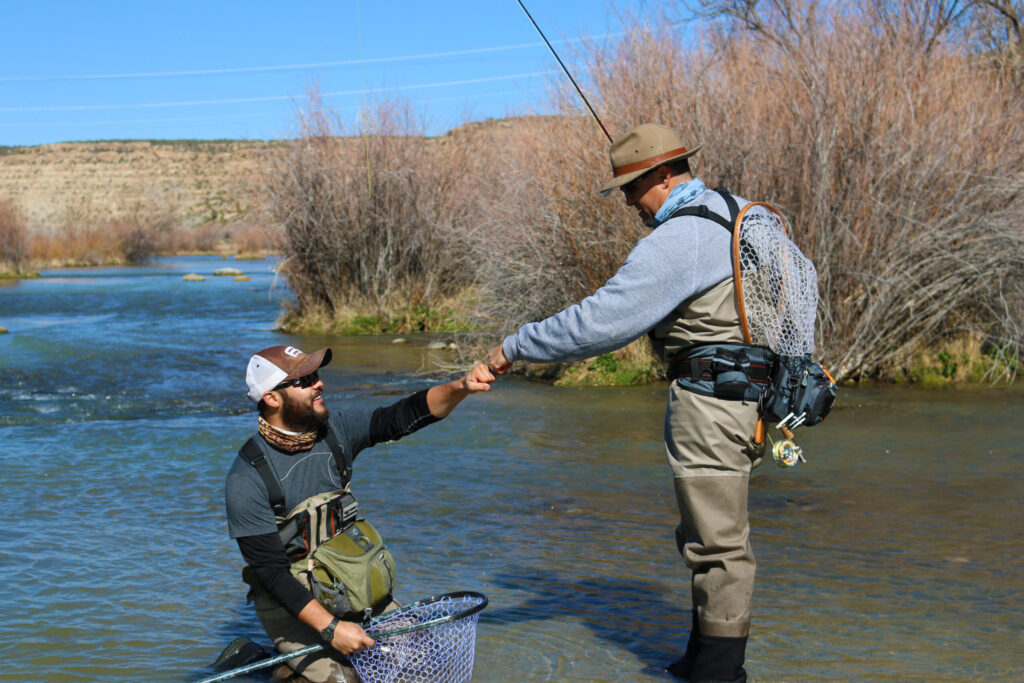
Hunting & Fishing Access

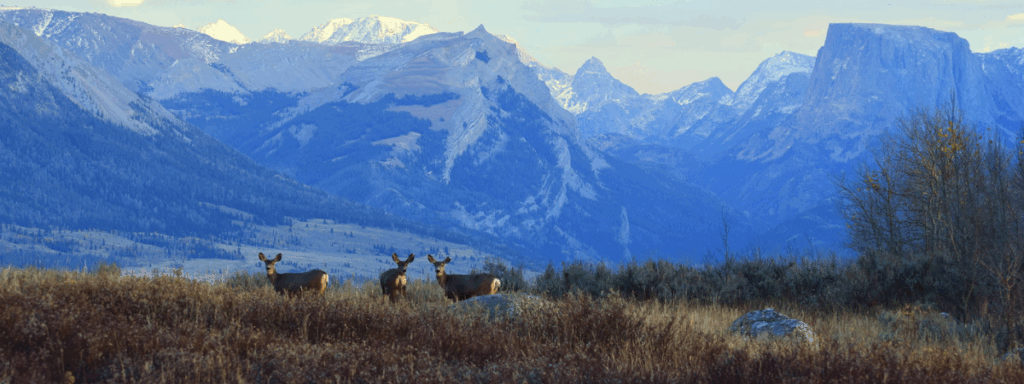
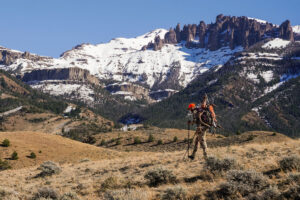
America’s 640 million acres of national public lands provide irreplaceable hunting and fishing opportunities to millions of Americans.

Learn More About Access
What TRCP is Doing

We’re working to safeguard America’s public lands so hunters and anglers always have quality places to pursue their passions.
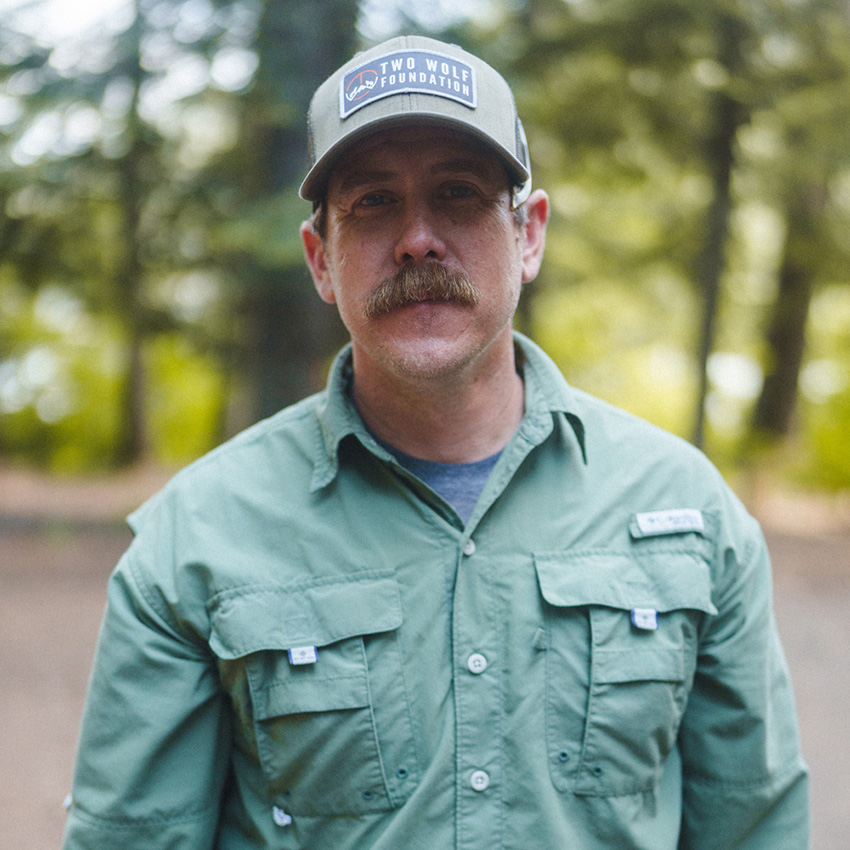
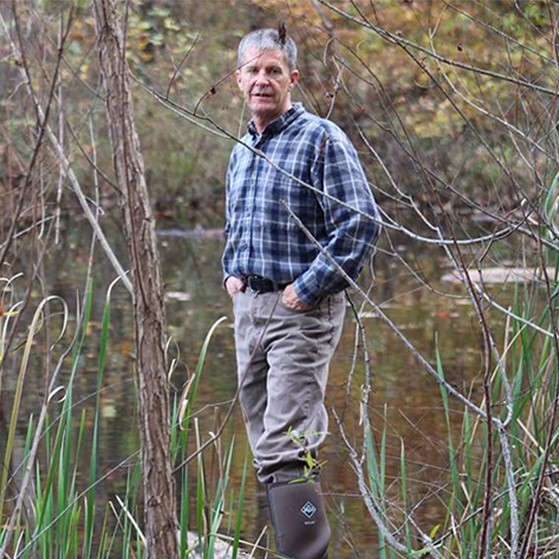
 Brian Flynn, Two Wolf Foundation
How Sportsmen Are Doing It Right

Brian Flynn, Two Wolf Foundation's Story

Following a distinguished career in the U.S. Army, lifelong outdoorsman Brian Flynn returned home from a deployment in Afghanistan and…

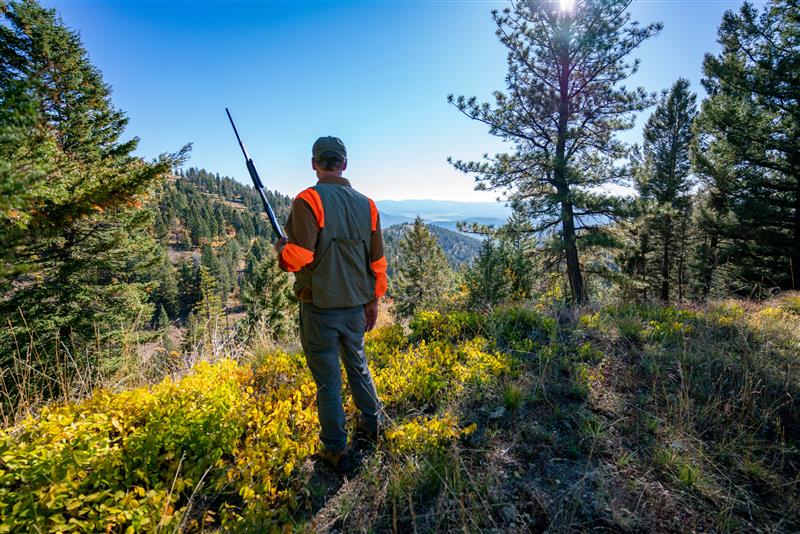
Hunting
Why It Matters

Key Issues for America’s Hunters

Your source for the latest policy updates, conservation challenges, and opportunities shaping America’s hunting traditions.

What TRCP is Doing

We’re fighting for meaningful policy changes that benefit wildlife, our waters, and the American landscapes that make our outdoor traditions possible.

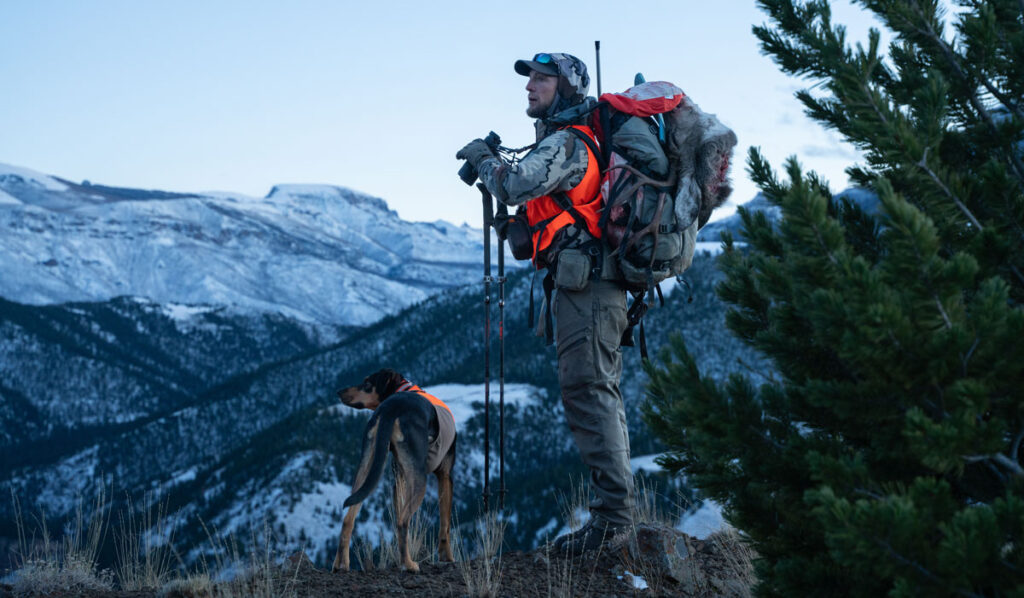
 Ryan Sparks
How Sportsmen Are Doing It Right

Ryan Sparks's Story

TRCP’s “In the Arena” series highlights the individual voices of hunters and anglers who, as Theodore Roosevelt so famously said,…
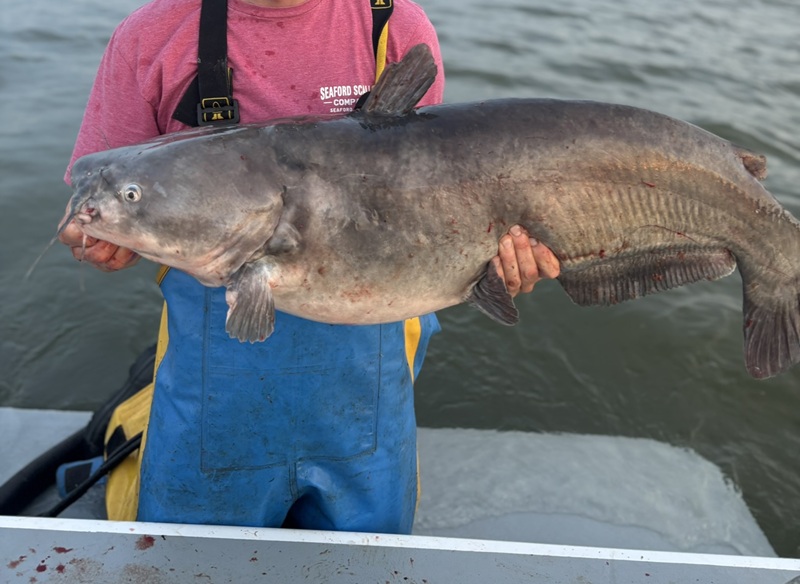
Fishing
Why It Matters

Key Issues for America’s Anglers

Your source for the latest policy updates, conservation challenges, and opportunities shaping America’s fishing traditions.

What TRCP is Doing

We’re fighting for meaningful policy changes that benefit wildlife, our waters, and the American landscapes that make our outdoor traditions possible.

 David Mangum
How Sportsmen Are Doing It Right

David Mangum's Story

Capt. David Mangum is a YETI ambassador and outdoor photographer who utilizes his talents to produce media that inspire a…

Private Land
Why It Matters

Stewardship on America’s private lands

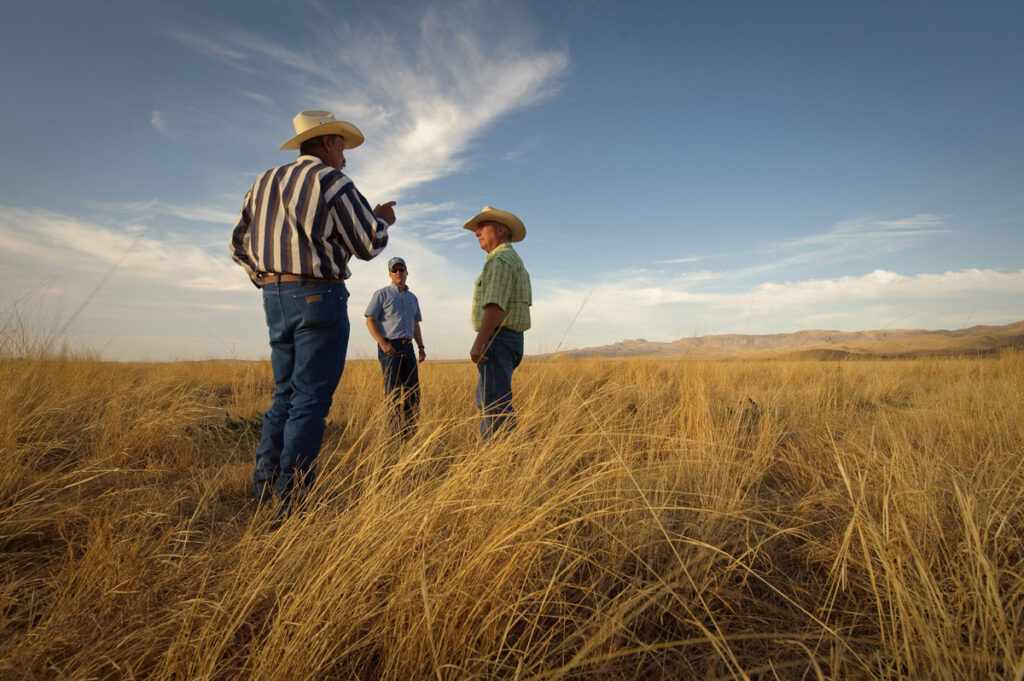
With 70 percent of U.S. lands in private hands and many of our best hunt and fish opportunities occurring there, investing in voluntary conservation on working lands safeguards access, strengthens habitat and water quality, and ensures resilient landscapes.

Learn More
What TRCP is Doing

We champion policies and programs that restore wildlife habitat, improve soil and water health, and keep working lands productive.

 Ward Burton
How Sportsmen are Doing It Right

Ward Burton's Story

Ward Burton’s NASCAR driving career stretched across most of two decades. As an avid sportsman and conservationist, he founded the…

Special Places
Why It Matters

Special Places Worth Protecting

America’s most iconic landscapes provide unmatched habitat and unforgettable days afield. These places sustain wildlife, anchor local economies, and define the hunting and fishing traditions we pass down.

What TRCP is Doing

We’re working to conserve special places that provide world-class habitat and unforgettable opportunities for hunters and anglers.

 Franklin Adams
How Sportsmen Are Doing It Right

Franklin Adams's Story

As a true Gladesman, conservationist, and historian, Capt. Franklin Adams has spent more than six decades championing Everglades restoration efforts…

Habitat & Clean Water
Why It Matters

Healthy Habitat Powers Every Pursuit

All hunting and fishing opportunities depend on quality habitat, from clean water and healthy wetlands to winter and summer habitats and the migration corridors that connect them.

All About Habitat & Clean Water
What TRCP is Doing

We are working to safeguard the habitats that power every hunting and fishing opportunity.

 Alex Harvey
How Sportsmen Are Doing It Right

Alex Harvey's Story

Alex Harvey, founder of Legacy Land Management, is a registered professional forester in Mississippi and Alabama with a Master's degree…

Science
Why It Matters

Science That Guides TRCP

From conserving migration corridors and wetlands to ensuring clean water and resilient landscapes, science provides evidence that turns conservation goals into effective action.

Science for Conservation
What TRCP is Doing

For hunters and anglers, science safeguards the experiences we treasure including resilient big game populations, abundant fish, and wild places that endure changing social landscapes.

Jamelle Ellis
Your Science Expert

Jamelle Ellis's Story

Jamelle Ellis joined the Theodore Roosevelt Conservation Partnership in 2022. Jamelle spent the last three years as an environmental sustainability…

Where We Work
Across the Nation

Conservation Across America

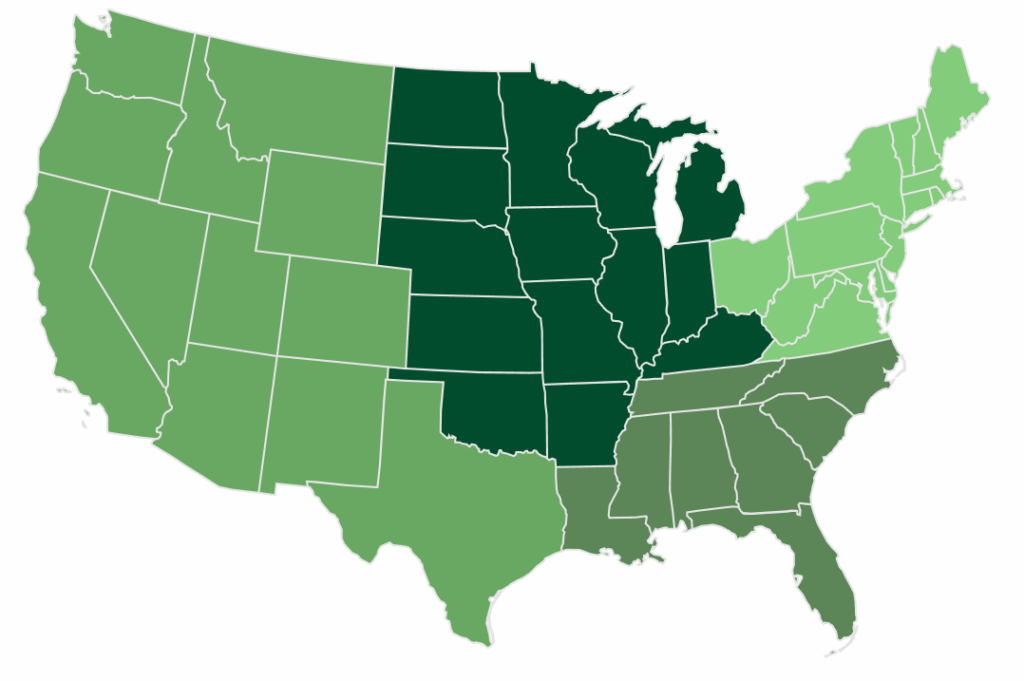
TRCP works across the country to ensure hunters and anglers can enjoy healthy fish and wildlife and quality days afield, no matter where they live.

See All Issues
TRCP in Your Region

TRCP works across the country to ensure hunters and anglers can enjoy healthy fish and wildlife and quality days afield, no matter where they live.

Who We Are
Our Mission

To guarantee all Americans quality places to hunt & fish

We unite and amplify our partners’ voices to advance America’s legacy of conservation, habitat, and access.

Our Mission & Values
Our People & Partners
  • Meet the TRCP Team

    Our staff and board members unite and amplify our partners’ voices to advance America’s legacy of conservation, habitat, and access.

    Meet the Team
  • Our Partners

    ‘Partnership’ is in our name. We work with 64 diverse partner groups that represent today’s leading hunting, fishing, and conservation organizations in order to strengthen the sportsman’s voice in Washington, D.C.

    Our Partners
  • Corporate Council

    TRCP’s Corporate Council is made up of diverse corporations that share a common passion for conservation.

    Corporate Council
Our Organization

Looking for more information?

Explore our latest news, policy updates, and conservation resources to get the information you need.

Giving
How You Can Help

To guarantee all Americans quality places to hunt & fish

Your tax-deductible donation will support TRCP's mission, now and into the future.

DONATE
Special Ways to support trcp
  • Capital Conservation Awards Dinner

    The CCAD is one of Washington's best-attended conservation celebrations, featuring dinner, cocktails, and a silent auction.

    Learn More
  • Step Into the Arena

    Help us ensure that our treasured wild habitats and game remain intact for the next generation to enjoy – lend your support to the TRCP’s efforts today!

    Donate
  • Roosevelt Roast

    TRCP has partnered with Afuera Coffee Co. to further our commitment to conservation.

    Learn More
More donation options

Find the best way for you to lend your support. Join one of TRCP’s donor circles for special invitations, premium offerings from outdoor retailers, and more exclusive benefits. Take control of your legacy with planned giving or contribute to special conservation funds.

Other Ways To Give
News
In the Spotlight

In the Arena: Josh Warren

For many hunters and anglers, the connection to conservation begins close to home — in the woods behind the house, along a familiar stretch of river, or through time spent learning from mentors and family. That sense of place is something Joshua Warren carries with him, both personally and professionally. As Director of Marketing at WorkSharp, Josh represents a company rooted in Ashland, Oregon, a community defined by its access to public lands and wild country.

Read More

Stay Informed

Receive our newsletter, the Roosevelt Report, right in your inbox. Never miss the latest news in conservation issues.

Public Land Access

PROTECT hunter and angler access - SPEAK UP AGAINST Efforts to transfer or sell off federal public lands

America’s 640 million acres of national public lands – including our National Forests and Bureau of Land Management lands – provide irreplaceable hunting and fishing opportunities to millions of Americans. Many of the best trout and salmon rivers originate on federal lands, and these public landscapes provide intact habitat that is essential for the long-term survival of big game species. Federally managed public lands are also the backbone of our nation’s outdoor recreation industry, which contributes $1.2 trillion in annual economic output and directly adds $351 million to the U.S. economy every day.

Efforts to sell off public lands would forever alter our outdoor legacy.

Recent Attempts to Transfer or Sell Public Land

Recent Attempts to Transfer or Sell Public Land

In the summer of 2025, mandated public land sales were proposed and considered by Congress in a must-pass budget reconciliation bill. Legislative proposals that would have required the sale of up to 3 million acres of public lands were included in both the House and Senate versions of the bill. Thanks to an outpouring of opposition from tens of thousands of engaged hunters and anglers across the country, as well as from national, state, and local hunting and fishing businesses and organizations, and leadership from a bipartisan group of public land champions in Congress, these proposals were removed from the final bill.  

While this victory is worth celebrating, it’s also a reminder that our public lands are never guaranteed. 

The mandated public land sales in budget reconciliation legislation are just the most recent example of attempts to sell or transfer our nation’s public lands. In August 2024, Utah elected officials petitioned the U.S. Supreme Court seeking to require the transfer of 18.5 million acres of Bureau of Land Management lands to state ownership. Their legal argument focused on so-called “unappropriated lands” within Utah’s borders, however the petition was broad enough that a favorable ruling would have made all 640 million acres of federal public lands, including National Forests and Parks, vulnerable to sale or transfer. The action was backed by “friend of the court” briefs filed by elected officials in Alabama, Alaska, Arizona, Arkansas, Idaho, Iowa, Mississippi, Nebraska, North Dakota, South Carolina, South Dakota, Texas, and Wyoming. 

In January 2025, the U.S. Supreme Court refused to hear Utah’s petition, marking a win for public land hunting, fishing, and access. This decision was not a ruling against the petition, therefore the State of Utah may choose to bring this legal challenge to a lower court for consideration.  

During the 2025 state legislative session, several legislatures in Western states debated resolutions aimed at forcing federal agencies to transfer land. No resolutions passed, but they represent a persistent appetite among some lawmakers in the West to reduce the footprint of our nation’s public lands.  

Now is as important a time as ever to remind lawmakers how much we value our public lands. The TRCP and 28 other hunting, fishing, and conservation organizations finalized a statement of principles relevant to future public lands sales. This collection of organizations, representing thousands of hunters, anglers, and sportspeople, outlined five recommended criteria that must be met for any public land sale or exchange to be considered in the public’s interest. Sportsmen and women must stay engaged and united to ensure our public lands are retained and well-managed for the next generation of hunters, anglers, and adventurers. When we unite, we win. 

Lawmakers at the federal, state, and local level must be made aware of the strong support that exists for keeping our public lands public and educated on the consequences of eliminating a pillar of America’s outdoor legacy.

Stand Up for Public Lands

The Theodore Roosevelt Conservation Partnership opposes the large-scale sale and transfer of federal public land.

Read More

Unintended Consequences

If granted ownership of federal lands within their borders, states would be wildly underfunded and understaffed to manage them. The newly transferred financial burdens that accompany managing hundreds of millions of acres would extend into fighting wildfires and post-fire mitigation, a battle that seemingly intensifies every year in the West. The 2024 wildfire season in Wyoming alone burned well over half a million acres, draining the state’s $39 million wildfire suppression account. That figure is on top of tens of millions of dollars spent by federal firefighting efforts. It is easy to see how these resource demands could force states to sell off the most profitable lands to cover costs since states are required to run on balanced budgets.

Counties across the West receive millions of dollars in federal revenue based on the amount of federal public land within their borders through programs such as Payments in Lieu of Taxes and laws like the Mineral Leasing Act and the Secure Rural Schools and Community Self-Determination Act. The commitments to provide such compensation would cease with the transfer of land ownership.

Thousands of BLM, USFS, and National Park Service jobs could be eliminated in rural communities as these agencies would dissolve, and public land-driven outdoor recreation tourism would be interrupted.

Stand Up for Public Lands

History

Advocates spurred by anti-government sentiment have long pushed for the elimination of the American public land system through forced transfer and sales, dating back to efforts in the 1970s termed the “Sagebrush Rebellion.” A resurgence began in 2012 and peaked in 2015 when a total of 37 bills were introduced in state legislatures across 11 Western states demanding lands from the federal government be transferred to states. State legislative activity spurred efforts in Congress. Those proposals received massive pushback from hunters and anglers, outdoor recreationalists, outdoor businesses, and conservationists.

Public Lands in Public Hands Act

In response to strong opposition, bipartisan lawmakers introduced proactive legislation that would require congressional approval for the sale or transfer of most federal lands. The arguments against land transfer proposals remain unchanged today.

Learn more about the Public Lands in Public Hands Act

More Consequences

Counties across the West receive millions of dollars in federal revenue based on the amount of federal public land within their borders through programs such as Payments in Lieu of Taxes and laws like the Mineral Leasing Act and the Secure Rural Schools and Community Self-Determination Act. The commitments to provide such compensation would cease with the transfer of land ownership.

Thousands of BLM, USFS, and National Park Service jobs could be eliminated in rural communities as these agencies would dissolve, and public land-driven outdoor recreation tourism would be interrupted.

History

Advocates spurred by anti-government sentiment have long pushed for the elimination of the American public land system through forced transfer and sales, dating back to efforts in the 1970s termed the “Sagebrush Rebellion.” A resurgence began in 2012 and peaked in 2015 when a total of 37 bills were introduced in state legislatures across 11 Western states demanding lands from the federal government be transferred to states. State legislative activity spurred efforts in Congress. Those proposals received massive pushback from hunters and anglers, outdoor recreationalists, outdoor businesses, and conservationists.

Public Lands in Public Hands Act

In response to strong opposition, bipartisan lawmakers introduced proactive legislation that would require congressional approval for the sale or transfer of most federal lands. The arguments against land transfer proposals remain unchanged today.

Learn more about the Public Lands in Public Hands Act

How Are State Lands Managed?

Statutory protections for hunting, fishing, and recreational shooting would be lost, at least in the short term. Hunting, fishing, and recreational shooting are protected on federal BLM and USFS land by Section 4103 of the Dingell Act. These statutory protections do not apply to state-owned land and there is no guarantee that current access authorizations on federal public lands would be retained if those lands transferred ownership.

While there are several types of state-owned lands, the majority are managed as state trust lands. Across 21 western states, more than 500 million acres are managed in trust by states who are constitutionally mandated to generate revenue from the land to support trust land beneficiaries, such as public schools. This means that most state lands are managed for the purpose of maximizing revenue. Public access is also not guaranteed on state-owned lands. Management of these lands to benefit public access and enjoyment is not assured in the way it is on federally managed lands.

Stand Up for Public Lands

“Wildfire season in Wyoming alone burned well over half a million acres, draining the state’s $39 million wildfire suppression account.”

How Are State Lands Managed?

Statutory protections for hunting, fishing, and recreational shooting would be lost, at least in the short term. Hunting, fishing, and recreational shooting are protected on federal BLM and USFS land by Section 4103 of the Dingell Act. These statutory protections do not apply to state-owned land and there is no guarantee that current access authorizations on federal public lands would be retained if those lands transferred ownership.

While there are several types of state-owned lands, the majority are managed as state trust lands. Across 21 western states, more than 500 million acres are managed in trust by states who are constitutionally mandated to generate revenue from the land to support trust land beneficiaries, such as public schools. This means that most state lands are managed for the purpose of maximizing revenue. Public access is also not guaranteed on state-owned lands. Management of these lands to benefit public access and enjoyment is not assured in the way it is on federally managed lands.

A Better Way

There are many complex challenges to managing millions of acres of federal public lands for multiple uses that result in areas of disagreement. However, the blunt instrument of forced sale or transfer will not solve these problems. This brash action will in fact only exacerbate present land management and budgetary issues. Collaboration, as it has been for decades, is the way toward successful and lasting multiple-use management for industries, wildlife, and public hunting and fishing access. TRCP is committed to being a part of that better way forward.

HOW YOU CAN HELP

TRCP has partnered with Afuera Coffee Co. to further our commitment to conservation. $4 from each bag is donated to the TRCP, to help continue our efforts of safeguarding critical habitats, productive hunting grounds, and favorite fishing holes for future generations.

Learn More
Subscribe


You have Successfully Subscribed!

You have Successfully Subscribed!

You have Successfully Subscribed!

You have Successfully Subscribed!

You have Successfully Subscribed!