Our Issues
Public Lands
Why It Matters

Hunting & Fishing Access

America’s 640 million acres of national public lands provide irreplaceable hunting and fishing opportunities to millions of Americans.

Learn More About Access
What TRCP is Doing

We’re working to safeguard America’s public lands so hunters and anglers always have quality places to pursue their passions.

 Brian Flynn, Two Wolf Foundation
How Sportsmen Are Doing It Right

Brian Flynn, Two Wolf Foundation's Story

Following a distinguished career in the U.S. Army, lifelong outdoorsman Brian Flynn returned home from a deployment in Afghanistan and…


Hunting
Why It Matters

Key Issues for America’s Hunters

Your source for the latest policy updates, conservation challenges, and opportunities shaping America’s hunting traditions.

What TRCP is Doing

We’re fighting for meaningful policy changes that benefit wildlife, our waters, and the American landscapes that make our outdoor traditions possible.

 Ryan Sparks
How Sportsmen Are Doing It Right

Ryan Sparks's Story

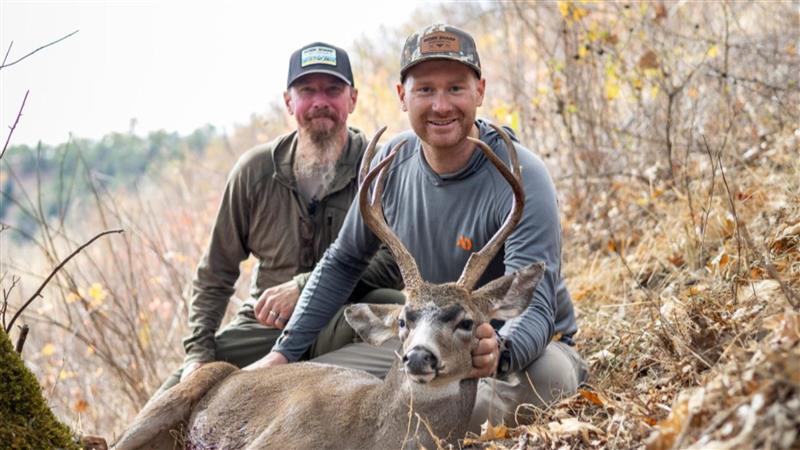
TRCP’s “In the Arena” series highlights the individual voices of hunters and anglers who, as Theodore Roosevelt so famously said,…

Fishing
Why It Matters

Key Issues for America’s Anglers

Your source for the latest policy updates, conservation challenges, and opportunities shaping America’s fishing traditions.

What TRCP is Doing

We’re fighting for meaningful policy changes that benefit wildlife, our waters, and the American landscapes that make our outdoor traditions possible.

 David Mangum
How Sportsmen Are Doing It Right

David Mangum's Story

Capt. David Mangum is a YETI ambassador and outdoor photographer who utilizes his talents to produce media that inspire a…

Private Land
Why It Matters

Stewardship on America’s private lands

With 70 percent of U.S. lands in private hands and many of our best hunt and fish opportunities occurring there, investing in voluntary conservation on working lands safeguards access, strengthens habitat and water quality, and ensures resilient landscapes.

Learn More
What TRCP is Doing

We champion policies and programs that restore wildlife habitat, improve soil and water health, and keep working lands productive.

 Ward Burton
How Sportsmen are Doing It Right

Ward Burton's Story

Ward Burton’s NASCAR driving career stretched across most of two decades. As an avid sportsman and conservationist, he founded the…

Special Places
Why It Matters

Special Places Worth Protecting

America’s most iconic landscapes provide unmatched habitat and unforgettable days afield. These places sustain wildlife, anchor local economies, and define the hunting and fishing traditions we pass down.

What TRCP is Doing

We’re working to conserve special places that provide world-class habitat and unforgettable opportunities for hunters and anglers.

 Franklin Adams
How Sportsmen Are Doing It Right

Franklin Adams's Story

As a true Gladesman, conservationist, and historian, Capt. Franklin Adams has spent more than six decades championing Everglades restoration efforts…

Habitat & Clean Water
Why It Matters

Healthy Habitat Powers Every Pursuit

All hunting and fishing opportunities depend on quality habitat, from clean water and healthy wetlands to winter and summer habitats and the migration corridors that connect them.

All About Habitat & Clean Water
What TRCP is Doing

We are working to safeguard the habitats that power every hunting and fishing opportunity.

 Alex Harvey
How Sportsmen Are Doing It Right

Alex Harvey's Story

Alex Harvey, founder of Legacy Land Management, is a registered professional forester in Mississippi and Alabama with a Master's degree…

Science
Why It Matters

Science That Guides TRCP

From conserving migration corridors and wetlands to ensuring clean water and resilient landscapes, science provides evidence that turns conservation goals into effective action.

Science for Conservation
What TRCP is Doing

For hunters and anglers, science safeguards the experiences we treasure including resilient big game populations, abundant fish, and wild places that endure changing social landscapes.

Jamelle Ellis
Your Science Expert

Jamelle Ellis's Story

Jamelle Ellis joined the Theodore Roosevelt Conservation Partnership in 2022. Jamelle spent the last three years as an environmental sustainability…

Where We Work
Across the Nation

Conservation Across America

TRCP works across the country to ensure hunters and anglers can enjoy healthy fish and wildlife and quality days afield, no matter where they live.

See All Issues
TRCP in Your Region

TRCP works across the country to ensure hunters and anglers can enjoy healthy fish and wildlife and quality days afield, no matter where they live.

Who We Are
Our Mission

To guarantee all Americans quality places to hunt & fish

We unite and amplify our partners’ voices to advance America’s legacy of conservation, habitat, and access.

Our Mission & Values
Our People & Partners
  • Meet the TRCP Team

    Our staff and board members unite and amplify our partners’ voices to advance America’s legacy of conservation, habitat, and access.

    Meet the Team
  • Our Partners

    ‘Partnership’ is in our name. We work with 64 diverse partner groups that represent today’s leading hunting, fishing, and conservation organizations in order to strengthen the sportsman’s voice in Washington, D.C.

    Our Partners
  • Corporate Council

    TRCP’s Corporate Council is made up of diverse corporations that share a common passion for conservation.

    Corporate Council
Our Organization

Looking for more information?

Explore our latest news, policy updates, and conservation resources to get the information you need.

Giving
How You Can Help

To guarantee all Americans quality places to hunt & fish

Your tax-deductible donation will support TRCP's mission, now and into the future.

DONATE
Special Ways to support trcp
  • Capital Conservation Awards Dinner

    The CCAD is one of Washington's best-attended conservation celebrations, featuring dinner, cocktails, and a silent auction.

    Learn More
  • Step Into the Arena

    Help us ensure that our treasured wild habitats and game remain intact for the next generation to enjoy – lend your support to the TRCP’s efforts today!

    Donate
  • Roosevelt Roast

    TRCP has partnered with Afuera Coffee Co. to further our commitment to conservation.

    Learn More
More donation options

Find the best way for you to lend your support. Join one of TRCP’s donor circles for special invitations, premium offerings from outdoor retailers, and more exclusive benefits. Take control of your legacy with planned giving or contribute to special conservation funds.

Other Ways To Give
News
In the Spotlight

All Eyes On The Atchafalaya Basin

The Lower Mississippi River Comprehensive Management Study moves forward despite slashed budget

Read More

Stay Informed

Receive our newsletter, the Roosevelt Report, right in your inbox. Never miss the latest news in conservation issues.

Nature-Based Solutions

How hunters and anglers can play a major role in advocating for habitat‑driven climate change solutions.
Scroll to learn more about TRCP’s climate work.

  • Ben Matthews hunting

Climate change is affecting our hunting and fishing opportunities.

But healthy habitat can help to slow and reverse these effects, making the push for conservation and restoration more relevant than ever. Sportsmen and sportswomen are essential to securing these solutions.

How can hunters and anglers stand up for solutions that keep habitat working for wildlife and our climate?

10 Climate Change Impacts

Some believe that climate change won’t have an impact for years to come—sadly, this isn’t the case. We’ve compiled 10 ways that climate change is already affecting your hunting and fishing. Download our guide to learn more.

  • Angler casting in mangroves from front of boat.
  • Ben Matthews hunting

Nature-Based Solutions Use Habitat to Reverse Climate Change

By maintaining, managing, restoring, and improving our lands and waters, we can make habitat work hard for more than just fish, wildlife, and our hunting and fishing opportunities.

Healthy habitats absorb and store carbon from the atmosphere, where it would otherwise contribute to global warming. Natural climate solutions—those that use the power of habitat—also lessen the impacts of climate change by reducing erosion, preventing wildfires, enhancing soil health, protecting against drought and flooding, cooling stream temperatures, strengthening coastlines, and improving the quality and availability of clean water.

Hunters and anglers stand behind habitat-driven climate solutions, of which there are two broad categories: One where work is done to enhance habitat and another where healthy habitat is left alone—and, in some cases, defended from the threat of development—to work hard against climate change.

Nowhere are these efforts more relevant than in Louisiana and Alaska. Both states are at ground zero for climate change impacts, but they also boast impressive examples of these two broad categories of nature-based climate solutions at work.

Approach #1

Work to Enhance Habitat

Example: Plaquemines Parish, Louisiana

Continually battered by hurricanes that climate change has made more intense, Louisiana has shrunk by 2,000 square miles over the last century, as sea-level rise, erosion, and severe storms combined to accelerate land loss and conversion of wetlands to open water. The absence of these coastal wetlands, marshes, and swamps has meant less breeding, spawning, feeding, and nursery habitat for fish, shellfish, waterfowl, and other wildlife. Wetlands are also needed to help reduce inland flooding and erosion and lessen hurricane effects.

Restoring, rebuilding, and reconnecting wetlands to the life-giving Mississippi River has been critical to reducing climate change impacts while benefiting fish and wildlife. Areas like Bay Denesse, in Plaquemines Parish, are being revitalized by diverting river water, sediment, and nutrients that rebuild marsh habitat and wetlands. Meanwhile, efforts to construct terraces of land and fill them in with native plants have brought wildlife and even native trees back to the landscape. The TRCP and our partners are advocating for and implementing these local projects that literally create habitat—often in areas of public land that are open to hunting and fishing.

Approach #2

Let Healthy Habitat Work

Example: Southeast Alaska

Alaska is warming faster than any U.S. state, with profound impacts to fish and wildlife habitat. Milder winters and warmer summers have resulted in habitat loss, the proliferation of invasive species, and shifting migration patterns that are forcing hunters, anglers, and subsistence harvesters to adapt. Alaska’s forests, coastal and interior wetlands, and tundra and alpine systems offer some of our most powerful climate mitigation tools: the natural ability of these northern habitats to store carbon.

In Southeast Alaska, our largest national forest plays an important role in buffering the effects of climate change. The Tongass—a 17-million-acre coastal temperate rainforest—holds more than 40 percent of all the carbon stored by national forests in the U.S. Old-growth forests in the Tongass also provide ideal habitat for salmon and Sitka black-tailed deer, two of the region’s most important food sources. These hardworking, mature forests can’t provide climate or habitat benefits if they are opened to industrial development. That’s why the TRCP and many diverse stakeholders have worked to restore policies that provide conservation safeguards in the Tongass.

SOLUTIONS ACROSS THE COUNTRY

Nature-based solutions are as diverse as the landscapes and waters where we hunt and fish, and projects to improve climate change resilience are already underway across the country. Here are six examples.

Agriculture

Carbon sequestration through the management and preservation of healthy soil, grasslands, wetlands, and forests on farm and ranch lands

Forests

Reforestation, stewardship of late-successional forests, and sustainable management of working forests

Oceans & Coasts

Reducing greenhouse gas emissions, ocean warming, and acidification while restoring and employing wetlands, living shorelines, barrier islands, mangroves, and oyster reefs to reduce the impacts of extreme weather on habitat

Freshwater

Nutrient reduction, riparian zone improvements, enhanced connectivity, healthier floodplains, and conservation of our nation’s rivers, lakes, and streams

Wetlands

Enhancing and, in some cases, rebuilding inland and coastal wetlands to maximize flood and storm protection, carbon storage, and habitat benefits

Rangelands and Grasslands

Restoration and conservation of rangelands, grasslands, and sagebrush—particularly native grasses and unfragmented landscapes—which store large volumes of carbon

See these concepts come to life in our nature-based solutions project map below. Click each state for an example of a completed or in-progress project.

Want to nominate a climate-smart project for our map?

What TRCP Is Doing

It will take an all-of-the-above approach to solve climate change. While other experts focus on lowering emissions, transitioning to cleaner infrastructure, and implementing technologies to directly capture carbon, the TRCP is using our expertise to advocate for natural climate solutions in the federal policy arena.

This work includes

  • Identifying and removing barriers to the adoption of climate-smart practices
  • Advising agencies and Congress on the best ways to achieve habitat resilience
  • Building incentives and tools for farmers, foresters, and ranchers to benefit their land, wildlife, and climate
  • Improving policies to address climate change impacts and plan for the future of hunting and fishing


It’s the TRCP’s stance that climate change is human-driven. While this idea may continue to provoke controversy, the nature-based solutions we’re pushing for should not. Hunters and anglers do believe that we can positively impact fish and wildlife habitat through human intervention—and that’s what we’re calling on decision-makers to support.

Dig Deeper Into TRCP’s Climate Work

We’re leading a coalition of conservationists to develop and advocate for policies that advance nature-based solutions.

Learn More

We were among the hunting and fishing groups who originally embraced this difficult work more than a decade ago and contributed to the publication of two groundbreaking reports that highlight the real challenges our fish and wildlife face as the climate changes.

Download Seasons' End Download Beyond Seasons' End

Visit our blog for more information on TRCP’s recent climate work.

A majority of sportsmen and sportswomen think climate change will affect their ability to hunt or fish in the next 20 years.

  • 19% - Climate change is affecting my ability to hunt/fish now 14% - Climate change will affect my ability to hunt/fish in the next 5 years 19% - Climate change will affect my ability to hunt/fish in the next 20 years 18% - Climate change will affect the next generation’s ability to hunt/fish There’s no time to waste when it comes to securing natural climate solutions. 19% - Climate change is affecting my ability to hunt/fish now 14% - Climate change will affect my ability to hunt/fish in the next 5 years 19% - Climate change will affect my ability to hunt/fish in the next 20 years 18% - Climate change will affect the next generation’s ability to hunt/fish There’s no time to waste when it comes to securing natural climate solutions.

Where You Factor In

Hunters and anglers have an important role to play in advocating for natural climate solutions—projects that create more carbon storage and ecosystem resilience by improving habitat. The good news is that most sportsmen and sportswomen are bought in and ready to take action against climate change.

In a 2022 national poll of hunters and anglers, 72 percent believed that climate change is happening and, of those individuals, 74 percent believed that humans play at least some role in the warming of the globe.

A majority of sportsmen and sportswomen also agreed that climate change will affect their ability to hunt and fish (or their children’s) one day, and 19 percent saw climate change as having an impact right now.

Want to Learn More?

and we’ll send you the full poll results

Your Voice Matters

Fish and wildlife are already experiencing the impacts of climate change.

Take action in support of nature-based solutions to reverse climate change while benefiting our hunting and fishing opportunities.

Latest Climate Change News

Looking Ahead: TRCP’s Conservation Priorities for 2026 

The year ahead provides hunters and anglers with opportunities to further advance America’s legacy of conservation, habitat, and access

Read More

Hispanic Leaders Bring the Southwest to Washington, D.C.

The TRCP organized a spring advocacy trip to demonstrate the power of unity, outdoor traditions, and a bipartisan approach to conservation.

Read More

Cornerstone Project to Rebuild Louisiana Wetland Habitat Suspended

The Mid-Barataria Sediment Diversion project near the mouth of the Mississippi River is on hold indefinitely, putting larger restoration efforts at risk.

Read More

HOW YOU CAN HELP

TRCP has partnered with Afuera Coffee Co. to further our commitment to conservation. $4 from each bag is donated to the TRCP, to help continue our efforts of safeguarding critical habitats, productive hunting grounds, and favorite fishing holes for future generations.

Learn More
Subscribe


You have Successfully Subscribed!

You have Successfully Subscribed!

You have Successfully Subscribed!

You have Successfully Subscribed!

You have Successfully Subscribed!