by:

posted in:

September 5, 2025

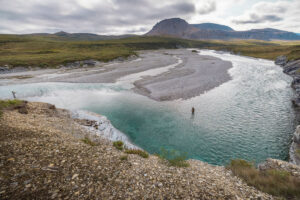
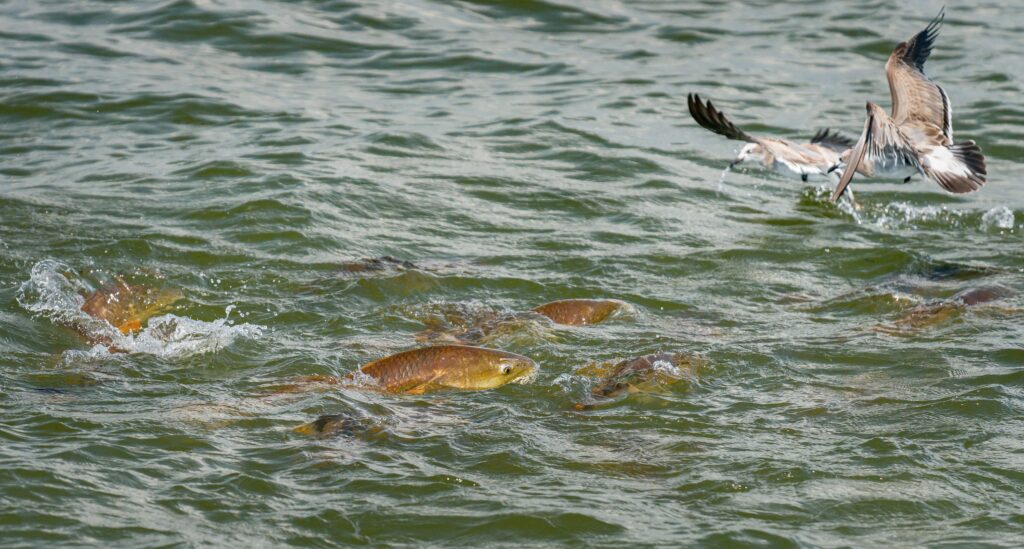
AK kobuk river 2025 Wicks-01161

Do you have any thoughts on this post?

XHTML: You can use these tags: <a href="" title=""> <abbr title=""> <acronym title=""> <b> <blockquote cite=""> <cite> <code> <del datetime=""> <em> <i> <q cite=""> <s> <strike> <strong>

Comments must be under 1000 characters.

by:

posted in:

September 4, 2025

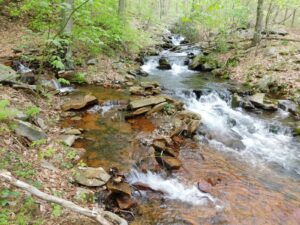
Bipartisan Headwaters Protection Act Reintroduced to Safeguard America’s Forests and Watersheds

Hunters, anglers, and conservation groups applaud legislation aimed at new investments in source watersheds and resilient forests. 

On Wednesday, a bipartisan group of U.S. Senators – including Michael Bennet (D-Colo.), Mike Crapo (R-Idaho), John Hickenlooper (D-Colo.), Ben Ray Luján (D-N.M.), and James Risch (R-Idaho) introduced the Headwaters Protection Act in an effort to invest in America’s forests and watersheds by expanding support for two U.S. Forest Service Programs created in the 2018 Farm Bill: The Water Source Protection Program (WSPP) and the Watershed Condition Framework (WCF). These two programs are unique in that they are the only Forest Service authorities that specifically support efforts to identify and implement conservation and restoration efforts to improve the quality of water originating on National Forest Service lands, which provide benefits for both downstream water users and fish and wildlife.  

If passed, the bill would support critical public-private partnerships working to ensure our National Forests provide clean water to downstream communities, benefit agricultural water users, and safeguard fish and wildlife habitat that hunters, anglers, and communities rely on. 

Originally introduced in 2023, the reintroduced bill aims to make important updates that will expand participation, increase funding, and boost resilience.  

“Healthy source watersheds improve water reliability and quality, bolster resilience to drought and wildfire, and sustain the fish and wildlife habitat that hunters and anglers depend on,” said Alex Funk, TRCP’s director of water resources. “The Headwaters Protection Act will strengthen public-private partnerships to accelerate restoration and conservation of these landscapes, and we applaud Senators Bennet, Crapo, Hickenlooper, Luján, and Risch for their leadership in introducing this important bipartisan legislation aimed at keeping our forests and watersheds healthy.” 

From backcountry trout streams to irrigation canals that sustain farms, healthy headwaters are the foundation of both America’s sporting traditions and our economy. National forests supply drinking water to more than 150 million Americans and sustain countless fish and wildlife species that hunters and anglers depend on. The Headwaters Protection Act would:  

  • Reauthorize the Water Source Protection Program (WSPP) and increase the authorization of appropriations for the program from $10 million per year to $30 million per year.   
  • Broaden the range of water users, including rural communities and Tribes, who could participate in and benefit from the WSPP.  
  • Reduce financial barriers for water users to participate in the WSPP by providing more flexible match requirements.  
  • Prioritize WSPP projects that benefit drinking water quality and improve resilience to wildfire and other natural disasters.  
  • Make a technical change to the Watershed Condition Framework (WCF) that ensures healthy watersheds do not become further degraded and authorizes $30 million in new appropriations per year for the implementation of locally led watershed restoration plans.   

The WSPP and WCF projects would:  

  • Conserve and restore freshwater resources within National Forest System Lands and nearby non-federal lands, which supply drinking water to one in five Americans and contain much of our country’s best remaining cold-water habitat for salmon, steelhead, and trout.  
  • Complement and strengthen the Forest Service’s efforts to respond to growing wildfire risk by encouraging partnerships with water users to reduce threats associated with wildfire to water supplies. 

Learn more about TRCP’s work on Habitat & Clean Water | Theodore Roosevelt Conservation Partnership


Hunters and anglers have always been the unsung heroes of conservation in America, quietly paying it forward every time we buy a license, a box of ammo, or a tank of boat fuel. We know you’re not satisfied with simply going hunting or fishing and then going home—so go the extra distance. You can take action on the conservation issues that matter right now. Click here to get started.

by:

posted in:

August 27, 2025

TRCP Applauds DOI Action to Expand Hunt-Fish Opportunities on Public Land   

Increased opportunities will benefit hunters and anglers beginning Fall 2025    

The Theodore Roosevelt Conservation Partnership joined hunters and anglers in celebrating the announcement by the Department of the Interior to expand hunting and fishing opportunities across the National Wildlife Refuge and National Fish Hatchery Systems.   

“TRCP thanks Secretary Burgum for prioritizing expanded hunting and fishing opportunities at the Department of the Interior,” said Joel Pedersen, president and CEO of the Theodore Roosevelt Conservation Partnership. “These new opportunities will help Americans get outside to enjoy the great outdoors just in time for the fall hunting and fishing seasons.”  

The final rule for the 2025–2026 season creates 42 new hunting and sport fishing opportunities on more than 87,000 acres of public lands across 11 states. These new opportunities will be available starting September 2, 2025.    

The National Wildlife Refuge System Improvement Act of 1997 prioritizes compatible wildlife-dependent recreational use on wildlife refuges and specifically identifies hunting and fishing as priority uses. This most recent expansion will increase sporting opportunities by opening more acres and units to hunters and anglers. For hunters and anglers, this means: 

  • New Access: Inaugural hunting opportunities will be offered on public lands such as Southern Maryland Woodlands National Wildlife Refuge and the Grasslands Wildlife Management Area, and new sportfishing access will be available at North Attleboro National Fish Hatchery. 
  • Broader Alignment: Regulations are being streamlined to better match state fish and wildlife rules, helping reduce confusion and making it easier for hunters and anglers to enjoy these places. 
  • Conservation Benefits: By engaging hunters and anglers, these opportunities generate critical funding for habitat restoration, wildlife management, and local economies through license sales and excise taxes on gear and ammunition. 

The final rule will be published in the Federal Register on August 28, 2025, and is available at regulations.gov (Docket FWS-HQ-NWRS-2025-0031). Updates take effect for the 2025–2026 hunting seasons beginning September 2, 2025. 

These expanded opportunities reflect progress worth celebrating. Learn more about TRCP’s work to safeguard and improve hunting and fishing access by clicking HERE. Together, we can ensure that access, conservation, and America’s sporting traditions remain at the heart of our shared future. 

Top Photo: Josh Metten


The TRCP is your resource for all things conservation. In our weekly Roosevelt Report, you’ll receive the latest news on emerging habitat threats, legislation and proposals on the move, public land access solutions we’re spearheading, and opportunities for hunters and anglers to take action. Sign up now.

by:

posted in:

August 26, 2025

Data Centers, Energy, and Water: What Hunters and Anglers Need to Know

Exploring how digital infrastructure shapes the natural systems hunters and anglers depend on

The backbone of today’s digital world is not something most hunters and anglers think about when they log onto a mapping app, stream a video, or upload photos from the field. But behind every click sits a vast network of data centers – massive facilities filled with computer systems, servers, and cooling equipment that run 24/7 to power online services, cloud storage, and emerging technologies like artificial intelligence (AI). You might have heard about one being built near you. 

And like any form of infrastructure, these facilities come with costs. Chief among them are growing demands for electricity and water – resources that are also vital to sustaining the fish, wildlife, and habitats hunters and anglers depend on. 

Growth and Scale

Across the U.S., between 3,000 and 5,400 data centers are already operating, with new facilities rapidly being built to meet the booming demand for cloud computing, AI, and digital services. The United States hosts more data centers than any other country, and projections show their electricity use could rise from 17 gigawatts in 2022 to as much as 130 gigawatts by 2030. For context, that’s more than 100 times the output of a single large nuclear power plant. 

Water use is just as significant. Cooling massive banks of servers requires millions of gallons per day in some locations, while additional indirect water demand comes from the power plants that generate electricity for these facilities. In arid states like Utah and New Mexico, these demands are sparking debates over whether scarce water should support fast-growing tech hubs or be reserved for communities, agriculture, and wildlife habitat. 

Why This Matters for Fish and Wildlife

The connection between digital infrastructure and conservation may not be obvious at first, but the ripple effects are real. 

Data centers place demands on three linked resources:  

  • Electricity: Data centers require enormous amounts of power to operate and meeting this need puts pressure on local energy grids and drives the increased demand for new energy development, whether oil and gas, coal, wind, solar, or other sources, which in turn can lead to increased development and fragmentation on the landscape. 
  • Water: Water is used directly for cooling and indirectly in power generation. This dual use can be especially challenging in arid states where every drop counts. 
  • Habitat: Construction of new facilities, transmission lines, and cooling infrastructure often requires large footprints that can fragment or displace wildlife habitat. 

One notable example comes from New Mexico, where Facebook secured a deal guaranteeing access to 4.5 million gallons of water per day for a new data center campus. While local officials welcomed the economic boost, the deal sparked questions about long-term water availability in a drought-prone region. 

Balancing Growth and Conservation

The digital economy is here to stay, and the demand for data will only increase. But growth doesn’t have to come at the expense of fish, wildlife, and clean water.  

The Theodore Roosevelt Conservation Partnership is committed to working with diverse stakeholders to support energy development approaches that avoid and minimize impacts to the nation’s fish and wildlife resources to align with its Energy Platform such as: 

  • Smarter Siting: Prioritizing development on already disturbed lands rather than intact habitats. 
  • Water Stewardship: Using non-potable water, closed-loop cooling, and transparent reporting to reduce stress on drought-prone watersheds. 
  • Wildlife Safeguards: Incorporating habitat data and migration mapping into planning decisions so that critical fish and wildlife resources are conserved. 

Looking Ahead

The growth of data centers is part of a broader digital transformation that shows no sign of slowing. At the same time, water scarcity and energy demand are critical challenges in many parts of the country. As these facilities continue to expand, decisions about how they are sited, powered, and cooled will play an important role in balancing economic growth with long-term resource sustainability. 

By understanding how data centers function and the pressures they create, hunters, anglers, and other conservation-minded citizens can better appreciate the connections between digital infrastructure and the natural systems we all rely on. 


Learn more about TRCP’s work on energy development and critical minerals production, including how TRCP is working to ensure this growth avoids and minimizes impacts on hunter and angler access and opportunity.  Click HERE.

by:

posted in:

In the Arena: David Brooks

TRCP’s “In the Arena” series highlights the individual voices of hunters and anglers who, as Theodore Roosevelt so famously said, strive valiantly in the worthy cause of conservation.

David Brooks

Hometown: Missoula, Montana
Occupation: Executive Director, Montana Trout Unlimited
Conservation credentials: While David Brooks has been at the helm of Montana Trout Unlimited, the organization has supported partners with dam removals from critical spawning tributaries for native westslope cutthroat and bull trout, monitored and researched cold water species across Montana’s beloved trout rivers and streams, and helped educate future generations of anglers about the importance of conservation.

After a childhood in Indiana and a collegiate running career in Colorado, David Brooks understood that he wanted to remain in America’s West. Luckily for him, he moved to Missoula, Montana, and quickly found friends that were willing to share their knowledge and a few select places to hunt and fish. Since those early years, Brooks has hunted big game and birds across Montana and as far north as the Arctic Circle in Alaska. This intimate knowledge of place has helped inform his professional career as Executive Director of Montana Trout Unlimited.

Here is his story.

Brooks after a successful, snowy whitetail hunt in Montana.

TRCP: How were you introduced to hunting, fishing, and the outdoors? Who introduced you? 

David Brooks: The grace and generosity of friends introduced me to hunting, fishing, and most of my outdoor pursuits. When I moved from the Midwest to southern Colorado for my undergraduate studies, I did so mostly to run cross country and track for Coach Joe I. Vigil at Adams State College. Though I was mainly focused on running and school, I began to meet people who spent their falls stalking elk in the San Juan Mountains, their springs and summers casting flies for wild trout in tributaries that flowed out of those same public lands, and their winter weekends carving turns in the snow-covered flanks of the Colorado ranges. Hearing the stories of those outings from my non-runner friends planted seeds in the field of what my post-collegiate life might look like. When my wife and I moved to Missoula, Montana, in a pickup truck in 2000, I was fortunate to befriend a few people who had spent their lives hunting, fishing, floating rivers, backpacking, and generally reaping the bounty of the great outdoors. I slowly started acquiring the tools—a used Winchester .270, a hand-me-down Orvis rod, a third-hand raft. More importantly, these new friends shared their stories and let me tag along on a whitetail hunt, a trek to find native westslope cutthroat trout in a small stream, and on a 5-day river trip. The outings provided me with lessons on how to move in the woods, how to wield a flyrod, how to read water. The stories were of equal value in teaching me how to think as a hunter, angler, and lover of wild places.

TRCP: Tell us about one of your most memorable outdoor adventures. 

David Brooks: In 2004, I was invited to float the Smith River, Montana’s only permitted multi-day float trip. Fortunately, one of my closest friends and mentors agreed to go and to let me bring my 15-month-old daughter. He provided all the gear. At the time, my wife and I had been modest backpackers, so didn’t own a raft, drybags, or any other river trip toys. This friend even let me try rowing a few times each of the five days we were on the river, while he kept one eye on my daughter and the other downstream. When I banged his boat off a rock, a bank, or cliff wall, he offered keen rowing advice rather than admonitions. He laughed rather than cursed and let me keep trying. After five days of staring up into the Smith River canyon and enjoying the special camaraderie that river trips bring, I returned home with an unshakable case to share with my wife about why we needed to start investing in river gear. And we did. Besides launching our love of river trips, which have been our summer family vacation ever since, that trip taught me about the value of stringing consecutive days of outdoor time together, especially hunting and fishing. The river taught me about immersion.

Brooks and lab Juno with sharptails in eastern Montana.

TRCP: If you could hunt or fish anywhere, where would it be and why?

David Brooks: With the exception of a glorious 10-day float-hunt in Alaska, most of my hunting and fishing has been in Montana. I have yet to tire of returning to the places I have started to know near home, nor have I tired of exploring new places within the state. Since turning 50-years-old, doing a DIY drop camp to hunt elk in a Wilderness Area in western Montana is probably my top priority. My clock is ticking for such a hunt. So I aim to spend some days in 2025 scouting camp and hunting spots for a 2026 trip. As for fishing, I have yet to catch a redband trout or a Yellowstone cutthroat trout in Montana in their native range, so those are both high priority goals. While I would love to hunt caribou in Alaska again or cast for a 100+ pound arapaima in the Amazon, the realities of my lifestyle increasingly point me in the direction of exploring a new section of a small western Montana trout stream each year, or learning a few more of the pinch points between elk feeding and resting grounds in the walk-in areas of public land I favor each fall near my home.

Brooks floats down a river above the Arctic Circle. Caribou in tow.

TRCP: How does conservation help enhance your outdoor life? 

David Brooks: In general, working in and learning about conservation issues always adds a layer to my time outdoors. When a conservation measure like Hoot Owl restrictions are implemented on Montana rivers, it makes me think more keenly about how water quality, like temperature, affects trout health and behavior. It pushes me to learn more about where cold water refugia are in a stretch of river or stream, such as upwellings of groundwater, springs and, of course, cold tributaries and, hence, where fish will be moving and how they will be feeding. Conservation introduces me to new places. When MTU joined our National TU staff in pursuing the removal of an old dam from the Rattlesnake Wilderness Area, working on that effort drew me farther and deeper than I had ever been in a Wilderness Area that is essentially in my backyard and where I regularly recreate. Knowing the conservation challenges that our streams, rivers, and lands face increases the gratitude I feel for each close encounter I have with a native trout, elk, whitetail deer, or sharptail grouse.

TRCP: What are the major conservation challenges where you live?

David Brooks: It is hard not to wear my MTU hat when thinking about the biggest conservation challenge where I live. From that vantage, I think diminishing and changing patterns of flow in our streams and rivers has to be near the top of the worry list. Climate change is making year-round precipitation less certain and altering the timing. We are seeing more short, weak winters. Even when winter snowpack reaches historic norms, like this year across much of the state, that snow begins melting earlier and across a ‘longer spring’ so that we don’t see normal peak runoff. And then flows quickly fall to base or below baseflow. Low, increasingly warm water lasts longer into fall. More such drought years in a row without the reprieve of truly good water years in between is the biggest challenge to maintaining or recovering healthy native and wild trout populations statewide. Concurrently, I don’t know of a single diminishing demand on water.

Brooks (left) drifts a fly under the watchful eye of his daughter Sage.

TRCP: Why is it important to you to be involved in conservation? 

David Brooks: I have a daughter. In conservation, we often talk about passing on the world to the next generation(s) in as good or better shape than we found it. Besides the innate value of ecosystems, what higher purpose for being in conservation is there?

TRCP: Why should conservation matter to the next generation of hunters and anglers?

David Brooks: While I have said that the highest reason to be involved in conservation is to pass on places in better shape to the next generation than we found them, those of us at a certain age and in our late careers in conservation need the next generation of hunters and anglers. We need their creativity and energy for the variety and complexity of conservation issues we face. And, more soberingly, if young hunters and anglers don’t care about conservation, chances are that many of the places they hunt or fish will be gone or greatly diminished within their lifetimes. There will be many places that they might discover as rich hunting and fishing grounds that will wither to a poor imitation of their current selves or disappear completely.

Photo credits: David Brooks


The TRCP is your resource for all things conservation. In our weekly Roosevelt Report, you’ll receive the latest news on emerging habitat threats, legislation and proposals on the move, public land access solutions we’re spearheading, and opportunities for hunters and anglers to take action. Sign up now.

HOW YOU CAN HELP

TRCP has partnered with Afuera Coffee Co. to further our commitment to conservation. $4 from each bag is donated to the TRCP, to help continue our efforts of safeguarding critical habitats, productive hunting grounds, and favorite fishing holes for future generations.

Learn More

You have Successfully Subscribed!

You have Successfully Subscribed!

You have Successfully Subscribed!

You have Successfully Subscribed!