Our Issues
Public Lands
Why It Matters

Hunting & Fishing Access

America’s 640 million acres of national public lands provide irreplaceable hunting and fishing opportunities to millions of Americans.

Learn More About Access
What TRCP is Doing

We’re working to safeguard America’s public lands so hunters and anglers always have quality places to pursue their passions.
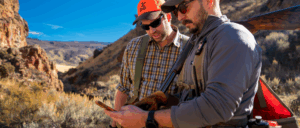
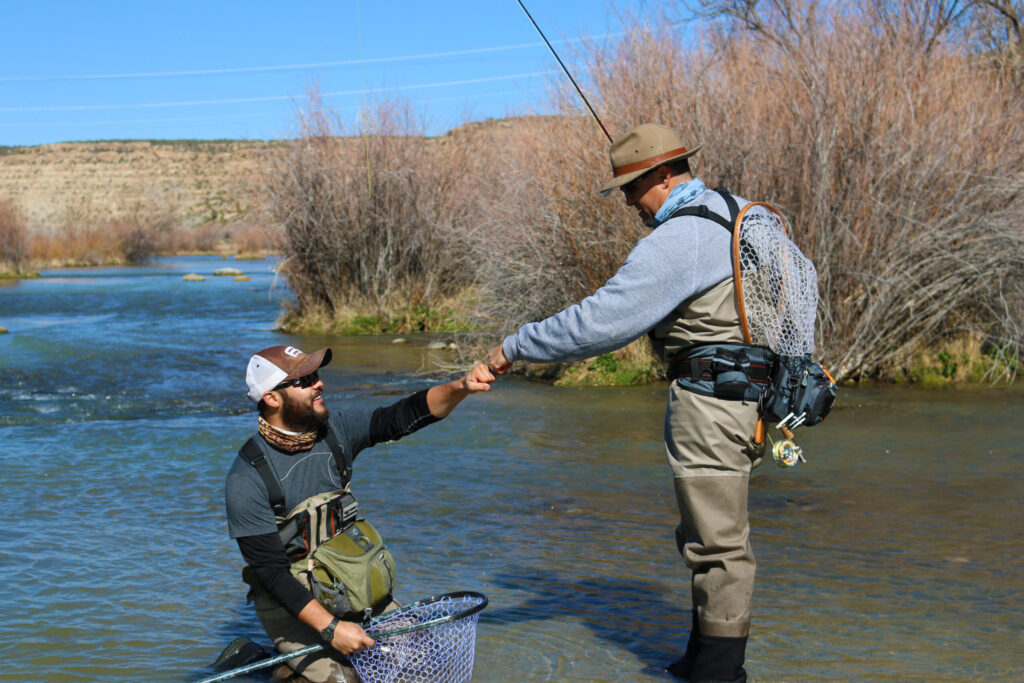
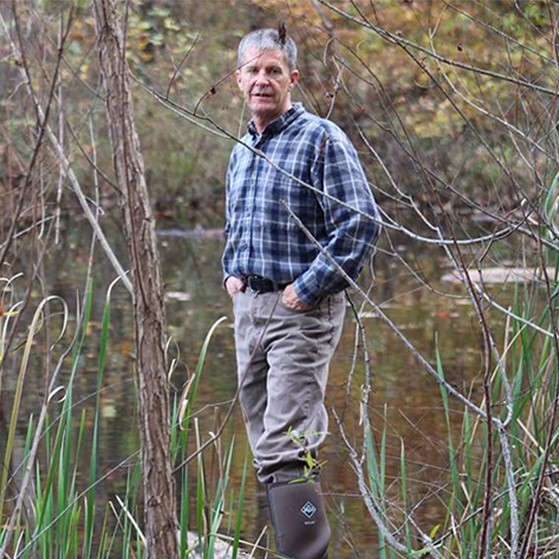
 Brian Flynn, Two Wolf Foundation
How Sportsmen Are Doing It Right

Brian Flynn, Two Wolf Foundation's Story

Following a distinguished career in the U.S. Army, lifelong outdoorsman Brian Flynn returned home from a deployment in Afghanistan and…

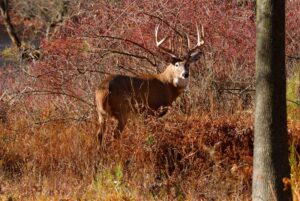
Hunting
Why It Matters

Key Issues for America’s Hunters

Your source for the latest policy updates, conservation challenges, and opportunities shaping America’s hunting traditions.

What TRCP is Doing

We’re fighting for meaningful policy changes that benefit wildlife, our waters, and the American landscapes that make our outdoor traditions possible.

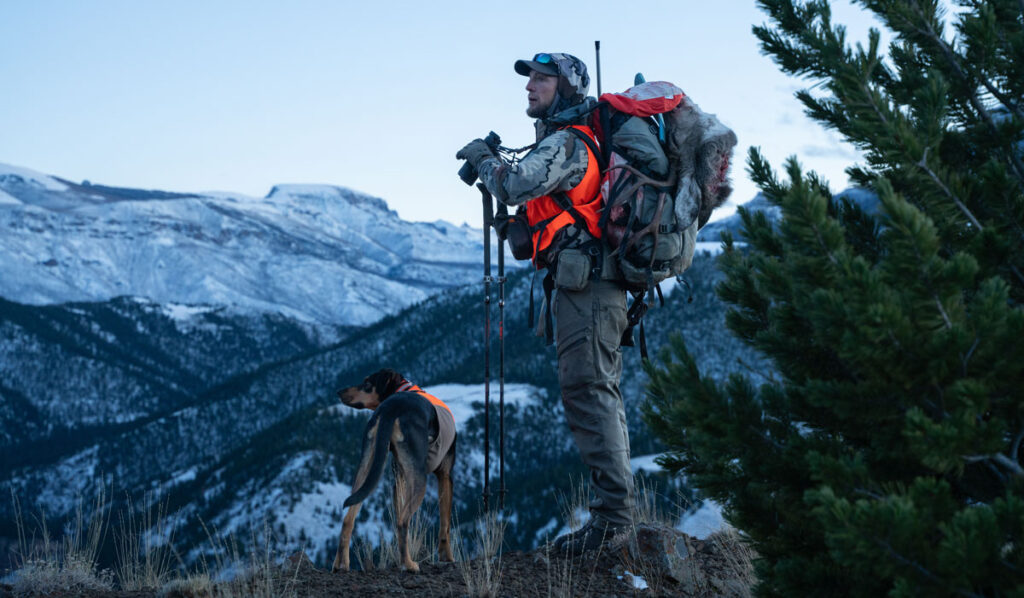
 Ryan Sparks
How Sportsmen Are Doing It Right

Ryan Sparks's Story

TRCP’s “In the Arena” series highlights the individual voices of hunters and anglers who, as Theodore Roosevelt so famously said,…

Fishing
Why It Matters

Key Issues for America’s Anglers

Your source for the latest policy updates, conservation challenges, and opportunities shaping America’s fishing traditions.

What TRCP is Doing

We’re fighting for meaningful policy changes that benefit wildlife, our waters, and the American landscapes that make our outdoor traditions possible.

 David Mangum
How Sportsmen Are Doing It Right

David Mangum's Story

Capt. David Mangum is a YETI ambassador and outdoor photographer who utilizes his talents to produce media that inspire a…

Private Land
Why It Matters

Stewardship on America’s private lands

With 70 percent of U.S. lands in private hands and many of our best hunt and fish opportunities occurring there, investing in voluntary conservation on working lands safeguards access, strengthens habitat and water quality, and ensures resilient landscapes.

Learn More
What TRCP is Doing

We champion policies and programs that restore wildlife habitat, improve soil and water health, and keep working lands productive.

 Ward Burton
How Sportsmen are Doing It Right

Ward Burton's Story

Ward Burton’s NASCAR driving career stretched across most of two decades. As an avid sportsman and conservationist, he founded the…

Special Places
Why It Matters

Special Places Worth Protecting

America’s most iconic landscapes provide unmatched habitat and unforgettable days afield. These places sustain wildlife, anchor local economies, and define the hunting and fishing traditions we pass down.

What TRCP is Doing

We’re working to conserve special places that provide world-class habitat and unforgettable opportunities for hunters and anglers.

 Franklin Adams
How Sportsmen Are Doing It Right

Franklin Adams's Story

As a true Gladesman, conservationist, and historian, Capt. Franklin Adams has spent more than six decades championing Everglades restoration efforts…

Habitat & Clean Water
Why It Matters

Healthy Habitat Powers Every Pursuit

All hunting and fishing opportunities depend on quality habitat, from clean water and healthy wetlands to winter and summer habitats and the migration corridors that connect them.

All About Habitat & Clean Water
What TRCP is Doing

We are working to safeguard the habitats that power every hunting and fishing opportunity.

 Alex Harvey
How Sportsmen Are Doing It Right

Alex Harvey's Story

Alex Harvey, founder of Legacy Land Management, is a registered professional forester in Mississippi and Alabama with a Master's degree…

Science
Why It Matters

Science That Guides TRCP

From conserving migration corridors and wetlands to ensuring clean water and resilient landscapes, science provides evidence that turns conservation goals into effective action.

Science for Conservation
What TRCP is Doing

For hunters and anglers, science safeguards the experiences we treasure including resilient big game populations, abundant fish, and wild places that endure changing social landscapes.

Jamelle Ellis
Your Science Expert

Jamelle Ellis's Story

Jamelle Ellis joined the Theodore Roosevelt Conservation Partnership in 2022. Jamelle spent the last three years as an environmental sustainability…

Where We Work
Across the Nation

Conservation Across America

TRCP works across the country to ensure hunters and anglers can enjoy healthy fish and wildlife and quality days afield, no matter where they live.

See All Issues
TRCP in Your Region

TRCP works across the country to ensure hunters and anglers can enjoy healthy fish and wildlife and quality days afield, no matter where they live.

Who We Are
Our Mission

To guarantee all Americans quality places to hunt & fish

We unite and amplify our partners’ voices to advance America’s legacy of conservation, habitat, and access.

Our Mission & Values
Our People & Partners
  • Meet the TRCP Team

    Our staff and board members unite and amplify our partners’ voices to advance America’s legacy of conservation, habitat, and access.

    Meet the Team
  • Our Partners

    ‘Partnership’ is in our name. We work with 64 diverse partner groups that represent today’s leading hunting, fishing, and conservation organizations in order to strengthen the sportsman’s voice in Washington, D.C.

    Our Partners
  • Corporate Council

    TRCP’s Corporate Council is made up of diverse corporations that share a common passion for conservation.

    Corporate Council
Our Organization

Looking for more information?

Explore our latest news, policy updates, and conservation resources to get the information you need.

Giving
How You Can Help

To guarantee all Americans quality places to hunt & fish

Your tax-deductible donation will support TRCP's mission, now and into the future.

DONATE
Special Ways to support trcp
  • Capital Conservation Awards Dinner

    The CCAD is one of Washington's best-attended conservation celebrations, featuring dinner, cocktails, and a silent auction.

    Learn More
  • Step Into the Arena

    Help us ensure that our treasured wild habitats and game remain intact for the next generation to enjoy – lend your support to the TRCP’s efforts today!

    Donate
  • Roosevelt Roast

    TRCP has partnered with Afuera Coffee Co. to further our commitment to conservation.

    Learn More
More donation options

Find the best way for you to lend your support. Join one of TRCP’s donor circles for special invitations, premium offerings from outdoor retailers, and more exclusive benefits. Take control of your legacy with planned giving or contribute to special conservation funds.

Other Ways To Give
News
In the Spotlight

Oregon Legislature Passes Landmark “1.25 Percent for Wildlife” Act

After three legislative sessions and more than a decade of advocacy, a bipartisan coalition secures Oregon’s most significant conservation funding victory in a generation.

Read More

Stay Informed

Receive our newsletter, the Roosevelt Report, right in your inbox. Never miss the latest news in conservation issues.

by:

posted in:

November 5, 2021

TRR Feedback

Do you have any thoughts on this post?

XHTML: You can use these tags: <a href="" title=""> <abbr title=""> <acronym title=""> <b> <blockquote cite=""> <cite> <code> <del datetime=""> <em> <i> <q cite=""> <s> <strike> <strong>

Comments must be under 1000 characters.

by:

posted in:

Reminder: What the Pending Infrastructure Vote Means for Hunters and Anglers

Why we’re watching Congress so closely for this deal to come together

We’d forgive you for losing track of what is at stake for fish and wildlife as House members continue to extend debate and negotiations on two critically important legislative packages: the budget reconciliation bill known as Build Back Better and the Infrastructure Investment and Jobs Act. Both would be defining victories for this Congress and the administration. And both contain some very big wins for conservation.

A House vote on reconciliation will only push this process to the next step, which is Senate consideration. This is important, since the legislation could clinch once-in-a-generation investments in climate resilience and private land conservation. We hope to have more to share on that as things progress.

But there are numerous conservation provisions in the $1.2-trillion bipartisan infrastructure deal that are top TRCP priorities. And because the legislation passed out of the Senate in August, these would be headed to the president’s desk if the House can agree on final passage. Here’s what we’re rooting for as we watch this process closely:

  • $350 million for a first-of-its-kind grant program to construct wildlife-friendly roadway crossings and reconnect fragmented migration corridors.
  • $250 million for the Legacy Roads and Trails Remediation Program to improve access to Forest Service public lands and safeguard fish and wildlife habitat from harmful runoff and pollutants caused by roads in disrepair.
  • Reauthorization of the Sport Fish Restoration and Boating Trust Fund, which pays for fisheries conservation, access improvements, and education for anglers and boaters.
  • $1.4 billion for natural infrastructure solutions through the Promoting Resilient Operations for Transformative, Efficient, and Cost-Saving Transportation (PROTECT) Grant Program.
  • $14.65 billion for the Clean Water State Revolving Fund Program, which supports estuary restoration and stormwater management projects.
  • $400 million for WaterSMART grants, with $100 million set aside for natural infrastructure solutions that enhance resilience to drought and wildfires, facilitate water conservation, create new habitat, and improve water quality.
  • Significant investments in programs aimed to enhance the resiliency of Western watersheds to climate change and drought, including $300 million to implement the Colorado River Drought Contingency Plans, $3.2 billion to modernize aging agricultural infrastructure and generate benefits for fish and wildlife, and $50 million to support ongoing Endangered Species recovery efforts that sustain habitat for native fish.

Stay tuned to the TRCP blog and social media channels (@theTRCP) for the absolute latest.

Photo of the Capitol by the U.S. Department of Agriculture.

by:

posted in:

November 4, 2021

In the Arena: Kelsey Johnson

TRCP’s “In the Arena” series highlights the individual voices of hunters and anglers who, as Theodore Roosevelt so famously said, strive valiantly in the worthy cause of conservation.

Kelsey Johnson

Hometown: Born and raised in Pittsburgh, Pa. Currently in Bozeman, Mont.
Occupation: Artist
Conservation credentials: This owner of a 2% For Conservation-certified business (KRae Artwork & Illustration Company) uses her talents and professional success as an artist to raise money for organizations that work on behalf of fish, wildlife, and public lands

Kelsey Johnson is a Bozeman, Montana-based artist who uses oil paints and graphite pencils to depict the unique people, wildlife, and landscapes of the American West. Three years ago, she came up with the idea of a “Conservation Christmas” fundraiser, pledging a portion of her sales each holiday season to the TRCP. Throughout the month of November, $5 from every print sold, $10 from every small work, and $50 from every original will be donated by Kelsey to help support our mission of guaranteeing all Americans quality places to hunt and fish.

We’ve been thrilled to have Kelsey’s support over the years, but we also just think she’s someone you should know! Here is her story.

I grew up with the typical, fondly remembered, but “soft” outdoor experiences: camping in the pop-up, dirty hands and s’mores, catching bluegills off the dock that type of stuff. My family volunteered at the animal shelter, we ate a lot of TV dinners, and I couldn’t have imagined becoming a hunter. That came much later, as I sought out a greater understanding of, and a stronger connection to, my food and the outdoors.

My story is pretty standard “adult onset hunting” fare. A move out West and a love of hiking slowly introduced me to folks who shared a passion for wildlife, nature, and physical activity. To my surprise, many of them hunted, and thus my mind was opened to the world of hunting and conservation. It’s been a fun, fulfilling, and educational ride ever since.

While it’s hard to pick out a single memorable experience outdoors, I enjoyed a very special moment this spring with my oldest brother, who joined my fiancé Seth and me for our annual turkey camp. Like me, my brother has also picked up hunting as an adult, and last fall had a tough elk hunt in Colorado, where they hardly saw any elk. On our hunt together, we all set up against trees facing a large clearing, waiting for gobbles.

After about an hour of sitting in silence, to our surprise a large herd of elk filtered into the clearing and slowly fed past us, coming within 20 yards or so. It’s not the craziest outdoor experience in the world, but it meant a lot to share the excitement of spending time so close to all those elk together. And to make it even sweeter, we both doubled on turkeys later that week.

Conservation is central to my life outdoors, because whenever I’m in the mountains or on the prairie, I’m reminded of how lucky we are to have these experiences. I understand how hard-won our model of conservation is. I also understand that it is a constant effort to uphold a well-managed system that allows for quality access and healthy fish and wildlife populations. So, I always feel fortunate and grateful for every opportunity to be outdoors.

Although there are many challenges facing our fish and wildlife today, the first that come to mind when I think about where I live are those of habitat loss and water use. In Bozeman, and I think across the West in general, urban areas are expanding rapidly. Much of the land that is being developed for residential and commercial use is historically wildlife winter range, migratory routes, grasslands, and other important habitats. The dramatic increase in population and the resulting demands on our water supply seem like massive challenges that will require us to come together to find long-term solutions.

At the end of the day, I simply cannot imagine a life without access to the outdoors. These freedoms are vital to me: to walk the prairie in pursuit of deer or grouse, to wander hills and coulees in search of antler sheds, to hike to a mountain ridge for the exercise and fresh air. These rights bestowed upon the American people are ours to protect, and it is important to take that seriously.


Follow Kelsey @k_raeartworks on Instagram and check out her work at kraeartworks.com.

Do you know someone “In the Arena” who should be featured here? Email info@trcp.org for a questionnaire.


by:

posted in:

Hunters and Anglers in Colorado Will Help Shape the Future of the West’s Water

Locally led water resource plans are being crafted that will help guide the management of water so it supports the needs of fish, wildlife, outdoor recreation, agriculture, and communities

Iconic Western watersheds are at a crossroads. The American West remains in the midst of a “megadrought,” which is contributing to catastrophic wildfires, impacting agricultural operations, and even affecting iconic Western wildlife and our hunting and fishing opportunities.

The Colorado River’s average annual flows have declined by 20 percent since 2000. More than half of that decline has been attributed to warming temperatures, which threaten fish and wildlife species that depend on there being not only enough water in the river but also cool enough water for them to survive.

The trickle-down effect on water-based recreation, such as fishing and boating, is easy to see. This summer, Colorado’s Yampa River was closed to fishing and recreation for more than three months due to low flows and high temperatures. Lower flows are also a concern to communities that depend on the Colorado River for drinking water in seven U.S. states—Colorado, New Mexico, Utah, Wyoming, Arizona, California, and Nevada—and Mexico. Importantly, the watershed is home to 33 percent of the U.S. Latino population and 30 Native America tribes.

Right now, we all have a chance to influence the future conservation of Western water resources as we look toward a hotter, drier future. If you are someone who depends on America’s “hardest working river” or just a curious TRCP blog reader, here’s what you need to know about the next steps and how to get involved.

The Future of Water in Colorado

The ongoing Colorado Water Plan Update offers an opportunity for hunters and anglers to have our voices heard on how communities will address water resource challenges for the next five years. The existing Colorado Water Plan outlines how to create more resilient, thriving watersheds that support robust agriculture, outdoor recreation opportunities, and vibrant communities. Now, the Colorado Water Conservation Board, the state agency responsible for developing the Colorado Water Plan, is revising this plan to ensure that it is meeting current and future water needs based on changing circumstances in our state and across the West. Over the next few months, we will share a series of videos, action alerts, and other direct ways for you to engage in the Colorado Water Plan update process.

The full proposed update won’t be available to comment on until July 2022, but conversations are already underway that will influence this plan. In Colorado, water policy and management decisions are largely informed through a grassroots process. In order to facilitate conversations around managing water, Colorado established nine Basin Roundtables, composed of local volunteers who coordinate regional input on important water resource management issues.

The Basin Roundtables represent each of Colorado’s eight major watersheds and the Denver metro area, where the majority of Colorado’s population resides. The feedback they gather may include how to prioritize funding for water projects and maintain compliance with interstate water compacts. This will help update the nine Basin Implementation Plans (BIPs), which are locally driven documents identifying goals and actions to address regional water issues and priorities. BIPs also help to prioritize projects ranging from stream restoration to water infrastructure upgrades.

Weighing in on these grassroots-level plans will help to provide recreational and environmental benefits and build out the scaffolding for the broader Colorado Water Plan. For more information on roundtables and BIPs, check out Water for Colorado’s recent blog post.

Local Hunters and Anglers Can Take Action Now

While hunters and anglers across the country have a stake in the Colorado Water Plan and how it affects fish and wildlife across the region, it is vital that those of us who live and recreate right here in Colorado participate in this first locally led planning effort. Drafts of the updated Basin Implementation Plans are currently open to public comment through November 15.

We’ve made it easy for hunters and anglers to take action and help ensure that BIPs will sustain healthy river flows for fish and wildlife, encourage water conservation and efficiency, promote diversity and equity in the update process, and reflect other top priorities for sportsmen and sportswomen. Check out our simple advocacy tool to make your voice heard today.

This blog was collaboratively written by Jared Romero, TRCP director of strategic partnerships, and Alex Funk, TRCP director of water resources and senior counsel. Top photo by U.S. Fish and Wildlife Service via flickr.

Learn more about our work to conserve the Colorado River here.

by:

posted in:

October 29, 2021

How the Forage Fish Conservation Act Will Benefit Anglers

New legislation will help ensure that the species at the base of the marine food chain are abundant enough to support sportfish

Forage fish like menhaden, river herring, and shad are the foundation of the marine food web. These fish serve as prey for popular sportfish, such as striped bass, speckled trout, and bluefin tuna, as well as iconic species like osprey, bottlenose dolphins, and humpback whales.

Shad and river herring, in particular, used to support some of the largest and most important commercial and recreational fisheries along the Atlantic coast, but habitat loss from dam construction and stock depletion from overfishing have decreased herring and shad landings by 96 percent since 1950. Meanwhile, billions of pounds of menhaden are commercially harvested by a single foreign-owned company to be “reduced” into livestock feed, fish oil, fish meal, fertilizer, and other products.

The TRCP has been engaged in the push for better forage fish management, because these species are essential to coastal ecosystems and economies.

The bipartisan Forage Fish Conservation Act, which was introduced in the House this week, aims to address current gaps in forage fish management by amending and building upon the successes of the Magnuson-Stevens Act, which has been instrumental in addressing overfishing and maintaining stocks for anglers to enjoy over the past 50 years.

The new legislation would ensure that federal fisheries managers account for the needs of forage fish and the predator species that depend on them. It would establish management plans for river herring and shad in the Atlantic and address the needs of sportfish and other predator species in existing forage fish management plans. It would also require that managers assess the possible impacts of newly proposed commercial fishing for forage fish, including the effects on other fisheries, anglers, and the marine ecosystem. The bill would require that science-based recommendations are made on forage fish management and provide a national, science-based definition for forage fish, to help clarify future policymaking.

More abundant forage fish populations will boost sportfish and fishing opportunities. The implementation of the Forage Fish Conservation Act would sustain forage fish populations by improving management strategies, so that anglers can enjoy thriving coastal ecosystems and economies for generations to come.

Do Your Part

Ask your elected officials to support the Forage Fish Conservation Act and the future of forage fish management using our easy advocacy tool. Take action now!

Top photo courtesy of Woozy Fishing (@woozy_fishing)

HOW YOU CAN HELP

TRCP has partnered with Afuera Coffee Co. to further our commitment to conservation. $4 from each bag is donated to the TRCP, to help continue our efforts of safeguarding critical habitats, productive hunting grounds, and favorite fishing holes for future generations.

Learn More

You have Successfully Subscribed!

You have Successfully Subscribed!

You have Successfully Subscribed!

You have Successfully Subscribed!