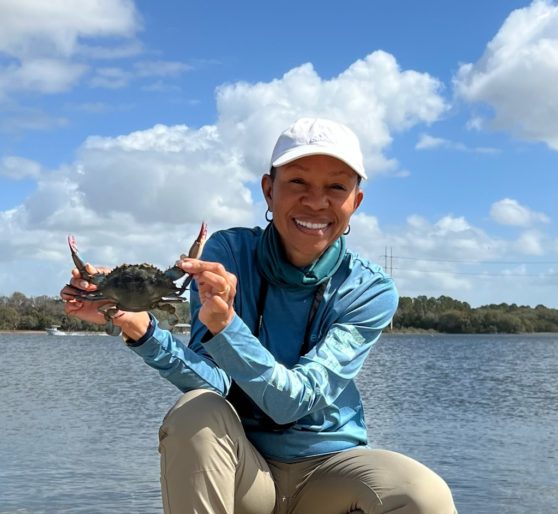
Mangum poling away at dawn-huffmorgan tarpon-Credit David Mangum-800 pixels
Do you have any thoughts on this post?
Wildfire resilience and forest management have never mattered more
Across the West, when we look at our mountains, we don’t just see the beautiful landscape, we see the lifeblood of the people who live here. These peaks store our water, support our economy, and shape our way of life. But this summer, like every recent summer, is a reminder of what’s at stake: smoky skies, communities on edge, families and businesses evacuated, and whole watersheds under threat. As far as the East Coast, smoke of fires from Western blazes reach across the nation, reminding us that we breathe the same air.
So far in 2025, over 1 million acres have burned in large wildfires across the country. Wildfire risk has become constant throughout the year in many areas, and now “normal” means living with an expectation of frequent and bigger blazes. Responding to this reality isn’t a one-and-done project — it’s a generational commitment.
That’s why bipartisan support in Congress for wildfire resilience and forest management has never mattered more.
The Fix Our Forests Act was first introduced by Rep. Bruce Westerman (R-Ark.) and passed the U.S. House of Representatives with a strong bipartisan vote earlier this year. The bill has now gained momentum in the U.S. Senate with bipartisan support led by Sen. John Hickenlooper (D-Colo.), Sen. John Curtis (R-Utah), Sen. Alex Padilla (D-Calif.), and Sen. Tim Sheehy (R-Mont.). The bill reflects that old-fashioned American idea that when a crisis hits, we work together to find solutions.
The bill is designed to accelerate the pace of wildfire mitigation while maintaining the necessary safeguards for fish and wildlife that matter to all of us. Central to the bill is the concept of “Fireshed Management Areas,” targeted zones of up to 10,000 acres where wildfire poses the greatest danger to people and water supplies. Within these zones, risk-reduction projects like ecological thinning, prescribed fire, and fuel breaks can move forward faster by cutting through red tape, while still benefiting fish, wildlife, and their habitat.
The Fix Our Forests Act is also innovative. For the first time, this legislation recognizes that projects to restore and improve floodplains and wetlands can demonstrably reduce wildfire risk to downstream communities, including the long-term impacts wildfires can have on valuable drinking water supplies for rural and urban populations. Identifying the need for smarter, more coordinated responses to wildfire, the bill also creates a national Wildfire Intelligence Center, a state-of-the-art hub for real-time fire data and rapid agency coordination modeled on proven science and public safety systems.
The Fix Our Forests Act is pragmatic, collaborative, and designed for the scale of the threat. The senators’ approach — building consensus, defending conservation values, and insisting on urgency — reflects what leadership looks like when the stakes are highest. Congress has the opportunity to enact into law this piece of legislation that will directly benefit communities throughout the West, and America, for generations to come.
A version of this blog originally ran in The Daily Sentinel out of Grand Junction, Colorado, on August 30, 2025.
The Theodore Roosevelt Conservation Partnership (TRCP), the largest conservation coalition in the United States, is pleased to announce the promotion of Ian Nakayama to Senior Manager, Government Affairs, and the hiring of Grayson Haynes as Government Affairs Advisor. Together, their experience will strengthen TRCP’s ability to advance bipartisan conservation policy on behalf of hunters and anglers nationwide.
Nakayama joined TRCP in 2021 and has played an instrumental role in advancing legislative and administrative priorities for TRCP and across the conservation community. As Senior Manager, Government Affairs, he will continue to contribute to TRCP’s federal policy strategy and expand engagement with lawmakers on issues ranging from public land access and habitat conservation to water resources and fish and wildlife management. Nakayama previously worked in legislative offices, including Congresswoman Jennifer Wexton’s office, and for Delegate Paul Krizek in the Virginia General Assembly, and is a graduate of the University of Virginia.
“We are proud to recognize Ian with this well-deserved promotion,” said Joel Pedersen, president and CEO of the TRCP. “His deep expertise and strong track record on Capitol Hill have made him a trusted resource for policymakers and TRCP partners alike.”
The TRCP also welcomes Grayson Haynes as Government Affairs Advisor. Haynes brings experience working across both Congress and the conservation nonprofit sector. He began his career on Capitol Hill as a staff assistant for the House Agriculture Committee during the 118th Congress. Most recently, he worked with the National Audubon Society’s Working Lands team, where he partnered with ranchers, landowners, and producers to advocate for Farm Bill conservation programs.
A Virginia native from a military family, Haynes grew up fishing and exploring the coastlines with his grandfather. He is an avid hunter of waterfowl, deer, and turkey on Chesapeake Bay public lands.
“Grayson’s firsthand knowledge of agriculture policy, combined with his personal connection to hunting and fishing, will be a tremendous asset to TRCP’s advocacy work,” said Pedersen. “We’re thrilled to welcome him to the team.”
With these additions, TRCP’s government affairs team is well positioned to secure lasting, bipartisan policy outcomes that aim to guarantee all Americans quality places to hunt and fish.
Learn more about TRCP’s leadership HERE.
The TRCP is your resource for all things conservation. In our weekly Roosevelt Report, you’ll receive the latest news on emerging habitat threats, legislation and proposals on the move, public land access solutions we’re spearheading, and opportunities for hunters and anglers to take action. Sign up now.
TRCP supports final plans that are durable and consistent
The BLM has opened a public comment period on updated management actions to the Proposed Greater Sage Grouse RMP Amendments for BLM-managed lands in California, Idaho, Montana, Nevada, North Dakota, South Dakota, Utah, and Wyoming. This announcement is a step toward revising land use plans across the 10-state range of the greater sage grouse in response to a court ruling that identified legal deficiencies in previous plans finalized in 2020.
In November 2024, the BLM issued proposed final plan amendments across the 10-state range of the greater sage grouse and signed Records of Decision in January 2025 for plan amendments in Colorado and Oregon. Since that time, the agency has continued to work with the remaining states to resolve administrative protests and consistency reviews submitted by several Governors.
“For more than a decade, state agencies have worked in unprecedented collaboration with the BLM to amend land management plans to conserve over 67 million acres of sagebrush habitat,” said Madeleine West, vice president of Western conservation for the Theodore Roosevelt Conservation Partnership. “The BLM’s action this week indicates they are committed to completing plan amendments in the remaining Western states. Finalizing these outstanding plan amendments could end a cycle of BLM planning that first began in 2012, allowing federal and state agency staff and resources to refocus on important species and land management work to benefit the sagebrush ecosystem and Western communities.”
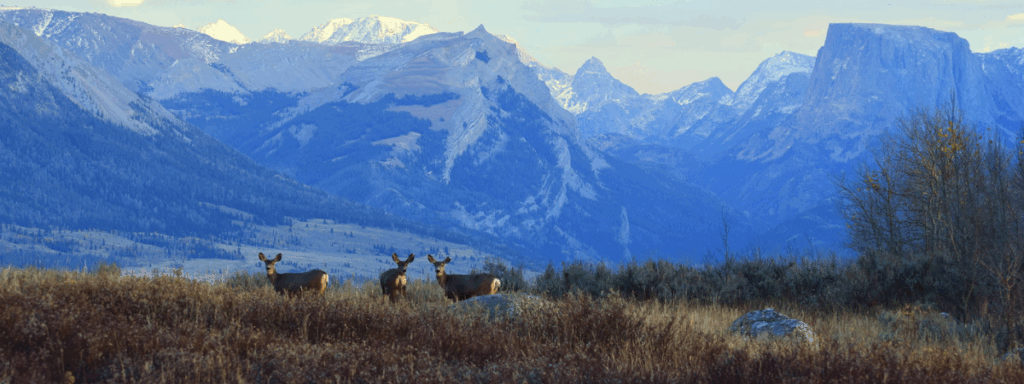
The TRCP has been on the front lines in support of sage grouse conservation for over a decade. The decline of this iconic game bird of the American West indicates that sagebrush habitat is in trouble, and that matters for sportsmen and women because the sagebrush ecosystem is home to more than 350 different species of plants and animals, including pronghorn and mule deer. A 2022 U.S. Geological Survey report revealed that half of the original sagebrush ecosystem has been lost at a rate of approximately 1.3 million acres each year over the last two decades.
“We support the BLM’s efforts to collaborate with states to finalize the remaining land use plans in a manner that creates durable and consistent management across the range of the species,” continued West.
The BLM is accepting public comments on proposed updated management actions until October 3, 2025. Documents are available on the agency’s eplanning website.
Hunters, anglers, and conservation groups applaud legislation aimed at new investments in source watersheds and resilient forests.
On Wednesday, a bipartisan group of U.S. Senators – including Michael Bennet (D-Colo.), Mike Crapo (R-Idaho), John Hickenlooper (D-Colo.), Ben Ray Luján (D-N.M.), and James Risch (R-Idaho) introduced the Headwaters Protection Act in an effort to invest in America’s forests and watersheds by expanding support for two U.S. Forest Service Programs created in the 2018 Farm Bill: The Water Source Protection Program (WSPP) and the Watershed Condition Framework (WCF). These two programs are unique in that they are the only Forest Service authorities that specifically support efforts to identify and implement conservation and restoration efforts to improve the quality of water originating on National Forest Service lands, which provide benefits for both downstream water users and fish and wildlife.
If passed, the bill would support critical public-private partnerships working to ensure our National Forests provide clean water to downstream communities, benefit agricultural water users, and safeguard fish and wildlife habitat that hunters, anglers, and communities rely on.
Originally introduced in 2023, the reintroduced bill aims to make important updates that will expand participation, increase funding, and boost resilience.
“Healthy source watersheds improve water reliability and quality, bolster resilience to drought and wildfire, and sustain the fish and wildlife habitat that hunters and anglers depend on,” said Alex Funk, TRCP’s director of water resources. “The Headwaters Protection Act will strengthen public-private partnerships to accelerate restoration and conservation of these landscapes, and we applaud Senators Bennet, Crapo, Hickenlooper, Luján, and Risch for their leadership in introducing this important bipartisan legislation aimed at keeping our forests and watersheds healthy.”
From backcountry trout streams to irrigation canals that sustain farms, healthy headwaters are the foundation of both America’s sporting traditions and our economy. National forests supply drinking water to more than 150 million Americans and sustain countless fish and wildlife species that hunters and anglers depend on. The Headwaters Protection Act would:
The WSPP and WCF projects would:
Learn more about TRCP’s work on Habitat & Clean Water | Theodore Roosevelt Conservation Partnership
Hunters and anglers have always been the unsung heroes of conservation in America, quietly paying it forward every time we buy a license, a box of ammo, or a tank of boat fuel. We know you’re not satisfied with simply going hunting or fishing and then going home—so go the extra distance. You can take action on the conservation issues that matter right now. Click here to get started.
TRCP has partnered with Afuera Coffee Co. to further our commitment to conservation. $4 from each bag is donated to the TRCP, to help continue our efforts of safeguarding critical habitats, productive hunting grounds, and favorite fishing holes for future generations.
Learn More