Our Issues
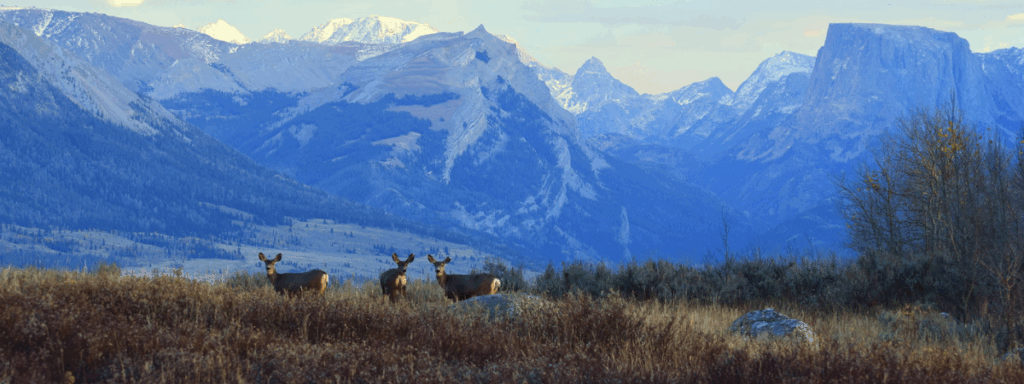
Public Lands
Why It Matters

Hunting & Fishing Access

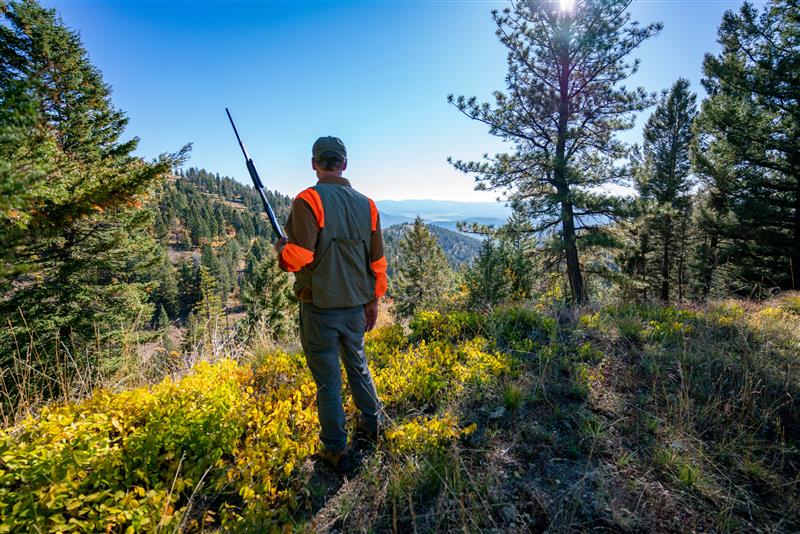
America’s 640 million acres of national public lands provide irreplaceable hunting and fishing opportunities to millions of Americans.

Learn More About Access
What TRCP is Doing

We’re working to safeguard America’s public lands so hunters and anglers always have quality places to pursue their passions.
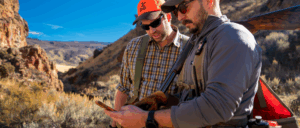
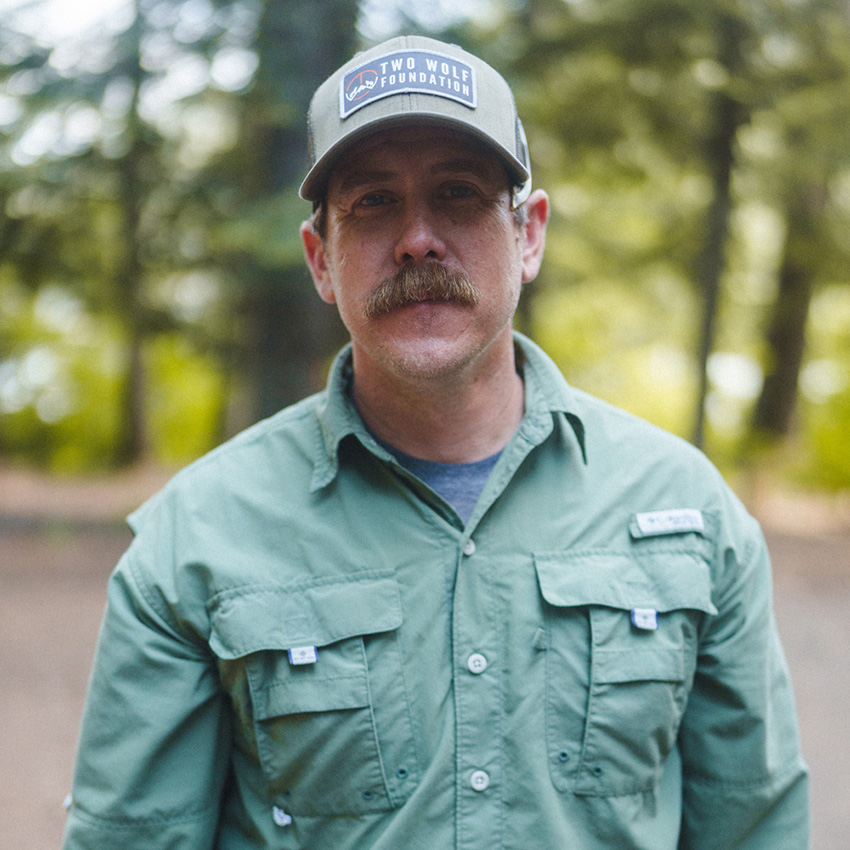
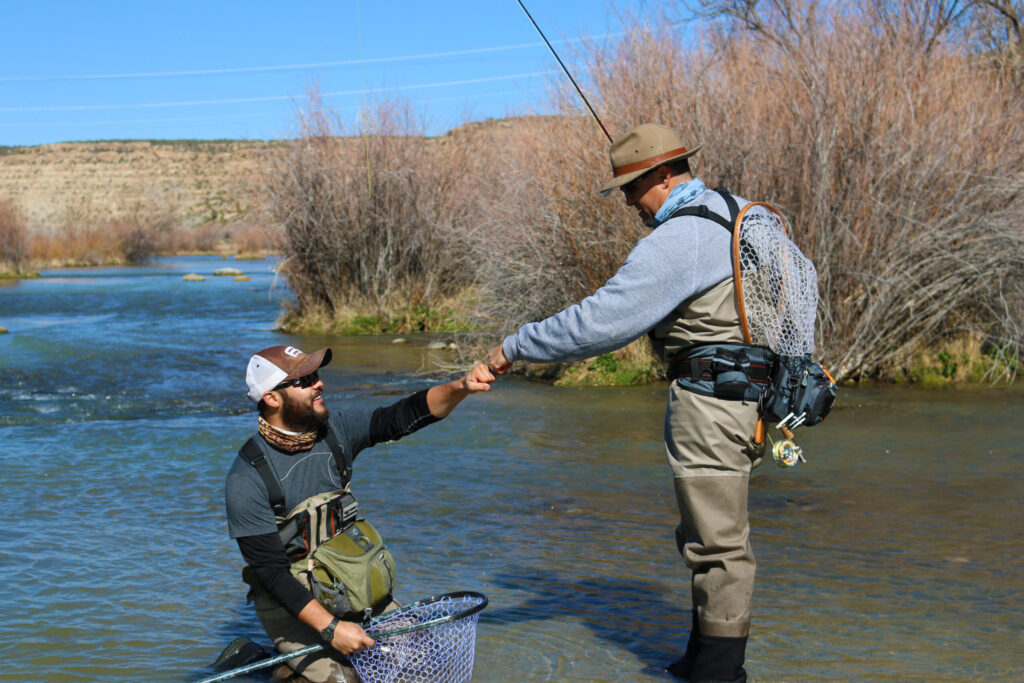
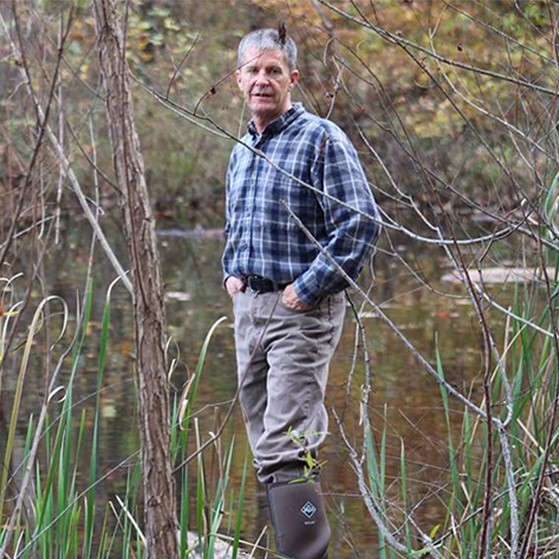
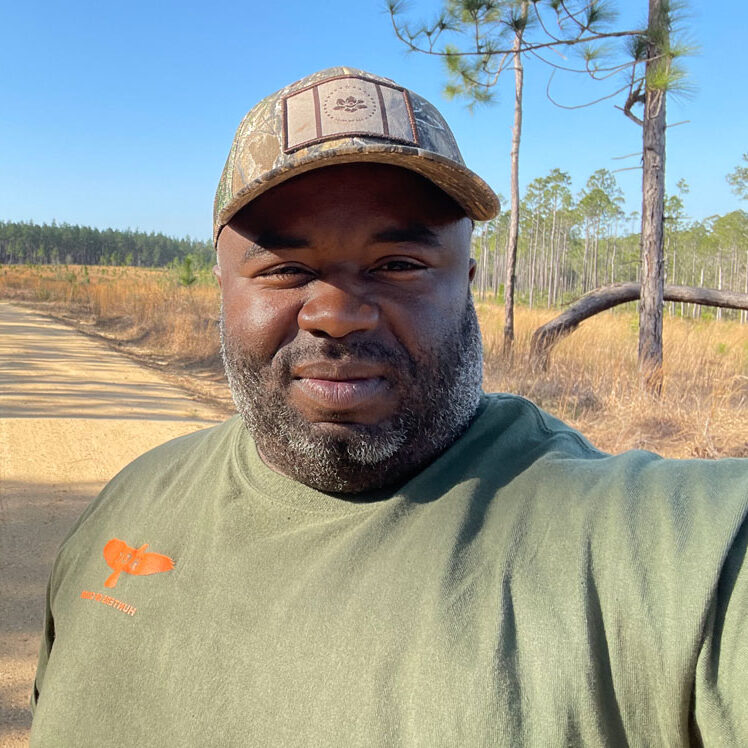
 Brian Flynn, Two Wolf Foundation
How Sportsmen Are Doing It Right

Brian Flynn, Two Wolf Foundation's Story

Following a distinguished career in the U.S. Army, lifelong outdoorsman Brian Flynn returned home from a deployment in Afghanistan and…

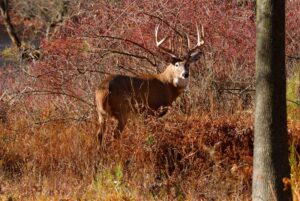
Hunting
Why It Matters

Key Issues for America’s Hunters

Your source for the latest policy updates, conservation challenges, and opportunities shaping America’s hunting traditions.

What TRCP is Doing

We’re fighting for meaningful policy changes that benefit wildlife, our waters, and the American landscapes that make our outdoor traditions possible.

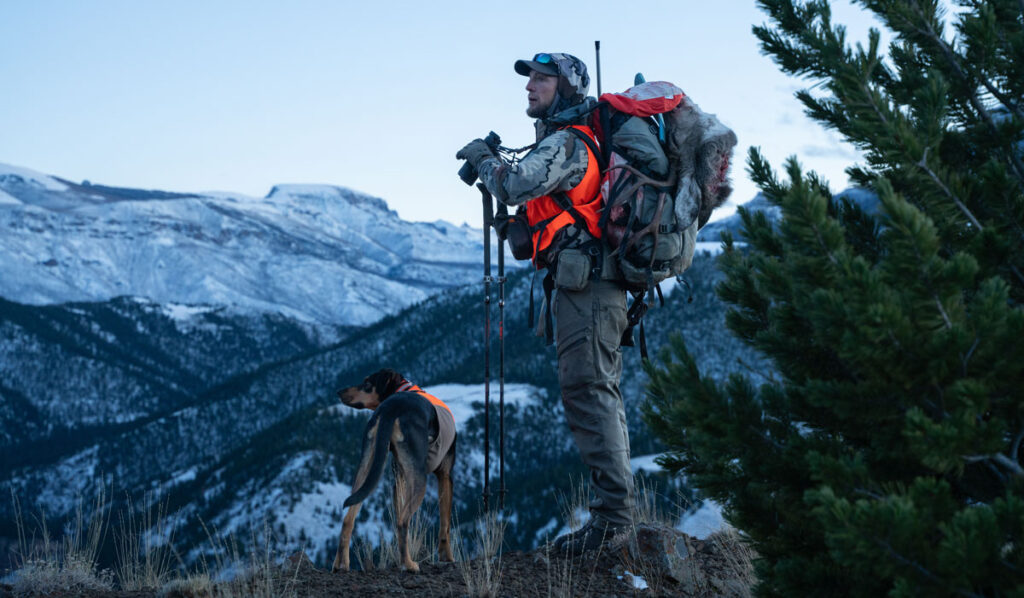
 Ryan Sparks
How Sportsmen Are Doing It Right

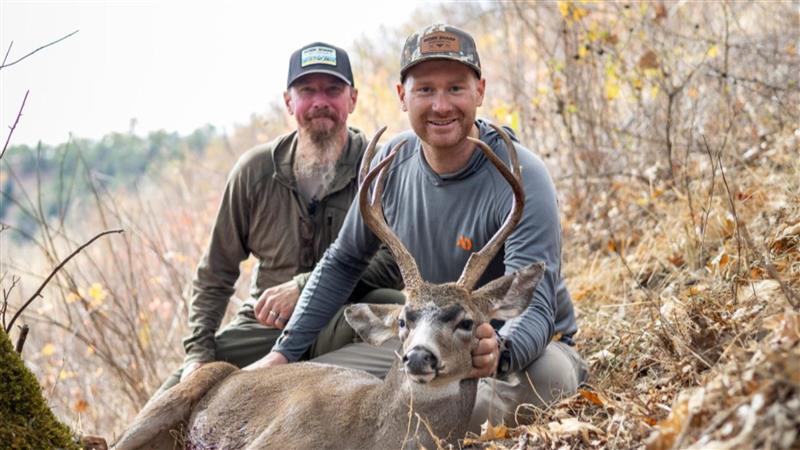
Ryan Sparks's Story

TRCP’s “In the Arena” series highlights the individual voices of hunters and anglers who, as Theodore Roosevelt so famously said,…

Fishing
Why It Matters

Key Issues for America’s Anglers

Your source for the latest policy updates, conservation challenges, and opportunities shaping America’s fishing traditions.

What TRCP is Doing

We’re fighting for meaningful policy changes that benefit wildlife, our waters, and the American landscapes that make our outdoor traditions possible.

 David Mangum
How Sportsmen Are Doing It Right

David Mangum's Story

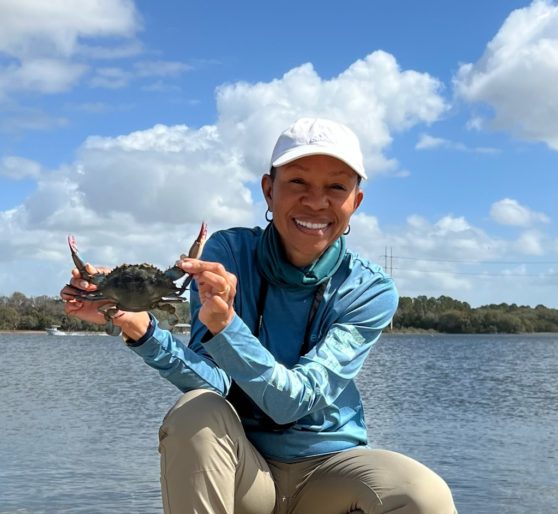
Capt. David Mangum is a YETI ambassador and outdoor photographer who utilizes his talents to produce media that inspire a…

Private Land
Why It Matters

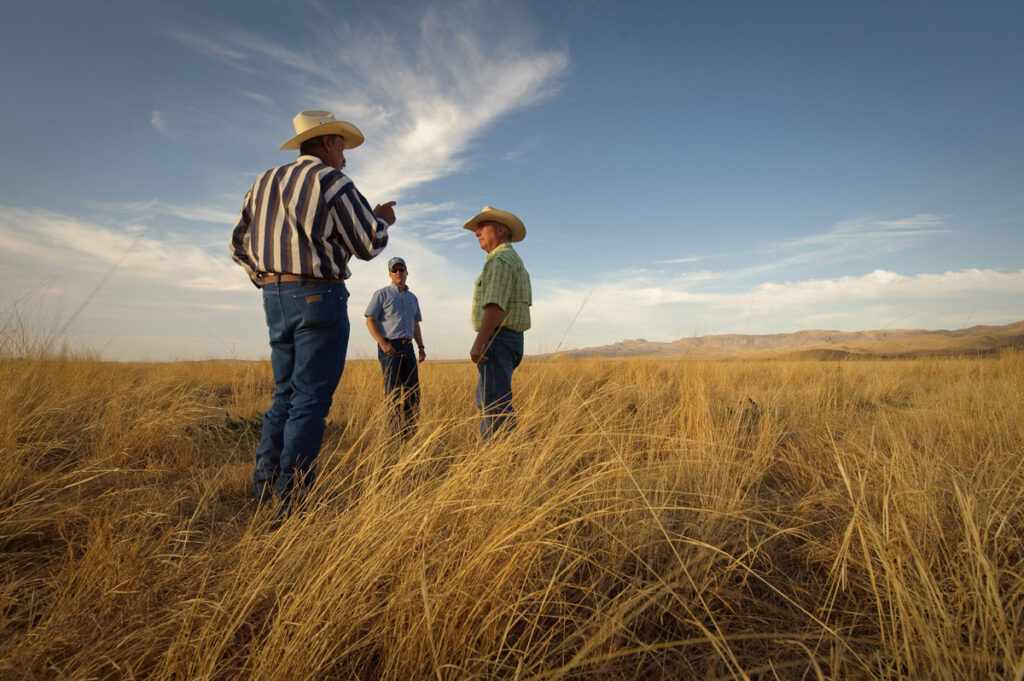
Stewardship on America’s private lands

With 70 percent of U.S. lands in private hands and many of our best hunt and fish opportunities occurring there, investing in voluntary conservation on working lands safeguards access, strengthens habitat and water quality, and ensures resilient landscapes.

Learn More
What TRCP is Doing

We champion policies and programs that restore wildlife habitat, improve soil and water health, and keep working lands productive.

 Ward Burton
How Sportsmen are Doing It Right

Ward Burton's Story

Ward Burton’s NASCAR driving career stretched across most of two decades. As an avid sportsman and conservationist, he founded the…

Special Places
Why It Matters

Special Places Worth Protecting

America’s most iconic landscapes provide unmatched habitat and unforgettable days afield. These places sustain wildlife, anchor local economies, and define the hunting and fishing traditions we pass down.

What TRCP is Doing

We’re working to conserve special places that provide world-class habitat and unforgettable opportunities for hunters and anglers.

 Franklin Adams
How Sportsmen Are Doing It Right

Franklin Adams's Story

As a true Gladesman, conservationist, and historian, Capt. Franklin Adams has spent more than six decades championing Everglades restoration efforts…

Habitat & Clean Water
Why It Matters

Healthy Habitat Powers Every Pursuit

All hunting and fishing opportunities depend on quality habitat, from clean water and healthy wetlands to winter and summer habitats and the migration corridors that connect them.

All About Habitat & Clean Water
What TRCP is Doing

We are working to safeguard the habitats that power every hunting and fishing opportunity.

 Alex Harvey
How Sportsmen Are Doing It Right

Alex Harvey's Story

Alex Harvey, founder of Legacy Land Management, is a registered professional forester in Mississippi and Alabama with a Master's degree…

Science
Why It Matters

Science That Guides TRCP

From conserving migration corridors and wetlands to ensuring clean water and resilient landscapes, science provides evidence that turns conservation goals into effective action.

Science for Conservation
What TRCP is Doing

For hunters and anglers, science safeguards the experiences we treasure including resilient big game populations, abundant fish, and wild places that endure changing social landscapes.

Jamelle Ellis
Your Science Expert

Jamelle Ellis's Story

Jamelle Ellis joined the Theodore Roosevelt Conservation Partnership in 2022. Jamelle spent the last three years as an environmental sustainability…

Where We Work
Across the Nation

Conservation Across America

TRCP works across the country to ensure hunters and anglers can enjoy healthy fish and wildlife and quality days afield, no matter where they live.

See All Issues
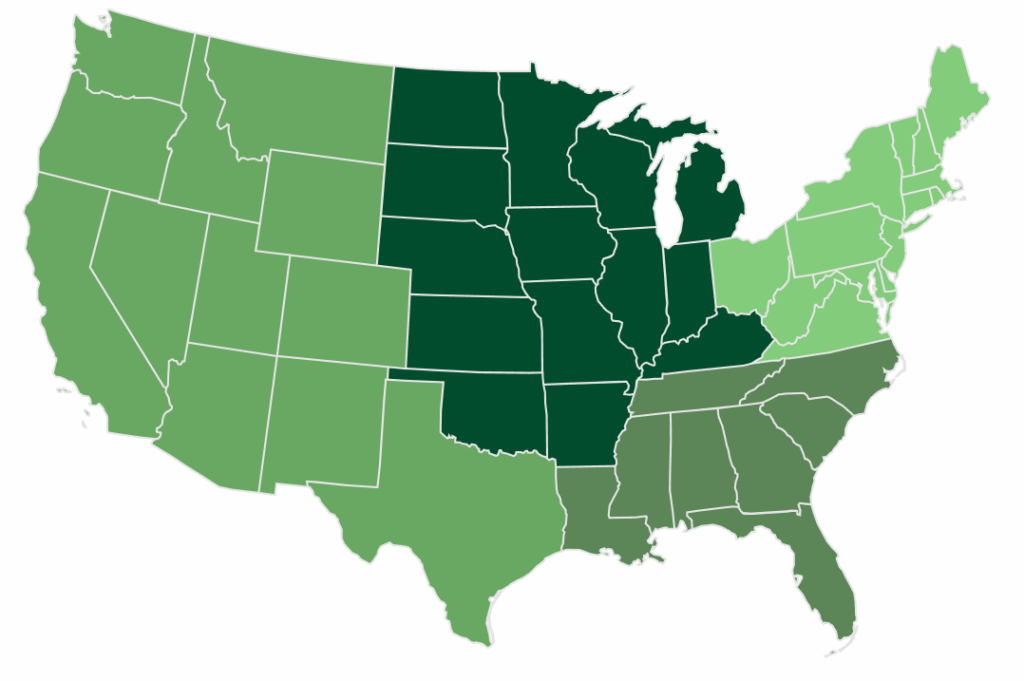
TRCP in Your Region

TRCP works across the country to ensure hunters and anglers can enjoy healthy fish and wildlife and quality days afield, no matter where they live.

Who We Are
Our Mission

To guarantee all Americans quality places to hunt & fish

We unite and amplify our partners’ voices to advance America’s legacy of conservation, habitat, and access.

Our Mission & Values
Our People & Partners
  • Meet the TRCP Team

    Our staff and board members unite and amplify our partners’ voices to advance America’s legacy of conservation, habitat, and access.

    Meet the Team
  • Our Partners

    ‘Partnership’ is in our name. We work with 64 diverse partner groups that represent today’s leading hunting, fishing, and conservation organizations in order to strengthen the sportsman’s voice in Washington, D.C.

    Our Partners
  • Corporate Council

    TRCP’s Corporate Council is made up of diverse corporations that share a common passion for conservation.

    Corporate Council
Our Organization

Looking for more information?

Explore our latest news, policy updates, and conservation resources to get the information you need.

Giving
How You Can Help

To guarantee all Americans quality places to hunt & fish

Your tax-deductible donation will support TRCP's mission, now and into the future.

DONATE
Special Ways to support trcp
  • Capital Conservation Awards Dinner

    The CCAD is one of Washington's best-attended conservation celebrations, featuring dinner, cocktails, and a silent auction.

    Learn More
  • Step Into the Arena

    Help us ensure that our treasured wild habitats and game remain intact for the next generation to enjoy – lend your support to the TRCP’s efforts today!

    Donate
  • Roosevelt Roast

    TRCP has partnered with Afuera Coffee Co. to further our commitment to conservation.

    Learn More
More donation options

Find the best way for you to lend your support. Join one of TRCP’s donor circles for special invitations, premium offerings from outdoor retailers, and more exclusive benefits. Take control of your legacy with planned giving or contribute to special conservation funds.

Other Ways To Give
News
In the Spotlight

In the Arena: Josh Warren

For many hunters and anglers, the connection to conservation begins close to home — in the woods behind the house, along a familiar stretch of river, or through time spent learning from mentors and family. That sense of place is something Joshua Warren carries with him, both personally and professionally. As Director of Marketing at WorkSharp, Josh represents a company rooted in Ashland, Oregon, a community defined by its access to public lands and wild country.

Read More

Stay Informed

Receive our newsletter, the Roosevelt Report, right in your inbox. Never miss the latest news in conservation issues.

by:

posted in:

April 30, 2025

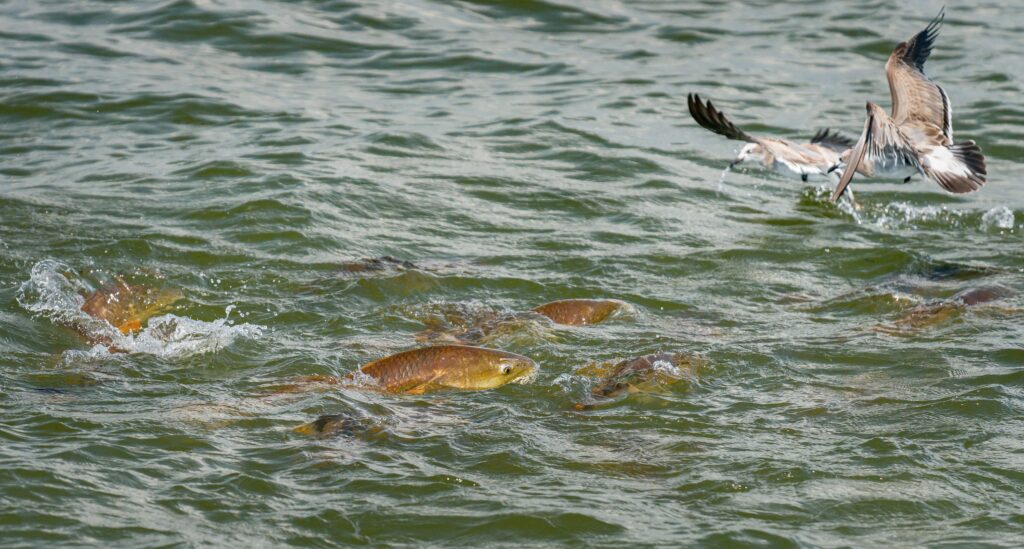
McMurray childhood catfish crop-675-Credit John McMurray

Do you have any thoughts on this post?

XHTML: You can use these tags: <a href="" title=""> <abbr title=""> <acronym title=""> <b> <blockquote cite=""> <cite> <code> <del datetime=""> <em> <i> <q cite=""> <s> <strike> <strong>

Comments must be under 1000 characters.

by:

posted in:

April 18, 2025

Montana Highway Wildlife Crossings Account to be Established  

House Bill 855 heads to the governor’s desk for signature

Today, House Bill 855—Establish FWP Wildlife Highway Crossings and Accommodations Account, passed out of the Montana Senate with a 38-12 vote. HB 855 now awaits Governor Gianforte’s signature to be signed into law.

After advancing through committees and passing the House of Representatives with enormous support, this legislation is an important step toward reducing wildlife-vehicle collisions in Montana. On top of establishing an account, this legislation will result in a new state license plate that could generate $160k annually. The account could also receive funds from other sources to increase the amount available annually.

Throughout the West, wildlife accommodation infrastructure—including fencing, overpasses, and underpasses—has supported wildlife movement across highways while making our roads safer for motorists. Montana’s high rate of wildlife-vehicle collisions poses a significant threat to public safety and the conservation of big game.

Sponsored by Representative Katie Zolnikov (R-Billings), this legislation will establish the Fish, Wildlife & Parks Wildlife Highway Crossings and Accommodations Account, which will house funding to be used on wildlife accommodation infrastructure in Montana.

“By establishing the Wildlife Highway Crossings and Accommodations Account, Montana is making a commitment to increasing public safety on Montana’s roadways while conserving wildlife,” said Ryan Chapin, Montana field manager at the Theodore Roosevelt Conservation Partnership. “We join the Treasure State’s motorists and hunters and anglers in thanking Representative Zolnikov for her leadership on this bill and the legislature for swiftly advancing this life-saving legislation.”

Learn more about TRCP’s commitment to wildlife migration conservation HERE.

by:

posted in:

April 11, 2025

TRCP Applauds Senate Introduction of Bipartisan Fix Our Forests Act

New legislation seeks to accelerate forest management and restoration, improve wildfire resilience, and enhance collaboration and innovative management strategies. 

Today, the bipartisan Fix our Forests Act was introduced in the U.S. Senate by Senators Sheehy (R-Mont.), Curtis (R-Utah), Padilla (D-Calif.) and Hickenlooper (D-Colo.). A similar version of the bill passed through the U.S. House of Representatives earlier this year with broad bipartisan support. The legislation introduced in the Senate would direct federal agencies to develop new and innovative technologies to address forest health threats, suppress and manage fire more efficiently, and increase the pace and scale of restoration across our forests and watersheds. In addition, the bill would make communities more resilient to wildfire by establishing a Community Risk Reduction Program and improving existing grant programs while also furthering new research.  

“The declining health of our National Forests and the fish and wildlife habitat that they provide is a concern for America’s hunters and anglers,” said Joel Pedersen, president and CEO of the Theodore Roosevelt Conservation Partnership. “TRCP applauds the leadership of Senators Curtis, Sheehy, Hickenlooper, and Padilla for introducing the bipartisan Fix Our Forests Act in the Senate and urges Congress to advance these important forest management provisions and to accompany them with adequate resources and capacity to carry out on-the-ground work.”

In 2024 alone, wildlifes caused more than 8.9 million acres to be burned across the country. The Fix Our Forests Act seeks to provide more arrows in the quiver to help take aim at this challenge through a multitude of solutions. One such policy solution, included in the bill and led by TRCP, would formally recognize the wildfire risk reduction benefits associated with restoration of riparian and wetland habitat, the first such recognition in federal statute. Other provisions of the Fix Our Forests Act will help TRCP partners and other land managers increase forest health and resilience to benefit water resources, wildlife habitat, outdoor recreation and the local communities that depend on them.  

“The Fix Our Forests Act streamlines collaboration between the National Wild Turkey Federation, the USDA Forest Service, and other partners, cutting red tape to accelerate urgent forest restoration and management on federal lands,” said Matt Lindler, NWTF Director of Government Affairs. “This bill ensures we can better manage and conserve vital natural resources for wildlife, hunters and anglers. We are grateful to see the Senate introduce this critical piece of legislation and await the signature from the president.”    

“The health of our nation’s forests is dependent on the rivers, streams, and wetlands that sustain them. Actively conserving and restoring these critical aquatic resources is an important tool that can be used to mitigate the impacts of wildfire and drought, among other threats,” said Alicia Marrs, director of western water for the National Wildlife Federation. “We’re encouraged to see language in the bipartisan Fix Our Forests Act that recognizes the wildfire benefits of aquatic restoration. We look forward to continuing to work with leaders from both sides of the aisle to elevate these common sense and cost-effective approaches to forest and water management for all Americans.”

Top photo credit: Dr. Emily Fairfax


The TRCP is your resource for all things conservation. In our weekly Roosevelt Report, you’ll receive the latest news on emerging habitat threats, legislation and proposals on the move, public land access solutions we’re spearheading, and opportunities for hunters and anglers to take action. Sign up now.

by:

posted in:

April 10, 2025

Conservation Partnerships Drive Public Land Access in Pennsylvania

TRCP partner Ducks Unlimited works with PA agency to use state, federal, and private funds to protect important wetlands, waterfowl habitat

Ducks Unlimited (DU) and the Pennsylvania Game Commission have partnered to protect and restore 126 acres of vital emergent and forested wetland habitat next to the commission’s State Game Lands 151, which spans across Mercer and Lawrence Counties in the northwestern corner of the state.

Known as Celery Swamp, the land was acquired from a private seller and added to SGL 151 thanks to funding from Pennsylvania’s Department of Conservation and Natural Resources, the North American Wetlands Conservation Act, and Waterfowl USA. The project is part of a larger initiative focused on protecting, restoring, and enhancing wetland habitats on Pennsylvania public lands. DU, the Game Commission, DCNR, Western Pennsylvania Conservancy, French Creek Valley Conservancy, and many other partners have been collaborating on conservation projects in this region of the state for decades.

The project area provides major stopovers for waterfowl and other migratory birds. Credit: Joe Genzel/Ducks Unlimited

The 1,438-acre property is located in the Ohio River watershed, 30 miles from Pymatuning Reservoir and 60 miles from Lake Erie – both major stopovers for millions of waterfowl and other migratory birds. SGL 151 is crucial to preserving species of special concern (eastern massasauga snake, American black duck, and American bittern), supporting biodiversity, and safeguarding local communities. By securing and restoring this wetland habitat, DU and the state are reinforcing their commitment to conservation, ensuring long-term ecological benefits for wildlife and outdoor enthusiasts alike.

The results of this restoration effort will support an array of wetland-dependent species and be open to waterfowl hunting and bird watching.

“Protecting this habitat is essential for sustaining waterfowl populations and conserving Pennsylvania’s diverse wildlife,” said DU Biologist Lisa Clark. “This partnership underscores the importance of collaborative conservation efforts between state and federal agencies and non-government organizations. And this project could not have been completed without generous contributions from the Hohmann Family, EQT Foundation, S. Kent Rockwell Foundation, and the Kuehner Family.”

A $1 million habitat improvement project is currently underway and scheduled to be completed this year. Credit: Ducks Unlimited

Celery Swamp is one of many wetland projects in Pennsylvania that have been made possible thanks to strong partnerships and a diversified funding platform that supports habitat conservation and restoration on public lands. State funding was used during the initial phases of this project and unlocked North American Wetlands Act funding to complete construction. To date, DU has collaborated with various partners to conserve over 32,200 acres of critical habitat throughout Pennsylvania.

Wetland loss is common across much of the U.S., and Pennsylvania is no exception. The state has already lost 56 percent (226,197 acres) of its historical wetlands. Many of these habitats were drained for agriculture, infrastructure (e.g., highways and dams), peat mining, and human development, such as homes and businesses.

Drone footage taken in 2018 overlooking the aquaculture ponds prior to construction. Credit: Ducks Unlimited

Celery Swamp was converted for aquaculture use as a fish farm in the 1970s. The wetlands were diked, deepened, and managed through an interconnected series of drainage pipes and a network of ditches. From the ‘70s until the ’90s, the impoundments were managed as open-water ponds for baitfish. When the baitfish production ceased, however, the impoundments were abandoned.

Over the years, extended high water levels within the impoundments created stagnant pools of open water. These pools were unsuitable for traditional emergent vegetation to grow. Instead, the impoundments were colonized by floating emergent and submergent aquatic plants. Stands of spatterdock and other nuisance plant species now overrun some of the impoundments, creating unhealthy monotypic stands and consequently reducing the biodiversity of the wetlands.

The wetlands support wood ducks, mallards, herons, and other wildlife. Credit: Joe Genzel/Ducks Unlimited

However, despite their partial degradation, the wetlands still support a wide variety of breeding, migratory, and wintering birds, including wood ducks, mallards, swamp sparrows, black-crowned night herons, and lesser yellowlegs. The property also contains a nine-acre flooded forest and scrub-shrub impoundment that provides additional habitat diversity to support wetland-dependent wildlife, such as dabbling ducks, turtles, and beavers.

Good waterfowl hunting requires wetland habitat restoration and conservation. Credit: Joe Genzel/Ducks Unlimited

DU and the Pennsylvania Game Commission are now working together to restore Celery Swamp back to its native wetland habitat. This $1 million construction project is currently underway and scheduled to be completed this year. After construction, the commission will manage and maintain the site. Habitat managers will regain the ability to manipulate water levels and create conditions to promote habitat resources for waterfowl and other wildlife. The results of this restoration effort will support an array of wetland-dependent species and be open to outdoor recreational use, such as waterfowl hunting and bird watching.

“The restoration outcomes will benefit visitors and the people that call the region home by improving water quality, reducing flooding, and improving public lands for hunters and outdoor enthusiasts to enjoy,” Clark said.

Banner image credit: Ducks Unlimited

by:

posted in:

April 3, 2025

Urge Lawmakers to Oppose Public Land Sales!

Now is the time for you to reach out to your elected officials

Media outlets have recently reported that some lawmakers are considering the sale of some public lands to help pay for a budget reconciliation bill.

Now is the time for you to reach out to your elected officials in Congress and urge them to oppose public land sales in federal reconciliation legislation.

“America’s public lands are invaluable in providing recreational access to millions of American hunters and anglers,” said Joel Pedersen, president and CEO of the Theodore Roosevelt Conservation Partnership. “TRCP is opposed to selling off the public’s favorite hunting and fishing spots and we urge Congress to keep public land sales out of federal reconciliation legislation.”

Click the button below to complete our easy-to-use action alert to contact your Senators and Representatives.

If you decide to call your elected officials, you can use this script to help guide your comments.

Thank you for your commitment to our public land legacy.


The TRCP is your resource for all things conservation. In our weekly Roosevelt Report, you’ll receive the latest news on emerging habitat threats, legislation and proposals on the move, public land access solutions we’re spearheading, and opportunities for hunters and anglers to take action. Sign up now.

HOW YOU CAN HELP

TRCP has partnered with Afuera Coffee Co. to further our commitment to conservation. $4 from each bag is donated to the TRCP, to help continue our efforts of safeguarding critical habitats, productive hunting grounds, and favorite fishing holes for future generations.

Learn More

You have Successfully Subscribed!

You have Successfully Subscribed!

You have Successfully Subscribed!

You have Successfully Subscribed!