Our Issues
Public Lands
Why It Matters

Hunting & Fishing Access

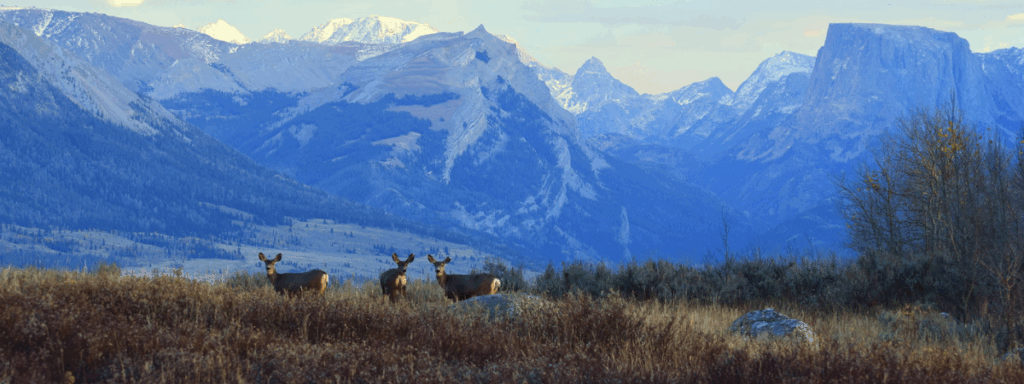
America’s 640 million acres of national public lands provide irreplaceable hunting and fishing opportunities to millions of Americans.

Learn More About Access
What TRCP is Doing

We’re working to safeguard America’s public lands so hunters and anglers always have quality places to pursue their passions.
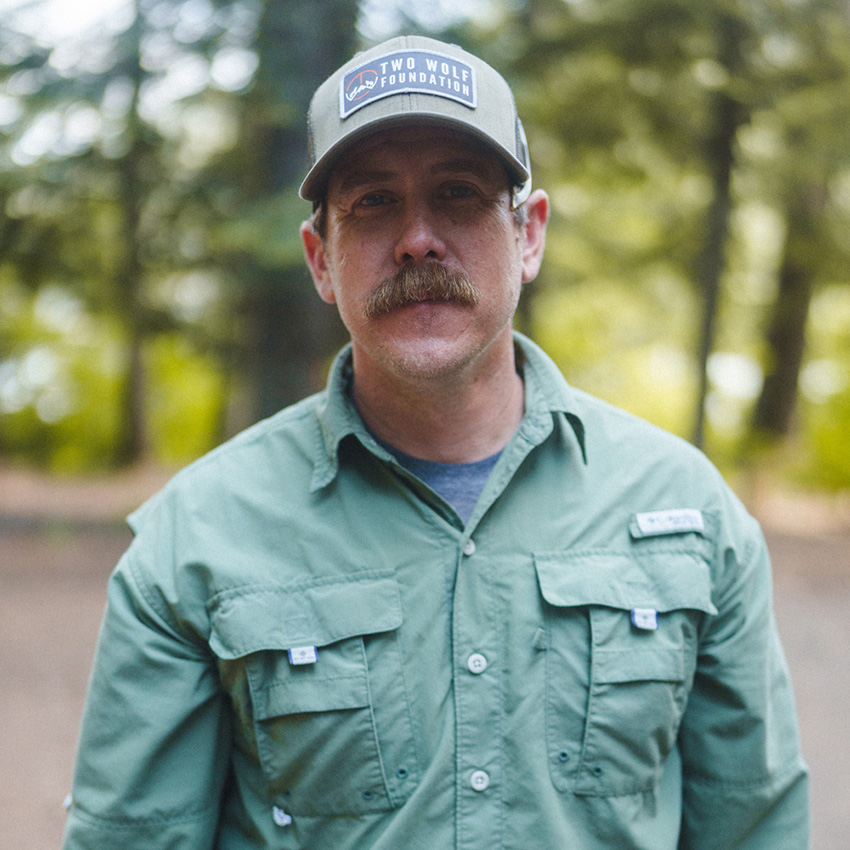
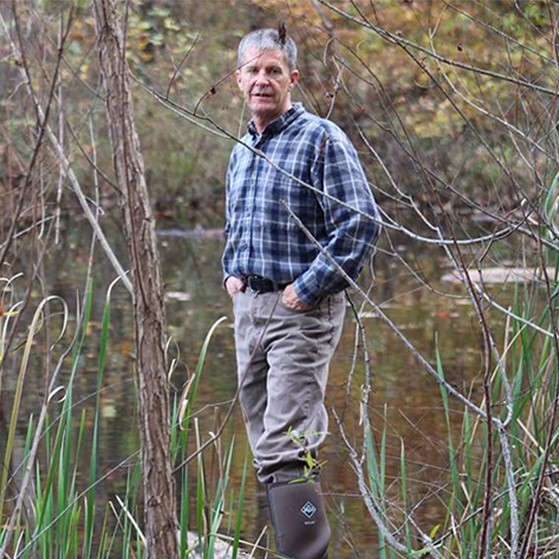
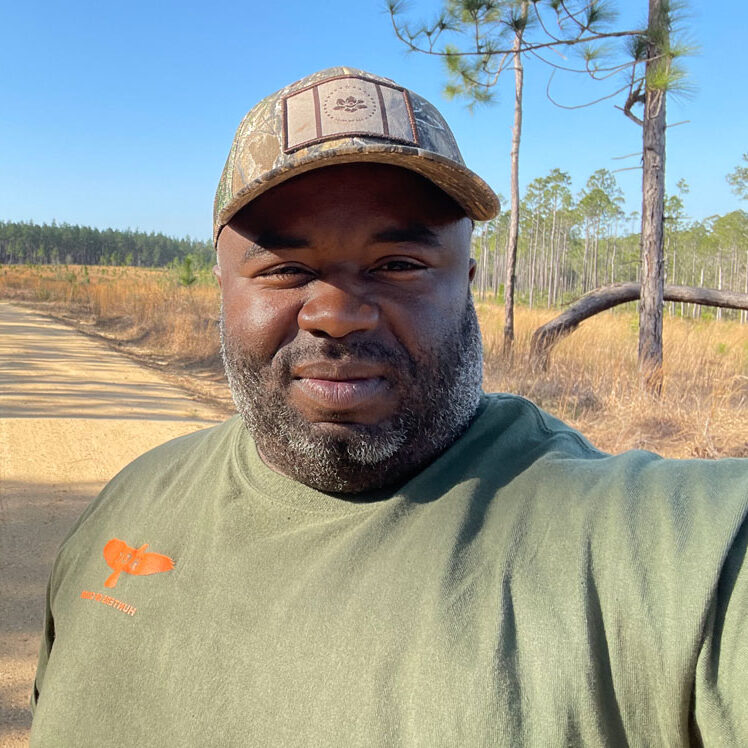
 Brian Flynn, Two Wolf Foundation
How Sportsmen Are Doing It Right

Brian Flynn, Two Wolf Foundation's Story

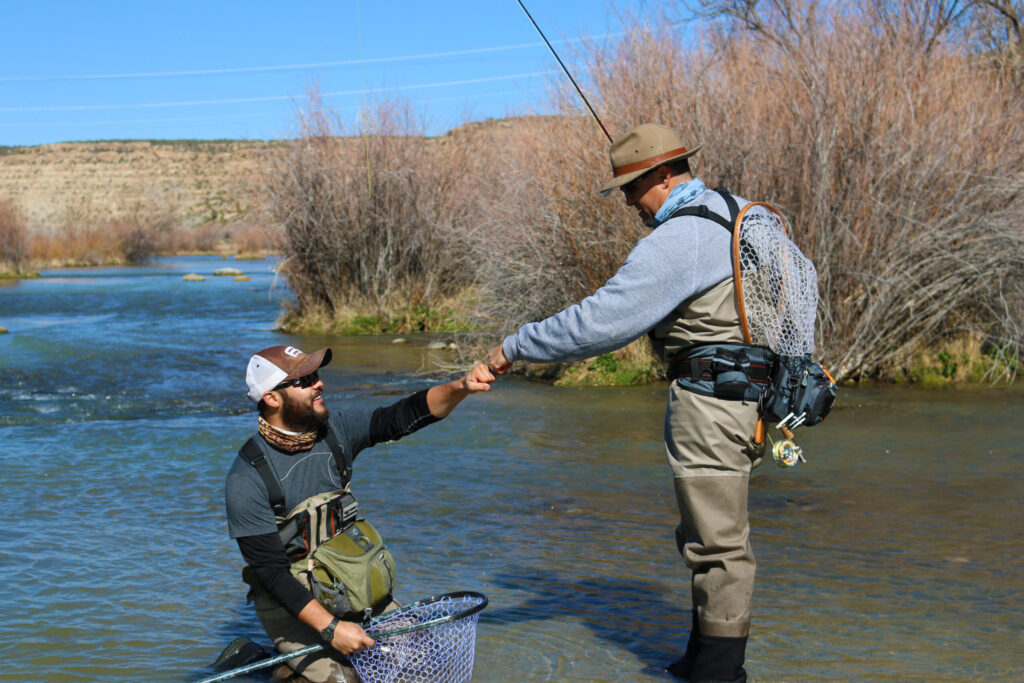
Following a distinguished career in the U.S. Army, lifelong outdoorsman Brian Flynn returned home from a deployment in Afghanistan and…

Hunting
Why It Matters

Key Issues for America’s Hunters

Your source for the latest policy updates, conservation challenges, and opportunities shaping America’s hunting traditions.

What TRCP is Doing

We’re fighting for meaningful policy changes that benefit wildlife, our waters, and the American landscapes that make our outdoor traditions possible.

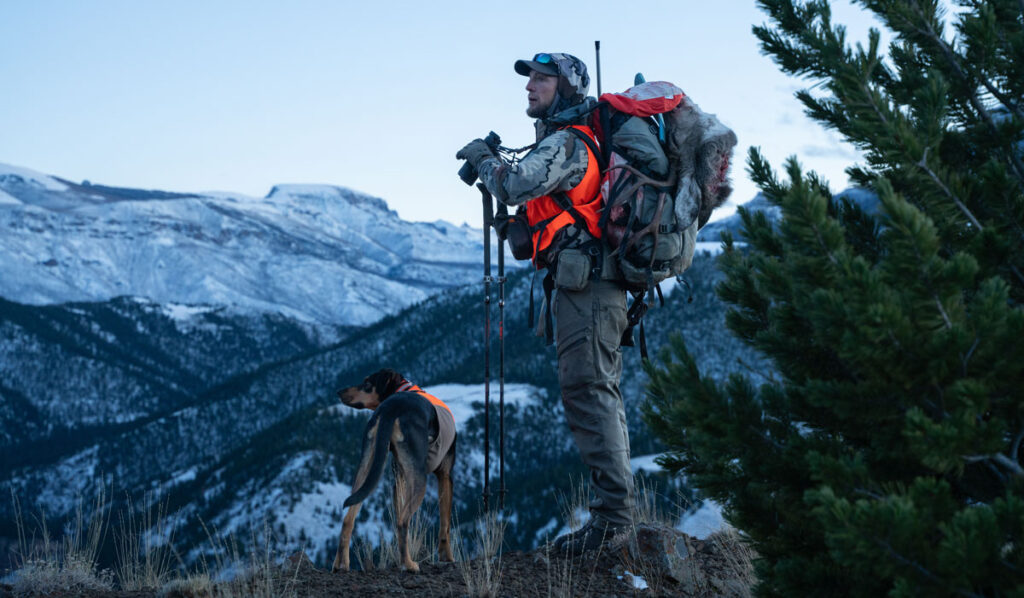
 Ryan Sparks
How Sportsmen Are Doing It Right

Ryan Sparks's Story

TRCP’s “In the Arena” series highlights the individual voices of hunters and anglers who, as Theodore Roosevelt so famously said,…

Fishing
Why It Matters

Key Issues for America’s Anglers

Your source for the latest policy updates, conservation challenges, and opportunities shaping America’s fishing traditions.

Sign Up For Forage Fish Updates
What TRCP is Doing

We’re fighting for meaningful policy changes that benefit wildlife, our waters, and the American landscapes that make our outdoor traditions possible.

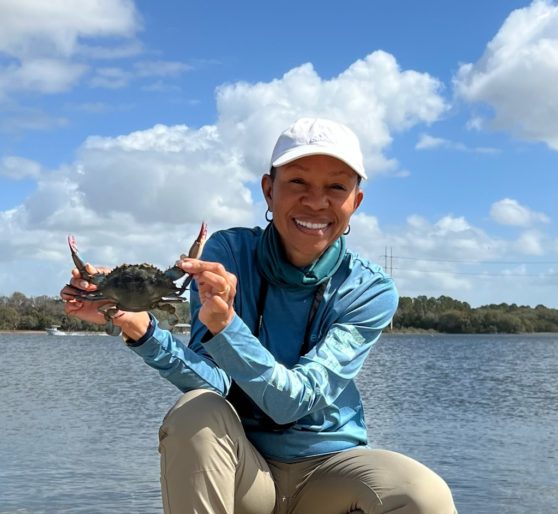
 David Mangum
How Sportsmen Are Doing It Right

David Mangum's Story

Capt. David Mangum is a YETI ambassador and outdoor photographer who utilizes his talents to produce media that inspire a…

Private Land
Why It Matters

Stewardship on America’s private lands

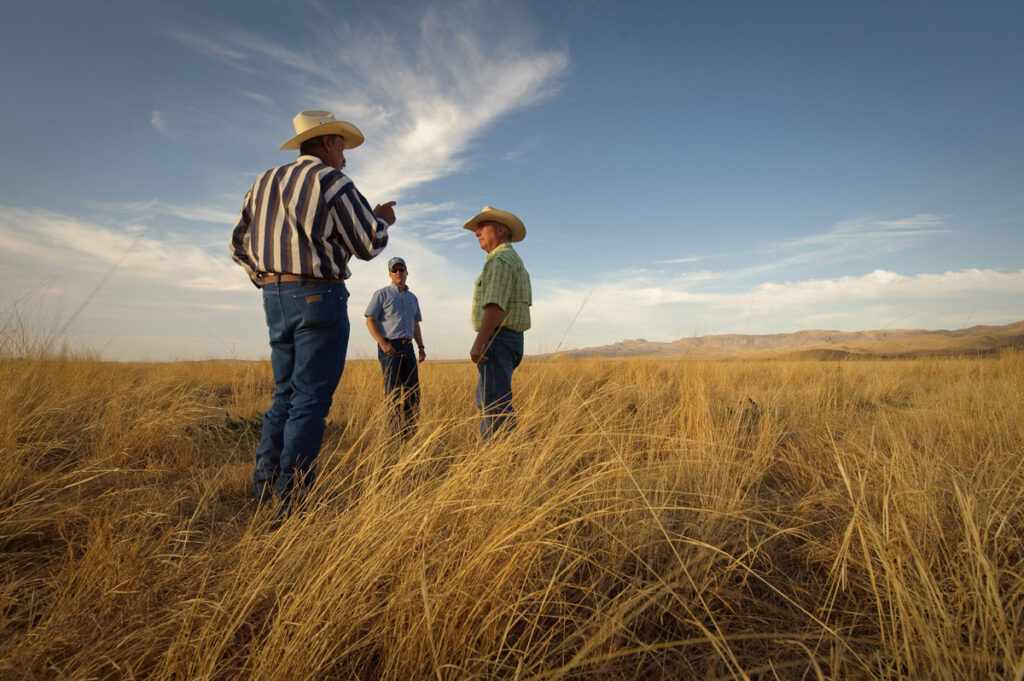
With 70 percent of U.S. lands in private hands and many of our best hunt and fish opportunities occurring there, investing in voluntary conservation on working lands safeguards access, strengthens habitat and water quality, and ensures resilient landscapes.

Take Action - Farm Bill 2026
What TRCP is Doing

We champion policies and programs that restore wildlife habitat, improve soil and water health, and keep working lands productive.

 Ward Burton
How Sportsmen are Doing It Right

Ward Burton's Story

Ward Burton’s NASCAR driving career stretched across most of two decades. As an avid sportsman and conservationist, he founded the…

Special Places
Why It Matters

Special Places Worth Protecting

America’s most iconic landscapes provide unmatched habitat and unforgettable days afield. These places sustain wildlife, anchor local economies, and define the hunting and fishing traditions we pass down.

What TRCP is Doing

We’re working to conserve special places that provide world-class habitat and unforgettable opportunities for hunters and anglers.

 Franklin Adams
How Sportsmen Are Doing It Right

Franklin Adams's Story

As a true Gladesman, conservationist, and historian, Capt. Franklin Adams has spent more than six decades championing Everglades restoration efforts…

Habitat & Clean Water
Why It Matters

Healthy Habitat Powers Every Pursuit

All hunting and fishing opportunities depend on quality habitat, from clean water and healthy wetlands to winter and summer habitats and the migration corridors that connect them.

All About Habitat & Clean Water
What TRCP is Doing

We are working to safeguard the habitats that power every hunting and fishing opportunity.

 Alex Harvey
How Sportsmen Are Doing It Right

Alex Harvey's Story

Alex Harvey, founder of Legacy Land Management, is a registered professional forester in Mississippi and Alabama with a Master's degree…

Science
Why It Matters

Science That Guides TRCP

From conserving migration corridors and wetlands to ensuring clean water and resilient landscapes, science provides evidence that turns conservation goals into effective action.

Science for Conservation
What TRCP is Doing

For hunters and anglers, science safeguards the experiences we treasure including resilient big game populations, abundant fish, and wild places that endure changing social landscapes.

Jamelle Ellis
Your Science Expert

Jamelle Ellis's Story

Jamelle Ellis joined the Theodore Roosevelt Conservation Partnership in 2022. Jamelle spent the last three years as an environmental sustainability…

Where We Work
Across the Nation

Conservation Across America

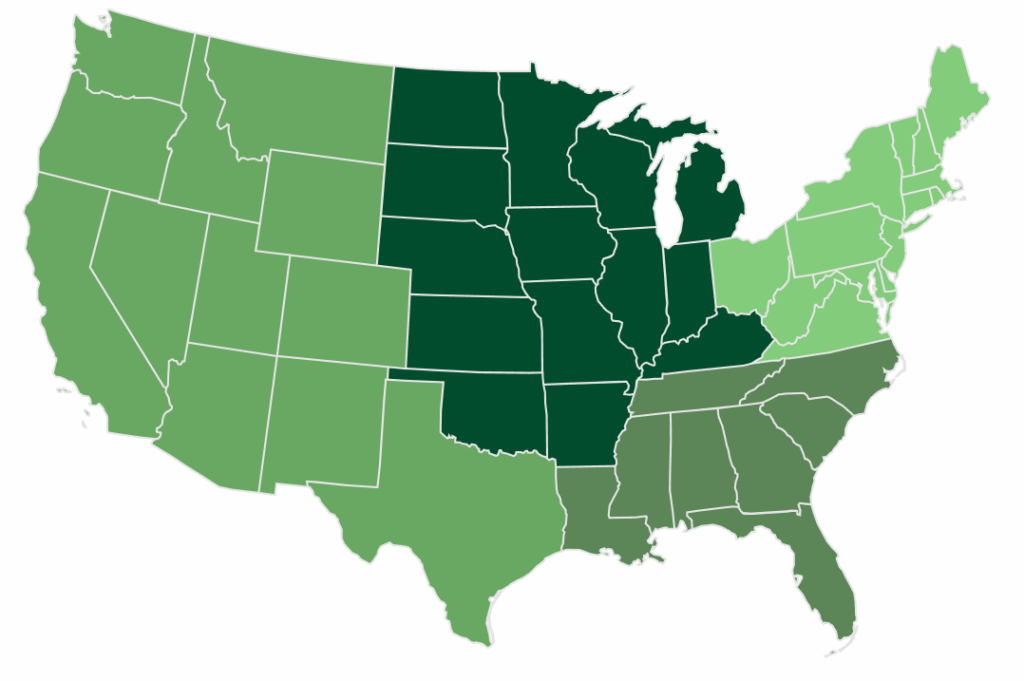
TRCP works across the country to ensure hunters and anglers can enjoy healthy fish and wildlife and quality days afield, no matter where they live.

See All Issues
TRCP in Your Region

TRCP works across the country to ensure hunters and anglers can enjoy healthy fish and wildlife and quality days afield, no matter where they live.

Who We Are
Our Mission

To guarantee all Americans quality places to hunt & fish

We unite and amplify our partners’ voices to advance America’s legacy of conservation, habitat, and access.

Our Mission & Values
Our People & Partners
  • Meet the TRCP Team

    Our staff and board members unite and amplify our partners’ voices to advance America’s legacy of conservation, habitat, and access.

    Meet the Team
  • Our Partners

    ‘Partnership’ is in our name. We work with 64 diverse partner groups that represent today’s leading hunting, fishing, and conservation organizations in order to strengthen the sportsman’s voice in Washington, D.C.

    Our Partners
  • Corporate Council

    TRCP’s Corporate Council is made up of diverse corporations that share a common passion for conservation.

    Corporate Council
Our Organization

Looking for more information?

Explore our latest news, policy updates, and conservation resources to get the information you need.

Giving
How You Can Help

To guarantee all Americans quality places to hunt & fish

Your tax-deductible donation will support TRCP's mission, now and into the future.

DONATE
Special Ways to support trcp
  • Capital Conservation Awards Dinner

    The CCAD is one of Washington's best-attended conservation celebrations, featuring dinner, cocktails, and a silent auction.

    Learn More
  • Step Into the Arena

    Help us ensure that our treasured wild habitats and game remain intact for the next generation to enjoy – lend your support to the TRCP’s efforts today!

    Donate
  • Roosevelt Roast

    TRCP has partnered with Afuera Coffee Co. to further our commitment to conservation.

    Learn More
More donation options

Find the best way for you to lend your support. Join one of TRCP’s donor circles for special invitations, premium offerings from outdoor retailers, and more exclusive benefits. Take control of your legacy with planned giving or contribute to special conservation funds.

Other Ways To Give
News
In the Spotlight

Idaho Passes Wins for Motorist Safety, Habitat Connectivity, and Public Lands

Senate Concurrent Resolution No. 124 and Senate Joint Memorial 111 establish state priorities on conservation and federal public lands.

Read More

Stay Informed

Receive our newsletter, the Roosevelt Report, right in your inbox. Never miss the latest news in conservation issues.

November 19, 2024

TRCP Legislative Priorities Advance Out of Senate Committee

Included bills would modernize public access to federal waters, address Colorado River water issues, and improve wildlife habitat

Today, the Energy and Natural Resources Committee chaired by Senator Joe Manchin (I-W.Va.) with ranking member Senator John Barrasso (R-Wyo.) held a markup on 74 bills which could ultimately be included in an end-of-Congress package advancing public lands, outdoor recreation, wildlife conservation, forestry, and fisheries conservation legislation. Several of the bills marked up today would improve the quality of hunting and fishing in America. 

“TRCP joins hunters and anglers across the country in thanking Senators Manchin and Barrasso and other members of the committee for their continued efforts to craft a bipartisan public lands package,” said Joel Pedersen, president and CEO of the Theodore Roosevelt Conservation Partnership. “Our community stands ready to work to advance legislation that will enhance wildlife habitat, bolster rural economies, and expand hunting and fishing access.”

Below is a list of bills passed out of committee today that we hope to see become law this Congress:

  • S. 373: The RISEE Act (Reinvesting In Shoreline Economies and Ecosystems Act) would establish several dedicated streams of funding for coastal infrastructure and resiliency to protect vulnerable communities and businesses most impacted by sea level rise and coastal erosion, in turn conserving coastal habitats.
  • S. 2169: The Watershed Results Act would ensure a streamline approach for identifying watershed improvement projects for improved water quality and quantity, at the lowest cost to taxpayers.
  • S. 3123: The MAPWaters Act (Modernizing Access to our Public Waters Act) would direct federal agencies to digitize water and fishing access and recreational use information on federal waterways and make those resources readily available to the public. 
  • S. 4576: The Colorado River Basin System Conservation Extension Act would reauthorize the Department of the Interior to fund or participate in pilot projects to increase Colorado River System water in Lake Mead and the Colorado River Storage Project reservoirs through FY2026.

For more than 20 years, the Theodore Roosevelt Conservation Partnership has been at the forefront of conservation, working diligently on behalf of America’s hunters and anglers to ensure America’s legacy of habitat management and access is protected and advanced. Learn more about TRCP’s work supporting the wildlife and fish we love to pursue HERE.

Do you have any thoughts on this post?

XHTML: You can use these tags: <a href="" title=""> <abbr title=""> <acronym title=""> <b> <blockquote cite=""> <cite> <code> <del datetime=""> <em> <i> <q cite=""> <s> <strike> <strong>

Comments must be under 1000 characters.

November 13, 2024

Hunters and Anglers Support the BLM Lakeview Field Office’s Final Resource Management Plan Amendment

Final plan includes a proposed management approach that would conserve big game habitat, ranching, and outdoor recreation

Today, the Theodore Roosevelt Conservation Partnership applauds the release of the BLM Lakeview Field Office’s Final Resource Management Plan Amendment, which would establish a blueprint for the conservation and management of nearly 3.2 million acres of southeastern Oregon’s public lands for the next 20 years or more.

“The Lakeview RMPA revision was an important opportunity to improve the management of these public lands, and we appreciate the many hunters and anglers who weighed in on this plan to advocate for the region’s wild and working landscapes,” said Tristan Henry, Oregon field representative for the TRCP. “The plan’s proposed alternative would conserve undeveloped backcountry and wildlife corridors essential for big game and other wildlife across this intact landscape.”

Hunters and anglers have been involved in the Lakeview plan revision since 2014, and the release of the Final RMPA is a significant step in a public process that will determine how wild landscapes, wildlife habitat, recreation, grazing, development, and other uses will be balanced. Tribal governments, wildlife agencies, the Southeast Oregon Resource Advisory Council, and members of the public provided valuable input and feedback during the planning process. The BLM considered approximately 1,300 comments while developing the plan amendment.

“We commend the BLM’s dedication to a balanced plan that upholds sustainable use, working lands, and conservation, all of which ensure quality hunting and fishing opportunities in the Lakeview District will endure for future generations,” said Michael O’Casey, TRCP’s Deputy Director of Forest Policy & Northwest Programs.

The TRCP and its partners are committed to supporting an ultimate Record of Decision and final plan that prioritizes habitat conservation of backcountry landscapes, while also supporting active land stewardship for restoration and sustainable economic activities like ranching, hunting, and recreation.


The TRCP is your resource for all things conservation. In our weekly Roosevelt Report, you’ll receive the latest news on emerging habitat threats, legislation and proposals on the move, public land access solutions we’re spearheading, and opportunities for hunters and anglers to take action. Sign up now.

November 8, 2024

BLM’s Final Greater Sage Grouse Plan Amendments Will Direct Management Across 10 Western States 

TRCP emphasizes the need to finalize plans, turn to implementation to advance conservation on the ground 

(Washington, D.C.)—The Bureau of Land Management has announced its final greater sage grouse plan amendments that will guide management of 65 million acres of sage grouse habitat across 10 Western states.  

“After more than a decade of collaboration between federal and state agencies, private landowners, industry and NGOs to revise management plans to conserve the greater sage grouse, we thank the BLM for their efforts to finalize these amendments,” said Madeleine West, interim vice president of Western conservation for the Theodore Roosevelt Conservation Partnership. “This milestone must be a marker that ends the cycles of planning and moves attention back to on-the-ground management to benefit the sagebrush ecosystem and the Western communities that rely on it.” 

Since 2012, the BLM has engaged in three separate planning efforts to amended management plans to conserve the greater sage grouse and its habitat for the purpose of preventing the need for federal protections under the Endangered Species Act.  The first set of plan amendments were finalized in 2015 in tandem with a determination by the U.S. Fish and Wildlife Service that the greater sage grouse did not warrant ESA protections.  This effort was a result of unprecedented collaboration between state and federal agencies, private landowners, industry and NGOs.  The BLM initiated a new round of planning in 2018 to enhance cooperation and improve alignment with the state plans or management strategies.  Legal deficiencies found in those plans, finalized in 2020, required the BLM to initiate this latest cycle of plan amendments, now for the third time.   

The planning area for the BLM’s plan amendments is nearly 121 million acres of sagebrush ecosystem – the largest terrestrial biome in the Lower 48 at over 165 million acres across the West.  It is home to the iconic greater sage grouse as well as 350 other fish and wildlife species, many of which are game species valued for the hunting and fishing opportunity they allow.  A 2022 U.S. Geological Survey report revealed that half of the original sagebrush ecosystem has been lost at a rate of approximately 1.3 million acres each year over the last two decades.  Numerous fish and wildlife species depend upon this ecosystem, but so do rural economies such as agriculture, hunting and fishing and outdoor recreation, which makes reversing the decline a priority for all Westerners.  

“With these new plans, the BLM has removed some poison pills that existed in the 2015 plans, retained important changes included in the plans finalized in 2020 to respect state authorities, and incorporated updated science to reflect our improved understanding of ecosystem needs over the last decade,” added West.  “TRCP looks forward to working with the BLM, state agencies, and other public land users to implement these plans in a durable, lasting manner that has the greatest positive impact on sage grouse and Western communities.” 

The BLM is accepting protests on the plan until December 16, 2024.  Documents are available on the agency’s eplanning website


The TRCP is your resource for all things conservation. In our weekly Roosevelt Report, you’ll receive the latest news on emerging habitat threats, legislation and proposals on the move, public land access solutions we’re spearheading, and opportunities for hunters and anglers to take action. Sign up now.


November 7, 2024

Wyoming Land Board Votes to Move $100 Million Sale of Iconic Kelly Parcel to Grand Teton National Park Forward

Wyoming sportspeople thank Governor Gordon, Auditor Racines, and Treasurer Meier for supporting school children and iconic big game migrations.

(Cheyenne Wyoming) — Wyomingites are celebrating a crucial step forward in conserving the outstanding wildlife values of the Kelly Parcel with the State Board of Land Commissioners approval of a $100 million sale to Grand Teton National Park. The sale, which will generate a windfall for public education, was authorized by the Wyoming legislature during the 2024 legislative session pending the Governor’s favorable review of the Rock Springs Resource Management Plan (RS RMP). It has broad support from citizens across the state including a coalition of nine hunting and angling organizations. 

“The Kelly parcel contains the longest known pronghorn migration route in the world, numerous elk migrations, winter range for bighorn sheep and moose, and native cutthroat trout habitat,” said Josh Metten, Wyoming field manager for the Theodore Roosevelt Conservation Partnership. “Selling this parcel to Grand Teton is a win for Wyoming school children, and for its outstanding wildlife resources including the ability to hunt and fish on the parcel in perpetuity.” 

The 640-acre parcel, located adjacent to Grand Teton National Park, is managed by the Office of State Lands and Investments to optimize revenues for public education. The sale of the Kelly Parcel is estimated to generate over a billion dollars in compound interest revenue in the future, according to a recent analysis by the Treasurer’s office. 

“Wyomingites have spoken loud and clear that they want the Kelly parcel preserved for future generations,” said Metten. “The TRCP and our coalition of Wyoming Sportspeople are grateful to Governor Gordon, Auditor Racines, and Treasurer Meier for endorsing the desire of local stakeholders to meet the financial needs of our students while conserving this iconic parcel.” 

The Governor’s final authorization of the sale will come after the Record of Decision is released for the Rock Springs RMP, which is expected by the end of the year. Supporters are invited to thank the Governor, Auditor, and Treasurer at the following email addresses:  

Learn more about TRCPs Wyoming migration work here.

Photo Credit: Josh Metten


The TRCP is your resource for all things conservation. In our weekly Roosevelt Report, you’ll receive the latest news on emerging habitat threats, legislation and proposals on the move, public land access solutions we’re spearheading, and opportunities for hunters and anglers to take action. Sign up now.


The Mississippi’s Massive Catfish, Tasty Drums & Bountiful Crabs: Video Compilation

See what happened when TRCP brought a group of talented river anglers with prominent online followings to check off a multitude of fishing wish-list items

TRCP recently hosted several well-known, river-savvy angling influencers on a two-day fishing and crabbing excursion on the Mississippi River, to talk about the importance of restoring the functionality of the river, throughout the basin from the Gulf of Mexico to Minnesota. The video-makers got an up-close look at freshwater and sediment diversions to see firsthand how effective they are at improving productivity and rebuilding land being lost to subsidence, rising seas, and battering from hurricanes.

Particularly near the river’s confluence with Neptune Pass, the group got into a bevy of black drum, sheepshead, catfish, redfish, speckled trout, and blue crabs. Chris Macaluso, TRCP’s director of marine fisheries, said that he was impressed by how everyone who attended was already aware of how important a naturally flowing river is for the best angling opportunities.

“Buras, Louisiana, in the fall can be one of the most incredible places in the world to fish because the Mississippi River and its passes and connected marshes are teeming with fresh and saltwater fish, ducks, alligators, crabs, and shrimp,” Macaluso said. “For some, it was their first chance to fish in the river where it meets the Gulf of Mexico and catch redfish and giant catfish with massive ocean-going ships passing by and migrating ducks landing all around. While they hadn’t seen the river at that scale and talked about connecting that much water and sediment into coastal wetlands, all had a story about some of their home waters and how much better the fishing is in rivers that continue to interact with floodplains and support wetland habitats.”

Check out the resulting videos below.

Cole & Jay

Cole and Jay Harken, based in Arkansas, are a husband/wife duo with a passion for wildlife, nature, and fishing in particular who post weekly outdoor content that focuses on freshwater angling as well as interesting wildlife encounters and traditional Southern sporting endeavors like frog gigging.

Marsh Man Masson

Todd Masson is and outdoor writer and lifelong fisherman who travels Louisiana’s Gulf Coast and beyond seeking speckled trout, redfish, flounder, bass, and other sportfish and panfish. His videos offer techniques and locations to help other anglers mimic his success and introduce viewers to local guides. With a mind for conservation, Masson also has been featured in several collaborations with TRCP.

Outside the Levees

This YouTube channel, hosted by Jared Serignè, features hunting and fishing adventures in South Louisiana “outside the levees” of the Mississippi River. The channel offers many videos focusing on targeting invasive species and cultural traditions like shrimping, crabbing, and alligator hunting, with an emphasis on the catch-and-cook mentality.

River Certified

Based in Iowa, Spencer Bauer’s posts on River Certified are mostly about fishing for giant catfish, bass, walleyes, and other Midwestern fish, from kayak, boat, and shore. He also offers angling tips and tricks, and posts on camping and general outdoor fun, with a new video posted every Monday and Thursday afternoon. While in Louisiana with TRCP, Bauer made a number of videos because of all the action he found, including some on landing monster blue catfish.

TRCP is working to improve Louisiana’s coastal wetlands and fish habitat, and enhance recreational fishing opportunities, by restoring more natural flows from the Mississippi River. Click the video below to learn more. 

HOW YOU CAN HELP

TRCP has partnered with Afuera Coffee Co. to further our commitment to conservation. $4 from each bag is donated to the TRCP, to help continue our efforts of safeguarding critical habitats, productive hunting grounds, and favorite fishing holes for future generations.

Learn More
Subscribe


You have Successfully Subscribed!

You have Successfully Subscribed!

You have Successfully Subscribed!

You have Successfully Subscribed!

You have Successfully Subscribed!