Our Issues
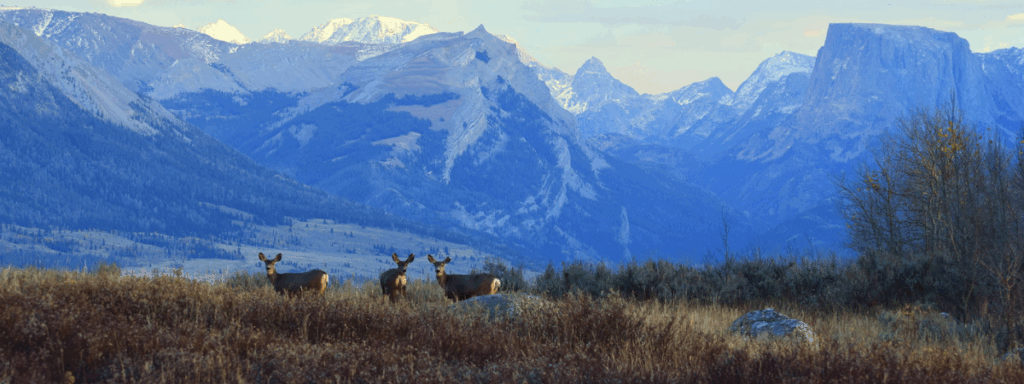
Public Lands
Why It Matters

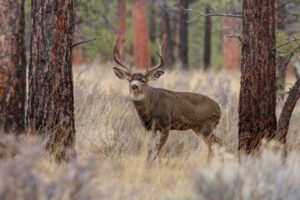
Hunting & Fishing Access

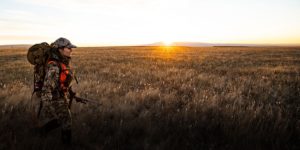
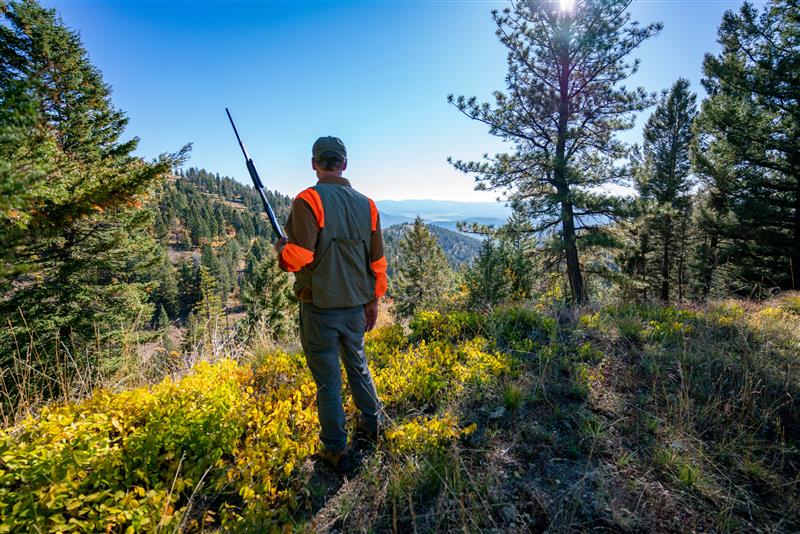
America’s 640 million acres of national public lands provide irreplaceable hunting and fishing opportunities to millions of Americans.

Learn More About Access
What TRCP is Doing

We’re working to safeguard America’s public lands so hunters and anglers always have quality places to pursue their passions.
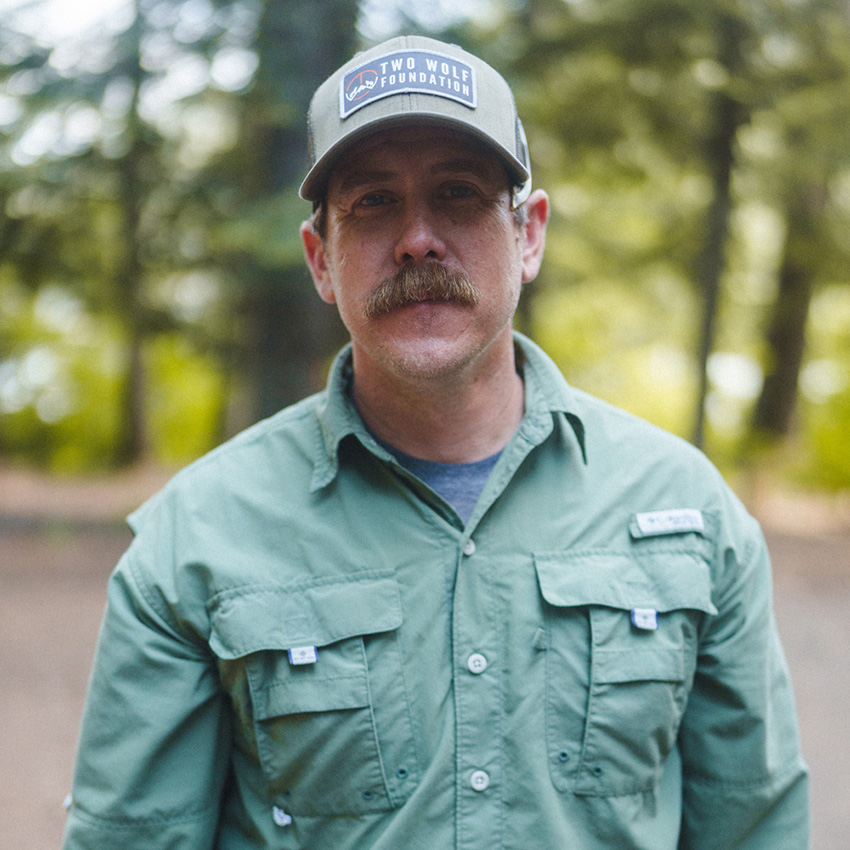
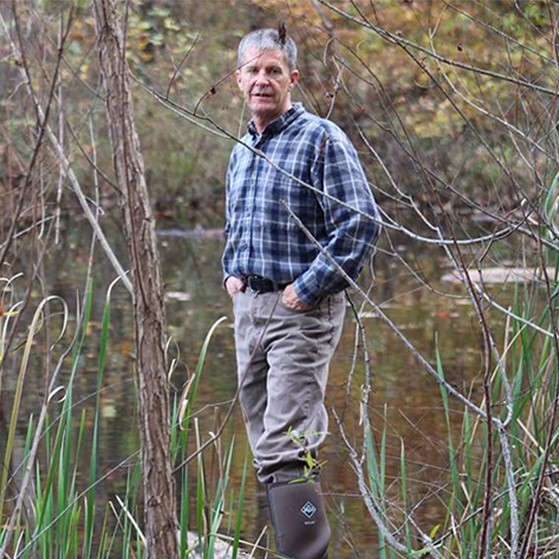
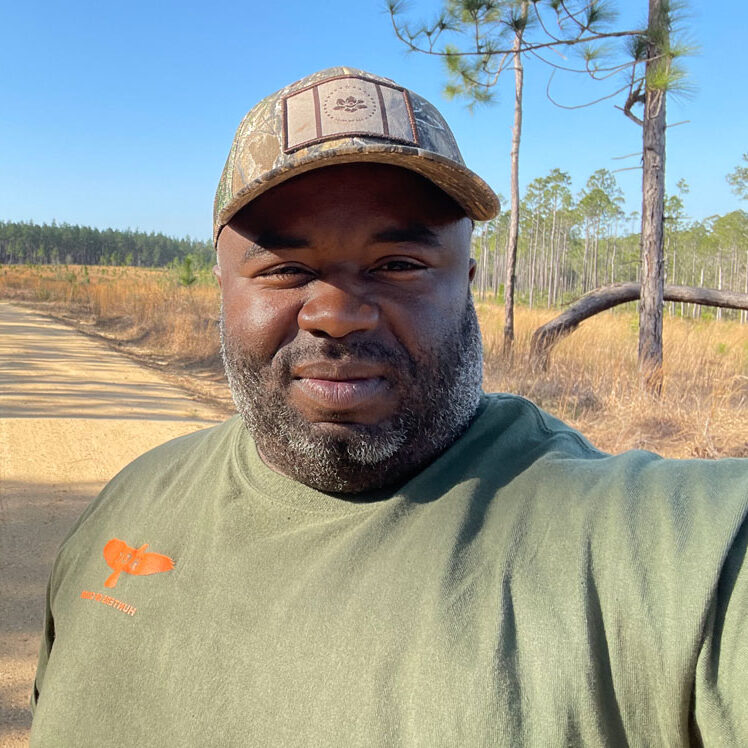
 Brian Flynn, Two Wolf Foundation
How Sportsmen Are Doing It Right

Brian Flynn, Two Wolf Foundation's Story

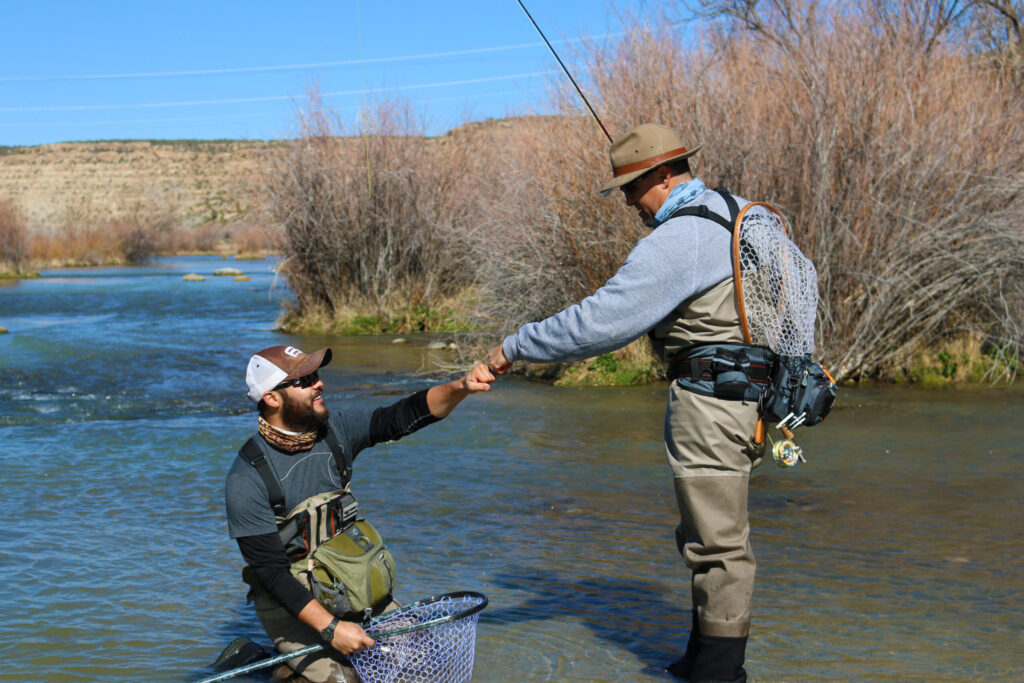
Following a distinguished career in the U.S. Army, lifelong outdoorsman Brian Flynn returned home from a deployment in Afghanistan and…

Hunting
Why It Matters

Key Issues for America’s Hunters

Your source for the latest policy updates, conservation challenges, and opportunities shaping America’s hunting traditions.

What TRCP is Doing

We’re fighting for meaningful policy changes that benefit wildlife, our waters, and the American landscapes that make our outdoor traditions possible.

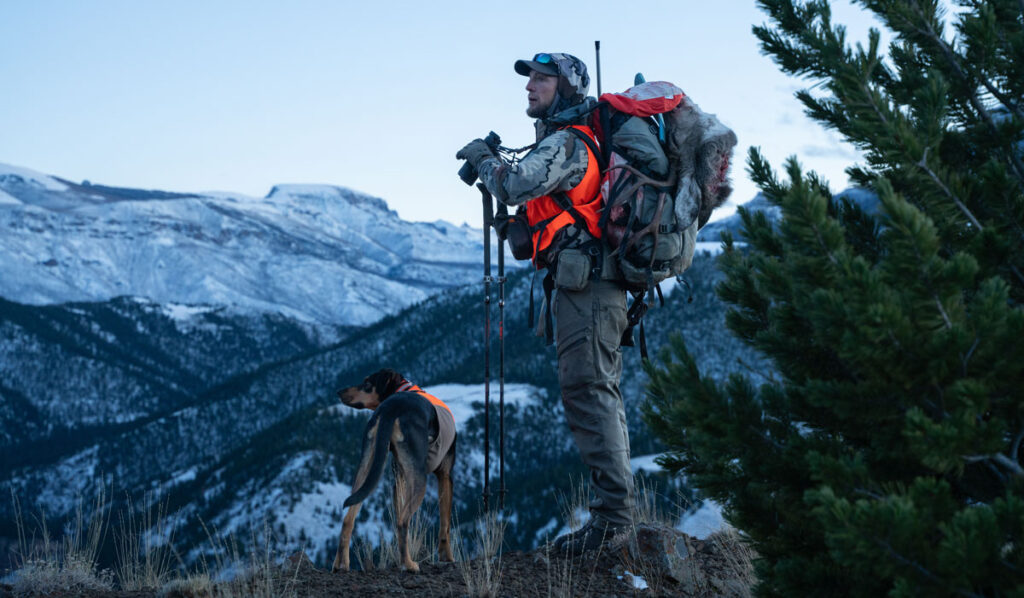
 Ryan Sparks
How Sportsmen Are Doing It Right

Ryan Sparks's Story

TRCP’s “In the Arena” series highlights the individual voices of hunters and anglers who, as Theodore Roosevelt so famously said,…

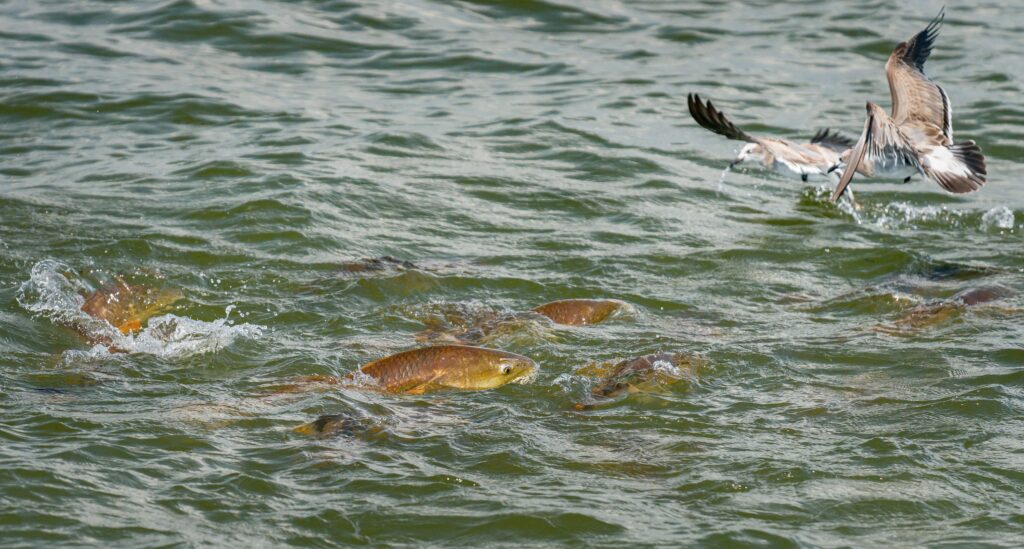
Fishing
Why It Matters

Key Issues for America’s Anglers

Your source for the latest policy updates, conservation challenges, and opportunities shaping America’s fishing traditions.

What TRCP is Doing

We’re fighting for meaningful policy changes that benefit wildlife, our waters, and the American landscapes that make our outdoor traditions possible.

 David Mangum
How Sportsmen Are Doing It Right

David Mangum's Story

Capt. David Mangum is a YETI ambassador and outdoor photographer who utilizes his talents to produce media that inspire a…

Private Land
Why It Matters

Stewardship on America’s private lands

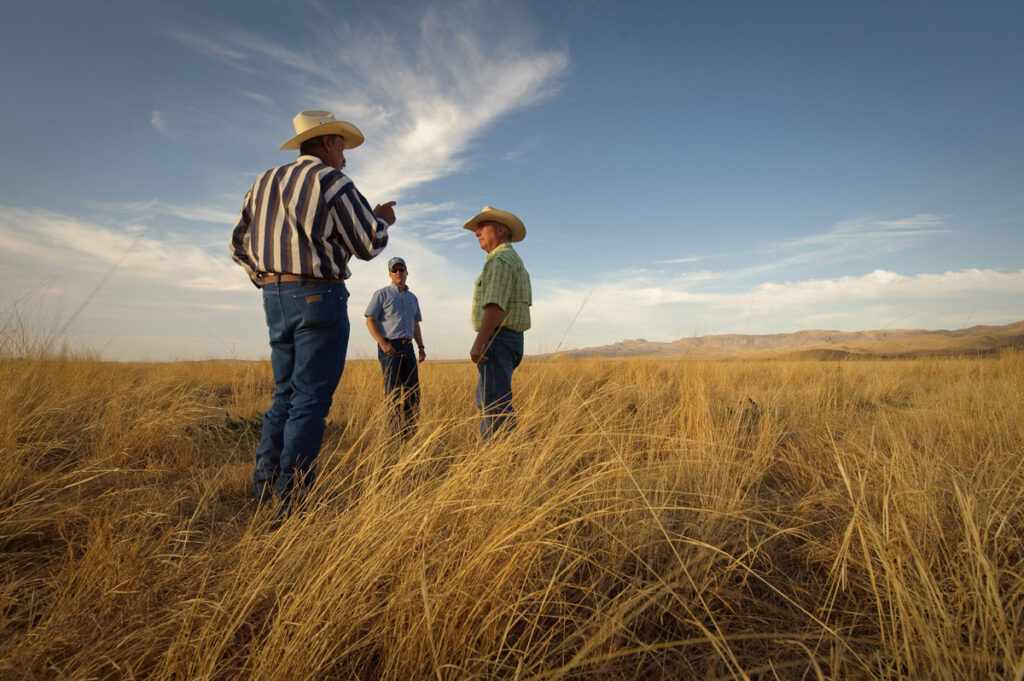
With 70 percent of U.S. lands in private hands and many of our best hunt and fish opportunities occurring there, investing in voluntary conservation on working lands safeguards access, strengthens habitat and water quality, and ensures resilient landscapes.

Learn More
What TRCP is Doing

We champion policies and programs that restore wildlife habitat, improve soil and water health, and keep working lands productive.

 Ward Burton
How Sportsmen are Doing It Right

Ward Burton's Story

Ward Burton’s NASCAR driving career stretched across most of two decades. As an avid sportsman and conservationist, he founded the…

Special Places
Why It Matters

Special Places Worth Protecting

America’s most iconic landscapes provide unmatched habitat and unforgettable days afield. These places sustain wildlife, anchor local economies, and define the hunting and fishing traditions we pass down.

What TRCP is Doing

We’re working to conserve special places that provide world-class habitat and unforgettable opportunities for hunters and anglers.

 Franklin Adams
How Sportsmen Are Doing It Right

Franklin Adams's Story

As a true Gladesman, conservationist, and historian, Capt. Franklin Adams has spent more than six decades championing Everglades restoration efforts…

Habitat & Clean Water
Why It Matters

Healthy Habitat Powers Every Pursuit

All hunting and fishing opportunities depend on quality habitat, from clean water and healthy wetlands to winter and summer habitats and the migration corridors that connect them.

All About Habitat & Clean Water
What TRCP is Doing

We are working to safeguard the habitats that power every hunting and fishing opportunity.

 Alex Harvey
How Sportsmen Are Doing It Right

Alex Harvey's Story

Alex Harvey, founder of Legacy Land Management, is a registered professional forester in Mississippi and Alabama with a Master's degree…

Science
Why It Matters

Science That Guides TRCP

From conserving migration corridors and wetlands to ensuring clean water and resilient landscapes, science provides evidence that turns conservation goals into effective action.

Science for Conservation
What TRCP is Doing

For hunters and anglers, science safeguards the experiences we treasure including resilient big game populations, abundant fish, and wild places that endure changing social landscapes.

Jamelle Ellis
Your Science Expert

Jamelle Ellis's Story

Jamelle Ellis joined the Theodore Roosevelt Conservation Partnership in 2022. Jamelle spent the last three years as an environmental sustainability…

Where We Work
Across the Nation

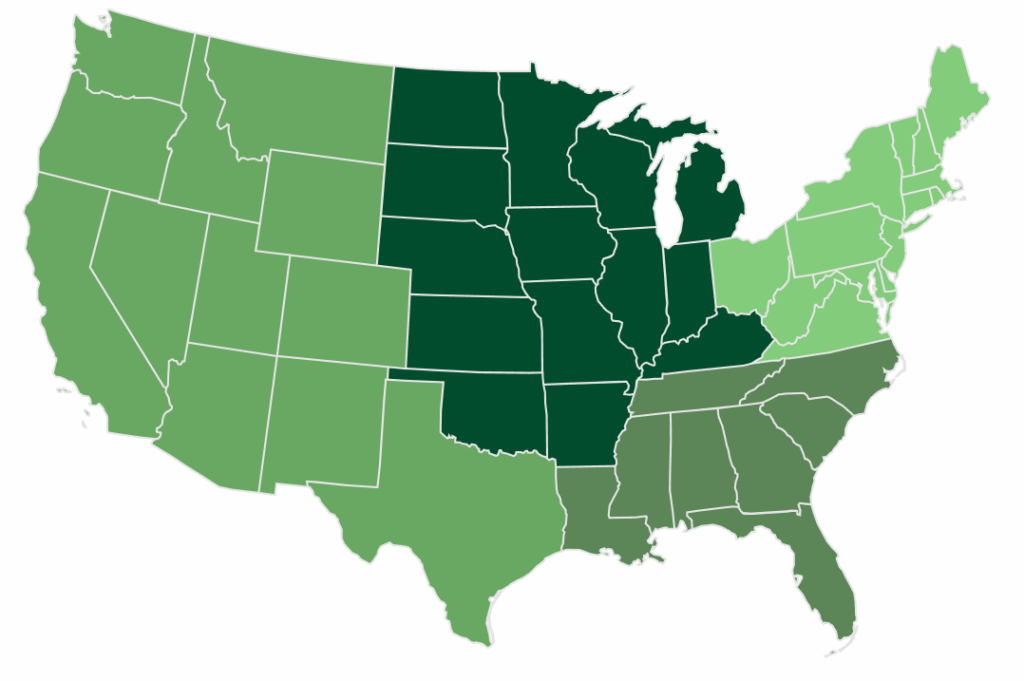
Conservation Across America

TRCP works across the country to ensure hunters and anglers can enjoy healthy fish and wildlife and quality days afield, no matter where they live.

See All Issues
TRCP in Your Region

TRCP works across the country to ensure hunters and anglers can enjoy healthy fish and wildlife and quality days afield, no matter where they live.

Who We Are
Our Mission

To guarantee all Americans quality places to hunt & fish

We unite and amplify our partners’ voices to advance America’s legacy of conservation, habitat, and access.

Our Mission & Values
Our People & Partners
  • Meet the TRCP Team

    Our staff and board members unite and amplify our partners’ voices to advance America’s legacy of conservation, habitat, and access.

    Meet the Team
  • Our Partners

    ‘Partnership’ is in our name. We work with 64 diverse partner groups that represent today’s leading hunting, fishing, and conservation organizations in order to strengthen the sportsman’s voice in Washington, D.C.

    Our Partners
  • Corporate Council

    TRCP’s Corporate Council is made up of diverse corporations that share a common passion for conservation.

    Corporate Council
Our Organization

Looking for more information?

Explore our latest news, policy updates, and conservation resources to get the information you need.

Giving
How You Can Help

To guarantee all Americans quality places to hunt & fish

Your tax-deductible donation will support TRCP's mission, now and into the future.

DONATE
Special Ways to support trcp
  • Capital Conservation Awards Dinner

    The CCAD is one of Washington's best-attended conservation celebrations, featuring dinner, cocktails, and a silent auction.

    Learn More
  • Step Into the Arena

    Help us ensure that our treasured wild habitats and game remain intact for the next generation to enjoy – lend your support to the TRCP’s efforts today!

    Donate
  • Roosevelt Roast

    TRCP has partnered with Afuera Coffee Co. to further our commitment to conservation.

    Learn More
More donation options

Find the best way for you to lend your support. Join one of TRCP’s donor circles for special invitations, premium offerings from outdoor retailers, and more exclusive benefits. Take control of your legacy with planned giving or contribute to special conservation funds.

Other Ways To Give
News
In the Spotlight

The Next Step for the Tongass

Hunters and Anglers Can Help Shape the Forest Plan.

Read More

Stay Informed

Receive our newsletter, the Roosevelt Report, right in your inbox. Never miss the latest news in conservation issues.

by:

posted in:

June 21, 2024

Old-growth

Do you have any thoughts on this post?

XHTML: You can use these tags: <a href="" title=""> <abbr title=""> <acronym title=""> <b> <blockquote cite=""> <cite> <code> <del datetime=""> <em> <i> <q cite=""> <s> <strike> <strong>

Comments must be under 1000 characters.

by:

posted in:

New Video Highlights Why Investments in Arizona’s Sky Islands Will Benefit Hunters for Generations

TRCP’s new video explains how BIL and IRA investments in Arizona’s Sky Islands will benefit hunters for generations.

With the Bipartisan Infrastructure Law and the Inflation Reduction Act presenting a once-in-a-generation opportunity for the restoration and renewal of our nation’s public lands, the Theodore Roosevelt Conservation Partnership is sharing a short video, the final video of a three-part series, highlighting the benefits of these critical investments to hunters, anglers, and outdoor recreationalists in Arizona’s Sky Islands landscape.

The hunting and fishing-focused conservation nonprofit has posted the video (embedded below) to their YouTube Channel to ensure that hunters, anglers, and outdoor recreationalists are aware of the significant benefits to fish, wildlife, and habitat.

Arizona’s mountainous Sky Islands, often rising over 6,000 feet above the surrounding Sonoran desert grasslands, boast extraordinarily diverse ecosystems that are seldom found in other parts of the West. This unique landscape harbors a distinctive mix of game species such as pronghorn, mule deer, and numerous species of quail, offering incredible, year-round hunting opportunities across the southern part of the state. Through a $9.59 million investment, complemented by $2.3 million in funding from the Bipartisan Infrastructure Law, the BLM is working to restore Sonoran grassland habitat, protect crucial migration corridors, and improve hunting opportunities for present and future generations of Americans.  

“We are thrilled to highlight how these investments are accelerating the restoration and resilience of this iconic landscape, while improving hunting opportunities for present and future generations,” said Christian Fauser, TRCP’s western water policy associate. “The BLM has needed these resources for a long time, and this is a huge win for public land conservation.”  

At the heart of the video is the Las Cienegas National Conservation Area, where dedicated professionals are spearheading efforts to breathe new life into the region’s soaring landscapes. Featuring commentary from BLM’s Gila District staff as well as representatives from the Arizona Antelope Foundation and Arizona Fish and Game, the video emphasizes the critical role these investments play in safeguarding habitat for wildlife and ensuring recreational opportunities for the next generations of hunters and anglers.   

Watch the video HERE 


The TRCP is your resource for all things conservation. In our weekly Roosevelt Report, you’ll receive the latest news on emerging habitat threats, legislation and proposals on the move, public land access solutions we’re spearheading, and opportunities for hunters and anglers to take action. Sign up now

by:

posted in:

June 18, 2024

In the Arena: Jamie Dahl

TRCP’s “In the Arena” series highlights the individual voices of hunters, anglers, and conservationists who, as Theodore Roosevelt so famously said, strive valiantly in the worthy cause of conservation.

Jamie Dahl

Hometown: Fort Collins, CO
Occupation: Assistant Professor, Human Dimensions of Natural Resources, Colorado State University
Conservation credentials: Natural resources educator and forester who uses fieldwork experiences to instill a conservation ethic – and an appreciation for hunting and angling’s role in conservation efforts – in the next generation.

Jamie Dahl is a dyed-in-the-wool outdoorswoman of Pennsylvania roots. She’s been everything from a certified wildland firefighter and chainsaw course instructor to a professional forester and volunteer coordinator. In her personal life, she’s a hiker, hunter, angler, and mother mentoring two sons on sporting ethics and natural resources stewardship. Her career currently centers on teaching college students how our natural environment and social justice issues connect to everything and everyone

Here is her story.

Photo Credit: Bill Cotton/Colorado State University

One of my most memorable hunts came while turkey hunting with my husband in Colorado. Being from Pennsylvania, we were still figuring out turkey hunting in the West (really, we still are). We were sitting in some ponderosa pines on public land in the Estes Park area, where we often heard gobblers, but most commonly far off or on the next slope. That morning when we heard the gobbler my husband and I got set. He made a good mouth call and started to call the gobbler in. The bird was responding, getting closer.

Eventually, he came into view. It was my first time seeing the full-on strut, colors, and performance so close. The gobbler’s colors were so striking.

“There’s nothing quite like the quick adrenaline rush when you hear that gobble on a crisp spring morning.”

I never had a clean shot because several hens protected that gobbler. It seemed like they knew it was a trick. They blocked and surrounded that gobbler the entire time, who just strutted and seemed to be clueless. There’s nothing quite like the quick adrenaline rush when you hear that gobble on a crisp spring morning.

I actually started hunting later in life. My uncle hunted throughout my childhood, and though I was not interested back then, I would often eat the meat he harvested. When I went to Penn State University to study forestry, my boyfriend at the time hunted, as did his family. I would sometimes join them in late-muzzleloader season in Pennsylvania to just observe.

Photo Credit: Jamie Dahl

I later met my husband, Chris, at PSU, who also grew up hunting. He and his family were also supportive of my interest. Eventually, a Penn State colleague invited me to participate in a special hunter education program for students and faculty called “Conservation Leaders for Tomorrow.” That program gave me the knowledge and skills to feel more confident and truly start hunting in my early 20s.

My favorite time to hunt is still late-muzzleloader deer season in Pennsylvania, with family. The family part is the key. My husband’s family and friends have an awesome tradition of gathering during that season, particularly the first week, which is late December and January in Pennsylvania, so it can be very cold. If we’re lucky, there’s snow. I harvested my first deer there with a flintlock muzzleloader, a special experience, and friends and family were right there.

We hunt in small groups and generally stop for a hot lunch together at someone’s home. The social part is what makes it memorable. There are usually three generations participating, and since we live in Colorado now, we especially cherish times when we can join. If we are lucky enough to harvest a deer, we process it together and folks still in need will share the meat. If we aren’t lucky? Hunting and fishing licenses and equipment dollars help pay for conservation, so I joke in the many seasons I don’t harvest an animal that I still did my part to support conservation.

Besides hunting and fishing for fun, I work in environmental communications and education. So when I think of challenges to conservation my brain goes to the need for changing behavior related to the land, air, and water we’re all connected to. In Colorado, we have extreme recreation pressure, climate change, pressure on limited resources, wildland fire, and habitat and species loss. But the real challenge is getting people to understand these complexities, so they want to take day-to-day actions to help.

Photo Credit: Bill Cotton/Colorado State University

As I discuss with the students I teach at Colorado State University (CSU), the environment and social justice connect to everything and everyone. How can we provide solid natural resources education and messaging to get people to conserve and steward this one planet? To get everyone to care about climate change? We all have a stake in it, yet they are complex issues that we do not all agree on. We need all different types of people involved, or we will not find practical solutions that fit. Some groups have historically been left out of the decision-making, and that has to change.

Our own tactics to communicate about environmental problems are often lacking; most conservation professionals are not trained in communication and outreach. There are also barriers for some to access the outdoors; this is another key area that gets overlooked. Who is participating, and who is not? Why? Where is the decision-making power? These are some questions I like to ask. I do not have many women friends who hunt (and I look for them); when I hunt and fish, I also do not tend to see much racial and ethnic diversity, though that is very slowly changing.

“If you’ve ever harvested your own food, you can likely connect to a greater appreciation for it.”

The fact is hunting and angling participation has decreased in recent decades. There are many reasons for this, but one is that many families and youth are further removed from the outdoors. There is also research that shows folks’ value orientation is changing. I respect those who say hunting and fishing are not for them; however, if you work in natural resources and the environment, it is essential to understand these activities as conservation tools.

Photo Credit: Jamie Dahl

People are more likely to care about the environment, and to vote for and volunteer for it, if they are exposed in their youth. In our household, both parents hunt, so our children (ages 10 and 4) are exposed to the harvest of game. Our oldest son has been interested in hunting and fishing since he was a toddler, and being outside keeps us off our electronic devices.

He especially loves fishing. It is an activity the whole family can easily access and presents a challenge. We learn things together when we do it: what bait or lure do we need, where are the fish today, how do we take care of a fish if we catch one requiring release, and, if we keep one, how will we clean and cook it? Youth gain many important benefits from this experience.

Photo Credit: Jamie Dahl

If you’ve ever harvested your own food, you can likely connect to a greater appreciation for it. We know food does not just appear in plastic wrap at the grocery store. We scout, hike, and practice our aim or cast to potentially harvest some of our dinner for the day or the year. And we appreciate the sacrifice of the animal to help sustain us.  

I’ll take a day in the woods over a device any time.

Banner photo courtesy of Jamie Dahl

Learn more about nature-based solutions to climate change through habitat conservation.

Support TRCP’s Campaign for Conservation, Habitat, and Access


The TRCP is your no-B.S. resource for all things conservation. In our weekly Roosevelt Report, you’ll receive the latest news on emerging habitat threats, legislation and proposals on the move, public land access solutions we’re spearheading, and opportunities for hunters and anglers to take action. Sign up now.

by:

posted in:

June 13, 2024

New Video Explains Benefits of BIL and IRA Investments to Colorado’s Hunters and Anglers

TRCP’s new video explains how BIL and IRA investments in Colorado’s San Luis Valley will benefit hunters and anglers for generations.   

With the Bipartisan Infrastructure Law and the Inflation Reduction Act presenting a once-in-a-generation opportunity for the restoration and renewal of our nation’s public lands, the Theodore Roosevelt Conservation Partnership is sharing a short video, second in a three-part series, highlighting the benefits of these critical investments to hunters, anglers, and outdoor recreationalists in Colorado’s San Luis Valley.

The hunting and fishing-focused conservation nonprofit has posted the video (embedded below) to their YouTube Channel to ensure that hunters, anglers, and outdoor recreationalists are aware of the significant benefits to fish, wildlife, and habitat.

The San Luis Valley is a sacred area to several Tribes, and the wetlands are invaluable habitat for birds, fish, and mammals. Through a $6.1 million investment, the BLM looks to restore habitat, improve hunting and fishing opportunities, and bolster fire and drought resistance. The work here will conserve cultural and historic spaces, expand public use, and help manage natural resources at the headwaters of the Rio Grande.

“We are excited to showcase how these investments are increasing the pace and scale of the restoration of wetland ecosystems, while improving hunting and fishing access in the headwaters of the Rio Grande,” said Alex Funk, TRCP Director of Water Resources. “The $6.1 million dedicated to the San Luis Valley Restoration Landscape is a historic investment in restoring wildlife habitat and fisheries, improving hunting and fishing opportunities, and building resilience to drought.” 

At the heart of the video is the Blanca Wetlands, where dedicated professionals are spearheading efforts to breathe new life into the region’s iconic landscapes. Featuring commentary from BLM’s San Luis Valley Field Office staff as well as representatives from TRCP partners Trout Unlimited, Ducks Unlimited, the video emphasizes the critical role these investments play in safeguarding habitat for wildlife and ensuring recreational opportunities for the next generations of hunters and anglers. 


The TRCP is your resource for all things conservation. In our weekly Roosevelt Report, you’ll receive the latest news on emerging habitat threats, legislation and proposals on the move, public land access solutions we’re spearheading, and opportunities for hunters and anglers to take action. Sign up now

by:

posted in:

June 6, 2024

New Video Explains Why Investing in Oregon’s Public Lands Benefits Hunters and Anglers 

TRCP’s new video explains how BIL and IRA investments in Southeast Oregon’s Sagebrush-steppe landscape will benefit hunters and anglers for generations.   

With the Bipartisan Infrastructure Law and the Inflation Reduction Act presenting a once-in-a-generation opportunity for the restoration and renewal of our nation’s public lands, the Theodore Roosevelt Conservation Partnership is sharing a short video to highlight the benefits of these critical investments to hunters, anglers, and outdoor recreationalists in Southeast Oregon’s Sagebrush-steppe landscape.

The hunting and fishing-focused conservation nonprofit has posted the video (embedded below) to their YouTube Channel to ensure that hunters, anglers, and outdoor recreationalists are aware of the significant benefits to fish, wildlife, and habitat.

“We want to ensure that hunters and anglers are aware of how these investments are benefiting wildlife, habitat, and our sporting traditions for generations to come,” said Michael O’Casey, TRCP’s deputy director for the Pacific Northwest. “We’re excited to see the Bureau of Land Management include the region between the Hart Mountain National Antelope Refuge and the Sheldon National Wildlife Refuge as one of the 21 nationally recognized projects, and we’re thrilled to see restoration dollars here on the ground as well as in other important landscapes across the West.” 

At the heart of this endeavor lies the BLM Lakeview District, where dedicated professionals are spearheading efforts to breathe new life into the region’s iconic landscapes. The video features commentary from BLM Lakeview District and Oregon Department of Fish and Game staff who emphasize the critical role these investments play in safeguarding habitat for wildlife and ensuring recreational opportunities for the next generations of hunters and anglers. 

From restoring sagebrush steppe habitats to revitalizing aquatic ecosystems, the impact of BIL and IRA investments in the BLM Lakeview District is poised to reverberate for generations to come.  

The Pacific Northwest hosts tens of millions of acres of public land that offers exceptional hunting and fishing, and TRCP is continually working to maintain and improve access to those lands and waters. TRCP is also a key partner of the BLM, USFWS, and USFS in the Pacific Northwest and works to ensure that agency land management planning hears the voices of hunters and anglers.

Learn more about TRCP’s work in the Pacific Northwest here. 


The TRCP is your resource for all things conservation. In our weekly Roosevelt Report, you’ll receive the latest news on emerging habitat threats, legislation and proposals on the move, public land access solutions we’re spearheading, and opportunities for hunters and anglers to take action. Sign up now

HOW YOU CAN HELP

TRCP has partnered with Afuera Coffee Co. to further our commitment to conservation. $4 from each bag is donated to the TRCP, to help continue our efforts of safeguarding critical habitats, productive hunting grounds, and favorite fishing holes for future generations.

Learn More

You have Successfully Subscribed!

You have Successfully Subscribed!

You have Successfully Subscribed!

You have Successfully Subscribed!