Our Issues
Public Lands
Why It Matters

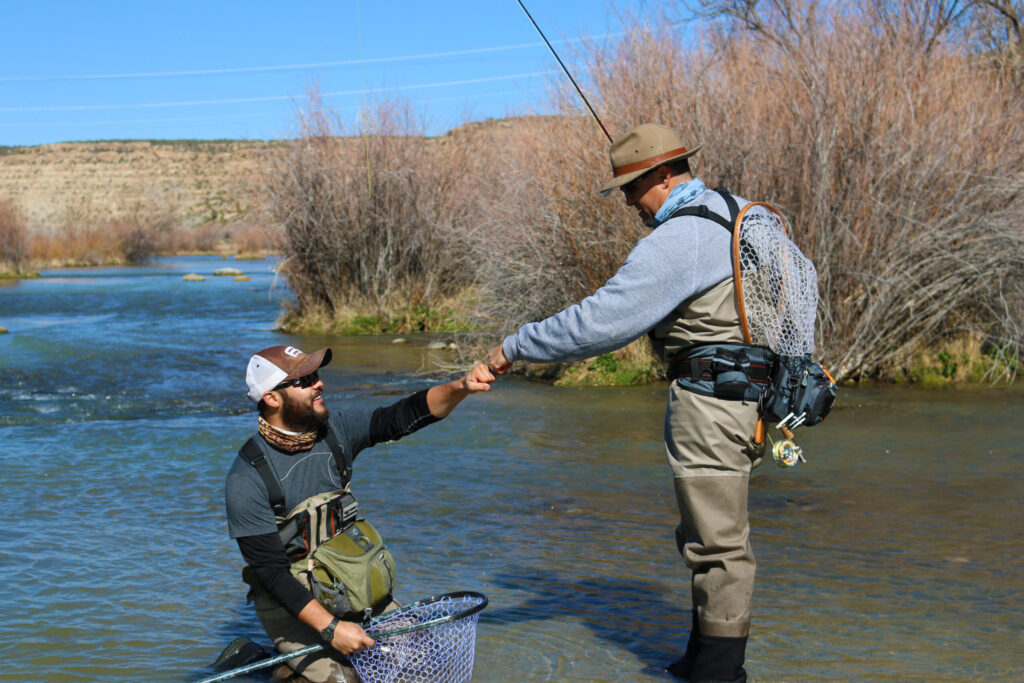
Hunting & Fishing Access

America’s 640 million acres of national public lands provide irreplaceable hunting and fishing opportunities to millions of Americans.

Learn More About Access
What TRCP is Doing

We’re working to safeguard America’s public lands so hunters and anglers always have quality places to pursue their passions.
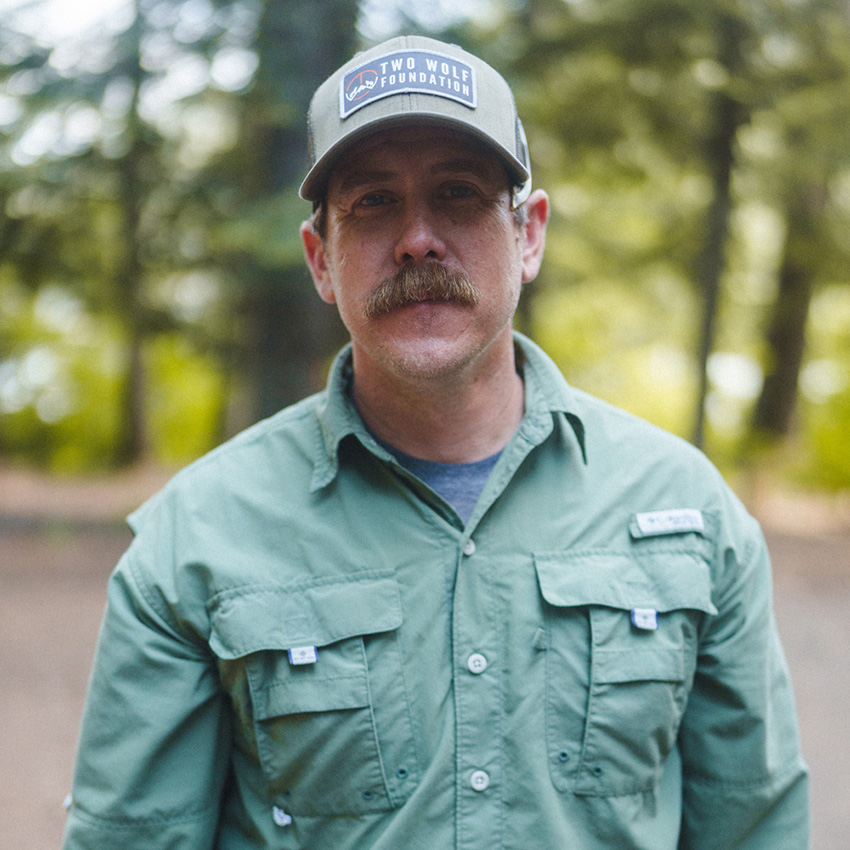
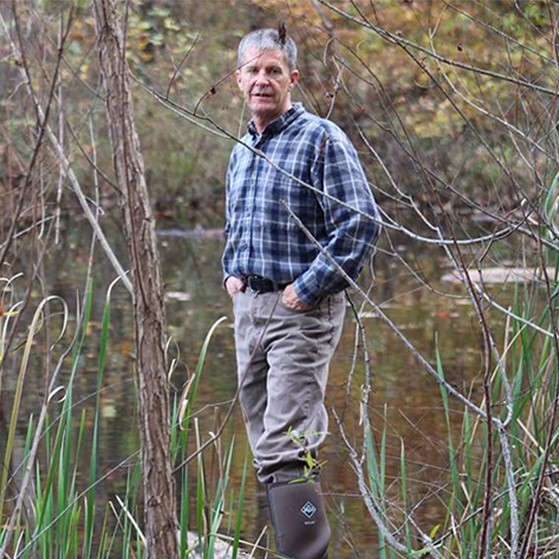
 Brian Flynn, Two Wolf Foundation
How Sportsmen Are Doing It Right

Brian Flynn, Two Wolf Foundation's Story

Following a distinguished career in the U.S. Army, lifelong outdoorsman Brian Flynn returned home from a deployment in Afghanistan and…

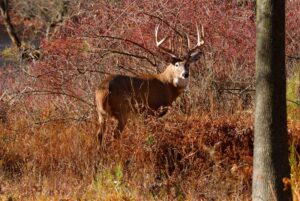
Hunting
Why It Matters

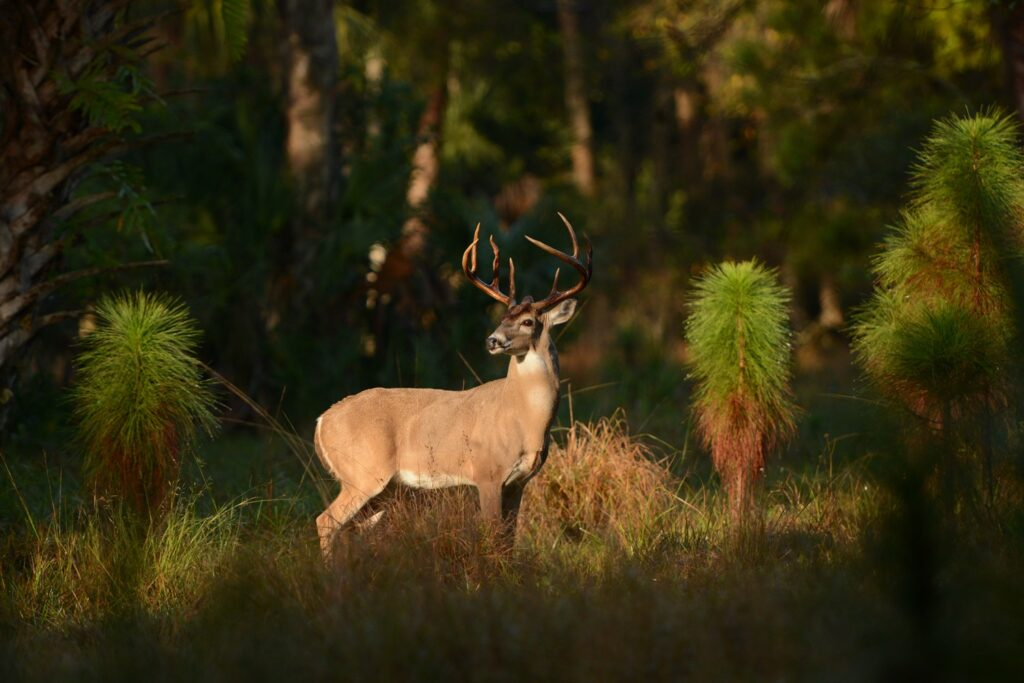
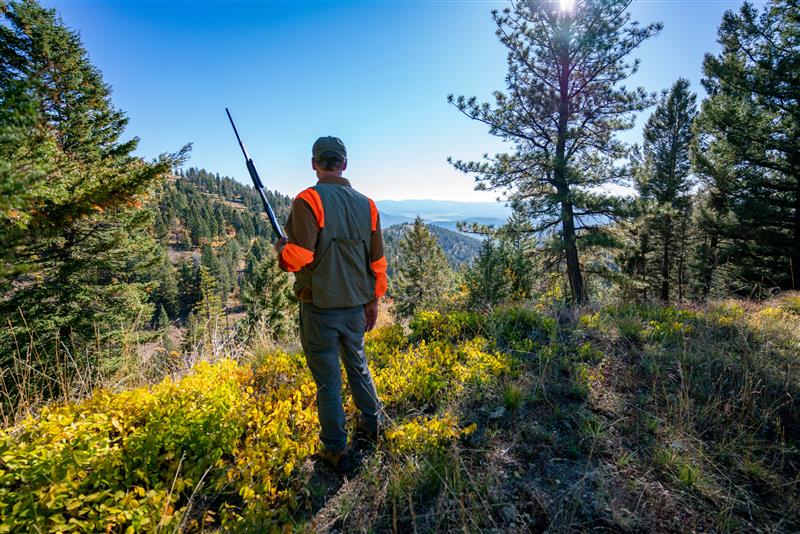
Key Issues for America’s Hunters

Your source for the latest policy updates, conservation challenges, and opportunities shaping America’s hunting traditions.

What TRCP is Doing

We’re fighting for meaningful policy changes that benefit wildlife, our waters, and the American landscapes that make our outdoor traditions possible.

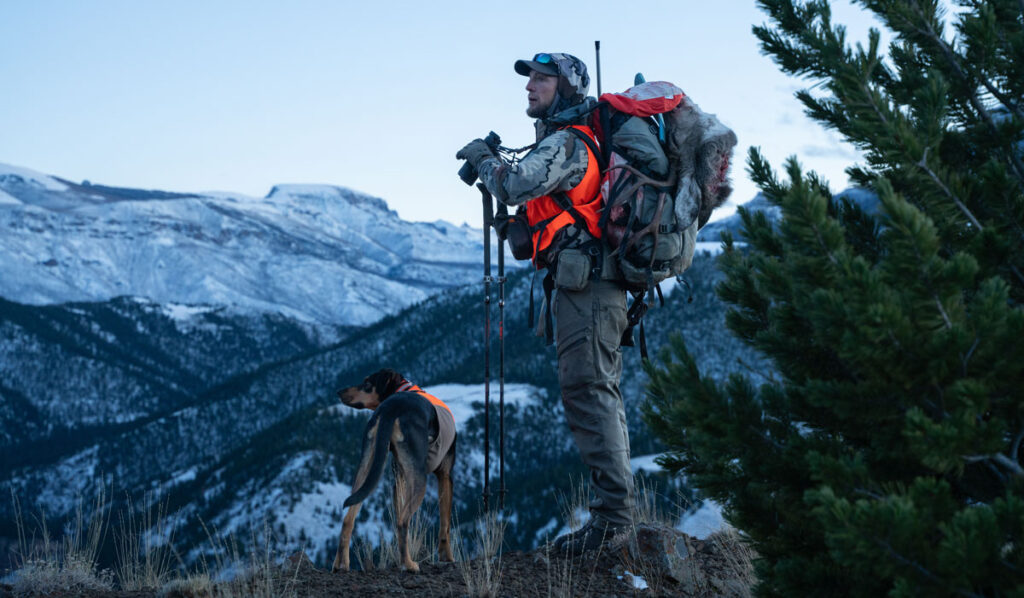
 Ryan Sparks
How Sportsmen Are Doing It Right

Ryan Sparks's Story

TRCP’s “In the Arena” series highlights the individual voices of hunters and anglers who, as Theodore Roosevelt so famously said,…

Fishing
Why It Matters

Key Issues for America’s Anglers

Your source for the latest policy updates, conservation challenges, and opportunities shaping America’s fishing traditions.

What TRCP is Doing

We’re fighting for meaningful policy changes that benefit wildlife, our waters, and the American landscapes that make our outdoor traditions possible.

 David Mangum
How Sportsmen Are Doing It Right

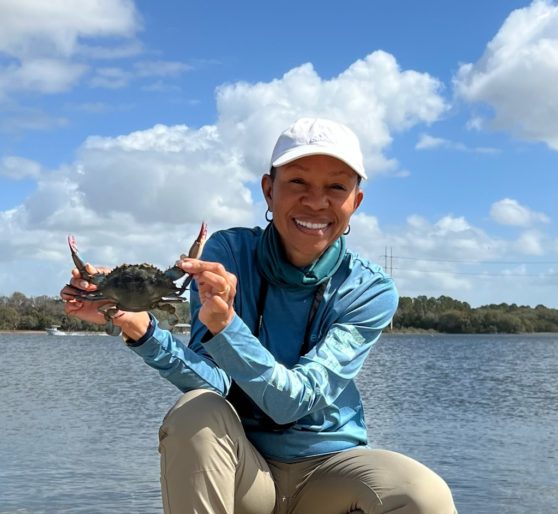
David Mangum's Story

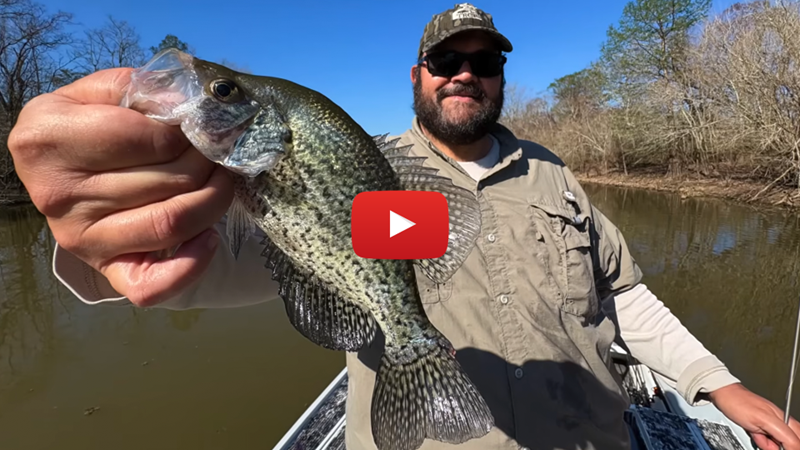
Capt. David Mangum is a YETI ambassador and outdoor photographer who utilizes his talents to produce media that inspire a…

Private Land
Why It Matters

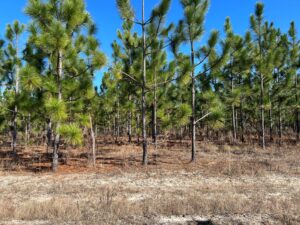
Stewardship on America’s private lands

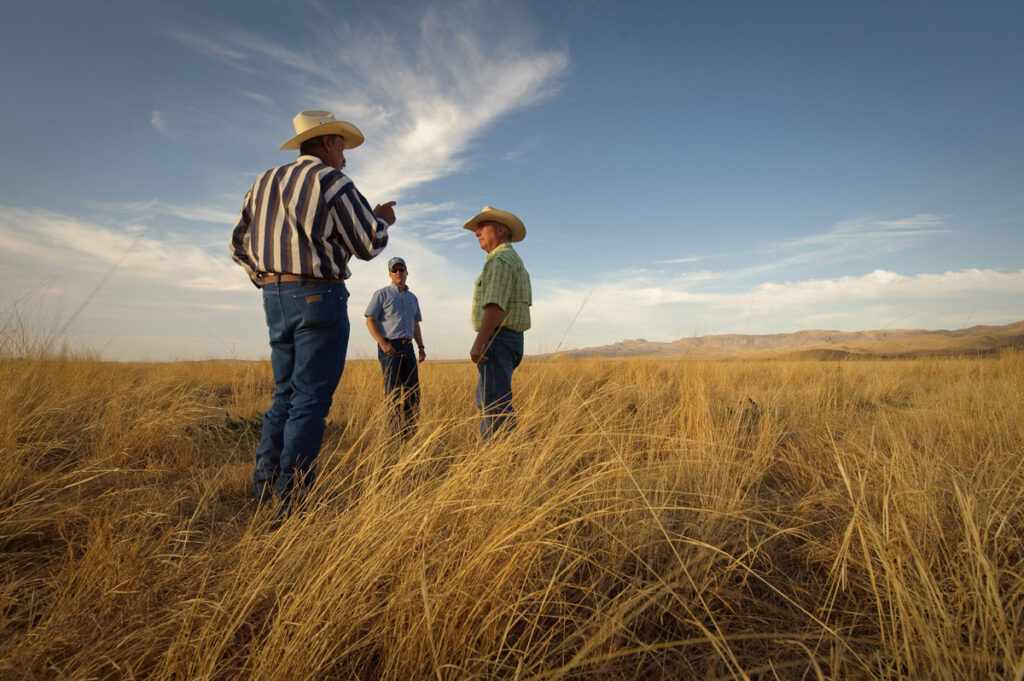
With 70 percent of U.S. lands in private hands and many of our best hunt and fish opportunities occurring there, investing in voluntary conservation on working lands safeguards access, strengthens habitat and water quality, and ensures resilient landscapes.

Learn More
What TRCP is Doing

We champion policies and programs that restore wildlife habitat, improve soil and water health, and keep working lands productive.

 Ward Burton
How Sportsmen are Doing It Right

Ward Burton's Story

Ward Burton’s NASCAR driving career stretched across most of two decades. As an avid sportsman and conservationist, he founded the…

Special Places
Why It Matters

Special Places Worth Protecting

America’s most iconic landscapes provide unmatched habitat and unforgettable days afield. These places sustain wildlife, anchor local economies, and define the hunting and fishing traditions we pass down.

What TRCP is Doing

We’re working to conserve special places that provide world-class habitat and unforgettable opportunities for hunters and anglers.

 Franklin Adams
How Sportsmen Are Doing It Right

Franklin Adams's Story

As a true Gladesman, conservationist, and historian, Capt. Franklin Adams has spent more than six decades championing Everglades restoration efforts…

Habitat & Clean Water
Why It Matters

Healthy Habitat Powers Every Pursuit

All hunting and fishing opportunities depend on quality habitat, from clean water and healthy wetlands to winter and summer habitats and the migration corridors that connect them.

All About Habitat & Clean Water
What TRCP is Doing

We are working to safeguard the habitats that power every hunting and fishing opportunity.

 Alex Harvey
How Sportsmen Are Doing It Right

Alex Harvey's Story

Alex Harvey, founder of Legacy Land Management, is a registered professional forester in Mississippi and Alabama with a Master's degree…

Science
Why It Matters

Science That Guides TRCP

From conserving migration corridors and wetlands to ensuring clean water and resilient landscapes, science provides evidence that turns conservation goals into effective action.

Science for Conservation
What TRCP is Doing

For hunters and anglers, science safeguards the experiences we treasure including resilient big game populations, abundant fish, and wild places that endure changing social landscapes.

Jamelle Ellis
Your Science Expert

Jamelle Ellis's Story

Jamelle Ellis joined the Theodore Roosevelt Conservation Partnership in 2022. Jamelle spent the last three years as an environmental sustainability…

Where We Work
Across the Nation

Conservation Across America

TRCP works across the country to ensure hunters and anglers can enjoy healthy fish and wildlife and quality days afield, no matter where they live.

See All Issues
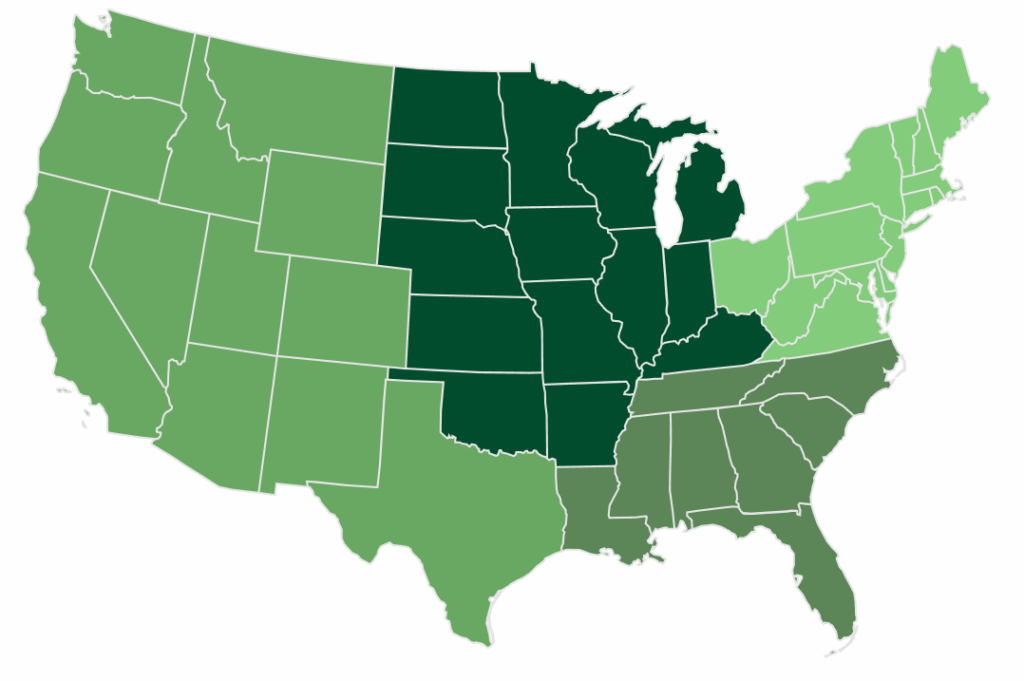
TRCP in Your Region

TRCP works across the country to ensure hunters and anglers can enjoy healthy fish and wildlife and quality days afield, no matter where they live.

Who We Are
Our Mission

To guarantee all Americans quality places to hunt & fish

We unite and amplify our partners’ voices to advance America’s legacy of conservation, habitat, and access.

Our Mission & Values
Our People & Partners
  • Meet the TRCP Team

    Our staff and board members unite and amplify our partners’ voices to advance America’s legacy of conservation, habitat, and access.

    Meet the Team
  • Our Partners

    ‘Partnership’ is in our name. We work with 64 diverse partner groups that represent today’s leading hunting, fishing, and conservation organizations in order to strengthen the sportsman’s voice in Washington, D.C.

    Our Partners
  • Corporate Council

    TRCP’s Corporate Council is made up of diverse corporations that share a common passion for conservation.

    Corporate Council
Our Organization

Looking for more information?

Explore our latest news, policy updates, and conservation resources to get the information you need.

Giving
How You Can Help

To guarantee all Americans quality places to hunt & fish

Your tax-deductible donation will support TRCP's mission, now and into the future.

DONATE
Special Ways to support trcp
  • Capital Conservation Awards Dinner

    The CCAD is one of Washington's best-attended conservation celebrations, featuring dinner, cocktails, and a silent auction.

    Learn More
  • Step Into the Arena

    Help us ensure that our treasured wild habitats and game remain intact for the next generation to enjoy – lend your support to the TRCP’s efforts today!

    Donate
  • Roosevelt Roast

    TRCP has partnered with Afuera Coffee Co. to further our commitment to conservation.

    Learn More
More donation options

Find the best way for you to lend your support. Join one of TRCP’s donor circles for special invitations, premium offerings from outdoor retailers, and more exclusive benefits. Take control of your legacy with planned giving or contribute to special conservation funds.

Other Ways To Give
News
In the Spotlight

All Eyes On The Atchafalaya Basin

The Lower Mississippi River Comprehensive Management Study moves forward despite slashed budget

Read More

Stay Informed

Receive our newsletter, the Roosevelt Report, right in your inbox. Never miss the latest news in conservation issues.

April 19, 2024

BLM Poised to Deny Permit for Industrial Corridor in Alaska’s Brooks Range

Hunters and anglers cheer important milestone to maintain America’s most wild and remote hunting and fishing grounds

Today, the Bureau of Land Management released the final Supplemental Environmental Impact Statement concerning the proposed Ambler Industrial Road in Alaska’s Brooks Range. The development proposal has gained national attention for its potential to permanently alter the remote character of Alaska’s largest remaining swath of wild country.

After months of analyzing the potential impacts of the major industrial corridor on fish, wildlife, rural subsistence, and outdoor recreation in the region, the BLM selected the “No Action” alternative in the final SEIS, which indicates the agency’s intent to deny the permit for the Ambler Industrial Road later this year.

“Today’s announcement is a big step toward an enormous conservation win for all Americans who value the unbroken landscapes, exceptional habitat, and opportunities for solitude in this awe-inspiring region,” said Lewis Pagel, owner of Arctic Fishing Adventures in Kotzebue, Alaska.

“By selecting the ‘No Action’ alternative in this final environmental review, the BLM is acknowledging that the risks of the proposed Ambler Road far outweigh the rewards,” said Jen Leahy, Alaska senior program manager for the Theodore Roosevelt Conservation Partnership.

“This milestone is the result of broad opposition to this project, led by local residents and Alaska Native Tribes, and supported by thousands of conservation-minded hunters and anglers from across the country,” continued Leahy, who lives in Anchorage, Alaska. “Those sportsmen and sportswomen have helped turn the tide of public opinion against the Ambler Road, and we appreciate the BLM recognizing this in their preferred alternative.”

Known as the Ambler Road, the proposed private industrial corridor would partially bisect the home range of the Western Arctic Caribou Herd, one of Alaska’s largest remaining herds. The 211-mile industrial corridor would cross 11 major rivers and require nearly 3,000 culverts, degrading habitat and potentially impeding fish passage for species such as Arctic grayling and sheefish.

“Brooks Range rivers are beautiful, wild, and there are few other places like them in the world,” said fly fishing guide Greg Halbach of Remote Waters in Anchorage, Alaska. Halbach’s small operation offers guided wilderness floats on the Kobuk River, one of the only places in North America to target sheefish—also known as “tarpon of the north.”

“Roads are the very opposite of remote and wild,” Halbach said. “A single road can fragment habitat, disrupt wildlife migrations, and introduce chemical pollutants on a scale much wider than the narrow strip of gravel that we see. A float down the Kobuk River that included passing under bridges and listening to the hammering of engine brakes from tractor-trailers would be a radically different recreational experience.”

The proposed Ambler Road has prompted strong opposition from the hunting and fishing community. In 2023, more than 40 Alaska-based businesses, leading outdoor brands, and conservation organizations launched Hunters & Anglers for the Brooks Range. The collective—which includes guides, outfitters, and transporters who operate in the Brooks Range—is urging the Bureau of Land Management to deny the permit for the private industrial corridor. To date, the growing coalition has delivered nearly 10,000 individual letters to the agency opposing the Ambler Road.

“While the BLM’s ‘No Action’ finding is a cause for celebration, our most important work is still ahead,” said Leahy. “Until the agency issues a final decision, hunters and anglers will remain engaged to help ensure a positive outcome and defend the Brooks Range from future threats.”

Individuals can sign a petition opposing the Ambler Industrial Road HERE.

Learn more about Hunters & Anglers for the Brooks Range and sign up for updates on the status of the Ambler Industrial Road HERE.


About Hunters & Anglers for the Brooks Range: Hunters & Anglers for the Brooks Range, a project of the Theodore Roosevelt Conservation Partnership, is a collective of seasoned hunters, anglers, conservationists, and leading outdoor brands. We are committed to defending the wild and remote character of Alaska’s Brooks Range—a world-class hunting and fishing destination—from the proposed Ambler Industrial Road.

Photo Credit: Greg Halbach

4 Responses to “BLM Poised to Deny Permit for Industrial Corridor in Alaska’s Brooks Range”

  1. Frances Carole Groves

    As a ten year Alaska resident of Manley Hot Springs, 160 miles northwest of Fairbanks, I am grateful to President Biden for respecting and protecting our last great wilderness. This is the land of annual nesting and calving grounds for millions of birds and thousands of caribou, fox, ermine, lynx, snowshoe hare, owl, wolves, beaver, Polar Bear, whale, otter and clear glacial rivers full of wild salmon, grayling and trout. Your senses are overpowered by the majestic display of wildness, and at the variety and sheer size that is Alaska. If protected, the Brooks Range and great coastal plains of Alaska will continue be a destination for Americans and foreigners to witness a sprawling, alluring wilderness with massive glaciers, its amazing diversity of plant and animal life. Even today, this wild and sparsley inhabited country sparks excitement to the traveler.

  2. As a long-time rural Alaska resident, I am thrilled by this news. The Ambler Road makes no sense on so many levels that it would take too long to list them here. This road would never have even made it as a serious proposal – the foreign mine company pushing it would not contribute a cent to its construction – if the rogue Alaska Industrial Development and Export Authority (AIDEA) had not thrown millions of dollars at it. AIDEA has never seen a (losing) industrial development proposal that it has not enthusiastically endorsed, wasting hundreds of millions of Alaskans’ money down the rat holes that it has funded. In the best case scenario, the Alaska Legislature, after seeing the millions AIDEA has wasted so far on this project, will dismember and bury the agency. A double win!

    Hopefully this BLM decision will become finalized prior to the November elections. Don’t let your guard down.

Do you have any thoughts on this post?

XHTML: You can use these tags: <a href="" title=""> <abbr title=""> <acronym title=""> <b> <blockquote cite=""> <cite> <code> <del datetime=""> <em> <i> <q cite=""> <s> <strike> <strong>

Comments must be under 1000 characters.

BLM Poised to Deny Permit for Industrial Corridor in Alaska’s Brooks Range

Hunters and anglers cheer important milestone to maintain America’s most wild and remote hunting and fishing grounds

Today, the Bureau of Land Management released the final Supplemental Environmental Impact Statement concerning the proposed Ambler Industrial Road in Alaska’s Brooks Range. The development proposal has gained national attention for its potential to permanently alter the remote character of Alaska’s largest remaining swath of wild country.

After months of analyzing the potential impacts of the major industrial corridor on fish, wildlife, rural subsistence, and outdoor recreation in the region, the BLM selected the “No Action” alternative in the final SEIS, which indicates the agency’s intent to deny the permit for the Ambler Industrial Road later this year.

“Today’s announcement is a big step toward an enormous conservation win for all Americans who value the unbroken landscapes, exceptional habitat, and opportunities for solitude in this awe-inspiring region,” said Lewis Pagel, owner of Arctic Fishing Adventures in Kotzebue, Alaska.

“By selecting the ‘No Action’ alternative in this final environmental review, the BLM is acknowledging that the risks of the proposed Ambler Road far outweigh the rewards,” said Jen Leahy, Alaska senior program manager for the Theodore Roosevelt Conservation Partnership.

“This milestone is the result of broad opposition to this project, led by local residents and Alaska Native Tribes, and supported by thousands of conservation-minded hunters and anglers from across the country,” continued Leahy, who lives in Anchorage, Alaska. “Those sportsmen and sportswomen have helped turn the tide of public opinion against the Ambler Road, and we appreciate the BLM recognizing this in their preferred alternative.”

Known as the Ambler Road, the proposed private industrial corridor would partially bisect the home range of the Western Arctic Caribou Herd, one of Alaska’s largest remaining herds. The 211-mile industrial corridor would cross 11 major rivers and require nearly 3,000 culverts, degrading habitat and potentially impeding fish passage for species such as Arctic grayling and sheefish.

“Brooks Range rivers are beautiful, wild, and there are few other places like them in the world,” said fly fishing guide Greg Halbach of Remote Waters in Anchorage, Alaska. Halbach’s small operation offers guided wilderness floats on the Kobuk River, one of the only places in North America to target sheefish—also known as “tarpon of the north.”

“Roads are the very opposite of remote and wild,” Halbach said. “A single road can fragment habitat, disrupt wildlife migrations, and introduce chemical pollutants on a scale much wider than the narrow strip of gravel that we see. A float down the Kobuk River that included passing under bridges and listening to the hammering of engine brakes from tractor-trailers would be a radically different recreational experience.”

The proposed Ambler Road has prompted strong opposition from the hunting and fishing community. In 2023, more than 40 Alaska-based businesses, leading outdoor brands, and conservation organizations launched Hunters & Anglers for the Brooks Range. The collective—which includes guides, outfitters, and transporters who operate in the Brooks Range—is urging the Bureau of Land Management to deny the permit for the private industrial corridor. To date, the growing coalition has delivered nearly 10,000 individual letters to the agency opposing the Ambler Road.

“While the BLM’s ‘No Action’ finding is a cause for celebration, our most important work is still ahead,” said Leahy. “Until the agency issues a final decision, hunters and anglers will remain engaged to help ensure a positive outcome and defend the Brooks Range from future threats.”

Individuals can sign a petition opposing the Ambler Industrial Road HERE.

Learn more about Hunters & Anglers for the Brooks Range and sign up for updates on the status of the Ambler Industrial Road HERE.


About Hunters & Anglers for the Brooks Range: Hunters & Anglers for the Brooks Range, a project of the Theodore Roosevelt Conservation Partnership, is a collective of seasoned hunters, anglers, conservationists, and leading outdoor brands. We are committed to defending the wild and remote character of Alaska’s Brooks Range—a world-class hunting and fishing destination—from the proposed Ambler Industrial Road.

Photo Credit: Greg Halbach

April 18, 2024

BLM Final Conservation Rule to Benefit Habitat on Public Land

TRCP encourages strong collaboration as BLM proceeds with implementation

Today, the anticipated Conservation and Landscape Health Final Rule was published by the Bureau of Land Management. TRCP has been actively engaged with the rulemaking process since the draft conservation rule was released in April 2023 and collaborated closely with its partners to encourage the agency to make important improvements to the rule. In the final rule released today, TRCP recognizes the value of several key components for maintaining and restoring fish and wildlife habitats important to sportsmen and sportswomen.

“BLM public lands and habitats are under increased pressure from drought, severe wildfires, and invasive species, and the Conservation and Landscape Health Rule will help improve the agency’s ability to address those challenges for the benefit of hunters and anglers,” said Joel Webster, VP of western conservation at the Theodore Roosevelt Conservation Partnership. “TRCP appreciates the BLM listening to feedback and making refinements to the final rule.”

Among the modifications made to the conservation rule, the BLM provided increased clarity to narrow the potential applicability of restoration leasing and mitigation leasing on BLM land. The agency also clarified that habitat connectivity is a component of intact landscapes. TRCP believes that these, and other refinements, address critiques made of the draft rule, and the organization encourages the BLM to focus heavily on collaboration during the implementation process.

“Like every public policy, the success and durability of the BLM conservation rule will depend on strong engagement with local communities, states, and Tribes,” continued Webster. “TRCP will do our part by remaining at the table to ensure habitat is conserved, restored, and enhanced to support robust fish and wildlife populations and continued hunting and fishing opportunities.”

April 17, 2024

In the Arena: Ward Burton

TRCP’s “In the Arena” series highlights the individual voices of hunters and anglers who, as Theodore Roosevelt so famously said, strive valiantly in the worthy cause of conservation.

Ward Burton

Hometown: Halifax, Virginia
Occupation: Former NASCAR driver.
Conservation credentials: Founder of the Ward Burton Wildlife Foundation.

Ward Burton’s NASCAR driving career stretched across most of two decades. He won five Cup Series races, including the 2002 Daytona 500, 2001 Southern 500, and four Xfinity races before retiring in 2007. 

As an avid sportsman and conservationist, he founded the Ward Burton Wildlife Foundation in 1996. A quarter century later, the organization oversees more than 10,000 acres in Virginia and Pennsylvania and has helped landowners in Virginia and Pennsylvania conserve over 45,000 acres of land by developing conservation models aimed at sustainable habitat management, wise forestry management, stream water mitigation practices, and other tools to focus on preserving the integrity of the land and its wildlife.

Here is his story.

Ward Burton, a former NASCAR driver turned conservationist, has a deep-rooted connection to the outdoors that stems from his upbringing in Halifax, Virginia. Introduced to hunting, fishing, and nature by his grandfather, Burton’s childhood experiences instilled a lifelong passion for wildlife and land stewardship. Burton’s work ethic and unwavering persistence in spending time outdoors paved the way for his profound appreciation of nature’s wonders and ultimately led to the founding of the Ward Burton Wildlife Foundation in 1996.

The Ward Burton Wildlife Foundation has helped landowners in Virginia and Pennsylvania conserve over 45,000 acres of land and owns and manages over 10,000 acres.

“I’ve never felt it was a choice,” said Burton, “I believe strongly that conservation is an inherent responsibility and I hope that my, and my foundation’s, efforts to share that message have helped impart that to our future generations.”

But his passion for the outdoors extends far beyond his home state.

“Being from the east coast, I am enthusiastic about learning what different habitats support different types of wildlife and hunting and fishing opportunities. I’ve spent time in a lot of cool places, British Columbia, Wyoming, Montana, the Florida Everglades, all for fishing and hunting. Hoping to get back to all of those areas soon.

Burton’s journey as a conservationist began amidst his racing career, inspired by conversations with influential figures in wildlife management. In collaboration with like-minded individuals, he founded the Ward Burton Wildlife Foundation, driven by a shared commitment to conservation.

The mission of the WBWF is to promote the sustainability of our nation’s natural resources through conservation, land management, outdoor outreach, and educational practices.  Since their inception, the foundation has helped landowners in Virginia and Pennsylvania conserve over 45,000 acres of land and owns and manages over 10,000 acres.

The foundation develops and sustains their conservation models by managing habitat for endangered species, practicing wise forestry management, stream water mitigation, and prescribed burns to control non-native growth, and other tools to preserve the integrity of the land. Through partnerships with local, state, and federal organizations, and by working directly with landowners, the WBWF shares and advocates for conservation and land management best practices nationwide. 

Recognizing the critical role of conservation in preserving outdoor pursuits for future generations, Burton emphasizes the importance of habitat protection and wildlife management. He advocates for finding a balance between rural preservation and sustainable development, ensuring the longevity of natural resources.

“Giving land a voice and weaving conservation best practices into my day to day has become second nature,” said Burton, “Being conservation-minded has enhanced my love and appreciation for the outdoors – it’s our responsibility to sustain our natural resources and be stewards of our land and wildlife.”

Through his foundation, Burton actively engages in habitat restoration projects, leveraging programs like the Farm Bill to support his foundation projects as well as fellow landowners in enhancing and restoring wildlife habitats. His hands-on approach, from wetland restoration to prescribed burns, exemplifies his dedication to leaving a positive impact on the land.

Without good conservation practices, the activities we all enjoy outdoors are at risk. Without habitat protection and efforts to maintain and grow healthy wildlife populations, the hunting and fishing opportunities we hope to share with the next generation may not be there.”

Ward Burton

Burton stridently believes that hunters and anglers are the original conservationists, emphasizing the ethical responsibility of stewardship for future generations. He underscores the interconnectedness of habitat conservation, wildlife populations, and outdoor recreation, emphasizing the need for collective action in safeguarding natural resources.

Today, he finds the most joy in sharing these experiences with his children and grandchildren, passing down cherished traditions and values.

With this focus on education and outreach, Burton strives to inspire the next generation of conservationists, urging sportsmen and women to serve as role models and foster a love for the outdoors. He believes that by sharing the joys of nature and instilling a sense of responsibility, future generations will carry forward the legacy of conservation.

“You really need to let them experience the joys, the adventures, and the challenges. It’s through those experiences that they’ll develop a passion for nature and wildlife. I had the great benefit of my grandfather as a very, very strong role model in my life. My mom and dad gave me a lot of freedom as a child. Maybe too much! Once they got used to me not coming in right after dark, they knew I was okay and that I was out in the forest or in the woods. It’s from this that I developed my passion for conservation.”

Looking ahead, Burton remains committed to expanding his conservation efforts, advocating for policy changes, and fostering partnerships to protect natural habitats. His unwavering dedication to conservation serves as a beacon of hope for the future of wildlife and outdoor enthusiasts alike.

Do you know someone “In the Arena” who should be featured here? Email us at info@trcp.org


The TRCP is your no-B.S. resource for all things conservation. In our weekly Roosevelt Report, you’ll receive the latest news on emerging habitat threats, legislation and proposals on the move, public land access solutions we’re spearheading, and opportunities for hunters and anglers to take action. Sign up now.

April 11, 2024

BLM’s Western Solar Plan Puts Western Big Game Herds at Risk 

Solar goals can be achieved & wildlife habitat conserved through modified BLM proposal 

Some of the most iconic western hunts occur on Bureau of Land Management acres. Think about Wyoming pronghorn, Arizona mule deer, Nevada bighorn sheep. If you’ve ever experienced or dreamed of these hunts, you’ll be interested in the possible placement of millions of acres of solar panels. 


In January, the Bureau of Land Management released a draft plan that—when completed—will guide utility-scale solar development on federal public lands. The BLM administers 245 million acres, primarily in 11 western states and Alaska. The draft is an anticipated update of BLM’s 2012 Western Solar Plan that, when finalized, will identify areas in Arizona, California, Colorado, Idaho, Montana, Nevada, New Mexico, Oregon, Utah, Washington, and Wyoming that will be made available for utility-scale solar across the region. The updated plan is viewed by the Administration as a key step toward deploying 25 GW of renewable energy on public lands by 2025 and achieving a 100 percent clean electricity grid by 2035.  

The Theodore Roosevelt Conservation Partnership recognizes the need for renewable energy sources, and we believe that development must be thoughtfully planned so that it does not adversely impact crucial fish and wildlife habitats and valued hunting and fishing areas. Utility-scale solar generating facilities are high-fenced to exclude both people and wildlife, creating a solid barrier to big game movements. For this reason, improperly sited facilities pose a disproportionate risk to migratory big game species and could be catastrophic for big game herds if located in the wrong place. Since the earliest stages of the Western Solar Plan revision, TRCP and other hunting and fishing organizations have requested that the BLM exclude big game migration corridors and winter range from areas available for utility-scale development.  


Americans can have both renewable energy and robust wildlife populations, but deliberate steps must be taken now to ensure that future. The preferred alternative in the draft plan (Alternative 3) identifies 22 million acres of your public lands to be made available for solar energy development, including 1.8 million acres of migration corridors and 4 million acres of winter range for some of the West’s most well-known big game herds and hunting destinations. Storied mule deer herds like the Paunsaugunt in Utah, the Kaibab in Arizona, and the Wyoming Range could suffer if this proposal is not modified. 

Mule Deer: James Wicks

Encouragingly, the BLM’s draft plan specifies that only 700,000 acres are necessary to fulfill the agency’s solar deployment objectives. Even if the agency is wrong and solar deployment requires several times the anticipated land, the BLM could still fully meet their targets and exclude all big game crucial winter range and migration corridors from development.

To learn more, read the below state-by-state breakdowns and follow the links to maps that show some of the greatest development threats to big game habitat from utility-scale solar development.  

Comment now and request that BLM fix the final Western Solar Plan by excluding crucial big game habitats from potential development.    

This image has an empty alt attribute; its file name is Take-Action-button.png

State-by-State Breakdown

Arizona

The proposed plan would allow for solar development across 2.3 million acres of BLM-managed ground in Arizona. 

However, even the preferred alternative of the plan allows for significant development in mapped mule deer migration and winter range habitat utilized by the Kaibab North mule deer herd, as well as the Paunsaugunt herd that travels south out of Utah to winter in northern Arizona. The Kaibab deer herd offers some of the most sought-after mule deer buck hunting in the world in units 12A and 12B. In 2019, the Kaibab herd had an estimated population of 10,200. The loss of winter range and migration habitats to utility-scale solar development would have extensive impacts on the herd. 


Nevada

The proposed plan would allow for solar development across nearly 7 million acres of BLM-managed ground in Nevada.  

Alternative 3 includes development in several mapped deer migration routes in northeast Nevada, and would also impact mule deer winter range in Management Areas 6, 7, 22, and 24, pronghorn winter ranges in Management Areas 5 and 6, and several important ranges for desert bighorn sheep in Management Areas 21, 26, and 27. 

Importantly, the majority of the development areas are located in winter range and migration corridors—a limiting habitat for these big game populations—the loss of which will have disproportionate adverse impacts. 

The following links provide detailed maps of potentially impacted areas in Winnemucca, Mina-Tonopah, and North Caliente


Oregon

In Oregon, under BLM’s stated preferred alternative, the Solar PEIS has proposed 714,957 acres of BLM-administered lands as open for solar development. While much of those lands do not conflict with priority wildlife habitat, Alternative 3 allows for development that lies within important ungulate winter range and significantly impinges upon the migration pathways of several mule deer, elk, pronghorn, and bighorn sheep herd ranges. 

Oregon Department of Fish and Wildlife’s 2024 Draft Mule Deer Plan identified seven Herd Ranges of High Concern. Oregon’s Crescent, Bulelah-Malhuer, Klamath Basin, and southeast mule deer herds face significant impingements to their migrations and further fragmentation could create significant additional downward pressure on populations in several of Eastern Oregon’s most iconic game management units. 


Idaho

The proposed plan would allow for solar development across a total of 1.47 million acres of BLM-managed ground in Idaho.  

While most of the proposed acres do not conflict with priority big game habitat, Alternative 3 allows for extensive development in four mapped pronghorn and deer migration routes in southcentral and southwest Idaho, including over 9,000 acres in the Pioneer Mountain mule deer migration, which offers some of Idaho’s highest quality buck hunts in units 44 and 45. The potential solar development would also impact the Mountain Home (51,533 acres), Owinza (123,595 acres), and Gooding (27,886 acres) pronghorn migrations.  


New Mexico

According to the proposed plan, nearly 3 million acres of BLM-managed ground in New Mexico would be open to solar development, including significant development in mapped mule deer migration and winter range habitat utilized by the Crow Mesa herd in Game Management Units 2C, 5A, and 6A, as well as winter range habitat for the Pueblo of Santa Ana mule deer herd in Game Management Unit 9.  

Mule deer are an especially important species for the hunting community in New Mexico, as they account for more than 95% of the annual deer harvest across the state. 


Colorado

The proposed plan under Alternative 3 would make 548,225 acres of BLM-managed surface lands open for solar development in Colorado. 

A significant proportion of these acres overlap high-value habitat for important elk, deer, pronghorn, and bighorn sheep herds in western Colorado. The overlap includes elk migration, severe winter range, and winter concentration areas for the Cold Springs elk herd in Colorado’s northwest corner GMUs 2, 10, and 201; as well as mule deer migration, severe winter range, and winter concentration areas for the White River Mule Deer Herd in the Piceance Basin in GMUs 11 and 22. The BLM’s proposal would also make high-value big game habitat available for future solar development in the Uncompahgre area, South Park, and the San Luis Valley.  

Follow the links to view maps of potential overlap in the Dinosaur, Uncompahgre, and Piceance areas as examples of areas at-risk.  


Wyoming

Wyomingites previously saw crucial winter range and migration routes for pronghorn antelope in southwest Wyoming cutoff when the Sweetwater Solar project was completed in late 2018. To avoid similar mistakes in the future, it will be important for the BLM to exclude development in big game winter range, migration corridors officially designated by the state, and additional mapped migration routes. 

The BLM’s proposed plan for solar development in Wyoming includes nearly 3 million acres. Within this proposed area lies an overlap between iconic deer herds like the Sublette mule deer herd as well as the Wyoming Range mule deer herd (region G & H) famous for the Red Desert to Hoback migration route. In addition, proposed solar developments could also interrupt the famous “Path of the Pronghorn” migration route completed by the Sublette pronghorn herd. This migration route is currently in the process of being formally designated by the state due to its significance.  

The BLM’s proposed alternative also would disproportionately impact the Medicine Bow pronghorn herd and the Baggs mule deer herd—a migration route along the Colorado and Wyoming border. 


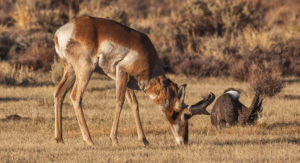
Pronghorn: James Wicks

All people who care about hunting, fishing, and wildlife habitat on public lands, can request these specific modifications to the Bureau of Land Management’s Western Solar Plan below.

Feature Photo Credit: Josh Metten

HOW YOU CAN HELP

TRCP has partnered with Afuera Coffee Co. to further our commitment to conservation. $4 from each bag is donated to the TRCP, to help continue our efforts of safeguarding critical habitats, productive hunting grounds, and favorite fishing holes for future generations.

Learn More
Subscribe


You have Successfully Subscribed!

You have Successfully Subscribed!

You have Successfully Subscribed!

You have Successfully Subscribed!

You have Successfully Subscribed!