Our Issues
Public Lands
Why It Matters

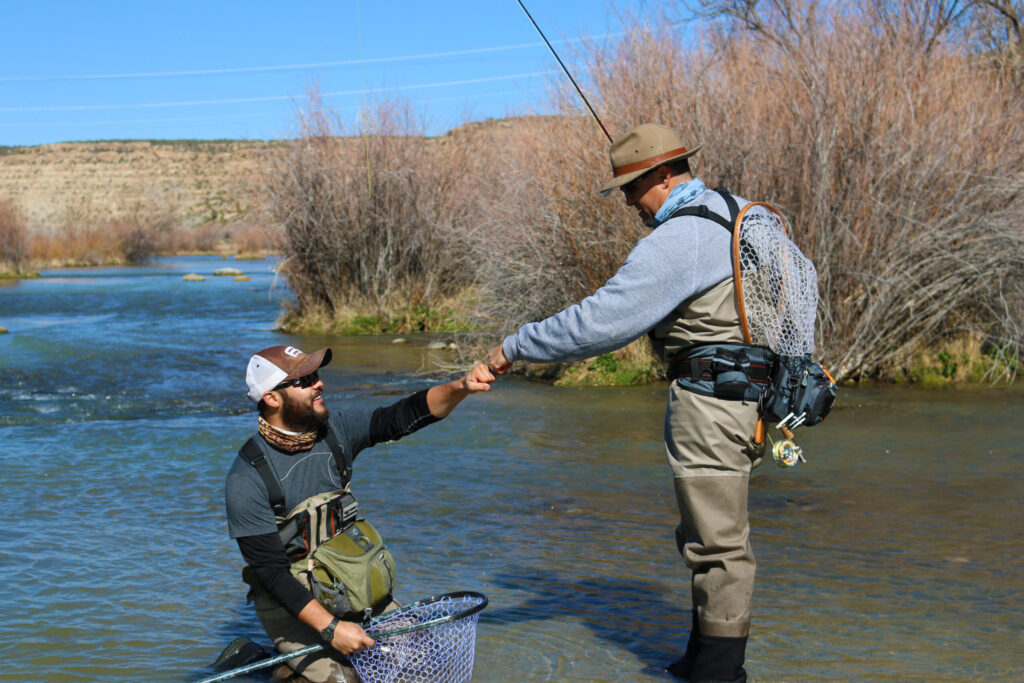
Hunting & Fishing Access

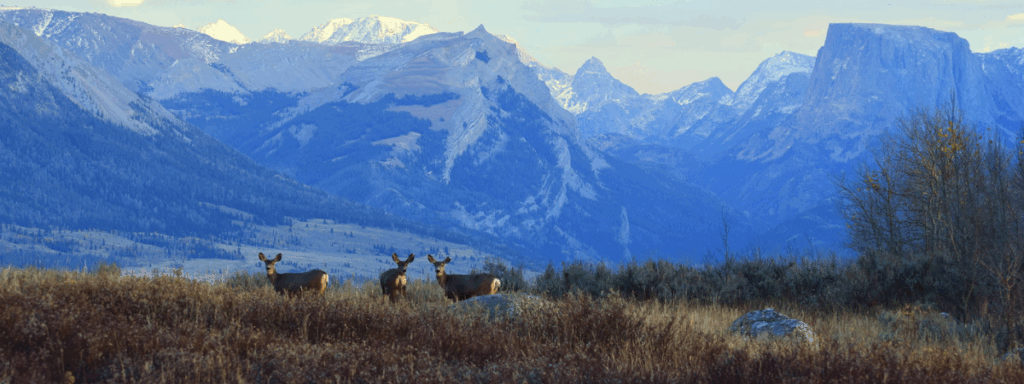
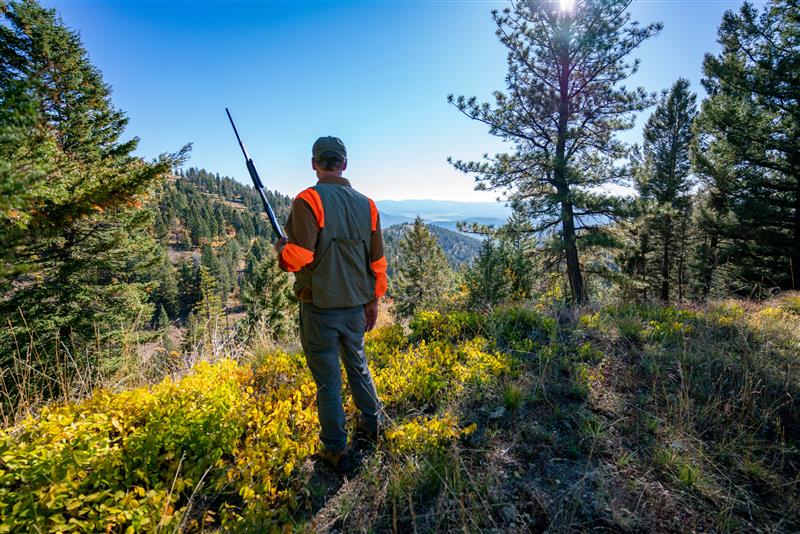
America’s 640 million acres of national public lands provide irreplaceable hunting and fishing opportunities to millions of Americans.

Learn More About Access
What TRCP is Doing

We’re working to safeguard America’s public lands so hunters and anglers always have quality places to pursue their passions.
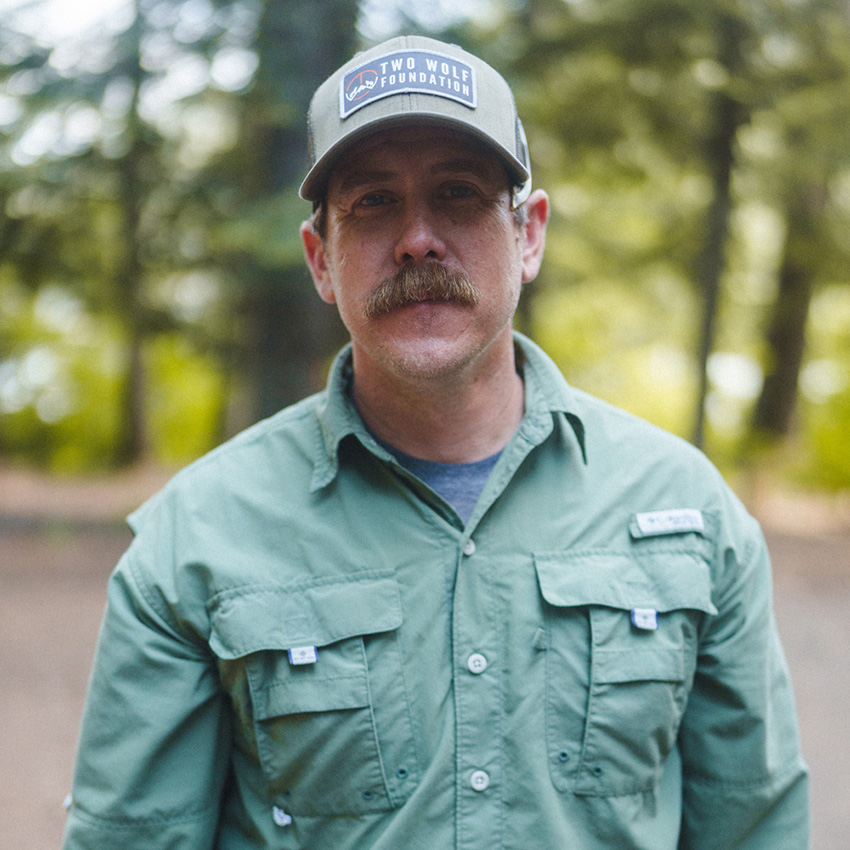
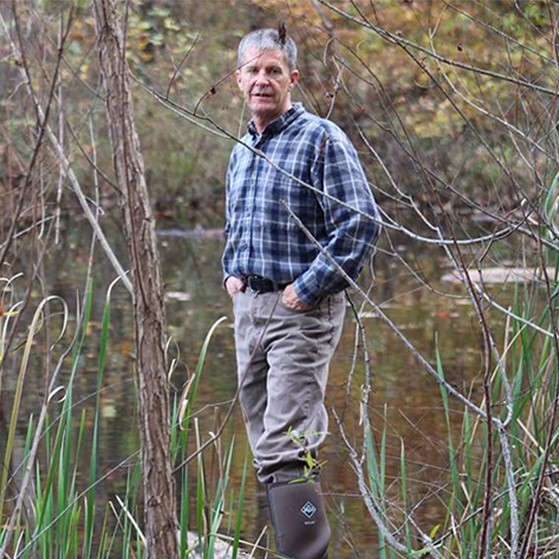
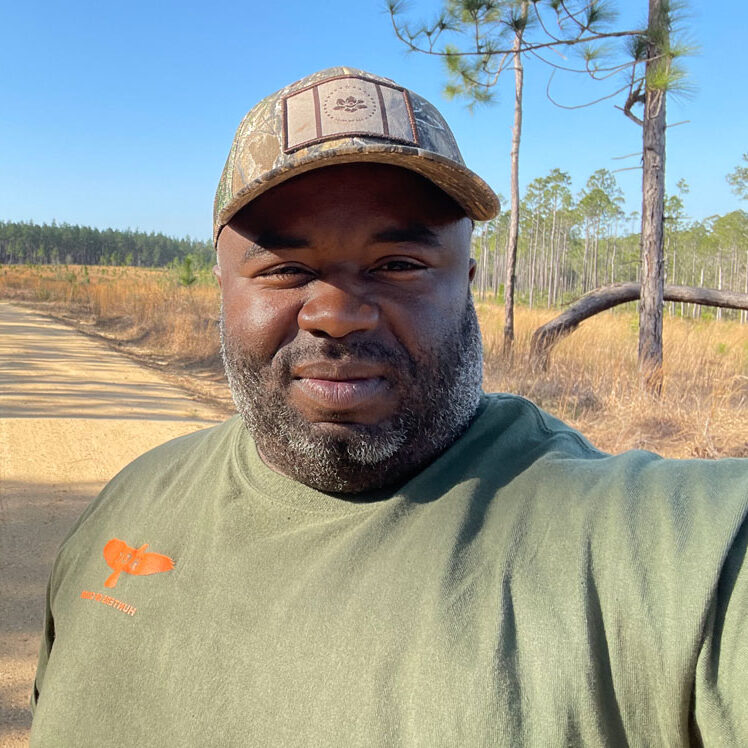
 Brian Flynn, Two Wolf Foundation
How Sportsmen Are Doing It Right

Brian Flynn, Two Wolf Foundation's Story

Following a distinguished career in the U.S. Army, lifelong outdoorsman Brian Flynn returned home from a deployment in Afghanistan and…

Hunting
Why It Matters

Key Issues for America’s Hunters

Your source for the latest policy updates, conservation challenges, and opportunities shaping America’s hunting traditions.

What TRCP is Doing

We’re fighting for meaningful policy changes that benefit wildlife, our waters, and the American landscapes that make our outdoor traditions possible.

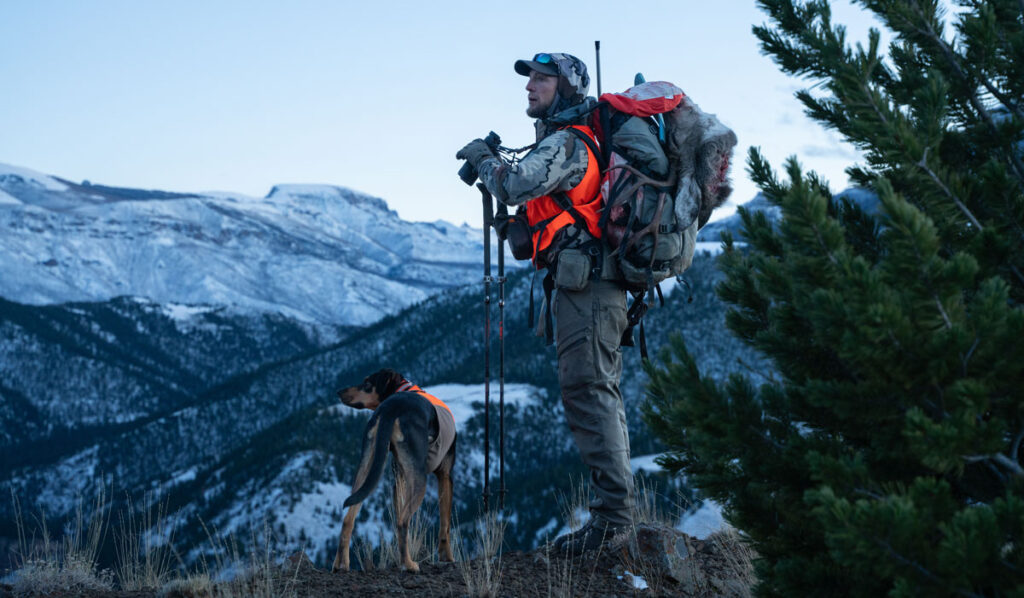
 Ryan Sparks
How Sportsmen Are Doing It Right

Ryan Sparks's Story

TRCP’s “In the Arena” series highlights the individual voices of hunters and anglers who, as Theodore Roosevelt so famously said,…

Fishing
Why It Matters

Key Issues for America’s Anglers

Your source for the latest policy updates, conservation challenges, and opportunities shaping America’s fishing traditions.

Sign Up For Forage Fish Updates
What TRCP is Doing

We’re fighting for meaningful policy changes that benefit wildlife, our waters, and the American landscapes that make our outdoor traditions possible.

 David Mangum
How Sportsmen Are Doing It Right

David Mangum's Story

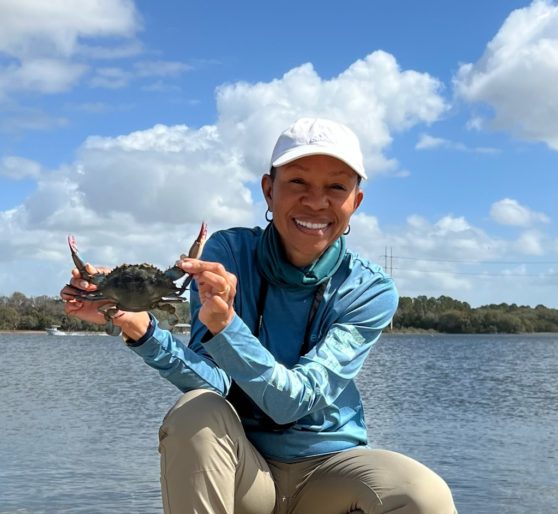
Capt. David Mangum is a YETI ambassador and outdoor photographer who utilizes his talents to produce media that inspire a…

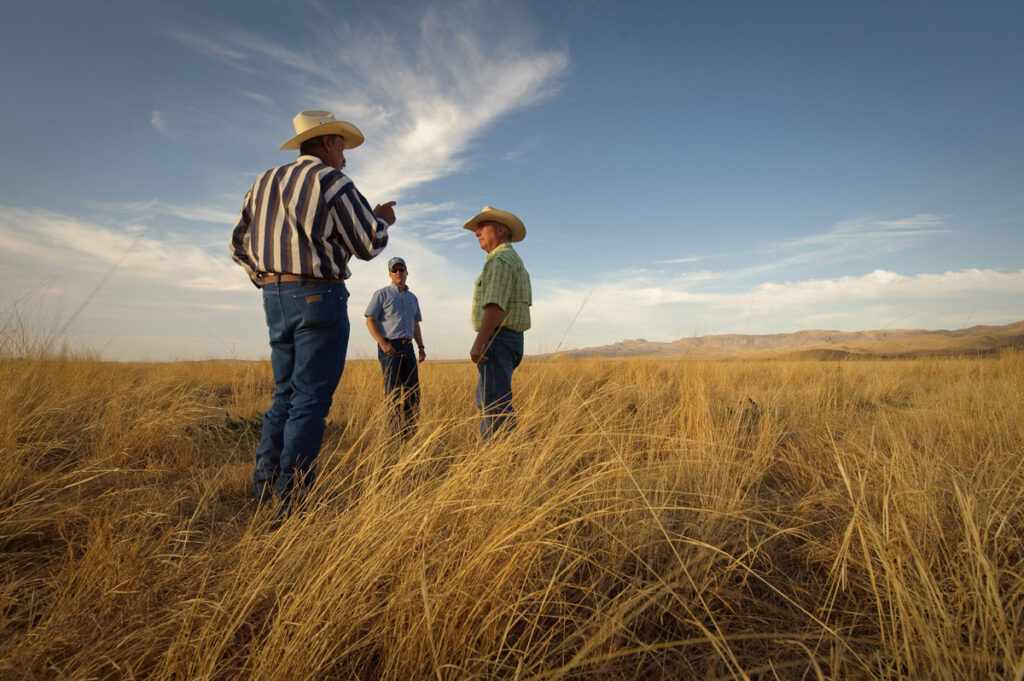
Private Land
Why It Matters

Stewardship on America’s private lands

With 70 percent of U.S. lands in private hands and many of our best hunt and fish opportunities occurring there, investing in voluntary conservation on working lands safeguards access, strengthens habitat and water quality, and ensures resilient landscapes.

Take Action - Farm Bill 2026
What TRCP is Doing

We champion policies and programs that restore wildlife habitat, improve soil and water health, and keep working lands productive.

 Ward Burton
How Sportsmen are Doing It Right

Ward Burton's Story

Ward Burton’s NASCAR driving career stretched across most of two decades. As an avid sportsman and conservationist, he founded the…

Special Places
Why It Matters

Special Places Worth Protecting

America’s most iconic landscapes provide unmatched habitat and unforgettable days afield. These places sustain wildlife, anchor local economies, and define the hunting and fishing traditions we pass down.

What TRCP is Doing

We’re working to conserve special places that provide world-class habitat and unforgettable opportunities for hunters and anglers.

 Franklin Adams
How Sportsmen Are Doing It Right

Franklin Adams's Story

As a true Gladesman, conservationist, and historian, Capt. Franklin Adams has spent more than six decades championing Everglades restoration efforts…

Habitat & Clean Water
Why It Matters

Healthy Habitat Powers Every Pursuit

All hunting and fishing opportunities depend on quality habitat, from clean water and healthy wetlands to winter and summer habitats and the migration corridors that connect them.

All About Habitat & Clean Water
What TRCP is Doing

We are working to safeguard the habitats that power every hunting and fishing opportunity.

 Alex Harvey
How Sportsmen Are Doing It Right

Alex Harvey's Story

Alex Harvey, founder of Legacy Land Management, is a registered professional forester in Mississippi and Alabama with a Master's degree…

Science
Why It Matters

Science That Guides TRCP

From conserving migration corridors and wetlands to ensuring clean water and resilient landscapes, science provides evidence that turns conservation goals into effective action.

Science for Conservation
What TRCP is Doing

For hunters and anglers, science safeguards the experiences we treasure including resilient big game populations, abundant fish, and wild places that endure changing social landscapes.

Jamelle Ellis
Your Science Expert

Jamelle Ellis's Story

Jamelle Ellis joined the Theodore Roosevelt Conservation Partnership in 2022. Jamelle spent the last three years as an environmental sustainability…

Where We Work
Across the Nation

Conservation Across America

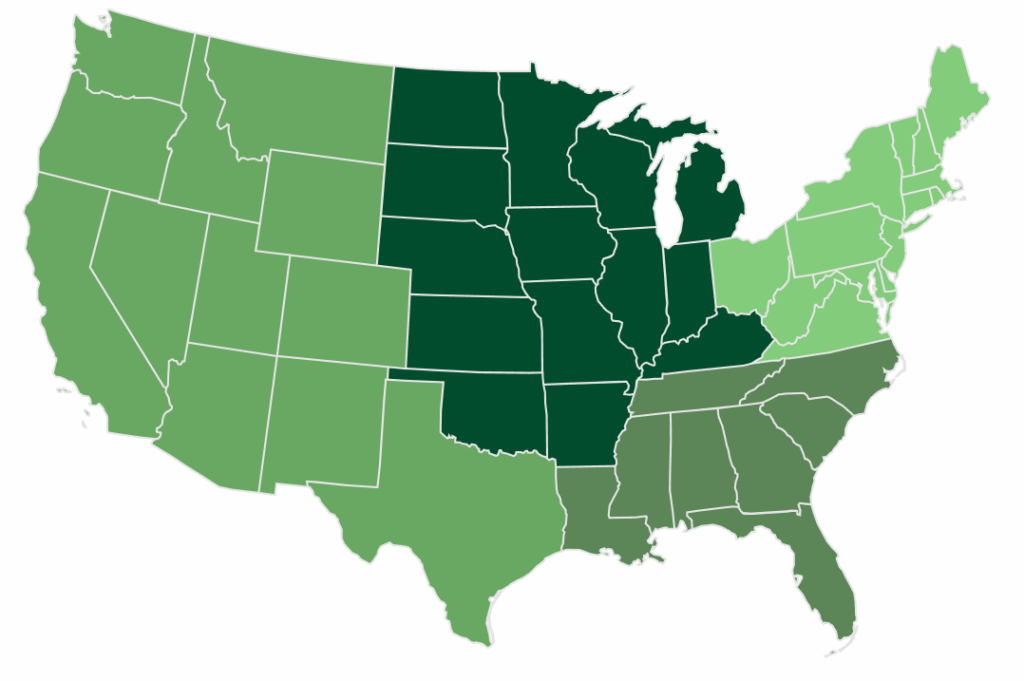
TRCP works across the country to ensure hunters and anglers can enjoy healthy fish and wildlife and quality days afield, no matter where they live.

See All Issues
TRCP in Your Region

TRCP works across the country to ensure hunters and anglers can enjoy healthy fish and wildlife and quality days afield, no matter where they live.

Who We Are
Our Mission

To guarantee all Americans quality places to hunt & fish

We unite and amplify our partners’ voices to advance America’s legacy of conservation, habitat, and access.

Our Mission & Values
Our People & Partners
  • Meet the TRCP Team

    Our staff and board members unite and amplify our partners’ voices to advance America’s legacy of conservation, habitat, and access.

    Meet the Team
  • Our Partners

    ‘Partnership’ is in our name. We work with 64 diverse partner groups that represent today’s leading hunting, fishing, and conservation organizations in order to strengthen the sportsman’s voice in Washington, D.C.

    Our Partners
  • Corporate Council

    TRCP’s Corporate Council is made up of diverse corporations that share a common passion for conservation.

    Corporate Council
Our Organization

Looking for more information?

Explore our latest news, policy updates, and conservation resources to get the information you need.

Giving
How You Can Help

To guarantee all Americans quality places to hunt & fish

Your tax-deductible donation will support TRCP's mission, now and into the future.

DONATE
Special Ways to support trcp
  • Capital Conservation Awards Dinner

    The CCAD is one of Washington's best-attended conservation celebrations, featuring dinner, cocktails, and a silent auction.

    Learn More
  • Step Into the Arena

    Help us ensure that our treasured wild habitats and game remain intact for the next generation to enjoy – lend your support to the TRCP’s efforts today!

    Donate
  • Roosevelt Roast

    TRCP has partnered with Afuera Coffee Co. to further our commitment to conservation.

    Learn More
More donation options

Find the best way for you to lend your support. Join one of TRCP’s donor circles for special invitations, premium offerings from outdoor retailers, and more exclusive benefits. Take control of your legacy with planned giving or contribute to special conservation funds.

Other Ways To Give
News
In the Spotlight

Idaho Passes Wins for Motorist Safety, Habitat Connectivity, and Public Lands

Senate Concurrent Resolution No. 124 and Senate Joint Memorial 111 establish state priorities on conservation and federal public lands.

Read More

Stay Informed

Receive our newsletter, the Roosevelt Report, right in your inbox. Never miss the latest news in conservation issues.

by:

posted in: Press Releases

April 19, 2024

BLM Announces Big Wins for Wildlife, Hunters, and Anglers on 13 Million Acres of Public Lands in Northern Alaska

The Central Yukon Resource Management Plan includes measures to safeguard important habitat and world-class recreation opportunities

Today, after more than a decade of engagement with local residents, Alaska Native Tribes, hunters and anglers, and conservation and development interests, the Bureau of Land Management released a revised resource management plan for 13.3 million acres of BLM-managed public lands in northern Alaska.

The Central Yukon planning area features some of the most valued big game species in Alaska—including Dall sheep, moose, and caribou—and 25 species of fish. The area is perhaps best recognized for the Dalton Highway Corridor, also known as the Haul Road. This unique recreation destination allows for some of the most remote—yet road accessible—hike-in and float trips in Alaska. BLM-managed lands within the 56-million-acre planning area provide important habitat connectivity between several conservation units that are prized by hunters and anglers, including five national wildlife refuges.

“The BLM’s revised Central Yukon plan is great news for Alaskans and visiting hunters and anglers who know and treasure these wild public lands, and for everyone who dreams of an iconic Haul Road hunting or fishing trip,” said Jen Leahy, Alaska senior program manager for the Theodore Roosevelt Conservation Partnership. “The hunting and fishing community has been involved in this plan revision for many years. We thank the BLM for adopting several habitat-focused measures in the final plan, which, as a whole, appropriately balances conservation and development interests.”

The plan contains measures that avoid or minimize impacts to fish, wildlife, and important habitats; outlines steps to prepare for the growing recreational demand along the Dalton Corridor that is expected to increase over the next two decades; and maintains existing conservation safeguards that were already in place to uphold the quality hunting, fishing, and other recreational opportunities of the region. To manage for continued hunting and fishing opportunities in the Dalton Corridor, the BLM is proposing to adopt a Backcountry Conservation Area, a land use allocation focused on habitat conservation and wildlife dependent recreation that allows for other traditional uses to continue. The plan additionally includes provisions to conserve habitat for caribou and Dall sheep. 

Following a 60-day review period, the BLM will issue an approved RMP and Record of Decision. Once final, the RMP will guide landscape-level management and the various uses allowed on BLM lands in this region for the next 20 or more years.

by:

posted in: Press Releases

BLM Poised to Deny Permit for Industrial Corridor in Alaska’s Brooks Range

Hunters and anglers cheer important milestone to maintain America’s most wild and remote hunting and fishing grounds

Today, the Bureau of Land Management released the final Supplemental Environmental Impact Statement concerning the proposed Ambler Industrial Road in Alaska’s Brooks Range. The development proposal has gained national attention for its potential to permanently alter the remote character of Alaska’s largest remaining swath of wild country.

After months of analyzing the potential impacts of the major industrial corridor on fish, wildlife, rural subsistence, and outdoor recreation in the region, the BLM selected the “No Action” alternative in the final SEIS, which indicates the agency’s intent to deny the permit for the Ambler Industrial Road later this year.

“Today’s announcement is a big step toward an enormous conservation win for all Americans who value the unbroken landscapes, exceptional habitat, and opportunities for solitude in this awe-inspiring region,” said Lewis Pagel, owner of Arctic Fishing Adventures in Kotzebue, Alaska.

“By selecting the ‘No Action’ alternative in this final environmental review, the BLM is acknowledging that the risks of the proposed Ambler Road far outweigh the rewards,” said Jen Leahy, Alaska senior program manager for the Theodore Roosevelt Conservation Partnership.

“This milestone is the result of broad opposition to this project, led by local residents and Alaska Native Tribes, and supported by thousands of conservation-minded hunters and anglers from across the country,” continued Leahy, who lives in Anchorage, Alaska. “Those sportsmen and sportswomen have helped turn the tide of public opinion against the Ambler Road, and we appreciate the BLM recognizing this in their preferred alternative.”

Known as the Ambler Road, the proposed private industrial corridor would partially bisect the home range of the Western Arctic Caribou Herd, one of Alaska’s largest remaining herds. The 211-mile industrial corridor would cross 11 major rivers and require nearly 3,000 culverts, degrading habitat and potentially impeding fish passage for species such as Arctic grayling and sheefish.

“Brooks Range rivers are beautiful, wild, and there are few other places like them in the world,” said fly fishing guide Greg Halbach of Remote Waters in Anchorage, Alaska. Halbach’s small operation offers guided wilderness floats on the Kobuk River, one of the only places in North America to target sheefish—also known as “tarpon of the north.”

“Roads are the very opposite of remote and wild,” Halbach said. “A single road can fragment habitat, disrupt wildlife migrations, and introduce chemical pollutants on a scale much wider than the narrow strip of gravel that we see. A float down the Kobuk River that included passing under bridges and listening to the hammering of engine brakes from tractor-trailers would be a radically different recreational experience.”

The proposed Ambler Road has prompted strong opposition from the hunting and fishing community. In 2023, more than 40 Alaska-based businesses, leading outdoor brands, and conservation organizations launched Hunters & Anglers for the Brooks Range. The collective—which includes guides, outfitters, and transporters who operate in the Brooks Range—is urging the Bureau of Land Management to deny the permit for the private industrial corridor. To date, the growing coalition has delivered nearly 10,000 individual letters to the agency opposing the Ambler Road.

“While the BLM’s ‘No Action’ finding is a cause for celebration, our most important work is still ahead,” said Leahy. “Until the agency issues a final decision, hunters and anglers will remain engaged to help ensure a positive outcome and defend the Brooks Range from future threats.”

Individuals can sign a petition opposing the Ambler Industrial Road HERE.

Learn more about Hunters & Anglers for the Brooks Range and sign up for updates on the status of the Ambler Industrial Road HERE.


About Hunters & Anglers for the Brooks Range: Hunters & Anglers for the Brooks Range, a project of the Theodore Roosevelt Conservation Partnership, is a collective of seasoned hunters, anglers, conservationists, and leading outdoor brands. We are committed to defending the wild and remote character of Alaska’s Brooks Range—a world-class hunting and fishing destination—from the proposed Ambler Industrial Road.

Photo Credit: Greg Halbach

April 18, 2024

BLM Final Conservation Rule to Benefit Habitat on Public Land

TRCP encourages strong collaboration as BLM proceeds with implementation

Today, the anticipated Conservation and Landscape Health Final Rule was published by the Bureau of Land Management. TRCP has been actively engaged with the rulemaking process since the draft conservation rule was released in April 2023 and collaborated closely with its partners to encourage the agency to make important improvements to the rule. In the final rule released today, TRCP recognizes the value of several key components for maintaining and restoring fish and wildlife habitats important to sportsmen and sportswomen.

“BLM public lands and habitats are under increased pressure from drought, severe wildfires, and invasive species, and the Conservation and Landscape Health Rule will help improve the agency’s ability to address those challenges for the benefit of hunters and anglers,” said Joel Webster, VP of western conservation at the Theodore Roosevelt Conservation Partnership. “TRCP appreciates the BLM listening to feedback and making refinements to the final rule.”

Among the modifications made to the conservation rule, the BLM provided increased clarity to narrow the potential applicability of restoration leasing and mitigation leasing on BLM land. The agency also clarified that habitat connectivity is a component of intact landscapes. TRCP believes that these, and other refinements, address critiques made of the draft rule, and the organization encourages the BLM to focus heavily on collaboration during the implementation process.

“Like every public policy, the success and durability of the BLM conservation rule will depend on strong engagement with local communities, states, and Tribes,” continued Webster. “TRCP will do our part by remaining at the table to ensure habitat is conserved, restored, and enhanced to support robust fish and wildlife populations and continued hunting and fishing opportunities.”

April 1, 2024

New Video Explains Why Some PA Trout Streams Lack Full Protections

TRCP’s short production explains how the state’s best waters receive necessary safeguards, but also why a growing list awaits full protections

With Pennsylvania’s 2024 trout fishing season opener slated for this Saturday, the Theodore Roosevelt Conservation Partnership is sharing a short explainer video that highlights the problem of a growing backlog of streams that have been recommended for additional environmental designations, but have not yet received them.

The hunting and angling-focused conservation nonprofit will post the video (embedded below) on social media channels in its entirety on April 6, the Pennsylvania trout fishing opener, to ensure that anglers are aware of the issue.

Some trout streams that the state’s Fish and Boat Commission have designated as Wild Trout or Class A streams, and recommended for full protection to the Pennsylvania Department of Environmental Protection years ago, still haven’t received these safeguards. Thus there is a growing backlog of streams awaiting designation at the department. TRCP’s video will ensure that anglers are aware of the problem and urge officials to resolve the bottleneck in the process by describing it in an easy-to-understand structure.

“We want to ensure that everyday anglers are aware of how Pennsylvania’s streams and trout fishing opportunities are safeguarded, and how they can take actions to help protect their favorite waters,” said Alexandra Kozak, Pennsylvania field manager for the Theodore Roosevelt Conservation Partnership. “This is a somewhat complicated process, but with a single issue preventing the realization of full protections for many streams.”

In Pennsylvania, as in other states, TRCP works to build coalitions from the sporting and conservation communities to identify and work toward shared policy goals around conserving habitat and funding conservation programs. The organization seeks to advance public policy in the state’s General Assembly through strategic campaigns, grassroots organizing, and scientific research. This is accomplished by maintaining relationships with the Governor’s office, state agencies, hunting and fishing organizations, and regional and local businesses that help champion a hunting, fishing, and conservation-focused agenda.

Top issues TRCP focuses on in Pennsylvania include securing water quality protections for the state’s trout streams and the Chesapeake Bay watershed, ensuring legislative support for the outdoor recreation economy, defending hunter and angler access, and promoting the benefits of state-level conservation funding.

To learn more about TRCP’s conservation efforts in Pennsylvania, visit the organization’s webpage dedicated to state issues at trcp.org/pa.

You can also send DEP a message to clear the streams backlog through our simple comment form.

Banner Image Credit: Noah Davis

March 14, 2024

BLM Announces Greater Sage Grouse Draft Plan Amendments to Guide Management of 67 million Acres in the West

TRCP encourages the agency to plan for durable conservation strategies

Today, the Bureau of Land Management announced the release of its draft Greater Sage Grouse Environmental Impact Statement and associated Resource Management Plan Amendments that—when completed—will guide management decisions across approximately 67 million acres of sage grouse habitat on public lands overseen by the BLM.

Driven by legal challenges, these draft amendments are intended to update plans previously finalized by the BLM in 2015 and 2020, and they will direct management across 10 Western states that cover the current range of the greater sage grouse.

“The Theodore Roosevelt Conservation Partnership, along with hunters and anglers across the West, understand the importance of well-managed BLM lands for the longevity of greater sage grouse and other sagebrush obligate species,” said Madeleine West, TRCP’s director of the center for public lands. “And while there’s a clear need to complete these latest plan amendments, the focus of federal and state agencies, along with external partners, must quickly shift to implementing conservation strategies on the ground.”

These plan amendments offer the opportunity for the BLM to incorporate new science to inform land management decisions. A 2022 U.S. Geological Survey report revealed that half of the original sagebrush ecosystem has been lost at a rate of approximately 1.3 million acres each year over the last two decades. 

The sagebrush ecosystem is the largest terrestrial biome in the Lower 48 at over 165 million acres spanning 13 Western states. It is home to the iconic greater sage grouse as well as numerous other fish and game species. Greater sage grouse conservation efforts have driven unprecedented collaboration between state and federal managers, private landowners, and NGOs for multiple decades. This continued collaboration is critical to reverse the trend of significant habitat loss, which impacts individual species like the greater sage grouse, as well as communities across the West.  

Today’s announcement kicks off a 90-day formal comment period where the public can submit scoping comments that will be used to inform revision of the draft plan amendments, which are expected to be finalized by the end of 2024.

“TRCP will be digging into the details of the draft plan amendments to provide constructive comments that ensure successful and durable conservation measures can be implemented on BLM-managed lands that support the greater sage grouse, the myriad other species that benefit from healthy sagebrush habitat, as well as the diverse communities that rely on these public lands,” added West.

Read more about TRCP’s work on greater sage grouse conservation HERE.

HOW YOU CAN HELP

TRCP has partnered with Afuera Coffee Co. to further our commitment to conservation. $4 from each bag is donated to the TRCP, to help continue our efforts of safeguarding critical habitats, productive hunting grounds, and favorite fishing holes for future generations.

Learn More
Subscribe


You have Successfully Subscribed!

You have Successfully Subscribed!

You have Successfully Subscribed!

You have Successfully Subscribed!

You have Successfully Subscribed!