Our Issues
Public Lands
Why It Matters

Hunting & Fishing Access

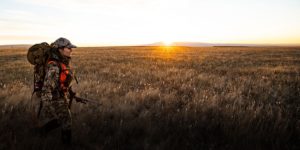
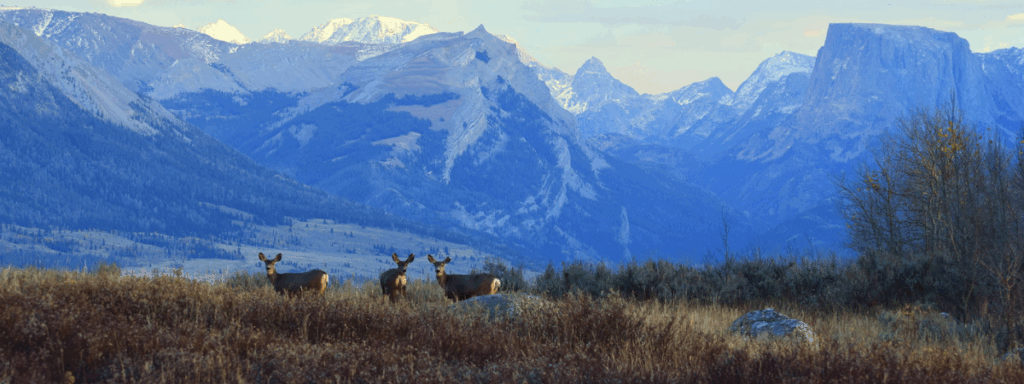
America’s 640 million acres of national public lands provide irreplaceable hunting and fishing opportunities to millions of Americans.

Learn More About Access
What TRCP is Doing

We’re working to safeguard America’s public lands so hunters and anglers always have quality places to pursue their passions.
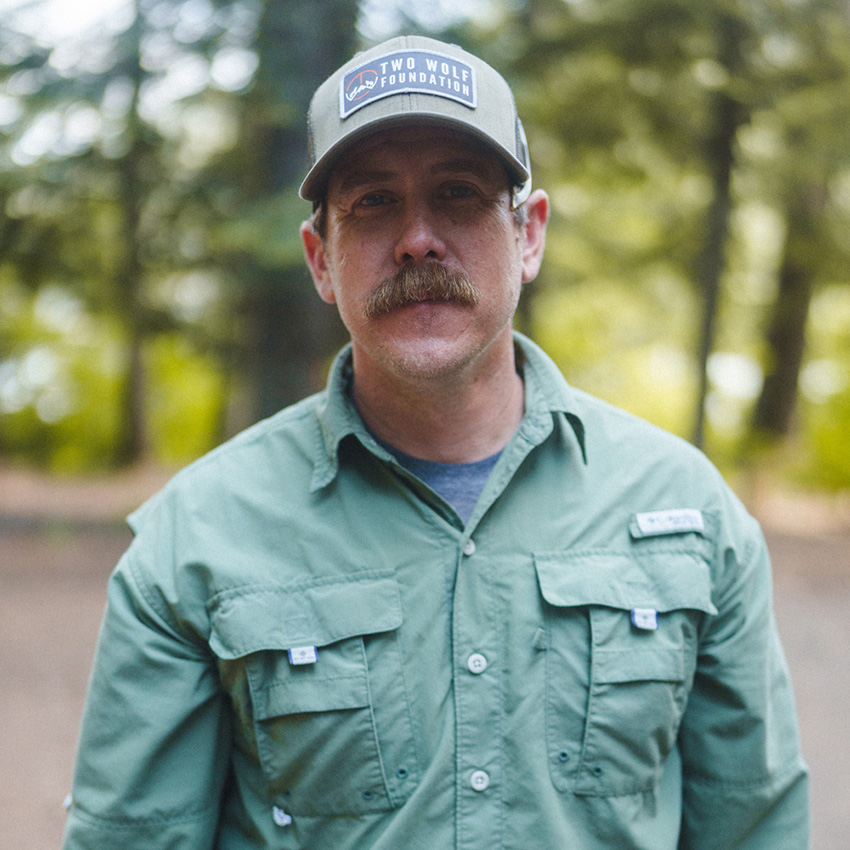
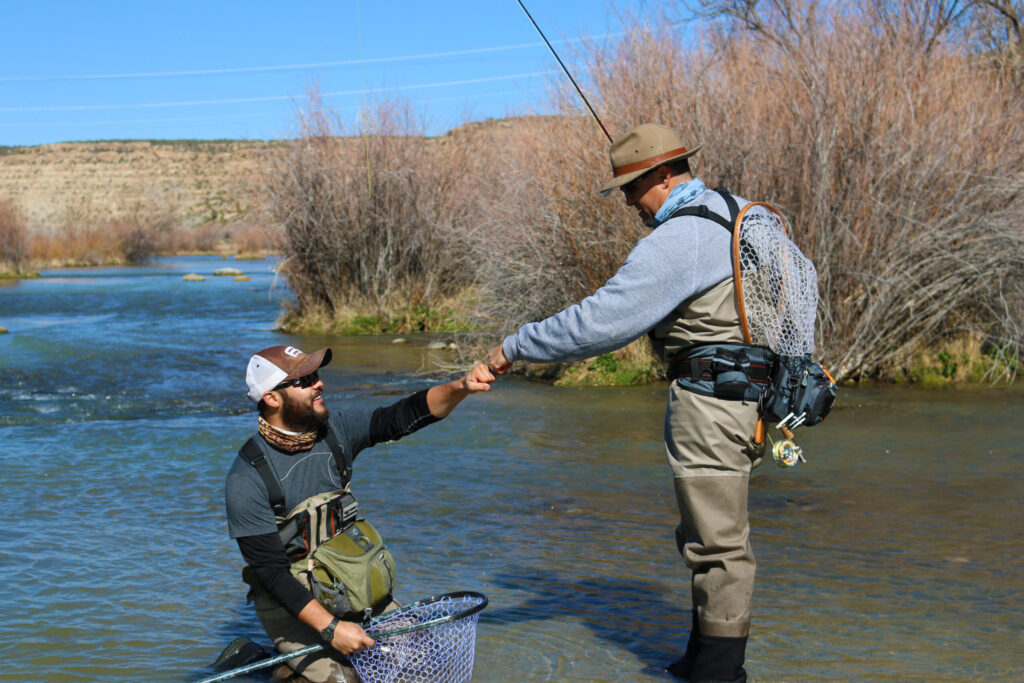
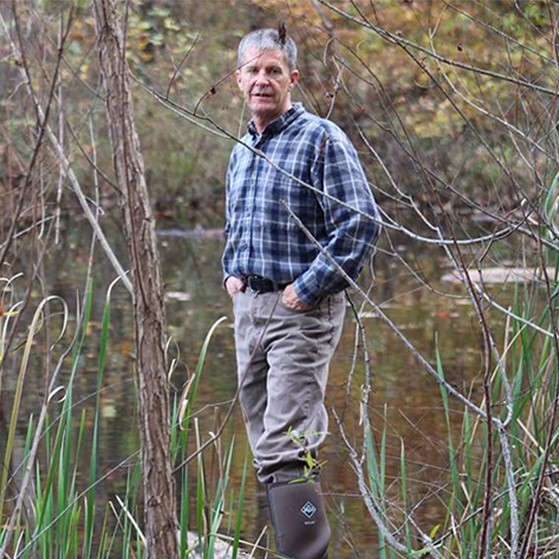
 Brian Flynn, Two Wolf Foundation
How Sportsmen Are Doing It Right

Brian Flynn, Two Wolf Foundation's Story

Following a distinguished career in the U.S. Army, lifelong outdoorsman Brian Flynn returned home from a deployment in Afghanistan and…


Hunting
Why It Matters

Key Issues for America’s Hunters

Your source for the latest policy updates, conservation challenges, and opportunities shaping America’s hunting traditions.

What TRCP is Doing

We’re fighting for meaningful policy changes that benefit wildlife, our waters, and the American landscapes that make our outdoor traditions possible.

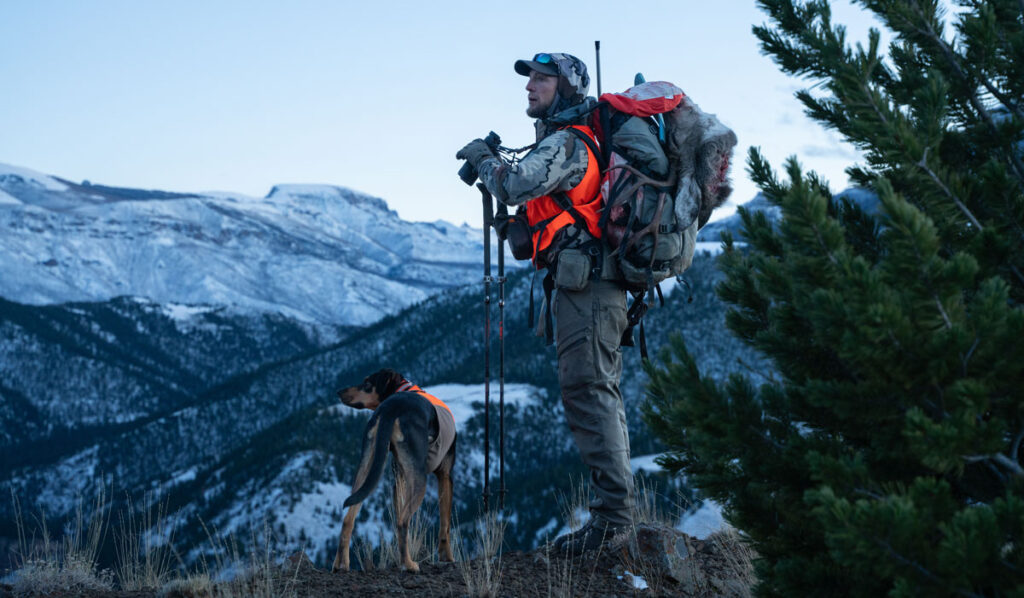
 Ryan Sparks
How Sportsmen Are Doing It Right

Ryan Sparks's Story

TRCP’s “In the Arena” series highlights the individual voices of hunters and anglers who, as Theodore Roosevelt so famously said,…

Fishing
Why It Matters

Key Issues for America’s Anglers

Your source for the latest policy updates, conservation challenges, and opportunities shaping America’s fishing traditions.

What TRCP is Doing

We’re fighting for meaningful policy changes that benefit wildlife, our waters, and the American landscapes that make our outdoor traditions possible.

 David Mangum
How Sportsmen Are Doing It Right

David Mangum's Story

Capt. David Mangum is a YETI ambassador and outdoor photographer who utilizes his talents to produce media that inspire a…

Private Land
Why It Matters

Stewardship on America’s private lands

With 70 percent of U.S. lands in private hands and many of our best hunt and fish opportunities occurring there, investing in voluntary conservation on working lands safeguards access, strengthens habitat and water quality, and ensures resilient landscapes.

Learn More
What TRCP is Doing

We champion policies and programs that restore wildlife habitat, improve soil and water health, and keep working lands productive.

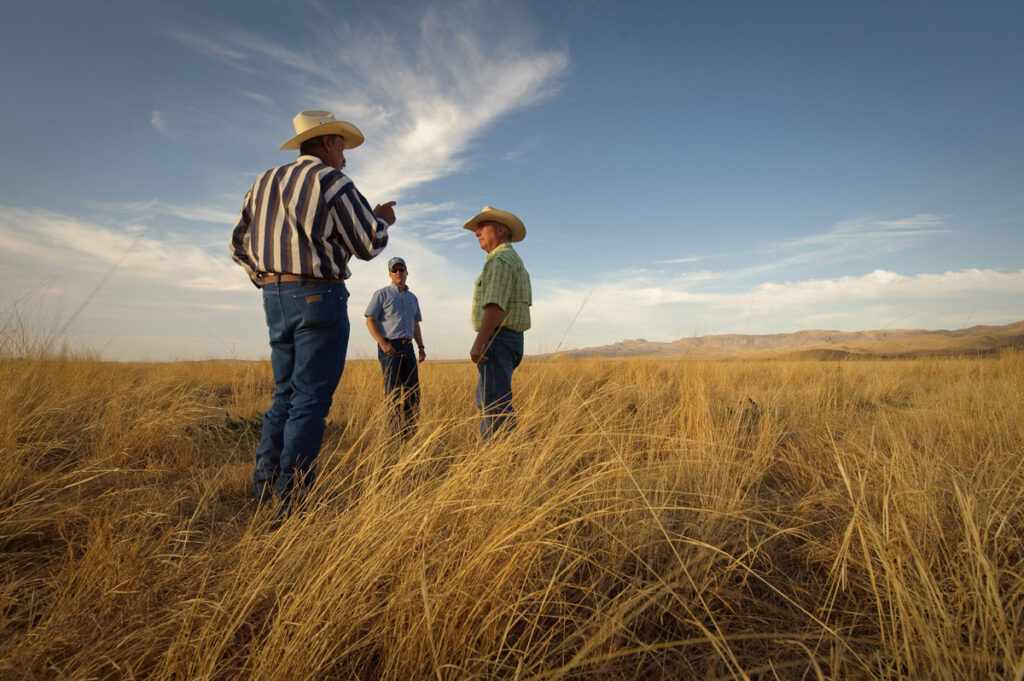
 Ward Burton
How Sportsmen are Doing It Right

Ward Burton's Story

Ward Burton’s NASCAR driving career stretched across most of two decades. As an avid sportsman and conservationist, he founded the…

Special Places
Why It Matters

Special Places Worth Protecting

America’s most iconic landscapes provide unmatched habitat and unforgettable days afield. These places sustain wildlife, anchor local economies, and define the hunting and fishing traditions we pass down.

What TRCP is Doing

We’re working to conserve special places that provide world-class habitat and unforgettable opportunities for hunters and anglers.

 Franklin Adams
How Sportsmen Are Doing It Right

Franklin Adams's Story

As a true Gladesman, conservationist, and historian, Capt. Franklin Adams has spent more than six decades championing Everglades restoration efforts…

Habitat & Clean Water
Why It Matters

Healthy Habitat Powers Every Pursuit

All hunting and fishing opportunities depend on quality habitat, from clean water and healthy wetlands to winter and summer habitats and the migration corridors that connect them.

All About Habitat & Clean Water
What TRCP is Doing

We are working to safeguard the habitats that power every hunting and fishing opportunity.

 Alex Harvey
How Sportsmen Are Doing It Right

Alex Harvey's Story

Alex Harvey, founder of Legacy Land Management, is a registered professional forester in Mississippi and Alabama with a Master's degree…

Science
Why It Matters

Science That Guides TRCP

From conserving migration corridors and wetlands to ensuring clean water and resilient landscapes, science provides evidence that turns conservation goals into effective action.

Science for Conservation
What TRCP is Doing

For hunters and anglers, science safeguards the experiences we treasure including resilient big game populations, abundant fish, and wild places that endure changing social landscapes.

Jamelle Ellis
Your Science Expert

Jamelle Ellis's Story

Jamelle Ellis joined the Theodore Roosevelt Conservation Partnership in 2022. Jamelle spent the last three years as an environmental sustainability…

Where We Work
Across the Nation

Conservation Across America

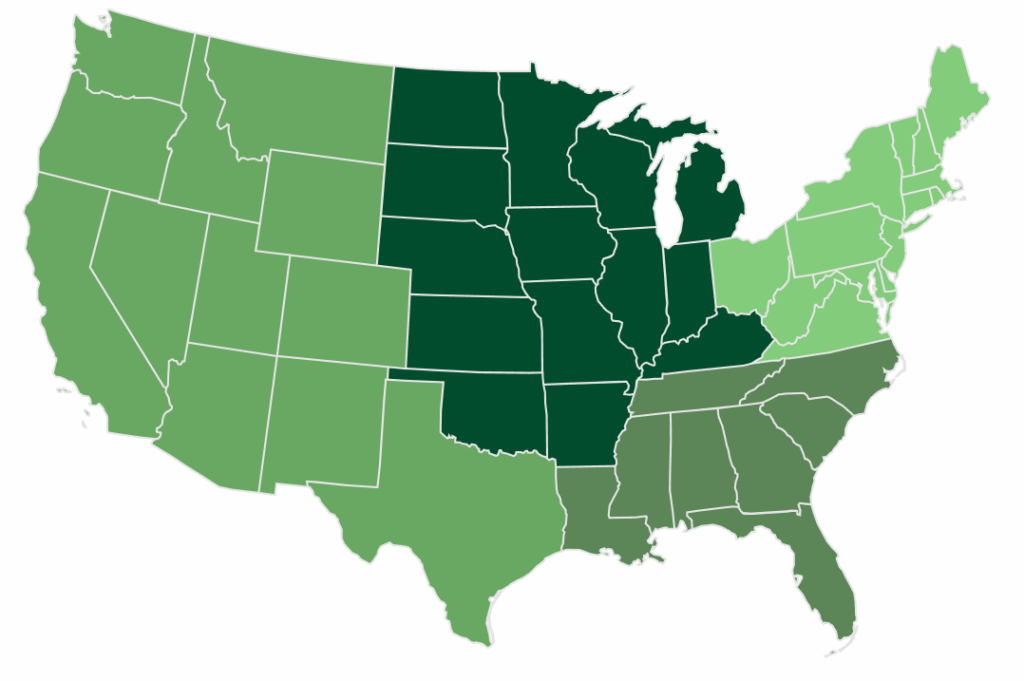
TRCP works across the country to ensure hunters and anglers can enjoy healthy fish and wildlife and quality days afield, no matter where they live.

See All Issues
TRCP in Your Region

TRCP works across the country to ensure hunters and anglers can enjoy healthy fish and wildlife and quality days afield, no matter where they live.

Who We Are
Our Mission

To guarantee all Americans quality places to hunt & fish

We unite and amplify our partners’ voices to advance America’s legacy of conservation, habitat, and access.

Our Mission & Values
Our People & Partners
  • Meet the TRCP Team

    Our staff and board members unite and amplify our partners’ voices to advance America’s legacy of conservation, habitat, and access.

    Meet the Team
  • Our Partners

    ‘Partnership’ is in our name. We work with 64 diverse partner groups that represent today’s leading hunting, fishing, and conservation organizations in order to strengthen the sportsman’s voice in Washington, D.C.

    Our Partners
  • Corporate Council

    TRCP’s Corporate Council is made up of diverse corporations that share a common passion for conservation.

    Corporate Council
Our Organization

Looking for more information?

Explore our latest news, policy updates, and conservation resources to get the information you need.

Giving
How You Can Help

To guarantee all Americans quality places to hunt & fish

Your tax-deductible donation will support TRCP's mission, now and into the future.

DONATE
Special Ways to support trcp
  • Capital Conservation Awards Dinner

    The CCAD is one of Washington's best-attended conservation celebrations, featuring dinner, cocktails, and a silent auction.

    Learn More
  • Step Into the Arena

    Help us ensure that our treasured wild habitats and game remain intact for the next generation to enjoy – lend your support to the TRCP’s efforts today!

    Donate
  • Roosevelt Roast

    TRCP has partnered with Afuera Coffee Co. to further our commitment to conservation.

    Learn More
More donation options

Find the best way for you to lend your support. Join one of TRCP’s donor circles for special invitations, premium offerings from outdoor retailers, and more exclusive benefits. Take control of your legacy with planned giving or contribute to special conservation funds.

Other Ways To Give
News
In the Spotlight

In the Arena: Josh Warren

For many hunters and anglers, the connection to conservation begins close to home — in the woods behind the house, along a familiar stretch of river, or through time spent learning from mentors and family. That sense of place is something Joshua Warren carries with him, both personally and professionally. As Director of Marketing at WorkSharp, Josh represents a company rooted in Ashland, Oregon, a community defined by its access to public lands and wild country.

Read More

Stay Informed

Receive our newsletter, the Roosevelt Report, right in your inbox. Never miss the latest news in conservation issues.

by:

posted in:

August 12, 2022

fist bump photo by gregg flores

Do you have any thoughts on this post?

XHTML: You can use these tags: <a href="" title=""> <abbr title=""> <acronym title=""> <b> <blockquote cite=""> <cite> <code> <del datetime=""> <em> <i> <q cite=""> <s> <strike> <strong>

Comments must be under 1000 characters.

by:

posted in:

August 11, 2022

Poll: Majority of Hunters and Anglers Support Nature-Based Climate Solutions

Across party lines, sportsmen and sportswomen believe climate change is happening and that habitat-driven solutions can help

A majority of American hunters and anglers polled earlier this year said they embrace habitat conservation strategies as a way to address the impacts of climate change on fish and wildlife. The poll, conducted by New Bridge Strategy on behalf of the Theodore Roosevelt Conservation Partnership, also showed that more hunters and anglers—across party lines—say that climate change is happening than not.

“These findings are significant, because they paint a clearer picture of support for climate change solutions among conservative sportsmen and sportswomen, who some might assume are agnostic or even aggressively opposed to climate legislation,” says Tiffany Turner, the TRCP’s director of climate solutions. “This is particularly meaningful for Republican lawmakers who have maybe hedged on supporting legislation, when they actually have the constituent support in the hunting and fishing community to become wholehearted champions of habitat restoration and protection that improves carbon storage and sequestration.”

Here are some key findings from the poll:

  • 72 percent of sportsmen and sportswomen said that climate change is happening
  • 86 percent said they’d support restoring wetlands and coastal areas which help store carbon, while also acting as natural defenses to absorb rain during storms, provide wildlife habitat, and help filter pollutants from rivers and streams
  • 84 percent said they’d support restoring forests, prairies, and grasslands, which help store carbon, while also providing wildlife habitat and helping to filter pollutants from rivers and streams
  • 76 percent would support setting a national goal of conserving and restoring 30 percent of land and inland waters in America and 30 percent of its ocean areas by the year 2030
  • 76 percent support providing financial incentives for farmers to adopt regenerative practices and verifying that they are taking those actions, such as no-till farming or planting cover crops
  • Nearly half of those polled reported seeing an increase in certain climate change impacts, including “weird” weather and declining populations of fish or wildlife
  • More than half believe that climate change will affect their ability to hunt or fish in the next 20 years

The results show that climate change is still a much more partisan issue than other threats to fish and wildlife. The sportsmen and sportswomen polled were more concerned about habitat being broken up by development, pollution, disease, and roads and highways across habitat and migration routes.

There is also more work to do to convince sportsmen and sportswomen that climate change is affecting their hunting and fishing right now. The TRCP has launched a new campaign to educate and drive hunters and anglers to action in support of nature-based solutions—those that hinge on maintaining, managing, restoring, and improving our lands and waters to reverse climate change.

Healthy habitats absorb and store carbon from the atmosphere, where it would otherwise contribute to global warming. Specific examples of natural climate solutions can be found on the TRCP’s new interactive map. Many of the projects also lessen the impacts of climate change by reducing erosion, preventing wildfires, enhancing soil health, protecting against drought and flooding, cooling stream temperatures, strengthening coastlines, or improving the quality and availability of clean water.

Learn more about the TRCP’s climate work here.
See the full poll results here.

by:

posted in:

How to Leave a Legacy of Conservation

Make your mark on the future of fish and wildlife during National Make-a-Will Month

When I see a native brook trout rising on a dry fly or a bugling elk on a crisp September morning, it strikes me how few Americans have the opportunity or means to be this close to nature. Hunters and anglers get to experience the outdoors in a way that is fully immersive, which is why our community is so engaged in continuing to maintain habitat and enhance our access to these valuable places.

TRCP donors Paul and Carol Rose have also realized the importance of hunters and anglers to the future of conservation. And they have chosen to secure their legacy as committed conservationists by naming the TRCP in their will.

Planning how to best protect the people you love as well as the causes you care about requires much forethought, paperwork, and some legal advice, too. But it allows you to leave your assets to family members and nonprofit organizations after you pass away.

Despite the importance of having a will, many Americans never get around to drafting one. One common misconception is that unless you’re wealthy, you do not need a will. But everyone, regardless of their wealth, should have a will, because of the peace of mind and ease that it can bring upon your passing. Check out this graphic from our friends at FreeWill that outlines common myths and facts about creating a will:

“We could think of no better way to support the ideals of Theodore Roosevelt and the long-term mission of TRCP than through a planned gift,” Paul and Carol Rose write. “We cannot, on one hand, talk about the conservation of our natural resources and the preservation of our outdoor heritage while at the same time ignoring those things that each of us may do to help sustain organizations such as TRCP, who lead in this effort.”

Join Paul and Carol and leave your lasting mark on conservation during National Make-a-Will Month by including a gift to TRCP in your will. Cash, stock, or real estate can be donated to the TRCP—learn more about planned giving here.

Already have the TRCP in your will? Please contact Joshua Walters, our director of program development, to make sure we have recognized you as a member of the T.R. Legacy Society.


The information stated here is not intended as financial or legal advice. Always consider seeking the advice of your financial or legal advisor.

Photo by Juliane Liebermann

by:

posted in:

August 3, 2022

Five Things Hunters and Anglers Should Know About the Inflation Reduction Act

How would the most recent reconciliation agreement benefit hunters and anglers?

Editor’s note: Since we published this story, the Inflation Reduction Act passed Congress and was signed into law by President Biden on August 16, 2022. Unfortunately, the final bill did not include the updates to federal oil and gas bonding rates outlined below. The Senate Parliamentarian ultimately ruled that the provision could not be included in budget reconciliation legislation. In addition to what is described here, the final bill also included an additional $4 billion to address drought by investing in water conservation and habitat restoration across the West, with a particular focus on the Colorado River Basin.

Senator Joe Manchin and Senate Leader Chuck Schumer shocked most of D.C. last week when they announced that they had struck a deal on a reconciliation bill—known as the Inflation Reduction Act—that includes $369 billion in energy and natural resource investments aimed at tackling climate change, in addition to other healthcare and tax related provisions.

The TRCP has been tracking budget reconciliation discussions over the past year and offered lawmakers a host of recommendations that would benefit fish, wildlife, and the hunt-fish community. Thousands of sportsmen and sportswomen also contacted their lawmakers in support of investing in conservation through the reconciliation process.

Here are specific elements of the agreement that will impact hunters and anglers and what we’ll continue to push for as Congress begins to debate the bill in the days ahead.

A Boost for Private Lands Conservation

The agreement makes a major investment in conservation programs at the U.S. Department of Agriculture, providing $20 billion over the next four years. The current Farm Bill contributes around $6 billion annually to private land conservation programs, so this legislation would nearly double funding for popular and proven conservation efforts that boost resilience to natural hazards, such as drought, and enhance fish and wildlife habitat.

This investment could not come at a better time. Right now, roughly 40 percent of applicants for USDA conservation programs are denied each year, primarily due to a lack of funding, leaving tens of millions of acres of habitat conservation on the table. The new funding in this bill will begin to meet the outstanding demand for conservation from farmers, ranchers, and landowners.

What this means for hunters and anglers: More quality habitat and huntable acreage, cleaner water, and more abundant fish and wildlife populations, thanks to new funding for the Environmental Quality Incentives Program, the Agricultural Conservation Easement Program, the Regional Conservation Partnership Program, and other initiatives.

Improvements to Energy Leasing and Development

The agreement includes several reforms to energy leasing that balance responsible development on our public lands with other values, like habitat and access, and align with both the Department of the Interior’s Leasing Report and many of the TRCP’s previous recommendations.

For example, the bill increases minimum bids and rental rates for oil and gas leases to ensure that the American public receives a fair return on the use of shared resources, while eliminating the practice of non-competitive leasing that often wastes valuable BLM staff time and resources. Perhaps most notably, the legislation would increase federal bonding rates, which haven’t been updated in decades, to ensure funds are available to restore fish and wildlife habitat if an operator abandons an oil and gas well site.

What this means for hunters and anglers: Together, these provisions ensure responsible energy development can move forward where it’s appropriate, while also recognizing other uses of our public lands like hunting, fishing, and other forms of outdoor recreation.

Rachel Biggs, Forest Service Silviculturist surveys the North Mills Area, Pisgah Ranger District, Pisgah National Forest, NC. (Forest Service photo by Cecilio Ricardo)
Investments in Forests, Coasts, and Public Lands

The agreement recognizes the importance of nature-based solutions to climate change and puts major resources behind efforts to protect coastal and marine habitats, maintain healthy forests, and restore watersheds. For example, the draft legislation provides $2.6 billion to support coastal resilience projects and nearly $5 billion for forest management across public and private land, including support for partnerships with downstream water users to improve forest and watershed health. It also includes $500 million for habitat conservation and ecosystem restoration projects on Bureau of Land Management and National Park Service Lands, and $100 million to rebuild and restore units of the National Wildlife Refuge System.

What this means for hunters and anglers: More wetland and reef restoration projects along the coasts, riparian and wet meadow restoration in forested watersheds, active forest management near communities, and invasive species removal and access improvements across our public lands. These efforts would expand hunting and fishing opportunities, all while protecting communities from natural hazards like wildfire and sea-level rise.

Photo by USDA NRCS Montana.
Capacity to Get More Work Done Faster

Much of the funding in the Inflation Reduction Act is intended to build on existing work and expand partnerships, whether that’s with farmers and ranchers, water users, or other local stakeholders. To do so, federal agencies will need the staff and resources to review and approve projects and make local connections. Fortunately, the draft bill provides millions of dollars to supercharge environmental reviews, authorizations, planning, and permitting across the various federal agencies. The agreement also provides $1 billion for conservation technical assistance to ensure that well-trained staff are available locally to meet with producers and process applications for private lands conservation programs.

What this means for hunters and anglers: In the end, these under-the-radar—but very important—funding streams will get more money out the door faster. That should mean more habitat conservation, restoration, and recreational access across the board.

Photo by RimLight Media
But Isn’t This a Partisan Bill?

Admittedly, the budget reconciliation process can leave a lot to be desired. To begin with, reconciliation legislation only requires the support of a majority, or 50 votes, to pass the Senate, which means it is not often a bipartisan process or bill. Further, while the process has been used by both parties to advance priorities, by rule, the final bill is limited to spending and revenue measures, with little room for extraneous policy. As a result, federal agencies often have wide leeway to determine how and where the reconciliation funding they receive is distributed.

If the Inflation Reduction Act is passed, hunters and anglers have a lot riding on these decisions, and the TRCP will be working alongside decision-makers to drive outcomes that increase hunting and fishing opportunities and sustain fish and wildlife habitat for decades to come.

by:

posted in:

July 28, 2022

Experts Convene to Discuss Two of the Top Issues Facing Anglers

At ICAST, we brought together conservation experts, business leaders, and other luminaries to highlight why we need better data on recreational fishing harvest and how to better control aquatic invasive species

Last week, the Theodore Roosevelt Conservation Partnership and its sportfishing partners and sponsors hosted two days of in-depth discussions on improving fisheries management and conservation during the organization’s 8th annual Saltwater Media Summit at ICAST in Orlando. TRCP’s Chris Macaluso moderated the discussions, which were attended by more than 60 media members and representatives from several state and federal agencies, conservation organizations, and fishing tackle manufacturers.

This event is an important opportunity to raise awareness around the most pressing conservation issues facing our marine fisheries. Here are some of the highlights.

Better Data Could Mean Longer Seasons

The first panel focused on improving data collection on recreational fishing effort, fish harvested, and stock assessments and incorporating this information into federal saltwater fisheries management. Speakers included Jessica McCawley, Florida’s marine fisheries director; Kevin Anson, chief marine biologist for the Alabama Department of Conservation and Natural Resources; and Dr. Greg Stunz, chair of the Harte Research Institute for Sportfish Science and Conservation.

Anglers, fishing conservation and advocacy groups, and state and federal fisheries managers all agree that improving data collection on fish stock sizes, migration patterns, and fishing effort and harvest is critical to preserving the long-term health of fisheries and making access more consistent. Over the last decade, several efforts have been undertaken by fishing advocacy groups and state agencies to use smartphones and other electronic devices to shorten data collection times and provide more accurate in-season accounts of the number of fishing trips taken, as well as how many fish are being harvested by anglers.

In the case of Mississippi and Alabama, red snapper anglers are required to register electronically and submit information regarding the date of and how many fish were caught on each trip. Louisiana requires offshore anglers to obtain a Recreational Offshore Landing Permit and submit a phone number and email address, so they can be contacted during the season to determine effort and harvest. Florida, too, requires anglers to obtain a State Reef Fish Angler designation.

Requiring anglers to register and incorporating mandatory reporting and increased surveying has, by and large, improved the accuracy of in-season quota monitoring over the federal Marine Recreational Information Program and has led to more stability in Gulf of Mexico red snapper seasons.

At the same time, efforts have been made to improve stock surveys, most notably with the Great Red Snapper Count, a $10-million three-year effort in which several universities and 80 scientists used innovative techniques, like advanced sonar and remotely operated vehicles, to determine snapper populations over a variety of natural and artificial structures. They found an estimated 118 million red snapper Gulf-wide—more than three times the latest NOAA stock assessment estimate.

However, that abundance estimate has not yet resulted in longer red snapper seasons. In fact, Mississippi and Alabama anglers face the prospect of having their red snapper seasons cut by as much as 60 percent in coming years because of difficulties “calibrating” their mandatory reporting programs with existing federal MRIP data.

This is not simply a Gulf of Mexico red snapper problem. The hope was that improved data collection programs and the Great Red Snapper Count could serve as a model for management improvements in other contentious fisheries. Similar efforts to better determine stock abundance are underway for Amberjack in the Gulf and red snapper in the South Atlantic.

Fishing advocacy groups and anglers have been supportive of efforts to improve data collection and even urged Congress to provide funding to improve stock assessments for a host of fisheries. Anglers have also stepped up to help pay for improved data collection by supporting license fee increases and participating in mandatory reporting programs.

That support is in danger of waning in the future, however, if anglers and supportive legislators do not see their efforts resulting in management improvements—or if they believe the increased scrutiny will result in more constraints on access. The goal of our discussion was to identify ways to more efficiently incorporate new technologies and improved data collection programs into federal and state fisheries management, while building confidence among anglers and lawmakers that these new approaches are worth their time and money.

The Ongoing Threat from Aquatic Invasive Species

The following day, our second panel discussion focused on the negative effects of aquatic invasive species on state fisheries management, boating and fishing access, and efforts to recover and improve striped bass stocks in the Chesapeake Basin. Our speakers were Florida Fish and Wildlife Conservation Commission Executive Director Eric Sutton, National Marine Manufacturers Association Director of Federal Government Affairs Clay Crabtree, and CCA Maryland Executive Director David Sikorski.

The recommendations of the panel ranged from identifying ways to reduce bureaucratic impediments and ultimately better manage and control aquatic invasives to encouraging anglers to fish for and harvest invasive fish and eat them. We also covered ways to work with commercial fisheries to expand the selective harvest of some invasive fish—like Asian carp in the Mississippi and Tennessee river basins and blue catfish in the Chesapeake—and improving outreach with the boating public about how to limit the spread of invasive plants and mussels through proper boat cleaning.

Controlling invasive species is a growing issue across the country, with an estimated $140 billion in economic damages each year. The added costs of trying to contain the spread of invasive plants, fish, and animals has strained the budgets and personnel of state and federal fish and wildlife agencies and has cut into funds that could be used for improving native fish stocks and enhancing access to waterways.

The discussion highlighted the ongoing work of the TRCP, American Sportfishing Association, National Marine Manufacturers Association, and corporate partners Yamaha, Bass Pro Shops, YETI, BoatU.S., and others on a campaign to identify ways to limit the spread of invasive plants and animals and encourage the harvest of invasive fish and crustaceans. Policy change would be needed at the state and federal level.

The advocacy organizations and corporate partners supporting this campaign have organized an expert commission of scientists, economists, state and federal fisheries managers, professional anglers, and others who have spent their careers trying to manage and adjust their approach to fishing because of the spread of aquatic invasive animals and plants. In early 2023, this commission will release a report that identifies ways to reduce bureaucratic and legal impediments to controlling aquatic invasive species and what recreational anglers and boaters can do to help manage and limit the spread of invasive fish and plants.

Learn more about the Aquatic Invasive Species Commission here.


Photo by Clay LeConey.

HOW YOU CAN HELP

TRCP has partnered with Afuera Coffee Co. to further our commitment to conservation. $4 from each bag is donated to the TRCP, to help continue our efforts of safeguarding critical habitats, productive hunting grounds, and favorite fishing holes for future generations.

Learn More

You have Successfully Subscribed!

You have Successfully Subscribed!

You have Successfully Subscribed!

You have Successfully Subscribed!