Our Issues
Public Lands
Why It Matters

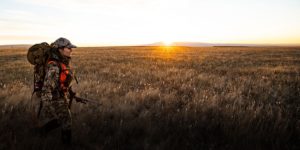
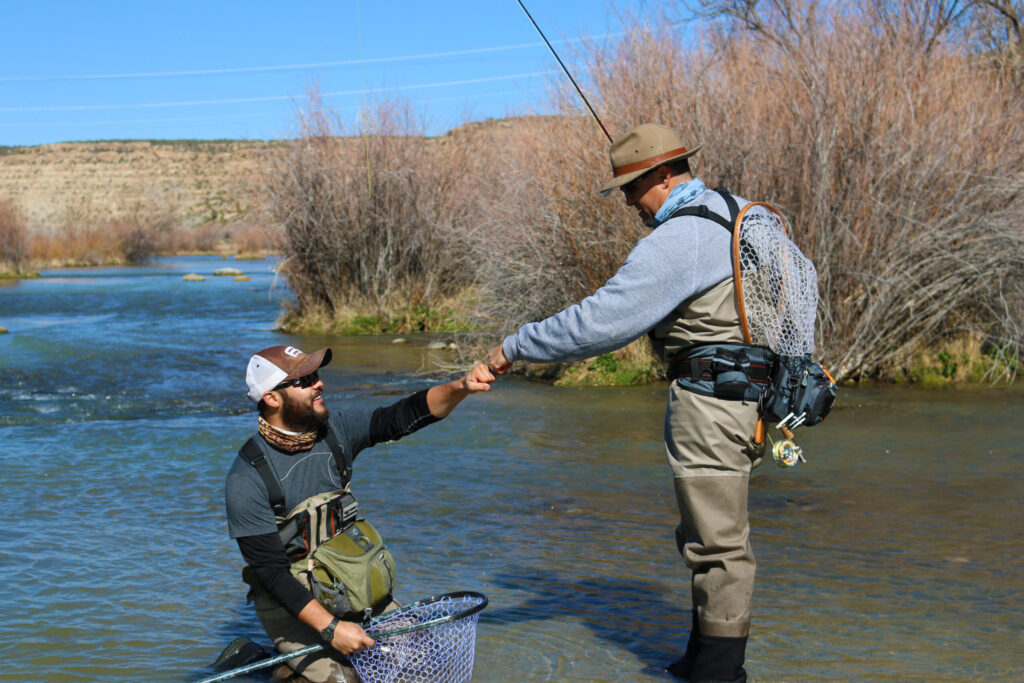
Hunting & Fishing Access

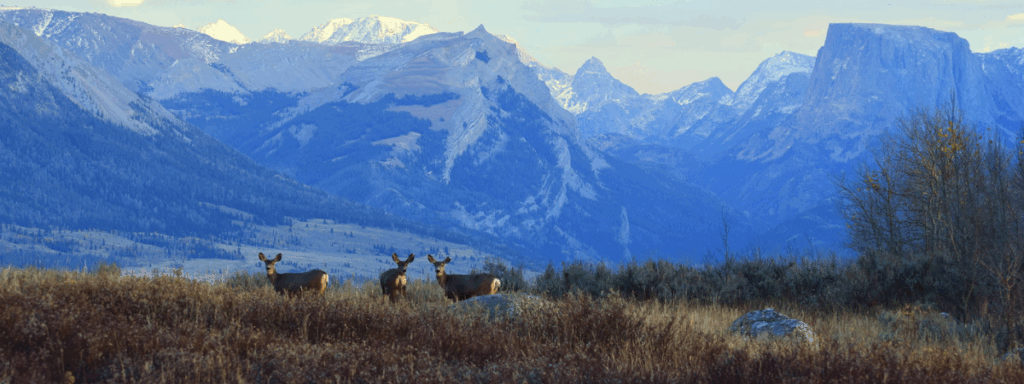
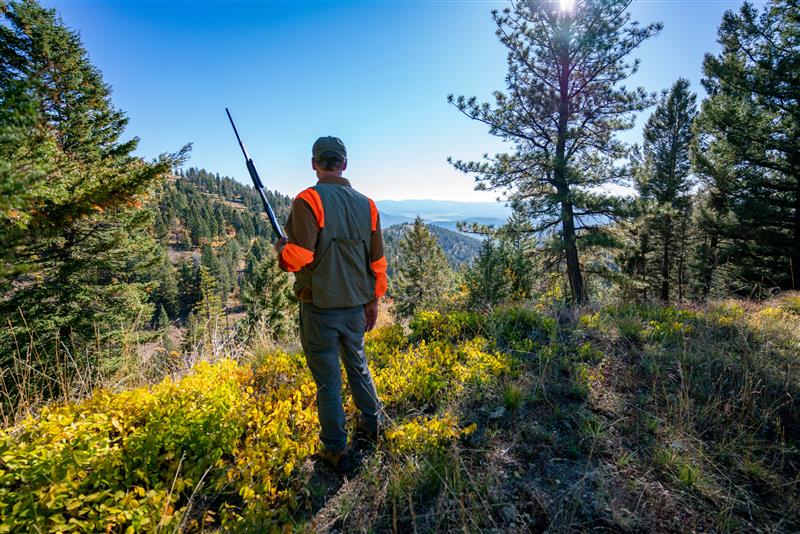
America’s 640 million acres of national public lands provide irreplaceable hunting and fishing opportunities to millions of Americans.

Learn More About Access
What TRCP is Doing

We’re working to safeguard America’s public lands so hunters and anglers always have quality places to pursue their passions.
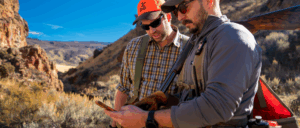
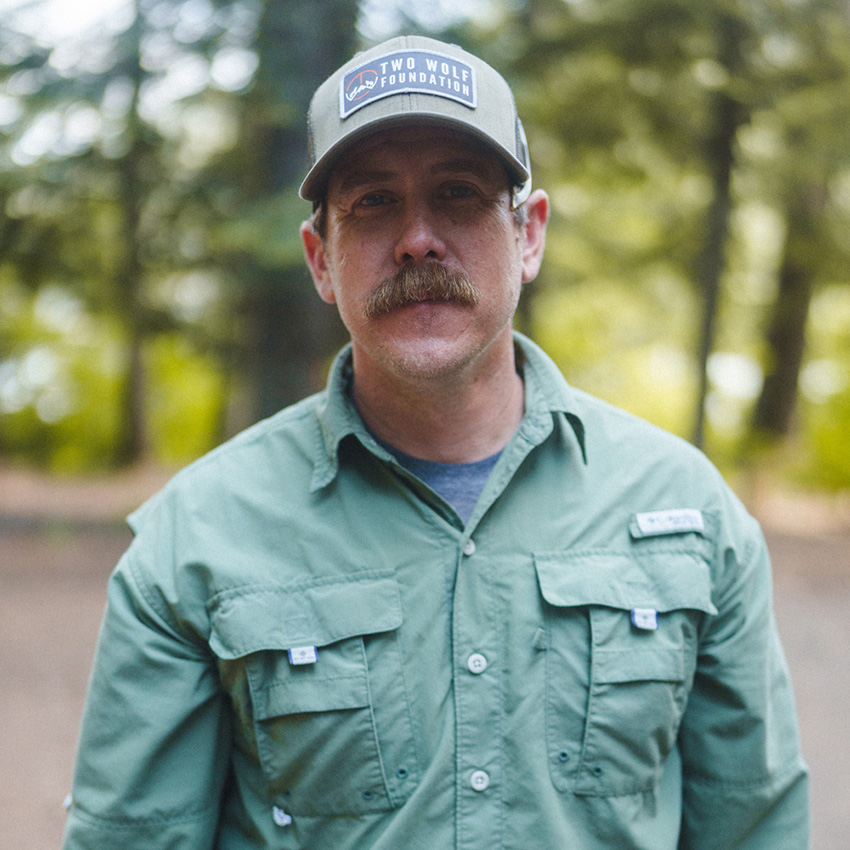
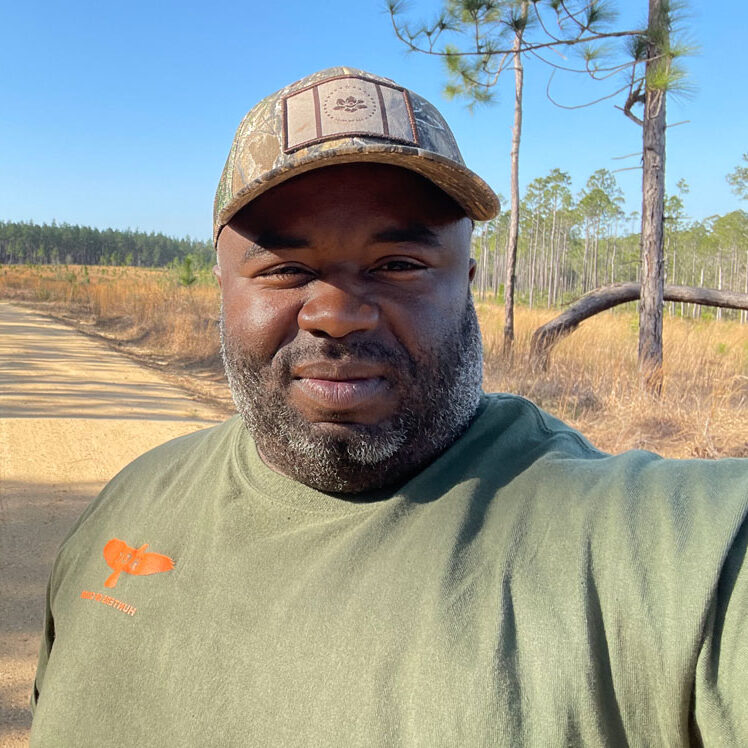
 Brian Flynn, Two Wolf Foundation
How Sportsmen Are Doing It Right

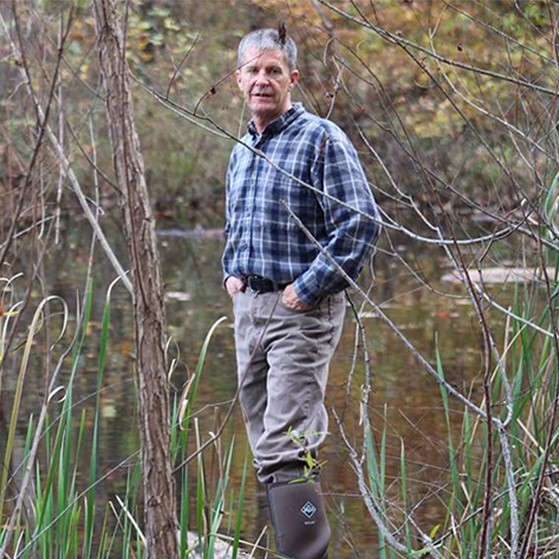
Brian Flynn, Two Wolf Foundation's Story

Following a distinguished career in the U.S. Army, lifelong outdoorsman Brian Flynn returned home from a deployment in Afghanistan and…

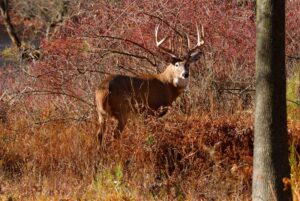
Hunting
Why It Matters

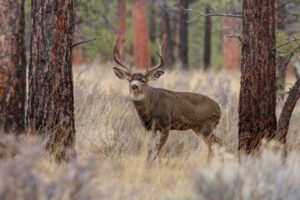
Key Issues for America’s Hunters

Your source for the latest policy updates, conservation challenges, and opportunities shaping America’s hunting traditions.

What TRCP is Doing

We’re fighting for meaningful policy changes that benefit wildlife, our waters, and the American landscapes that make our outdoor traditions possible.

 Ryan Sparks
How Sportsmen Are Doing It Right

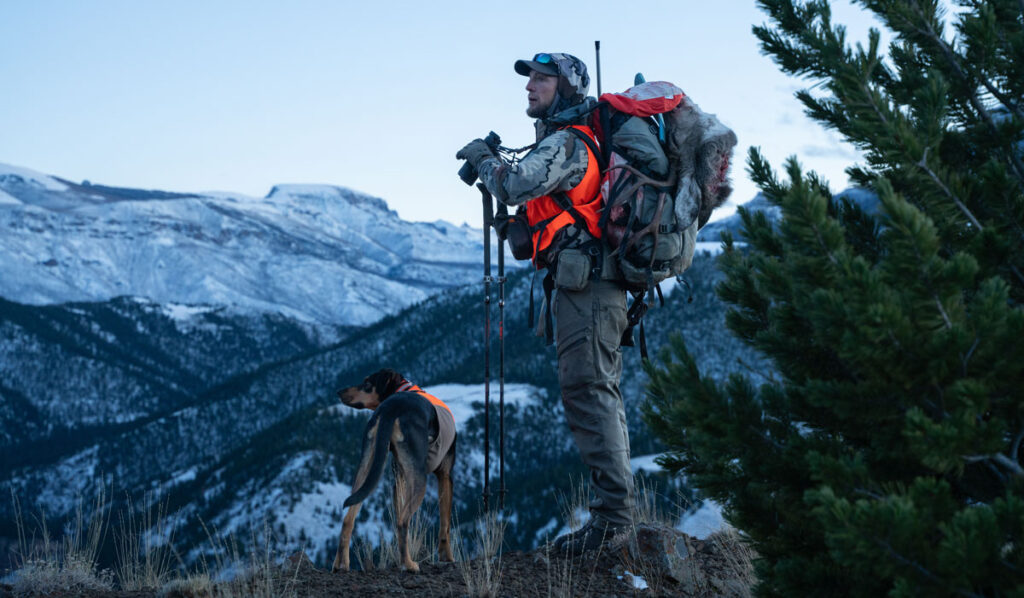
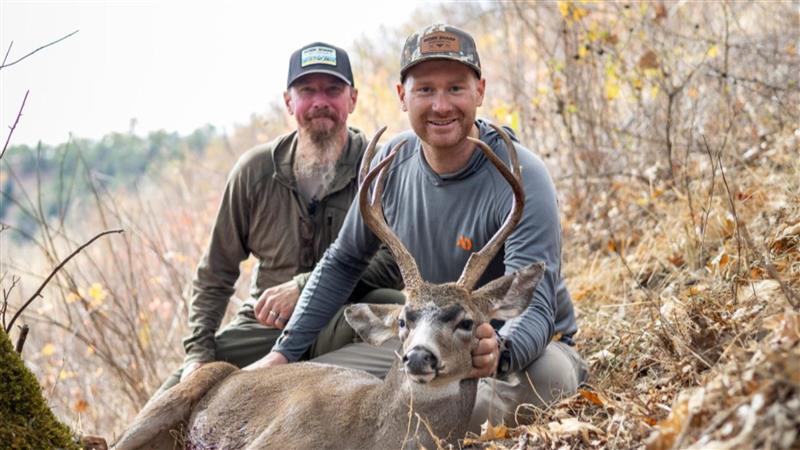
Ryan Sparks's Story

TRCP’s “In the Arena” series highlights the individual voices of hunters and anglers who, as Theodore Roosevelt so famously said,…

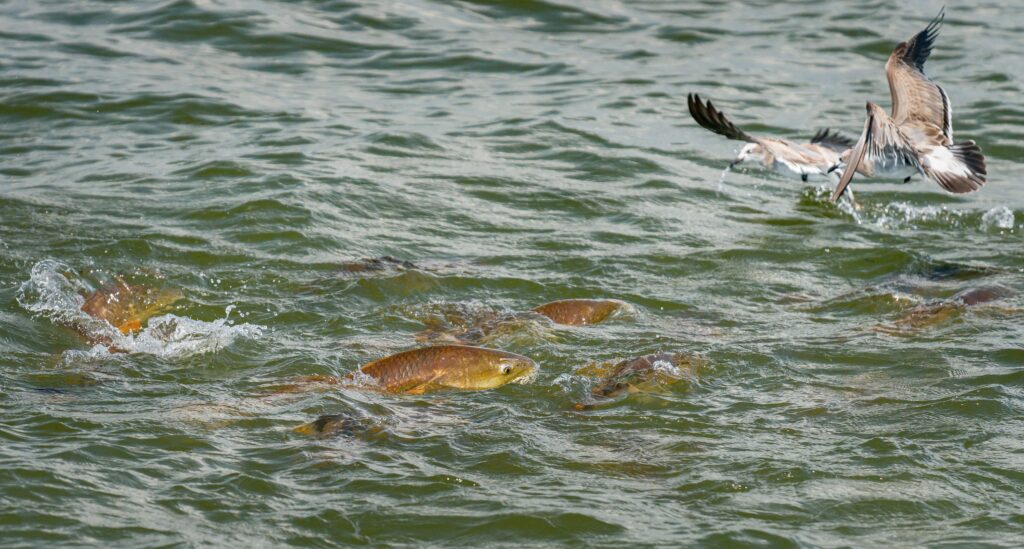
Fishing
Why It Matters

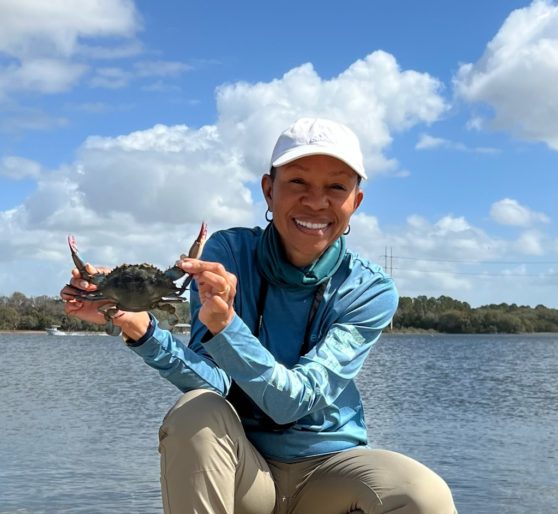
Key Issues for America’s Anglers

Your source for the latest policy updates, conservation challenges, and opportunities shaping America’s fishing traditions.

What TRCP is Doing

We’re fighting for meaningful policy changes that benefit wildlife, our waters, and the American landscapes that make our outdoor traditions possible.

 David Mangum
How Sportsmen Are Doing It Right

David Mangum's Story

Capt. David Mangum is a YETI ambassador and outdoor photographer who utilizes his talents to produce media that inspire a…

Private Land
Why It Matters

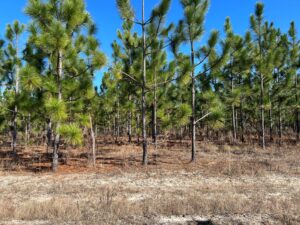
Stewardship on America’s private lands

With 70 percent of U.S. lands in private hands and many of our best hunt and fish opportunities occurring there, investing in voluntary conservation on working lands safeguards access, strengthens habitat and water quality, and ensures resilient landscapes.

Learn More
What TRCP is Doing

We champion policies and programs that restore wildlife habitat, improve soil and water health, and keep working lands productive.

 Ward Burton
How Sportsmen are Doing It Right

Ward Burton's Story

Ward Burton’s NASCAR driving career stretched across most of two decades. As an avid sportsman and conservationist, he founded the…

Special Places
Why It Matters

Special Places Worth Protecting

America’s most iconic landscapes provide unmatched habitat and unforgettable days afield. These places sustain wildlife, anchor local economies, and define the hunting and fishing traditions we pass down.

What TRCP is Doing

We’re working to conserve special places that provide world-class habitat and unforgettable opportunities for hunters and anglers.

 Franklin Adams
How Sportsmen Are Doing It Right

Franklin Adams's Story

As a true Gladesman, conservationist, and historian, Capt. Franklin Adams has spent more than six decades championing Everglades restoration efforts…

Habitat & Clean Water
Why It Matters

Healthy Habitat Powers Every Pursuit

All hunting and fishing opportunities depend on quality habitat, from clean water and healthy wetlands to winter and summer habitats and the migration corridors that connect them.

All About Habitat & Clean Water
What TRCP is Doing

We are working to safeguard the habitats that power every hunting and fishing opportunity.

 Alex Harvey
How Sportsmen Are Doing It Right

Alex Harvey's Story

Alex Harvey, founder of Legacy Land Management, is a registered professional forester in Mississippi and Alabama with a Master's degree…

Science
Why It Matters

Science That Guides TRCP

From conserving migration corridors and wetlands to ensuring clean water and resilient landscapes, science provides evidence that turns conservation goals into effective action.

Science for Conservation
What TRCP is Doing

For hunters and anglers, science safeguards the experiences we treasure including resilient big game populations, abundant fish, and wild places that endure changing social landscapes.

Jamelle Ellis
Your Science Expert

Jamelle Ellis's Story

Jamelle Ellis joined the Theodore Roosevelt Conservation Partnership in 2022. Jamelle spent the last three years as an environmental sustainability…

Where We Work
Across the Nation

Conservation Across America

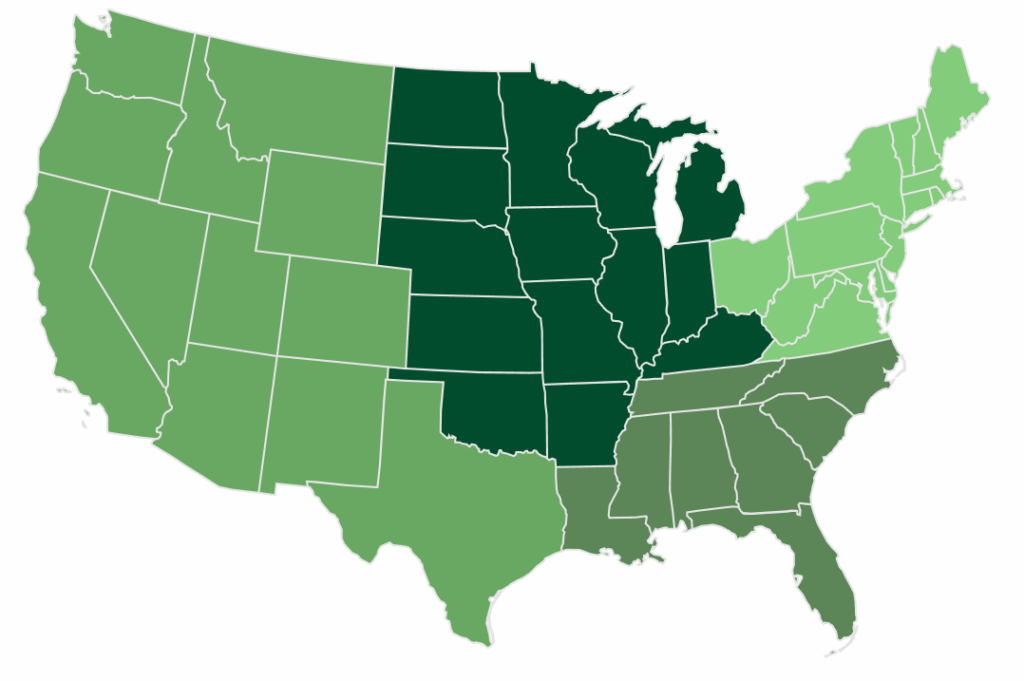
TRCP works across the country to ensure hunters and anglers can enjoy healthy fish and wildlife and quality days afield, no matter where they live.

See All Issues
TRCP in Your Region

TRCP works across the country to ensure hunters and anglers can enjoy healthy fish and wildlife and quality days afield, no matter where they live.

Who We Are
Our Mission

To guarantee all Americans quality places to hunt & fish

We unite and amplify our partners’ voices to advance America’s legacy of conservation, habitat, and access.

Our Mission & Values
Our People & Partners
  • Meet the TRCP Team

    Our staff and board members unite and amplify our partners’ voices to advance America’s legacy of conservation, habitat, and access.

    Meet the Team
  • Our Partners

    ‘Partnership’ is in our name. We work with 64 diverse partner groups that represent today’s leading hunting, fishing, and conservation organizations in order to strengthen the sportsman’s voice in Washington, D.C.

    Our Partners
  • Corporate Council

    TRCP’s Corporate Council is made up of diverse corporations that share a common passion for conservation.

    Corporate Council
Our Organization

Looking for more information?

Explore our latest news, policy updates, and conservation resources to get the information you need.

Giving
How You Can Help

To guarantee all Americans quality places to hunt & fish

Your tax-deductible donation will support TRCP's mission, now and into the future.

DONATE
Special Ways to support trcp
  • Capital Conservation Awards Dinner

    The CCAD is one of Washington's best-attended conservation celebrations, featuring dinner, cocktails, and a silent auction.

    Learn More
  • Step Into the Arena

    Help us ensure that our treasured wild habitats and game remain intact for the next generation to enjoy – lend your support to the TRCP’s efforts today!

    Donate
  • Roosevelt Roast

    TRCP has partnered with Afuera Coffee Co. to further our commitment to conservation.

    Learn More
More donation options

Find the best way for you to lend your support. Join one of TRCP’s donor circles for special invitations, premium offerings from outdoor retailers, and more exclusive benefits. Take control of your legacy with planned giving or contribute to special conservation funds.

Other Ways To Give
News
In the Spotlight

In the Arena: Josh Warren

For many hunters and anglers, the connection to conservation begins close to home — in the woods behind the house, along a familiar stretch of river, or through time spent learning from mentors and family. That sense of place is something Joshua Warren carries with him, both personally and professionally. As Director of Marketing at WorkSharp, Josh represents a company rooted in Ashland, Oregon, a community defined by its access to public lands and wild country.

Read More

Stay Informed

Receive our newsletter, the Roosevelt Report, right in your inbox. Never miss the latest news in conservation issues.

by:

posted in:

November 18, 2021

fly-shop-pond5-1200-web

Do you have any thoughts on this post?

XHTML: You can use these tags: <a href="" title=""> <abbr title=""> <acronym title=""> <b> <blockquote cite=""> <cite> <code> <del datetime=""> <em> <i> <q cite=""> <s> <strike> <strong>

Comments must be under 1000 characters.

by:

posted in:

Senate Committee Advances Two Priority Public Lands Bills

MAPLand Act and Ruby Mountains Protection Act move one step closer to the finish line

The Senate Energy and Natural Resources Committee today passed important legislation that would digitize public land maps and records for outdoor recreation and safeguard an iconic Western landscape from development.

Both the Modernizing Access to our Public Land Act (S.904) and the Ruby Mountains Protection Act (S.609) received markups in the committee hearing.

The MAPLand Act passed with unanimous support. With only a few minor technical modifications, the bill will now be referred to the floor for consideration by the full chamber. The House companion bill (H.R. 3113) similarly cleared its committee markup in July. The Ruby Mountains Protection Act passed out of committee by a vote of 12-8.

“We thank the members of the committee for advancing these bills, which have become top-line priorities for hunters and anglers across the country,” said Whit Fosburgh, president and CEO of the Theodore Roosevelt Conservation Partnership. “The MAPLand Act will allow more Americans to get outdoors and share in the public land legacy that belongs to us all, while the Ruby Mountains Protection Act secures some of the best fish and wildlife habitats for future generations of sportsmen and sportswomen. We now encourage lawmakers in both the House and Senate to commit to final passage of these bills that will strengthen our hunting and fishing opportunities.”

Introduced in March 2021 by Senator Catherine Cortez Masto of Nevada, the Ruby Mountains Protection Act would prohibit oil and gas leasing in the Ruby Mountains, one of the most important landscapes in Nevada for fish, wildlife, and sportsmen and sportswomen. If passed into law, the bill would not affect other important uses of the area, including mining, but it would help ensure that future generations are able to experience the tremendous hunting and fishing opportunities in the Rubies.

Sportsmen and sportswomen have been among the most vocal in support of the bill. In 2019, fifteen hunting, fishing, and wildlife conservation organizations formed the Sportsmen for the Rubies coalition to raise awareness—both around the state and in Washington, D.C.—of the potential threats that energy development poses to this habitat.

Introduced with bipartisan support by Senator Jim Risch of Idaho earlier this year, the MAPLand Act would direct federal land management agencies to consolidate, digitize, and make publicly available all recreational access information in a format that can be used with computer mapping programs and GPS applications.

These records include information about:

  • legal easements and rights-of-way across private land;
  • year-round or seasonal closures of roads and trails, as well as restrictions on vehicle-type;
  • boundaries of areas where special rules or prohibitions apply to hunting and shooting;
  • and areas of public waters that are closed to watercraft or have horsepower restrictions.

“Given fall hunting seasons are ongoing across the nation, public access is on the minds of millions of Americans,” said Fosburgh. “We are encouraged by the MAPLand Act’s progress, and we will continue to voice our support for this commonsense investment that—when passed into law—will help provide outdoor recreation opportunities for all Americans.”

Learn more about the MAPLand Act here.

Learn more about the Sportsmen for the Rubies coalition here.

by:

posted in:

November 16, 2021

In the Arena: Durrell Smith

TRCP’s “In the Arena” series highlights the individual voices of hunters and anglers who, as Theodore Roosevelt so famously said, strive valiantly in the worthy cause of conservation.

Durrell L. Smith

Hometown: Atlanta, Georgia
Occupation: Educator, visual artist, and founder/host/owner of the Sporting Life Notebook
Conservation credentials: Founded the Minority Outdoor Alliance to form a multicultural community of outdoor enthusiasts and professionals. Was recently recognized with Orvis’s 2021 Breaking Barriers Award for bringing new participants to the sporting community. Newest member of the TRCP’s Policy Council.

Durrell Smith is working to expand the narrative of the outdoors to include more Black and Brown voices through education, engagement, and media. Through his organization, the Minority Outdoor Alliance, he hopes to create pipelines for individuals from underrepresented  communities to advance in the outdoor industry and become leaders in conservation policy. And this starts by giving hunters and anglers of every race and background a platform to share their own stories.

In just one example, the MOA recently awarded a $10,000 scholarship to support a young gun-dog enthusiast as he trains a Brittany spaniel puppy and develops an outdoor literature portfolio with the help of a mentor from the industry. In an Instagram post, Smith wrote: “We look at success as a ladder. There are people that have grabbed my hand and opened doors for me. And, it is my personal vow to create opportunities to help others. This is the start to that endeavor.”

Smith is a seasoned podcaster and natural storyteller himself—we highly recommend reading his essay in Outdoor Life about restoring his grandfather’s old shotgun—and he and his wife Ashley recently launched the MOA’s OUR OUTSIDE podcast to celebrate “Bringing the Unlikely to the Outdoors.”

We’re proud to have Minority Outdoor Alliance join the TRCP as our latest organizational partner and welcome Durrell Smith to our Policy Council, which guides the conservation policy issues we work on in Washington, D.C., and beyond.

Here is his story.

Photo by Orvis/Will Hereford courtesy of Durrell Smith.

I was introduced early on to hunting by shooting backyard squirrels with my grandfather, who taught me how to fish, too. In my adulthood, I developed a love for bird dogs and pursuing upland game and have since continued a career and life in the outdoors.

These days, I still love to hunt local, but if I could go anywhere, I would hunt along the Mexican border for Montezuma quail, in Montana for sharptails and Huns, or in Argentina for perdiz. I’d like to fish in the Adirondacks again or in Key West.

Conservation powers my outdoor life through actions and efforts to conserve public land spaces, particularly in the wild bobwhite quail country of Georgia’s Red Hills, where I run my bird dogs. I guide hunts on public land, as well, so the careful stewardship of our lands through conservation is directly related to my ability to introduce more newcomers to the outdoors, especially those in minority communities.

In fact, that’s one of the biggest conservation challenges where I live: Bringing more Black and Brown voices into the conversation and educating underrepresented communities on the North American Model of Conservation.

Photo courtesy of Durrell Smith.

It is important for me to be involved in conservation, because I see myself as a model for my community and an advocate for those who were previously voiceless. Conservation efforts have historically excluded Black and Brown people, and that simply makes no sense. There are collective conservation efforts across the globe that are helping to save our planet, so it’s a simple idea that transcends the complex nature of racial and ethnic boundaries.

Here in Georgia, another one of our biggest challenges is restoring bobwhite quail habitat and increasing the number of quail statewide. My most memorable outdoor adventure to date was the day that my young pointer, Vegas, pointed and handled a covey of wild quail in South Georgia. I pray that my children and their children will be able to witness the same thing, the beautiful yet shocking flush of a covey of bobwhites, because of the work we are doing now.


Follow Durrell @thesportinglifenotebook and @minorityoutdooralliance. Do you know someone In the Arena” who should be featured here? Email info@trcp.org for a questionnaire.


by:

posted in:

November 5, 2021

Bipartisan Infrastructure Package Secures Major Conservation Investments

Representatives make the most of this opportunity to fund wildlife crossings, public land access, and natural infrastructure solutions that benefit habitat and American communities

The House of Representatives passed the Infrastructure Investment and Jobs Act (H.R. 3684) in a 228-206 vote tonight, advancing crucial conservation priorities for all Americans. The bill was passed by the Senate in August and now awaits the president’s signature.

“Making this commitment to our nation’s land, water, and wildlife signals that lawmakers understand the relationship between infrastructure and natural resources,” says Whit Fosburgh, president and CEO of the Theodore Roosevelt Conservation Partnership. “The provisions within this comprehensive package are not only worth the investment as we think about the future—many are long overdue. We look forward to President Biden signing and enacting this legislation that makes a strong commitment to conservation.”

Numerous provisions in the $1.2-trillion bipartisan deal are top TRCP priorities, including:

  • $350 million for a first-of-its-kind grant program to construct wildlife-friendly roadway crossings and reconnect fragmented migration corridors.
  • $250 million for the Legacy Roads and Trails Remediation Program to improve access to Forest Service public lands and safeguard fish and wildlife habitat from harmful runoff and pollutants caused by roads in disrepair.
  • Reauthorization of the Sport Fish Restoration and Boating Trust Fund, which pays for fisheries conservation, access improvements, and education for anglers and boaters.
  • $1.4 billion for natural infrastructure solutions through the Promoting Resilient Operations for Transformative, Efficient, and Cost-Saving Transportation (PROTECT) Grant Program.
  • $14.65 billion for the Clean Water State Revolving Fund Program, which supports estuary restoration and stormwater management projects.
  • $400 million for WaterSMART grants, with $100 million set aside for natural infrastructure solutions that enhance resilience to drought and wildfires, facilitate water conservation, create new habitat, and improve water quality.
  • Significant investments in programs aimed at enhancing the resiliency of Western watersheds to climate change and drought, including $300 million to implement the Colorado River Drought Contingency Plans, $3.2 billion to modernize aging agricultural infrastructure and generate benefits for fish and wildlife, and $50 million to support ongoing Endangered Species recovery efforts that sustain habitat for native fish.

“The bipartisan infrastructure bill passed by the House tonight has not had the most straightforward path to completion, but the conservation provisions included in this package are a clear victory for American hunters and anglers, and they should be recognized and widely celebrated,” says Steve Kline, TRCP’s chief policy officer. “The impact of these investments will be felt by more than just migratory big game, waterfowl, and sportfish: Improving access, habitat, and water quality while lowering the risks of wildfire, drought, and storm damage will keep communities safer, boost our economy, and expand our hunting and fishing opportunities.”

by:

posted in:

Reminder: What the Pending Infrastructure Vote Means for Hunters and Anglers

Why we’re watching Congress so closely for this deal to come together

We’d forgive you for losing track of what is at stake for fish and wildlife as House members continue to extend debate and negotiations on two critically important legislative packages: the budget reconciliation bill known as Build Back Better and the Infrastructure Investment and Jobs Act. Both would be defining victories for this Congress and the administration. And both contain some very big wins for conservation.

A House vote on reconciliation will only push this process to the next step, which is Senate consideration. This is important, since the legislation could clinch once-in-a-generation investments in climate resilience and private land conservation. We hope to have more to share on that as things progress.

But there are numerous conservation provisions in the $1.2-trillion bipartisan infrastructure deal that are top TRCP priorities. And because the legislation passed out of the Senate in August, these would be headed to the president’s desk if the House can agree on final passage. Here’s what we’re rooting for as we watch this process closely:

  • $350 million for a first-of-its-kind grant program to construct wildlife-friendly roadway crossings and reconnect fragmented migration corridors.
  • $250 million for the Legacy Roads and Trails Remediation Program to improve access to Forest Service public lands and safeguard fish and wildlife habitat from harmful runoff and pollutants caused by roads in disrepair.
  • Reauthorization of the Sport Fish Restoration and Boating Trust Fund, which pays for fisheries conservation, access improvements, and education for anglers and boaters.
  • $1.4 billion for natural infrastructure solutions through the Promoting Resilient Operations for Transformative, Efficient, and Cost-Saving Transportation (PROTECT) Grant Program.
  • $14.65 billion for the Clean Water State Revolving Fund Program, which supports estuary restoration and stormwater management projects.
  • $400 million for WaterSMART grants, with $100 million set aside for natural infrastructure solutions that enhance resilience to drought and wildfires, facilitate water conservation, create new habitat, and improve water quality.
  • Significant investments in programs aimed to enhance the resiliency of Western watersheds to climate change and drought, including $300 million to implement the Colorado River Drought Contingency Plans, $3.2 billion to modernize aging agricultural infrastructure and generate benefits for fish and wildlife, and $50 million to support ongoing Endangered Species recovery efforts that sustain habitat for native fish.

Stay tuned to the TRCP blog and social media channels (@theTRCP) for the absolute latest.

Photo of the Capitol by the U.S. Department of Agriculture.

HOW YOU CAN HELP

TRCP has partnered with Afuera Coffee Co. to further our commitment to conservation. $4 from each bag is donated to the TRCP, to help continue our efforts of safeguarding critical habitats, productive hunting grounds, and favorite fishing holes for future generations.

Learn More

You have Successfully Subscribed!

You have Successfully Subscribed!

You have Successfully Subscribed!

You have Successfully Subscribed!