Our Issues
Public Lands
Why It Matters

Hunting & Fishing Access

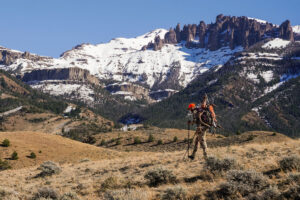
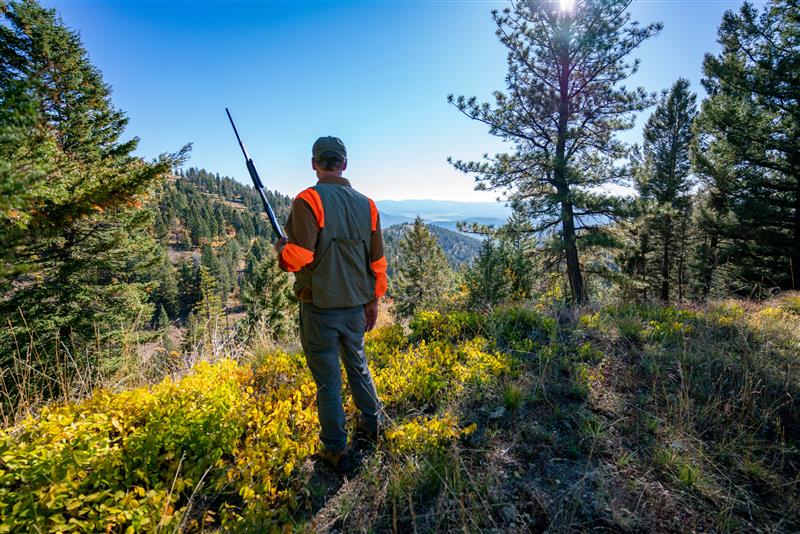
America’s 640 million acres of national public lands provide irreplaceable hunting and fishing opportunities to millions of Americans.

Learn More About Access
What TRCP is Doing

We’re working to safeguard America’s public lands so hunters and anglers always have quality places to pursue their passions.
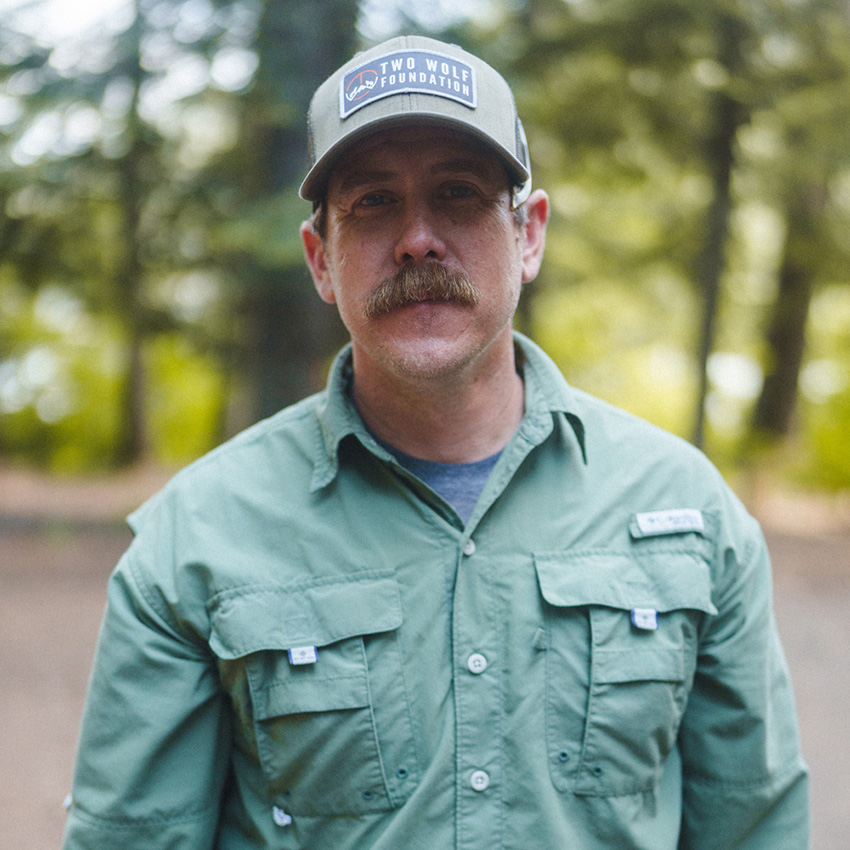
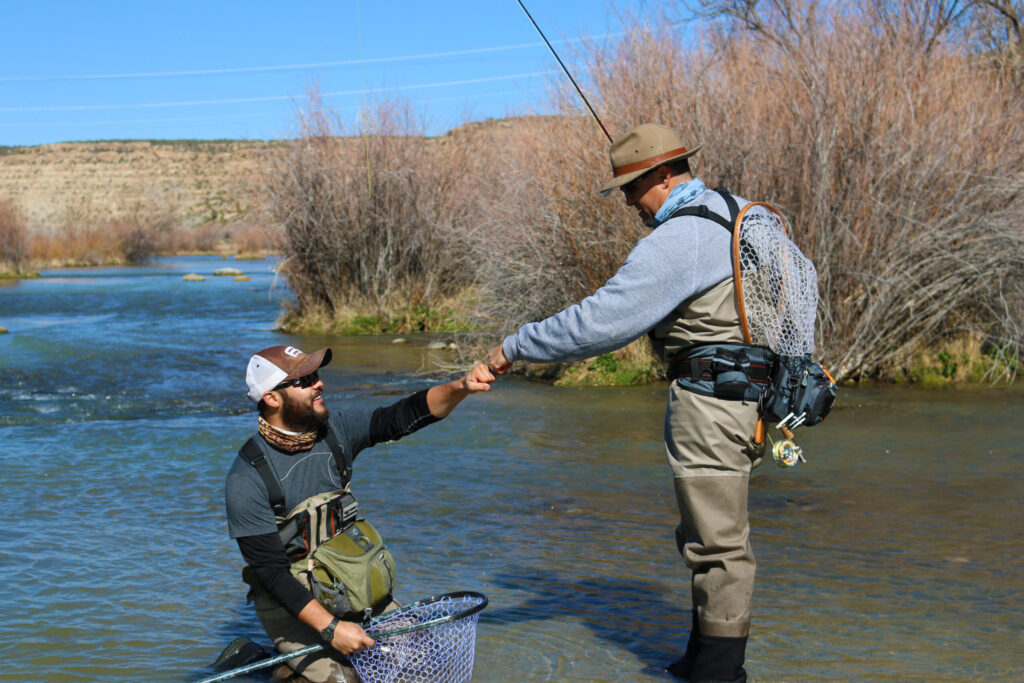
 Brian Flynn, Two Wolf Foundation
How Sportsmen Are Doing It Right

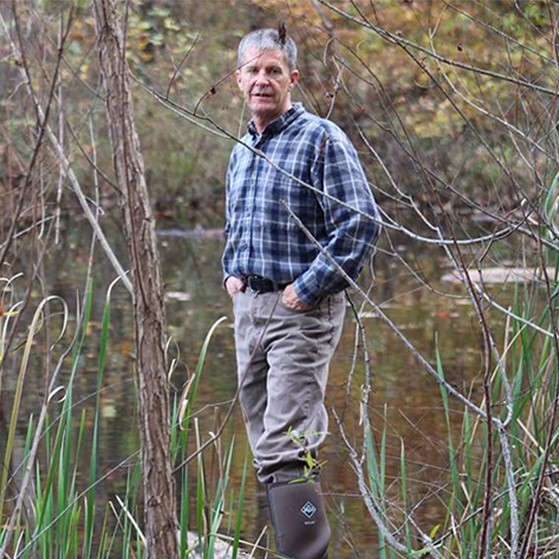
Brian Flynn, Two Wolf Foundation's Story

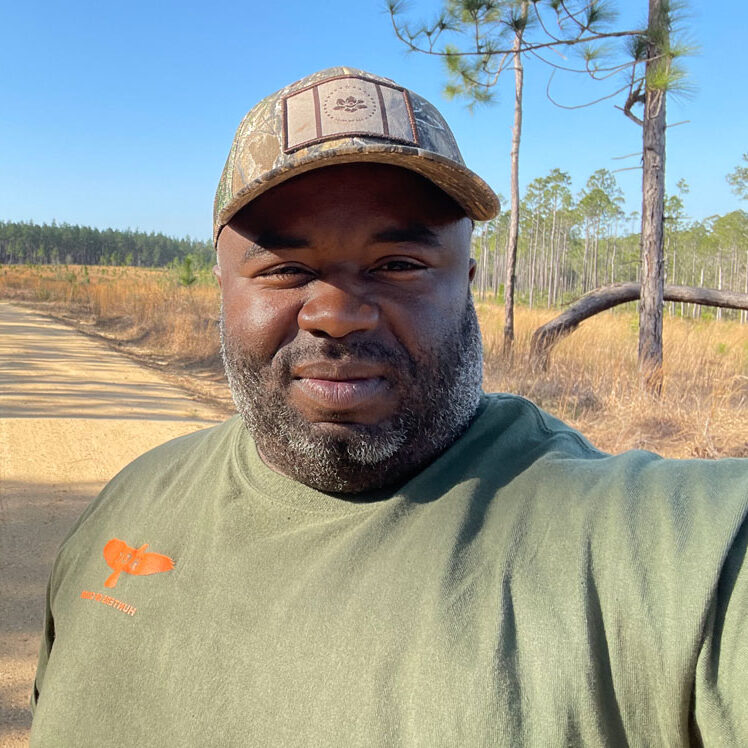
Following a distinguished career in the U.S. Army, lifelong outdoorsman Brian Flynn returned home from a deployment in Afghanistan and…

Hunting
Why It Matters

Key Issues for America’s Hunters

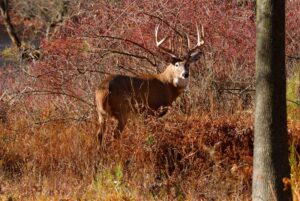
Your source for the latest policy updates, conservation challenges, and opportunities shaping America’s hunting traditions.

What TRCP is Doing

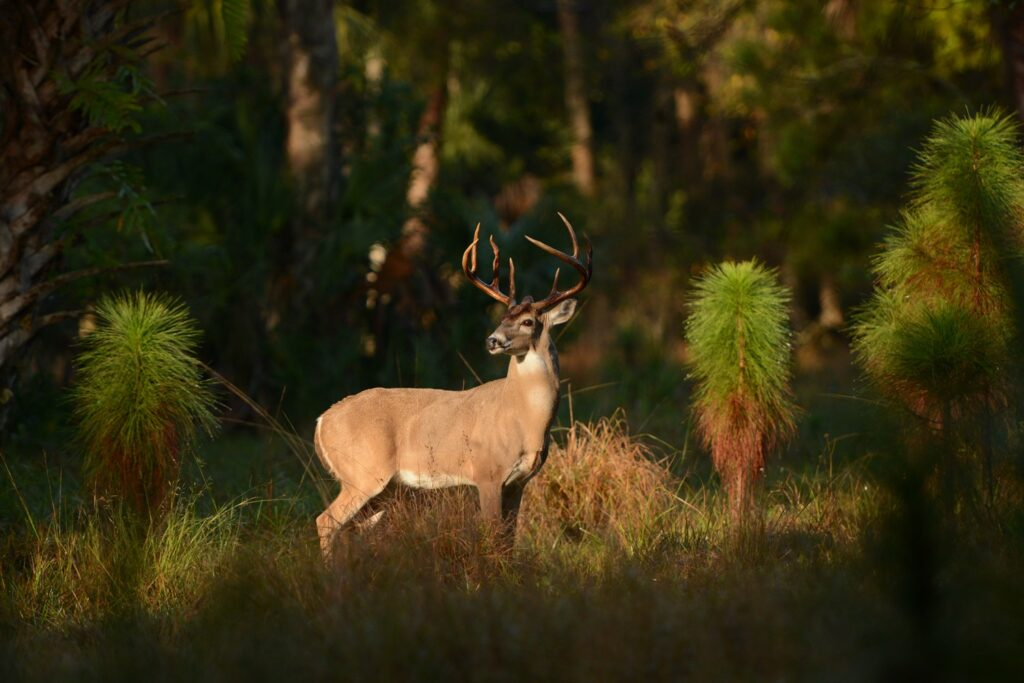
We’re fighting for meaningful policy changes that benefit wildlife, our waters, and the American landscapes that make our outdoor traditions possible.

 Ryan Sparks
How Sportsmen Are Doing It Right

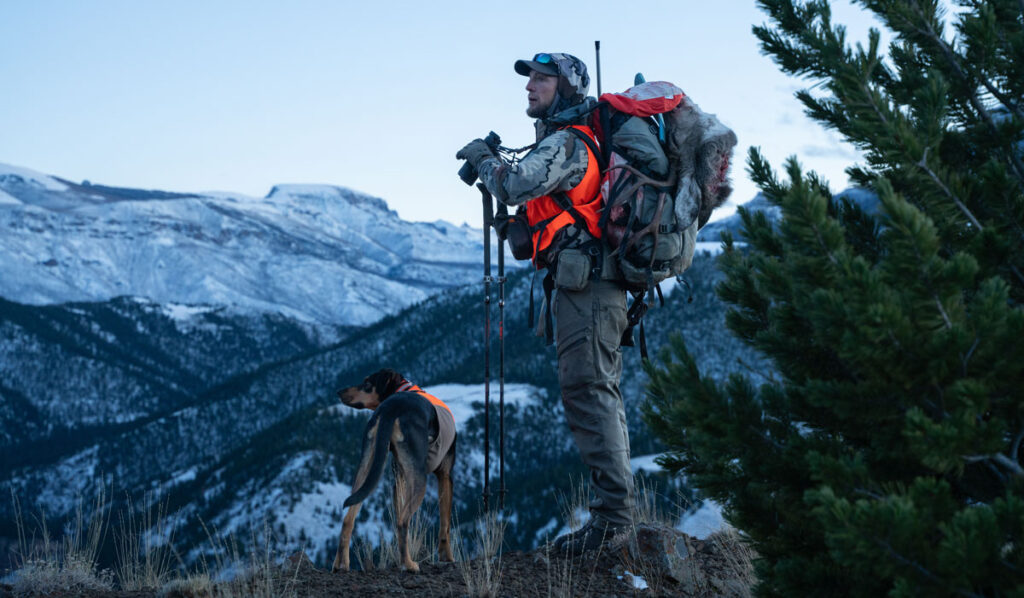
Ryan Sparks's Story

TRCP’s “In the Arena” series highlights the individual voices of hunters and anglers who, as Theodore Roosevelt so famously said,…
Fishing
Why It Matters

Key Issues for America’s Anglers

Your source for the latest policy updates, conservation challenges, and opportunities shaping America’s fishing traditions.

Sign Up For Forage Fish Updates
What TRCP is Doing

We’re fighting for meaningful policy changes that benefit wildlife, our waters, and the American landscapes that make our outdoor traditions possible.

 David Mangum
How Sportsmen Are Doing It Right

David Mangum's Story

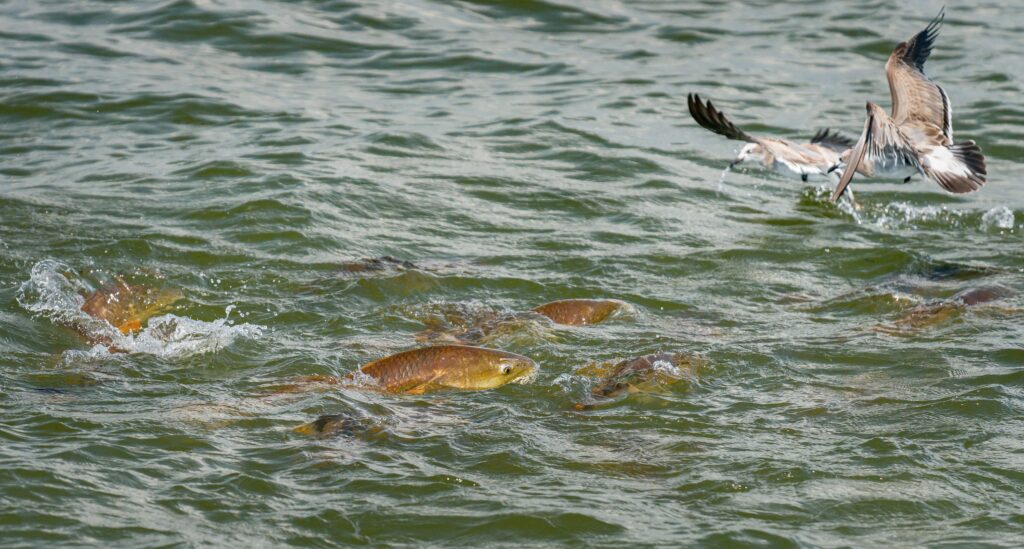
Capt. David Mangum is a YETI ambassador and outdoor photographer who utilizes his talents to produce media that inspire a…

Private Land
Why It Matters

Stewardship on America’s private lands

With 70 percent of U.S. lands in private hands and many of our best hunt and fish opportunities occurring there, investing in voluntary conservation on working lands safeguards access, strengthens habitat and water quality, and ensures resilient landscapes.

Take Action - Farm Bill 2026
What TRCP is Doing

We champion policies and programs that restore wildlife habitat, improve soil and water health, and keep working lands productive.

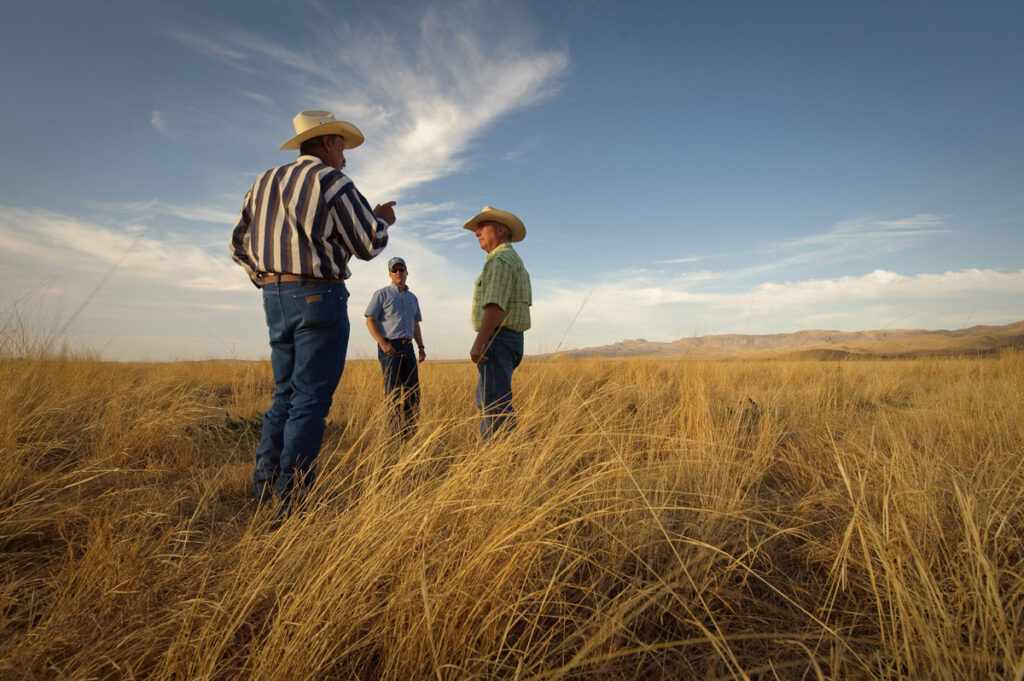
 Ward Burton
How Sportsmen are Doing It Right

Ward Burton's Story

Ward Burton’s NASCAR driving career stretched across most of two decades. As an avid sportsman and conservationist, he founded the…

Special Places
Why It Matters

Special Places Worth Protecting

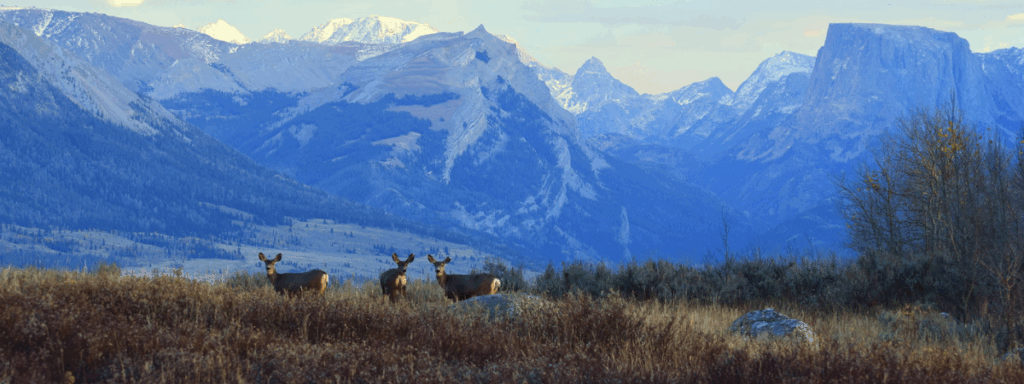
America’s most iconic landscapes provide unmatched habitat and unforgettable days afield. These places sustain wildlife, anchor local economies, and define the hunting and fishing traditions we pass down.

What TRCP is Doing

We’re working to conserve special places that provide world-class habitat and unforgettable opportunities for hunters and anglers.

 Franklin Adams
How Sportsmen Are Doing It Right

Franklin Adams's Story

As a true Gladesman, conservationist, and historian, Capt. Franklin Adams has spent more than six decades championing Everglades restoration efforts…

Habitat & Clean Water
Why It Matters

Healthy Habitat Powers Every Pursuit

All hunting and fishing opportunities depend on quality habitat, from clean water and healthy wetlands to winter and summer habitats and the migration corridors that connect them.

All About Habitat & Clean Water
What TRCP is Doing

We are working to safeguard the habitats that power every hunting and fishing opportunity.

 Alex Harvey
How Sportsmen Are Doing It Right

Alex Harvey's Story

Alex Harvey, founder of Legacy Land Management, is a registered professional forester in Mississippi and Alabama with a Master's degree…

Science
Why It Matters

Science That Guides TRCP

From conserving migration corridors and wetlands to ensuring clean water and resilient landscapes, science provides evidence that turns conservation goals into effective action.

Science for Conservation
What TRCP is Doing

For hunters and anglers, science safeguards the experiences we treasure including resilient big game populations, abundant fish, and wild places that endure changing social landscapes.

Jamelle Ellis
Your Science Expert

Jamelle Ellis's Story

Jamelle Ellis joined the Theodore Roosevelt Conservation Partnership in 2022. Jamelle spent the last three years as an environmental sustainability…

Where We Work
Across the Nation

Conservation Across America

TRCP works across the country to ensure hunters and anglers can enjoy healthy fish and wildlife and quality days afield, no matter where they live.

See All Issues
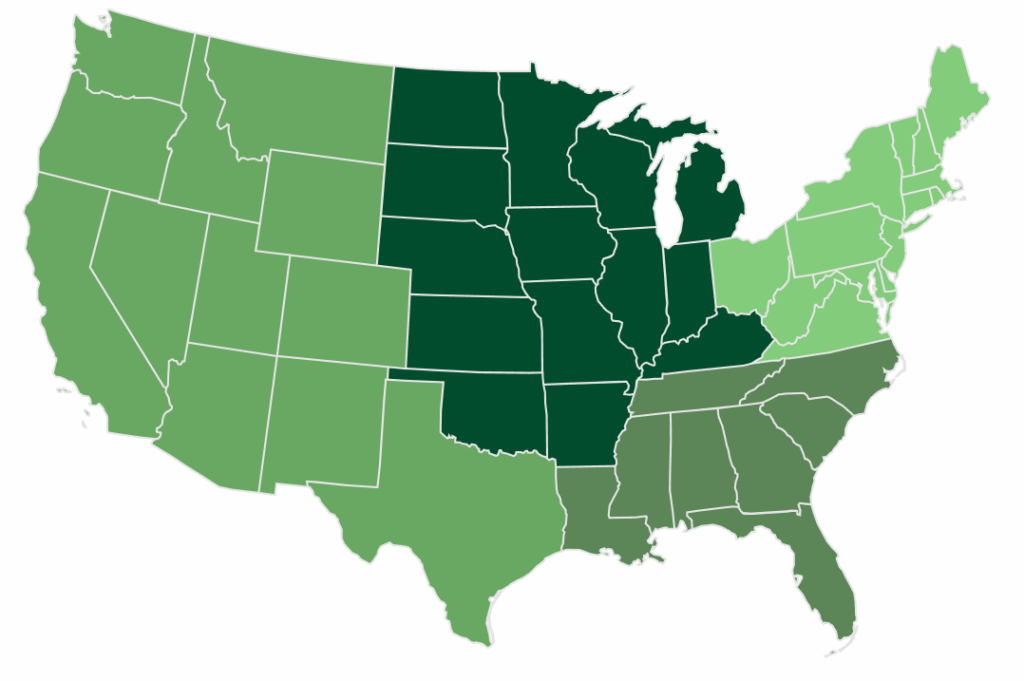
TRCP in Your Region

TRCP works across the country to ensure hunters and anglers can enjoy healthy fish and wildlife and quality days afield, no matter where they live.

Who We Are
Our Mission

To guarantee all Americans quality places to hunt & fish

We unite and amplify our partners’ voices to advance America’s legacy of conservation, habitat, and access.

Our Mission & Values
Our People & Partners
  • Meet the TRCP Team

    Our staff and board members unite and amplify our partners’ voices to advance America’s legacy of conservation, habitat, and access.

    Meet the Team
  • Our Partners

    ‘Partnership’ is in our name. We work with 64 diverse partner groups that represent today’s leading hunting, fishing, and conservation organizations in order to strengthen the sportsman’s voice in Washington, D.C.

    Our Partners
  • Corporate Council

    TRCP’s Corporate Council is made up of diverse corporations that share a common passion for conservation.

    Corporate Council
Our Organization

Looking for more information?

Explore our latest news, policy updates, and conservation resources to get the information you need.

Giving
How You Can Help

To guarantee all Americans quality places to hunt & fish

Your tax-deductible donation will support TRCP's mission, now and into the future.

DONATE
Special Ways to support trcp
  • Capital Conservation Awards Dinner

    The CCAD is one of Washington's best-attended conservation celebrations, featuring dinner, cocktails, and a silent auction.

    Learn More
  • Step Into the Arena

    Help us ensure that our treasured wild habitats and game remain intact for the next generation to enjoy – lend your support to the TRCP’s efforts today!

    Donate
  • Roosevelt Roast

    TRCP has partnered with Afuera Coffee Co. to further our commitment to conservation.

    Learn More
More donation options

Find the best way for you to lend your support. Join one of TRCP’s donor circles for special invitations, premium offerings from outdoor retailers, and more exclusive benefits. Take control of your legacy with planned giving or contribute to special conservation funds.

Other Ways To Give
News
In the Spotlight

TRCP Applauds Inclusion of Hunting and Fishing Priorities in Bipartisan House Surface Transportation Reauthorization Bill

Wildlife crossings, fish passage and habitat resilience among key hunting and fishing priorities advanced by House Committee.

Read More

Stay Informed

Receive our newsletter, the Roosevelt Report, right in your inbox. Never miss the latest news in conservation issues.

by:

posted in:

July 22, 2021

_DSC2907-1200-web

Do you have any thoughts on this post?

XHTML: You can use these tags: <a href="" title=""> <abbr title=""> <acronym title=""> <b> <blockquote cite=""> <cite> <code> <del datetime=""> <em> <i> <q cite=""> <s> <strike> <strong>

Comments must be under 1000 characters.

by:

posted in:

July 21, 2021

Latino Families Learn Hunting 101 in Colorado

Colorado Parks and Wildlife and TRCP host two days of activities and conversations to share hunting and conservation knowledge with an underrepresented demographic in the sporting community

For many sportsmen and sportswomen, hunting is a multigenerational family tradition, passed on from fathers and mothers to their children. While this is part of what makes the activity so meaningful to many of us, it also means that it can be easy to overlook the barriers to participation faced by people who did not grow up with parents who hunted. Due to the way state wildlife agencies are currently funded in part through the sale of hunting licenses and tags, it’s critical that those of us who care about conservation find ways to share the meaning and joys of this pastime with our neighbors, friends, and non-hunting family members.

Given the long-term national trend of declining participation in hunting, connecting with growing but underrepresented populations will be key to the social and political relevance of sportsmen and sportswomen. In Colorado, the Latino population is expected to grow from 20 percent to 33 percent statewide in the next 20 years, meaning that the Centennial State should be of particular interest to hunters and conservationists hoping to build relationships in the Latino community.

That’s why earlier this month Colorado Parks and Wildlife and the TRCP partnered with Calwood, a trusted outdoor education center that has historically worked closely with Latino families, to host two days of workshops for Latino families to become more familiar with hunting, conservation, and the outdoors. Calwood has an established network of families that are engaged in learning about the outdoors, and this was a great opportunity for us to connect and offer to teach them about hunting’s role in conservation.

This type of event allows people who did not inherit a hunting tradition from their parents to learn and experience what our pastime is all about—and to hopefully spark an interest in hunting among younger generations. It also provides families the opportunity to learn together in a safe, formal educational setting, with well-organized instruction.

Ten families and approximately 50 people ranging from age 7 to 60 attended this event. Families were able to enjoy a wing-shooting clinic, .22/BB gun range, archery range, simulated pheasant field hunting clinic, and an upland and waterfowl dog demonstration. There was also a candid conversation about how hunting is a conservation tool.

These discussions were very informative. Several participants expressed their appreciation for the opportunity and shared that they hoped to teach their children the benefits of spending time outdoors for physical, mental, and emotional health. Many of the families were from urban areas and discussed the importance of green spaces and trees to their neighborhoods, observing that hunting could provide them with the opportunity to reconnect with nature.

The instant feedback from participants during the event was tremendous. Several families asked for and received information about the next steps, from identifying hunter education courses to purchasing tags and participating in mentored hunts. Several also asked how they can become volunteers to assist in putting on events like this in the future for more families to participate.

While this event was geared towards the families, it was a strong reminder to everyone involved of the truly communal aspects of hunting and of the importance of sharing with future generations our traditions of respecting the land and animals that nourish us. If only a few of those who were in attendance continue on the path to becoming lifelong hunters, our community will be benefit greatly, particularly when those individuals pass along what they learn to their own friends and neighbors.


by:

posted in:

July 20, 2021

10 Strategies to Better Balance Water Supply Needs in a Drought-Stressed Colorado River Basin

The future of hunting, fishing, and outdoor recreation businesses will rely on implementing these meaningful water conservation, habitat improvement, and agricultural practices

The Colorado River Basin is once again facing scary hot and dry conditions this summer. The current Drought Monitor shows most of the Western U.S. in significant drought, but the Southwest looks the worst:

For the Colorado River Basin, this year is like many since 2002—a period that scientists are now calling the Millennium Drought. About 40 million people rely on this system for drinking water, while most Americans eat vegetables produced in the region’s fields. Many of us also take joyful advantage of hunting, fishing, and other outdoor recreation across the Basin’s vast public lands, including ten national parks.

For all of us, the fact that the Colorado’s large storage reservoirs are only about one-third full is cause for alarm and a reminder that the changing climate has real consequences—for tourism, outdoor recreation businesses, agriculture, and American homes. As a result of agreements reached over the course of the last 15 years, the U.S. Bureau of Reclamation will formally make a water shortage declaration later this year that will require substantial reductions in water deliveries, mostly in Arizona.

A new report, Ten Strategies for Climate Resilience in the Colorado River Basin, offers a set of actions that would allow those who live in or rely on the Basin to adapt, reduce pressure on water supplies, and strengthen local economies, all while building climate resilience. These actions, which range from the proven to the emerging and theoretical, would take the Basin well beyond the important water conservation and recycling measures that cities in the Basin have already initiated. And for each strategy, the report identifies potential sources of funding, although significantly more investment will be necessary.

These strategies include:

  • Prioritizing forest management and restoration to maintain system functionality and biodiversity
  • Restoring highly degraded natural meadow systems to improve local aquifer recharge and water retention, reconnect historic floodplains, and support productive meadows and riparian ecosystems
  • Promoting regenerative agriculture—voluntary farming and ranching principles and practices that enrich soils, enhance biodiversity, restore watershed health, and improve overall ecosystem function while boosting local communities
  • Upgrading on-farm infrastructure and operations, including water diversion, delivery, and irrigation systems
  • Developing cropping alternatives—like shifting to crops that use less water—and market and supply chain interventions to incentivize water conservation
  • Incentivizing water conservation and reuse in urban areas by promoting conservation technologies, indoor and outdoor conservation programs, and direct and indirect potable reuse
  • Incentivizing modifications and upgrades to reduce water use and increase energy efficiency
  • Purchasing or reallocating water rights from closed or retiring coal plants to be used for system or environmental benefits or other uses
  • Improving land management practices to reduce the dust on snow effect, which controls the pace of spring snowmelt that feeds the headwaters of the Colorado River
  • Implementing solutions to reduce evaporation from reservoirs and conveyance systems

Implementation of these strategies may be challenging and will require change. For example, multiple federal agencies that usually operate in their own silos would have to work together. It will also be important to involve state, local, and tribal governments and to make clear that, when it comes to strategies that may be deployed on private lands, they are voluntary measures—not mandates. Still, taken together, these strategies may help preserve agricultural viability in the Southwest into the future.

Decision-makers will need to weigh the costs, technical feasibility, and political will for moving bold actions like these strategies forward. However, with the president and Congress considering major investments in America’s infrastructure, there can be no better time to secure financial and policy support for these measures.

But we as sportsmen and sportswomen must be engaged in this process. Our ability to advance significant improvements in the management of the Colorado River system thus far is a testament to the power of partnerships. And the hunting, fishing, and conservation community—including the nonprofits behind this report—is prepared to dig in with the Basin’s private landowners, local communities, and government officials at every level to take the next steps. Together, we must adapt the system to a changing climate and build toward long-term climate resilience, while looking out for our fish, wildlife, and economy along the way.

by:

posted in:

July 15, 2021

TRCP Applauds New Path Forward for the Tongass

USDA to restore conservation safeguards and invest in sustainable economic development in Southeast Alaska

The Theodore Roosevelt Conservation Partnership celebrated today’s news that the Forest Service will pursue a new management approach for 9.2 million acres of public land in Southeast Alaska that will prioritize the region’s biggest economic engines, local values, and overwhelming public opinion.

Pairing the restoration of conservation safeguards with new, robust investments in the region’s economic development, the decision was welcomed by local communities and various stakeholders as a balanced solution that promises a sustainable future for a region widely regarded as some of the richest fish and wildlife habitat in Alaska. Among other things, USDA’s new strategy will reverse of one of last year’s biggest conservation setbacks and ensure that the Tongass National Forest will remain an iconic hunting and fishing destination.

“Today’s development marks a major step toward restoring conservation safeguards and shifting to more sustainable forest management practices on the Tongass National Forest,” said Whit Fosburgh, president and CEO of the Theodore Roosevelt Conservation Partnership. “We appreciate this leadership by USDA, and look forward to the timely reinstatement of the Roadless Rule on the Tongass, which will conserve some of Alaska’s most productive fish and wildlife habitat while also allowing for community development projects and cultural uses.”

Roadless Rule protections were rolled back in 2020 despite overwhelming public opposition to the exemption.

The USDA is anticipated to outline several key steps it will take moving forward:

  • The FS will start the process to repeal the Roadless Rule exemption and reinstate full protections under the 2001 Roadless Rule.
  • The Tongass NF will end large-scale old-growth timber sales, but will allow Alaska Natives and small-scale operators to continue limited old-growth harvest.
  • $25 million in new funding will be dedicated to community development projects that enhance recreation, restoration and resilience, including climate, wildlife habitat, and watershed improvements.

“The industries that contribute the most to Southeast Alaska’s economy—such as commercial fishing, recreation, and tourism—rely on the conservation of our remaining old-growth forests and watersheds within the Tongass,” said Jen Leahy, Alaska field representative for the Theodore Roosevelt Conservation Partnership. “It’s exciting to see the Forest Service invest in new strategies that align with the values and priorities of rural Alaskans. The TRCP is committed to helping the Forest Service manage the Tongass in a way that conserves vital fish and wildlife habitat, allows for sustainable second growth forest management, and boosts the resiliency of our communities.”

Photo Credit: Ben Matthews

by:

posted in:

July 14, 2021

MAPLand Act Moves Closer to Finish Line in the House

Bipartisan public land access bill gets unanimous approval in House committee

The House Natural Resources Committee has passed important legislation to create comprehensive digital mapping records for recreational access opportunities on public land.

The Modernizing Access to our Public Land Act received a markup in the House Natural Resources Committee and passed with unanimous support. With only a few minor technical modifications, the bill will now be referred to the floor for consideration by the full chamber.

“We thank the members of the committee for supporting this legislation, which has become a top-line priority for hunters and anglers across the country,” said Whit Fosburgh, president and CEO of the Theodore Roosevelt Conservation Partnership. “Sportsmen and sportswomen are counting on the House to bring this bill to an expeditious vote so that this important work can begin as soon as possible.”
Introduced in the House and Senate earlier this year with bipartisan support, the MAPLand Act would direct federal land management agencies to consolidate, digitize, and make publicly available all recreational access information in a format that can be used with computer mapping programs and GPS applications.

These records include information about:
• legal easements and rights-of-way across private land;
• year-round or seasonal closures of roads and trails, as well as restrictions on vehicle-type;
• boundaries of areas where special rules or prohibitions apply to hunting and shooting;
• and areas of public waters that are closed to watercraft or have horsepower restrictions.

“Without a doubt, the loss of access is one of the most pressing issues facing today’s hunters and anglers,” said Fosburgh. “Our community appreciates the leadership shown by lawmakers from both parties to help move the MAPLand Act. We are encouraged by the bill’s progress, and we will continue to speak in support of this commonsense investment in public land recreational opportunities.”


Photo: Craig Okraska/Maven

HOW YOU CAN HELP

TRCP has partnered with Afuera Coffee Co. to further our commitment to conservation. $4 from each bag is donated to the TRCP, to help continue our efforts of safeguarding critical habitats, productive hunting grounds, and favorite fishing holes for future generations.

Learn More

You have Successfully Subscribed!

You have Successfully Subscribed!

You have Successfully Subscribed!

You have Successfully Subscribed!