Our Issues
Public Lands
Why It Matters

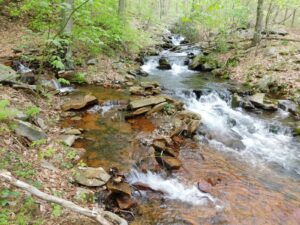
Hunting & Fishing Access

America’s 640 million acres of national public lands provide irreplaceable hunting and fishing opportunities to millions of Americans.

Learn More About Access
What TRCP is Doing

We’re working to safeguard America’s public lands so hunters and anglers always have quality places to pursue their passions.
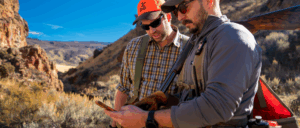
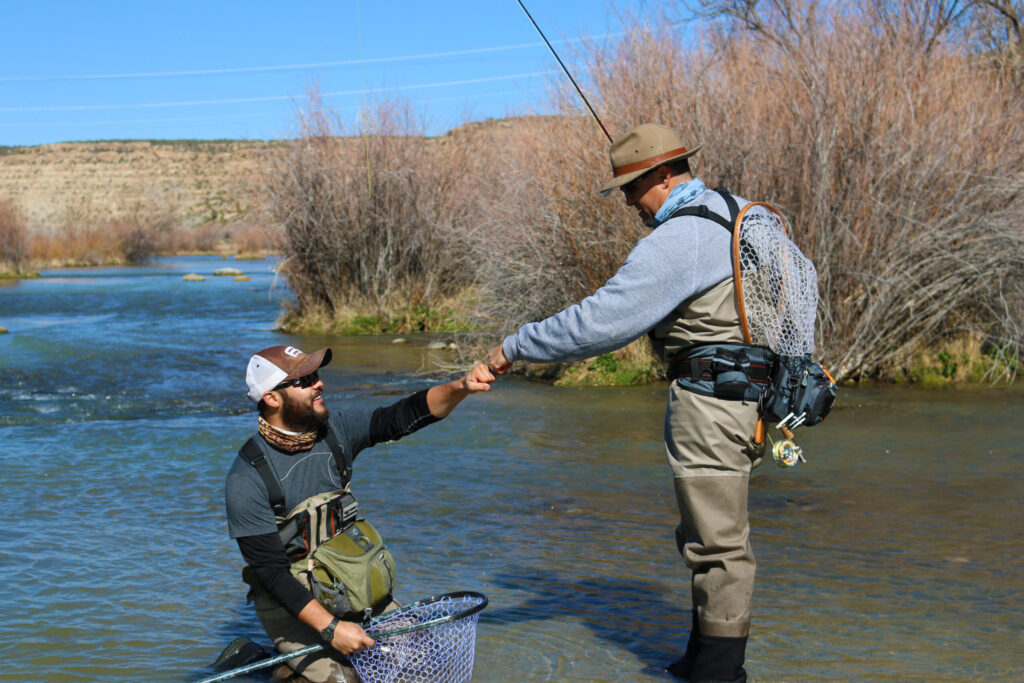
 Brian Flynn, Two Wolf Foundation
How Sportsmen Are Doing It Right

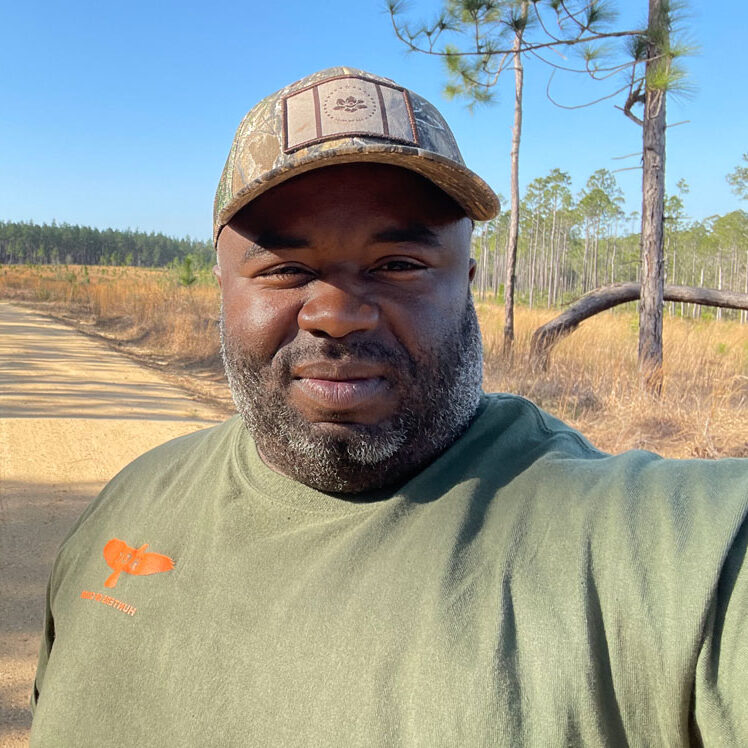
Brian Flynn, Two Wolf Foundation's Story

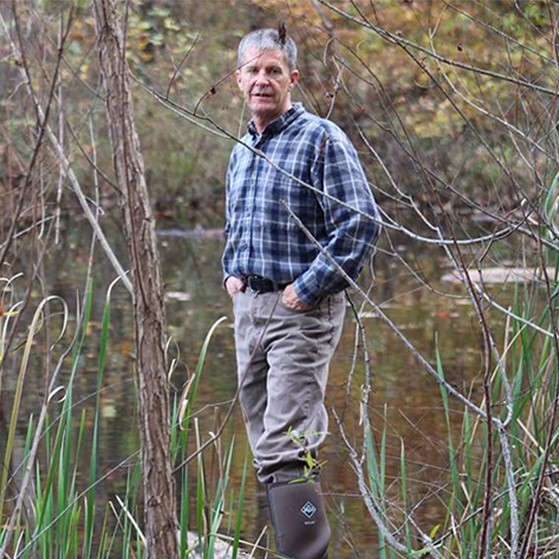
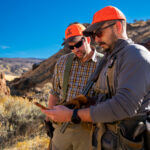
Following a distinguished career in the U.S. Army, lifelong outdoorsman Brian Flynn returned home from a deployment in Afghanistan and…

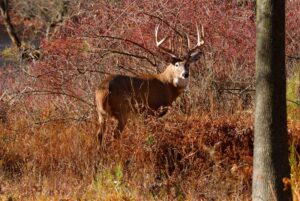
Hunting
Why It Matters

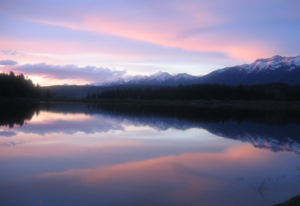
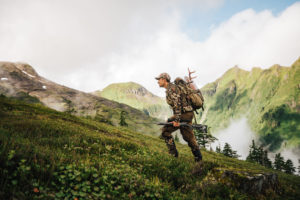
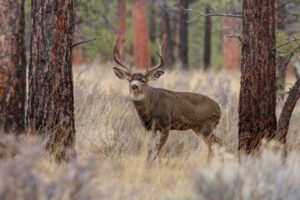
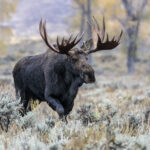
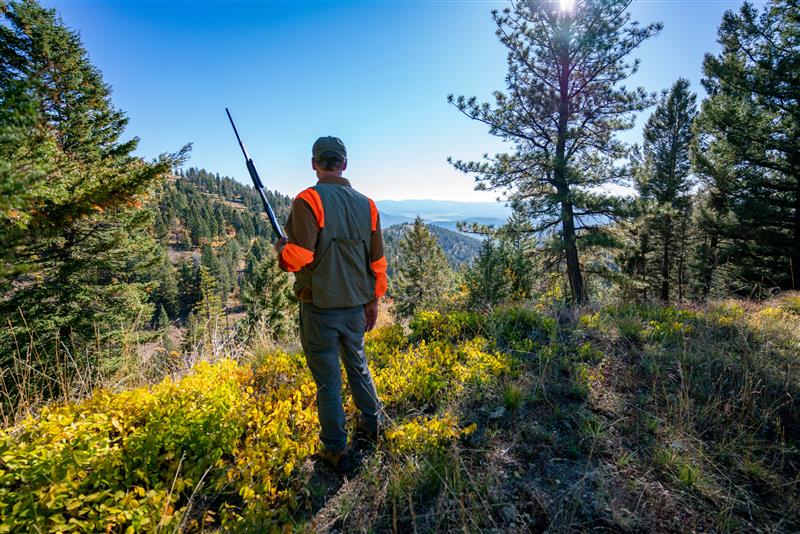
Key Issues for America’s Hunters

Your source for the latest policy updates, conservation challenges, and opportunities shaping America’s hunting traditions.

What TRCP is Doing

We’re fighting for meaningful policy changes that benefit wildlife, our waters, and the American landscapes that make our outdoor traditions possible.

 Ryan Sparks
How Sportsmen Are Doing It Right

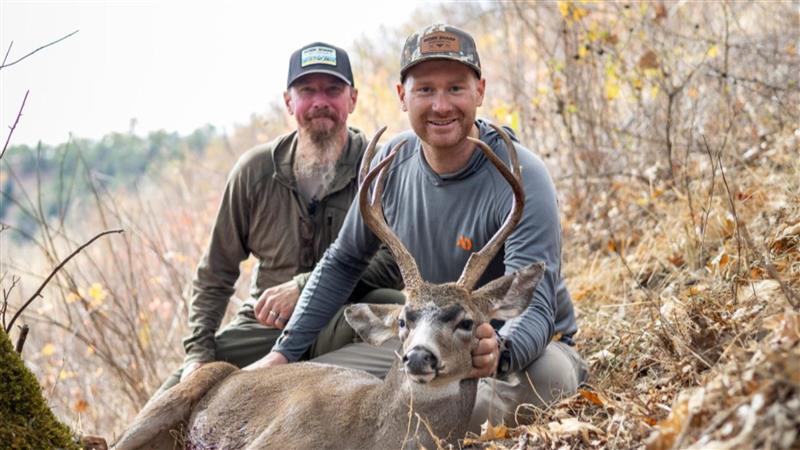
Ryan Sparks's Story

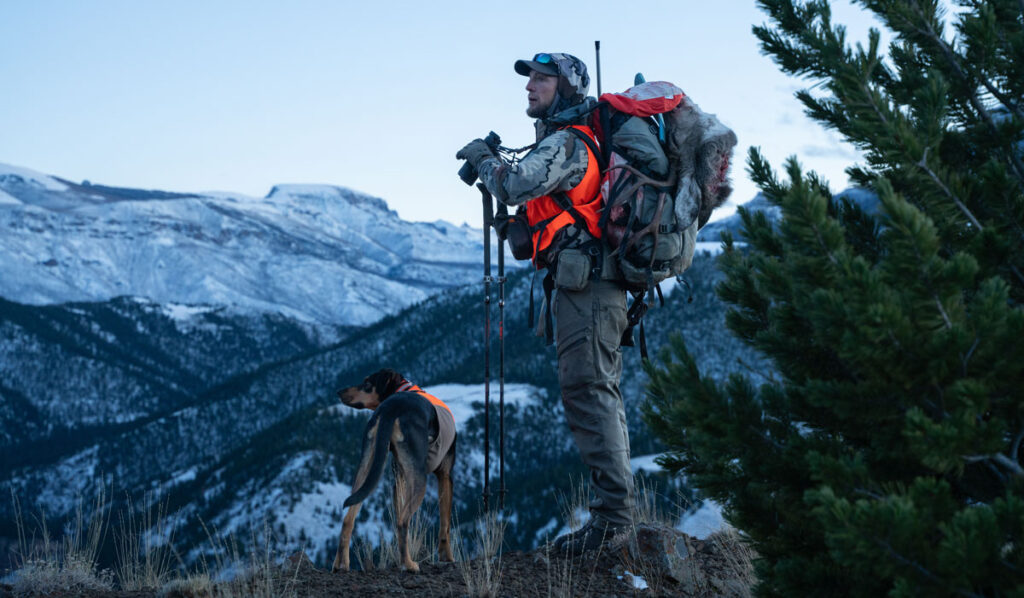
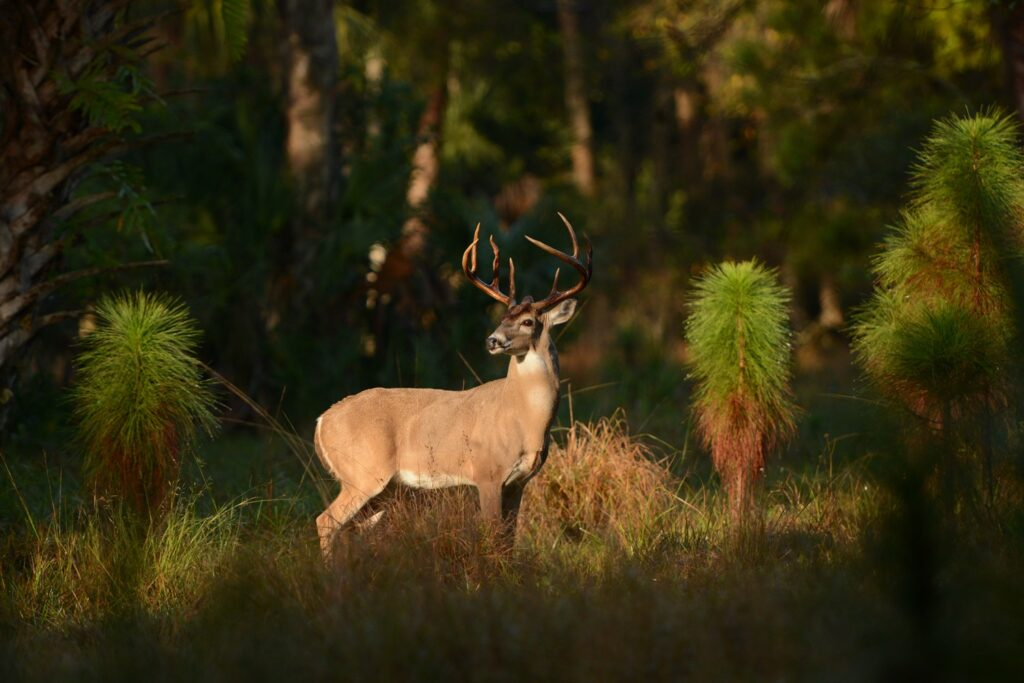
TRCP’s “In the Arena” series highlights the individual voices of hunters and anglers who, as Theodore Roosevelt so famously said,…

Fishing
Why It Matters

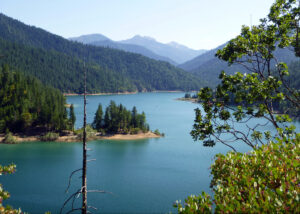
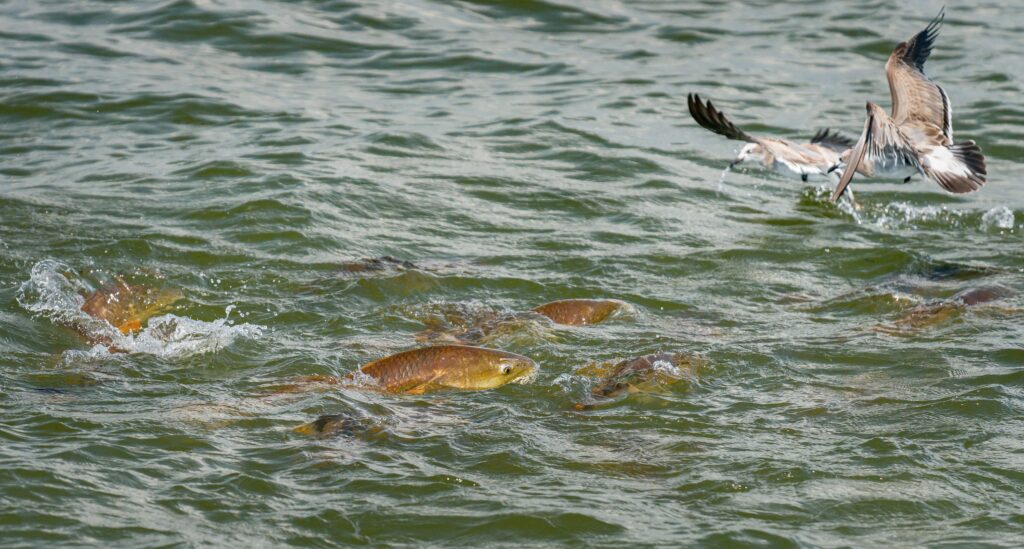
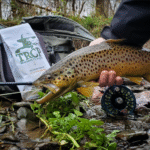
Key Issues for America’s Anglers

Your source for the latest policy updates, conservation challenges, and opportunities shaping America’s fishing traditions.

What TRCP is Doing

We’re fighting for meaningful policy changes that benefit wildlife, our waters, and the American landscapes that make our outdoor traditions possible.

 David Mangum
How Sportsmen Are Doing It Right

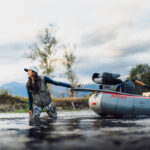
David Mangum's Story

Capt. David Mangum is a YETI ambassador and outdoor photographer who utilizes his talents to produce media that inspire a…

Private Land
Why It Matters

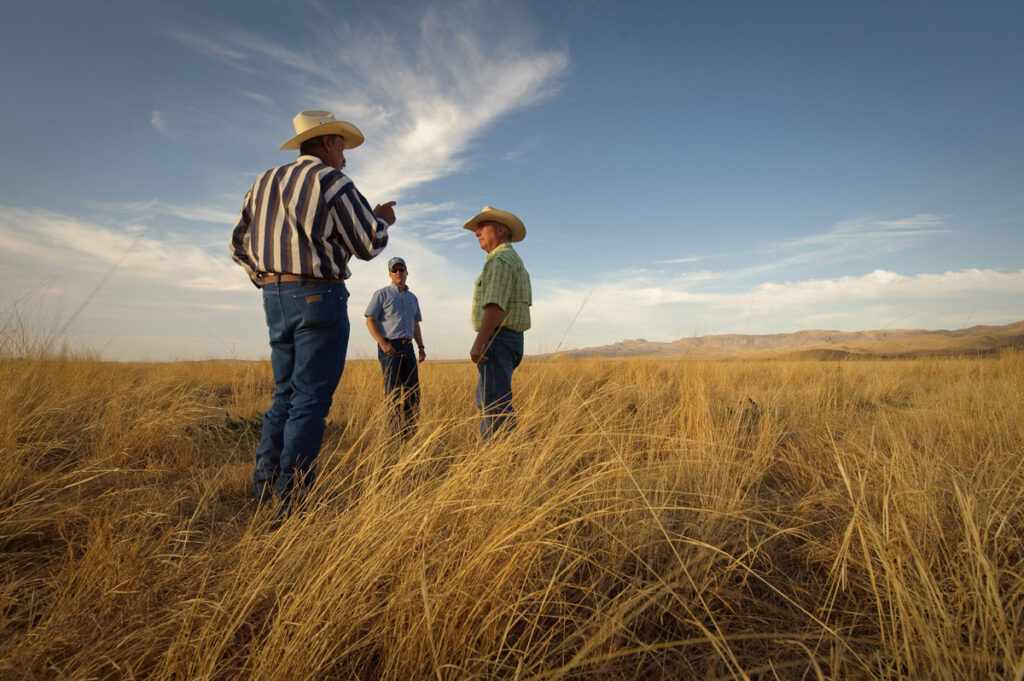
Stewardship on America’s private lands

With 70 percent of U.S. lands in private hands and many of our best hunt and fish opportunities occurring there, investing in voluntary conservation on working lands safeguards access, strengthens habitat and water quality, and ensures resilient landscapes.

Learn More
What TRCP is Doing

We champion policies and programs that restore wildlife habitat, improve soil and water health, and keep working lands productive.

 Ward Burton
How Sportsmen are Doing It Right

Ward Burton's Story

Ward Burton’s NASCAR driving career stretched across most of two decades. As an avid sportsman and conservationist, he founded the…

Special Places
Why It Matters

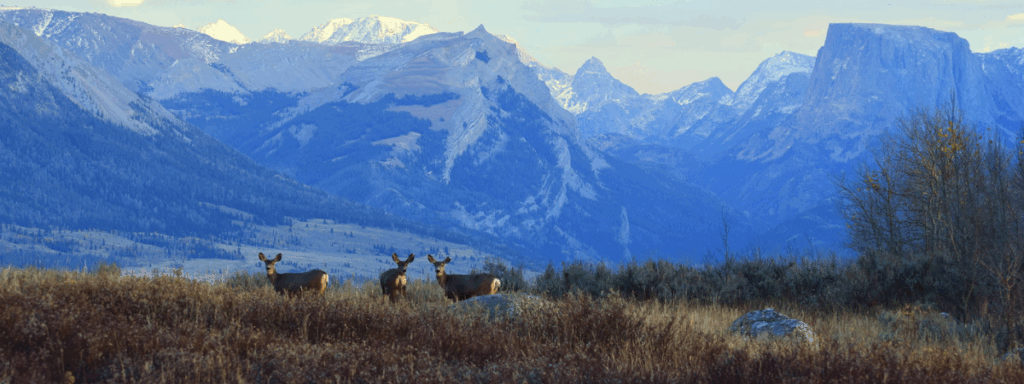
Special Places Worth Protecting

America’s most iconic landscapes provide unmatched habitat and unforgettable days afield. These places sustain wildlife, anchor local economies, and define the hunting and fishing traditions we pass down.

What TRCP is Doing

We’re working to conserve special places that provide world-class habitat and unforgettable opportunities for hunters and anglers.

 Franklin Adams
How Sportsmen Are Doing It Right

Franklin Adams's Story

As a true Gladesman, conservationist, and historian, Capt. Franklin Adams has spent more than six decades championing Everglades restoration efforts…

Habitat & Clean Water
Why It Matters

Healthy Habitat Powers Every Pursuit

All hunting and fishing opportunities depend on quality habitat, from clean water and healthy wetlands to winter and summer habitats and the migration corridors that connect them.

All About Habitat & Clean Water
What TRCP is Doing

We are working to safeguard the habitats that power every hunting and fishing opportunity.

 Alex Harvey
How Sportsmen Are Doing It Right

Alex Harvey's Story

Alex Harvey, founder of Legacy Land Management, is a registered professional forester in Mississippi and Alabama with a Master's degree…

Science
Why It Matters

Science That Guides TRCP

From conserving migration corridors and wetlands to ensuring clean water and resilient landscapes, science provides evidence that turns conservation goals into effective action.

Science for Conservation
What TRCP is Doing

For hunters and anglers, science safeguards the experiences we treasure including resilient big game populations, abundant fish, and wild places that endure changing social landscapes.

Jamelle Ellis
Your Science Expert

Jamelle Ellis's Story

Jamelle Ellis joined the Theodore Roosevelt Conservation Partnership in 2022. Jamelle spent the last three years as an environmental sustainability…

Where We Work
Across the Nation

Conservation Across America

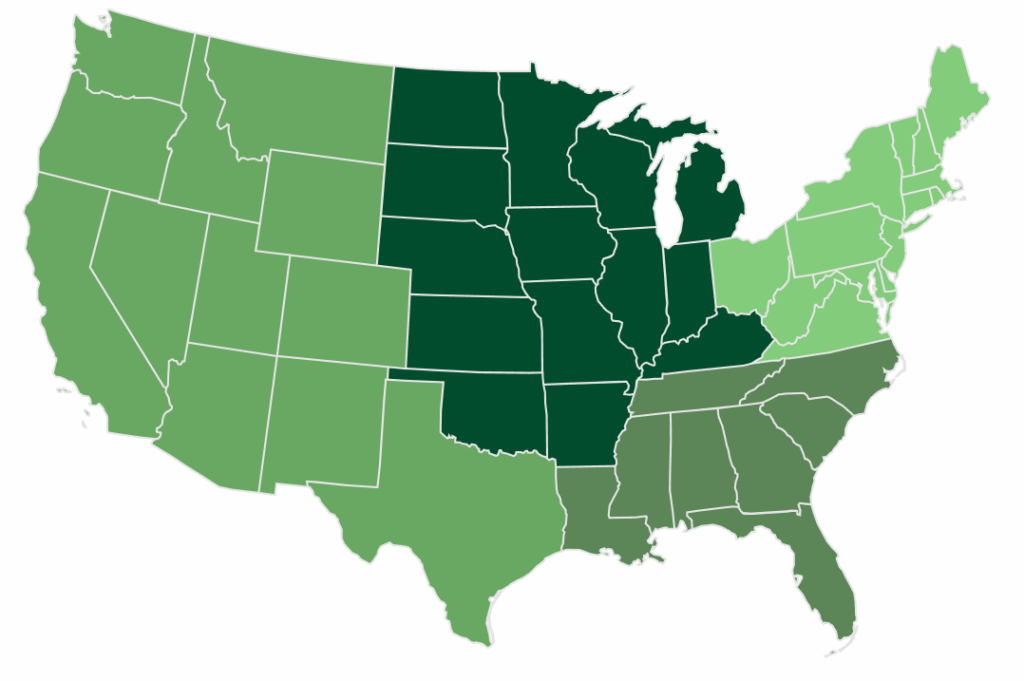
TRCP works across the country to ensure hunters and anglers can enjoy healthy fish and wildlife and quality days afield, no matter where they live.

See All Issues
TRCP in Your Region

TRCP works across the country to ensure hunters and anglers can enjoy healthy fish and wildlife and quality days afield, no matter where they live.

Who We Are
Our Mission

To guarantee all Americans quality places to hunt & fish

We unite and amplify our partners’ voices to advance America’s legacy of conservation, habitat, and access.

Our Mission & Values
Our People & Partners
  • Meet the TRCP Team

    Our staff and board members unite and amplify our partners’ voices to advance America’s legacy of conservation, habitat, and access.

    Meet the Team
  • Our Partners

    ‘Partnership’ is in our name. We work with 64 diverse partner groups that represent today’s leading hunting, fishing, and conservation organizations in order to strengthen the sportsman’s voice in Washington, D.C.

    Our Partners
  • Corporate Council

    TRCP’s Corporate Council is made up of diverse corporations that share a common passion for conservation.

    Corporate Council
Our Organization

Looking for more information?

Explore our latest news, policy updates, and conservation resources to get the information you need.

Giving
How You Can Help

To guarantee all Americans quality places to hunt & fish

Your tax-deductible donation will support TRCP's mission, now and into the future.

DONATE
Special Ways to support trcp
  • Capital Conservation Awards Dinner

    The CCAD is one of Washington's best-attended conservation celebrations, featuring dinner, cocktails, and a silent auction.

    Learn More
  • Step Into the Arena

    Help us ensure that our treasured wild habitats and game remain intact for the next generation to enjoy – lend your support to the TRCP’s efforts today!

    Donate
  • Roosevelt Roast

    TRCP has partnered with Afuera Coffee Co. to further our commitment to conservation.

    Learn More
More donation options

Find the best way for you to lend your support. Join one of TRCP’s donor circles for special invitations, premium offerings from outdoor retailers, and more exclusive benefits. Take control of your legacy with planned giving or contribute to special conservation funds.

Other Ways To Give
News
In the Spotlight

In the Arena: Josh Warren

For many hunters and anglers, the connection to conservation begins close to home — in the woods behind the house, along a familiar stretch of river, or through time spent learning from mentors and family. That sense of place is something Joshua Warren carries with him, both personally and professionally. As Director of Marketing at WorkSharp, Josh represents a company rooted in Ashland, Oregon, a community defined by its access to public lands and wild country.

Read More

Stay Informed

Receive our newsletter, the Roosevelt Report, right in your inbox. Never miss the latest news in conservation issues.

by:

posted in:

July 1, 2021

Utah DWR Wildlife Overpass

Do you have any thoughts on this post?

XHTML: You can use these tags: <a href="" title=""> <abbr title=""> <acronym title=""> <b> <blockquote cite=""> <cite> <code> <del datetime=""> <em> <i> <q cite=""> <s> <strike> <strong>

Comments must be under 1000 characters.

by:

posted in:

June 30, 2021

Clean Water Act Protections for Headwaters and Wetlands Will Be Considered Again

The Biden Administration will be the fourth to take on clarifying which “waters of the U.S.” get protection under the bedrock conservation law

Once again, the pendulum is swinging back toward protection of our nation’s streams, rivers, and wetlands – and thus the fish, waterfowl, and other wildlife that rely on these waters.

On June 10, the Environmental Protection Agency and Army Corps of Engineers announced that they would reconsider which waters and wetlands should be protected under the Clean Water Act, which is now 49 years old. The definitional rule, referred to as “Waters of the U.S.” (WOTUS), describes which discharges to our nation’s waters and wetlands need permits and, therefore, protective conditions.

Discharges potentially needing permits are both from “point sources,” like wastewater treatment plants and factories, and from development activities, like the construction of dams, diversion structures, roads, bridges, or tracts of houses.

The rule the agencies have committed to repeal and replace was issued in April 2020. It shrunk the wetlands protected by Clean Water Act programs by millions of acres, and the number of stream miles by as much as half. (The agencies do not have precise figures for the rule’s impact.) While there had previously been changes to the range of waters and wetlands that the law governs, those changes were never previously more than a few percentage points. The agencies have now conceded in legal challenges to the 2020 rule that there were over 330 construction projects poised to proceed without permits, i.e., without any mitigation for water quality required.

The potential impact to critical fish and wildlife habitat is frightening. Maybe it is because of our interconnectedness with rivers and streams that, according to a 2018 poll commissioned by the TRCP, 92 percent of hunters and anglers were in favor of strengthening federal clean water protections. That makes us possibly the most supportive demographic in the country.

Last month, my colleague Andrew Earl wrote about the failure of the USDA to protect wetlands in the prairie potholes region of the Upper Midwest—the nation’s “duck factory.” These same wetlands sometimes qualify for protection from being filled with construction dirt under the Clean Water Act, but they were entirely excluded from protection under the 2020 WOTUS rule.

Now more than ever, as migratory birds face the loss of habitat due to climate change, all of our government’s agencies should be working to conserve wetlands using every arrow in the quiver.

The administration has promised a robust stakeholder process to develop a new definition of WOTUS, one that the TRCP hopes would be durable enough to withstand the swings of the political pendulum. That process will take time. The administration has already asked the courts reviewing challenges to the 2020 rule to pause their considerations so that the agencies can make changes.

The next step for the agencies must be to repeal the 2020 rule outright and reinstate the coverage that the George W. Bush administration put into place in 2008, following a U.S. Supreme Court ruling on WOTUS. That will at least restore wider coverage and perhaps forestall some of the hundreds of habitat-damaging projects that might otherwise proceed.

The current administration must do this repeal as quickly as possible, in part because any “jurisdictional determination” the Corps makes until the rule is repealed would last for five years. That means a project may proceed without a permit without being revisited for half a decade, even if there’s a replacement rule put into place in 2024.

The TRCP appreciates that the agencies want to get a new rule right, so that it can withstand judicial review, and that doing so will take some time. But they cannot be too cautious with the repeal. Without it, too many destructive projects may proceed, and the loss of wetlands and streams is not something easily reversed.

Continue following the TRCP to be the first to know about opportunities to engage in the effort to restore Clean Water Act protections to headwaters and wetlands.


Top photo courtesy of USDA NRCS Montana via Flickr.

by:

posted in:

June 24, 2021

Amplifying Latino Voices for Conservation and Greater Inclusion in Hunting

Latino residents of Colorado with varying levels of experience and interest in hunting gathered with Colorado Parks and Wildlife and conservation organizations to help explore ways to better recruit, retain, and reactivate diverse sportsmen and sportswomen—the future of conservation

Our work at the TRCP is grounded in partnership and the goal of uniting and amplifying the voices of sportsmen and sportswomen who share a commitment to the future of America’s legacy of conservation, habitat, and access.

In that spirit, this spring we worked with Colorado Parks and Wildlife as well as a Colorado-based nonprofit consultancy, the Meridian Institute, to host a stakeholder roundtable of Latino hunters and conservationists with the aim of better understanding how state fish and game agencies can more effectively engage with this growing community.

The Future of Hunting and Fishing

As one of the top three fastest growing populations in the United States, the Latino community has an important role to play in the future of our country’s hunting and conservation traditions. This is especially true in Colorado, where the Latino population is expected to grow from 20 percent to 33 percent in the next 20 years, and 77.2 percent of those individuals are native-born Coloradans. Nationwide, Latinos indicate that they regularly participate in outdoor activities: 77 percent hike, 46 percent camp and 33 percent hunt and fish. Latinos polled in Western states also strongly support conservation:

  • 96 percent agree that we should fund modernizing water infrastructure and restoring natural areas for drought resiliency.
  • 93 percent support the creation of new national parks, monuments, wildlife refuges and tribal protected areas.
  • 93 percent agree that despite state budget shortfalls we should fund the protection of state land, water and wildlife.
  • 83 percent support a national goal of conserving 30 percent of lands and water by 2030.
  • 71 percent agree that Western wildfires have increased urgency.

These shared conservation values were central to the roundtable’s work. Participants had diverse backgrounds and levels of experience with hunting, ranging from lifelong, multi-generational hunters to participants with an interest in becoming a hunter but who face systemic barriers as they try to enter into the hunting community. The roundtable discussions were informed by an assessment by TRCP of retention, recruitment, and reactivation (R3) programs in several states: Colorado, Texas, Florida, and South Carolina.

The goals of these convenings were to identify opportunities, challenges, and tangible recommendations for how CPW and other state wildlife agencies can enhance its current engagement efforts to effectively engage the Latino communities.

The two roundtable convenings allowed for open dialogue between CPW and Latino hunters, providing an opportunity for each to learn more about the other, exchange information about conservation and recruitment efforts on both sides, and discuss how sportsmen and sportswomen from Latino and non-Latino communities can come together to better support conservation.

What We Learned

The Latino Hunter Roundtable provided CPW with several recommendations:

  • Ensure that the agency has greater transparency surrounding the license draw process, why regulations exist, and how the collection of demographic data will assist the agency in designing inclusive engagement programs.
  • Continue the translation of hunting regulations and its website into various languages, as they have done with the fishing regulations. Translation of pertinent information also communicates to the community an openness that they are welcome to participate in that space.
  • Celebrate and share stories of Latino hunters, as well as other demographics, so there is a larger awareness of participation and knowledge of hunting conservation in diverse communities.

Additional recommendations from the Roundtable are being collated into a toolkit that can be utilized by CPW and other state wildlife agencies to recruit, retain, and reactivate new audiences into hunting and conservation. The toolkit will be presented to state wildlife agencies, at national meetings and made available over the summer and fall.

The TRCP and CPW understand that conservation works best when we work together. To ensure that conservation, hunting, and angling stay relevant to future generations, it is critical that we continue to mentor family, friends, and neighbors in ways that resonate with them. Hunting has long been about community and shared experiences in the field, around a fire, or at the dinner table, and together we will continue to guarantee that all Americans have quality places to hunt and fish.

Top photo by Tim Donovan

June 23, 2021

Why Giving Rivers Space to Flood Helps Fish, Wildlife, and Communities

Levees built right on the riverbank were once the golden standard for preventing dangerous flooding, but setting structures back from the river could help communities faced with increasingly costly storms, while improving habitat

As common flood protection structures, earthen levees line American rivers and streams. Levees constructed in response to historic river flooding—where property damage soared and life loss steadily increased—have been relied upon for generations.

But these manmade barriers also work against our natural environment. Connectivity of a river to its floodplain is critical for the exchange of flows with the river, which deposit and transport sediment through the watershed and support the sustainability of fish and wildlife populations. Levee construction across our major river systems has interrupted and prevented this natural and beneficial ecological function of floodplains.

Over time, Congress acknowledged the adverse impacts of human development that depletes habitat by passing the National Environmental Policy Act in 1970 and the Endangered Species Act in 1973, among other legislation. But levees are still used today. Fortunately, there is a way to make communities more resilient from flooding and reconnect habitat that relies on life-giving sediment and river flows.

It’s Not a Question of Whether Levees are Good or Bad

Numerous levees have performed and continue to perform as they were originally intended. Just ask someone from the U.S. Army Corps of Engineers. For that matter, just ask me. After 34 years of service with the Corps, I’ve seen the good and the bad associated with levees.

On the one hand, levees have prevented devastating flooding from occurring in large cities and small towns—protecting critical facilities (like hospitals, fire and ambulance stations, utility distribution services, government buildings, and military bases) as well as acres upon acres of productive farmland.

However, many of these levees were designed before we began experiencing the apparent effects of climate change, which could pose higher risks now and in the future.

A levee’s height and width will not change once it has been constructed. No matter how much you water it, that levee will not grow. The design conditions are static, with levee performance being based upon the hydrology and hydraulics from when the levee was originally designed. Unfortunately, the climate is dynamic and, as we have witnessed over the past decade, the intensity and frequency of severe weather is increasing along with the failure of vulnerable levees—most recently within the lower Missouri River Basin.

When a levee fails, the results can be catastrophic to people, buildings, infrastructure, livestock, and cropland. Setting levees back far enough to allow the river more room to convey flood waters, while protecting all landward assets, could solve multiple problems.

The photo on the left below illustrates the devastation to the land after a levee breach occurred along the Missouri River during the 2011 flood. The photo on the right illustrates the levee setback that was implemented after the flood, improving flood conveyance, reducing the depth of inevitable floods, and increasing the resiliency of the levee.

Levee breach and levee setback located along the Missouri River. Photos by U.S. Army Corps of Engineers.

Further, the land located riverward of the levee has been enrolled into conservation easements, reconnecting a large portion of the historic floodplain and allowing for that critical exchange of flow between the river and the floodplain.

Environmental Benefits of Levee Setback Projects

Diversification of flood flows through reconnection of the historic floodplain to the river is the greatest environmental benefit associated with a levee setback like this one. As shown in the images below, fish and wildlife are flourishing within the conservation easements, because they mimic natural ponds and wetlands. The positive trade-off of transitioning some productive cropland to conservation easements by realigning the levee is that fewer levee failures will occur, the setback levee is more resilient to flooding, and the environment has an opportunity to recover.

View of fish and wildlife using conservation easement near a setback along the Missouri River.
Consider the Setbacks

The cost of setting a levee back from the river can be millions of dollars. The cost of not setting back certain levees, especially those that continue to encounter flood damage, may be costlier in terms of damage to buildings, infrastructure, livestock, cropland, and the environment. While funding from the federal government flows with fewer restrictions to states and local governments after a disaster, it would be beneficial for states and federal agencies to identify vulnerable levees now—prior to flooding.

We must acknowledge that our needs have changed since levees were first designed and constructed. Continuing to rebuild after every damaging flood, rather than implement forward-thinking solutions, like levee setbacks, all but guarantees that fish and wildlife habitat will continue to suffer.

Learn more about this issue and proposed solutions here.

Randall Behm is retired from the U.S. Army Corps of Engineers after 34 years as a professional engineer. As a consultant, he now works nationally on the implementation of nonstructural flood mitigation measures and advocates for the setback of perennially damaged levees to improve flood-risk management and environmental benefits.

Top photo by Justin Wilkens on Unsplash

by:

posted in:

June 22, 2021

Three Recent CWD Outbreaks Highlight the Need for Meaningful Federal Action

The TRCP and partners have urged the Secretary of Agriculture to take two immediate steps to curb the spread of the fatal deer disease

In recent months, chronic wasting disease outbreaks at multiple captive deer operations have put wild deer at risk for infection. Last week, the TRCP was joined by the Association of Fish & Wildlife Agencies, Backcountry Hunters & Anglers, National Deer Association, and National Wildlife Federation in calling on U.S. Department of Agriculture Secretary Tom Vilsack to take immediate action to curb the spread of CWD, especially considering its impact on the nation’s $40-billion annual deer hunting economy.

The following three events, which have forced states to undertake immediate and costly actions to address potential contaminations in the wild, are compelling motivation:

In May, the Texas Department of Parks & Wildlife Department took on a full epidemiological investigation to track the spread of CWD from three endemic breeding operations that shipped deer to more than 260 sites across the state. Despite the agency’s diligent efforts to combat the spread of CWD, tracking and testing so many animals once they have been shipped is extremely difficult, particularly since, according to reports, breeders have refused to test some of the suspected deer. As a result, the potential for unchecked transmission to wild herds remains.

Later that month, the Pennsylvania Department of Agriculture announced a CWD detection at a hunting facility in the northwestern part of the state—the first along the New York-Penn. border and outside of existing CWD management zones. The state is working hard to trace the deer’s origins but cannot say at this time if additional quarantines at any of the state’s 760 deer farms or hunting preserves will be necessary. While the detection will result in the establishment of a new disease management zone, the movement of deer between facilities has not been halted while the investigation moves forward.

Finally, on June 1, the Minnesota Department of Natural Resources imposed a two-month ban on the movement of deer after 13 tested positive at a captive facility in the north woods—hundreds of miles from the state’s endemic CWD area. Biologists have determined that the deer were transported from an endemic facility in the southeastern corner of the state. Most shockingly, it became apparent during the investigation that the facility owner had been dumping infected deer carcasses on nearby public lands for several years. The dead deer had since been scavenged and spread across several acres. In response to the detection, the state approved $100,000 in emergency funding, and Governor Tim Walz has endorsed transferring oversight of the state’s captive whitetail deer from the state’s Board of Animal Health to the Department of Natural Resources.

The need for federal leadership and coordination on this crisis is highlighted by the fact that even a state like Texas, which has tough rules on CWD and an extremely capable wildlife management agency, has been unable to prevent the spread of the disease.

In a letter to Secretary Vilsack, our five groups representing millions of hunters, conservationists, and outdoor enthusiasts strongly urged two immediate courses of action:

First, we called on the USDA to implement a moratorium on the interstate movement of all live deer, as recommended by the Hunting and Shooting Sports Conservation Council as recently as last year. CWD has now been found in 26 states and on the borders of several more. We need to protect those states that have not yet detected the disease.

Second, we urged the Departments of Agriculture and the Interior to convene an emergency meeting of the CWD interagency task force that was authorized by Congress in 2020 to develop an immediate federal response to contain CWD. This should include a third-party, independent review of the USDA Herd Certification Program, expedited research into the transmission pathways of CWD, recommend strategies for reducing the spread of CWD, and direct assistance for state surveillance, monitoring, and testing for the disease.

If you support these steps to safeguard wild deer and deer hunting as we know it, take action now. Send your message to Secretary Vilsack using our simple advocacy tool.

Top photo by Jessica Bolser/USFWS

HOW YOU CAN HELP

TRCP has partnered with Afuera Coffee Co. to further our commitment to conservation. $4 from each bag is donated to the TRCP, to help continue our efforts of safeguarding critical habitats, productive hunting grounds, and favorite fishing holes for future generations.

Learn More

You have Successfully Subscribed!

You have Successfully Subscribed!

You have Successfully Subscribed!

You have Successfully Subscribed!