Our Issues
Public Lands
Why It Matters

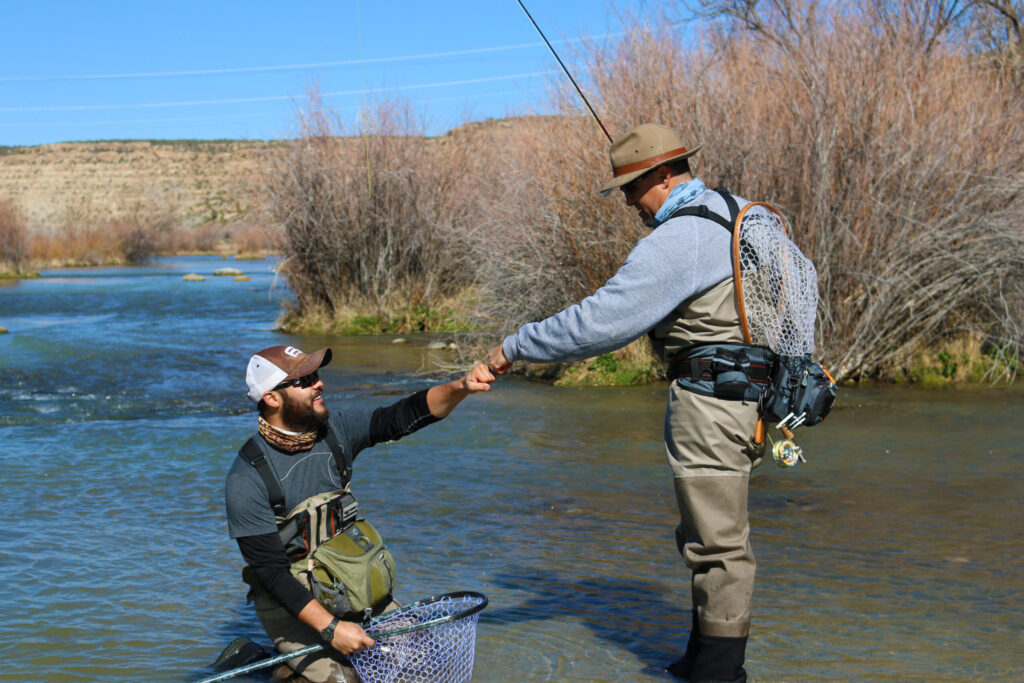
Hunting & Fishing Access

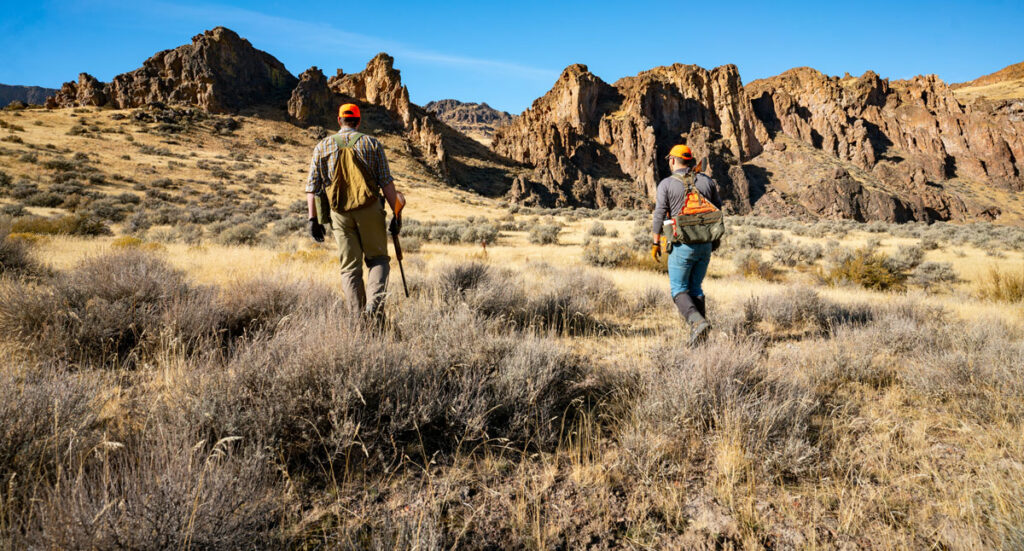
America’s 640 million acres of national public lands provide irreplaceable hunting and fishing opportunities to millions of Americans.

Learn More About Access
What TRCP is Doing

We’re working to safeguard America’s public lands so hunters and anglers always have quality places to pursue their passions.
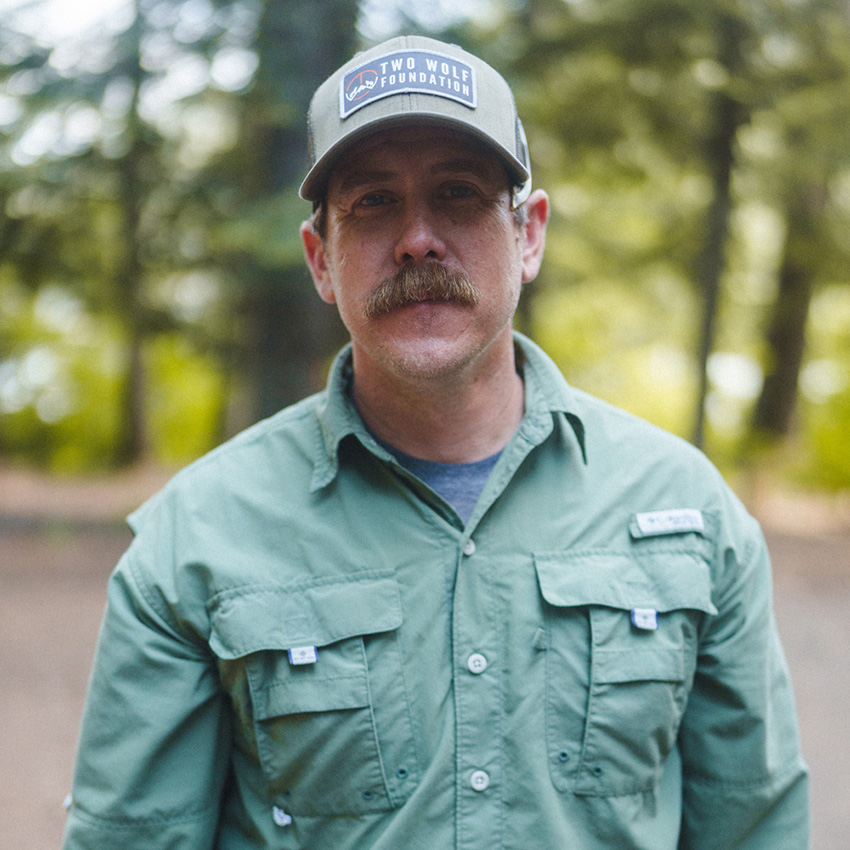
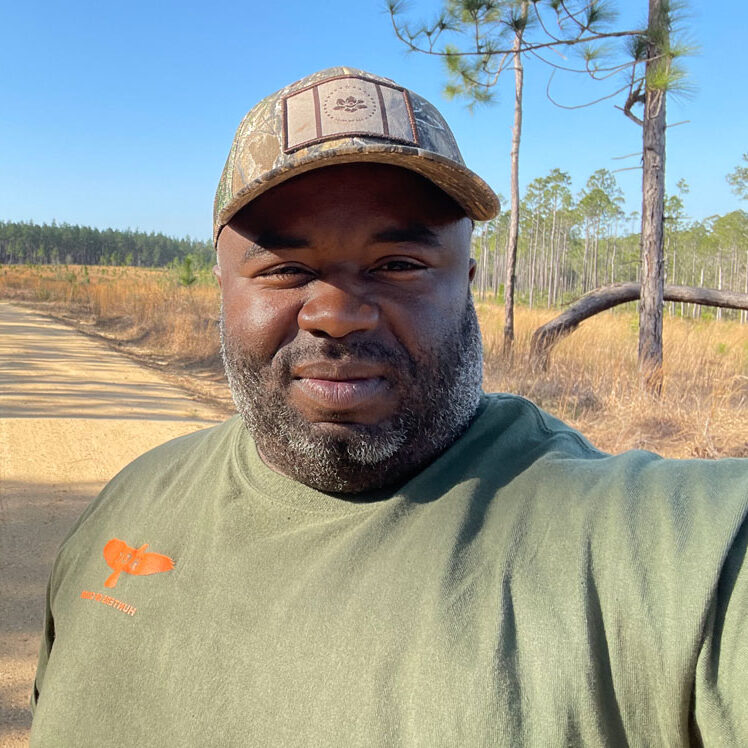
 Brian Flynn, Two Wolf Foundation
How Sportsmen Are Doing It Right

Brian Flynn, Two Wolf Foundation's Story

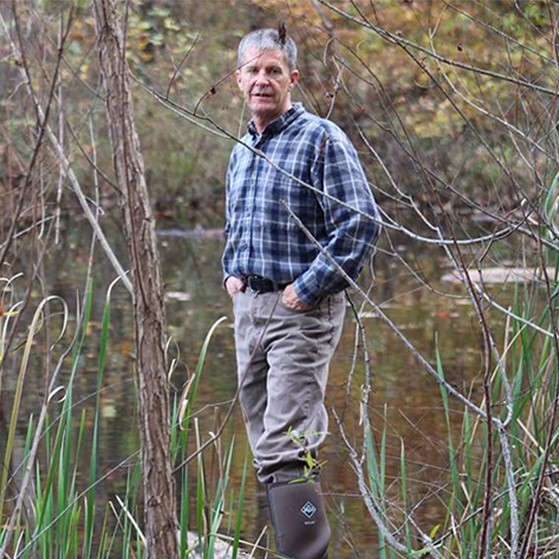
Following a distinguished career in the U.S. Army, lifelong outdoorsman Brian Flynn returned home from a deployment in Afghanistan and…

Hunting
Why It Matters

Key Issues for America’s Hunters

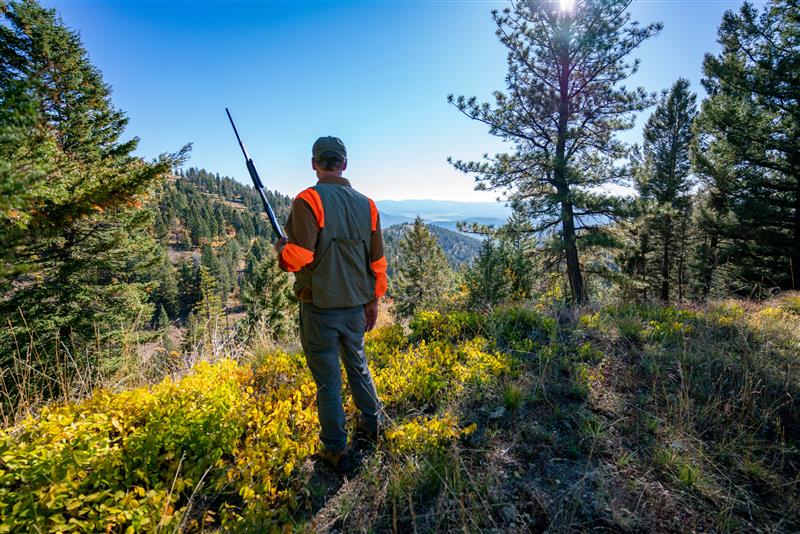
Your source for the latest policy updates, conservation challenges, and opportunities shaping America’s hunting traditions.

What TRCP is Doing

We’re fighting for meaningful policy changes that benefit wildlife, our waters, and the American landscapes that make our outdoor traditions possible.

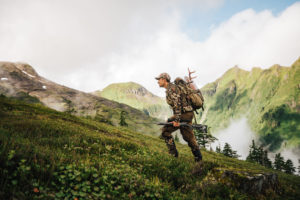
 Ryan Sparks
How Sportsmen Are Doing It Right

Ryan Sparks's Story

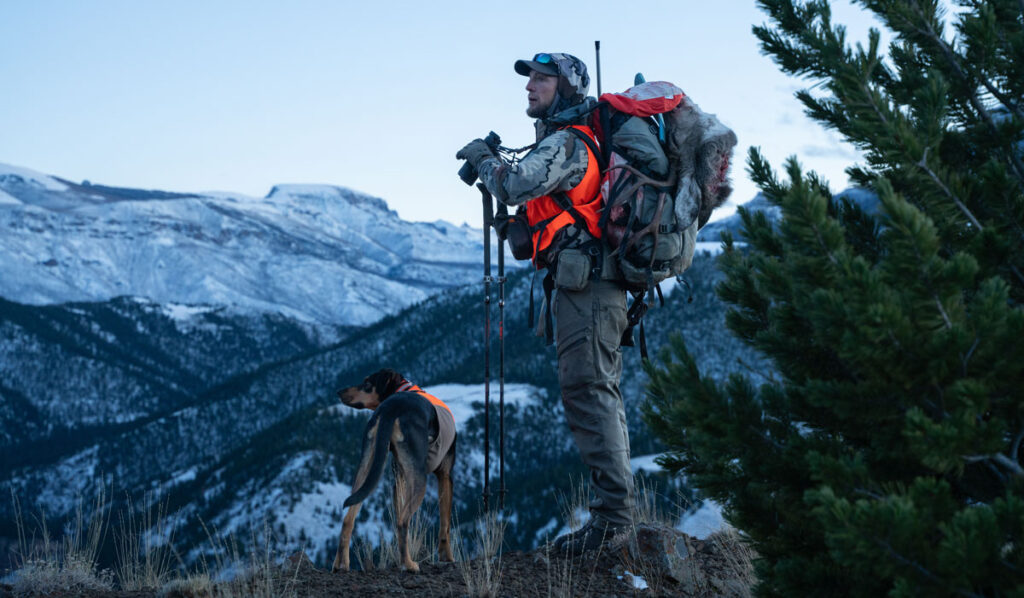
TRCP’s “In the Arena” series highlights the individual voices of hunters and anglers who, as Theodore Roosevelt so famously said,…

Fishing
Why It Matters

Key Issues for America’s Anglers

Your source for the latest policy updates, conservation challenges, and opportunities shaping America’s fishing traditions.

What TRCP is Doing

We’re fighting for meaningful policy changes that benefit wildlife, our waters, and the American landscapes that make our outdoor traditions possible.

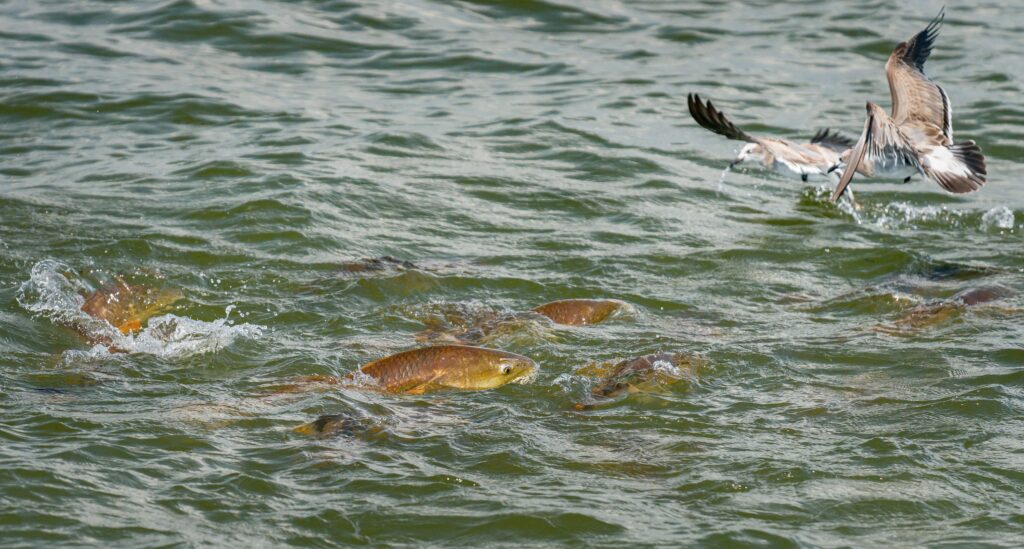
 David Mangum
How Sportsmen Are Doing It Right

David Mangum's Story

Capt. David Mangum is a YETI ambassador and outdoor photographer who utilizes his talents to produce media that inspire a…

Private Land
Why It Matters

Stewardship on America’s private lands

With 70 percent of U.S. lands in private hands and many of our best hunt and fish opportunities occurring there, investing in voluntary conservation on working lands safeguards access, strengthens habitat and water quality, and ensures resilient landscapes.

Learn More
What TRCP is Doing

We champion policies and programs that restore wildlife habitat, improve soil and water health, and keep working lands productive.

 Ward Burton
How Sportsmen are Doing It Right

Ward Burton's Story

Ward Burton’s NASCAR driving career stretched across most of two decades. As an avid sportsman and conservationist, he founded the…

Special Places
Why It Matters

Special Places Worth Protecting

America’s most iconic landscapes provide unmatched habitat and unforgettable days afield. These places sustain wildlife, anchor local economies, and define the hunting and fishing traditions we pass down.

What TRCP is Doing

We’re working to conserve special places that provide world-class habitat and unforgettable opportunities for hunters and anglers.

 Franklin Adams
How Sportsmen Are Doing It Right

Franklin Adams's Story

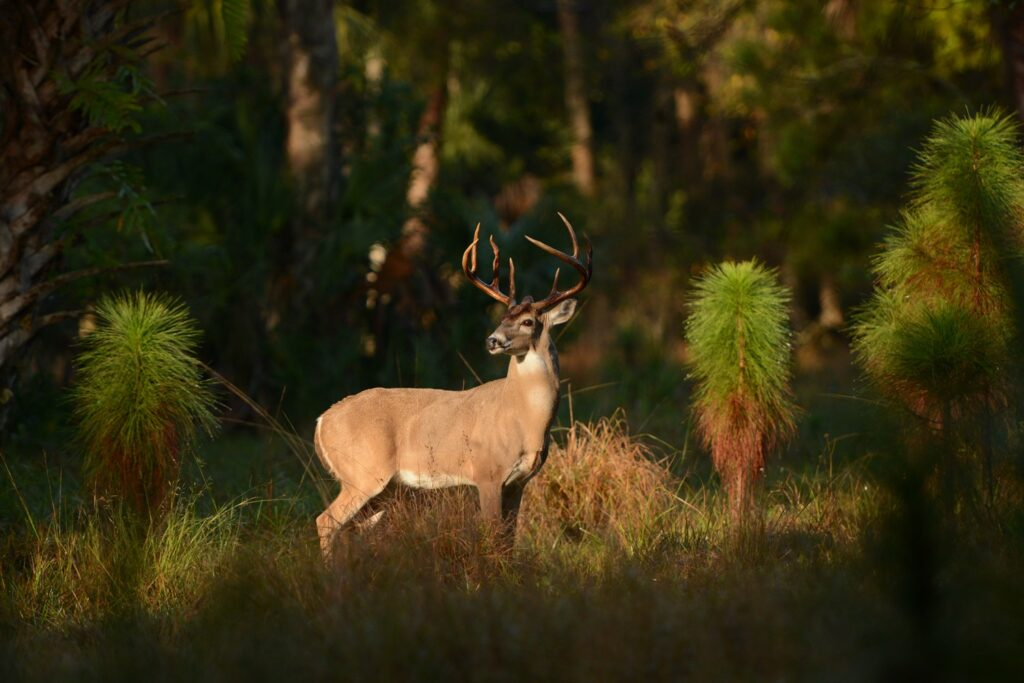
As a true Gladesman, conservationist, and historian, Capt. Franklin Adams has spent more than six decades championing Everglades restoration efforts…

Habitat & Clean Water
Why It Matters

Healthy Habitat Powers Every Pursuit

All hunting and fishing opportunities depend on quality habitat, from clean water and healthy wetlands to winter and summer habitats and the migration corridors that connect them.

All About Habitat & Clean Water
What TRCP is Doing

We are working to safeguard the habitats that power every hunting and fishing opportunity.

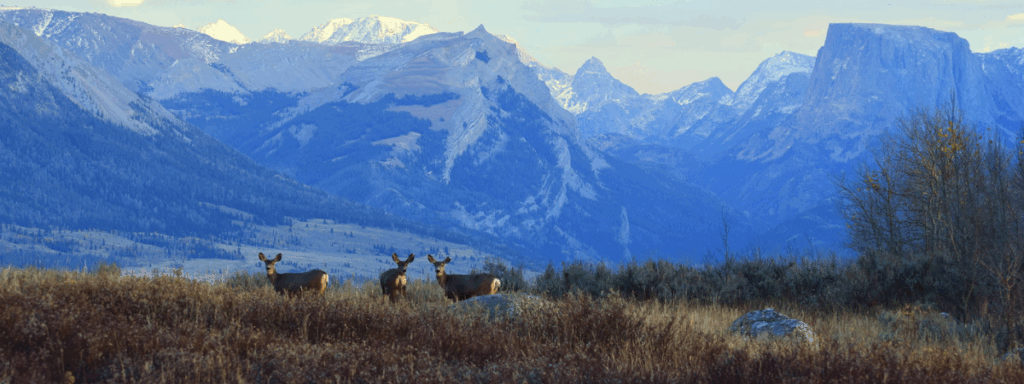
 Alex Harvey
How Sportsmen Are Doing It Right

Alex Harvey's Story

Alex Harvey, founder of Legacy Land Management, is a registered professional forester in Mississippi and Alabama with a Master's degree…

Science
Why It Matters

Science That Guides TRCP

From conserving migration corridors and wetlands to ensuring clean water and resilient landscapes, science provides evidence that turns conservation goals into effective action.

Science for Conservation
What TRCP is Doing

For hunters and anglers, science safeguards the experiences we treasure including resilient big game populations, abundant fish, and wild places that endure changing social landscapes.

Jamelle Ellis
Your Science Expert

Jamelle Ellis's Story

Jamelle Ellis joined the Theodore Roosevelt Conservation Partnership in 2022. Jamelle spent the last three years as an environmental sustainability…

Where We Work
Across the Nation

Conservation Across America

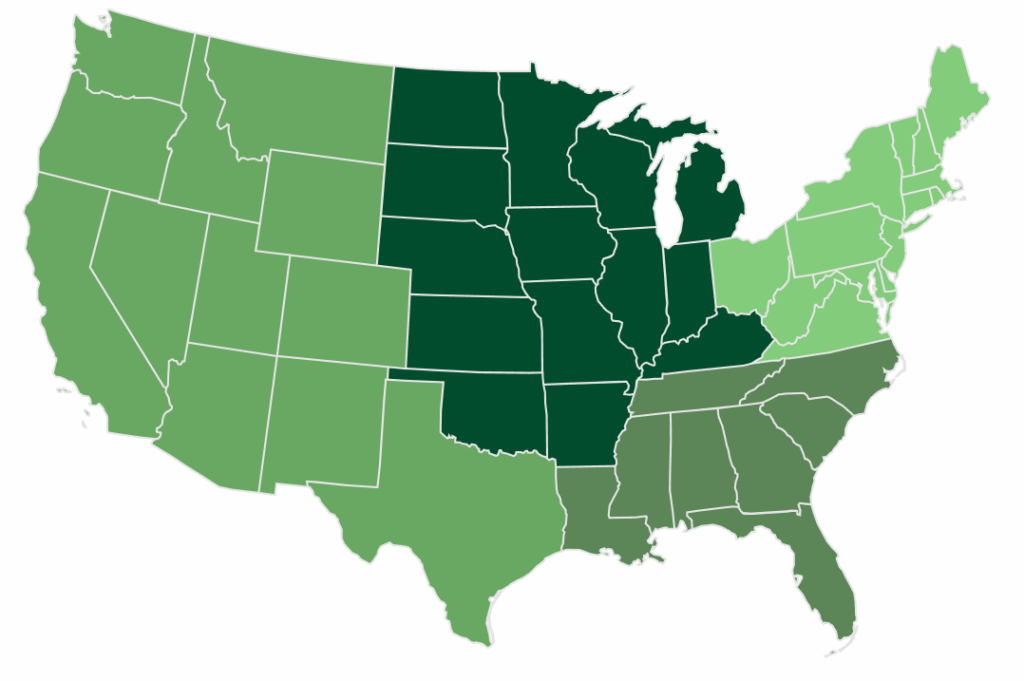
TRCP works across the country to ensure hunters and anglers can enjoy healthy fish and wildlife and quality days afield, no matter where they live.

See All Issues
TRCP in Your Region

TRCP works across the country to ensure hunters and anglers can enjoy healthy fish and wildlife and quality days afield, no matter where they live.

Who We Are
Our Mission

To guarantee all Americans quality places to hunt & fish

We unite and amplify our partners’ voices to advance America’s legacy of conservation, habitat, and access.

Our Mission & Values
Our People & Partners
  • Meet the TRCP Team

    Our staff and board members unite and amplify our partners’ voices to advance America’s legacy of conservation, habitat, and access.

    Meet the Team
  • Our Partners

    ‘Partnership’ is in our name. We work with 64 diverse partner groups that represent today’s leading hunting, fishing, and conservation organizations in order to strengthen the sportsman’s voice in Washington, D.C.

    Our Partners
  • Corporate Council

    TRCP’s Corporate Council is made up of diverse corporations that share a common passion for conservation.

    Corporate Council
Our Organization

Looking for more information?

Explore our latest news, policy updates, and conservation resources to get the information you need.

Giving
How You Can Help

To guarantee all Americans quality places to hunt & fish

Your tax-deductible donation will support TRCP's mission, now and into the future.

DONATE
Special Ways to support trcp
  • Capital Conservation Awards Dinner

    The CCAD is one of Washington's best-attended conservation celebrations, featuring dinner, cocktails, and a silent auction.

    Learn More
  • Step Into the Arena

    Help us ensure that our treasured wild habitats and game remain intact for the next generation to enjoy – lend your support to the TRCP’s efforts today!

    Donate
  • Roosevelt Roast

    TRCP has partnered with Afuera Coffee Co. to further our commitment to conservation.

    Learn More
More donation options

Find the best way for you to lend your support. Join one of TRCP’s donor circles for special invitations, premium offerings from outdoor retailers, and more exclusive benefits. Take control of your legacy with planned giving or contribute to special conservation funds.

Other Ways To Give
News
In the Spotlight

Oregon Legislature Passes Landmark “1.25 Percent for Wildlife” Act

After three legislative sessions and more than a decade of advocacy, a bipartisan coalition secures Oregon’s most significant conservation funding victory in a generation.

Read More

Stay Informed

Receive our newsletter, the Roosevelt Report, right in your inbox. Never miss the latest news in conservation issues.

by:

posted in:

May 27, 2021

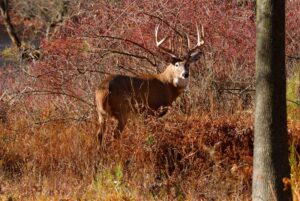
6258548945_e7e4d34156_k

@NickMKE via Flickr

Do you have any thoughts on this post?

XHTML: You can use these tags: <a href="" title=""> <abbr title=""> <acronym title=""> <b> <blockquote cite=""> <cite> <code> <del datetime=""> <em> <i> <q cite=""> <s> <strike> <strong>

Comments must be under 1000 characters.

by:

posted in:

May 26, 2021

Transportation Bill Makes Groundbreaking Investments in Wildlife Crossings, Climate, and Access

Sportsmen and sportswomen help shape Highway Bill

The Senate Environment and Public Works Committee has unanimously passed a historic compromise to invest in wildlife crossings, disaster prevention, climate resilience, and public access as part of a major infrastructure package, sending the bill to the full Senate for a vote.

The Surface Transportation Reauthorization Act, commonly called the Highway Bill, invests $350 million over five years in a competitive grant program dedicated to the construction of wildlife crossing structures, including over and under passes. These crossing structures help connect otherwise unavailable habitats that benefit pronghorn antelope, mule deer, and black bears.

“This remarkable agreement will preserve wildlife and human life by reducing vehicle-wildlife collisions,” said Whit Fosburgh, president and CEO of the Theodore Roosevelt Conservation Partnership. “Our highway system has historically fragmented big game habitat and migration corridors, but this bill recognizes that we can create jobs, maintain modern infrastructure, and improve our natural systems. The bill also builds climate resilience as we grapple with the impacts of weather events and improves public access to hunting, fishing, and other recreational opportunities. We want to thank Chairman Carper and Ranking Member Capito for leading the effort to ensure this transportation bill keeps wildlife habitat connected.”

This investment is the first of its kind in a national wildlife crossings initiative. The TRCP began working on this issue back in February 2019 by hosting a workshop with biologists, planners, and engineers from multiple state and federal agencies to discuss the issue of wildlife-vehicle collisions and how to safeguard migrating wildlife. Since that time, the TRCP has spearheaded the legislative and grassroots effort with many partner organizations and more than 12,000 hunters and anglers who have asked lawmakers to invest in wildlife crossings.

Other important provisions in the Surface Transportation Reauthorization Act include:

  • Promoting Resilient Operations for Transformative, Efficient, and Cost-saving Transportation (PROTECT) Grant Program to improve the ability of disaster-prone communities to reduce risk and build resilience to significant weather events.
  • Legacy Roads and Trails Remediation Program to storm-proof roads to protect habitat and water quality; reclaim unneeded roads to prevent erosion from damaging streams; replace culverts to restore fish passage; and improve trails on public lands.
  • Federal Lands Transportation Program to repair, maintain, and reconstruct roads on public lands, which are essential for outdoor recreation.
  • Federal Lands Access Program to supplement state and local resources for infrastructure projects that improve public access to adjacent federal lands.

by:

posted in:

May 24, 2021

Cooperative Winter Range Management in Idaho Shows A Path Forward for Migration Conservation

Hunters, ranchers, and land managers partner for the benefit of wildlife and working lands

As snow recedes in the Centennial Mountains along the Idaho-Mountain border and in the high country of Grand Teton and Yellowstone National Parks, big game animals are on the move.

Following the spring green-up that comes with snow’s retreat, roughly 10,000 deer, elk, moose, and pronghorn are leaving the Sand Creek winter range—located roughly 50 miles northeast of my home in Idaho Falls— and heading primarily north and east to the high-country headwaters from Camas Creek east toward Yellowstone’s Boundary Creek and Falls River.

The seasonal movements of these animals are one of the wonders of the West, especially considering the challenges presented by habitat lost to severe wildfire, the proliferation of fences and other barriers, and the near-constant encroachment of more second homes, roads, and major highways. With Idaho’s rapid growth in recent years, keeping this migration route intact will be a major challenge.

Fortunately, a blueprint for success has been developed at the wintertime terminus of this major migration, the Sand Creek desert, which sits between the towns of St. Anthony and Dubois in eastern Idaho’s Fremont and Clark counties. The winter range is a 500,000-acre patchwork of Bureau of Land Management public lands, endowment lands managed by the Idaho Department of Lands, and private property.

Despite the differences in priorities of the various stakeholders, these agencies and landowners have teamed together to conserve the winter range while also allowing the local ranching industry to thrive.

The partnership began in the 1970s when local ranchers applied to have 4,000 acres of big game winter range converted to cultivation for potato farming. The BLM rejected the proposal, but the ensuing dialogue resulted in the Sand Creek Habitat Management Plan, adopted by the BLM, Idaho Department of Lands, and Idaho Department of Fish and Game, which outlined a cooperative management approach to enhance the elk winter habitat in the BLM’s Sands Habitat Management Plan. One of the plan’s main goals was to help a fledgling herd of elk that was first identified in the area in 1947, and, in the late 40s or early 1950, the Fremont County Sportsmen Association also transplanted 12 elk to the area from Yellowstone National Park.

The partnership was tested in the 1980s when local ranchers and the counties asked the BLM to turn the Egin-Hamer Road into a year-round, farm-to-market road. Again, the local landowners lost their request at first, but cooperation won out in the end. In exchange for converting the road into a year-round thoroughfare, all of the interested parties agreed in 1987 to an annual closure for the winter range that limited all human entry from Jan. 1 to May 1, preventing human disturbances to big game animals already stressed by harsh seasonal conditions. It is a model of conservation that came to pass because of cooperation and negotiation.

More than 30 years later, the group of agencies, landowners, and sportsmen that created the wintertime closure are back at the table, working for the best interests of wildlife and the local ranching community. Mobilized by a 2019 wildfire that burned roughly 20 percent of the winter range, conservationists, sportsmen, landowners, state biologists, and federal land managers have joined forces yet again. This time, the priority is to build firebreaks to protect the remaining healthy winter range and design vegetation treatments to restore the overgrown stands of aging sagebrush. The goals of their collaboration are preventing large wildfires, improving wildlife habitat, and providing for a working landscape.

Already this spring, deer, elk, moose, and pronghorn have largely left the Sand Creek Desert, riding the green wave of new forage to the high country of the Centennials and Yellowstone. There they will calve and fawn. They will fatten over the summer and fall until deep snow pushes them back down from the mountains. The winter range will be waiting, protected by meaningful conservation safeguards, and in the good hands of Idahoans who are working together.

Sand Creek is a template for how to manage challenges facing winter ranges and other valuable wildlife habitats. More importantly, it is a model of the type of cooperation that has been at the heart of our country’s greatest conservation successes. That same collaborative spirit will be needed on future BLM and Forest Service planning efforts as we continue our work to ensure the West’s big game herds can move between the seasonal habitats they need to thrive.


by:

posted in:

May 21, 2021

Preserving Pennsylvania Streams: The Keystone Recreation, Park, & Conservation Fund

This video is the last in a five-part series detailing conservation projects powered by Pennsylvania’s Keystone Recreation, Park & Conservation Fund, which has provided state-level matching dollars for land acquisition, river conservation, and trail work since 1993. This series is the result of a collaboration between the TRCP and Trout Unlimited where the goal is simply to celebrate conservation success stories that make us all proud to be able to hunt and fish in Pennsylvania. To view other videos in the series, visit our YouTube playlist. For more information on the Keystone Fund, you can visit: https://keystonefund.org

It is no secret that the pandemic has generated a renaissance in outdoor recreation. Hunting, fishing, and boating were all important parts of this growth here in Pennsylvania. In 2020, hunting license sales increased by 5 percent, fishing licenses were up 20 percent, and boat registrations climbed an impressive 40 percent. The growing number of hunters, anglers, and boaters in 2020 and 2021 will only help to boost a robust $26.9-billion outdoor recreation economy in Pennsylvania.

Increased interest in the outdoors shines a spotlight on the conservation challenges we face, but it also creates an opportunity to showcase what Pennsylvania has already done right by funding habitat and public land improvements and protecting water quality.

It is easy to see why water-centric activities grew intensely across the commonwealth in 2020—with 86,000+ miles of rivers and streams, Pennsylvania is a water-rich state. Many state parks and forests saw 100- to 200-percent increases in visitation, but parks with large water features, like the reservoir in Beltzville State Park outside of Jim Thorpe, saw as much as a 400-percent increase in foot traffic.

The revenue generated from water-based recreation recognizes just a portion of the return on our investments into these resources. As many sportsmen and sportswomen mention in our videos, these rivers and streams facilitate connection—with nature and with each other—and represent our ability to sustain uniquely American outdoor traditions for generations to come. With about 30 percent, or at least 25,000 miles, of streams in Pennsylvania impaired for one or more uses, plenty more investment is needed to realize the full potential of our waters.

This is why dedicated conservation funding matters to hunters and anglers in Pennsylvania. For the last video in our series on conservation successes, we look back at the individual projects featured on Valley Creek, Monocacy Creek, Brodhead Creek, and the Lehigh River to drive home what’s at stake if we lose conservation funding sources like the Keystone Recreation, Park & Conservation Fund and Environmental Stewardship Fund.

It’s clear that whether flyfishing fabled waters steeped in the roots of American history, hunting waterfowl on newly minted public game land, or chasing wild trout through some of the most densely populated regions on the east coast, one thing is true: Water connects us all.

by:

posted in:

May 19, 2021

Three Ways States Use Federal Funding to Control CWD

Without dedicated investments, these essential efforts by state wildlife managers wouldn’t be successful

Day-to-day efforts to stop the spread of chronic wasting disease among wild deer and elk require a significant dedication of resources from state departments of natural resources and wildlife agencies. Unfortunately, it has become common to redirect funding and personnel from other ongoing conservation programs to manage a steady stream of outreach, surveillance, and testing needs.

And this strain on bandwidth has only grown as CWD has broken new ground, expanding the need for hunter education and outreach, testing capacity, data management, and more. As of January 2021, the disease was present in 339 counties across 25 states.

The most immediate and direct way to make an impact in containing CWD is to provide state agencies with the resources and capacity to meet the disease head on. That’s why it was a big win in fiscal year 2020, when the TRCP and its partners succeeded in pushing Congress to spend $5 million to support CWD management in the states.

We have since shared concerns about how some of those dollars were administered. But that’s not to say that there was no impact on wild deer. The South Dakota Department of Game, Fish, and Parks was one of 15 state wildlife agencies to be awarded cooperative agreement funding, securing nearly $214,000 to support targeted surveillance and hunter outreach efforts across the state.

Using South Dakota as a case study, it’s clear why CWD response funding should continue to be made available by Congress. Here are the three ways that the Game, Fish, and Parks Department made the most of these dollars.

Increased Surveillance

Based on the natural movement of deer across the landscape, the Department ranked and prioritized sampling efforts, including non-endemic areas within 25 miles of known CWD “hot” zones. To do so, they provided tribal governments, taxidermists, processors, and other relevant private businesses with a modest incentive to submit samples for testing from deer harvested over the course of the 2020 season. The agency provided processors with sampling ID tags, established collection stations near processing kiosks, and provided hunters with incentives for sample submission, including by covering the cost of testing.

Public Outreach

Deer and elk hunters provide the lion’s share of harvested deer samples and are an invaluable management partner in the fight against the disease. Hunter education and outreach are vital to this cooperative management effort and our thorough understanding of the scope of the disease on the landscape.

Supported by the federal funding, the Department of Game, Fish, and Parks issued mailers and used targeted emails to contact hunting license holders within priority surveillance areas and urge them to get their deer tested. The Department developed and shared a video on how to properly remove tissue samples for testing, used its licensing databases to expedite notifying hunters of test results through email and worked alongside a communications consultant to amplify their messages across the web.

They also contacted taxidermists, processors, and waste management providers to alert them to updated carcass transportation and disposal regulations. Throughout the season, GFP staff were active in doing media interviews and podcasts, providing updates to partner agencies and responding to questions from resident and non-resident hunters alike.

There’s little doubt that the increased visibility by the agency and urgency felt by deer hunters seeing the emails, web, and social media ads was converted in some degree to testing samples being submitted. Considering the influx of non-resident hunters each season, there’s also a likelihood that the information stopped the inadvertent improper transportation or disposal of a CWD-positive deer.

Analysis and Response

The bump in testing helped the agency identify CWD-positive deer in four additional counties—there are now 16 counties on watch statewide. Particularly notable is detection in Sully County, the first positive in the state east of the Missouri River. In total, the South Dakota tested over 1,700 deer, elk, and moose in 2020, with 49 testing positive for CWD.
As a result of such strong levels of sampling, wildlife managers can refine statistical analysis in the coming year and have already taken action to update carcass transportation and disposal rules.

Investing in the Future of Deer and Hunting

Congressional funding supported CWD management activities at 15 state wildlife agencies in 2020. Unfortunately, CWD has been detected in 25 states, so the gap is wide. In order to get ahead of the spread of this disease, which threatens not only deer hunting but also the $40 billion in economic activity directly tied to hunting, the TRCP and our partners are calling on Congress to grow this important funding stream to $15 million in fiscal year 2022. This will help enhance existing efforts to respond to the disease, supply other states with resources they desperately need, and provide a safety net in places where the spread of CWD is, unfortunately, imminent.

Learn more about CWD and the need for federal investment here.


Top photo by National Deer Association

HOW YOU CAN HELP

TRCP has partnered with Afuera Coffee Co. to further our commitment to conservation. $4 from each bag is donated to the TRCP, to help continue our efforts of safeguarding critical habitats, productive hunting grounds, and favorite fishing holes for future generations.

Learn More

You have Successfully Subscribed!

You have Successfully Subscribed!

You have Successfully Subscribed!

You have Successfully Subscribed!