Our Issues
Public Lands
Why It Matters

Hunting & Fishing Access

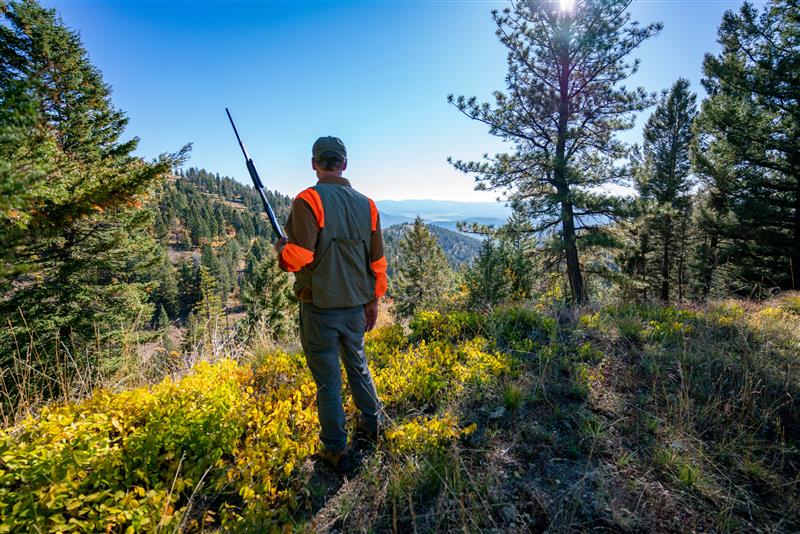
America’s 640 million acres of national public lands provide irreplaceable hunting and fishing opportunities to millions of Americans.

Learn More About Access
What TRCP is Doing

We’re working to safeguard America’s public lands so hunters and anglers always have quality places to pursue their passions.
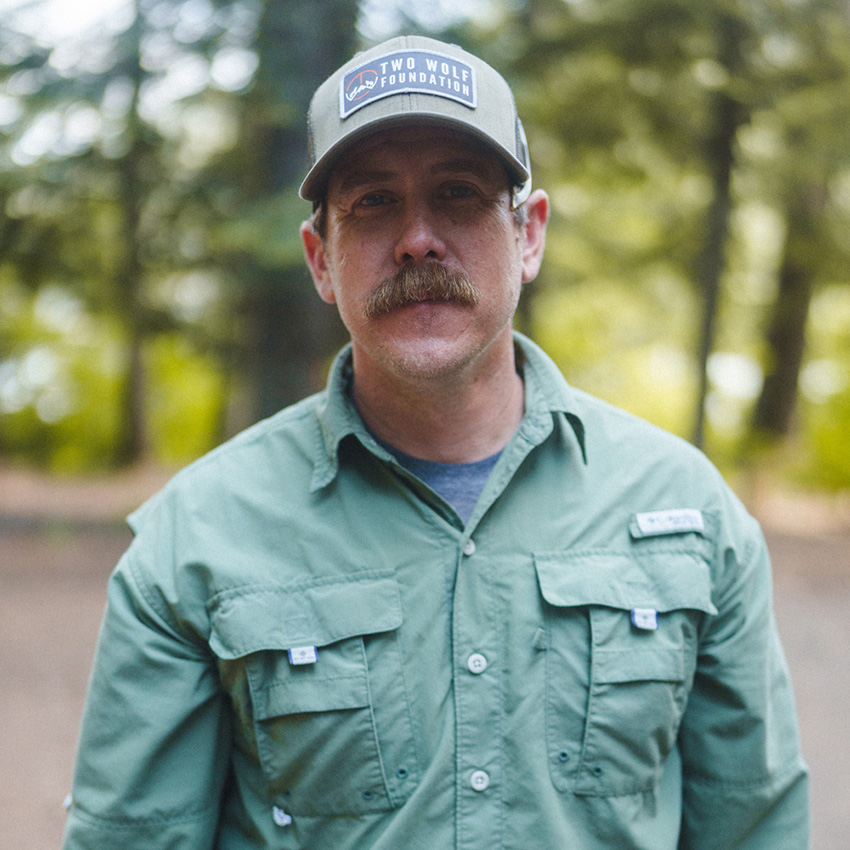
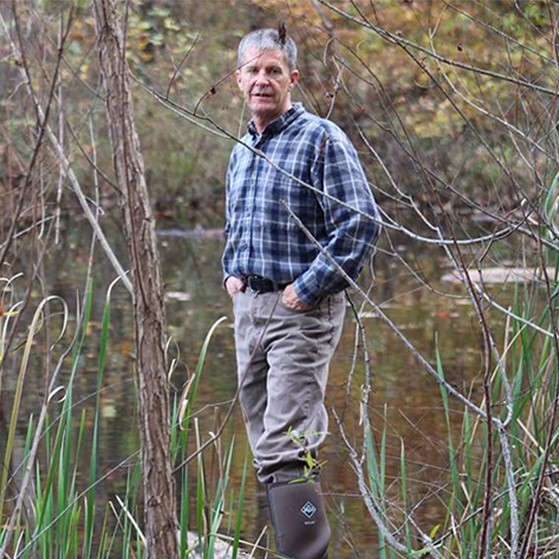
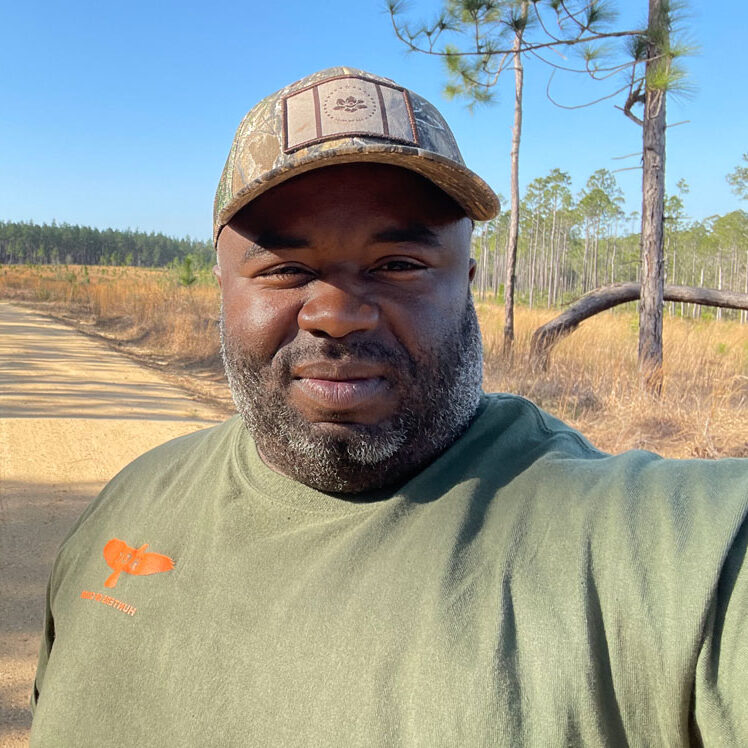
 Brian Flynn, Two Wolf Foundation
How Sportsmen Are Doing It Right

Brian Flynn, Two Wolf Foundation's Story

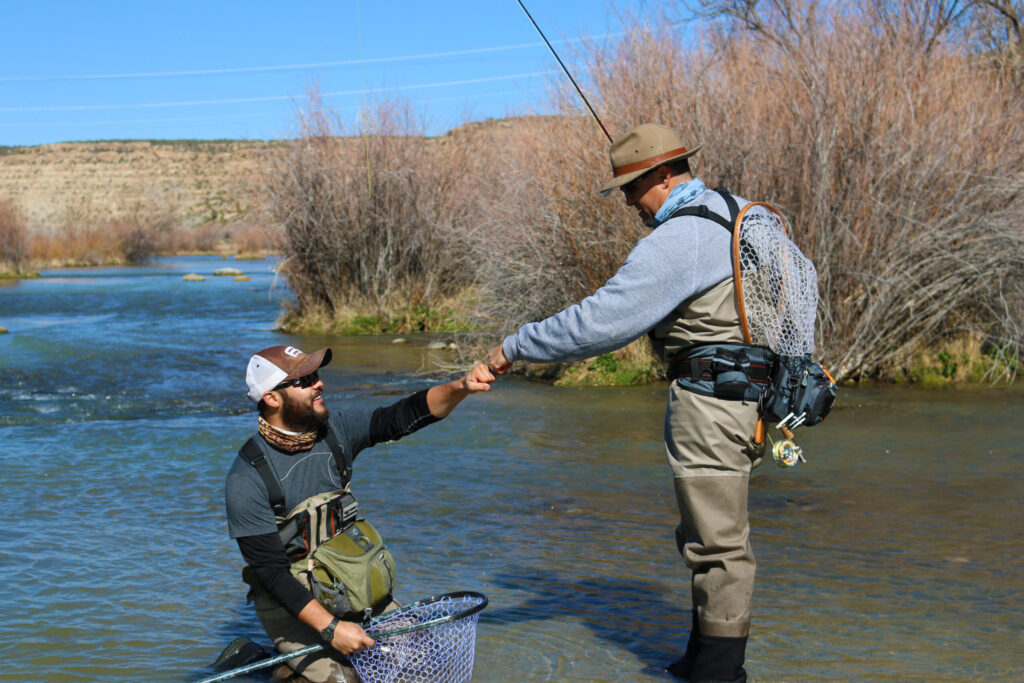
Following a distinguished career in the U.S. Army, lifelong outdoorsman Brian Flynn returned home from a deployment in Afghanistan and…

Hunting
Why It Matters

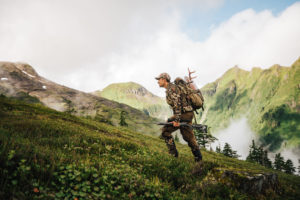
Key Issues for America’s Hunters

Your source for the latest policy updates, conservation challenges, and opportunities shaping America’s hunting traditions.

What TRCP is Doing

We’re fighting for meaningful policy changes that benefit wildlife, our waters, and the American landscapes that make our outdoor traditions possible.

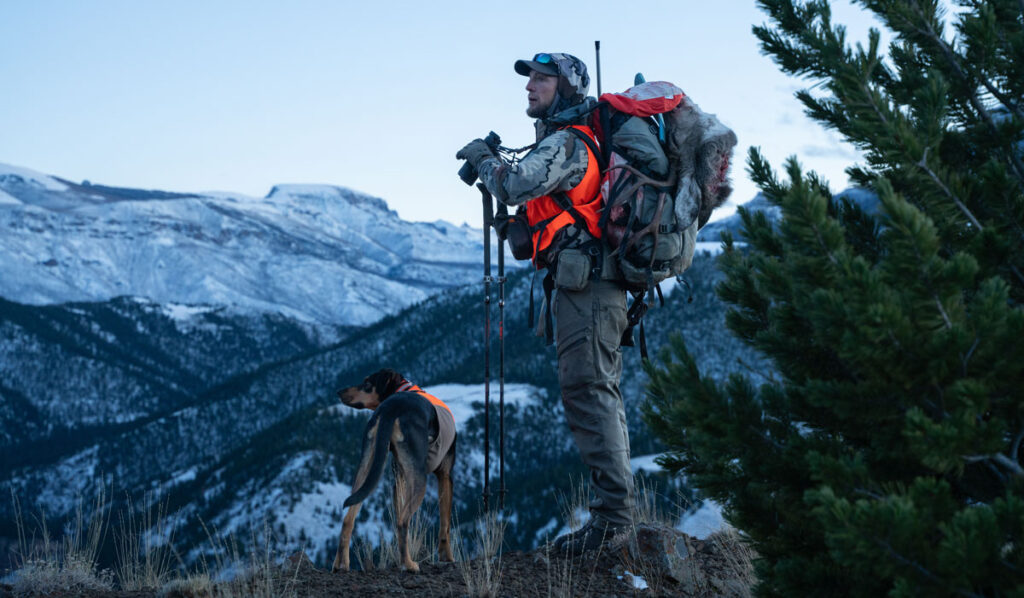
 Ryan Sparks
How Sportsmen Are Doing It Right

Ryan Sparks's Story

TRCP’s “In the Arena” series highlights the individual voices of hunters and anglers who, as Theodore Roosevelt so famously said,…

Fishing
Why It Matters

Key Issues for America’s Anglers

Your source for the latest policy updates, conservation challenges, and opportunities shaping America’s fishing traditions.

What TRCP is Doing

We’re fighting for meaningful policy changes that benefit wildlife, our waters, and the American landscapes that make our outdoor traditions possible.

 David Mangum
How Sportsmen Are Doing It Right

David Mangum's Story

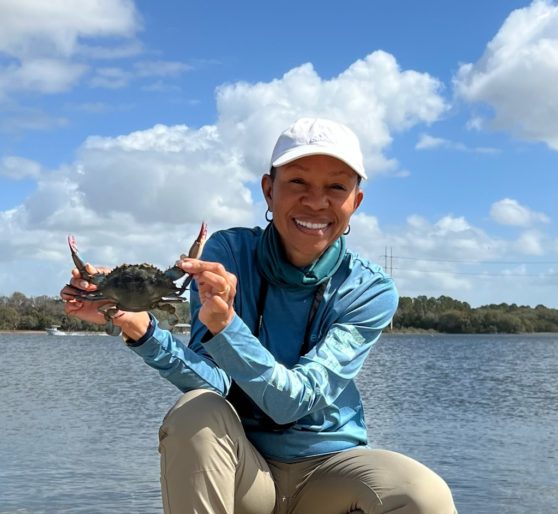
Capt. David Mangum is a YETI ambassador and outdoor photographer who utilizes his talents to produce media that inspire a…

Private Land
Why It Matters

Stewardship on America’s private lands

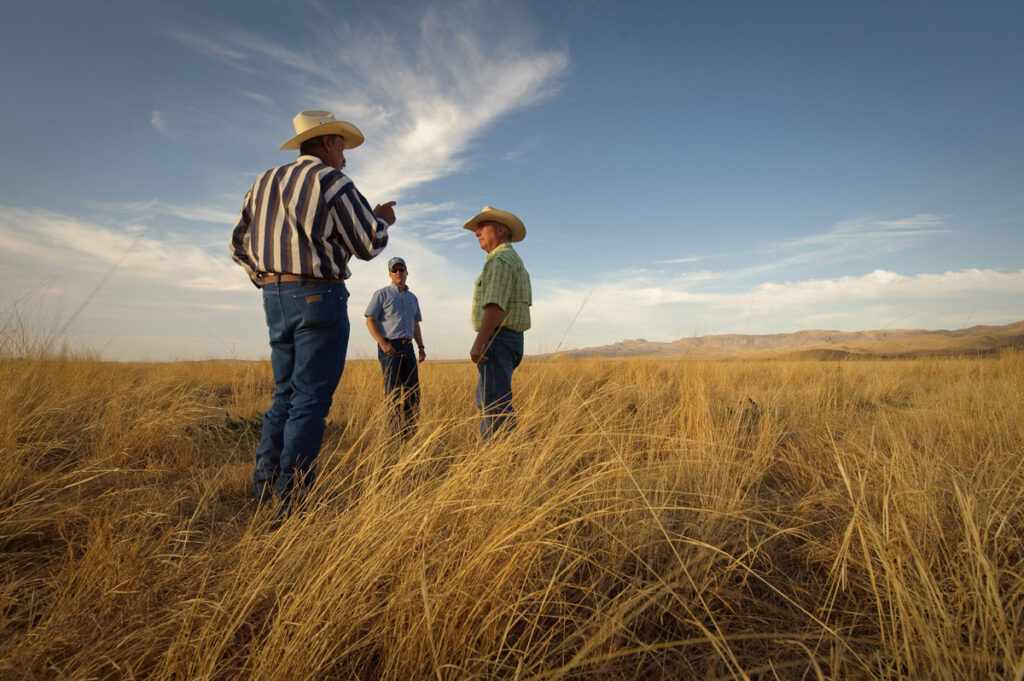
With 70 percent of U.S. lands in private hands and many of our best hunt and fish opportunities occurring there, investing in voluntary conservation on working lands safeguards access, strengthens habitat and water quality, and ensures resilient landscapes.

Learn More
What TRCP is Doing

We champion policies and programs that restore wildlife habitat, improve soil and water health, and keep working lands productive.

 Ward Burton
How Sportsmen are Doing It Right

Ward Burton's Story

Ward Burton’s NASCAR driving career stretched across most of two decades. As an avid sportsman and conservationist, he founded the…

Special Places
Why It Matters

Special Places Worth Protecting

America’s most iconic landscapes provide unmatched habitat and unforgettable days afield. These places sustain wildlife, anchor local economies, and define the hunting and fishing traditions we pass down.

What TRCP is Doing

We’re working to conserve special places that provide world-class habitat and unforgettable opportunities for hunters and anglers.

 Franklin Adams
How Sportsmen Are Doing It Right

Franklin Adams's Story

As a true Gladesman, conservationist, and historian, Capt. Franklin Adams has spent more than six decades championing Everglades restoration efforts…

Habitat & Clean Water
Why It Matters

Healthy Habitat Powers Every Pursuit

All hunting and fishing opportunities depend on quality habitat, from clean water and healthy wetlands to winter and summer habitats and the migration corridors that connect them.

All About Habitat & Clean Water
What TRCP is Doing

We are working to safeguard the habitats that power every hunting and fishing opportunity.

 Alex Harvey
How Sportsmen Are Doing It Right

Alex Harvey's Story

Alex Harvey, founder of Legacy Land Management, is a registered professional forester in Mississippi and Alabama with a Master's degree…

Science
Why It Matters

Science That Guides TRCP

From conserving migration corridors and wetlands to ensuring clean water and resilient landscapes, science provides evidence that turns conservation goals into effective action.

Science for Conservation
What TRCP is Doing

For hunters and anglers, science safeguards the experiences we treasure including resilient big game populations, abundant fish, and wild places that endure changing social landscapes.

Jamelle Ellis
Your Science Expert

Jamelle Ellis's Story

Jamelle Ellis joined the Theodore Roosevelt Conservation Partnership in 2022. Jamelle spent the last three years as an environmental sustainability…

Where We Work
Across the Nation

Conservation Across America

TRCP works across the country to ensure hunters and anglers can enjoy healthy fish and wildlife and quality days afield, no matter where they live.

See All Issues
TRCP in Your Region

TRCP works across the country to ensure hunters and anglers can enjoy healthy fish and wildlife and quality days afield, no matter where they live.

Who We Are
Our Mission

To guarantee all Americans quality places to hunt & fish

We unite and amplify our partners’ voices to advance America’s legacy of conservation, habitat, and access.

Our Mission & Values
Our People & Partners
  • Meet the TRCP Team

    Our staff and board members unite and amplify our partners’ voices to advance America’s legacy of conservation, habitat, and access.

    Meet the Team
  • Our Partners

    ‘Partnership’ is in our name. We work with 64 diverse partner groups that represent today’s leading hunting, fishing, and conservation organizations in order to strengthen the sportsman’s voice in Washington, D.C.

    Our Partners
  • Corporate Council

    TRCP’s Corporate Council is made up of diverse corporations that share a common passion for conservation.

    Corporate Council
Our Organization

Looking for more information?

Explore our latest news, policy updates, and conservation resources to get the information you need.

Giving
How You Can Help

To guarantee all Americans quality places to hunt & fish

Your tax-deductible donation will support TRCP's mission, now and into the future.

DONATE
Special Ways to support trcp
  • Capital Conservation Awards Dinner

    The CCAD is one of Washington's best-attended conservation celebrations, featuring dinner, cocktails, and a silent auction.

    Learn More
  • Step Into the Arena

    Help us ensure that our treasured wild habitats and game remain intact for the next generation to enjoy – lend your support to the TRCP’s efforts today!

    Donate
  • Roosevelt Roast

    TRCP has partnered with Afuera Coffee Co. to further our commitment to conservation.

    Learn More
More donation options

Find the best way for you to lend your support. Join one of TRCP’s donor circles for special invitations, premium offerings from outdoor retailers, and more exclusive benefits. Take control of your legacy with planned giving or contribute to special conservation funds.

Other Ways To Give
News
In the Spotlight

TRCP’s Lead Scientist on Why Everglades Restoration Matters

Hunters and anglers benefit from long-term Everglades restoration efforts; TRCP’s Senior Scientist Jamelle Ellis summarizes the current state of the system, how restoration efforts will improve it, and details on an upcoming presentation where you can learn more.

Read More

Stay Informed

Receive our newsletter, the Roosevelt Report, right in your inbox. Never miss the latest news in conservation issues.

October 21, 2020

How the South Racked Up 174K Acres of Inaccessible Public Land

History has shaped how public lands are now organized and, in some cases, completely isolated by private land

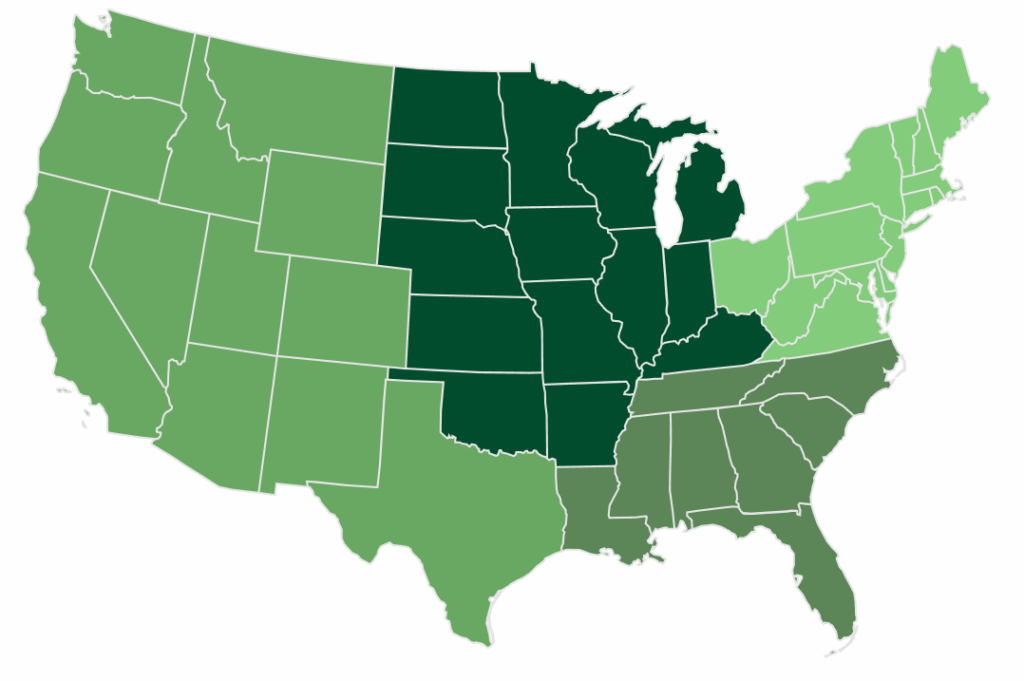
After years of analyzing and identifying landlocked public lands across the country, the TRCP and onX have now tallied up 16.43 million acres of lost hunting and fishing opportunities in 22 states.

This is no doubt frustrating, because they’re your public lands and you can’t get to them. But there’s no single policy or decision-maker to blame. As we’ve seen in the West, the Midwest, and the Mid-Atlantic, public lands have become landlocked in many ways. The diverse history of the Southeast has similarly had significant implications for the way this region’s public lands are organized—and in some cases isolated—today.

States such as North Carolina, which had been among the original 13, and Tennessee, part of which had been a territorial claim of North Carolina until it was ceded to the federal government, used an older survey system known as “metes and bounds” to create property lines following geographic features and other landmarks.

Other states were acquired through treaties with foreign powers, such as the Louisiana Purchase, and so their public lands were organized according to the survey system used across the West and Midwest to divide the federal government’s acquisitions into a grid-like pattern of ranges, townships, and sections. These states—Alabama, Arkansas, Florida, Louisiana, and Mississippi—are known as the South’s “public land states.”

But over time, as in other parts of the country, many public lands in the South were sold off. Particularly in the areas between the Appalachian Mountains and Mississippi River, where demand for cotton, the region’s primary cash crop, produced a westward land rush. During the first half of the 19th century, large speculative purchases resulted in the massive transfer of public lands into private hands.

Following the Civil War, Congress enacted the Southern Homestead Act to reduce speculation and encourage land ownership among formerly enslaved people, but the law was repealed in 1876 as the Reconstruction Era came to an end. As a result, the remaining federal estate in the South was subject to massive land sales in which timber and mineral interests accumulated huge swaths of forests.

In the early 20th century, however, the region’s public-land legacy was reborn, beginning with the passage of the Weeks Act in 1911. The law empowered the federal government to acquire lands for national forests in the eastern United States. The intention of the law was to restore cut-over and eroded lands, thereby conserving timber resources and important watersheds.

The 1930s saw the establishment of state forests and parks, in part with the help of Civilian Conservation Corps workers, who built facilities and infrastructure. States also began to acquire Wildlife Management Areas to conserve important habitat for game species, as well as to provide hunting and fishing opportunities for the public.

The result of all of this is today’s unique system of county, state, and federal land holdings and, unfortunately, a remnant patchwork of landlocked public lands.

Learn more at unlockingpubliclands.org.

Do you have any thoughts on this post?

XHTML: You can use these tags: <a href="" title=""> <abbr title=""> <acronym title=""> <b> <blockquote cite=""> <cite> <code> <del datetime=""> <em> <i> <q cite=""> <s> <strike> <strong>

Comments must be under 1000 characters.

Five Ways to Unlock Inaccessible Public Lands in the South

These state and federal programs can help to open landlocked public lands across the region

Through TRCP’s unique partnership with onX, we now know that more than 174,000 acres of public land in Florida, North Carolina, Arkansas, and Tennessee are landlocked—completely isolated by private lands with no permanent, legal means of access.

Compared to millions of inaccessible acres in the major public land states out West, this might not seem like much. But the availability of even a few dozen acres of public land close to home can boost our ability to recruit, retain, and reactivate license-buying sportsmen and women.

Fortunately, there are solutions—nationally and specifically in the Southeast. Landlocked public lands are best made accessible through cooperative agreements with private landowners that result in land exchanges, acquisitions, and easements, but this critical work cannot be undertaken without funding. When it comes to opening inaccessible public lands, even small projects can offer big benefits.

Here are five key programs that support these efforts.

The Land and Water Conservation Fund  

The LWCF remains the most powerful tool available for establishing and expanding access to public lands and waters. And it just got more powerful with the recent passage of the Great American Outdoors Act, which fully funds the program at $900 million annually for wildlife conservation and outdoor recreation, including $27 million that is dedicated to public access. Importantly, the LWCF is not just limited to federal projects—at least 40 percent of the program must be used for state-driven projects. State Comprehensive Outdoor Recreation Plans are developed by each state to set priorities for state-side LWCF-funded projects and represent a key opportunity to unlock public lands.

Florida Forever

This major conservation and recreational lands acquisition program has been used by the state to open 818,000 acres to the public with $3.1 billion in funding since 2001. The list of crucial habitats and recreation opportunities protected through the Florida Forever program is immense, with funding being spread across 10 different agencies. With a goal of increasing public recreation opportunities, Florida Forever is a powerful tool that can be used to open existing landlocked public lands.

Tennessee’s State Wetland Fund

In 1987, Tennessee created the fund to acquire and protect wetlands, primarily on the Mississippi River Alluvial Plain. The program has since been expanded to protect uplands and other habitats across the state, and public access is a priority with all new land acquisitions. Funded at between $12 million and $19 million each year, the Wetland Fund is an effective tool that could be applied to unlock inaccessible public lands that offer important habitats and hunting and fishing opportunities.

The Arkansas Natural and Cultural Resources Council

This decision-making body was established by the Arkansas Legislature in 1987 to oversee grants and a trust fund for the acquisition, management, and stewardship of state-owned properties. These grants are funded through the state’s real estate transfer tax to protect and maintain natural areas, historic sites, and outdoor recreation access points. Funded at more than $20 million annually in recent years, a portion of ANCRC funds can be used for state land acquisition—including natural areas, state parks, and state forests —and these dollars are frequently leveraged with federal matching grants, including those from the Land and Water Conservation Fund.

The North Carolina Land and Water Fund

Formerly known as the Clean Water Management Trust Fund, this program was established in 1996 to protect the state’s drinking water sources. Since that time, its purpose has expanded to include other conservation and recreation needs such as boosting public access, and the fund has conserved more than half a million acres and protected or restored 3,000 miles of streams and rivers. The Land and Water Fund is an important tool for opening new recreation opportunities, and $11 million was appropriated for land acquisition in 2020.

To learn more about the landlocked public lands problem and other solutions, visit unlockingpubliclands.org.

October 20, 2020

174,000+ Acres of Landlocked Public Land in Four Southern States

New report details the extent of inaccessible public lands in the South and adds to a growing understanding of a national outdoor recreation access challenge

The Theodore Roosevelt Conservation Partnership and onX announced today that more than 174,000 acres of public land in Florida, North Carolina, Tennessee, and Arkansas are entirely landlocked by private land and, therefore, inaccessible to hunters, anglers, and other outdoor recreationists.

“Hunters and anglers are always looking for a new favorite spot, or for a patch of woods or body of water where they can get away from the crowds,” said Joel Webster at the Theodore Roosevelt Conservation Partnership. “That’s why landlocked public lands have become such a pressing concern for our community: These lands belong to all of us, yet we cannot get to them without permission. It is our hope that with this information, policymakers can see the problem, identify solutions, and work to ensure that sportsmen and sportswomen can access the lands that belong to them.”

The Findings

Using today’s leading mapping technologies, the collaborative study found that more than 75,000 acres of public land in Florida, 49,000 acres in North Carolina, 28,000 acres in Arkansas, and 22,000 acres in Tennessee are landlocked and inaccessible to the public without private landowner permission. The detailed findings are now available in a new report that also unpacks what’s at stake, some solutions, and how so many acres became landlocked.

“All across the country, public lands provide vital access for hunters and anglers,” said onX access advocacy manager Lisa Nichols. “In recent years, GPS technologies found in your average smartphone have made it easier for outdoor recreationists to discover new opportunities on public lands, and to notice parcels without any legal way to access them. These landlocked acres represent lost opportunities that would otherwise be available to the public.”

The analysis looked at public lands managed by all levels of government—including federal, state, county, and municipal—and who owns the majority of landlocked acres varied for each state. In both North Carolina and Arkansas, the relative amounts of state and federal landlocked acres were roughly equivalent. Most of the landlocked public lands in Tennessee were federally owned, followed narrowly by state lands, while the overwhelming majority of inaccessible public lands in Florida were county or municipal acres.

Ranging in size from just a few acres to hundreds, the landlocked areas identified by the project could potentially offer new outdoor recreation opportunities in the region, boosting an economic sector already worth $778 billion in consumer spending nationally.

The Solutions

The passage of the Great American Outdoors Act, signed into law on August 4, 2020, secured full funding for the most powerful public land access tool, the Land and Water Conservation Fund (LWCF). As a result, the program will now provide a guaranteed $27 million in annual federal funding for public access enhancements. Additionally, at least 40 percent of the program’s overall $900-million budget must be used for state-driven projects. This funding can be dedicated to opening landlocked parcels through each state’s State Comprehensive Outdoor Recreation Plan, part of which prioritizes projects eligible to receive LWCF funding.

“It amazes me that so many public acres—from North Carolina’s state-owned game lands to the Pisgah National Forest—remain fragmented and landlocked by private lands,” said Jay Leutze, Southern Appalachian Highlands Conservancy board advisor and a North Carolina resident. “I’m thankful for the solutions available to us through the federal Land and Water Conservation Fund and the North Carolina state Land and Water Fund. Together, these two programs enable land trusts and the agencies to work with willing sellers to help consolidate public land ownership, conserve important habitats, and expand public access.”

The onX-TRCP report further highlights several important programs in Florida, North Carolina, Tennessee, and Arkansas that help to create new access for public land users.

“The Arkansas Natural and Cultural Resources Council (ANCRC) was established in 1987 to provide grant funding for the acquisition, management and stewardship of state-owned properties including natural areas, historic sites and land devoted to outdoor recreation,” said Stacy Hurst, secretary of the Arkansas Department of Parks, Heritage and Tourism and one of the 11 members of the ANCRC. “Since that time, ANCRC has provided the Arkansas Natural Heritage Commission funding that enabled the conservation and protection of over 45,000 acres of land, all of which has public access including many areas available for public hunting.”

“The North Carolina Land and Water Fund (NCLWF) is the single largest funder of game lands in North Carolina with nearly $300 million dollars contributed since the Fund’s inception protecting 230,000 acres of game land,” said Cam Ingram, executive director of the North Carolina Wildlife Resources Commission (NCWRC). “The NCWRC is fortunate to have a great partner in the NCLWF to help us meet our mission of conserving North Carolina’s wildlife resources and providing opportunities for wildlife-associated recreation.”

Earlier this year, onX and TRCP released two other regionally focused reports on landlocked public lands in the Upper Midwest and the Mid-Atlantic, which found that more than 300,000 acres of public land in Minnesota and Wisconsin and more than 80,000 acres of public land in New York, Pennsylvania, and New Jersey are inaccessible. These studies expand on a two-year effort to calculate the total acreage of landlocked public lands in the Pacific and Intermountain West.

To date, the TRCP and onX have identified a total of 16.43 million acres of inaccessible public lands across 22 states.

A companion website, unlockingpubliclands.org, unpacks the issue in more detail and provides links to additional information about landlocked public lands. Visitors to the site can download all three of this year’s reports as well as the reports published in 2018 and 2019.

onX has also launched a new crowd-sourcing initiative, Report a Land Access Opportunity, with the help of partners, including the TRCP. The program provides the public with a platform to share on-the-ground knowledge about locations where access to outdoor recreation has been threatened or could be improved. The information received by onX is then provided to the relevant nonprofits and land management agencies that can help.

Learn more about the landlocked public lands challenge here.


Photo: @jordansriley of @capturedcreative

September 17, 2020

Senate Committee Considers the MAPLand Act

Sportsmen and women call for swift passage of important public land access legislation

Hunters and anglers around the nation voiced support for the bipartisan Modernizing Access to our Public Land Act as the bill received its first congressional hearing on Capitol Hill.

The Senate Energy and Natural Resources Subcommittee on Public Lands, Forests, and Mining held a hearing on Wednesday for the MAPLand Act, introduced by Senators Martha McSally (R-Ariz.) and Angus King (I-Maine).

The bill would enhance recreational opportunities on public land by investing in modern mapping systems that allow outdoor enthusiasts to access the information they need using handheld GPS technology commonly found in smartphones.

“Unfortunately, when it comes to public lands, incomplete and inconsistent mapping data prevents outdoor recreationists as well as land management agencies—including the Forest Service, Bureau of Land Management, National Park Service, and Corps of Engineers—from utilizing the full benefit of these technologies,” noted the Theodore Roosevelt Conservation Partnership in its formal testimony. “The MAPLand Act would help fix this problem by moving our federal land management agencies into the modern era so that public land users of all types can use digital mapping systems and smartphone applications to identify new opportunities for access and recreation while understanding the rules to help reduce unintentional conflicts and violations of the law.”

More specifically, the MAPLand Act would direct federal land management agencies to consolidate, digitize, and make publicly available recreational access information as GIS files. Such records include information about:

• legal easements and rights-of-way across private land;
• year-round or seasonal closures on roads and trails;
• road-specific restrictions on vehicle-type;
• boundaries of areas where special rules or prohibitions apply to hunting and shooting;
• and areas of public waters that are closed to watercraft or have horsepower restrictions.

In July, a coalition of 150+ hunting- and fishing-related businesses called on Congress to support the bill, highlighting the importance of public land access to the $778-billion outdoor recreation economy.

“GPS technology has become a part of everyday life and is now an essential part of the public-land user’s toolkit,” said Whit Fosburgh, president and CEO of the TRCP. “Sportsmen and sportswomen thank Senators McSally and King and the members of the subcommittee for their attention to this issue and ask that lawmakers in both the House and Senate support the MAPLand Act.”

Earlier this year, the TRCP produced a short-animated video explaining the benefits of the bill. The video can be viewed HERE.

TRCP’s full testimony in support of the MAPLand Act can be read HERE.


Photo: Rick Hutton

80,000+ Landlocked Acres in New York, Pennsylvania, and New Jersey

A new report details the extent of inaccessible public lands in the Mid-Atlantic

The Theodore Roosevelt Conservation Partnership and onX announced today that more than 80,000 acres of public land in New York, Pennsylvania, and New Jersey are entirely landlocked by private land and, therefore, inaccessible to hunters, anglers, and other outdoor recreation enthusiasts.

The Findings

Using today’s leading mapping technologies, the collaborative study found that more than 39,000 acres of public land in New York, 27,000 acres in Pennsylvania, and more than 14,000 acres in New Jersey are landlocked and inaccessible to the public unless private landowners grant individual permissions to cross their properties. The detailed findings are now available in a new report, “The Mid-Atlantic’s Landlocked Public Lands: Untapped Hunting and Fishing Opportunities in New York, Pennsylvania, and New Jersey,” which also unpacks the history of the issue and how these states are working to solve it.

“The issue of landlocked public lands is one that has captured the attention of outdoor recreationists and lawmakers in recent years, and for good reason: These lands belong to everyone, yet they are currently unavailable to the general public,” said Joel Webster, with the Theodore Roosevelt Conservation Partnership. “Access is absolutely vital to our community and to the future of hunting and fishing. We hope that decision-makers will see this report’s findings as strong evidence that programs to improve and create new access need robust support.”

Of the various types of public land examined by the report, the majority of landlocked acres in each of the three states were state lands, followed by combined county/municipal acres. Ranging in size from just a few acres to several hundred, these parcels could potentially offer recreationists in the region new opportunities to get outdoors both in rural areas and those closer to major urban centers, where there is a growing recognition of the need for outdoor access.

“Public land access is vital to outdoor enthusiasts,” said onX access advocacy manager Lisa Nichols. “Because handheld GPS technologies have made it easier to discover areas of public land—particularly isolated, small, or out-of-the way parcels—these landlocked acres represent lost opportunities that would otherwise be available to all of us. Expanding access to these places would offer very real benefits to communities, especially those in places where the possibilities to get outside and enjoy the outdoors are relatively limited.”

The Solutions

Last month’s passage of the Great American Outdoors Act secured full funding for the most powerful public land access tool, the Land and Water Conservation Fund (LWCF). As a result, the program will now provide a guaranteed $27 million in annual federal funding for public access work. Additionally, at least 40 percent of the program’s overall $900 million budget must be used for state-driven projects. This funding can be dedicated to opening landlocked parcels through each state’s State Comprehensive Outdoor Recreation Plan, part of which prioritizes projects eligible to receive LWCF funding.

The onX-TRCP report further highlights several important state-level programs that help to create new access for public land users.

New York’s Open Space Conservation Plan, established in 2016, prioritizes land acquisitions that fall under seven major types, among which is land that unlocks access to public land beyond. One of the means of supporting these projects is the state’s Environmental Protection Fund, funded by a real-estate tax, which has supplied around $30 million annually for land acquisition in recent years.

“Enhancing access to public lands and quality habitat throughout New York and the mid-Atlantic is absolutely critical to the future of hunting and angling here,” said Todd Waldron, host of the Outdoor Feast Podcast by Modern Carnivore and resident of Chestertown, NY. “Finding places to hunt, fish, and get outside is often cited as the paramount challenge for new hunters, anglers, and outdoor recreationists of all kinds. This great collaborative work by onX and TRCP highlights how landlocked public lands could provide more access opportunities for all New Yorkers to enjoy, ensuring that wildlife and habitat will continue to be supported through hunter and angler conservation funding well into the future.”

Pennsylvania’s Community Conservation Partnerships Program is administered by the Department of Conservation and Natural Resources and can be used to establish access through conservation easements and state land acquisitions. The program is funded by both the state’s Environmental Stewardship Fund and the federal LWCF. In addition, the state game fund is the primary funding source used by the Pennsylvania Game Commission to acquire state game lands.

“Overseeing more than 2.5 million acres of state park and forestlands, this department prides itself on providing wholesome, healthy outdoor recreation to all, which, since the founding of Pennsylvania’s park system in 1893, always has been free,” said Pennsylvania. Department of Conservation and Natural Resources secretary Cindy Adams Dunn. “Our parks’ record-shattering attendance numbers during the pandemic show people need that access and we commend the Theodore Roosevelt Conservation Partnership for its effort to make all public lands accessible to all people.”

“From state game lands to state forests, Pennsylvania’s 5.4 million acres of state lands are critically important for hunting and fishing,” said Derek Eberly, Pennsylvania field representative with the Theodore Roosevelt Conservation Partnership. “But sportsmen and women are losing out on days afield with 27,000 of those public acres being landlocked and inaccessible to the public. Thankfully, Pennsylvania has the state game fund and the Community Conservation Partnerships Program to help unlock these lands through cooperative efforts with neighboring private landowners. We owe many of our outdoor opportunities to these programs, and it is critical that they receive robust funding so that Pennsylvania’s hunting and fishing traditions only grow stronger over time.”

Launched in 2019, Connecting Habitat Across New Jersey is an innovative initiative to secure and improve habitat connectivity by establishing corridors between important areas for game and non-game species. By guiding strategic land acquisitions to tie together parcels of public land, this program also facilitates new and improved access for sportsmen and women, particularly in those areas where public lands are isolated and/or fragmented.

“I’m an avid archer who grew up hunting Pennsylvania state game lands, but I’ve lived in New York City for the past 12 years and public lands in New Jersey offer great hunting areas, a lot of them within an hour of the city,” said Kyle VanFleet, a lifelong sportsman and a member of Hunters Helping the Hungry, a New Jersey-based organization that provides venison to food banks across the state. “I’ve been able to harvest many whitetail deer there with my bow. Landlocked public lands present a unique opportunity to expand access to these types of opportunities, especially where they might be currently limited, which is important both for those of us sportsmen and women living in urban areas and also for recruiting new hunters and anglers.”

The new report follows up on last month’s announcement that more than 300,000 acres of public land are inaccessible in Minnesota and Wisconsin. This analysis builds on a two-year effort to calculate the total acreage of landlocked public lands in the Pacific and Intermountain West. To date, a total of 16.25 million acres of these public lands have been identified.

A companion website, unlockingpubliclands.org, unpacks the issue in more detail and provides links to additional information about landlocked public lands. Visitors to the site can download the report as well as the reports published by onX and TRCP in 2018 and 2019.

Earlier this year, onX also launched a new crowd-sourcing initiative, Report a Land Access Opportunity, with the help of partners, including the TRCP. The program provides the public with a platform to share on-the-ground knowledge about locations where access to outdoor recreation has been threatened or could be improved. The information received by onX is then provided to the relevant nonprofits and land management agencies that can help.

Learn more about the landlocked public lands challenge here.


Photo: Jess Delorenzo

HOW YOU CAN HELP

TRCP has partnered with Afuera Coffee Co. to further our commitment to conservation. $4 from each bag is donated to the TRCP, to help continue our efforts of safeguarding critical habitats, productive hunting grounds, and favorite fishing holes for future generations.

Learn More
Subscribe


You have Successfully Subscribed!

You have Successfully Subscribed!

You have Successfully Subscribed!

You have Successfully Subscribed!

You have Successfully Subscribed!