Our Issues
Public Lands
Why It Matters

Hunting & Fishing Access

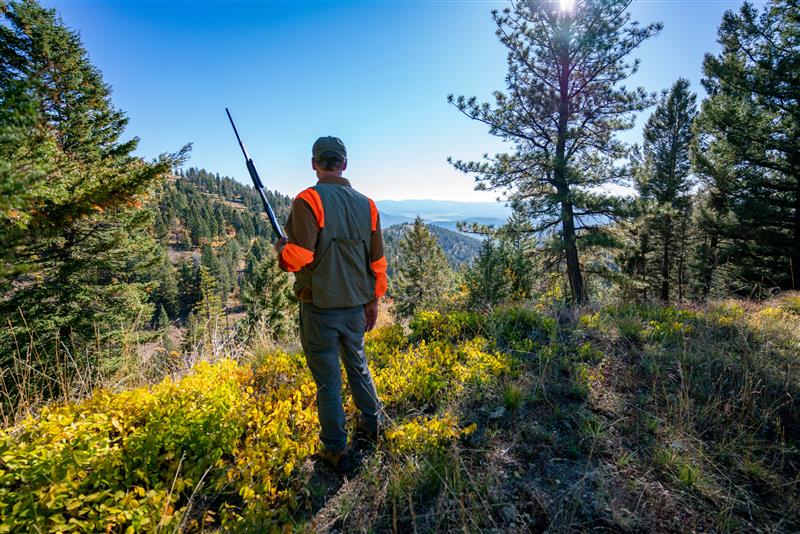
America’s 640 million acres of national public lands provide irreplaceable hunting and fishing opportunities to millions of Americans.

Learn More About Access
What TRCP is Doing

We’re working to safeguard America’s public lands so hunters and anglers always have quality places to pursue their passions.
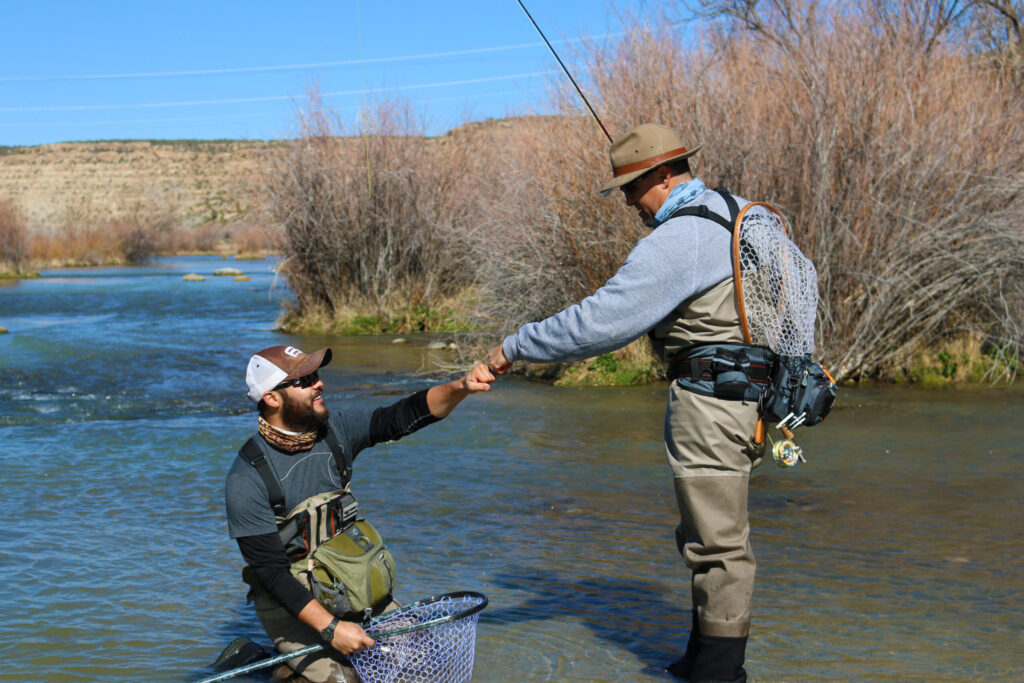
 Brian Flynn, Two Wolf Foundation
How Sportsmen Are Doing It Right

Brian Flynn, Two Wolf Foundation's Story

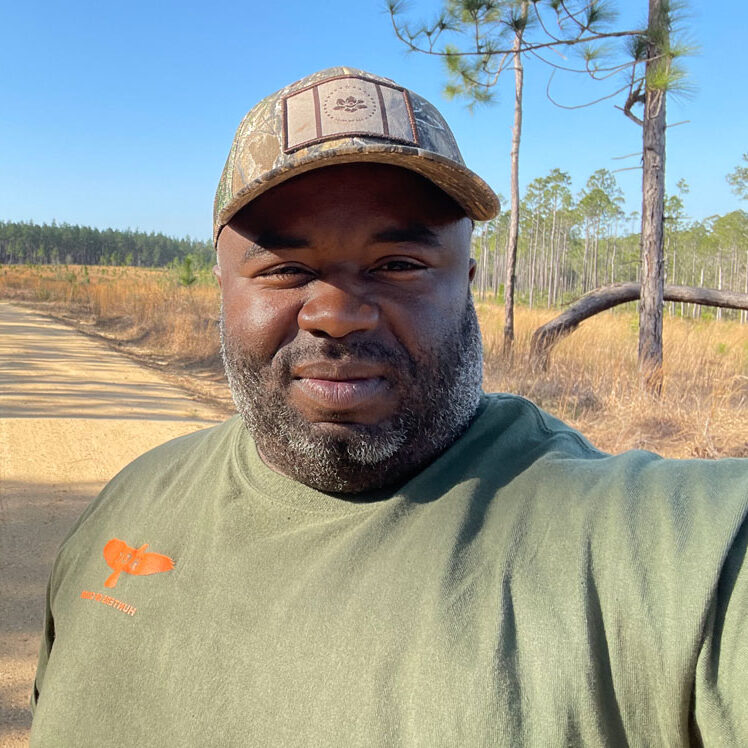
Following a distinguished career in the U.S. Army, lifelong outdoorsman Brian Flynn returned home from a deployment in Afghanistan and…

Hunting
Why It Matters

Key Issues for America’s Hunters

Your source for the latest policy updates, conservation challenges, and opportunities shaping America’s hunting traditions.

What TRCP is Doing

We’re fighting for meaningful policy changes that benefit wildlife, our waters, and the American landscapes that make our outdoor traditions possible.

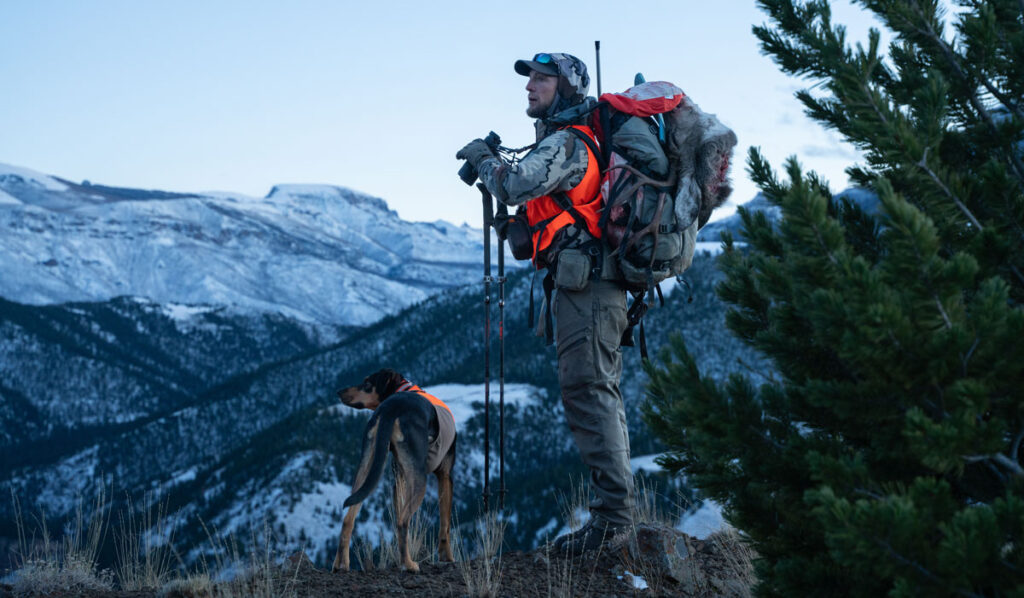
 Ryan Sparks
How Sportsmen Are Doing It Right

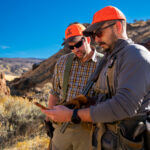
Ryan Sparks's Story

TRCP’s “In the Arena” series highlights the individual voices of hunters and anglers who, as Theodore Roosevelt so famously said,…

Fishing
Why It Matters

Key Issues for America’s Anglers

Your source for the latest policy updates, conservation challenges, and opportunities shaping America’s fishing traditions.

What TRCP is Doing

We’re fighting for meaningful policy changes that benefit wildlife, our waters, and the American landscapes that make our outdoor traditions possible.

 David Mangum
How Sportsmen Are Doing It Right

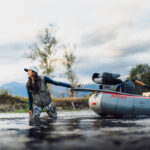
David Mangum's Story

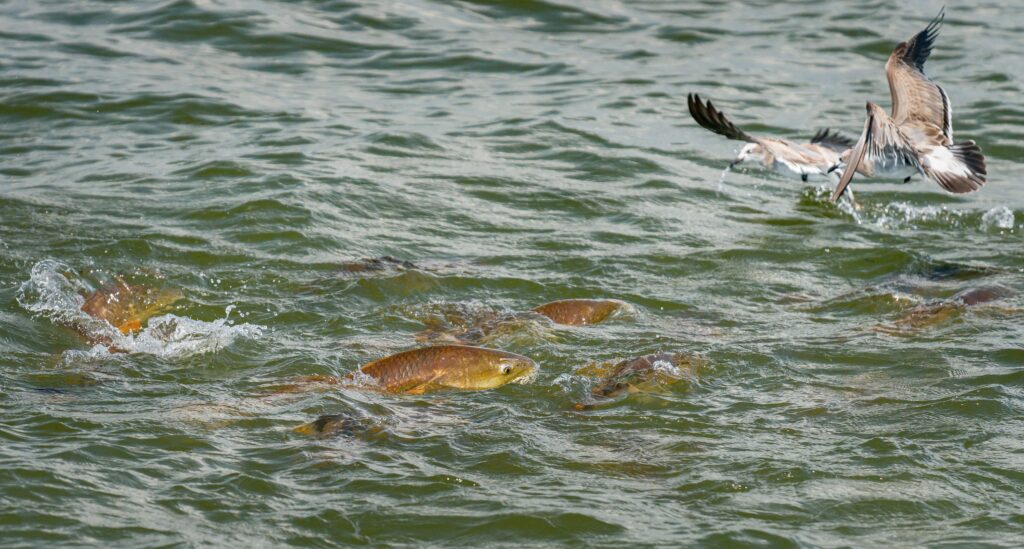
Capt. David Mangum is a YETI ambassador and outdoor photographer who utilizes his talents to produce media that inspire a…

Private Land
Why It Matters

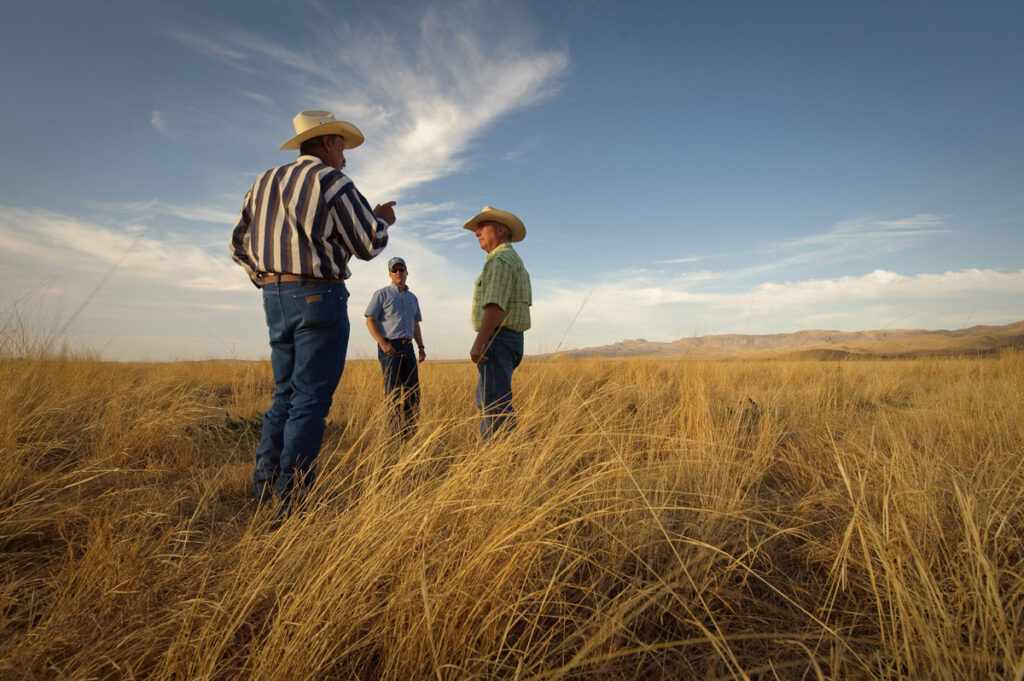
Stewardship on America’s private lands

With 70 percent of U.S. lands in private hands and many of our best hunt and fish opportunities occurring there, investing in voluntary conservation on working lands safeguards access, strengthens habitat and water quality, and ensures resilient landscapes.

Learn More
What TRCP is Doing

We champion policies and programs that restore wildlife habitat, improve soil and water health, and keep working lands productive.

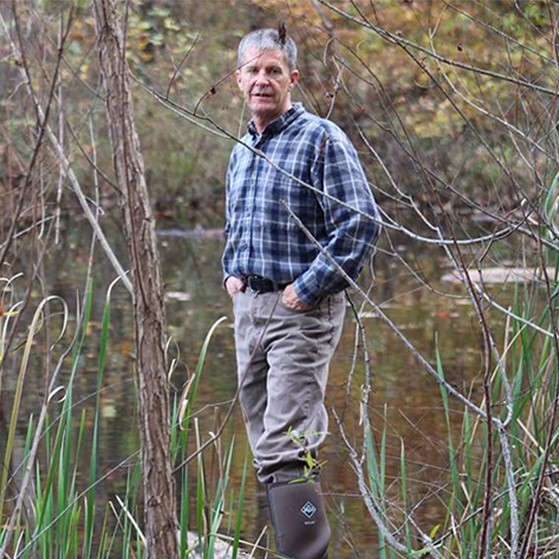
 Ward Burton
How Sportsmen are Doing It Right

Ward Burton's Story

Ward Burton’s NASCAR driving career stretched across most of two decades. As an avid sportsman and conservationist, he founded the…

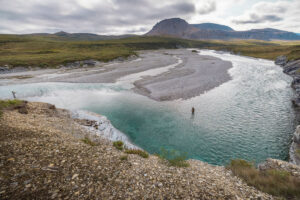
Special Places
Why It Matters

Special Places Worth Protecting

America’s most iconic landscapes provide unmatched habitat and unforgettable days afield. These places sustain wildlife, anchor local economies, and define the hunting and fishing traditions we pass down.

What TRCP is Doing

We’re working to conserve special places that provide world-class habitat and unforgettable opportunities for hunters and anglers.

 Franklin Adams
How Sportsmen Are Doing It Right

Franklin Adams's Story

As a true Gladesman, conservationist, and historian, Capt. Franklin Adams has spent more than six decades championing Everglades restoration efforts…

Habitat & Clean Water
Why It Matters

Healthy Habitat Powers Every Pursuit

All hunting and fishing opportunities depend on quality habitat, from clean water and healthy wetlands to winter and summer habitats and the migration corridors that connect them.

All About Habitat & Clean Water
What TRCP is Doing

We are working to safeguard the habitats that power every hunting and fishing opportunity.

 Alex Harvey
How Sportsmen Are Doing It Right

Alex Harvey's Story

Alex Harvey, founder of Legacy Land Management, is a registered professional forester in Mississippi and Alabama with a Master's degree…

Science
Why It Matters

Science That Guides TRCP

From conserving migration corridors and wetlands to ensuring clean water and resilient landscapes, science provides evidence that turns conservation goals into effective action.

Science for Conservation
What TRCP is Doing

For hunters and anglers, science safeguards the experiences we treasure including resilient big game populations, abundant fish, and wild places that endure changing social landscapes.

Jamelle Ellis
Your Science Expert

Jamelle Ellis's Story

Jamelle Ellis joined the Theodore Roosevelt Conservation Partnership in 2022. Jamelle spent the last three years as an environmental sustainability…

Where We Work
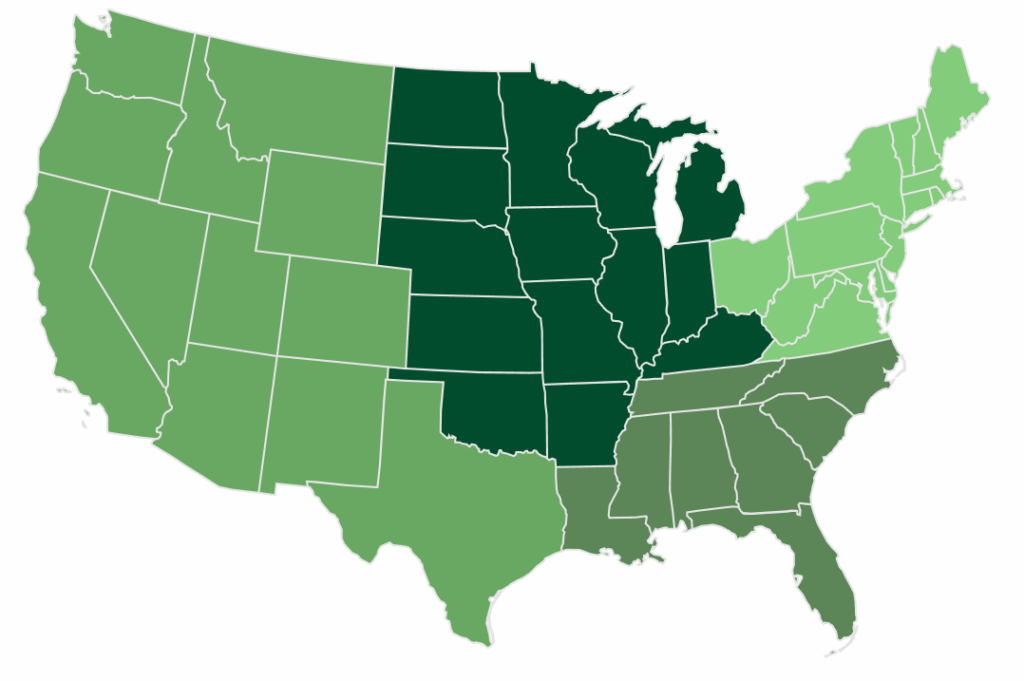
Across the Nation

Conservation Across America

TRCP works across the country to ensure hunters and anglers can enjoy healthy fish and wildlife and quality days afield, no matter where they live.

See All Issues
TRCP in Your Region

TRCP works across the country to ensure hunters and anglers can enjoy healthy fish and wildlife and quality days afield, no matter where they live.

Who We Are
Our Mission

To guarantee all Americans quality places to hunt & fish

We unite and amplify our partners’ voices to advance America’s legacy of conservation, habitat, and access.

Our Mission & Values
Our People & Partners
  • Meet the TRCP Team

    Our staff and board members unite and amplify our partners’ voices to advance America’s legacy of conservation, habitat, and access.

    Meet the Team
  • Our Partners

    ‘Partnership’ is in our name. We work with 64 diverse partner groups that represent today’s leading hunting, fishing, and conservation organizations in order to strengthen the sportsman’s voice in Washington, D.C.

    Our Partners
  • Corporate Council

    TRCP’s Corporate Council is made up of diverse corporations that share a common passion for conservation.

    Corporate Council
Our Organization

Looking for more information?

Explore our latest news, policy updates, and conservation resources to get the information you need.

Giving
How You Can Help

To guarantee all Americans quality places to hunt & fish

Your tax-deductible donation will support TRCP's mission, now and into the future.

DONATE
Special Ways to support trcp
  • Capital Conservation Awards Dinner

    The CCAD is one of Washington's best-attended conservation celebrations, featuring dinner, cocktails, and a silent auction.

    Learn More
  • Step Into the Arena

    Help us ensure that our treasured wild habitats and game remain intact for the next generation to enjoy – lend your support to the TRCP’s efforts today!

    Donate
  • Roosevelt Roast

    TRCP has partnered with Afuera Coffee Co. to further our commitment to conservation.

    Learn More
More donation options

Find the best way for you to lend your support. Join one of TRCP’s donor circles for special invitations, premium offerings from outdoor retailers, and more exclusive benefits. Take control of your legacy with planned giving or contribute to special conservation funds.

Other Ways To Give
News
In the Spotlight

In the Arena: Josh Warren

For many hunters and anglers, the connection to conservation begins close to home — in the woods behind the house, along a familiar stretch of river, or through time spent learning from mentors and family. That sense of place is something Joshua Warren carries with him, both personally and professionally. As Director of Marketing at WorkSharp, Josh represents a company rooted in Ashland, Oregon, a community defined by its access to public lands and wild country.

Read More

Stay Informed

Receive our newsletter, the Roosevelt Report, right in your inbox. Never miss the latest news in conservation issues.

by:

posted in:

June 5, 2020

_MG_3411-gf-Photo-by-Mark-Gocke-Wyoming-Game-and-Fish

Do you have any thoughts on this post?

XHTML: You can use these tags: <a href="" title=""> <abbr title=""> <acronym title=""> <b> <blockquote cite=""> <cite> <code> <del datetime=""> <em> <i> <q cite=""> <s> <strike> <strong>

Comments must be under 1000 characters.

by:

posted in:

How Mending Fences Makes a Difference for Migrating Big Game

Upgrading wire fences with help from landowners and volunteers aids animal movement across the West

A video we posted on Instagram recently showed that just a single strand of barbed wire on a dilapidated fence was enough to stymie a six-point bull elk as it attempted to pass through. The bull hit the wire with his right front hoof, pulled his leg back, and got slightly startled at being tangled, but it managed to step away from the fence.

I’m pretty sure that old fence didn’t harm the bull or ultimately impede him getting to wherever he was going, but this is not always the case. Many of us have witnessed deer, elk, and pronghorn antelope nervously walking up and down a fence line or, worse yet, tangled up in a fence either dead or left to die. This also is a habitat connectivity issue—one that can create additional challenges for big game in areas where their migration routes are already fragmented by roads and other obstacles.

Wild critters frustrate many landowners by damaging fences, creating the extra work of mending them so that livestock does not escape. But there are alternatives for making fences more friendly to wildlife.

Barbed and Beyond

When asked about innovations of the 19th century, few people would likely name barbed wire, but its invention changed the American West almost overnight—and it has had consequences for wildlife ever since.

After the Civil War, Western rangelands were homesteaded and settled, but landowners needed a way to keep livestock within their property boundaries. This technology essentially ended the “open range” grazing era and changed the West forever.

Barbed wire is perhaps the most pervasive option in big game country, but of course it’s not the only style of fence with impacts for migrating animals. Woven wire fences are almost impossible for wildlife to pass through. When these are combined with a barbed top wire, it is a lethal and impenetrable combination considered the most detrimental to wildlife.

Photo by Texas Parks and Wildlife.
What Happens to Wildlife?

There are several rather obvious impacts of fencing on wildlife worth mentioning. First, our big game animals—like mule deer, pronghorns, and elk—did not evolve with fences across once open spaces, so traditional migration corridors of these animals have been interrupted and altered.

But animals can just jump over fences, right? Well, yes, or go under them. And most critters can clear a fence without issue. But many animals become entangled and die from either starvation, dehydration, hypothermia, or predation. Juveniles are especially vulnerable and make up a large percentage of big game animals killed by fences. Animals with horns or antlers sometimes get their headgear tangled up in fencing, and their fate may be the same as if they’d attempted to jump a fence.

It’s not just existing fencing that can cause trouble—dilapidated fences that are no longer being monitored, used, or maintained can be a real danger to critters, too.

According to the Colorado Parks and Wildlife Department’s “Fencing with Wildlife in Mind” brochure, fences incompatible with wildlife are those that:

  • Are too high to jump.
  • Are too low to crawl under.
  • Have wires spaced too close together.
  • Have wires that are too loose.
  • Are difficult for fleeing animals to see.
  • Create a complete movement barrier.
Photo courtesy of Wyoming Game and Fish Dept.
Where Fencing Works for Wildlife

On the other hand, strategically placed fencing can sometimes be a good thing for big game animals, because it funnels them to safety. One of the three most critical factors involved with placing an effective wildlife crossing over or under a roadway is to ensure that fencing guides the animals to the structure.

The Arizona Game and Fish Department found this out firsthand by retrofitting the fencing at an older and ineffective crossing structure on Interstate 17. Prior to the retrofit fencing project, an average of 20 elk per year collided with vehicles. After adequate fencing was installed, there was a whopping 97-percent reduction in vehicle collisions with elk.

Often, game-proof fencing, which is typically 8 feet or taller and made of woven wire, is needed to reduce damage to certain crops or other property. Such exclusion fences reduce unnecessary conflicts with humans and the need for damage control of problem animals or populations.
Mending Fences

Most state and federal agencies have guidelines for wildlife-compatible fencing, and there is certainly no shortage of recommendations available. Wildlife-friendly options should have:

  • A smooth wire at the top no higher than 42 inches from the ground—on steep slopes, pinpointing where the animal would leap from helps to determine the effective fence height.
  • A smooth wire at the bottom at least 18 inches above the ground.
  • Built with no stays on the fence and posts at least 16 feet apart.

Many landowners have stepped up to help solve fencing problems for wildlife. Ruben Vasquez, a district conservationist with the Natural Resources Conservation Service in Wyoming, wrote about ranchers who realized that existing five- or six-wire barbed and woven wire fences prevented pronghorns, elk, and deer from moving freely across their lands. It was also expensive to continually repair fences damaged by wildlife attempting to cross.

With help from the Farm Bill’s Environmental Quality Incentives Program, many landowners have been able to replace their existing fences with more wildlife-friendly versions, and this is a win-win. In 2017, Vasquez reported that 29,000 feet, or roughly five and a half miles, of problem fences were replaced with wildlife-friendly fence on just one Wyoming ranch.

Landowners can also leave certain gates open or sections of fence where wildlife readily cross during their seasonal migrations. The key, of course, is knowing precisely when and where animals move and encounter the fences. But this is a good tactic to help facilitate seasonal movements across private lands during predictable time periods.

Getting to the Other Side

Of course, there can never be too much of a good thing, and thousands of miles of dangerous fencing remains across our landscapes. Federal land management agencies need to prioritize retrofitting incompatible fences that threaten wildlife across our public lands. Landowners are doing great work to help make fences wildlife-friendly, but more resources and technical support would help expand these efforts.

Adequate, long-term funding for Farm Bill conservation programs like EQIP and other resources will be needed to help retrofit unsafe fences across the West. But volunteers can help too. Old fences need to be pulled off the land either simply to remove the hazard or before new, safer fences can be installed.

In many areas, fence removal and replacement projects can be easily tackled by conservation volunteers in an afternoon or two. Others may take more time, resources, and skilled labor to complete, but projects like this help sportsmen and women get more involved in conservation and thinking about how game species use habitat on a landscape scale. Where migration corridors are fragmented and interrupted by development and other threats, installing the right fence can be a small price to pay to help knit together these important travel routes.


Top photo by Idaho Game and Fish Department.

by:

posted in:

June 4, 2020

The Great American Outdoors Act Gains Steam on Capitol Hill

Bipartisan public lands legislation introduced in the House

U.S. Representatives Mike Simpson (R-ID) and Joe Cunningham (D-SC) introduced bipartisan legislation in the House of Representatives to permanently and fully fund the Land and Water Conservation Fund and address the crippling maintenance backlog on federal public lands.

The Great American Outdoors Act fully funds LWCF at $900 million annually and addresses crumbling roads, trails, buildings, and water systems on National Park Service, U.S. Forest Service, Bureau of Land Management, and National Wildlife Refuge lands. The Congressional Research Service calculates that these four agencies have a combined deferred maintenance backlog totaling more than $19 billion.

“The Great American Outdoors Act is smart conservation that is long overdue,” said Whit Fosburgh, president and CEO of the Theodore Roosevelt Conservation Partnership. “This bipartisan bill will improve our trails and recreation sites making it easier for hunters and anglers to access natural resources. It also makes lasting investments in our outdoor recreation economy at a time when we need to get Americans back to work. We want to thank Representatives Simpson and Cunningham and all the co-sponsors for working across the aisle and introducing this legislation.”

The bill is also co-sponsored by Congressman Brian Fitzpatrick (R-PA), Congresswoman Mikie Sherrill (D-NJ), Congressman John Katko (R-NY), Congressman T.J. Cox (D-CA), Congressman Lee Zeldin (R-NY), Congresswoman Xochitl Torres Small (D-NM), Congressman Steve Stivers (R-OH), Congresswoman Kendra Horn (D-OK), Congressman Jeff Fortenberry (R-NE), and Congressman Jared Golden (D-ME).

The Senate is expected to vote on the Great American Outdoors Act the week of June 8. Sportsmen and women can take action to support the legislation here.


Photo Credit: US Forest Service

by:

posted in:

May 28, 2020

Restoring Native Grasses Could Lessen the Plight of the Bobwhite

Why isn’t the USDA leaning more heavily on native grassland restoration to save this and other iconic species?

“I haven’t seen one of them around here in years.” Whether you’re talking to farmers or wingshooters, this statement about bobwhite quail is as familiar and repeated as the bird’s distinct whistle: bob-WHITE! bob-WHITE!

Across Texas rangelands and southeastern pine forests historically ample quail habitat has declined over the last half century. Unfortunately, the story of bobwhites—once one of the most important game species in North America—is representative of a greater issue all too common in the world of wildlife conservation. The iconic game bird has effectively been forced into a patchwork of suitable habitat, all but removing our opportunities to chase that distinct whistle across the bird’s historic range.

Ornithologists at Cornell University have labeled the bobwhite quail a common bird in steep decline, an appropriate moniker given their finding of a steady 4-percent annual population decline—that’s an 85-percent drop since 1966.

The “why” of it all is well agreed upon at this point: land conversion. The steady creep of development, monoculture cropland, edge-to-edge farming, and pesticide use has contributed to the slow-motion erosion of the diverse habitat required to sustain populations of bobwhites.

The below graph by the National Bobwhite Conservation Initiative illustrates the trend.

Part of the challenge facing species recovery efforts is that gentleman bob has very particular tastes when it comes to habitat. Quail are ground-nesting birds that require a mix of seasonal vegetation. During colder months, coveys huddle in dense shrubs and grasses, and in the spring and summer, they opt to nest, forage, and brood in tall forbs and grasses that provide lush groundcover, shade, and security from predators. Quail need to feed on a diversity of seeds, fruits, and bugs in these grasses but escape to woody brush when they catch the eye of a hungry predator—all within 12 inches of the ground.

Understanding the fastidious nature of bobwhites is essential to the successful establishment of sustainable quail habitat. This has led groups like NBCI, which leads the way on bobwhite recovery, to support the adoption of native grasses into grassland restoration. In 2018, the TRCP worked with several of our partners to include official language encouraging the use of native grasses for the very first time in established Farm Bill conservation practices.

But that work is far from done. This provision was included in a Committee Report, which establishes a degree of congressional intent, but it holds little more weight than a suggestion as the U.S. Department of Agriculture moves ahead with implementation of the Farm Bill. Currently, several private land conservation programs only support the establishment of the “lowest practicable cost perennial conserving use cover crop”—whether native or non-native—which may sustain some species and benefit soil health, but is not guaranteed to provide the quality cover habitat required by bobwhite populations.

For these reasons, the TRCP was proud to join a handful of our conservation partners to become part of the Native Grasslands Alliance. Together, we’ll coordinate policy and communications efforts in support of increasing the adoption of native grasses and vegetation on both working and retired public and private lands.

The establishment of native vegetation is not only critical to the recovery of bobwhites, but also to address collapsing populations of songbirds, monarch butterflies, and other pollinators in recent years. The continued reliance upon introduced grasses in USDA programs runs counter to other ongoing efforts to restore these species. It begs the question: Is the public interest being accounted for when native grasses are forgone for the sake of economic ease?

One thing can be sure, a return to the huntable bobwhite populations of years past will not be achieved without a sea change in how American agriculture approaches grassland conservation and restoration.

by:

posted in:

May 27, 2020

Revised Montana Forest Plan Would Conserve Areas Important to Hunters and Anglers

Final Helena-Lewis and Clark National Forest plan includes key provisions to benefit wildlife habitat and outdoor recreation

The U.S. Forest Service released a near final land use plan that will support outdoor recreation opportunities and conserve important wild trout and big game habitat on public lands stretching across seventeen counties in central and western Montana.

When finalized, the Forest Service’s revised management plan for the Helena-Lewis and Clark National Forest will determine how the agency will manage approximately 2.8 million acres of public lands from the Snowies and the Highwoods to the Upper Blackfoot and the Rocky Mountain Front.

The Theodore Roosevelt Conservation Partnership helped activate hunters and anglers, local government officials, and other stakeholder groups to provide meaningful feedback throughout the process, which began in 2015. Those comments and other considerations have now been incorporated into the Forest Service’s draft record of decision and final environmental impact statement, one of the last steps in the planning process.

“Sportsmen and women spoke up in support of intact habitats, forest restoration and quality recreation opportunities throughout the process, and we appreciate that the Forest Service was receptive to many of our community’s requests,” said Scott Laird, Montana field representative with the Theodore Roosevelt Conservation Partnership. “Overall, the final plan will support wildlife habitat and it will provide for quality hunting and fishing in places like the Upper Blackfoot and the Big Snowies, which is good news for those of us who care about Montana’s strong outdoor traditions.”

The popular public lands in central and western Montana to which the revised plan will apply help fuel the state’s $7.1 billion outdoor recreation economy, provide important wildlife habitat, and support various traditional uses of the land. These landscapes include Montana Fish, Wildlife & Parks’ Hunting Districts 293, 380, and 511, which offer some of the state’s best elk and deer hunting.

The revision process was formally initiated with a forest-wide assessment and the Forest Service published its draft plan with a number of proposed alternatives in the summer of 2018. Hunters and anglers spoke up and a new preferred alternative was developed after the public comment period, which saw the agency receive more than 1,100 comments.

“This plan will guide the management of millions of acres of public lands across a broad landscape, and we have chosen to evaluate the plan as a whole,” continued Laird. “We believe the forest service has done a good job of balancing uses and demands, and they have provided strong safeguards for wildlife habitat while managing for outdoor recreation. We thank the agency for their responsiveness to our concerns and ideas.”

HOW YOU CAN HELP

TRCP has partnered with Afuera Coffee Co. to further our commitment to conservation. $4 from each bag is donated to the TRCP, to help continue our efforts of safeguarding critical habitats, productive hunting grounds, and favorite fishing holes for future generations.

Learn More

You have Successfully Subscribed!

You have Successfully Subscribed!

You have Successfully Subscribed!

You have Successfully Subscribed!