Our Issues
Public Lands
Why It Matters

Hunting & Fishing Access

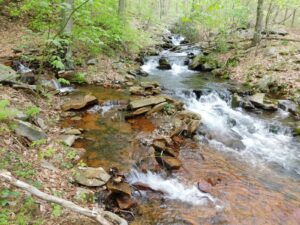
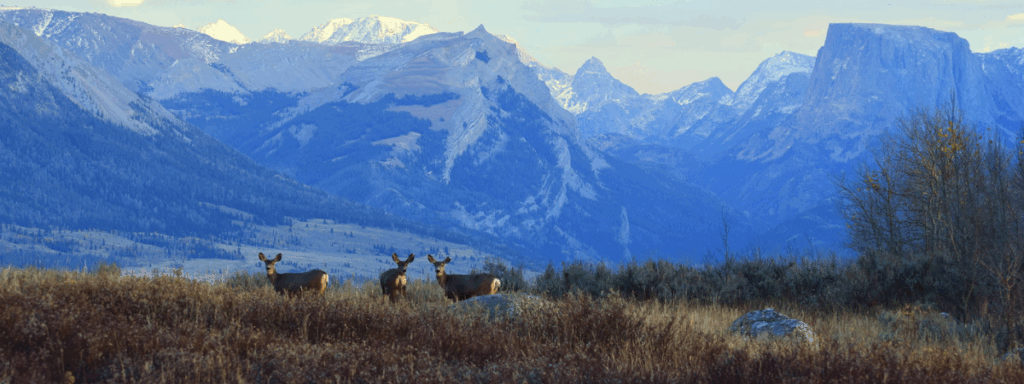
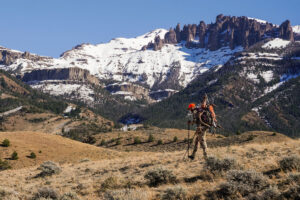
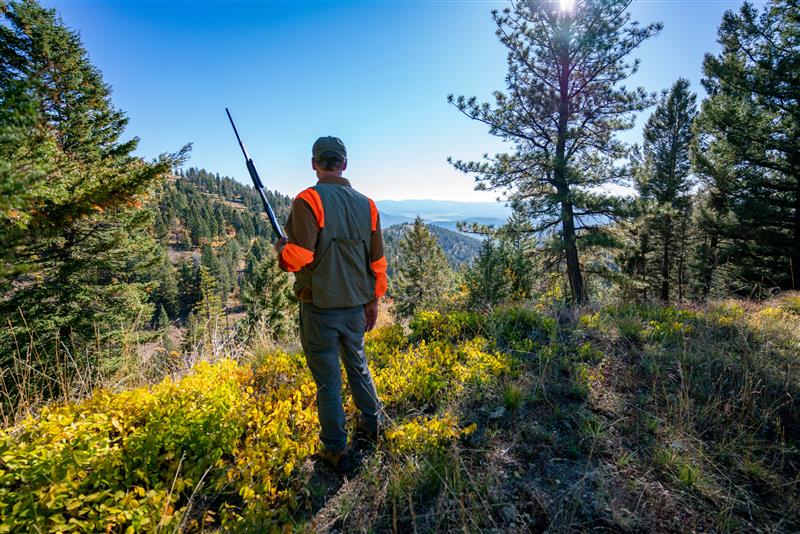
America’s 640 million acres of national public lands provide irreplaceable hunting and fishing opportunities to millions of Americans.

Learn More About Access
What TRCP is Doing

We’re working to safeguard America’s public lands so hunters and anglers always have quality places to pursue their passions.
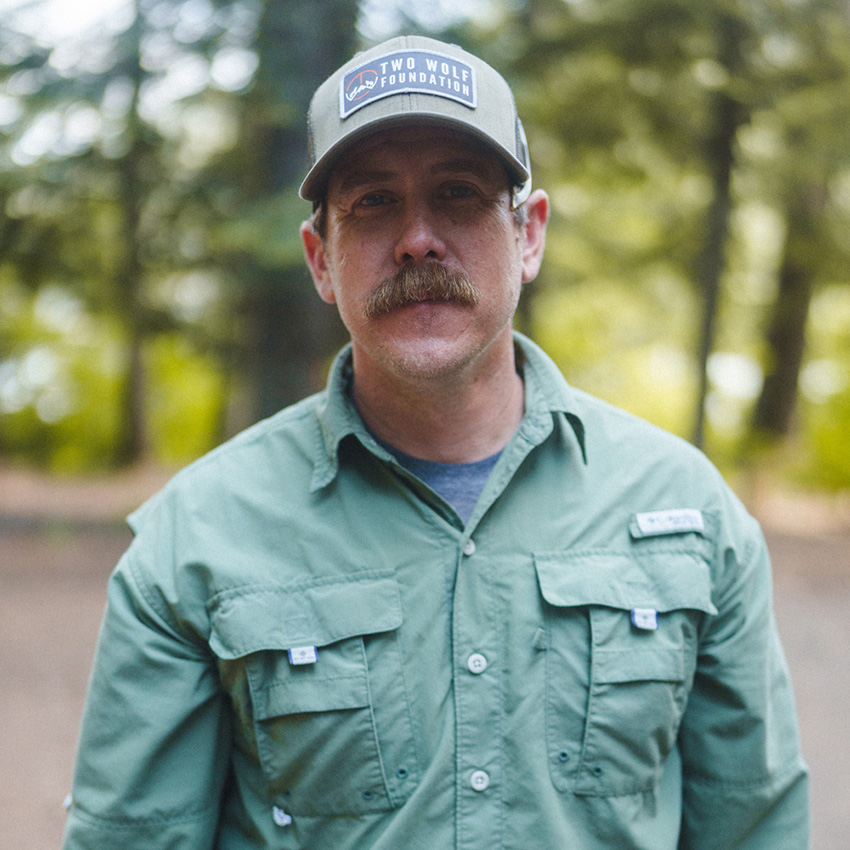
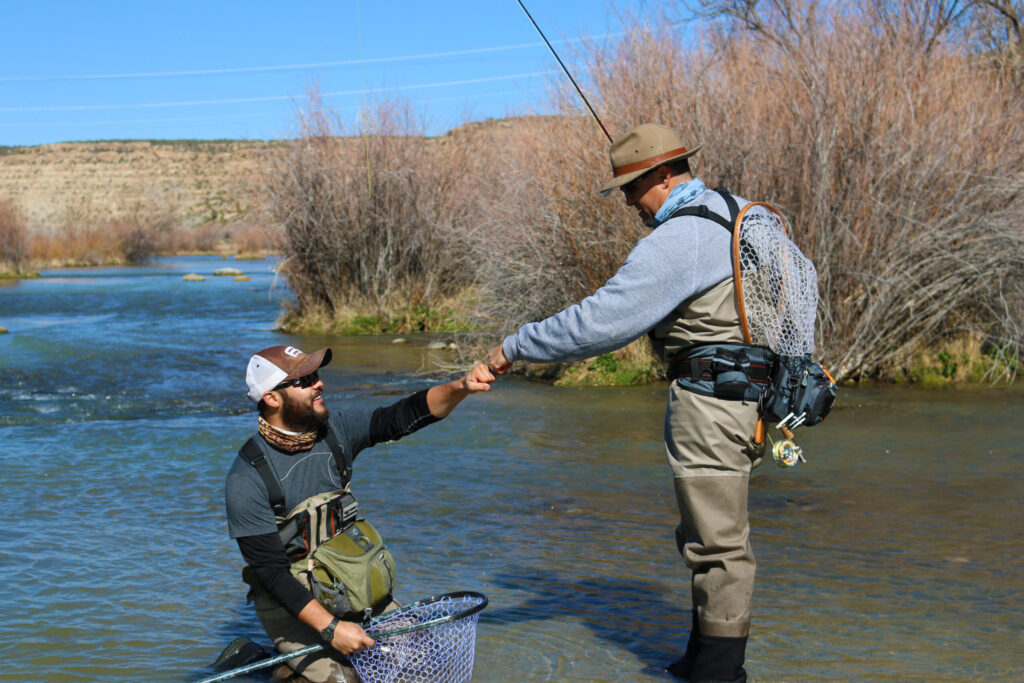
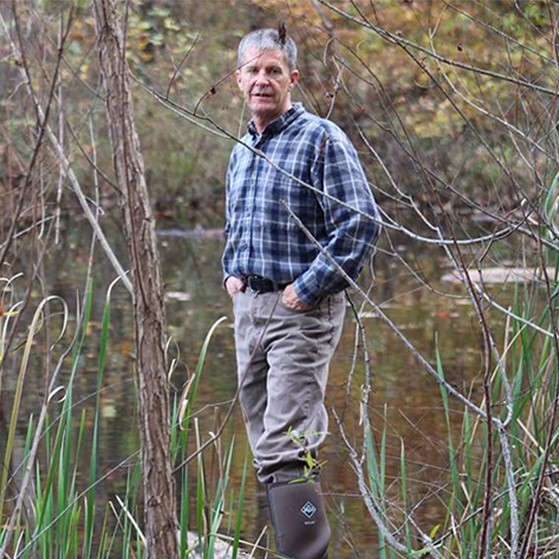
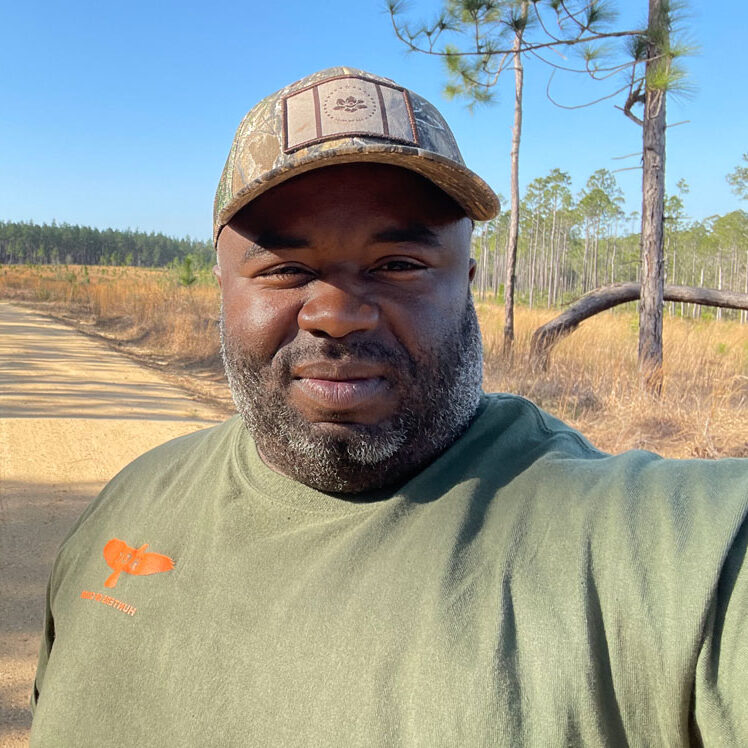
 Brian Flynn, Two Wolf Foundation
How Sportsmen Are Doing It Right

Brian Flynn, Two Wolf Foundation's Story

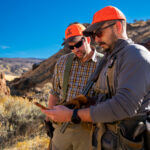
Following a distinguished career in the U.S. Army, lifelong outdoorsman Brian Flynn returned home from a deployment in Afghanistan and…

Hunting
Why It Matters

Key Issues for America’s Hunters

Your source for the latest policy updates, conservation challenges, and opportunities shaping America’s hunting traditions.

What TRCP is Doing

We’re fighting for meaningful policy changes that benefit wildlife, our waters, and the American landscapes that make our outdoor traditions possible.

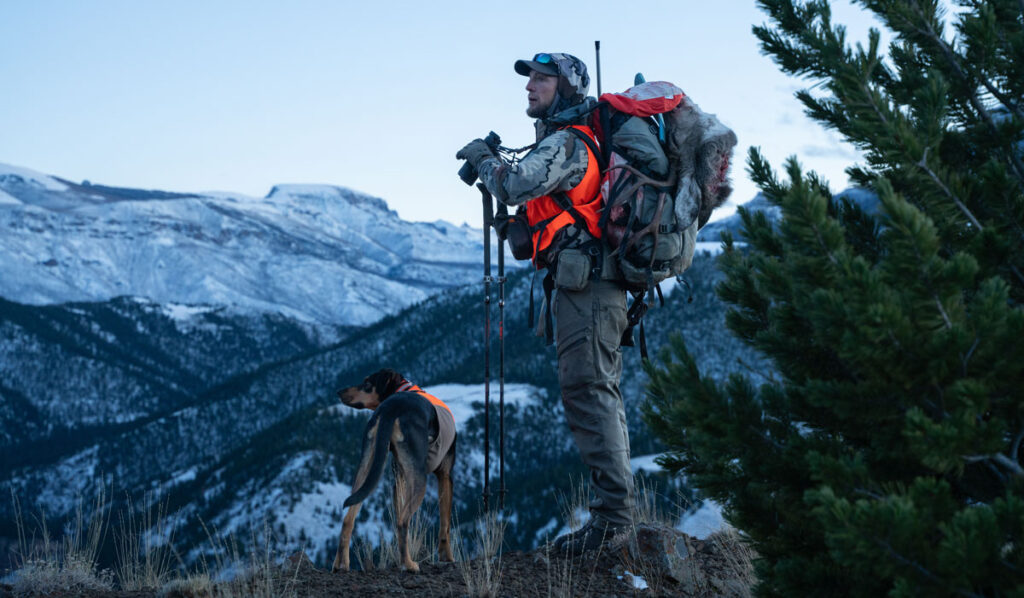
 Ryan Sparks
How Sportsmen Are Doing It Right

Ryan Sparks's Story

TRCP’s “In the Arena” series highlights the individual voices of hunters and anglers who, as Theodore Roosevelt so famously said,…

Fishing
Why It Matters

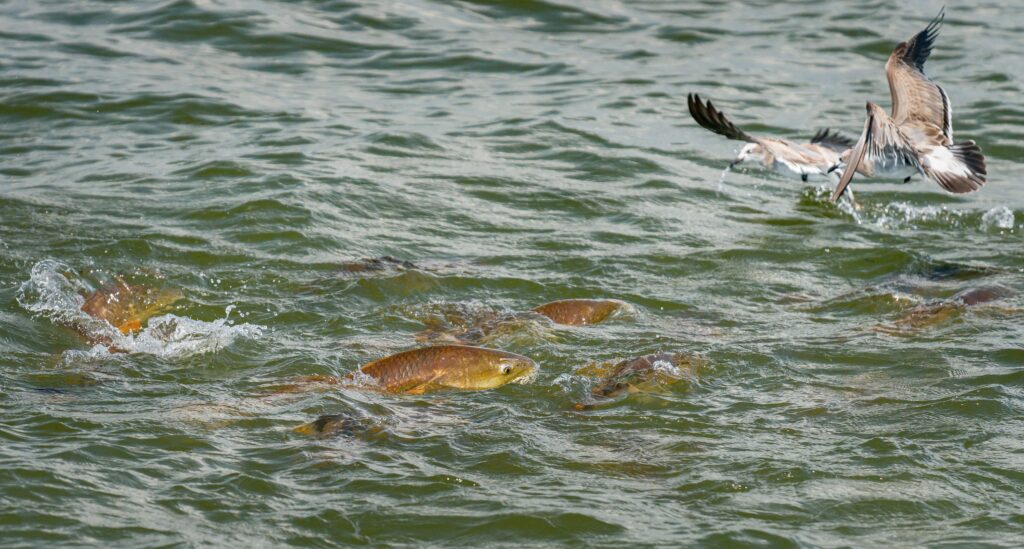
Key Issues for America’s Anglers

Your source for the latest policy updates, conservation challenges, and opportunities shaping America’s fishing traditions.

What TRCP is Doing

We’re fighting for meaningful policy changes that benefit wildlife, our waters, and the American landscapes that make our outdoor traditions possible.

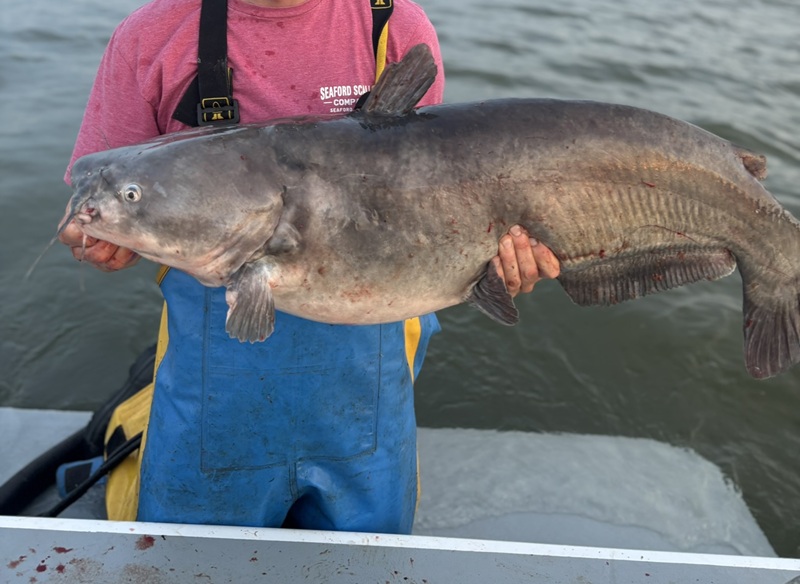
 David Mangum
How Sportsmen Are Doing It Right

David Mangum's Story

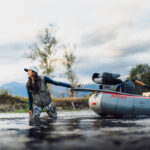
Capt. David Mangum is a YETI ambassador and outdoor photographer who utilizes his talents to produce media that inspire a…

Private Land
Why It Matters

Stewardship on America’s private lands

With 70 percent of U.S. lands in private hands and many of our best hunt and fish opportunities occurring there, investing in voluntary conservation on working lands safeguards access, strengthens habitat and water quality, and ensures resilient landscapes.

Learn More
What TRCP is Doing

We champion policies and programs that restore wildlife habitat, improve soil and water health, and keep working lands productive.

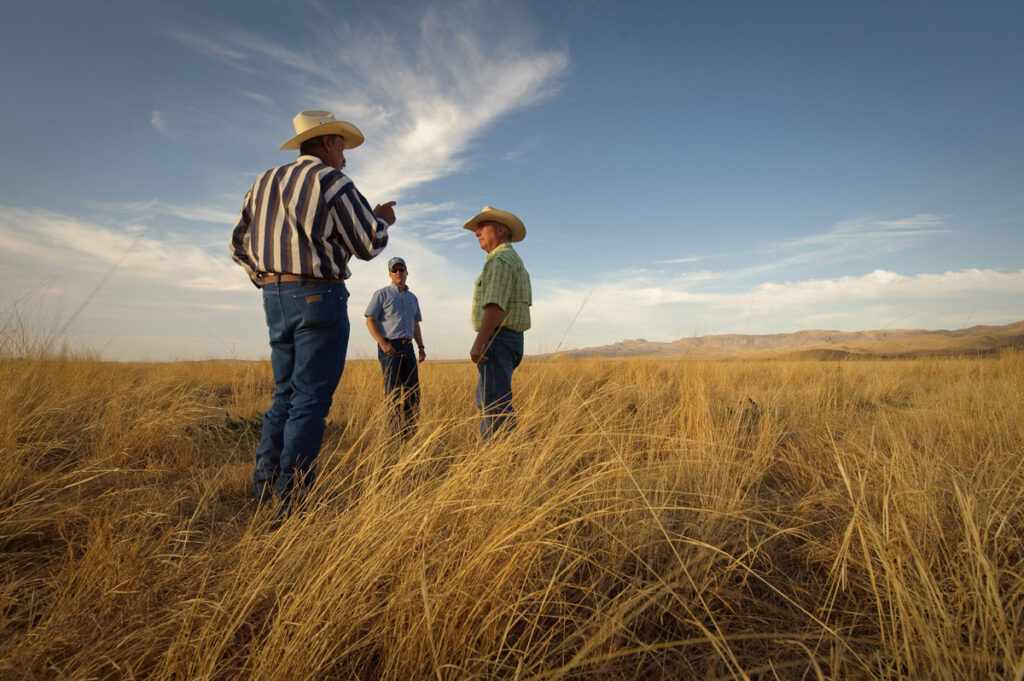
 Ward Burton
How Sportsmen are Doing It Right

Ward Burton's Story

Ward Burton’s NASCAR driving career stretched across most of two decades. As an avid sportsman and conservationist, he founded the…

Special Places
Why It Matters

Special Places Worth Protecting

America’s most iconic landscapes provide unmatched habitat and unforgettable days afield. These places sustain wildlife, anchor local economies, and define the hunting and fishing traditions we pass down.

What TRCP is Doing

We’re working to conserve special places that provide world-class habitat and unforgettable opportunities for hunters and anglers.

 Franklin Adams
How Sportsmen Are Doing It Right

Franklin Adams's Story

As a true Gladesman, conservationist, and historian, Capt. Franklin Adams has spent more than six decades championing Everglades restoration efforts…

Habitat & Clean Water
Why It Matters

Healthy Habitat Powers Every Pursuit

All hunting and fishing opportunities depend on quality habitat, from clean water and healthy wetlands to winter and summer habitats and the migration corridors that connect them.

All About Habitat & Clean Water
What TRCP is Doing

We are working to safeguard the habitats that power every hunting and fishing opportunity.

 Alex Harvey
How Sportsmen Are Doing It Right

Alex Harvey's Story

Alex Harvey, founder of Legacy Land Management, is a registered professional forester in Mississippi and Alabama with a Master's degree…

Science
Why It Matters

Science That Guides TRCP

From conserving migration corridors and wetlands to ensuring clean water and resilient landscapes, science provides evidence that turns conservation goals into effective action.

Science for Conservation
What TRCP is Doing

For hunters and anglers, science safeguards the experiences we treasure including resilient big game populations, abundant fish, and wild places that endure changing social landscapes.

Jamelle Ellis
Your Science Expert

Jamelle Ellis's Story

Jamelle Ellis joined the Theodore Roosevelt Conservation Partnership in 2022. Jamelle spent the last three years as an environmental sustainability…

Where We Work
Across the Nation

Conservation Across America

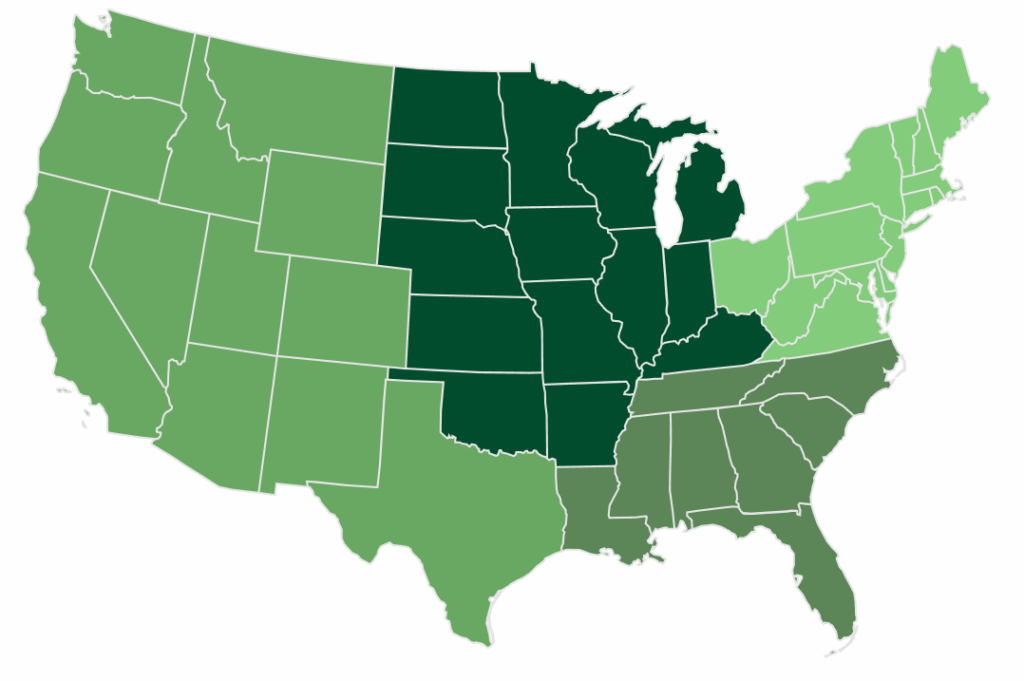
TRCP works across the country to ensure hunters and anglers can enjoy healthy fish and wildlife and quality days afield, no matter where they live.

See All Issues
TRCP in Your Region

TRCP works across the country to ensure hunters and anglers can enjoy healthy fish and wildlife and quality days afield, no matter where they live.

Who We Are
Our Mission

To guarantee all Americans quality places to hunt & fish

We unite and amplify our partners’ voices to advance America’s legacy of conservation, habitat, and access.

Our Mission & Values
Our People & Partners
  • Meet the TRCP Team

    Our staff and board members unite and amplify our partners’ voices to advance America’s legacy of conservation, habitat, and access.

    Meet the Team
  • Our Partners

    ‘Partnership’ is in our name. We work with 64 diverse partner groups that represent today’s leading hunting, fishing, and conservation organizations in order to strengthen the sportsman’s voice in Washington, D.C.

    Our Partners
  • Corporate Council

    TRCP’s Corporate Council is made up of diverse corporations that share a common passion for conservation.

    Corporate Council
Our Organization

Looking for more information?

Explore our latest news, policy updates, and conservation resources to get the information you need.

Giving
How You Can Help

To guarantee all Americans quality places to hunt & fish

Your tax-deductible donation will support TRCP's mission, now and into the future.

DONATE
Special Ways to support trcp
  • Capital Conservation Awards Dinner

    The CCAD is one of Washington's best-attended conservation celebrations, featuring dinner, cocktails, and a silent auction.

    Learn More
  • Step Into the Arena

    Help us ensure that our treasured wild habitats and game remain intact for the next generation to enjoy – lend your support to the TRCP’s efforts today!

    Donate
  • Roosevelt Roast

    TRCP has partnered with Afuera Coffee Co. to further our commitment to conservation.

    Learn More
More donation options

Find the best way for you to lend your support. Join one of TRCP’s donor circles for special invitations, premium offerings from outdoor retailers, and more exclusive benefits. Take control of your legacy with planned giving or contribute to special conservation funds.

Other Ways To Give
News
In the Spotlight
Colorado river

Colorado River Decisions Will Shape the Future of Fish, Wildlife, and the Southwest

With this important federal milestone, now is the time for the Colorado River Basin States to come to an agreement on the future of the Colorado River.

Read More

Stay Informed

Receive our newsletter, the Roosevelt Report, right in your inbox. Never miss the latest news in conservation issues.

by:

posted in:

November 4, 2019

whitsaltwaterfishing

Do you have any thoughts on this post?

XHTML: You can use these tags: <a href="" title=""> <abbr title=""> <acronym title=""> <b> <blockquote cite=""> <cite> <code> <del datetime=""> <em> <i> <q cite=""> <s> <strike> <strong>

Comments must be under 1000 characters.

by:

posted in:

November 1, 2019

Alaskans: Show Up and Speak Out for Public Lands!

Hunting and fishing on public land in Alaska is at risk

The Forest Service recently released a draft proposal that would roll back conservation measures for 9.2 million acres of public lands in the Tongass National Forest. RIGHT NOW, you can play a role in how our public lands are managed and ensure that sportsmen and women have a say about the places where we love to hunt and fish.

Please consider attending a local public meeting in the next few weeks (see schedule below) and share your perspective as a local public land user. We need to speak up for our traditions and for the importance of balanced use of public resources.

Here are a few things you can say in a meeting to make an impact:

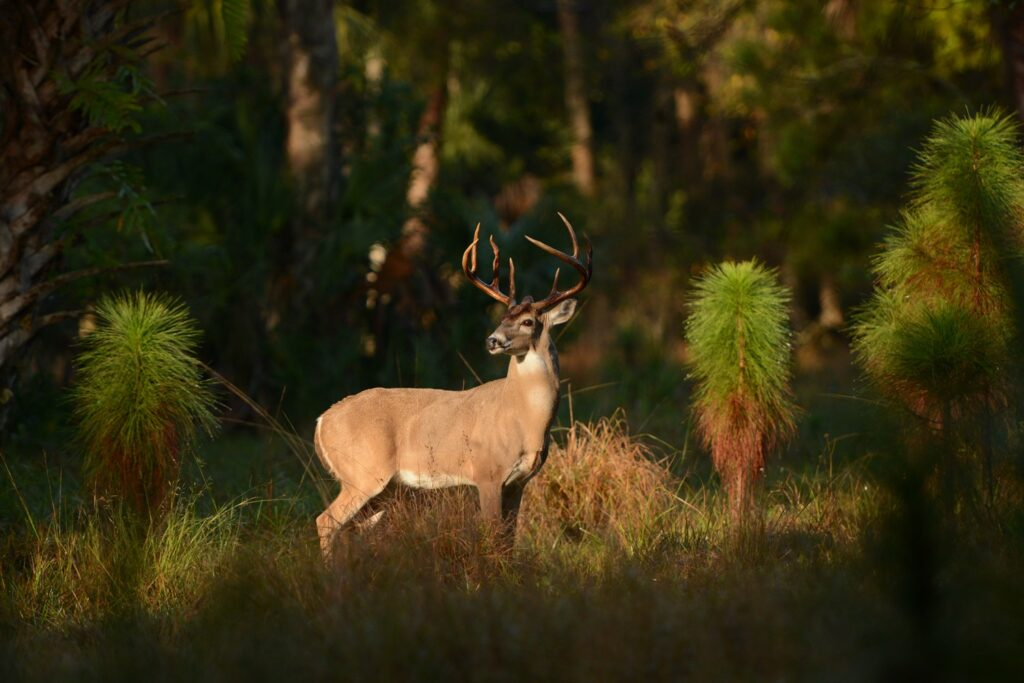
  • The Tongass National Forest provides hunters with some of the finest and most readily available opportunities to pursue Sitka blacktail deer, and it is among the world’s largest wild-salmon-producing regions. [Tell your personal hunting or fishing story.]
  • An Alaska roadless rule exemption would eliminate conservation safeguards from 9.2 million acres of unroaded and undeveloped national forests in the Tongass. This proposal is extreme, and it could open some of Alaska’s best hunting and fishing areas to development, degrading spawning habitat for salmon and negatively affecting wildlife habitat over the long-term.
  • I request that the Forest Service maintain safeguards for roadless areas within the Tongass National Forest.

Visit the project webpage for the most up-to-date schedule.

Monday, November 4, 2019
  • JUNEAU
    Public Meeting: 5 PM – 7 PM
    Location: Elizabeth Peratrovich Hall, Room #1, 320 Willoughby Ave.
Tuesday, November 5, 2019
  • KETCHIKAN
    Public Meeting: 5 PM – 6:30 PM
    Subsistence Hearing: 7 PM – 9 PM
    Location: Southeast Alaska Discovery Center, 50 Main St.
  • YAKUTAT
    Public Meeting: 5 PM – 6:30 PM
    Subsistence Hearing: 7 PM – 9PM
    Location: ANB Hall
  • TENAKEE SPRINGS
    Public Meeting: 10 AM – 11:30 AM
    Subsistence Hearing: 12 PM – 2 PM
    Location: Community Center
Wednesday, November 6, 2019
  • CRAIG
    Public Meeting: 5 PM – 6:30 PM
    Subsistence Hearing: 7 PM – 9 PM
    Location: Craig Tribal Association Hall, 1330 Craig-Klawock Highway
  • ANCHORAGE
    Public Meeting: 6 PM – 8 PM
    Location: University of Alaska, Gorsuch Commons, Room #106, 3211 Providence Dr.
  • WRANGELL
    Public Meeting: 5 PM – 6:30 PM
    Subsistence Hearing: 7 PM – 9 PM
    Location: Nolan Center, 296 Campbell Dr.
Thursday, November 7, 2019
  • GUSTAVUS
    Public Meeting: 5 PM – 6:30 PM
    Subsistence Hearing: 7 PM – 9 PM
    Location: Gustavus School Commons   
  • PETERSBURG
    Public Meeting: 5 PM – 6:30 PM
    Subsistence Hearing: 7 PM – 9 PM
    Location: Petersburg Borough, Assembly Chambers
Friday, November 8, 2019
  • KAKE
    Public Meeting: 5 PM – 6:30 PM
    Subsistence Hearing: 7 PM – 9 PM
    Location: Senior Center, 251 Totem Way
Tuesday, November 12, 2019
  • HYDABURG
    Public Meeting: 9 AM – 10:30 AM
    Subsistence Hearing: 11 AM – 1 PM
    Location: City Hall
  • ANGOON
    Public Meeting: 10 AM – 11:30 AM
    Subsistence Hearing: 12 PM – 2 PM
    Location: Angoon Community Association
  • SITKA
    Public Meeting: 5 PM – 6:30 PM
    Subsistence Hearing: 7 PM – 9 PM
    Location: Centennial Hall, King Salmon Room, 330 Harbor Dr.
  • KASAAN
    Public Meeting: 5 PM – 6:30 PM
    Subsistence Hearing: 7 PM – 9 PM
    Location: Totem Trail Café
Wednesday, November 13, 2019
  • THORNE BAY
    Public Meeting: 5 PM – 6:30 PM
    Subsistence Hearing: 7 PM – 9 PM
    Location: Thorne Bay Ranger District, 1312 Federal Way
Thursday, November 14, 2019
  • POINT BAKER
    Public Meeting: 10 AM – 11:30 AM
    Subsistence Hearing: 11:30 AM–1:30 PM
    Location: Point Baker Community Building
  • HOONAH
    Public Meeting: 5 PM – 6:30 PM
    Subsistence Hearing: 7 PM – 9 PM
    Location: Hoonah Ranger District, 420 Airport Road
  • WASHINGTON, D.C.
    Public Meeting: 1:30 PM – 3:30 PM
    Location: Holiday Inn Washington Capitol, Congressional II Rm, 550 C St. SW

We’ve also made it easy for you to comment via email. Take action using our simple tool.


Photo by Frances Biles via USFS Alaska Region flickr.

by:

posted in:

Five Public Lands Bills to Have on Your Radar

This Congress continues to show an appetite for boosting outdoor recreation opportunities on lands open to all Americans

After a historic win for public lands across the U.S. in March—we’re talking, of course, about the milestone package of legislation that permanently reauthorized the Land and Water Conservation Fund and made many other improvements that benefit hunters and anglers—conservation and access advocates aren’t resting on their laurels. And Congress continues to show an appetite for passing commonsense legislation that boosts access, habitat, or funding for fish and wildlife resources, even with an incredible amount of to-dos lined up to distract them.

Here are five bills on the move that you should know about.

Photo by Colorado Parks and Wildlife on Instagram.
The Colorado Outdoor Recreation and Economy Act

The CORE Act would safeguard approximately 400,000 acres of Colorado’s most rugged landscapes that define an outdoor way of life—particularly the sprawling Thompson Divide, where thousands of hunters pursue elk each year. Roughly half of the area is roadless and provides refuge for abundant fish and wildlife populations. The bill, which has benefited from the input and the support of a long list of diverse stakeholders, including sportsmen and women and business leaders, passed out of committee in July and succeeded in a 227-182 vote on the House floor this week.

Next step: The Senate Energy and Natural Resources Committee should move forward with a legislative hearing on the CORE Act in the near future.

Photo by flickr user Cowgirl Jules.
The Recreation Not Red-Tape Act

Across our nation’s public lands, hunters, anglers, guides, and outfitters find legal access difficult, but not always because of closed gates or lack of trails: A complicated and outmoded process for permitting outdoor recreation activities on public lands can keep kayaks in storage and guide vehicles stuck in park.

Supported by the TRCP and championed by partners like the Outdoor Recreation Roundtable, the Outdoor Industry Association, and others, the Recreation Not Red-Tape Act seeks to improve access to public lands by modernizing the process of permitting for certain kinds of outdoor recreation—including by bringing that process online—and creating a system of National Recreation Areas. It would also help prioritize access improvements that benefit military veterans and emphasizes the need for adequate staffing of facilities on our public lands. Expert witnesses from the outdoor recreation industry testified in support of the RNR Act in both a House Small Business Committee hearing and a Senate Energy and Natural Resources hearing this week.

Next step: The Senate Energy and Natural Resources Committee can now move forward with passage. In the House, the legislation has been referred to multiple committees, and an agreement should be reached by leadership to move this important and bipartisan legislation forward to the floor.

Photo by Grand Canyon National Park via flickr.
The Grand Canyon Centennial Protection Act

Passed on the House floor this week with a bipartisan vote count, this bill would make permanent the 20-year mining withdrawals that were made administratively in 2012, aimed at protecting the lands around Grand Canyon National Park from uranium mining. In a place that has long been associated with Theodore Roosevelt and is one of the most iconic landscapes in all the world, uranium mining poses an unacceptable risk to the region’s air and water quality, fish and wildlife habitat, and critically important outdoor economy. H.R. 1373 has been a longtime priority of Arizona sportsmen and women.

Next step: The House passed the legislation this week by a vote of 236-185, and while there is not a Senate companion at this point, the legislation should be made a priority in that chamber, as well.

“The Grand Canyon fills me with awe. It is beyond comparison–beyond description; absolutely unparalleled throughout the wide world… Let this great wonder of nature remain as it now is. Do nothing to mar its grandeur, sublimity and loveliness. You cannot improve on it.” – Theodore Roosevelt, 1903

The Simplifying Outdoor Access for Recreation Act

Similar to the Recreation Not Red-Tape Act, the SOAR Act is supported by businesses and nonprofits across the industry and would help ensure the continued growth of the $887-billion outdoor recreation economy by further improving and modernizing the recreational permitting process on public lands.

The legislation reauthorizes the permitting authority of the BLM and Forest Service, and it brings the Fish and Wildlife Service and Bureau of Reclamation under the authority of the Federal Lands Recreation Enhancement Act, allowing those agencies to retain and reinvest permit fees. Importantly, the bill also allows agencies to issue a single permit when a trip crosses an agency boundary, a significant improvement over current policy which requires multiple permits for the same trip.

S.1665 was also included in this week’s Senate Energy and Natural Resources hearing, which featured testimony from leaders of the Forest Service, Bureau of Land Management, education and research initiatives, and the ski industry.

Next step: With hearings complete, it is time for both the House and Senate Committees to move this bill forward for floor votes.

Photo by flickr user mksfca.
The Chaco Cultural Heritage Area Protection Act of 2019

Another effort to balance demands on public lands from energy development, this House bill would protect areas around Chaco Canyon—a world heritage site known for its archaeological significance and cultural importance—from oil and gas development. The legislation would make permanent a current administrative deferral of oil and gas leasing instituted by Interior Secretary David Bernhardt earlier this year. It was passed in a bipartisan 245–174 vote on the House floor this week. Besides the buildings and sacred dwellings still standing from the 9th,  10th, and 11th centuries, Chaco Canyon is also home to pronghorn antelope and mule deer.

Next step: A Senate companion bill was introduced and debated in committee early this year. That will have to move to successful floor consideration in the Senate before these can be conferenced, likely as part of a bigger comprehensive public lands package.


Top photo by Tom Koerner/USFWS.

by:

posted in:

October 30, 2019

Putting Boots on the Ground for Bighorn Sheep

A volunteer effort in Nevada highlights the commitment of wildlife managers and conservationists

Of all the big game species in North America, bighorn sheep hold a special place in the hearts—and dreams—of many hunters. But these animals have been struggling for generations due to a number of factors, such as habitat loss and disease.

Wild sheep conservation sometimes depends on reintroducing these animals to their historic ranges and ensuring that they are healthy once they arrive. In Nevada, there has been tremendous success by the Nevada Department of Wildlife and groups such as Nevada Bighorns Unlimited, Elko Bighorns Unlimited, Fraternity of the Desert Bighorn, and the Wild Sheep Foundation. As a result, our state’s sheep have become a valuable resource for repopulating other areas of the West, growing new herds and pushing back against the many challenges faced by bighorns.

Last week I helped out on a desert bighorn sheep capture project in the Stillwater Mountains (Unit 044/182) of western Nevada. The animals we captured were transported to Utah for release into the Mineral Mountains near Beaver, in the west-central part of the state.

Folks onsite included a lot of staff from the Nevada Department of Wildlife and Utah Division of Wildlife Resources, plus several volunteers, including two state wildlife commissioners.


The goal was to have 50 sheep to reestablish bighorns in the Mineral Mountains. The first day was a little slow, only resulting in 15 sheep in the trailer, but when the work was over, 51 sheep had been transported. Even 25 or 30 sheep is enough to get a new herd off the ground.

As you can see, it’s a very intensive process once the sheep are brought in. Wildlife biologists take a myriad of samples and administer injections. The animals’ temperatures are monitored constantly; if they rise too high, water, ice baths, and sometimes IVs are used to lower body temps and alleviate the related stresses.

Before being loaded for transport, each sheep was fitted with a GPS collar that can be monitored remotely. These collars allow researchers and wildlife managers to monitor the health of the transplants and how they utilize their new habitat.

This project was delayed a day, because the capture crew was busy in Arizona capturing pronghorns and other bighorns for migration studies. The helicopter contractor, Quick Silver Air, out of Alaska, is one of the best in the business. I have been on numerous captures with them, and they are true professionals. It’s an extremely dangerous profession, and I shake my head in wonder every time I see it happen.

Most of the photo credits go to my hunting buddy, Patti Lingenfelter, who did a great job of documenting the efforts of all involved. In addition to being a lot of fun, these projects are always a learning experience for me, as well as a testament to the dedication of our wildlife professionals and conservationists of different backgrounds.

by:

posted in:

October 29, 2019

Commission Holds Foreign Company Accountable for Breaking Rules in the Chesapeake Bay

Sporting groups hail decision to preserve striped bass nursery

An interstate commission has responded to the industrial fishing giant Omega Protein’s violation of key menhaden catch limits in the Chesapeake Bay. The Atlantic States Marine Fisheries Commission (ASMFC) Menhaden Management Board unanimously voted this week to find Virginia’s menhaden reduction fishery out of compliance with the regional fishery management plan.

The Theodore Roosevelt Conservation Partnership, American Sportfishing Association, and Coastal Conservation Association all objected to Omega Protein’s fishing practices, which intentionally ignored the Commission’s 51,000-MT catch limit in the Chesapeake Bay. Omega previously made a commitment to comply with the limit, but last month announced it would exceed the cap.

“We commend the Board for holding Omega accountable and finding Virginia out of compliance with the management plan,” said Whit Fosburgh, president and CEO of the Theodore Roosevelt Conservation Association. “We are confident that the Secretary of Commerce will recognize the powerful economics of fishing for all species and not allow a single foreign company to set their own catch limits and jeopardize coastal economies that depend on sportfishing.”

“The Chesapeake Bay Harvest Cap is a wise management solution that conserves menhaden as critical forage for the Chesapeake Bay ecosystem while reducing conflicts between an industrial fishing fleet and the sportfishing community,” said Mike Waine, Atlantic fisheries policy director for the American Sportfishing Association. “Allowing Omega to make its own rules when harvesting America’s natural resources is not in the best interest of the nation’s sportfishing businesses and anglers.”

“It’s significant this was a unanimous vote of all Atlantic coast states to find Omega out of compliance,” said Richen Brame, Atlantic states fisheries director for the Coastal Conservation Association. “The vote included each state’s fishery agency director or their representative, all trained natural resource professionals, and they found Omega had crossed the line. We sincerely hope Secretary Ross agrees and does the right thing—close down menhaden harvest until they come into compliance.”

Research suggests industrial fishing of menhaden could be responsible for as much as a 30-percent decline in striped bass. A study determined the 2016 striped bass fishery generated $7.8 billion toward our nation’s gross domestic product.

The ASMFC Interstate Fisheries Management Program Policy Board and the full Commission will make a final decision on Virginia’s compliance with the Menhaden Management Plan on Thursday. Secretary of Commerce Wilbur Ross will then make a concurrence determination within 30 days. Should the Secretary side with the unanimous decision of the states on the Menhaden Management Board, then the fishery will be shut down until Virginia comes into compliance with the regional fishery management plan.

Omega Protein, a division of Canadian-owned Cooke Inc., is the only reduction fishing operation on the U.S. East coast. The company harvests more than 140,000 metric tons of fish per year, 74 percent of the total coastwide quota.

The full Commission will vote in 2020 on whether to implement an ecosystem-based management plan for menhaden. Learn more here.

HOW YOU CAN HELP

TRCP has partnered with Afuera Coffee Co. to further our commitment to conservation. $4 from each bag is donated to the TRCP, to help continue our efforts of safeguarding critical habitats, productive hunting grounds, and favorite fishing holes for future generations.

Learn More

You have Successfully Subscribed!

You have Successfully Subscribed!

You have Successfully Subscribed!

You have Successfully Subscribed!