Our Issues
Public Lands
Why It Matters

Hunting & Fishing Access

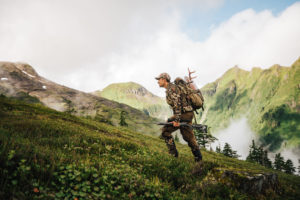
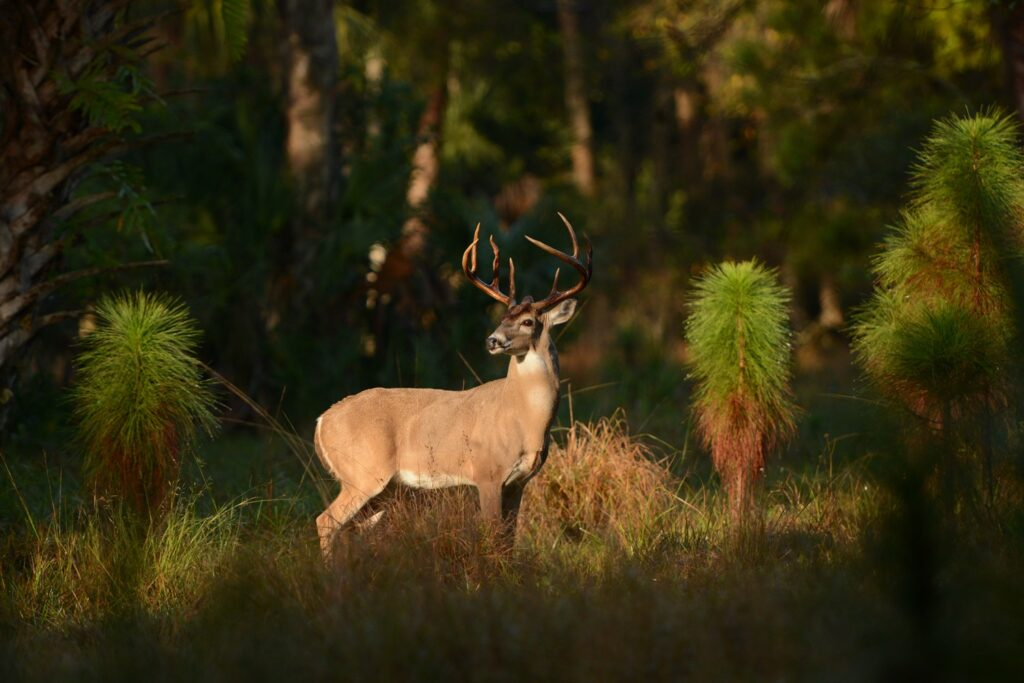
America’s 640 million acres of national public lands provide irreplaceable hunting and fishing opportunities to millions of Americans.

Learn More About Access
What TRCP is Doing

We’re working to safeguard America’s public lands so hunters and anglers always have quality places to pursue their passions.
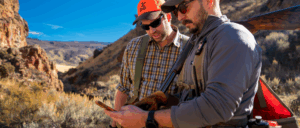
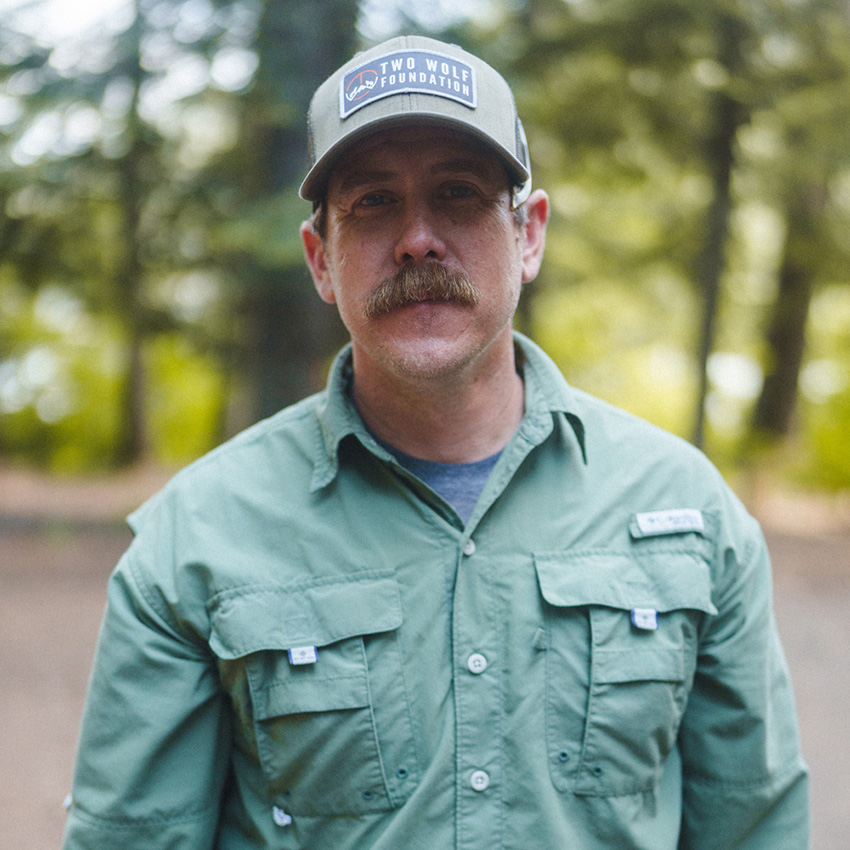
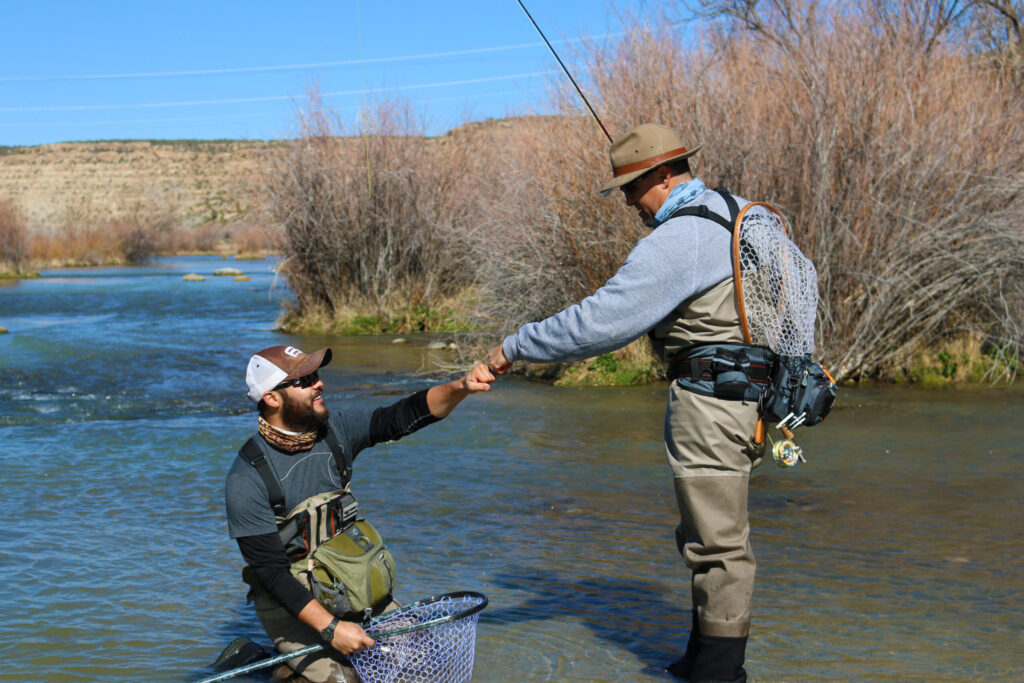
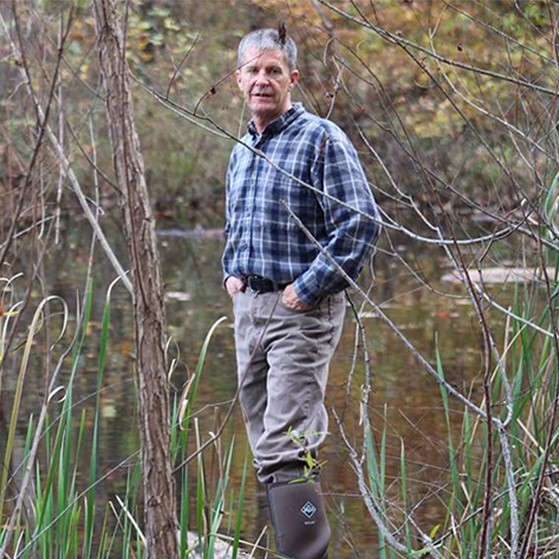
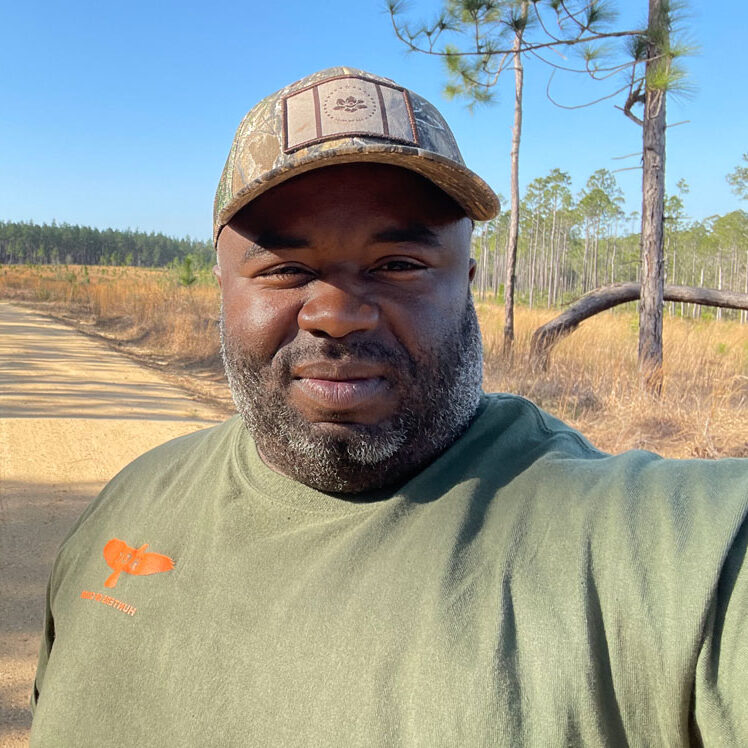
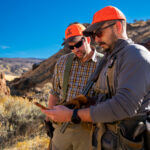
 Brian Flynn, Two Wolf Foundation
How Sportsmen Are Doing It Right

Brian Flynn, Two Wolf Foundation's Story

Following a distinguished career in the U.S. Army, lifelong outdoorsman Brian Flynn returned home from a deployment in Afghanistan and…

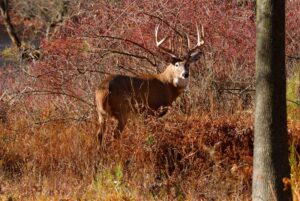
Hunting
Why It Matters

Key Issues for America’s Hunters

Your source for the latest policy updates, conservation challenges, and opportunities shaping America’s hunting traditions.

What TRCP is Doing

We’re fighting for meaningful policy changes that benefit wildlife, our waters, and the American landscapes that make our outdoor traditions possible.

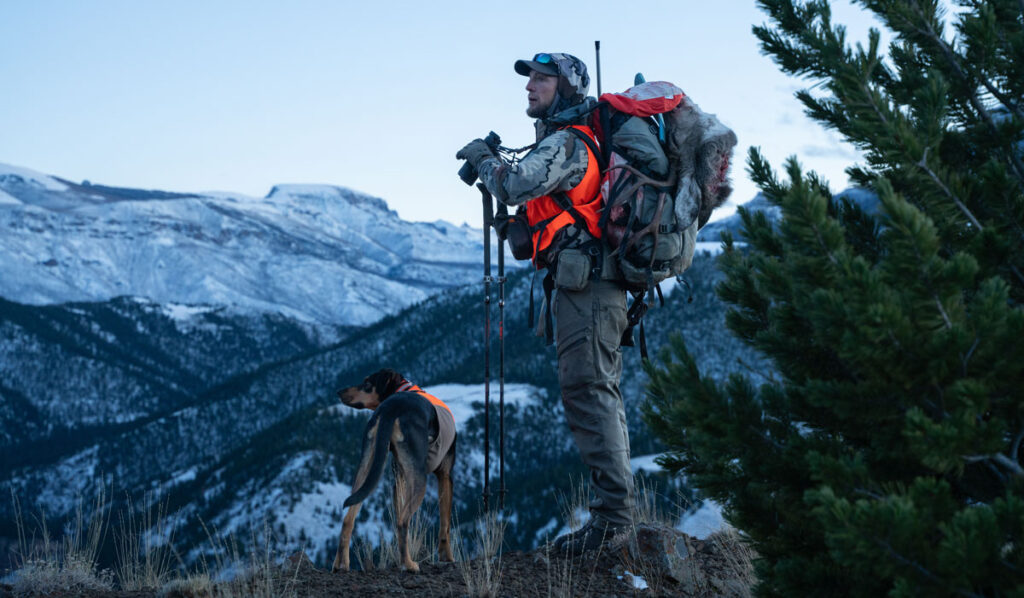
 Ryan Sparks
How Sportsmen Are Doing It Right

Ryan Sparks's Story

TRCP’s “In the Arena” series highlights the individual voices of hunters and anglers who, as Theodore Roosevelt so famously said,…

Fishing
Why It Matters

Key Issues for America’s Anglers

Your source for the latest policy updates, conservation challenges, and opportunities shaping America’s fishing traditions.

What TRCP is Doing

We’re fighting for meaningful policy changes that benefit wildlife, our waters, and the American landscapes that make our outdoor traditions possible.

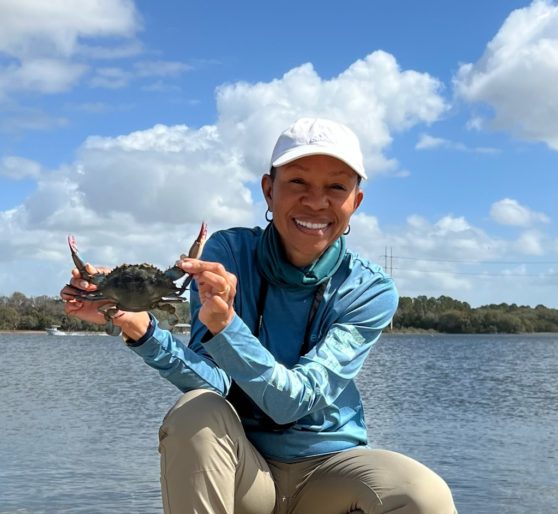
 David Mangum
How Sportsmen Are Doing It Right

David Mangum's Story

Capt. David Mangum is a YETI ambassador and outdoor photographer who utilizes his talents to produce media that inspire a…

Private Land
Why It Matters

Stewardship on America’s private lands

With 70 percent of U.S. lands in private hands and many of our best hunt and fish opportunities occurring there, investing in voluntary conservation on working lands safeguards access, strengthens habitat and water quality, and ensures resilient landscapes.

Learn More
What TRCP is Doing

We champion policies and programs that restore wildlife habitat, improve soil and water health, and keep working lands productive.

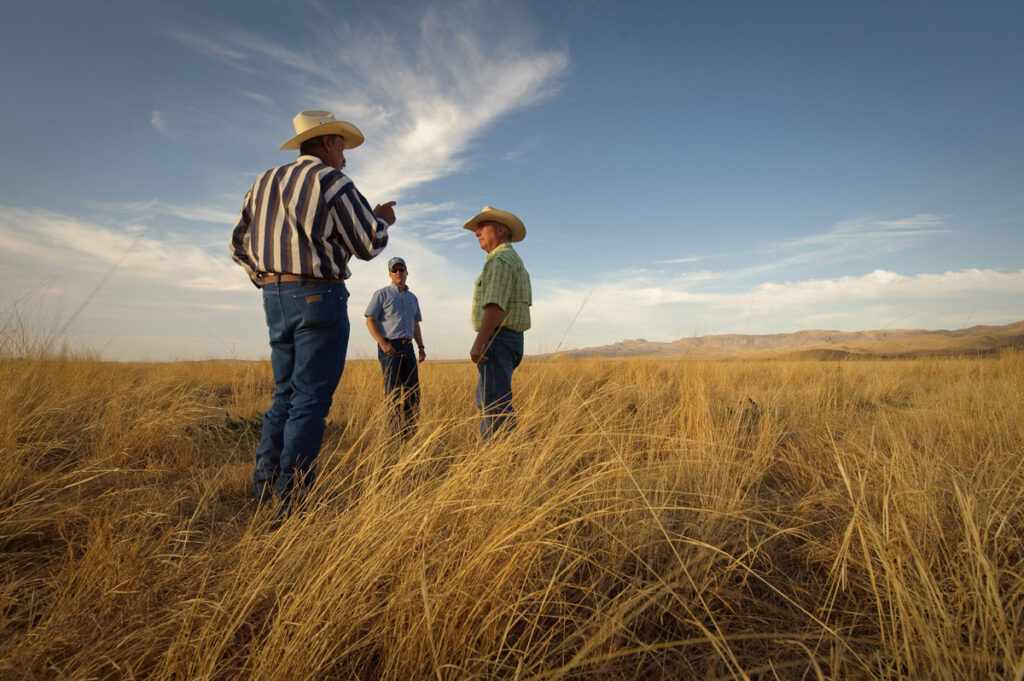
 Ward Burton
How Sportsmen are Doing It Right

Ward Burton's Story

Ward Burton’s NASCAR driving career stretched across most of two decades. As an avid sportsman and conservationist, he founded the…

Special Places
Why It Matters

Special Places Worth Protecting

America’s most iconic landscapes provide unmatched habitat and unforgettable days afield. These places sustain wildlife, anchor local economies, and define the hunting and fishing traditions we pass down.

What TRCP is Doing

We’re working to conserve special places that provide world-class habitat and unforgettable opportunities for hunters and anglers.

 Franklin Adams
How Sportsmen Are Doing It Right

Franklin Adams's Story

As a true Gladesman, conservationist, and historian, Capt. Franklin Adams has spent more than six decades championing Everglades restoration efforts…

Habitat & Clean Water
Why It Matters

Healthy Habitat Powers Every Pursuit

All hunting and fishing opportunities depend on quality habitat, from clean water and healthy wetlands to winter and summer habitats and the migration corridors that connect them.

All About Habitat & Clean Water
What TRCP is Doing

We are working to safeguard the habitats that power every hunting and fishing opportunity.

 Alex Harvey
How Sportsmen Are Doing It Right

Alex Harvey's Story

Alex Harvey, founder of Legacy Land Management, is a registered professional forester in Mississippi and Alabama with a Master's degree…

Science
Why It Matters

Science That Guides TRCP

From conserving migration corridors and wetlands to ensuring clean water and resilient landscapes, science provides evidence that turns conservation goals into effective action.

Science for Conservation
What TRCP is Doing

For hunters and anglers, science safeguards the experiences we treasure including resilient big game populations, abundant fish, and wild places that endure changing social landscapes.

Jamelle Ellis
Your Science Expert

Jamelle Ellis's Story

Jamelle Ellis joined the Theodore Roosevelt Conservation Partnership in 2022. Jamelle spent the last three years as an environmental sustainability…

Where We Work
Across the Nation

Conservation Across America

TRCP works across the country to ensure hunters and anglers can enjoy healthy fish and wildlife and quality days afield, no matter where they live.

See All Issues
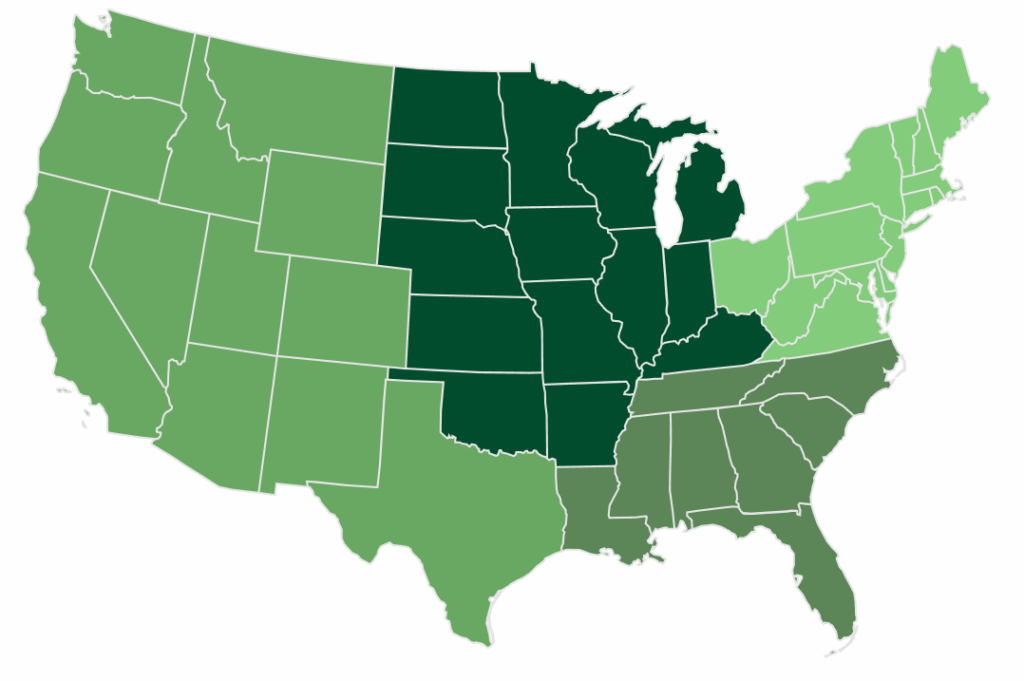
TRCP in Your Region

TRCP works across the country to ensure hunters and anglers can enjoy healthy fish and wildlife and quality days afield, no matter where they live.

Who We Are
Our Mission

To guarantee all Americans quality places to hunt & fish

We unite and amplify our partners’ voices to advance America’s legacy of conservation, habitat, and access.

Our Mission & Values
Our People & Partners
  • Meet the TRCP Team

    Our staff and board members unite and amplify our partners’ voices to advance America’s legacy of conservation, habitat, and access.

    Meet the Team
  • Our Partners

    ‘Partnership’ is in our name. We work with 64 diverse partner groups that represent today’s leading hunting, fishing, and conservation organizations in order to strengthen the sportsman’s voice in Washington, D.C.

    Our Partners
  • Corporate Council

    TRCP’s Corporate Council is made up of diverse corporations that share a common passion for conservation.

    Corporate Council
Our Organization

Looking for more information?

Explore our latest news, policy updates, and conservation resources to get the information you need.

Giving
How You Can Help

To guarantee all Americans quality places to hunt & fish

Your tax-deductible donation will support TRCP's mission, now and into the future.

DONATE
Special Ways to support trcp
  • Capital Conservation Awards Dinner

    The CCAD is one of Washington's best-attended conservation celebrations, featuring dinner, cocktails, and a silent auction.

    Learn More
  • Step Into the Arena

    Help us ensure that our treasured wild habitats and game remain intact for the next generation to enjoy – lend your support to the TRCP’s efforts today!

    Donate
  • Roosevelt Roast

    TRCP has partnered with Afuera Coffee Co. to further our commitment to conservation.

    Learn More
More donation options

Find the best way for you to lend your support. Join one of TRCP’s donor circles for special invitations, premium offerings from outdoor retailers, and more exclusive benefits. Take control of your legacy with planned giving or contribute to special conservation funds.

Other Ways To Give
News
In the Spotlight

Oregon Legislature Passes Landmark “1.25 Percent for Wildlife” Act

After three legislative sessions and more than a decade of advocacy, a bipartisan coalition secures Oregon’s most significant conservation funding victory in a generation.

Read More

Stay Informed

Receive our newsletter, the Roosevelt Report, right in your inbox. Never miss the latest news in conservation issues.

by:

posted in:

October 11, 2017

ry.cavanaugh

Do you have any thoughts on this post?

XHTML: You can use these tags: <a href="" title=""> <abbr title=""> <acronym title=""> <b> <blockquote cite=""> <cite> <code> <del datetime=""> <em> <i> <q cite=""> <s> <strike> <strong>

Comments must be under 1000 characters.

by:

posted in:

October 5, 2017

TRCP Statement on Sage-grouse Conservation Plan Amendment Process

Reopening conservation plans before they can be implemented is a premature step

Today, the Department of Interior and Bureau of Land Management announced that they will reopen the federal land-use plans for sage grouse conservation for amendments and published a 45-day comment period in the Federal Register. The action stems from a report generated by Secretarial Order 3353 and recommendations from a DOI-lead review team regarding several issues brought forth by the western states, local governments, and some stakeholder groups. While today’s notice opens the plans for additional comments, it does not necessarily mean they will be amended.

“We do not believe DOI and BLM fully exhausted all administrative options outlined in the report to the Secretary before deciding to pursue reopening the federal sage grouse conservation plans after just 2-years from their completion and with little implementation on the ground,” says Whit Fosburgh, president and CEO of the Theodore Roosevelt Conservation Partnership. “Some targeted amendments to the plans may be necessary and could be acceptable once all other options have been exhausted, but we do not support major changes from amendments to the federal plans.”

“The current federal plans already balanced the conservation and management of sage-grouse priority habitat with energy development and other multiple uses of public lands. Representatives from the oil and gas, wind, and grazing industries, among others, were deeply involved in developing the current sage-grouse plans. Expanding development within priority habitat would be ill-advised and invite further litigation. Any future changes to the conservation measures in the plans must be defensible and supported by past and current scientific information. The TRCP will continue to work with DOI and BLM, as well as the states, during this process to ensure issues are resolved and balanced without further compromise to the conservation of the sagebrush ecosystem.”

In a separate notice today, the BLM also canceled a proposed withdrawal of approximately 10 million acres in Sagebrush Focal Areas in Idaho, Montana, Nevada, Oregon, Utah, and Wyoming from mineral development.

“Mining, while not as extensive as other development, still has impacts on the sagebrush ecosystem and must follow conservation rules for sage grouse priority and general habitat. With or without designated focal areas, we expect the BLM to continue to hold future development to these existing standards.”

by:

posted in:

An Underrated Bass Fishery United This Town on the Colorado River

Restoration work on waterfront habitat did almost as much to revive the community as it did to improve conditions for fishing

It was 107 degrees in the September sun in Yuma, Arizona, and yet people were out bass fishing.

Twenty years ago, this would not have been the case. But Yuma’s renewed focus on its river, the mighty Colorado, is an extraordinary story of diplomacy and determination that has resulted in benefits for the local economy, outdoor recreation, and Yuma’s people. I was able to witness this firsthand on a recent canoe trip through the Yuma Heritage Area’s wetlands restoration sites, through the downtown park—now vibrant after struggling in the late 20th century —to below the Ocean to Ocean (“peace”) bridge—rebuilt quite literally to bring together residents of Yuma on the river’s east bank with members of the Quechan Reservation on its west bank, with whom relations had been poor.

Yuma is best known as the nation’s winter lettuce capital. But an almost impassable thicket of non-native vegetation, including salt cedar (also known as tamarisk), had been growing along the Colorado River, masking temporary shelters for the homeless and entry points for drug smugglers coming from Mexico, less than ten miles south. Recognizing the potential for a vibrant waterfront, the city hired a community developer who started meeting with the Quechan tribe, and soon after the two governments enlisted the National Park Service and other federal and state agencies to help tackle community and river restoration.

By 2014, the communities had cleared and revegetated more than 400 acres of riverfront , built parks on both banks, and established a network of hiking and biking trails for enthusiastic use by visitors (including many snowbirds) and locals. The restoration effort has improved riparian and river habitat, including flows, and has made the river a safer destination for people, too. As a result, both fish (bass and flatheads) and anglers now thrive.

As a bass boat passed us, both motoring up and floating back down river, I paddled through many of the restoration sites with Ken Conway, the recreation coordinator for Yuma’s Parks and Wildlife Department and a former Trout Unlimited chapter chair back East. Each year, he and his crew take 40 school and civic groups down the river to see how the habitat has changed and to continue testing the water quality as restoration continues and the vegetation matures. The department also offers fishing classes and holds an annual children’s fishing tournament.

The takeaway is simple: River restoration takes time, money, and lots of negotiation, but it has the potential to refresh the surrounding community as well as the habitat. At Yuma’s Gateway Park, where half a dozen anglers had lines in the water on a weekday morning, long after the thermometer had passed 100 degrees, it would have been hard to feel anything but positive about the transformation.


First photo courtesy of J. Jakobson.

Second photo courtesy of senkodontlie.

Third photo courtesy of Bureau of Reclamation.

by:

posted in:

October 4, 2017

Why the West Should Care as Much as Corn Country About Farm Bill Conservation Programs

You might be surprised just how much impact private land conservation programs and incentives have in a state like New Mexico

We already know that hunters and anglers, regardless of political party, support conservation on private lands: 75 percent agree we should provide financial incentives to farmers and ranchers to implement habitat conservation, and 87 percent do not want to see cuts to conservation programs, in the upcoming 2018 Farm Bill or anywhere else. But it may be surprising to sportsmen and women, even those who support private land conservation generally, just how much of an impact these programs have outside the Corn Belt.

New Mexico, for example, isn’t a state that comes to mind as much as Minnesota, Illinois, Iowa, or even the Dakotas, when it comes to on-farm conservation needs. You might picture my home state, instead, as a mosaic of different kinds of public lands, but I’m learning that we have plenty at stake in the 2018 Farm Bill debate.

I recently attended a listening session on Farm Bill topics with staffers from the office of New Mexico Representative Lujan Grisham, who serves on the House Agriculture Committee. In that meeting, on behalf of TRCP and the partners in our Agriculture and Wildlife Working Group, I shared some of the recommendations we’ve arrived at as a community and highlighted three ways the next Farm Bill can be beneficial to New Mexico’s agricultural producers, sportsmen, and overall economy.

Access and Habitat

Nothing will serve sportsmen’s access needs better than boosting the Voluntary Public Access and Habitat Incentive Program, which provides competitive block grants to state agencies and tribal governments to fund recreational access and habitat improvement programs on private lands. State and tribal agencies then use this funding to compensate and provide technical and conservation services to landowners who voluntarily open their land to the public for hunting and fishing.

By offering grants to states to create or improve walk-in access programs, VPA-HIP is the only federal program that incentivizes public hunting and fishing access on—or right-of-way access through—private lands. The program has been reauthorized twice now, yet New Mexico—despite having an excellent Open Gate Program—has never received a grant. VPA first needs to be reauthorized and then we’d like to see $150 million allocated to conservation and access programs over the next five years of the Farm Bill, compared to just $40 million in the current Farm Bill.

Environmental Quality Incentives Program (EQIP) provides assistance to landowners enabling them to replace antiquated and inefficient pivot systems, benefiting both domestic and and wild game species. Image courtesy of USDA/Flickr.

CRP Works Here, Too

The Conservation Reserve Program has helped restore wildlife habitat and improve thousands of waterways nationwide since the program’s inception. CRP acres in the Northern Plains make up a vital share of nesting habitat for more than half of North America’s waterfowl, and CRP is helping landowners to voluntarily restore and supplement sage-grouse habitat across the West, providing much needed aid to a species in decline. Whitetail deer, black bears, pheasants, quail, wild turkeys, and countless other game species have also rebounded thanks to the conservation of millions of acres of grasslands and buffers through CRP.

The impact CRP has on water is especially notable, particularly in parched states like New Mexico. Through smart land-management decisions—like the installation of waterway buffers in riparian areas—CRP protects more than 170,000 stream miles with naturally filtering trees and grasses. These improvements mean cleaner drinking water, more effective groundwater recharge, and better fish habitat in areas where a little water has to go a long way.

In addition, many farmers, ranchers, and forest owners also open CRP acres to hunters and anglers in their communities. There are nearly 450,000 acres of CRP currently enrolled across 1,300 individual New Mexico farms and ranches. CRP enrollment is a win-win for farmers, ranchers, wildlife, clean water, and sportsmen—that’s why we are committed to telling lawmakers that CRP works. However, there is a nationwide cap of 24 million acres for CRP, which is far below the demand and the need, and we’d like to see that increased to 35 million acres enrolled nationwide.

An increase across the country can only help our numbers here in New Mexico.

Environmental Quality Incentives Program (EQIP) helps fund projects to improve everything from livestock fencing (on both public and private lands) and better irrigation systems, to upland bird habitat restoration and invasive species removal. Image courtesy of Larry Lamsa/Flickr. Cover image courtesy of Jim Hickcox.


New Mexico’s Favorite

Used for everything from livestock fencing and better irrigation systems to upland bird habitat restoration and invasive species removal, the Environmental Quality Incentives Program is the Farm Bill tool that gets New Mexicans most excited. While at least five percent of overall EQIP spending has to be used on wildlife practices, we’d like to see that requirement doubled to ten percent. Based on current spending, that modification would boost annual nationwide spending for wildlife practices on private lands from around $70 million to $140 million.

And here’s the kicker: New Mexico received $33 million in EQIP funds in fiscal year 2016, which was almost half of the total funds allocated through the Farm Bill. EQIP encourages farmers and ranchers to promote agricultural production and environmental quality as compatible goals, and it helps landowners meet state and federal environmental regulations.

EQIP’s high funding levels have made the program one of the most important tools for wildlife habitat and water quality, and through special initiatives it has helped keep wildlife—such as the iconic greater sage grouse—from being listing under the Endangered Species Act.

Farm Bill at Home on the Range

As you can see, even in a state not known for its agricultural dominance, strong conservation funding in the Farm Bill is vital for the future of New Mexico’s sporting access and wildlife habitat. To see the conservation impact of the Farm Bill where you live, check out these ten maps that show these programs at work across the country.

by:

posted in:

September 28, 2017

Public Lands Move People

A new study looks at booming population growth around Montana’s public lands, which help drive commerce and community values—this could be an indication of the West’s changing economy

Missoula, Montana, home of the TRCP’s Western outpost—is a mecca for outdoor enthusiasts. Folks from all over the country choose to live or vacation here because of the fishing, hiking, mountain biking, camping, rafting, and hunting that waits just a hop, skip, and a jump from your front door or hotel room.

When it came time to move from my previous home in Bend, Ore.—also an outdoorsman’s paradise—Missoula was on the short list of places my fiancée and I were willing to live next. Our criteria are simple: It can’t be too big or too small of a town, and there must be ample access to hunting, fishing, and recreation in the outdoors. In other words, access to public lands is a deal breaker for us.

And apparently, we’re not alone: According to a recent study from Montana nonprofit Headwaters Economics, public lands in Montana attract and move many. The results show that counties with a high percentage of national public lands have experienced a population increase of 2.87 percent, while counties with less than the median share of public lands have experienced a total population decline of 2.22 percent. The western half of Montana—the part with the most public land—is growing most rapidly.

This seems to be a trend across the West: The data show that counties with the most public land are outpacing the counties with the least public land in population, employment rate, and income growth.

With so many flocking to the “Last Best Place,” Montana’s economy is booming. From 2000 to 2015, the state has outpaced the rest of the U.S. in terms of employment and income growth. What sets Montana apart from most other states? Well, for one, 29 percent of the state is public land, creating quite a large hunting and fishing playground.

According to the Outdoor Industry Association, more than four in five Montanans engage in outdoor recreation each year, and this booming sector supports 71,000 direct jobs. For comparison, that’s more jobs than construction and manufacturing in the state. The $7.1 billion netted annually from outdoor recreation spending is significantly more than the entire statewide value of agricultural crops, livestock, and poultry. And considering that our state has the second-lowest population density in the lower 48 and just over a million people, the $286 million in state and local tax revenue created by outdoor recreation means a whole heck of a lot to Montanans. Very little of it would exists without the state’s expansive public lands.

Public lands are the main attractant, and the service industries that cater to new residents and visitors are thriving. Everything from hotels, restaurants, and grocery stores to realtors and lawyers now account for 60 percent of total earnings in Montana. Things are changing.

And the outdoors don’t only nurture outdoor-related and service careers. Many businesses and individuals now have the luxury of setting up shop wherever they can get reliable Internet access. It’s no wonder that public-land-rich towns like Bend, Ore., Boulder, Colo., and Missoula, Mont., are seeing the tech industry settle in.

This is all to say that the P&L sheet for America’s public lands can’t be based solely on property taxes and extracted resources. To fairly value these public lands (something some lawmakers would prefer not to do) we need to take a step back and measure all the economic impacts—the service industry businesses that benefit when hunters come to town, the attraction for big employers, and maybe even the tech company CEO’s desire to live somewhere he can fish year-round.

HOW YOU CAN HELP

TRCP has partnered with Afuera Coffee Co. to further our commitment to conservation. $4 from each bag is donated to the TRCP, to help continue our efforts of safeguarding critical habitats, productive hunting grounds, and favorite fishing holes for future generations.

Learn More

You have Successfully Subscribed!

You have Successfully Subscribed!

You have Successfully Subscribed!

You have Successfully Subscribed!