Our Issues
Public Lands
Why It Matters

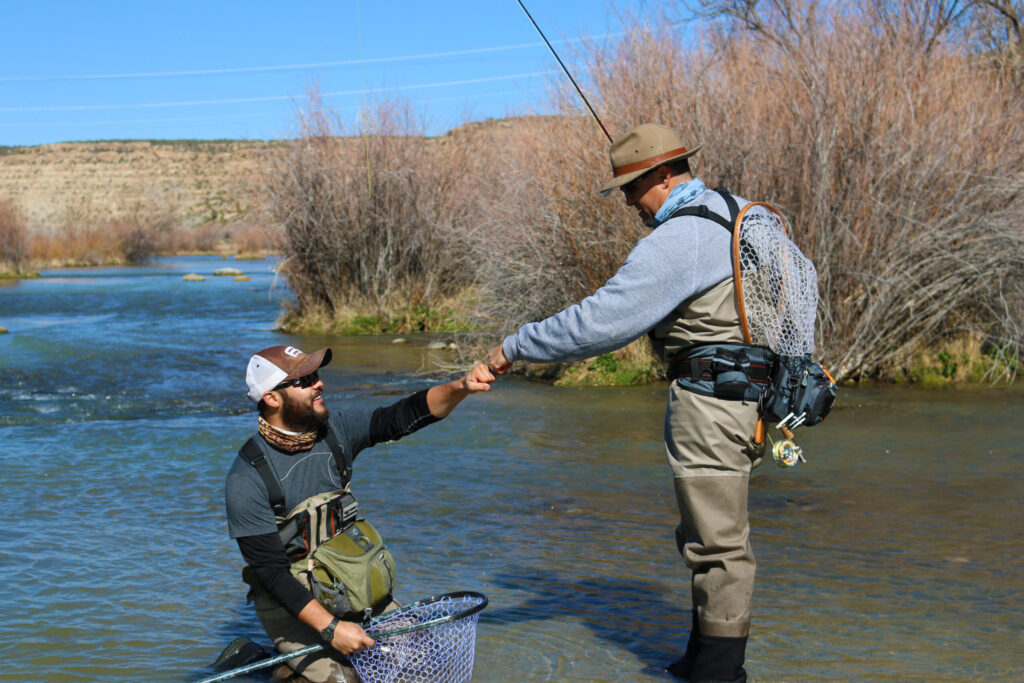
Hunting & Fishing Access

America’s 640 million acres of national public lands provide irreplaceable hunting and fishing opportunities to millions of Americans.

Learn More About Access
What TRCP is Doing

We’re working to safeguard America’s public lands so hunters and anglers always have quality places to pursue their passions.

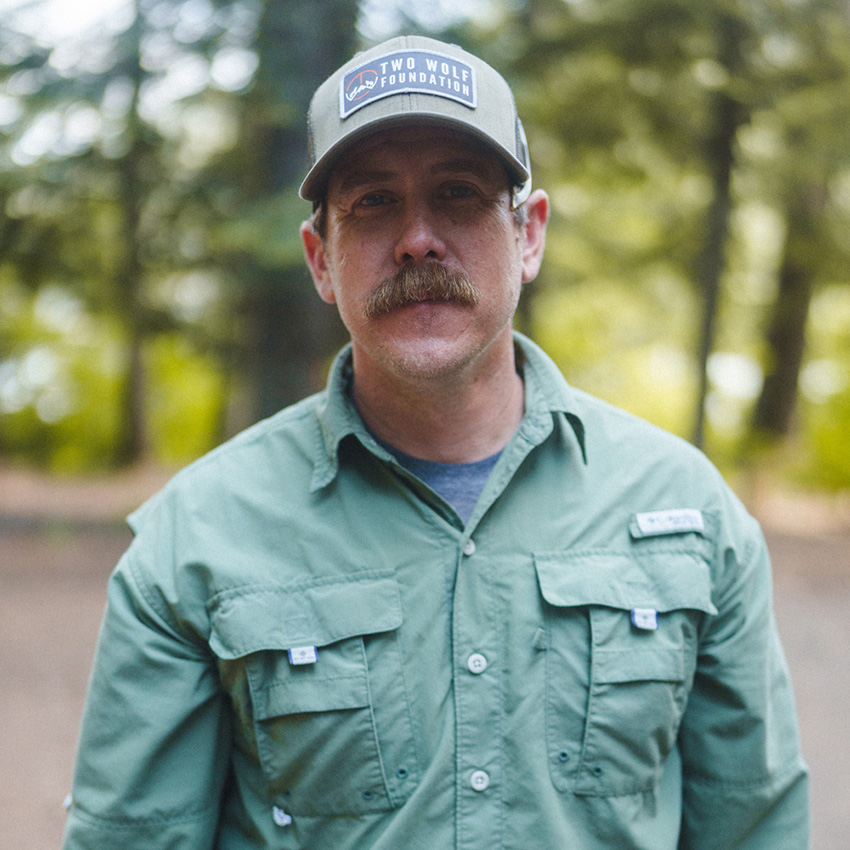
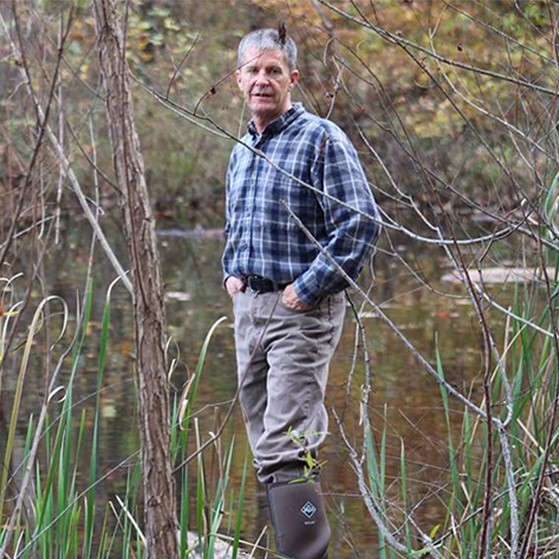
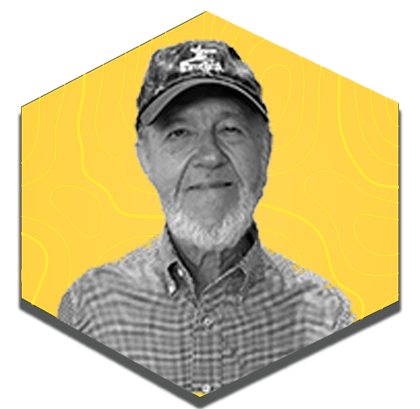
 Brian Flynn, Two Wolf Foundation
How Sportsmen Are Doing It Right

Brian Flynn, Two Wolf Foundation's Story

Following a distinguished career in the U.S. Army, lifelong outdoorsman Brian Flynn returned home from a deployment in Afghanistan and…


Hunting
Why It Matters

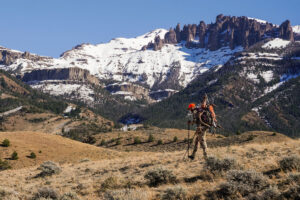
Key Issues for America’s Hunters

Your source for the latest policy updates, conservation challenges, and opportunities shaping America’s hunting traditions.

What TRCP is Doing

We’re fighting for meaningful policy changes that benefit wildlife, our waters, and the American landscapes that make our outdoor traditions possible.

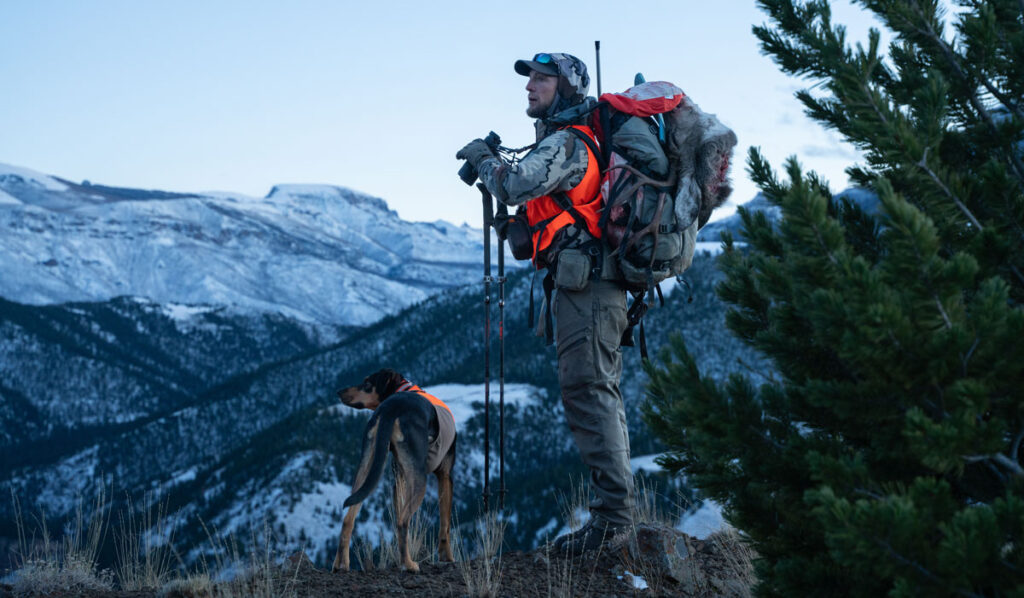
 Ryan Sparks
How Sportsmen Are Doing It Right

Ryan Sparks's Story

TRCP’s “In the Arena” series highlights the individual voices of hunters and anglers who, as Theodore Roosevelt so famously said,…
Fishing
Why It Matters

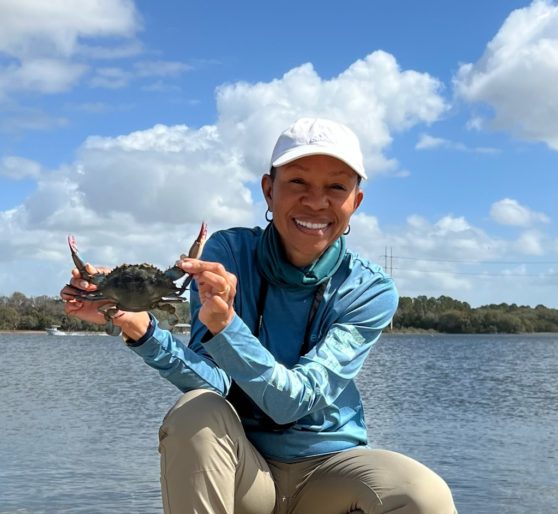
Key Issues for America’s Anglers

Your source for the latest policy updates, conservation challenges, and opportunities shaping America’s fishing traditions.

What TRCP is Doing

We’re fighting for meaningful policy changes that benefit wildlife, our waters, and the American landscapes that make our outdoor traditions possible.

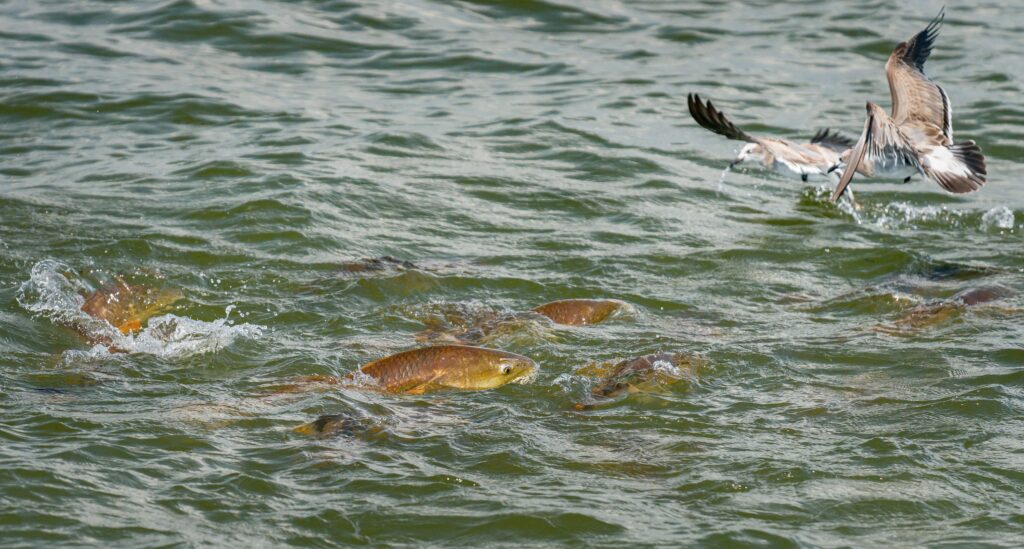
 David Mangum
How Sportsmen Are Doing It Right

David Mangum's Story

Capt. David Mangum is a YETI ambassador and outdoor photographer who utilizes his talents to produce media that inspire a…

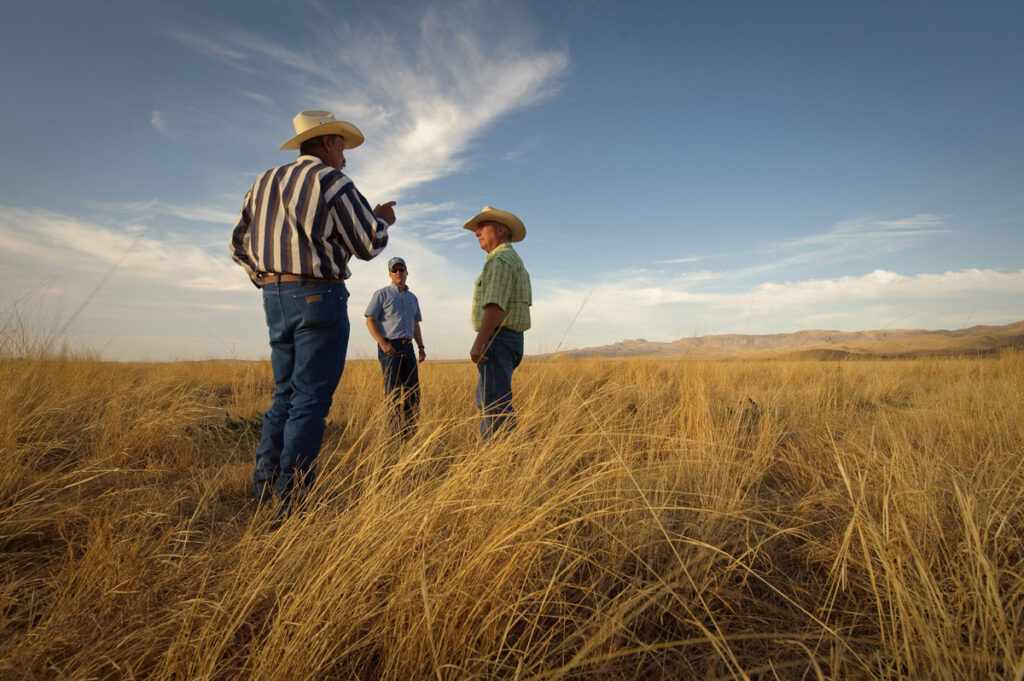
Private Land
Why It Matters

Stewardship on America’s private lands

With 70 percent of U.S. lands in private hands and many of our best hunt and fish opportunities occurring there, investing in voluntary conservation on working lands safeguards access, strengthens habitat and water quality, and ensures resilient landscapes.

Learn More
What TRCP is Doing

We champion policies and programs that restore wildlife habitat, improve soil and water health, and keep working lands productive.

 Ward Burton
How Sportsmen are Doing It Right

Ward Burton's Story

Ward Burton’s NASCAR driving career stretched across most of two decades. As an avid sportsman and conservationist, he founded the…

Special Places
Why It Matters

Special Places Worth Protecting

America’s most iconic landscapes provide unmatched habitat and unforgettable days afield. These places sustain wildlife, anchor local economies, and define the hunting and fishing traditions we pass down.

What TRCP is Doing

We’re working to conserve special places that provide world-class habitat and unforgettable opportunities for hunters and anglers.

 Franklin Adams
How Sportsmen Are Doing It Right

Franklin Adams's Story

As a true Gladesman, conservationist, and historian, Capt. Franklin Adams has spent more than six decades championing Everglades restoration efforts…

Habitat & Clean Water
Why It Matters

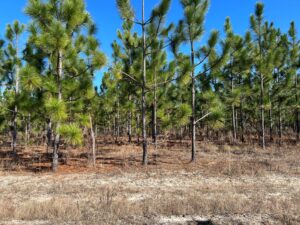
Healthy Habitat Powers Every Pursuit

All hunting and fishing opportunities depend on quality habitat, from clean water and healthy wetlands to winter and summer habitats and the migration corridors that connect them.

All About Habitat & Clean Water
What TRCP is Doing

We are working to safeguard the habitats that power every hunting and fishing opportunity.

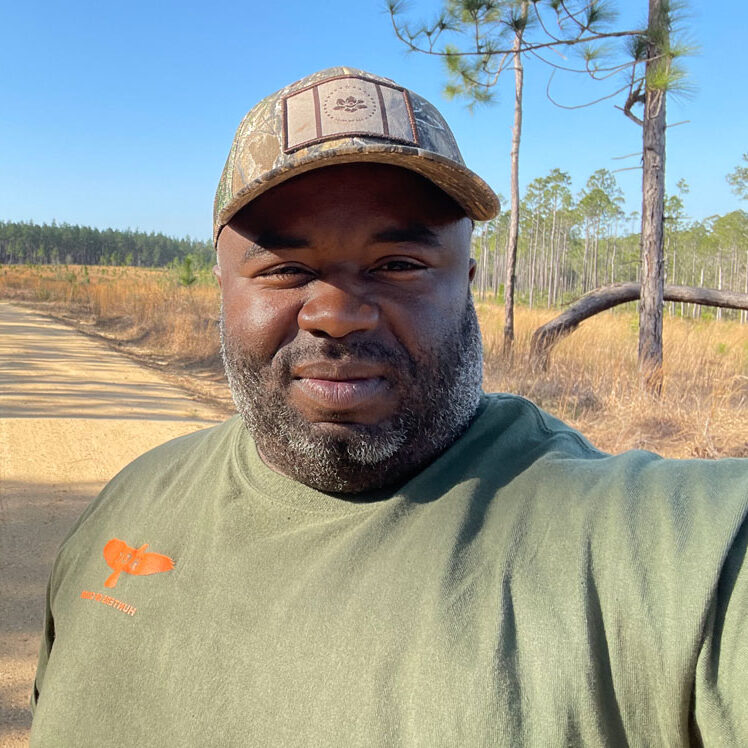
 Alex Harvey
How Sportsmen Are Doing It Right

Alex Harvey's Story

Alex Harvey, founder of Legacy Land Management, is a registered professional forester in Mississippi and Alabama with a Master's degree…

Science
Why It Matters

Science That Guides TRCP

From conserving migration corridors and wetlands to ensuring clean water and resilient landscapes, science provides evidence that turns conservation goals into effective action.

Science for Conservation
What TRCP is Doing

For hunters and anglers, science safeguards the experiences we treasure including resilient big game populations, abundant fish, and wild places that endure changing social landscapes.

Jamelle Ellis
Your Science Expert

Jamelle Ellis's Story

Jamelle Ellis joined the Theodore Roosevelt Conservation Partnership in 2022. Jamelle spent the last three years as an environmental sustainability…

Where We Work
Across the Nation

Conservation Across America

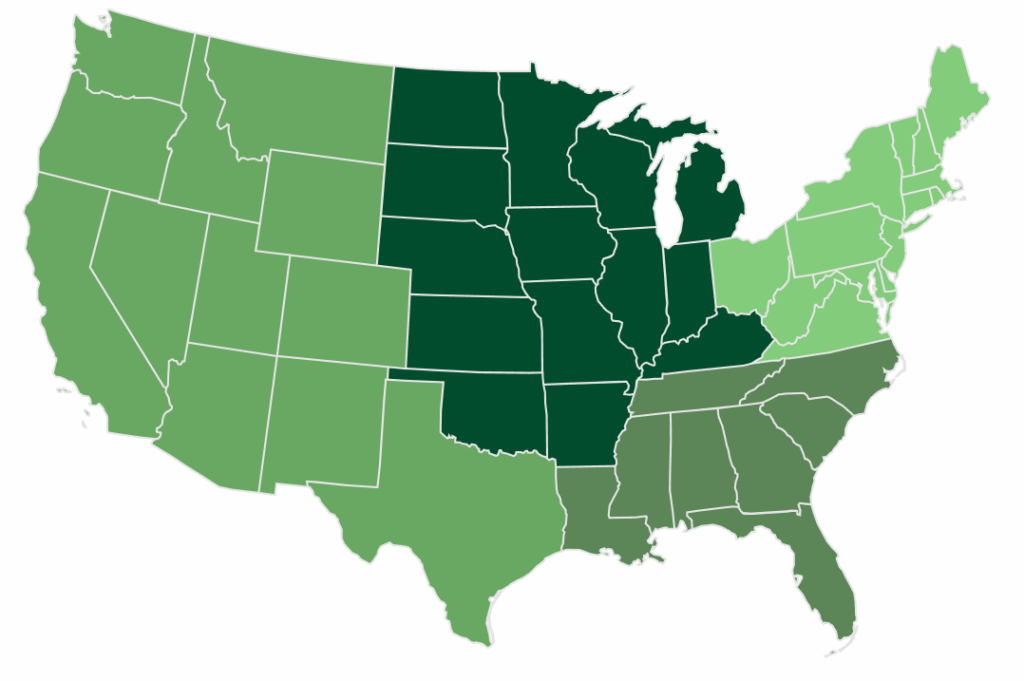
TRCP works across the country to ensure hunters and anglers can enjoy healthy fish and wildlife and quality days afield, no matter where they live.

See All Issues
TRCP in Your Region

TRCP works across the country to ensure hunters and anglers can enjoy healthy fish and wildlife and quality days afield, no matter where they live.

Who We Are
Our Mission

To guarantee all Americans quality places to hunt & fish

We unite and amplify our partners’ voices to advance America’s legacy of conservation, habitat, and access.

Our Mission & Values
Our People & Partners
  • Meet the TRCP Team

    Our staff and board members unite and amplify our partners’ voices to advance America’s legacy of conservation, habitat, and access.

    Meet the Team
  • Our Partners

    ‘Partnership’ is in our name. We work with 64 diverse partner groups that represent today’s leading hunting, fishing, and conservation organizations in order to strengthen the sportsman’s voice in Washington, D.C.

    Our Partners
  • Corporate Council

    TRCP’s Corporate Council is made up of diverse corporations that share a common passion for conservation.

    Corporate Council
Our Organization

Looking for more information?

Explore our latest news, policy updates, and conservation resources to get the information you need.

Giving
How You Can Help

To guarantee all Americans quality places to hunt & fish

Your tax-deductible donation will support TRCP's mission, now and into the future.

DONATE
Special Ways to support trcp
  • Capital Conservation Awards Dinner

    The CCAD is one of Washington's best-attended conservation celebrations, featuring dinner, cocktails, and a silent auction.

    Learn More
  • Step Into the Arena

    Help us ensure that our treasured wild habitats and game remain intact for the next generation to enjoy – lend your support to the TRCP’s efforts today!

    Donate
  • Roosevelt Roast

    TRCP has partnered with Afuera Coffee Co. to further our commitment to conservation.

    Learn More
More donation options

Find the best way for you to lend your support. Join one of TRCP’s donor circles for special invitations, premium offerings from outdoor retailers, and more exclusive benefits. Take control of your legacy with planned giving or contribute to special conservation funds.

Other Ways To Give
News
In the Spotlight

TRCP Appreciates Make America Beautiful Again 250 Strategy and Migration Announcements

Efforts will continue progress on habitat, access, and big game migration corridor conservation

Read More

Stay Informed

Receive our newsletter, the Roosevelt Report, right in your inbox. Never miss the latest news in conservation issues.

by:

posted in:

March 8, 2017

CJ Oliver

Do you have any thoughts on this post?

XHTML: You can use these tags: <a href="" title=""> <abbr title=""> <acronym title=""> <b> <blockquote cite=""> <cite> <code> <del datetime=""> <em> <i> <q cite=""> <s> <strike> <strong>

Comments must be under 1000 characters.

by:

posted in:

March 7, 2017

Congress Rolls Back Your Say in BLM Land Management

Sportsmen now look to Secretary Zinke to restore the public’s voice in the BLM land-use planning process that affects habitat, access, and rural economies

Today, U.S. Senators voted to nullify the Bureau of Land Management’s revised land-use planning rule, commonly known as Planning 2.0, which gives the public more chances to weigh in on land management decisions for 245 million acres of BLM public lands. The House passed a similar resolution of disapproval using the Congressional Review Act on February 7.

President Trump’s signature on this action will revert BLM planning to a decades-old process and may prevent the agency from creating a new rule that has the same benefits for habitat and public involvement. Planning 2.0 was the product of more than two years of collaboration between the agency, state and local governments, and the public.

“Hunters and anglers are puzzled by the fact that Congress would choose to destroy a refined and more inclusive public lands management process,” says Joel Webster, director of Western lands with the Theodore Roosevelt Conservation Partnership. “Perhaps some additional fine-tuning could have further improved BLM planning, but this CRA action is the equivalent of burning down the house simply because some window trim needed replacing. It’s an overreaction with real-world consequences for fish, wildlife, and the American people.”

Wyoming’s North Platte River. Image courtesy of Brady Owen/BLM.

Nineteen sportsmen’s groups wrote Congress in support of Planning 2.0 revisions that created three additional opportunities for the public and key collaborators—like state and local governments—to be involved at the front-end of the land-use planning process. These additional steps were designed to increase agency transparency and public involvement, and these benefits are still sorely needed to boost overall satisfaction with the management of BLM public lands across the country.

“It is tragic to see so much hard work and public input go to waste, only to be replaced with uncertainty,” says Steven Williams, president of the Wildlife Management Institute. “Meanwhile, the agency will continue to struggle in using an outdated, ineffective planning process to deal with modern-day challenges on public lands.”

Consideration for big game migration corridors and other planning tools that account for the most recent scientific data are not written into the previous land-use planning rule, established in 1983. Hunters and anglers are looking to the newly confirmed Secretary of the Interior to find other ways of securing these benefits.

“Sportsmen and women are incredibly savvy about public lands management and how planning efforts affect the places we hunt and fish—these are our lands and we deserve a fair shake,” says Corey Fisher, senior policy director for Trout Unlimited’s Sportsmen Conservation Project. “We stand ready and willing to work with Secretary Zinke to restore the public’s voice in BLM public land management and see to it that important fish and wildlife habitat isn’t overlooked.”


by:

posted in:

Congress Cuts the Public’s Role in BLM Land Management

News for Immediate Release
Mar. 7, 2017
Contact: Kristyn Brady, 617-501-6352, kbrady@trcp.org

Sportsmen now look to Secretary Zinke to restore the public’s voice in the BLM land-use planning process that affects habitat, access, and rural economies

WASHINGTON, D.C. – Today, U.S. Senators voted to nullify the Bureau of Land Management’s revised land-use planning rule, commonly known as Planning 2.0, which gives the public more chances to weigh in on land management decisions for 245 million acres of BLM public lands. The House passed a similar resolution of disapproval using the Congressional Review Act on February 7.

President Trump’s signature on this action will revert BLM planning to a decades-old process and may prevent the agency from creating a new rule that has the same benefits for habitat and public involvement. Planning 2.0 was the product of more than two years of collaboration between the agency, state and local governments, and the public.

“Hunters and anglers are puzzled by the fact that Congress would choose to destroy a refined and more inclusive public lands management process,” says Joel Webster, director of Western lands with the Theodore Roosevelt Conservation Partnership. “Perhaps some additional fine-tuning could have further improved BLM planning, but this CRA action is the equivalent of burning down the house simply because some window trim needed replacing. It’s an overreaction with real-world consequences for fish, wildlife, and the American people.”

Nineteen sportsmen’s groups wrote Congress in support of Planning 2.0 revisions that created three additional opportunities for the public and key collaborators—like state and local governments—to be involved at the front-end of the land-use planning process. These additional steps were designed to increase agency transparency and public involvement, and these benefits are still sorely needed to boost overall satisfaction with the management of BLM public lands across the country.

“It is tragic to see so much hard work and public input go to waste, only to be replaced with uncertainty,” says Steven Williams, president of the Wildlife Management Institute. “Meanwhile, the agency will continue to struggle in using an outdated, ineffective planning process to deal with modern-day challenges on public lands.”

Consideration for big game migration corridors and other planning tools that account for the most recent scientific data are not written into the previous land-use planning rule, established in 1983. Hunters and anglers are looking to the newly confirmed Secretary of the Interior to find other ways of securing these benefits.

“Sportsmen and women are incredibly savvy about public lands management and how planning efforts affect the places we hunt and fish—these are our lands and we deserve a fair shake,” says Corey Fisher, senior policy director for Trout Unlimited’s Sportsmen Conservation Project. “We stand ready and willing to work with Secretary Zinke to restore the public’s voice in BLM public land management and see to it that important fish and wildlife habitat isn’t overlooked.”

by:

posted in:

March 1, 2017

Sportsmen Call on Zinke’s Leadership for Public Lands

Trump’s newest cabinet member has opportunity to support habitat and access on the public lands that are part of our national identity

This morning, in a strongly bipartisan 68-31 vote, U.S. Congressman Ryan Zinke was officially given the top job at the Department of the Interior, where he’ll be responsible for the management of public lands, minerals, migratory birds, and endangered species. Hunters, anglers, and the conservation community look forward to working with Zinke to support habitat conservation, sportsmen’s access, and increased public involvement in the management of America’s public lands.

“More than ever before, we need to see the Secretary of the Interior act with conviction as the nation’s top champion of public lands and foremost arbiter of balanced management for fish and wildlife habitat and outdoor recreation,” says K.C. Walsh, chairman of the Theodore Roosevelt Conservation Partnership’s Corporate Council and president of Simms Fishing Products in Bozeman, Mont. “The hunting and fishing community is looking forward to working with Secretary Zinke and his staff to improve collaborative conservation of natural resources that are the envy of all the world.”

Image courtesy of Ryan Zinke.

From his earliest days in office, Zinke will be faced with charting a path forward for the Bureau of Land Management’s revised land-use planning process, a rule that is supported by the sporting community but faces an uncertain future. The House voted three weeks ago to block the BLM’s new Planning 2.0 rule, which creates greater agency transparency and gives the public three additional opportunities to weigh in on land-use plans.

If the Senate passes a similar resolution under the Congressional Review Act, it would likely prevent the BLM from ever issuing a rule with substantially similar benefits. Sportsmen are encouraging Congress to take a step back and instead let Zinke lead on making further changes to the rule, while retaining its many benefits.

“We encourage Secretary Zinke to simply solve problems constructively: Bring together diverse stakeholders, and find common ground for the benefit of fish, wildlife, and our sporting traditions,” says Whit Fosburgh, TRCP’s president and CEO. “Sportsmen and women stand ready and willing to help shape a positive future for our public lands. We’re just asking that remaining concerns with the BLM Planning rule are addressed through a process that also keeps all of the improvements made to public lands management.”

During his tenure, Zinke will also oversee the implementation of federal conservation plans created to keep the greater sage grouse off the endangered species list.

“We’re hopeful that having a true sportsman in this role will be positive for sage grouse as well as the other iconic game species dependent upon conservation of sagebrush habitat, like mule deer and pronghorn antelope,” says Miles Moretti, president of the Mule Deer Foundation. “Hunters, ranchers, and other stakeholders are ready to work with Sec. Zinke to safeguard many traditional uses of this landscape through collaborative conservation.”

The TRCP and other sportsmen’s groups came out in support of Zinke’s nomination in December 2016, based mainly on his opposition to privatizing or transferring federal public lands to individual states. In June 2016, Zinke was the only member of the House Natural Resources Committee to cross party lines and vote against a bill that would allow states to acquire up to two million acres of national forest lands to be managed primarily for timber production, locking Americans out of our public lands. Later this summer, he resigned as a delegate to the Republican nominating convention because of the party’s position on the transfer of federal public lands to the states. Zinke is also in favor of full funding for the Land and Water Conservation Fund, which uses revenues from offshore oil and gas production to conserve important natural resources and open public access.

More than 50,000 Americans have signed a petition opposing the sale or transfer of our public lands. Learn more here.

by:

posted in:

Sportsmen Call on Zinke’s Leadership for Public Lands

News for Immediate Release
Mar. 1, 2017
Contact: Kristyn Brady, 617-501-6352, kbrady@trcp.org

Trump’s newest cabinet member has opportunity to support habitat and access on the public lands that are part of our national identity

WASHINGTON, D.C. — This morning, in a strongly bipartisan 68-31 vote, U.S. Congressman Ryan Zinke was officially given the top job at the Department of the Interior, where he’ll be responsible for the management of public lands, minerals, migratory birds, and endangered species. Hunters, anglers, and the conservation community look forward to working with Zinke to support habitat conservation, sportsmen’s access, and increased public involvement in the management of America’s public lands.

“More than ever before, we need to see the Secretary of the Interior act with conviction as the nation’s top champion of public lands and foremost arbiter of balanced management for fish and wildlife habitat and outdoor recreation,” says K.C. Walsh, chairman of the Theodore Roosevelt Conservation Partnership’s Corporate Council and president of Simms Fishing Products in Bozeman, Mont. “The hunting and fishing community is looking forward to working with Secretary Zinke and his staff to improve collaborative conservation of natural resources that are the envy of all the world.”

From his earliest days in office, Zinke will be faced with charting a path forward for the Bureau of Land Management’s revised land-use planning process, a rule that is supported by the sporting community but faces an uncertain future. The House voted three weeks ago to block the BLM’s new Planning 2.0 rule, which creates greater agency transparency and gives the public three additional opportunities to weigh in on land-use plans.

If the Senate passes a similar resolution under the Congressional Review Act, it would likely prevent the BLM from ever issuing a rule with substantially similar benefits. Sportsmen are encouraging Congress to take a step back and instead let Zinke lead on making further changes to the rule, while retaining its many benefits.

“We encourage Secretary Zinke to simply solve problems constructively: Bring together diverse stakeholders, and find common ground for the benefit of fish, wildlife, and our sporting traditions,” says Whit Fosburgh, TRCP’s president and CEO. “Sportsmen and women stand ready and willing to help shape a positive future for our public lands. We’re just asking that remaining concerns with the BLM Planning rule are addressed through a process that also keeps all of the improvements made to public lands management.”

During his tenure, Zinke will also oversee the implementation of federal conservation plans created to keep the greater sage grouse off the endangered species list.

“We’re hopeful that having a true sportsman in this role will be positive for sage grouse as well as the other iconic game species dependent upon conservation of sagebrush habitat, like mule deer and pronghorn antelope,” says Miles Moretti, president of the Mule Deer Foundation. “Hunters, ranchers, and other stakeholders are ready to work with Sec. Zinke to safeguard many traditional uses of this landscape through collaborative conservation.”

The TRCP and other sportsmen’s groups came out in support of Zinke’s nomination in December 2016, based mainly on his opposition to privatizing or transferring federal public lands to individual states. In June 2016, Zinke was the only member of the House Natural Resources Committee to cross party lines and vote against a bill that would allow states to acquire up to two million acres of national forest lands to be managed primarily for timber production, locking Americans out of our public lands. Later this summer, he resigned as a delegate to the Republican nominating convention because of the party’s position on the transfer of federal public lands to the states. Zinke is also in favor of full funding for the Land and Water Conservation Fund, which uses revenues from offshore oil and gas production to conserve important natural resources and open public access.

More than 50,000 Americans have signed a petition opposing the sale or transfer of our public lands. Learn more here.

HOW YOU CAN HELP

TRCP has partnered with Afuera Coffee Co. to further our commitment to conservation. $4 from each bag is donated to the TRCP, to help continue our efforts of safeguarding critical habitats, productive hunting grounds, and favorite fishing holes for future generations.

Learn More

You have Successfully Subscribed!

You have Successfully Subscribed!

You have Successfully Subscribed!

You have Successfully Subscribed!