Our Issues
Public Lands
Why It Matters

Hunting & Fishing Access

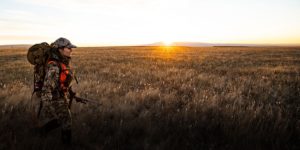
America’s 640 million acres of national public lands provide irreplaceable hunting and fishing opportunities to millions of Americans.

Learn More About Access
What TRCP is Doing

We’re working to safeguard America’s public lands so hunters and anglers always have quality places to pursue their passions.
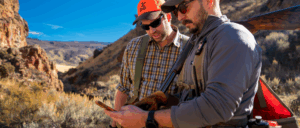
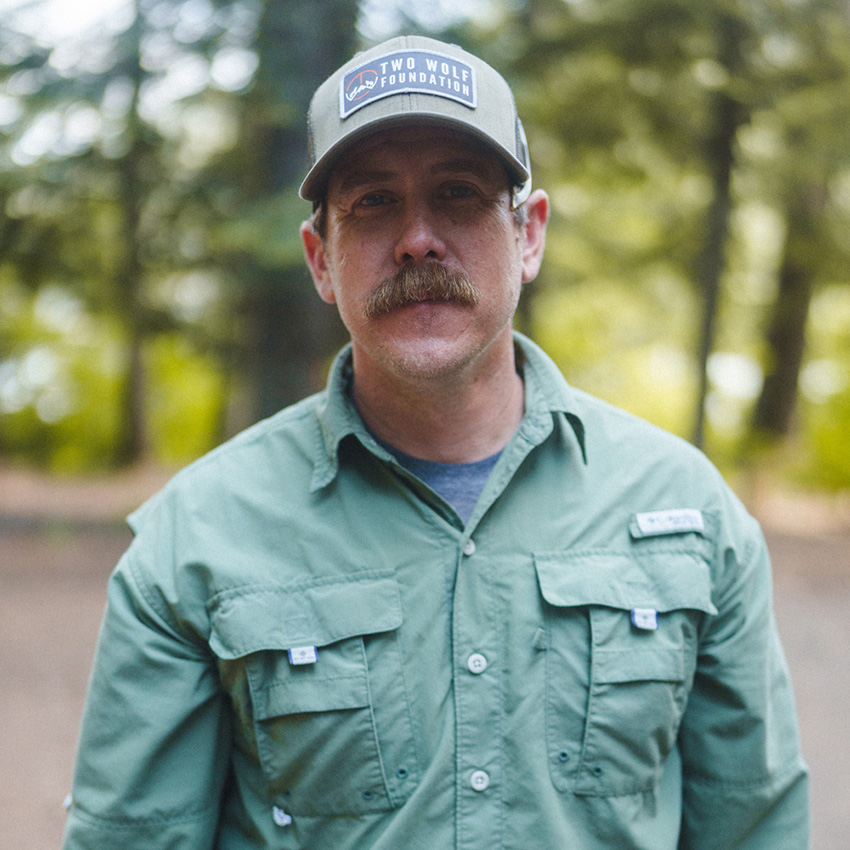
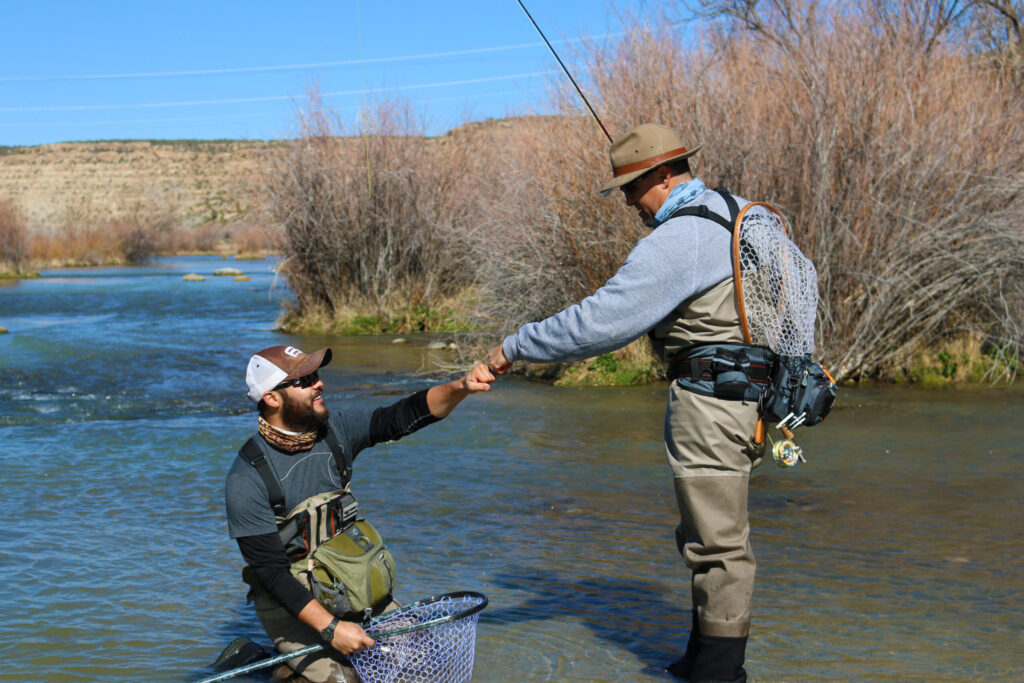
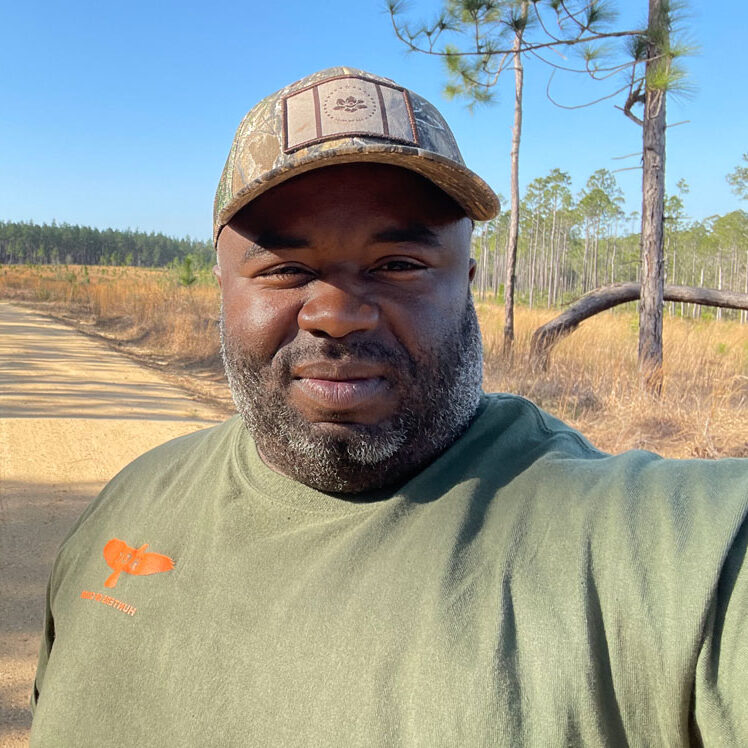
 Brian Flynn, Two Wolf Foundation
How Sportsmen Are Doing It Right

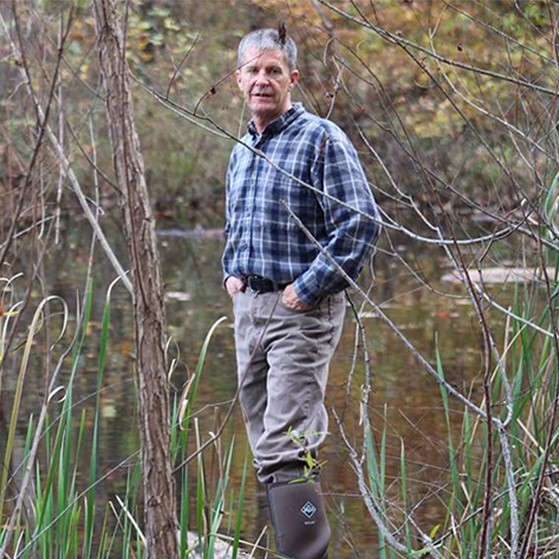
Brian Flynn, Two Wolf Foundation's Story

Following a distinguished career in the U.S. Army, lifelong outdoorsman Brian Flynn returned home from a deployment in Afghanistan and…

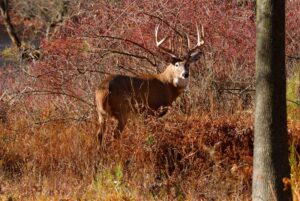
Hunting
Why It Matters

Key Issues for America’s Hunters

Your source for the latest policy updates, conservation challenges, and opportunities shaping America’s hunting traditions.

What TRCP is Doing

We’re fighting for meaningful policy changes that benefit wildlife, our waters, and the American landscapes that make our outdoor traditions possible.

 Ryan Sparks
How Sportsmen Are Doing It Right

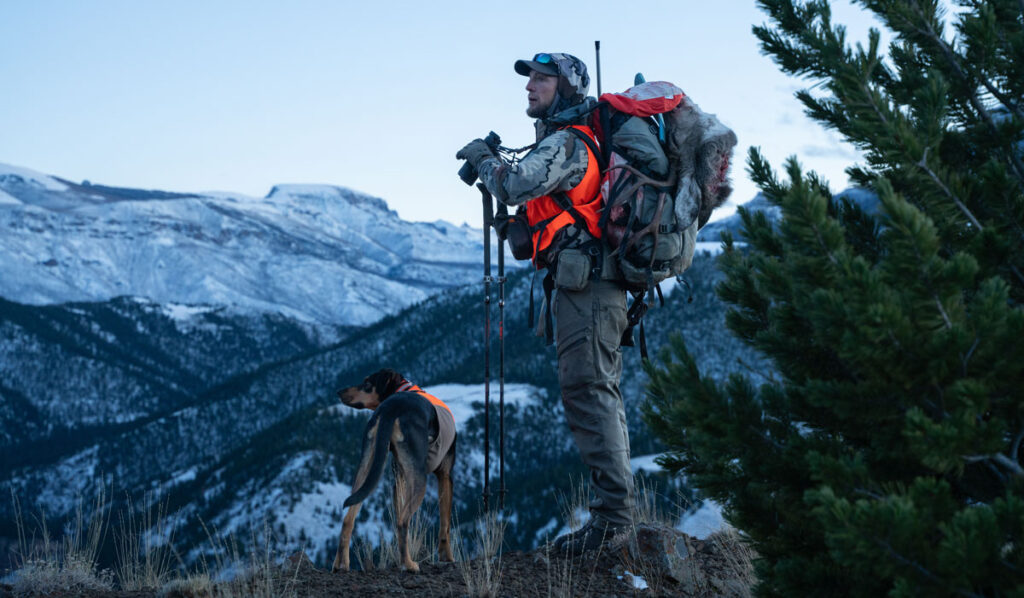
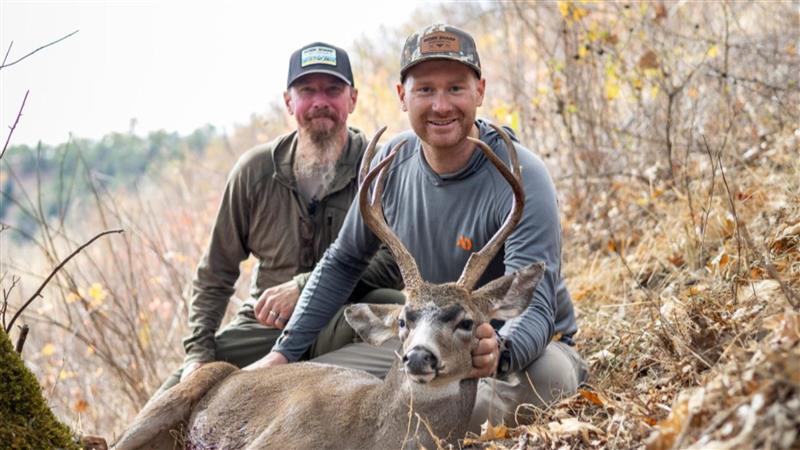
Ryan Sparks's Story

TRCP’s “In the Arena” series highlights the individual voices of hunters and anglers who, as Theodore Roosevelt so famously said,…

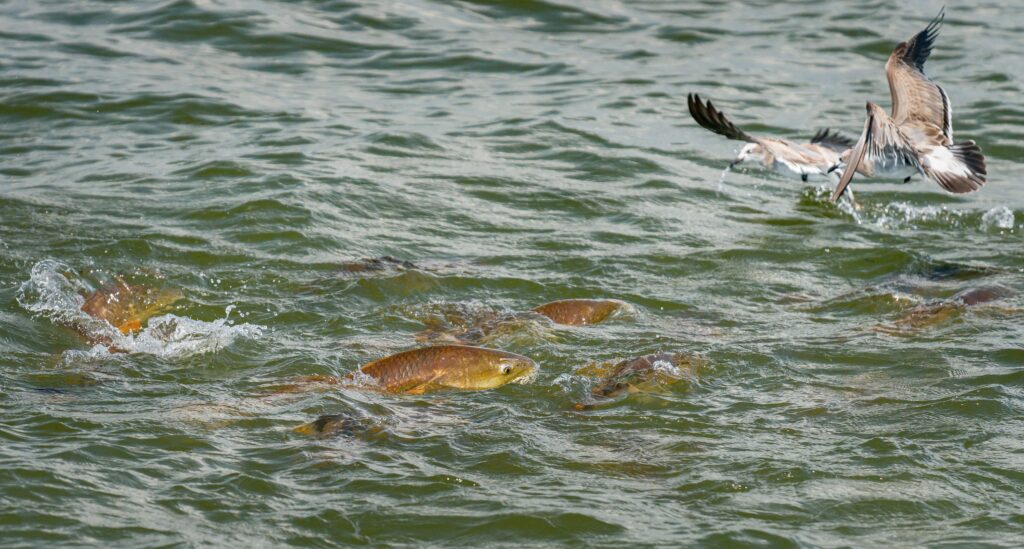
Fishing
Why It Matters

Key Issues for America’s Anglers

Your source for the latest policy updates, conservation challenges, and opportunities shaping America’s fishing traditions.

What TRCP is Doing

We’re fighting for meaningful policy changes that benefit wildlife, our waters, and the American landscapes that make our outdoor traditions possible.

 David Mangum
How Sportsmen Are Doing It Right

David Mangum's Story

Capt. David Mangum is a YETI ambassador and outdoor photographer who utilizes his talents to produce media that inspire a…

Private Land
Why It Matters

Stewardship on America’s private lands

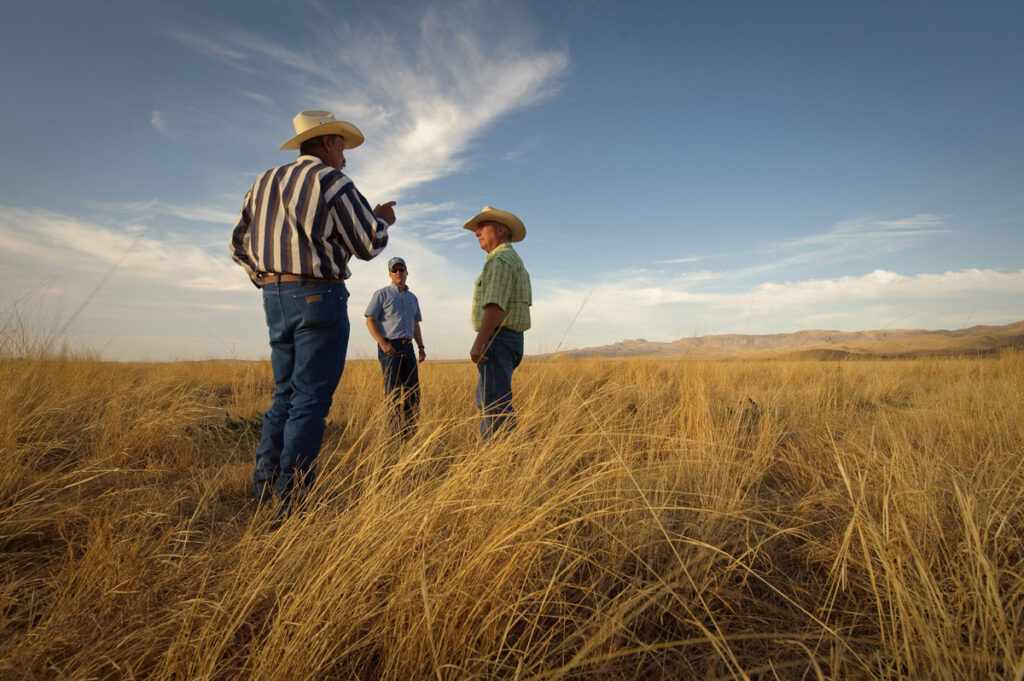
With 70 percent of U.S. lands in private hands and many of our best hunt and fish opportunities occurring there, investing in voluntary conservation on working lands safeguards access, strengthens habitat and water quality, and ensures resilient landscapes.

Learn More
What TRCP is Doing

We champion policies and programs that restore wildlife habitat, improve soil and water health, and keep working lands productive.

 Ward Burton
How Sportsmen are Doing It Right

Ward Burton's Story

Ward Burton’s NASCAR driving career stretched across most of two decades. As an avid sportsman and conservationist, he founded the…

Special Places
Why It Matters

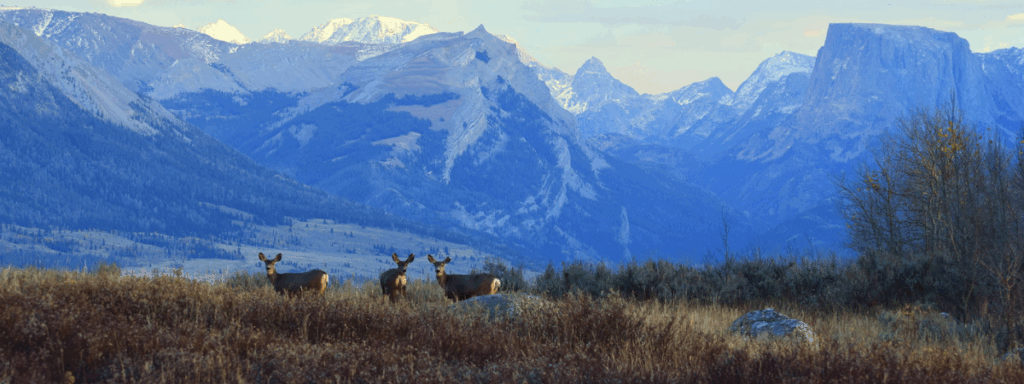
Special Places Worth Protecting

America’s most iconic landscapes provide unmatched habitat and unforgettable days afield. These places sustain wildlife, anchor local economies, and define the hunting and fishing traditions we pass down.

What TRCP is Doing

We’re working to conserve special places that provide world-class habitat and unforgettable opportunities for hunters and anglers.

 Franklin Adams
How Sportsmen Are Doing It Right

Franklin Adams's Story

As a true Gladesman, conservationist, and historian, Capt. Franklin Adams has spent more than six decades championing Everglades restoration efforts…

Habitat & Clean Water
Why It Matters

Healthy Habitat Powers Every Pursuit

All hunting and fishing opportunities depend on quality habitat, from clean water and healthy wetlands to winter and summer habitats and the migration corridors that connect them.

All About Habitat & Clean Water
What TRCP is Doing

We are working to safeguard the habitats that power every hunting and fishing opportunity.

 Alex Harvey
How Sportsmen Are Doing It Right

Alex Harvey's Story

Alex Harvey, founder of Legacy Land Management, is a registered professional forester in Mississippi and Alabama with a Master's degree…

Science
Why It Matters

Science That Guides TRCP

From conserving migration corridors and wetlands to ensuring clean water and resilient landscapes, science provides evidence that turns conservation goals into effective action.

Science for Conservation
What TRCP is Doing

For hunters and anglers, science safeguards the experiences we treasure including resilient big game populations, abundant fish, and wild places that endure changing social landscapes.

Jamelle Ellis
Your Science Expert

Jamelle Ellis's Story

Jamelle Ellis joined the Theodore Roosevelt Conservation Partnership in 2022. Jamelle spent the last three years as an environmental sustainability…

Where We Work
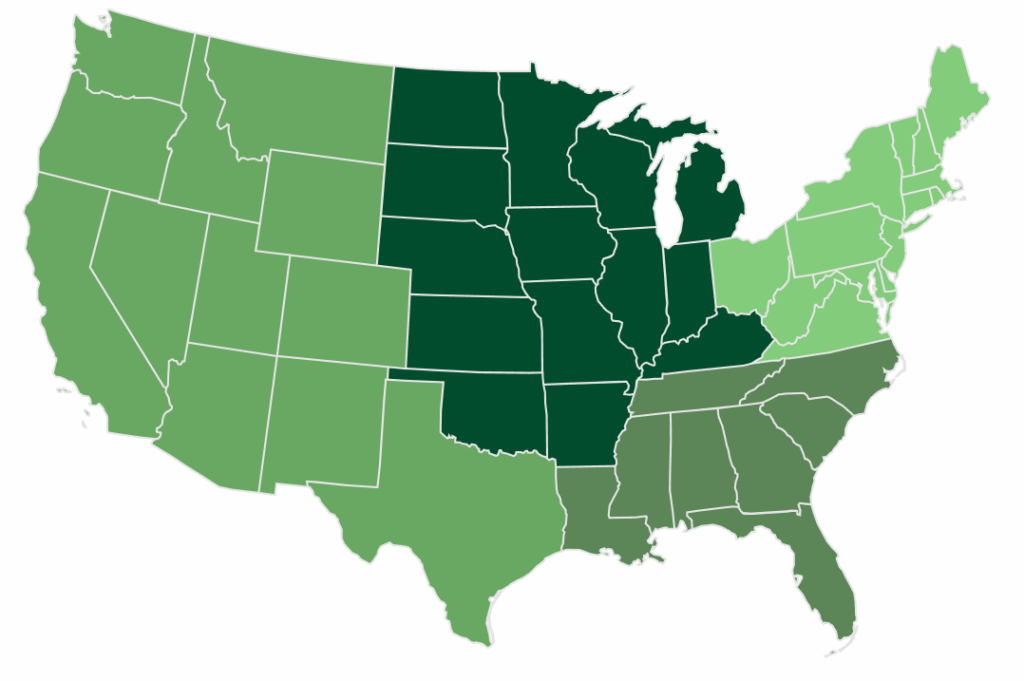
Across the Nation

Conservation Across America

TRCP works across the country to ensure hunters and anglers can enjoy healthy fish and wildlife and quality days afield, no matter where they live.

See All Issues
TRCP in Your Region

TRCP works across the country to ensure hunters and anglers can enjoy healthy fish and wildlife and quality days afield, no matter where they live.

Who We Are
Our Mission

To guarantee all Americans quality places to hunt & fish

We unite and amplify our partners’ voices to advance America’s legacy of conservation, habitat, and access.

Our Mission & Values
Our People & Partners
  • Meet the TRCP Team

    Our staff and board members unite and amplify our partners’ voices to advance America’s legacy of conservation, habitat, and access.

    Meet the Team
  • Our Partners

    ‘Partnership’ is in our name. We work with 64 diverse partner groups that represent today’s leading hunting, fishing, and conservation organizations in order to strengthen the sportsman’s voice in Washington, D.C.

    Our Partners
  • Corporate Council

    TRCP’s Corporate Council is made up of diverse corporations that share a common passion for conservation.

    Corporate Council
Our Organization

Looking for more information?

Explore our latest news, policy updates, and conservation resources to get the information you need.

Giving
How You Can Help

To guarantee all Americans quality places to hunt & fish

Your tax-deductible donation will support TRCP's mission, now and into the future.

DONATE
Special Ways to support trcp
  • Capital Conservation Awards Dinner

    The CCAD is one of Washington's best-attended conservation celebrations, featuring dinner, cocktails, and a silent auction.

    Learn More
  • Step Into the Arena

    Help us ensure that our treasured wild habitats and game remain intact for the next generation to enjoy – lend your support to the TRCP’s efforts today!

    Donate
  • Roosevelt Roast

    TRCP has partnered with Afuera Coffee Co. to further our commitment to conservation.

    Learn More
More donation options

Find the best way for you to lend your support. Join one of TRCP’s donor circles for special invitations, premium offerings from outdoor retailers, and more exclusive benefits. Take control of your legacy with planned giving or contribute to special conservation funds.

Other Ways To Give
News
In the Spotlight

In the Arena: Josh Warren

For many hunters and anglers, the connection to conservation begins close to home — in the woods behind the house, along a familiar stretch of river, or through time spent learning from mentors and family. That sense of place is something Joshua Warren carries with him, both personally and professionally. As Director of Marketing at WorkSharp, Josh represents a company rooted in Ashland, Oregon, a community defined by its access to public lands and wild country.

Read More

Stay Informed

Receive our newsletter, the Roosevelt Report, right in your inbox. Never miss the latest news in conservation issues.

by:

posted in:

February 23, 2017

Senenca

Do you have any thoughts on this post?

XHTML: You can use these tags: <a href="" title=""> <abbr title=""> <acronym title=""> <b> <blockquote cite=""> <cite> <code> <del datetime=""> <em> <i> <q cite=""> <s> <strike> <strong>

Comments must be under 1000 characters.

by:

posted in:

February 20, 2017

The Land We Love: A Photo Essay

If Congress is successful in rolling back our say in public land management, these are some of the places that could suffer

Threats to public lands take many forms. The latest attack involves a resolution that would strip away your ability to speak up for how you want your local BLM public lands managed. Furthermore, it would revert the BLM’s planning procedures to those put in place in 1983 and could prevent them from ever being updated with the same solutions for improving agency transparency and public input.

The House has already voted to block the updated planning rule and soon it could come to a Senate vote. This is an affront to sportsmen and women, many of whom depend on these lands for hunting and fishing. The time to act is now.

If this all seems a little abstract, scroll through these images to see what we’re fighting for. These are the BLM lands we love.

Space

Heads Up
Charlie Bulla (the photographer behind these stunning images) snapped this spike bull elk on public land overseen by the BLM’s Lewistown Field Office. Someday, a public-lands hunter might shoot him with something other than a camera—thanks to the multiple-use mission of the BLM. Giving the public more opportunities to weigh in on land-use planning could ensure that habitat, critters, and sportsmen get a piece of that multi-use pie.

Space

Monster Bulls
Randy Newberg (center) is a passionate and articulate advocate for public lands, and it’s clear why. This photo (and his bull) were taken on BLM land near Casper, Wyoming.

Space

Freedom Flies
Whit Fosburgh, TRCP’s president and CEO, found his calling as a sportsman growing up in the Adirondacks, but he doesn’t forgo many opportunities to head out West. Here, he trades his fly rod for a camera to capture this scene on the Yellowstone River, accessible via BLM land in Montana.

Space

Bachelor Party
Our Idaho field rep Rob Thornberry will be on the lookout for these Rocky Mountain bull elk again this fall, when he’s hunting on public lands managed by the BLM Idaho Falls District and Upper Snake Field Office. If there had been a mule deer among them that day, Rob’s hunting partner and photographer, Mike Clement, wouldn’t have wasted any time taking pictures.

Space

Firsts with Family
Ed Arnett (left), TRCP’s senior scientist, helped his cousin Larry bag his first pronghorn on BLM public land in southern Wyoming. Without public lands, we’d venture to guess that there would be far fewer first hunts like this.

Space

Habitat Improvement
The BLM’s Safford Field Office oversees one of nine regions in Arizona and manages 1.4 million acres of land across six counties. By locking the BLM into decades-old planning procedures, Congress would prevent these land managers from adapting more advanced, scientific management across that landscape. Image courtesy of John Hamill, TRCP’s Arizona field representative.

Space

Sunrise Scoping
TRCP’s Western field associate, Kevin Farron, snapped this photo of our Western lands director, Joel Webster, as he was glassing for mule deer at first light on BLM lands within the Dillon Field Office district in Montana.

Space

Happy Harvest
Newberg with yet another public-lands success story, this time in the BLM Rawlins District in Wyoming.

Space

Cows Can Come, Too
During a mule deer hunt, Farron snapped this classic Western scene—a cattle gate on public land in the Dillon Field Office BLM district. Hunting, fishing, cattle grazing, and other extractive activities are permitted on BLM lands. Public comment periods are necessary to keep the agency accountable to an appropriate balance—and one Senate vote could leave hunting and fishing priorities in the dust.

Space

Rising to the Ridgeline
Vistas like these can make even an unpunched tag worth the trip. Horse Camp Trail in the BLM Lewistown Field Office area puts on a pretty nice show. Image courtesy of Charlie Bulla.

Space

Making Memories
Joel Webster and his father at the end of a successful hunt on BLM lands in Utah’s Henry Mountains.

Here’s what you can do.

We’re not going down without a fight, and we’ve created a couple of tools so you can let your lawmakers know that you aren’t either.

Head over to our action alert page to send a letter to your Senator in support of BLM’s planning updates. We also created this Twitter tool to make it easy for you to reach key targets in the Senate directly.

As always, when you sign our Sportsmen’s Access petition, we’ll send letters to your local, state, and national lawmakers saying that you support keeping these lands public.

Enjoyed what you saw? Check out another BLM landscape worthy of conservation from photographer Charlie Bulla.

by:

posted in:

February 16, 2017

Passionate Steelheaders Could Be a Force in the Fight for Our Public Lands

A rare breed, the anglers who choose to pursue wild steelhead single-mindedly have just what it takes to stamp out threats to public access, especially when some of the best waters are on the line

I consider myself lucky to live in Washington State. As an avid steelhead angler, I’m at the epicenter of some of the best steelhead fishing in the Lower 48 (sorry, Oregon and California.) We enjoy just 13 million acres of national public lands—a paltry amount when compared to other Western states. But with the high deserts of the east and the coastal rainforests of the west side, the splendor of the places Washingtonians have to pursue this iconic game fish more than makes up for what the state lacks in overall acreage of public lands.

winter steelhead public lands Washington
Image courtesy of Chris Ringlee.

Unfortunately, wild steelhead are in serious decline—12 of the 15 populations on the West Coast are listed as threatened or endangered species, and the root cause of their collapse is heavily debated among anglers and fisheries managers. I’ve witnessed hours-long heated discussions about the impact of single-barbless and treble hooks on species survival. In fact, we get so caught up in whether to worry about overharvest, dams, hatcheries, or ocean conditions, that we’re failing to fight for the public lands that provide us with our best days on the water.

When some lawmakers talk about disposing of public lands, they’re talking about trading off your access to places like the mountainous headwaters of Washington’s Methow River in the Okanogan National Forest, which is considered one of the last strongholds for Columbia Basin summer-run fish, or some of the finest runs of summer steelhead in Oregon’s North Umpqua River. They’re toying with your ability to get to Idaho’s iconic Snake River via BLM land or hold a wild steelhead in Alaska’s vast and relatively untouched Tongass National Forest. Even the access provided by Washington’s Olympic National Forest to the river corridors of the Sol Duc and Queets, where dime-bright winter-run fish swim to their natal waters from November through May, could be closed off forever.

summer steelhead Olympic National Forest
Image courtesy of Luke Kelly.

You get the point. In state or private hands, the needs of steelhead or anglers will not be a priority on these lands—nor will the interests of hunters, hikers, bikers, or American families. The habitat could suffer under a different management model or inevitable lack of funding for upkeep, creating more trouble for the species that are already in a precarious situation.

Steelheaders are a passionate bunch—you’d have to be to brave the winter conditions we do without blinking an eye. That’s why we could truly be a force in the fight for our public lands. We don’t need to abandon our debate over the best approach for restoring steelhead populations, but we can’t afford to have the rug pulled out from under us in the meantime. As sportsmen, and as steelheaders, the simplest thing we can do to help ensure the future of the species and our fishing opportunities is to speak up for habitat AND our access to America’s public lands. It isn’t an either-or proposition.

by:

posted in:

February 15, 2017

No Trespassing Signs on Public Lands? It Isn’t What You Think

These days, it seems that everybody wants a piece of America’s public lands all to themselves. But the strategists behind the land transfer movement aren’t the only ones creating confusion to keep you from your public lands.

We received the following inquiry from a hunter in Oregon.

Q: What should I do when I find a “no trespassing” sign on public lands?

To whom it may concern,

I have a question regarding the posting of ‘No Trespassing’ signs on public land. I hunt late-season blacktails on public land in the Soda Mountain Wilderness of southern Oregon. The wilderness is adjacent to BLM lands and private lands.

I use the OnXMaps mapping service on my phone, and I always make sure to stay off of private land while I’m hunting, so I thought it was weird when I saw ‘No Trespassing’ signs posted within the wilderness boundaries. Even though I assumed the signs were incorrectly placed, I stayed off of the so-called private property and headed down the hill to my truck. At the trailhead, there was a landowner trying to find who had been hunting on his property. He threatened to have the trailhead closed and to prosecute the alleged trespasser to the maximum extent of the law. He wasn’t specifically accusing me, but was heavily insinuating it.

I pursued the issue and looked up BLM and wilderness maps online; they all showed that the landowner had placed ‘No Trespassing’ signs well into public lands.

It seems like there should be a significant penalty for this misconduct, but I cannot find any information regarding this issue.

Any tips or recommendations would be greatly appreciated.

Thank you for your time.

-Jason Y.
Coos Bay, OR

We thought it was an excellent question because we don’t believe the hunting and fishing public should get locked out of public lands that we all own so that a select few can benefit.

A: Let officials know, and be courteous.

From my point of view as a fellow Oregon public lands hunter, I can understand why you’d want to avoid this kind of confrontation and get to the bottom of things. It’s hard to say whether this landowner truly was mistaken about his property line or putting on an aggressive show. I reached out to Sean Carothers, a former BLM law enforcement officer in central Oregon, for his take on what to do next.

“I would contact the appropriate BLM district—I believe that’s the Medford District—and ask to speak with the law enforcement staff there,” says Carothers. “The BLM has regulations about ‘Interfering with Lawful Use’ and posting public lands as private is a classic example of that.

“At the very least, a ranger will go out and remove the signs. If it’s possible to identify the person who put the signs up, they will contact them and clear up any confusion about where the boundaries are and document the conversation so if it happens again, there’s a record for future enforcement. It could be a simple misunderstanding or it could be someone claiming public lands as his own. Either way, if the land truly is public, the signs are illegal and the district should do something,” he says.

The way I see it, in these vast landscapes interwoven with public and private lands, the improved mobile mapping technology we have at our disposal is now more accurate than what we had decades ago, but that doesn’t make them flawless. Fences or ‘No Trespassing’ signs may be misplaced, but we as sportsmen need to be respectful, and give the landowners the benefit of the doubt.

If you have any question, please take the higher ground and heed Sean’s advice: Call the BLM and let their law enforcement experts handle it. Be sure to take note of the precise location as well. Screenshots of your maps, pictures of the fences or signs, as well as the coordinates of your whereabouts are all good to pass on. The BLM can take it from there.

Part of being #PublicLandsProud and practicing #ResponsibleRecreation is being a good steward of the land—this includes showing respect for both public and private boundaries, even when you’re in the right and someone else might be mistaken. You never know when you might need to knock on that door again, perhaps to ask permission to retrieve lawfully taken game that crossed onto accurately marked property.

It’s important to remember that we’re all doing PR for hunting and fishing, in every social media post and every interaction with a non-sportsman. And we’ll come to rely on the image and relationships we’ve built as we work to uphold Theodore Roosevelt’s conservation legacy and our country’s rich history of public lands access.

Have you ever found a ‘no trespassing’ sign or locked gate on public land?

A new tool from the creators of the onX Hunt app helps you report it. The project is supported by the TRCP, Rocky Mountain Elk Foundation, and Backcountry Hunters & Anglers, and among our three groups we will find the best authority to address crowd-sourced public access challenges—and opportunities to create new access. Head over to onX to share:

  • Properties currently for sale that could provide a new public access route to public lands
  • Public land parcels that are currently landlocked or have no legal access
  • Gates or roadblocks restricting travel to public lands
  • Public waters that are difficult or impossible to reach

Private landowners can report places where the public is trespassing while trying to reach public land or spots they have opened to allow the public to cross responsibly.

Report Yours Now >

by:

posted in:

February 14, 2017

Will D.C. Finally Show Conservation Some Love in the Federal Budget?

Investments in conservation and support for fish and wildlife are a match made in hunting and fishing heaven, but cuts may be coming

Today, when most grade schoolers are exchanging candy hearts and Marvel superhero valentines, 213 groups are sending a message to President Trump and leaders in Congress about the heartbeat of conservation—smart investments in the future of our country’s lands, waters, and wildlife.

A coalition known as America’s Voice for Conservation, Recreation, and Preservation (AVCRP)—which comprises hunting, conservation, outdoor recreation, historic preservation, and cultural resource organizations—is calling for strong funding levels for a portion of the federal discretionary budget known as Function 300. This is the part of the budget that pays for a wide range of federal departments and agencies that manage our public lands and waters and work with private landowners in rural communities to ensure intact, working landscapes now and into the future.

Conservation Funding BLM Montana
Image courtesy of Bob Wick/BLM.

These federal departments, from the U.S. Department of the Interior and the Department of Commerce to the U.S. Forest Service and the Natural Resources Conservation Service, touch upon nearly every aspect of our daily lives. From the water we drink and air we breathe to the health of the nation’s fish and wildlife populations, conservation programs in the federal budget play a critical role.

But, despite its name, Function 300 has become, well, less functional than we’d like. It has been shrunk to half its size over the last 40 years, from approximately two percent of the federal budget to slightly more than one percent. In comparison, the nation’s outdoor recreation economy, which is sustained by this important conservation funding, generates more than $646 billion in revenue annually—that’s more than 98 percent of the Interior Department’s annual budget.

Conservation Needs a Raise

For sportsmen and women, conservation funding is an investment in our outdoor heritage. It helps restore water quality and support working lands, such as private farms and ranches adjacent to public lands that provide critical habitat for elk, whitetails, wild turkeys, waterfowl, and other game species.

Yet, throughout the country, federal funding for conservation has not kept pace with the needs on the ground. While about 72 percent of Westerners depend on public land to hunt and fish, the funding needed to manage and enforce order on public lands has dwindled. Our federal agencies lack staff for large swaths of our public lands, meaning that visitor centers have been shuttered, while biologists, ecologists, and range managers have been laid off and never re-hired. In some instances, public access points are closed altogether.

Meanwhile, the ability of agencies such as the Bureau of Land Management to ensure their multiple-use mandate is extremely challenged. The workforce that remains is in dire need of an infusion of new resources in order to carry out their mission of managing for grazing, logging, development, recreation, and a healthy balance of fish and wildlife populations and intact natural systems that can withstand invasive species, fire, drought, and other natural disasters.

We have been asking these Americans to safeguard our public lands for the next generation on a shoestring, and that’s a tall order.

More Cuts Mean Less of a Conservation Legacy

It’s time to re-prioritize our nation’s public lands and the health and vitality of our fish and wildlife populations. That’s why the Theodore Roosevelt Conservation Partnership would like to see the Trump administration propose a fiscal year 2018 budget that sustains and increases funding for conservation programs within important federal departments and agencies, including the Department of the Interior and Department of Agriculture. That’s also why nearly 1,200 national, regional, state, and local organizations across multiple sectors have supported the 8-year AVCRP effort.

The TRCP, both as an independent organization and via the AVCRP campaign, will also be speaking out against efforts to reinstate sequestration in the FY2018 budget. Originally proposed in 2011, sequestration would cut $1.2 trillion in federal funding, with the majority of these cuts disproportionately impacting non-defense, discretionary spending like Function 300.

The natural resources that are a part of our American identity can’t survive this level of cutbacks to conservation, particularly given the smaller sliver of the federal pie they’ve already been given over the past 40 years. We can’t afford to balance the budget on the backs of fish and wildlife and still pass healthy lands and waters on to the next generation.

Trump’s budget should sustain and invest in conservation. Congress should see to it that those funds are distributed. It’s simple enough to fit inside a greeting card.

HOW YOU CAN HELP

TRCP has partnered with Afuera Coffee Co. to further our commitment to conservation. $4 from each bag is donated to the TRCP, to help continue our efforts of safeguarding critical habitats, productive hunting grounds, and favorite fishing holes for future generations.

Learn More

You have Successfully Subscribed!

You have Successfully Subscribed!

You have Successfully Subscribed!

You have Successfully Subscribed!